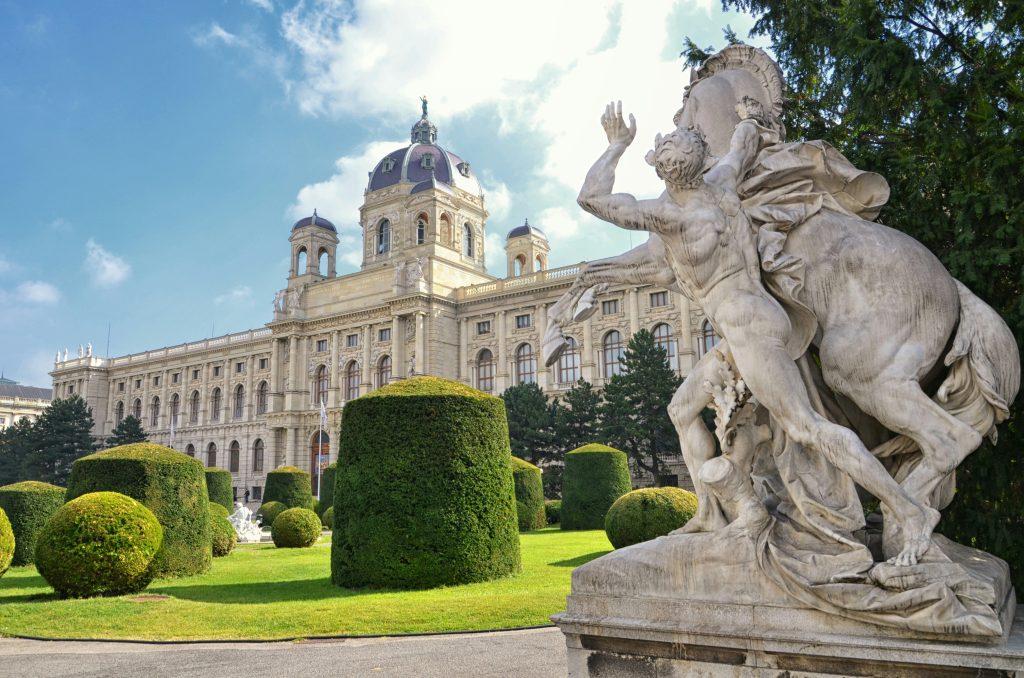
Vienna
25 hostels · dorms from €15
Imperial palaces, the world's best coffee houses, and standing opera tickets from €13.
Great place for art ann architecture lovers.
A traveller, on Hostelworld

An imperial capital, the Alps an hour from it, and a train network that makes both easy. More expensive than its eastern neighbours and cheaper than Switzerland, which is the whole proposition.
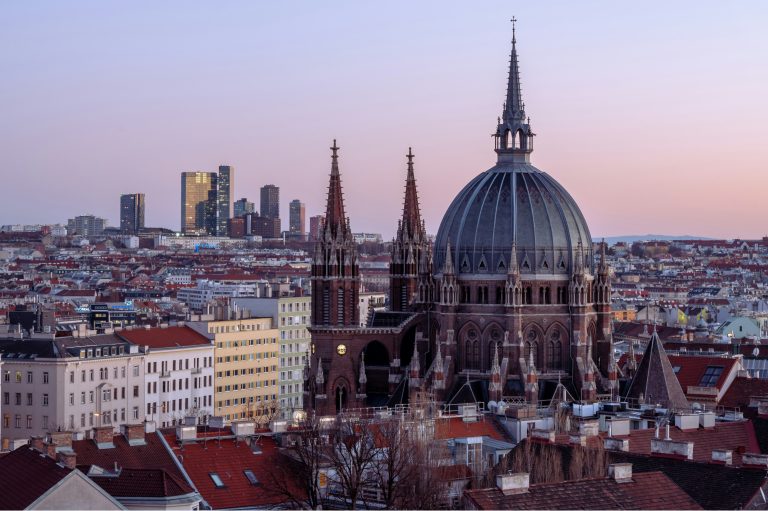
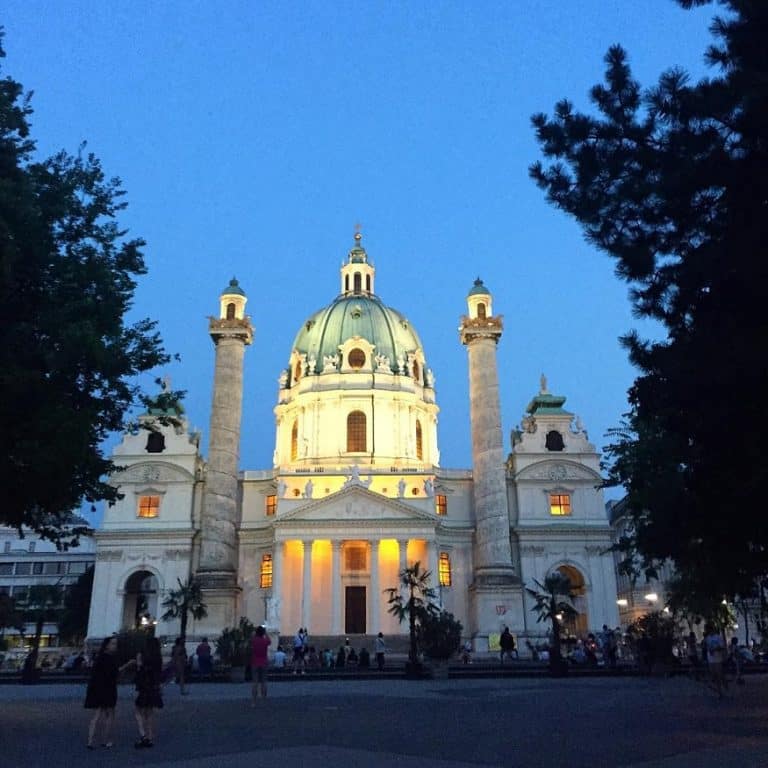
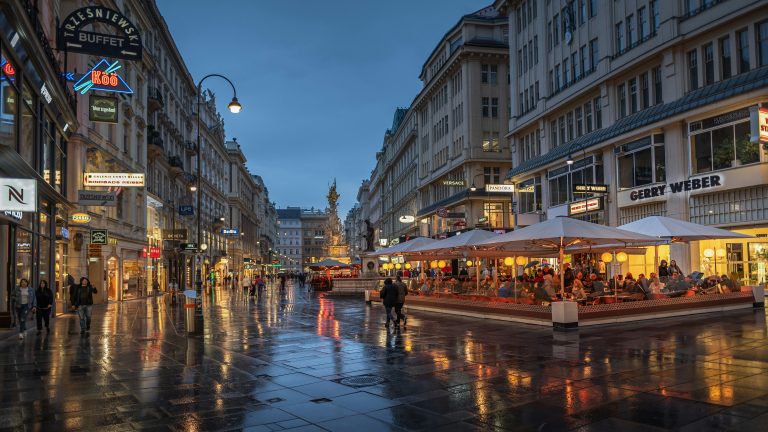
Vienna was the centre of an empire of fifty million people and it still has the buildings for it, which is why a city of under two million has palaces, opera houses and boulevards on a scale that makes no sense until you know the history. It is also regularly at or near the top of rankings of the world's most liveable cities, which shows in the transport, the parks and the drinking water piped from the Alps.
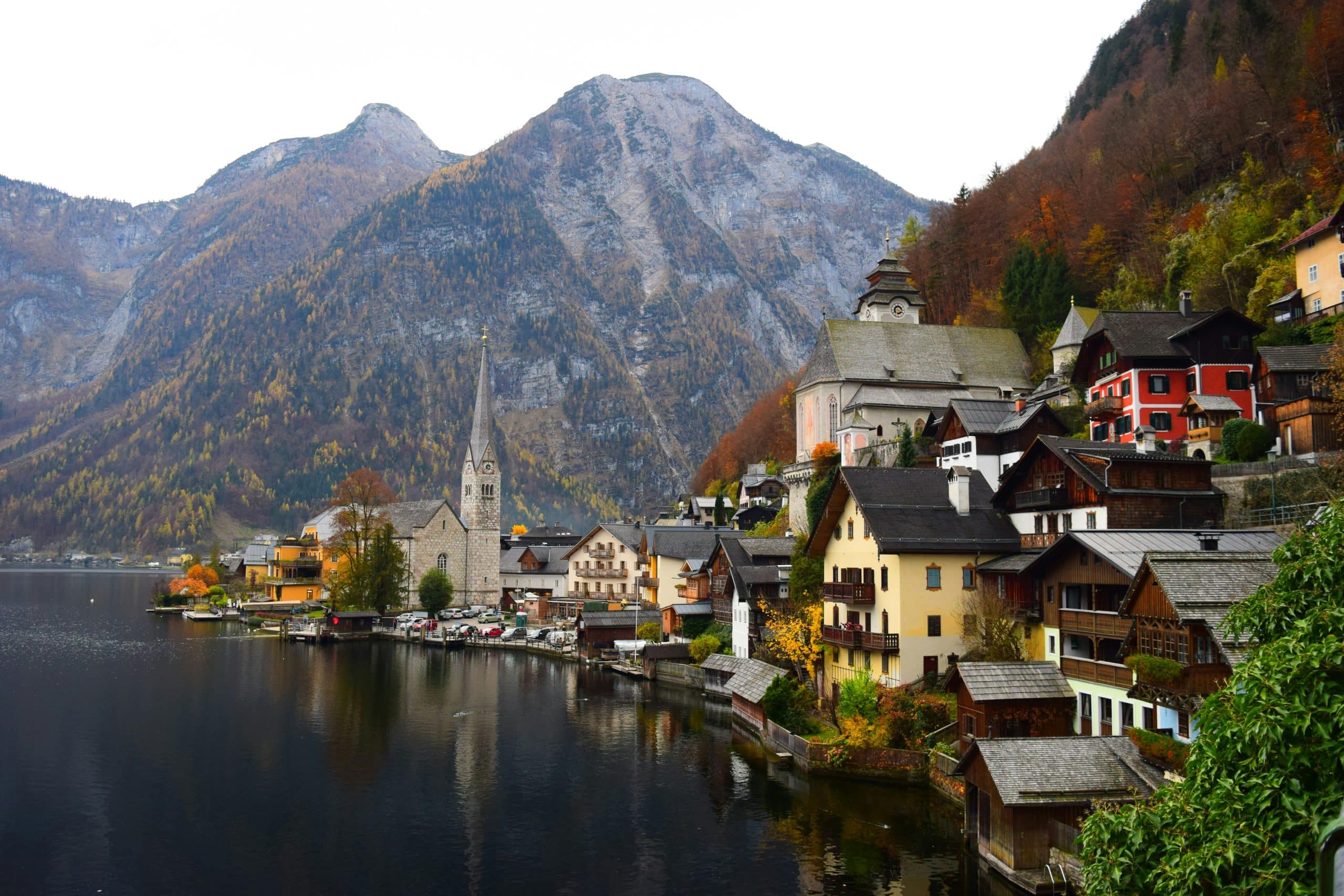
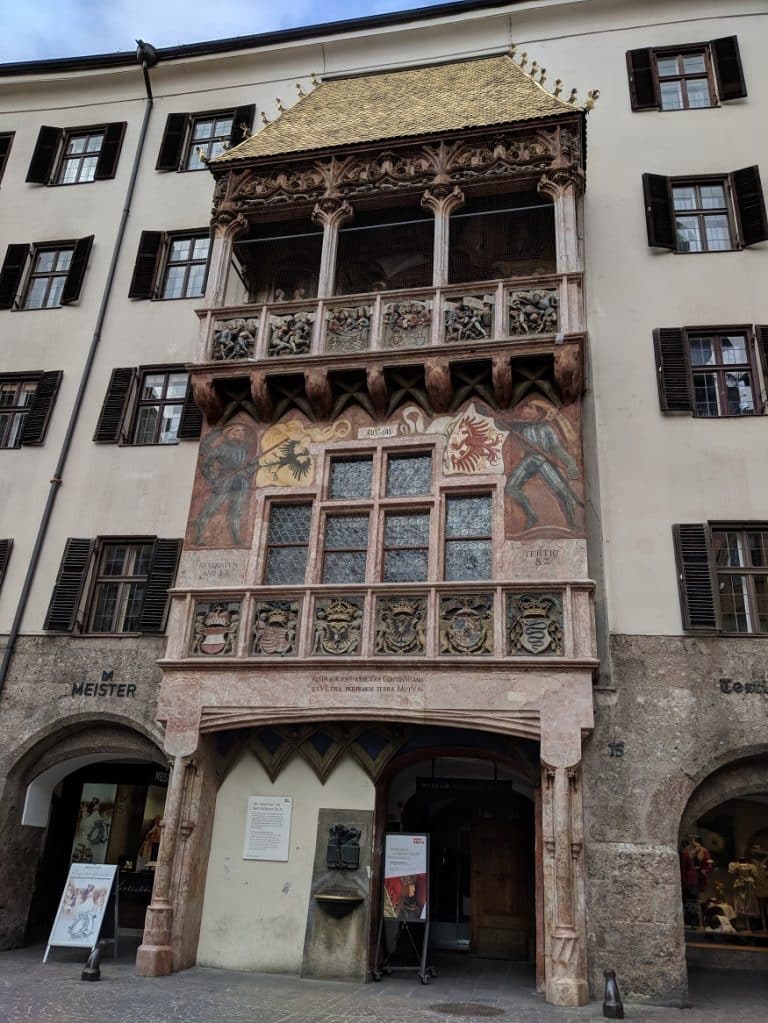
The rest of the country is mountains. Salzburg sits at the edge of them with Mozart and The Sound of Music doing the marketing; Innsbruck is properly in them, with ski lifts running from the city itself; and Hallstatt is the lakeside village that Instagram broke and that now limits visitor numbers.
Four days does Vienna and Salzburg by train. A week adds Innsbruck or the lakes. In winter the country becomes a ski destination and prices in the resorts behave accordingly.
Trains are fast and frequent, and no two cities here are more than five hours apart.
Imperial palaces, the world's best coffee houses, and standing opera tickets from €13.
Great place for art ann architecture lovers.
A traveller, on Hostelworld
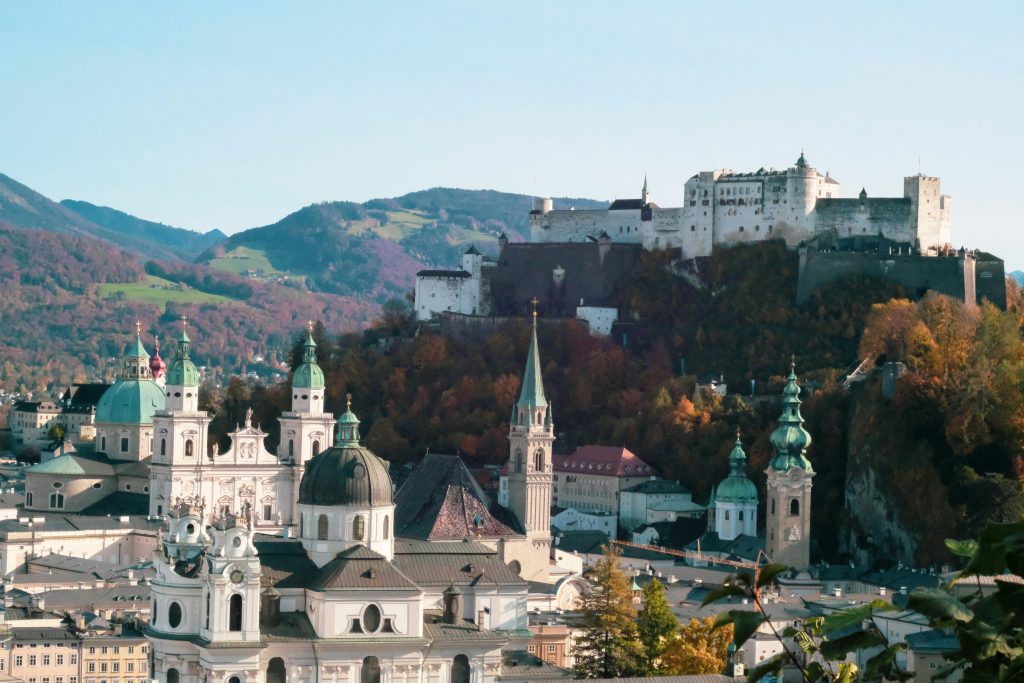
Baroque old town under a fortress, Mozart's birthplace, and the Alps starting at the edge of town.
Loved Salzburg, very quaint architecture, great Christmas markets and theatre, I saw the musical the Sound of Music and it had great English subtitles.
A traveller, on Hostelworld
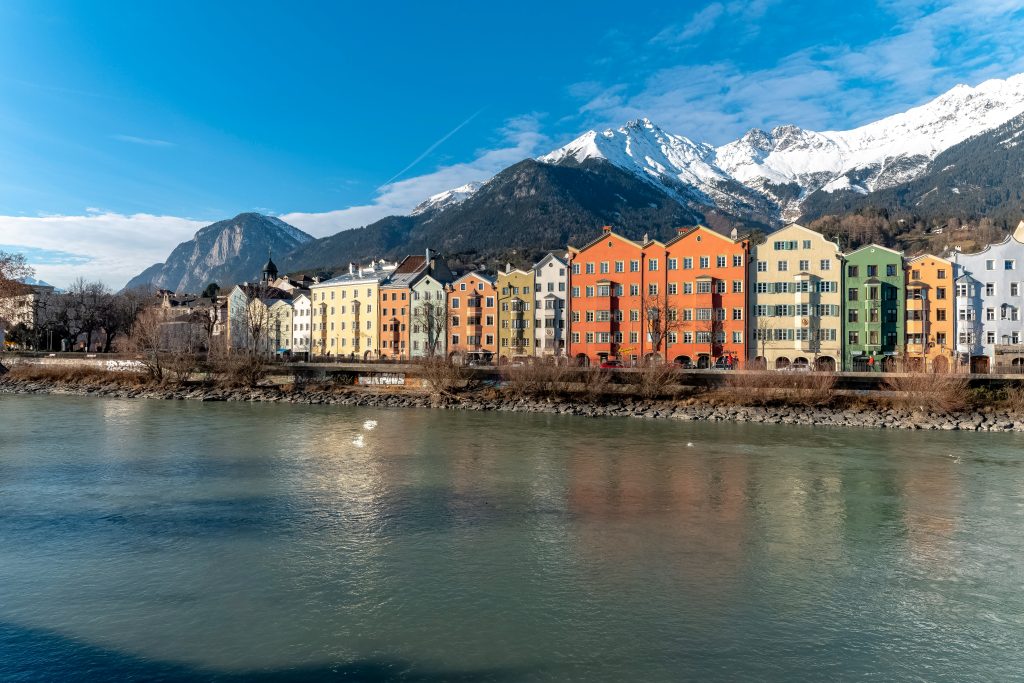
A city in the mountains, with ski lifts from the centre and a funicular designed by Zaha Hadid.
It is surrounded by mountains in all directions! Amazing hikes, Swarovski museum was nice. A good place to spend 2-3 days.
A traveller, on Hostelworld
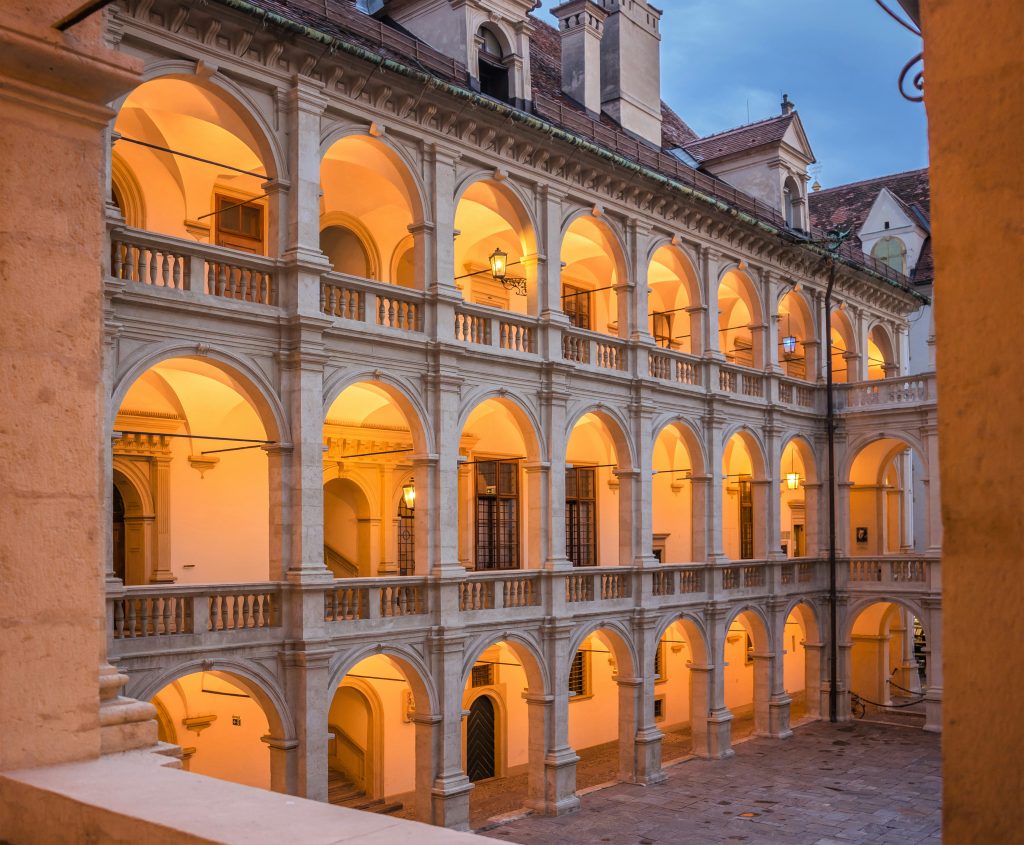
The second city, student-heavy, cheaper than Vienna and almost never visited by foreigners.
Lovely city for a couple of days to unwind and relax.
A traveller, on Hostelworld
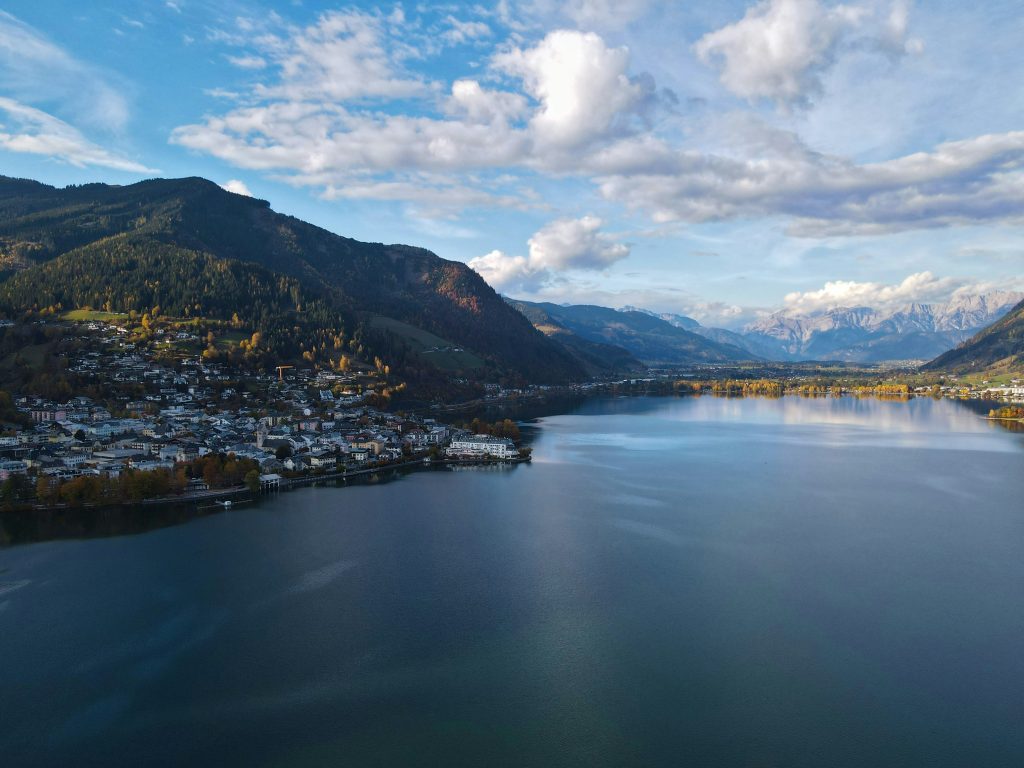
Lake and glacier, a summer hiking base and a winter ski one, with a week's worth of both.
Austria splits neatly into the city version and the mountain version.
Vienna in three or four days, on foot and by tram.
Habsburgs, Klimt and more classical music than anywhere.
Sixty-two per cent of the country is Alps.
Schnitzel, strudel and coffee houses listed as intangible heritage.
Quieter than Berlin, better than expected, cheapest in Graz.
Vienna's palaces are the anchor: Schönbrunn, the Habsburg summer residence, where the gardens are free and only the interior needs a ticket, and the Belvedere, which holds Klimt's The Kiss. The Kunsthistorisches Museum is one of the great collections in Europe and quieter than its equivalents in Paris or London.
The cheapest cultural experience in the country is a standing ticket at the Vienna State Opera — €13 to €18, sold online from 10:00 on the day of the performance, for the same show the stalls paid two hundred for.
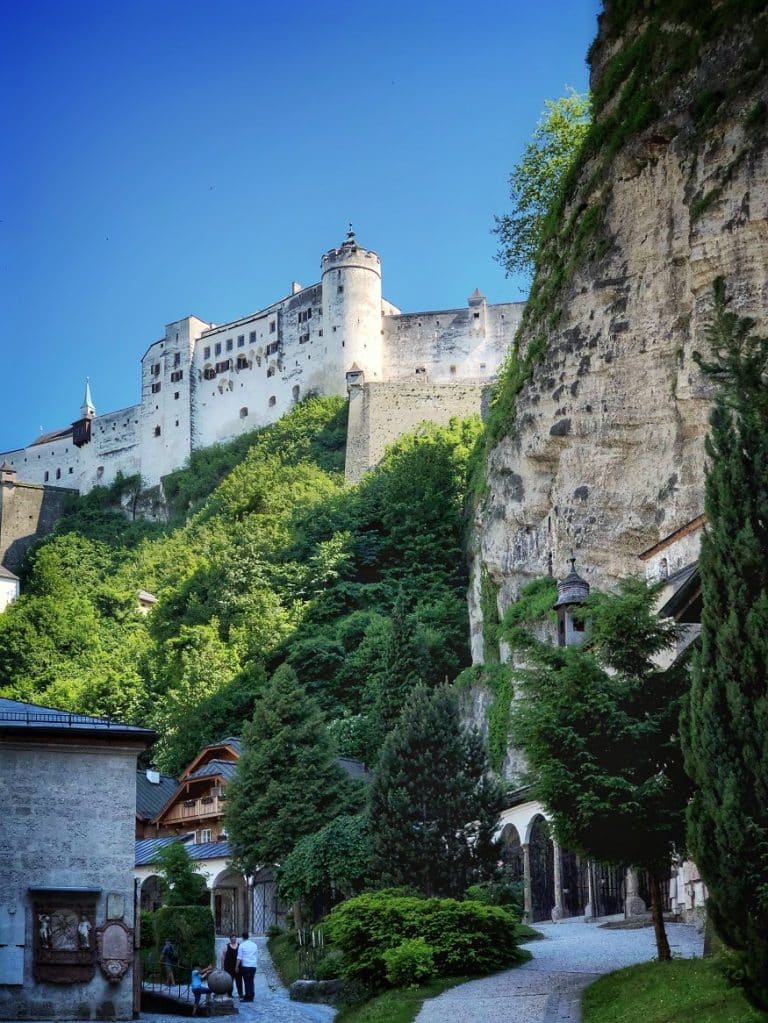
Outside the capital, the mountains do the work. Salzburg's fortress and the Sound of Music tour if that is your thing, Innsbruck's Nordkette cable car from the city centre to 2,300 metres in twenty minutes, and the lake district around Hallstatt and St Wolfgang.
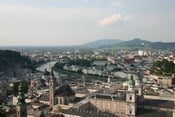
Austrian food is imperial leftovers: schnitzel from Milan, goulash from Hungary, dumplings from Bohemia, all absorbed and made heavier. A proper Wiener Schnitzel is veal, pounded thin, and overhangs the plate; the pork version is cheaper and legally must be labelled differently.
The coffee house is the institution and it is on Austria's national list of intangible cultural heritage under UNESCO. You buy one coffee, you get a newspaper and a glass of water, and you may sit for three hours without anyone suggesting otherwise. It is the best value in the city if you use it properly.
For cheap eating, the Naschmarkt for lunch, sausage stands — Würstelstände — that operate late into the night, and supermarkets, which are the only way to keep costs low in a country where a restaurant dinner is €18 to €25.
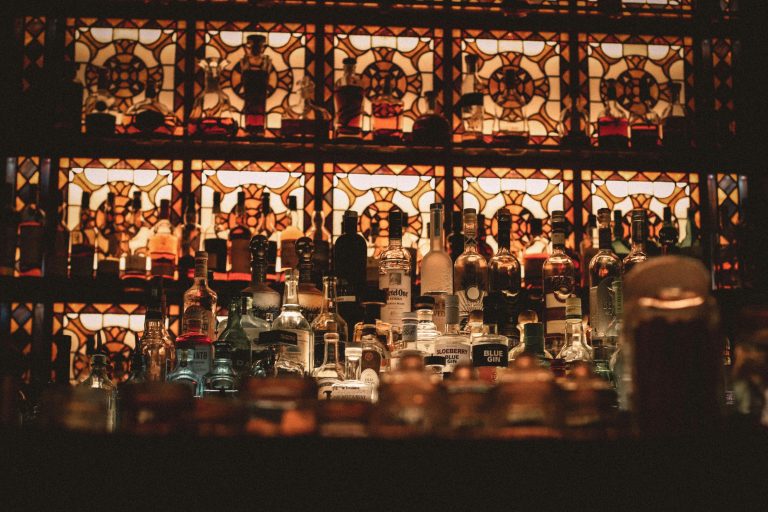
Vienna's nightlife is spread rather than concentrated. The Bermuda Triangle in the old town is the tourist-facing cluster; the arches along the Gürtel hold the better bars, and the Danube canal fills with outdoor bars from May to September.
Graz has the student population and the lowest prices, and Innsbruck's après-ski scene in winter is its own thing entirely — expensive, loud, and starting at four in the afternoon.
Austria is not a late country by central European standards. Bars fill around ten, clubs from midnight, and many close by three.
ÖBB runs one of the better rail networks in Europe: Vienna to Salzburg in two and a half hours, Salzburg to Innsbruck in under two, and Sparschiene advance fares that cost a fraction of walk-up prices. Westbahn competes on the Vienna–Salzburg line and is often cheaper.
Vienna's public transport is excellent and cheap — a 24-hour ticket is €10.20, or €9.70 bought digitally, and covers the U-Bahn, trams and buses. The 48- and 72-hour tickets were withdrawn in 2026, so for longer stays the 7-day ticket, €25.20 digitally, is the one to buy. The trams are also the cheapest city sightseeing there is: the ring line passes most of the imperial architecture.
In the mountains, post buses reach the villages and ski resorts run their own shuttles. A car is only worth it for the lake district and remote valleys, and winter tyres are a legal requirement in snow conditions.
Austria sits between its neighbours: noticeably dearer than Hungary or Czechia, noticeably cheaper than Switzerland. Vienna dorms start around €25, Salzburg and Innsbruck similar, and ski resorts in season are a different market entirely.
Vienna is unusually good value for culture. Standing opera tickets, free palace gardens, cheap transport and a coffee house that lets you sit all afternoon on one order all pull the daily cost down.
The mountains are where it climbs. A ski day pass is roughly €65 to €85 in the big resorts, equipment hire another €25 to €35, and resort food is priced for people who are not counting.
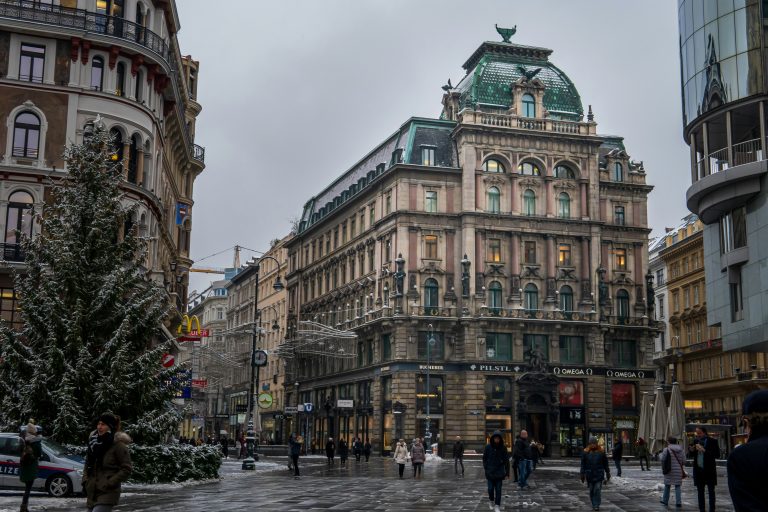
Austria is one of the safest countries in Europe and Vienna is safe at any hour, including on public transport. Pickpocketing occurs around Stephansplatz, the main stations and on the U-Bahn, at ordinary European levels.
The risks here are alpine. Weather in the mountains changes fast, marked trails are graded by difficulty for a reason, and people get into trouble every summer by starting a long route in the afternoon. Check the forecast, tell someone your plan and turn back earlier than you want to.
In winter, avalanche risk is published daily and taken seriously. Off-piste skiing without a guide, a transceiver and the training to use it is how people die here, and it happens every season.
Austria is in the Schengen area. EU citizens need an ID card. UK, US, Canadian and Australian passport holders get 90 days in any 180 across the whole zone, counted together rather than per country.
Passports need three months' validity beyond departure and to have been issued within the last ten years.
ETIAS has been postponed several times; check the official EU page rather than any article. If you are skiing, check that your travel insurance covers winter sports and mountain rescue specifically — standard policies often do not, and a helicopter evacuation is billed.
Austria has two seasons that both work: alpine summer from June to September, and ski season from December to March. April and November are when half the mountain infrastructure closes.
Average highs for Vienna. Mountain valleys run several degrees colder and the high Alps hold snow into June.
Pick how you travel and how long for. Per night, for one person, outside ski season in the resorts.
Excludes ski passes and hire, which add roughly €90–120 a day. Vienna to Salzburg is €20–35 booked ahead on ÖBB or Westbahn.
Vienna's ball season and Salzburg's festival are the two that move prices. Both are worth seeing.
 Staff pick
The Urfahraner Herbstmarkt in Linz, Austria, is a beloved folk festival with roots dating back over two centuries, drawing hundreds of thousands of visitors…
 Staff pick
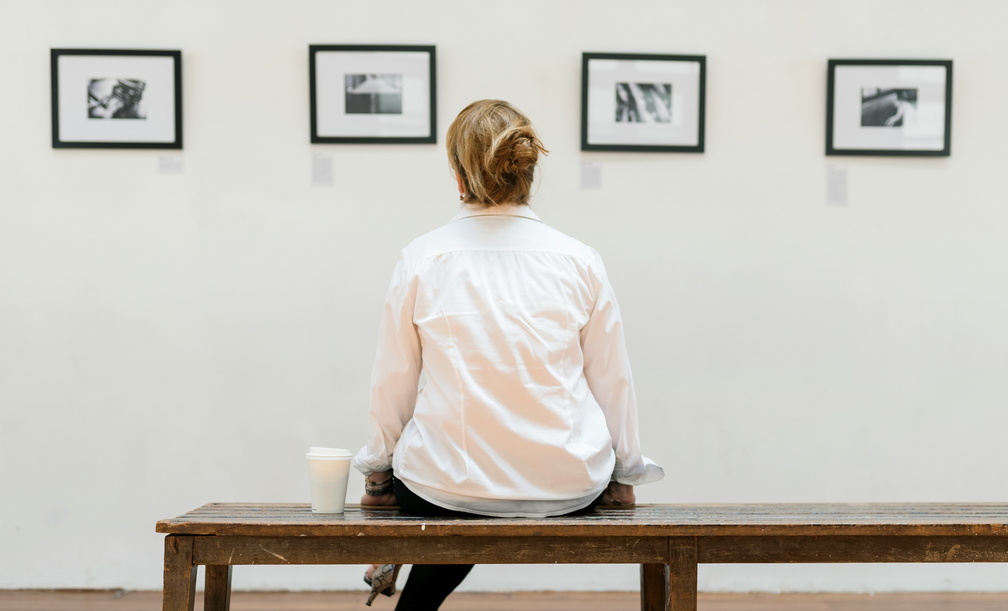
The ORF Long Night of Museums in Graz, Austria, invites culture enthusiasts to explore a rich variety of exhibitions and special programs across the…
 Staff pick
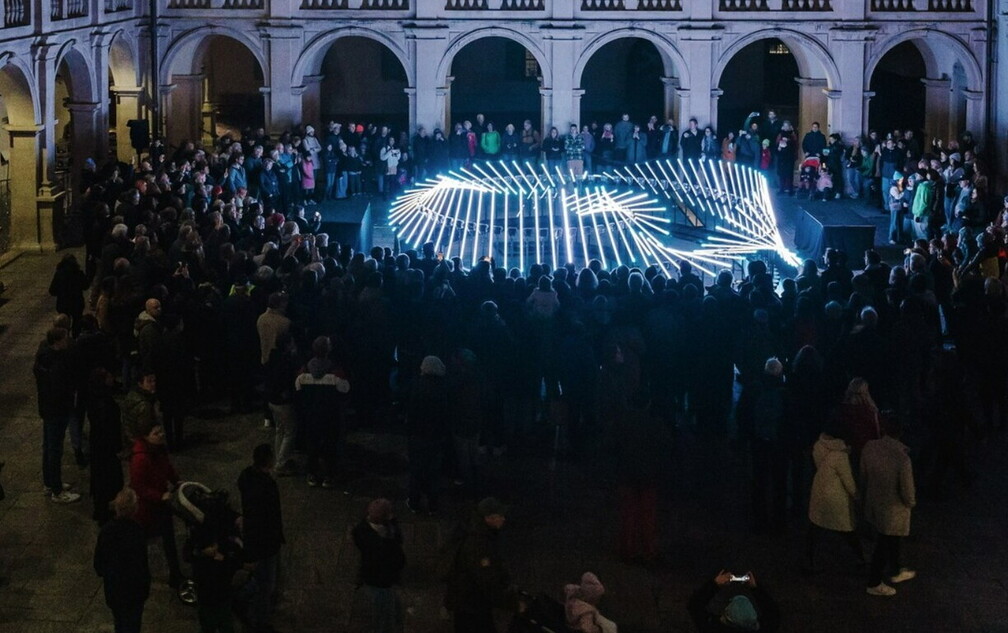
KLANGLICHT transforms the historic Eggenberg Palace in Graz, Austria, into a captivating stage for contemporary art, where light, sound, and space converge in innovative…
 Staff pick
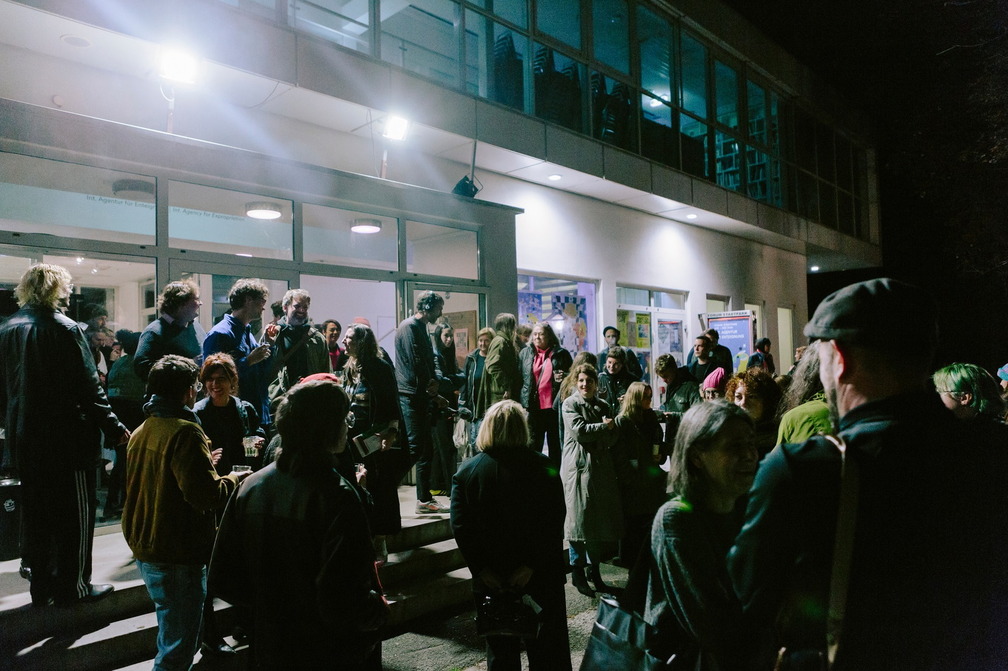
Steirischer herbst in Graz, Austria, is a pioneering festival for contemporary art that has been shaping the European cultural landscape since 1968. Known for…
 Staff pick
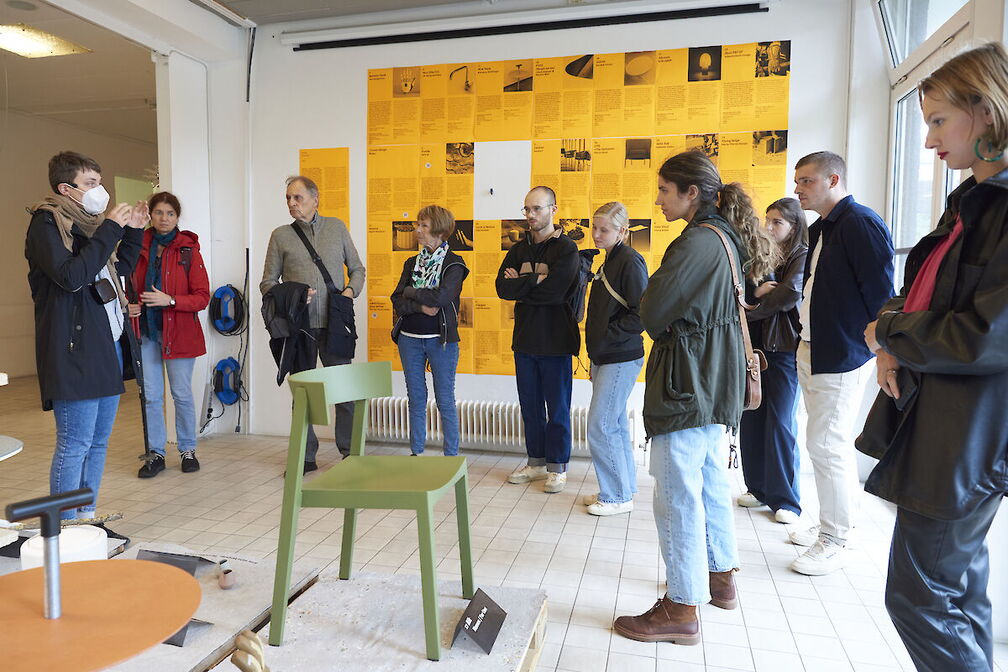
Vienna Design Week is Austria’s leading festival dedicated to showcasing innovative design across multiple disciplines. Held annually in Vienna, the event transforms the city…
 Staff pick
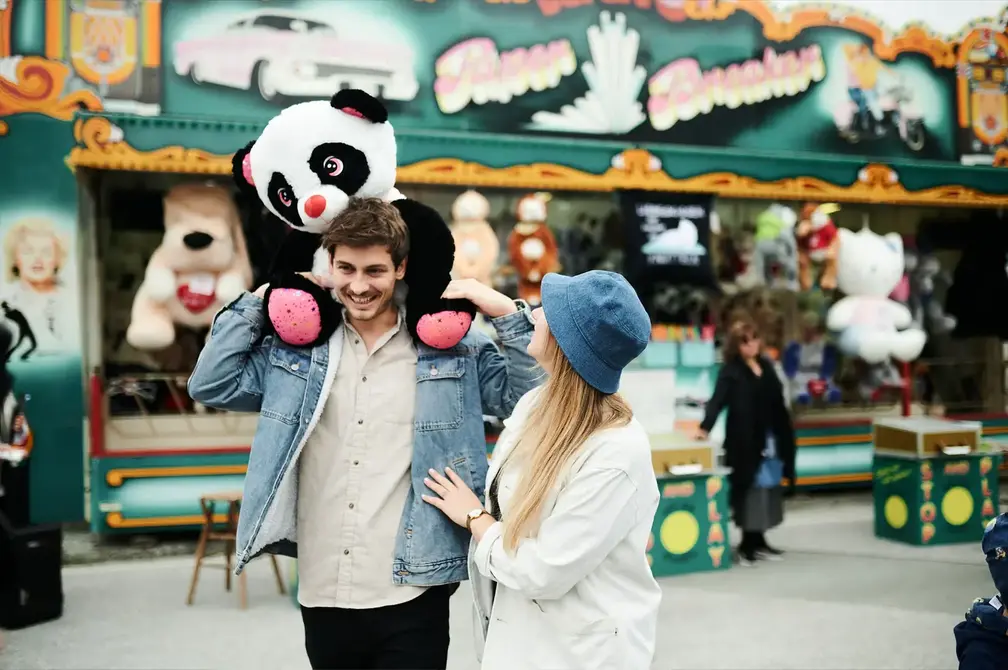
The Graz Autumn Fair is a major highlight in southern Austria, drawing tens of thousands of visitors each year. This lively event blends a…
 Staff pick
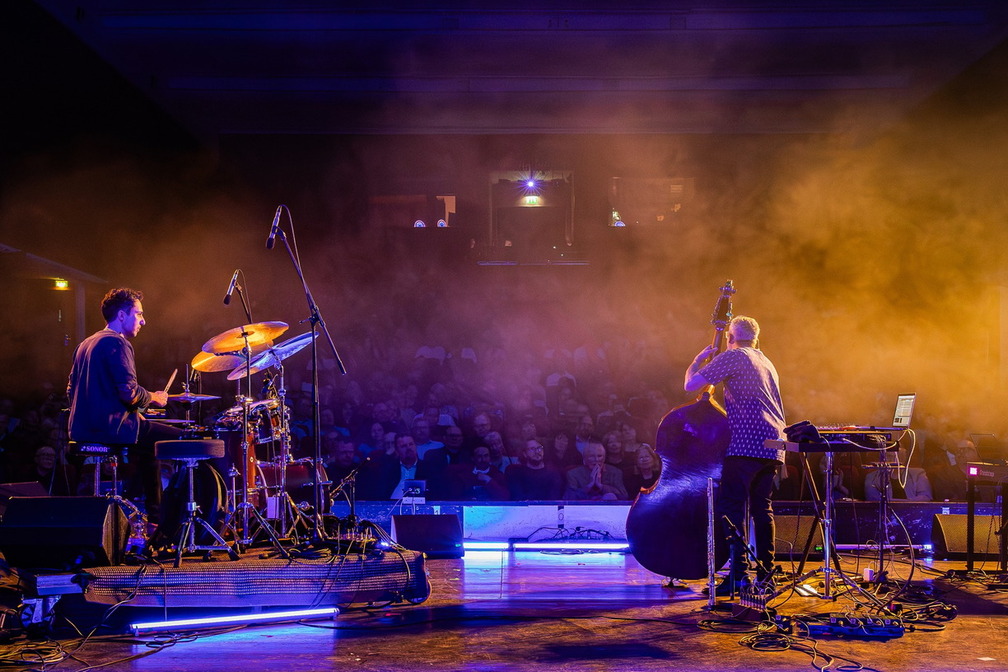
Jazz&TheCity in Salzburg, Austria, brings the historic Old Town alive with an eclectic mix of jazz, global grooves, and electronic music. For over 25…
 Staff pick
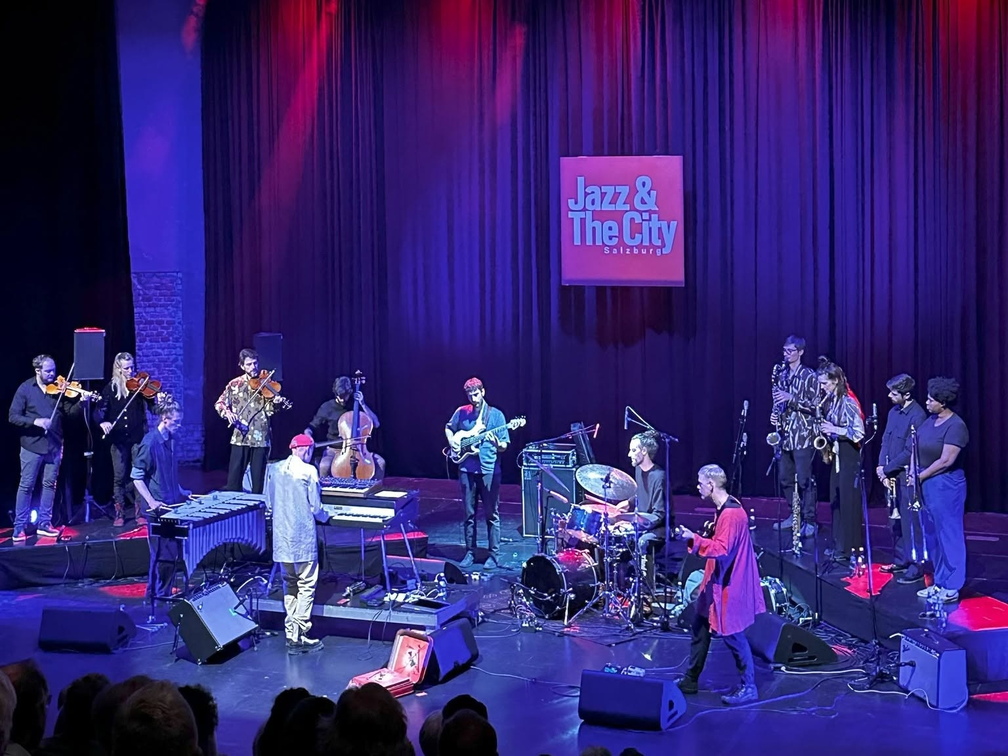
Jazz&TheCitysounds Festival transforms Salzburg, Austria, into a lively hub for jazz, global grooves, and electronic music, drawing artists and audiences from around the world.…
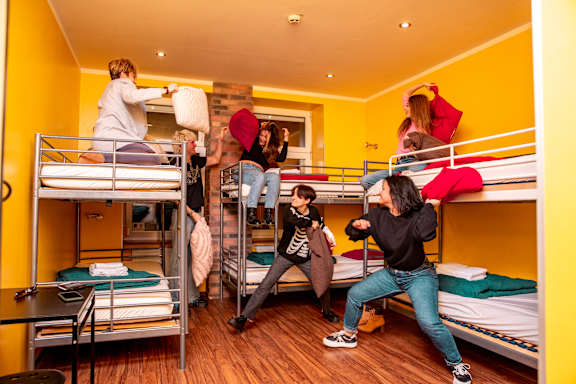
The highest-rated hostels in the country, live from Hostelworld. Vienna has the most choice; mountain towns book out in both summer and ski season.
The ones we get asked most.

Compare hostels across Austria — live prices, real reviews and free cancellation on most bookings. Then meet the people already there in the app.

 Get the App.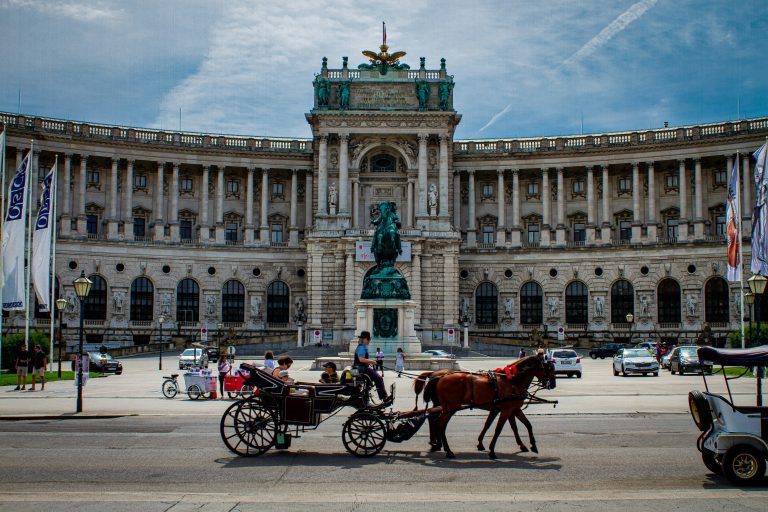
 Get the App.