Historic centre
First-timersAround the Graslei, the cathedral and the castle: everything walkable, mostly car-free, and the best of the city.

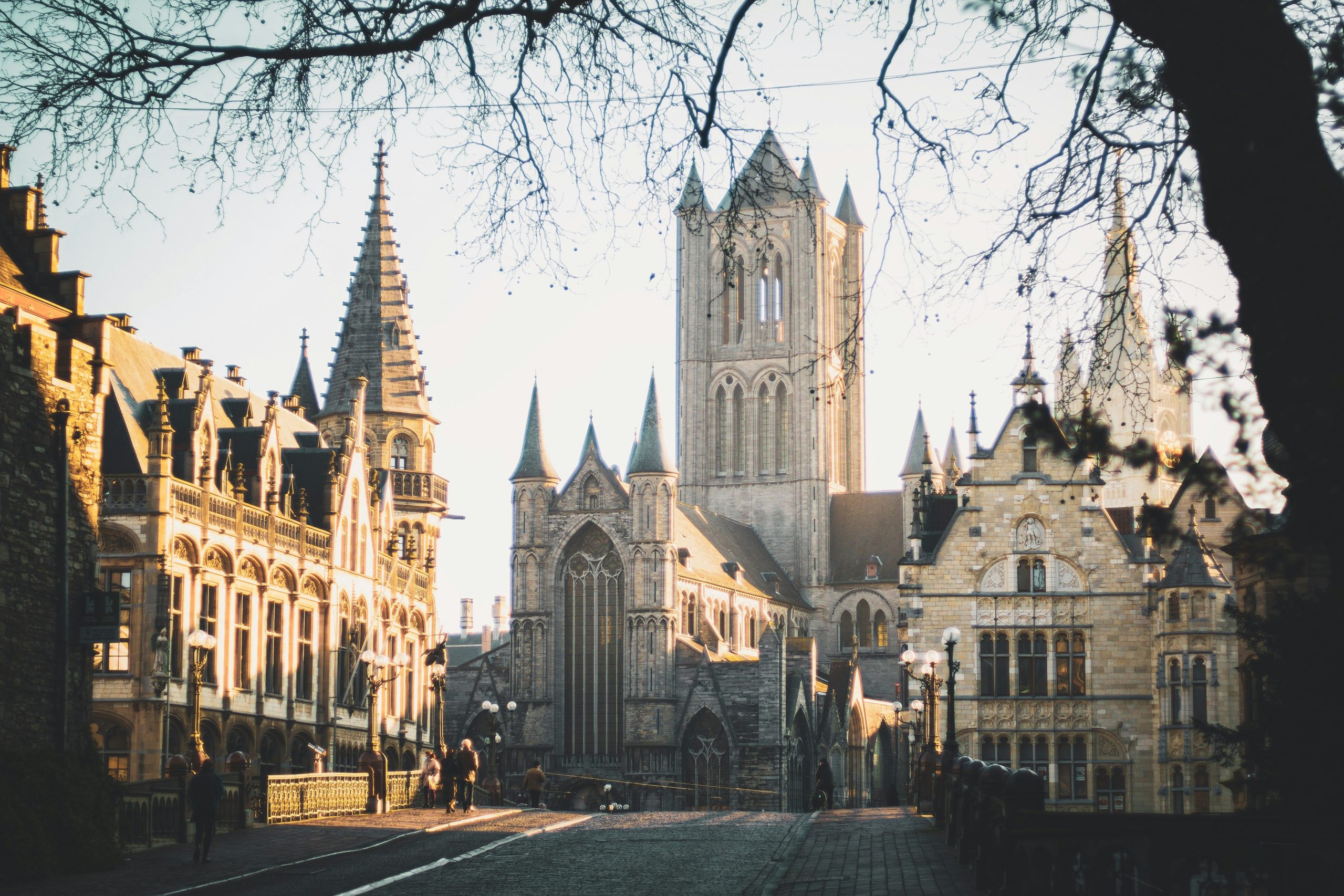
Bruges with 70,000 students: the same medieval waterfront, a castle in the middle of town, a stolen-and-recovered Van Eyck altarpiece, and a city that is lived in rather than visited.
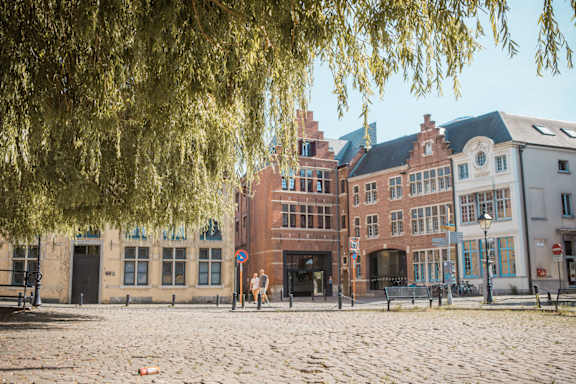
Ghent was the second largest city in northern Europe after Paris in the fourteenth century, grew rich on cloth, and has the guild houses along the Graslei waterfront to prove it.
Unlike Bruges it never became a museum. Seventy thousand students in a city of 265,000 keep it noisy, cheap and open late, and the historic centre is full of people who live there.
The Ghent Altarpiece in Saint Bavo's Cathedral is the single most stolen artwork in history — taken thirteen times, with one panel missing since 1934 and never recovered — and it is extraordinary in person.
Gravensteen, a moated twelfth-century castle, sits in the middle of the city, and the audio guide is famously a comedy routine.
Two days, and it is the Flemish city most people wish they had given longer.
A compact centre and a student belt around it.
Around the Graslei, the cathedral and the castle: everything walkable, mostly car-free, and the best of the city.
A tangle of medieval lanes behind the castle, full of restaurants and small bars. The best area to eat.
South of the centre: the student bar street, cheapest food in the city and a fifteen-minute walk in.
Orange labels are neighbourhoods, dots are the 5 top-rated hostels. Map © MapTiler © OpenStreetMap contributors.
The Ghent Altarpiece, in Saint Bavo's Cathedral, is the thing to see. Van Eyck finished it in 1432, and it has been stolen thirteen times — by Napoleon, by the Nazis, and in 1934 by a thief who took one panel that has never been found. A recent restoration removed centuries of overpaint and revealed a startlingly human-faced lamb. Entry with the augmented reality tour is about €16.
Gravensteen is a moated castle in the middle of the city, and its audio guide is a deliberate comedy written and performed by a Flemish comedian, which is why people who dislike audio guides recommend this one.
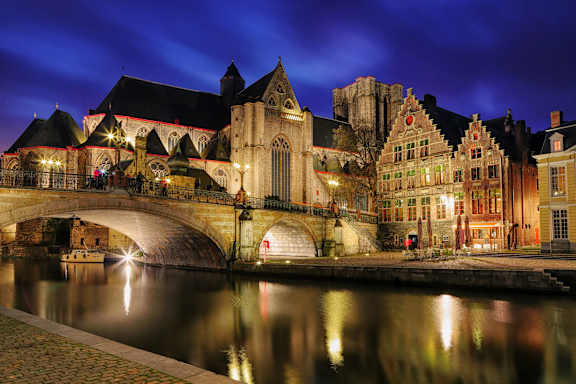
The Graslei and Korenlei waterfront is the postcard, best in the evening when the guild houses are lit.
The Werregarenstraat, known as Graffiti Street, is a legal alley repainted constantly.
The Graslei and Korenlei waterfront costs nothing and is the best thing in the city at dusk.
Graffiti Street is a legal alley that changes weekly and is free to walk through.
Saint Bavo's Cathedral is free to enter — only the altarpiece chapel charges — and the Belfry square, the castle exterior and the Patershol lanes are all free.
Citadelpark and the Blaarmeersen lake on the city's edge are free, and the lake has a beach in summer.
Museums are free on the last Sunday morning of the month, including the fine arts museum and the city museum.
Ghent is the vegetarian capital of Belgium and has been running Veggie Thursday as city policy since 2009, so meat-free options here are good rather than grudging.
Waterzooi is the local dish — a creamy stew of chicken or fish — at €18 to €24, and stoverij, beef in beer, is the other.
Patershol is where to eat: a medieval quarter of narrow lanes packed with restaurants at every price.
Cuberdons, purple cone-shaped sweets known as Ghent noses, are sold from two competing carts on the Groentenmarkt whose rivalry is locally famous.
Beer is Belgian and the student population keeps it cheap: €3 to €5, less on Overpoort.
Seventy thousand students make this the best night out in Flanders. Overpoort is the student street — a row of bars and clubs that runs until six in the morning in term time and costs very little.
The centre has better bars: Dulle Griet, which takes a shoe as deposit for its Kwak glass; 't Dreupelkot for jenever; and the Vlasmarkt for a mixed crowd.
A beer is €3 to €5, and the strong Belgian rules apply.
The Gentse Feesten in July is one of the largest free street festivals in Europe — ten days when the whole centre becomes a stage and the city barely sleeps.
The centre is compact and largely car-free, and walking covers it.
Sint-Pieters station is 25 minutes south on foot or a few minutes on tram 1, which runs straight to the centre for €2.50.
Trains reach Bruges in 25 minutes, Brussels in 35 and Antwerp in an hour, all for €7 to €12, with the Weekend Ticket halving fares on Saturdays and Sundays.
Bikes are everywhere and rental is €10 to €15 a day. Ghent has one of the most ambitious car-free centre plans in Europe, so driving in is deliberately difficult and parking is expensive.
Cheaper than Bruges and Brussels, held down by students. Dorms are €20 to €35, a beer €3 to €5, and a main €16 to €24.
A day is €50 to €80.
The altarpiece at about €16 is the one significant entry fee. Museums are free on the last Sunday morning of the month, and the waterfront, the graffiti alley and the Patershol lanes cost nothing.
Eating around Overpoort rather than the centre cuts a meal in half.
Ghent is a safe, comfortable city, and the student population means the centre is busy and lit late.
Bike theft is the main crime — lock properly if you hire one, and use the frame as well as the wheel.
The canals have unrailed edges in places and the cobbles get slippery in rain.
Overpoort on a term-time weekend is a lot of very drunk students, which is more chaotic than dangerous but worth knowing if that is not your scene.
Cyclists have priority and move fast through a centre that is designed around them. Emergency number is 112.
Everything in Flanders is under an hour.
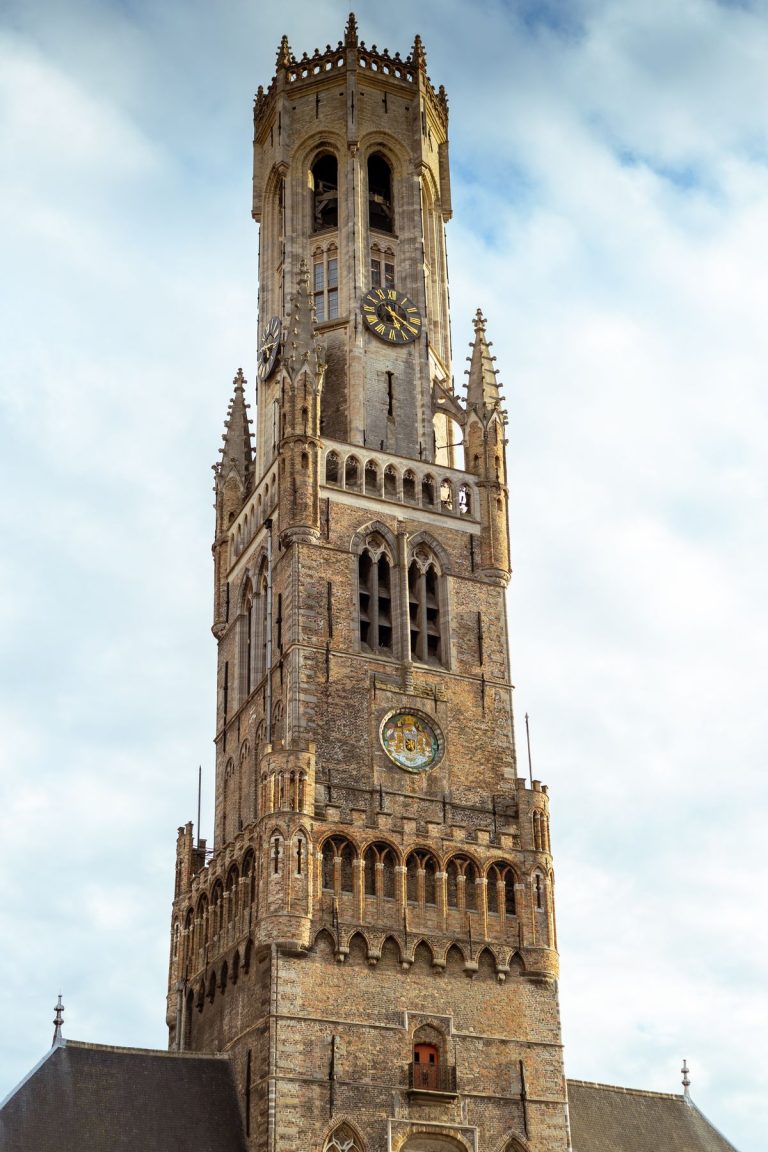
The famous one. Go early or late, and you will likely prefer Ghent.
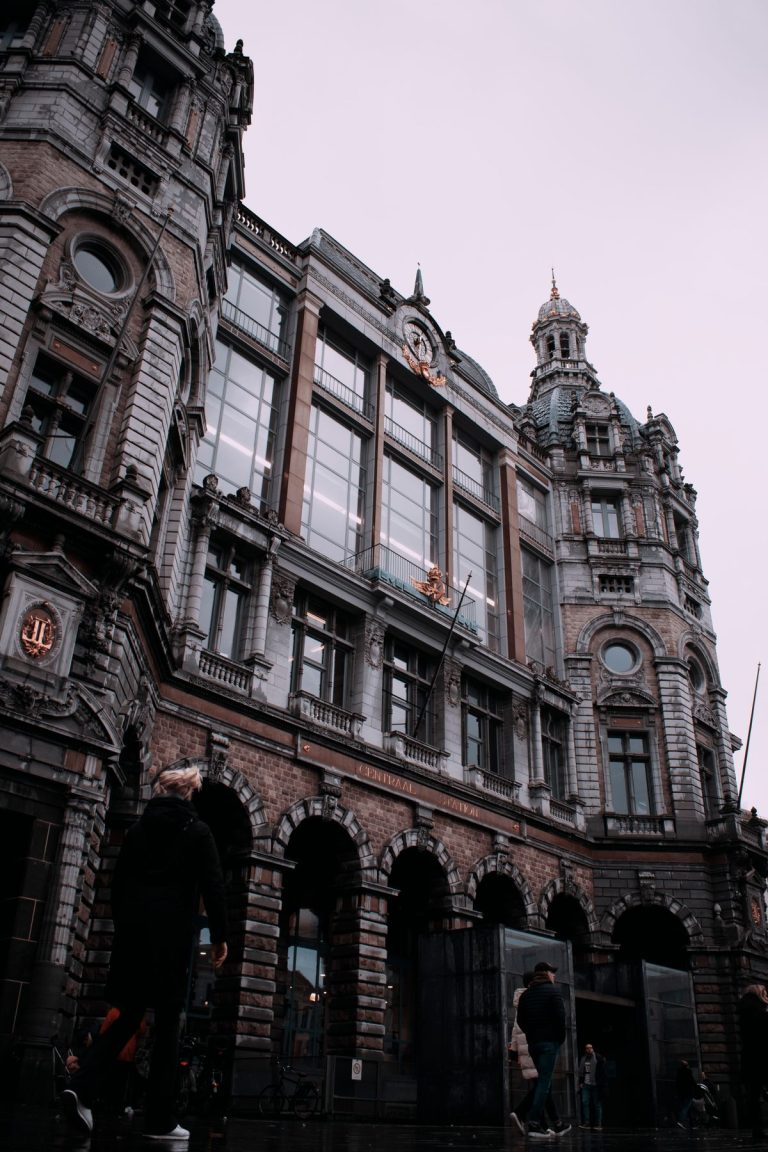
Fashion, Rubens, diamonds, and the finest railway station in Europe.
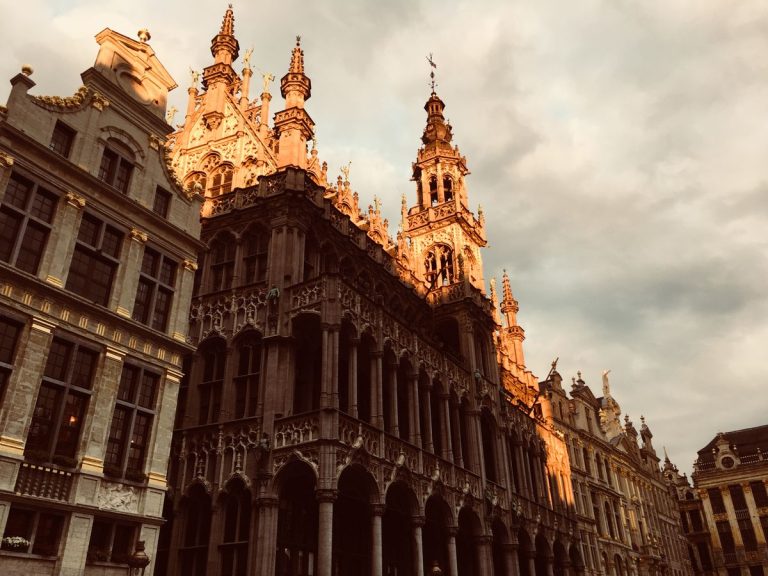
The capital, Art Nouveau and the best beer bars in the country.
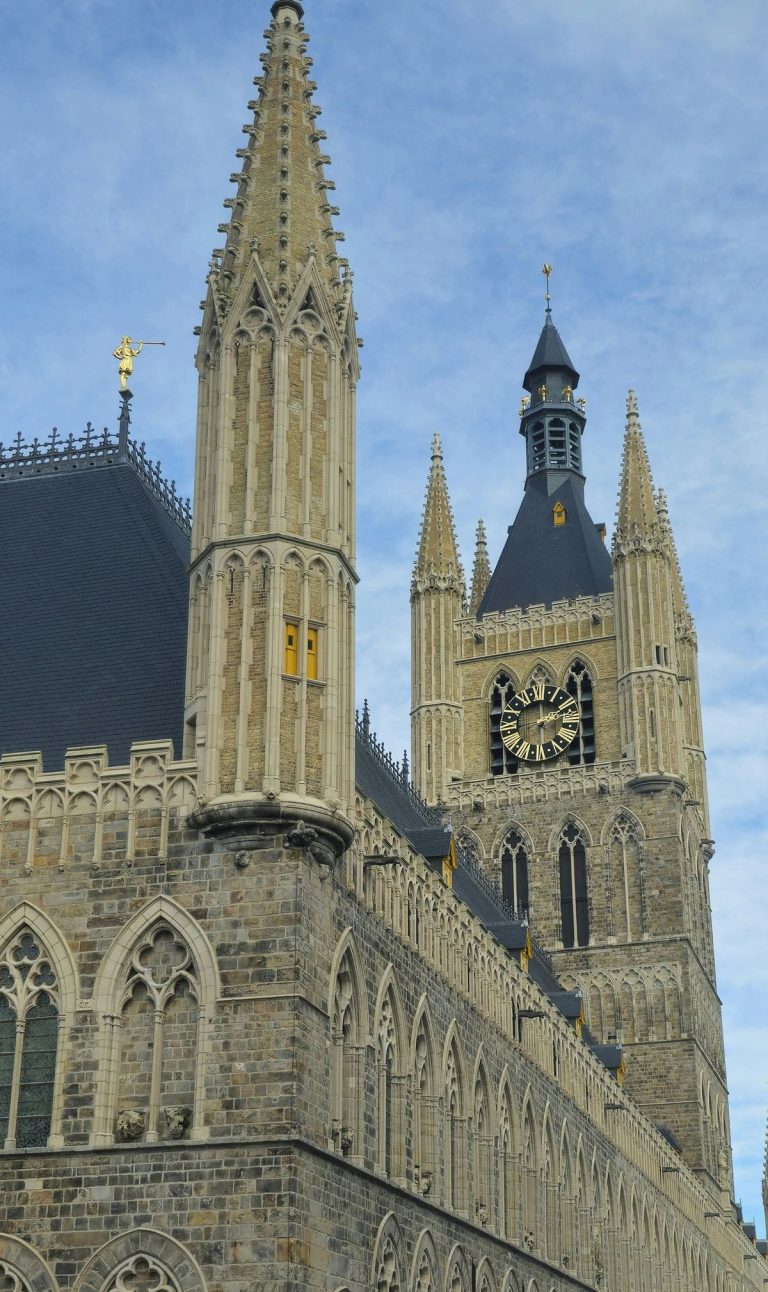
The First World War Salient, the cemeteries, and the Last Post under the Menin Gate at eight every evening.
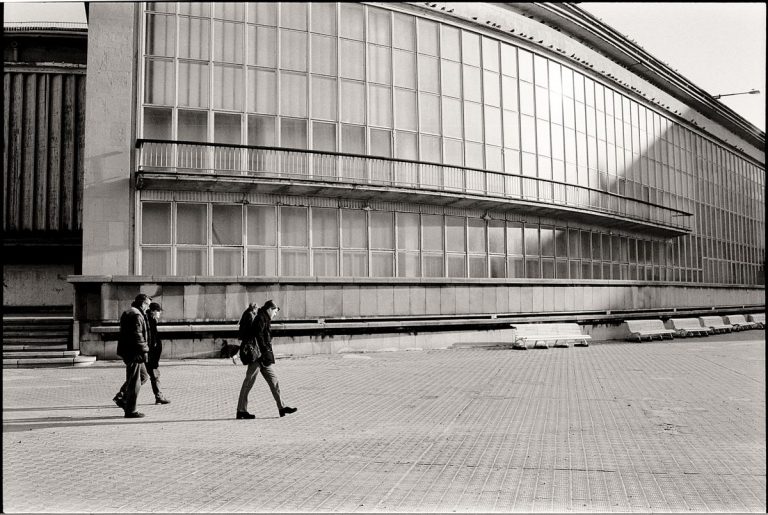
The North Sea coast, a long beach and the coastal tram running 68km.
One of the largest free street festivals in Europe takes over the city for ten days.
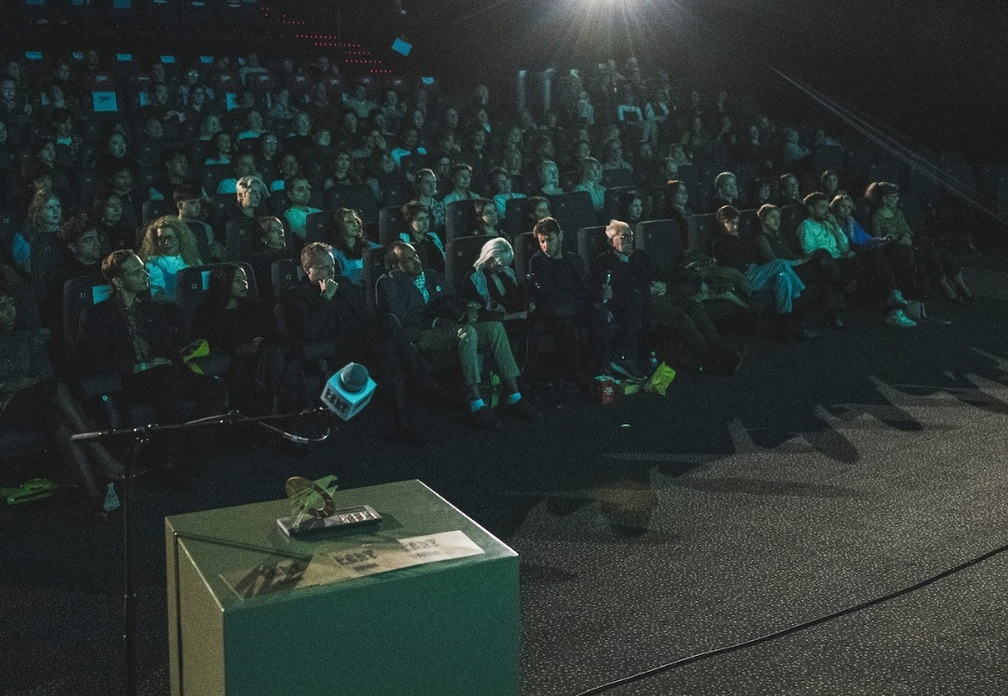 Staff pick
Film Fest Gent in Ghent, Belgium, is a renowned celebration of cinema that brings together film lovers, creators, and industry experts. The festival features…
 Staff pick
Created by the French composer Georges Bizet in 1875, Carmen is an opera of four acts. When it was first performed in Paris during…
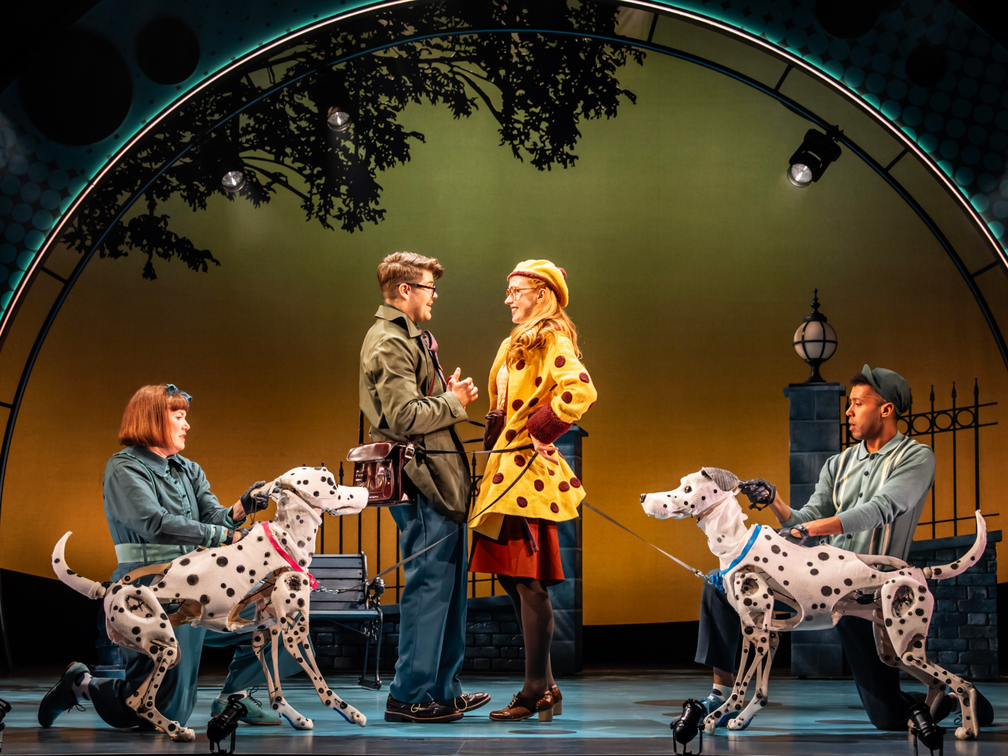 Staff pick
101 Dalmatians The Musical brings the beloved Disney classic to the stage with lively music, humor, and a heartwarming story of adventure and family.…

Kazel Expo is a cultural event held at Flanders Expo offering a variety of experiences over several days. You can plan your visit easily…

Bart De Pauw returns to the stage with a show that brings his television world to life through humor and spontaneous ideas. You will…

Skeler is an Australian producer known for blending cloud rap, downtempo, melodic trap, and trance into a distinctive sound. His Night Drive mix series…
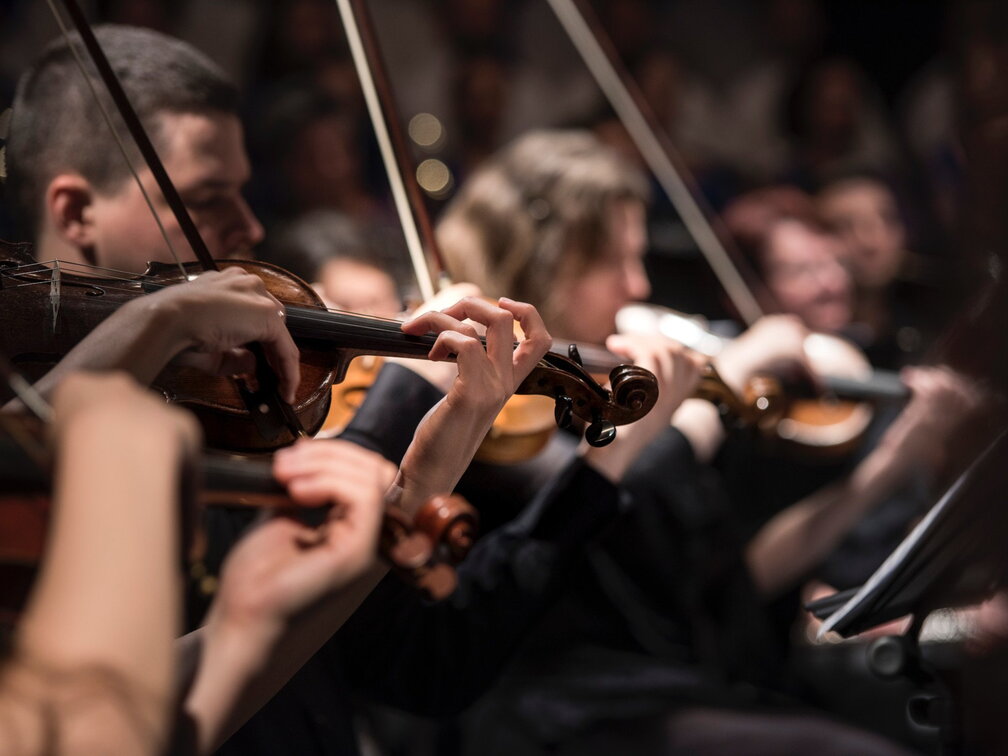
Experience a concert dedicated to the iconic music of Japanese animation, including Studio Ghibli, One Piece, and Attack on Titan. The Grand Symphonique orchestra…
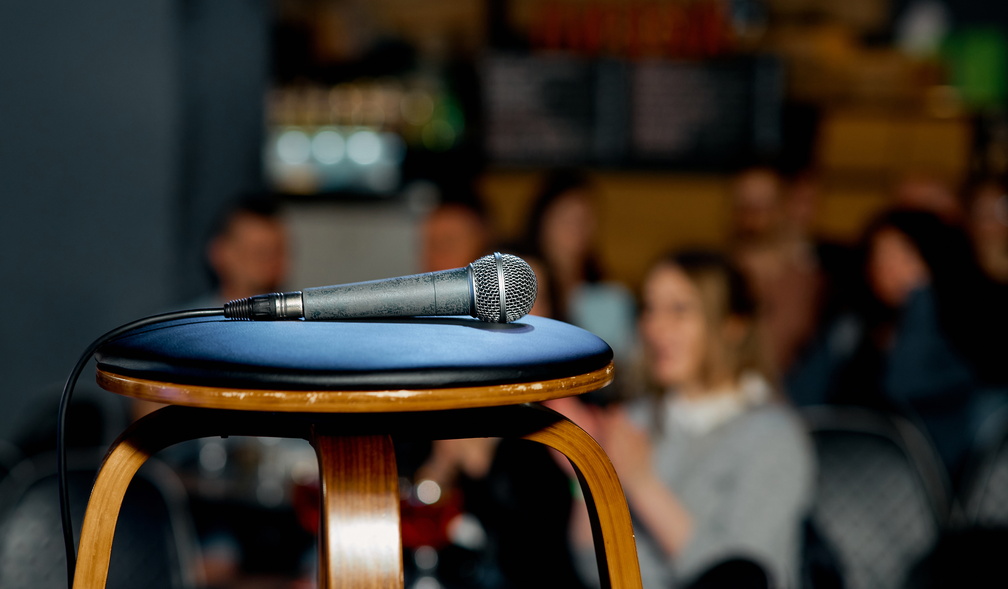
Fabel Fest Vlaanderen invites fans of Dutch-language fantasy, science fiction, and horror of all ages to a day filled with engaging activities. The event…
A good scene at student prices, mostly in and around the historic centre. Live from Hostelworld.
May, June and September. July has the Gentse Feesten, which is its own reason and its own chaos.
Average highs. Belgian rain is spread across the year rather than concentrated, so the student calendar matters more than the weather: July and August empty the place out apart from the Feesten.
Pick how you travel. Per person per night, in euros.
The altarpiece at about €16 is the main entry cost. Gentse Feesten week runs far above these figures for accommodation.
The ones we get asked most.

Compare Ghent hostels — live prices, real reviews and free cancellation on most bookings. Then meet the people already there in the app.

 Get the App.
 Get the App.