City centre
First-timersAround Serdica and Vitosha Boulevard: the cathedrals, the Roman ruins, most hostels and every metro line.

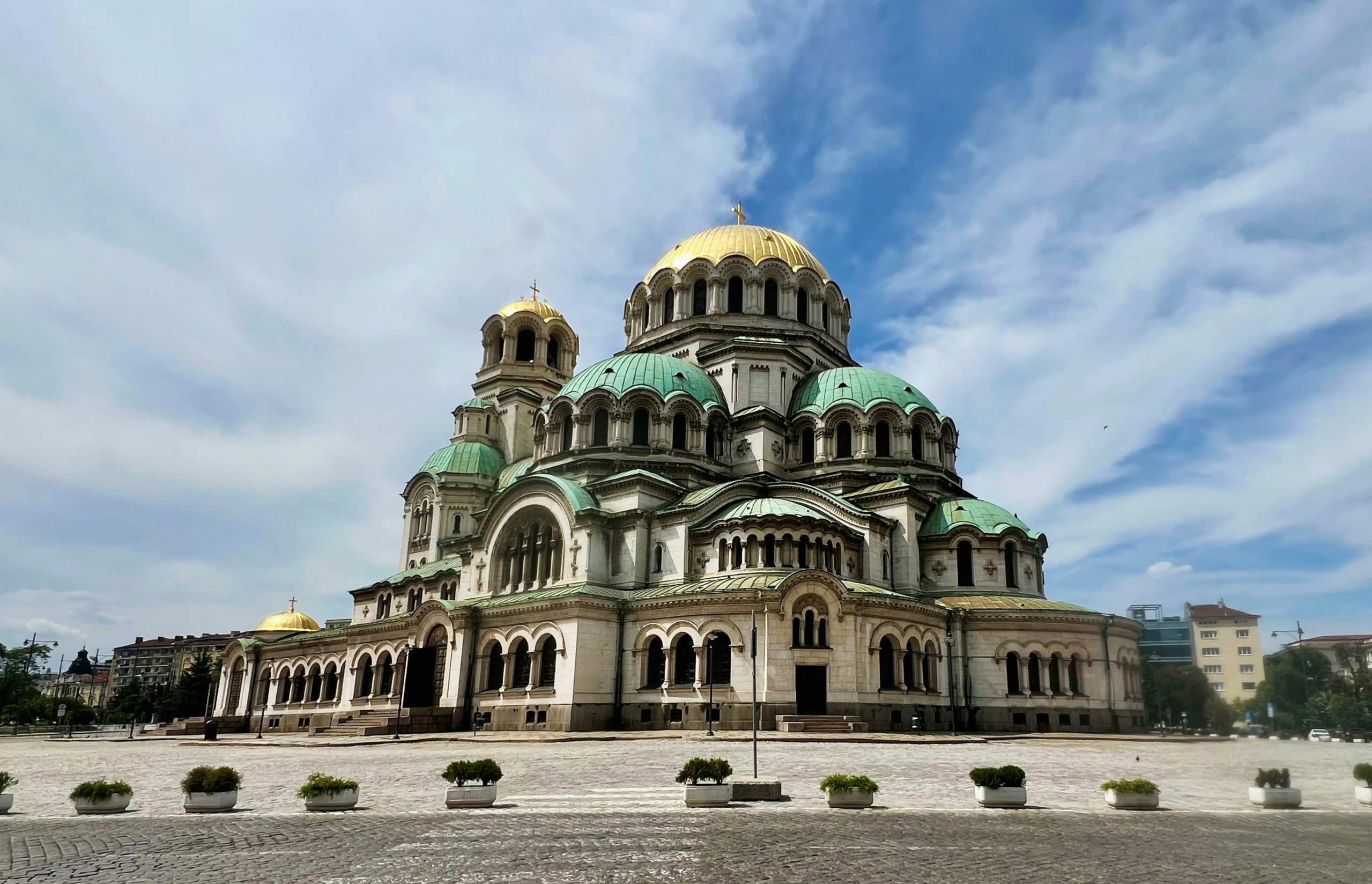
A capital with Roman streets under the metro stations, a mosque, a synagogue and two cathedrals within a few hundred metres, and a 2,290-metre mountain at the end of a city bus route.
Sofia has been lived in for around 7,000 years and was Serdica under the Romans, and when they built the metro they hit the Roman city and left it exposed — you walk through a fourth-century street on your way to the platform.
The city's motto is "grows but does not age", and its defining feature is proximity: an Orthodox cathedral, a mosque, a synagogue and a Catholic cathedral all within a few hundred metres of each other, which locals call the Square of Tolerance.
Behind it all sits Vitosha, a 2,290-metre mountain inside the city boundary, reachable on a normal bus ticket, with hiking in summer and skiing in winter.
Sofia is cheap, green, scruffy in places and much better than its reputation. Two or three days, and it makes an excellent base.
A compact centre with wide boulevards, and the mountain at the southern end.
Around Serdica and Vitosha Boulevard: the cathedrals, the Roman ruins, most hostels and every metro line.
East of the centre: leafy streets, embassies, good restaurants and a fifteen-minute walk in.
South towards the mountain, with the best restaurant scene and a young crowd.
West of the centre, cheaper and rougher around the edges, with the city's main produce market.
Orange labels are neighbourhoods, dots are the 9 top-rated hostels. Map © MapTiler © OpenStreetMap contributors.
Alexander Nevsky Cathedral is the obvious one — a neo-Byzantine pile with gold domes, free to enter, with a crypt of icons downstairs for a few euros.
Underneath Serdica metro station is the exposed Roman city: streets, foundations and a basilica, open to walk through and free. The Church of St George, a fourth-century rotunda, sits in a courtyard surrounded by government buildings and is the oldest building in the city.
The free walking tour from the Palace of Justice is genuinely good and runs twice daily, and the free food tour and the paid communist-era tour from the same outfit are both worth it.
Vitosha is the thing most visitors miss. Bus 66 or the Simeonovo gondola takes you from the city to alpine terrain in under an hour — Boyana waterfall, the Golden Bridges stone river, and a summit at 2,290 metres.
Most of the churches are free, including Alexander Nevsky, St George's Rotunda and the Boyana Church's exterior.
The Roman ruins at Serdica are open and free, as is the mineral water fountain beside the old baths, where people queue with bottles for water from the city's hot springs.
Borisova Gradina, the main park, and the South Park are large and free, and the Vitosha foothills are a bus ride away.
The free walking tours — general, food and, in some seasons, communist Sofia — operate on tips.
And the National Art Gallery and several museums have free days each month.
Bulgarian food is Balkan with a heavy dairy accent. Shopska salad — tomato, cucumber, pepper and grated sirene cheese — is the national dish and costs €2 to €4. Banitsa, a filo pastry with cheese, is the breakfast at about a euro.
Kavarma, tarator, kebapche and grilled meats fill the rest of the menu, and a full meal with a drink is €8 to €15.
Bulgaria has serious wine — Mavrud and Melnik are the reds to ask for — at €3 to €5 a glass, and rakia is the national spirit, drunk with salad rather than after dinner.
Vitosha Boulevard is the visible restaurant strip and is priced accordingly; the streets around Lozenets and the covered market are better and cheaper.
Cheap, varied and late. The bars around Vitosha Boulevard and Graf Ignatiev are the visible ones; the better places are in Lozenets and the side streets off Shishman.
Sofia has a good alternative and electronic scene, plenty of live music, and a mehana tradition — taverns with folk music and long tables — that is touristy in the centre and genuine further out.
A beer is €1.50 to €3 and a rakia about €2, which means a substantial night out costs very little.
Things start late and run to three or four at weekends, and student areas near the university stay busy in term time.
The metro runs to the airport and costs about €0.80 a ride, with a day pass around €2 covering metro, trams and buses. Tickets are validated on board on surface transport.
The centre is walkable and flat, and most sights are within twenty minutes of Serdica.
For Vitosha, bus 66 from Hladilnika goes to Aleko on the mountain, and the Simeonovo gondola runs at weekends and in the ski season.
Long-distance buses and trains are cheap: Plovdiv is two hours for about €8, Veliko Tarnovo three hours, Bansko three, and the coast six.
Taxis are cheap but the airport rank has a long history of overcharging — use an app or the official desk.
One of the cheapest capitals in the EU. Dorms are €10 to €20, a full meal €8 to €15, a beer €1.50 to €3, and a day transport pass about €2.
A day is €28 to €45.
Bulgaria switched to the euro on 1 January 2026, so prices are in euros and the lev is no longer in use. Cards work widely; carry some cash for small places.
Museums are €3 to €8 each, and the walking tours run on tips.
Sofia is a safe city with low violent crime, and the centre is comfortable at night.
Pickpocketing happens on crowded trams, at the Women's Market and around the main railway station, which is the one area worth avoiding late.
Taxi overcharging is the classic Sofia problem: unofficial cars at the airport and outside clubs quote several times the meter rate. Use Yellow Taxi, an app, or the airport's official desk.
Pavements are uneven and often parked on, and street dogs exist though they are generally unbothered.
Vitosha is a real mountain — weather turns fast, and people get caught out on a summit that is reachable by bus. Emergency number is 112.
A UNESCO monastery, a mountain and two cities, all within a few hours.
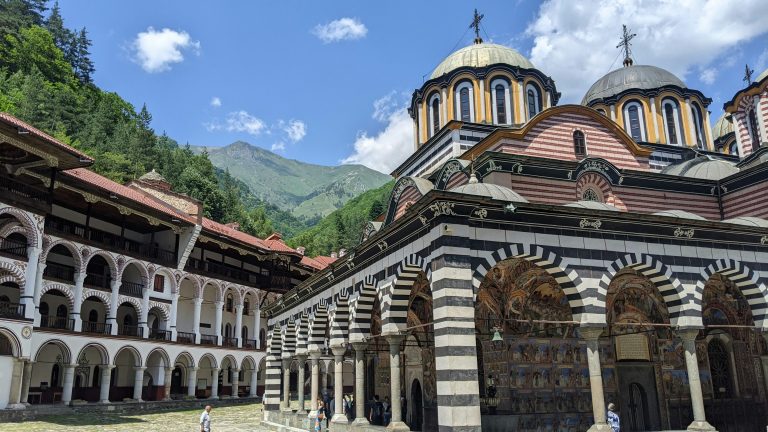
Bulgaria's most important monastery, UNESCO-listed, with striped arcades and frescoes in a mountain valley.
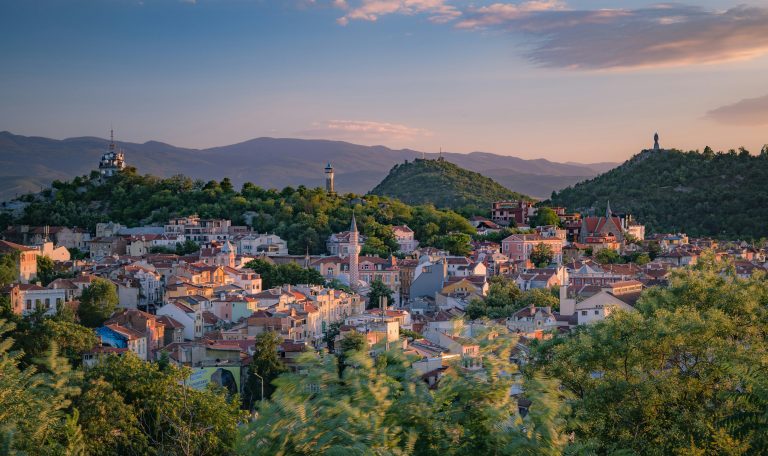
Older than Rome, with a Roman theatre still in use and the best old town in the country.
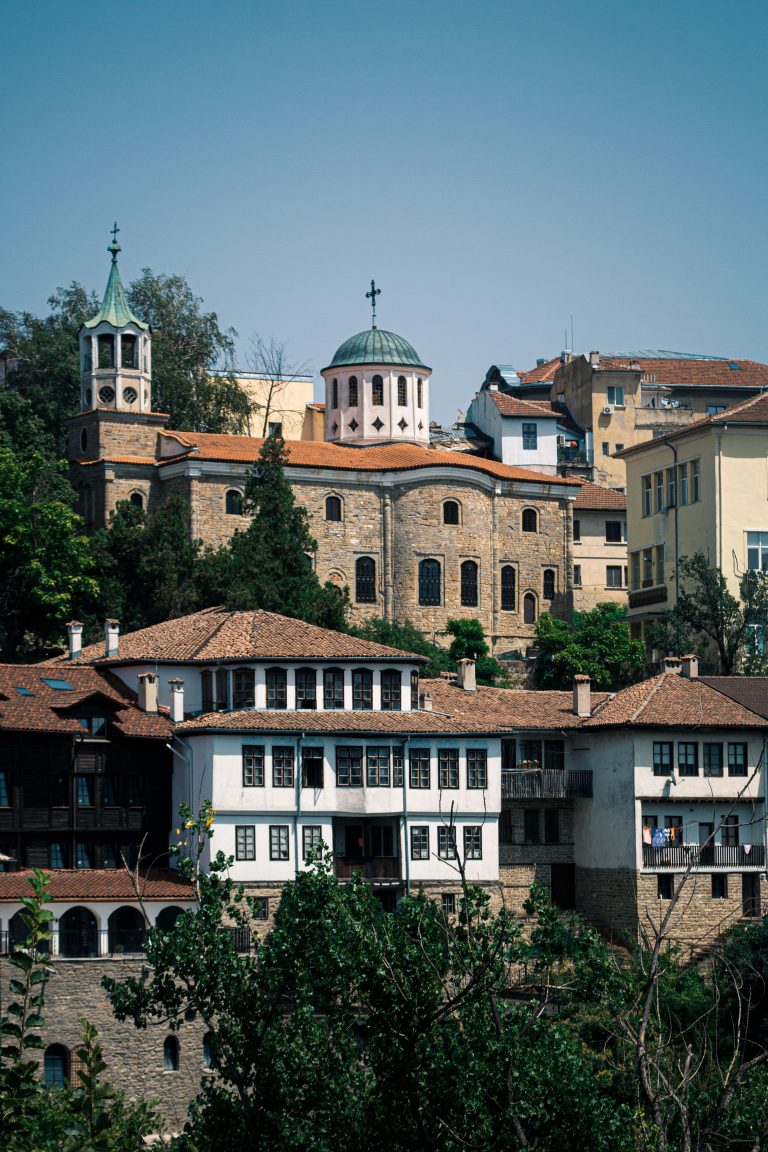
Thirteenth-century frescoes that prefigure the Renaissance, UNESCO-listed, at the foot of Vitosha.
A preserved town of painted National Revival houses in the mountains, where the 1876 uprising began.
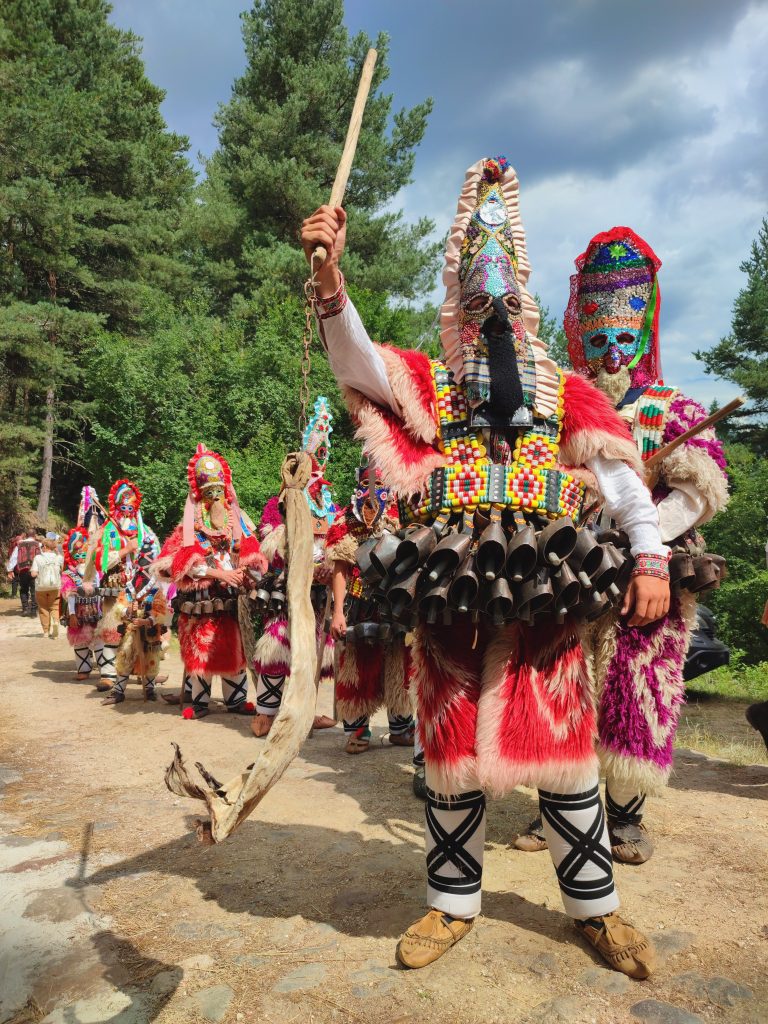
One March tradition involves the entire country wearing red and white string.
 Staff pick
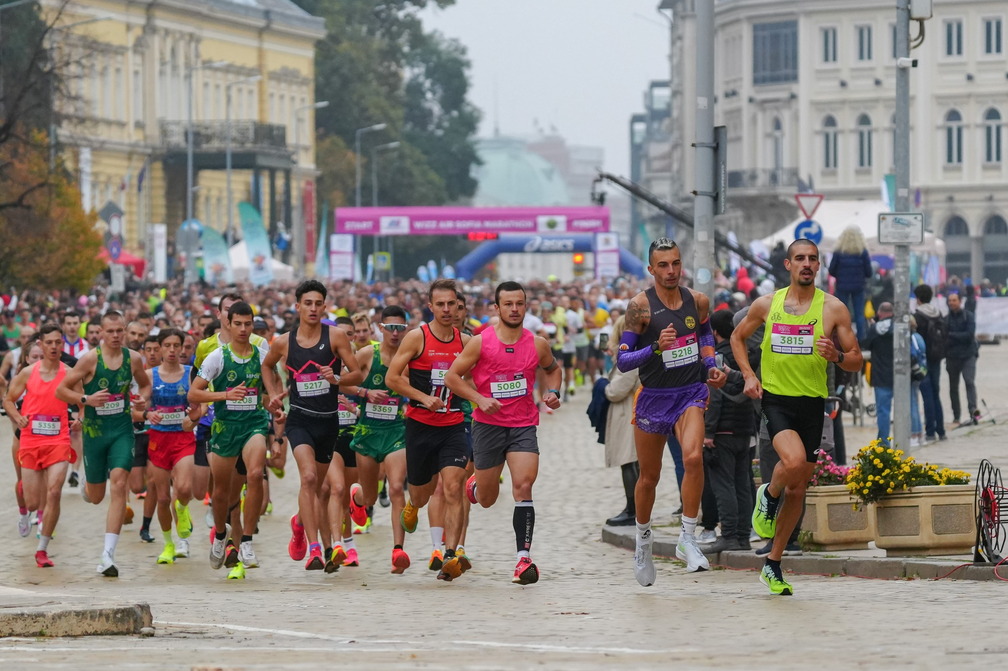
The Wizz Air Sofia Marathon is Bulgaria’s premier road-running event, attracting thousands of runners from around the globe to Sofia, Bulgaria, each year. Participants…
 Staff pick
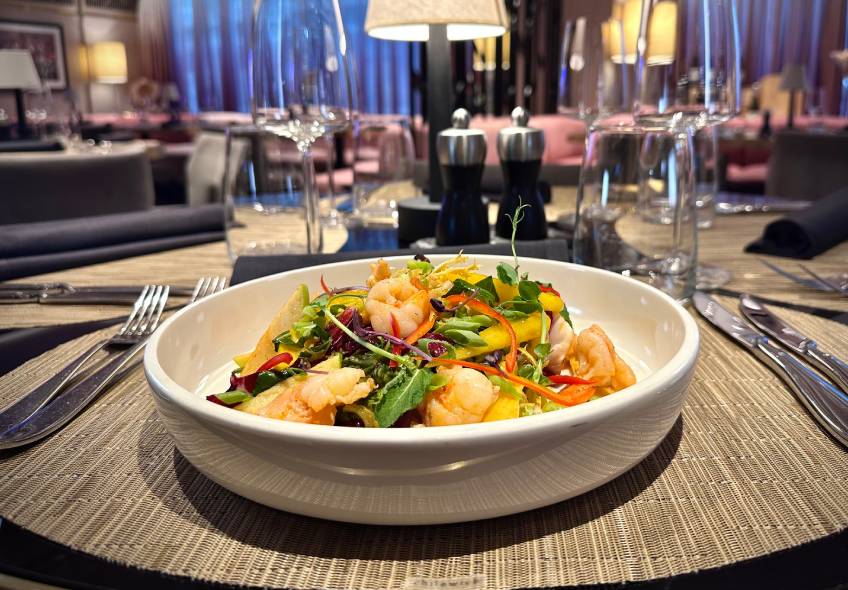
Sofia Restaurant Week is a celebrated culinary festival in Sofia, Bulgaria, inviting food lovers to explore the city’s diverse dining scene. For over 10…
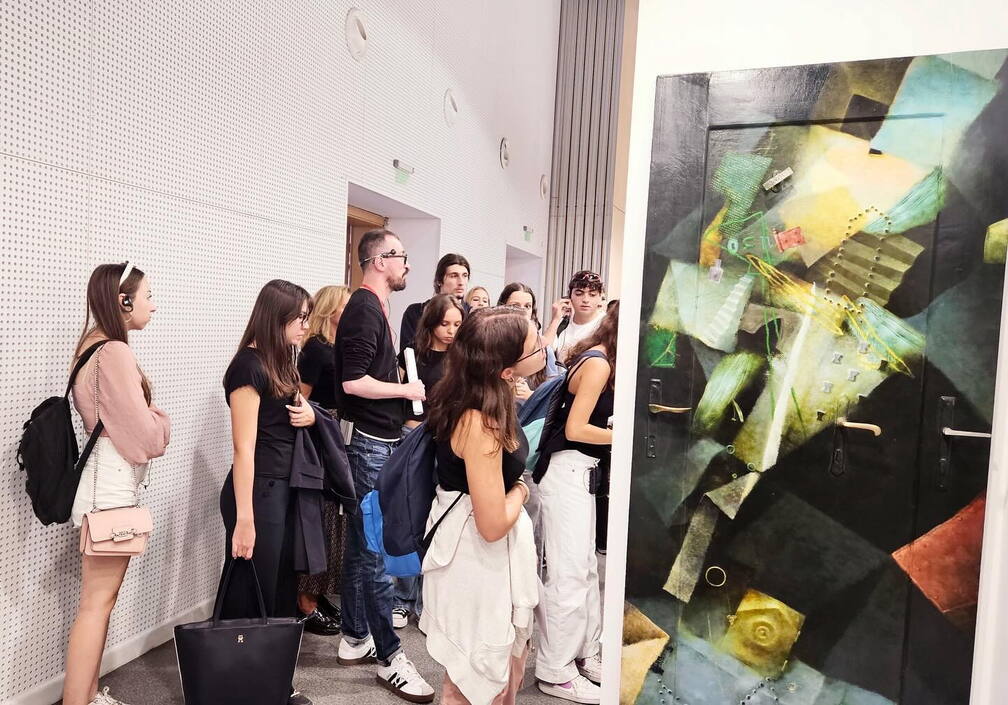
Sofia Art Fair brings together galleries, collectors, and artists for Bulgaria's largest contemporary art showcase. Beyond the exhibition halls, you can join curator-led tours,…
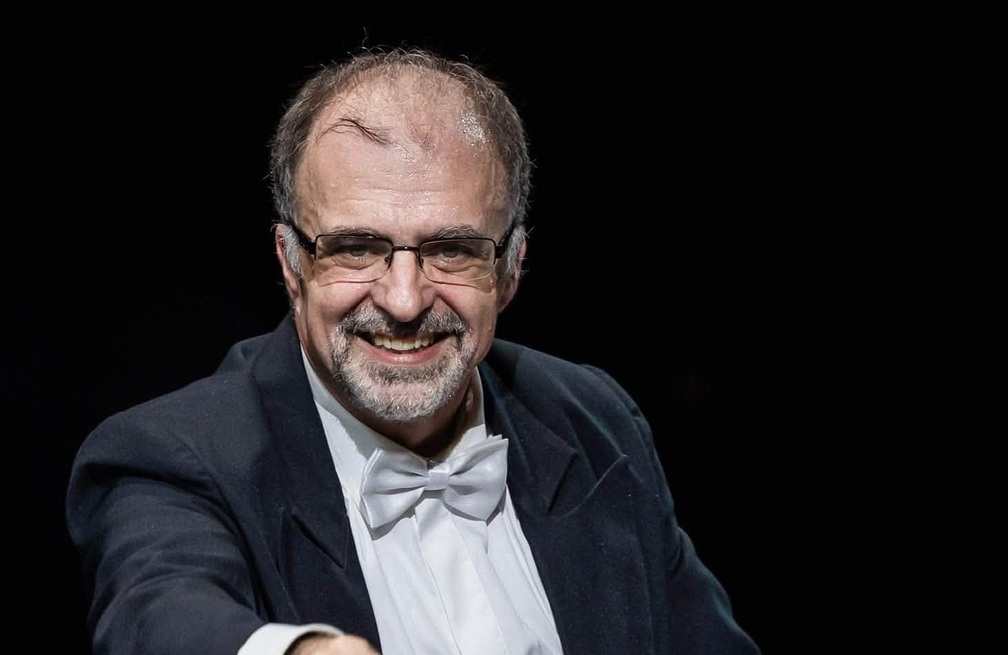
Onutė Gražinytė and Nayden Todorov present a concert at Bulgaria Hall in Sofia. The event invites you to experience a refined musical evening with…
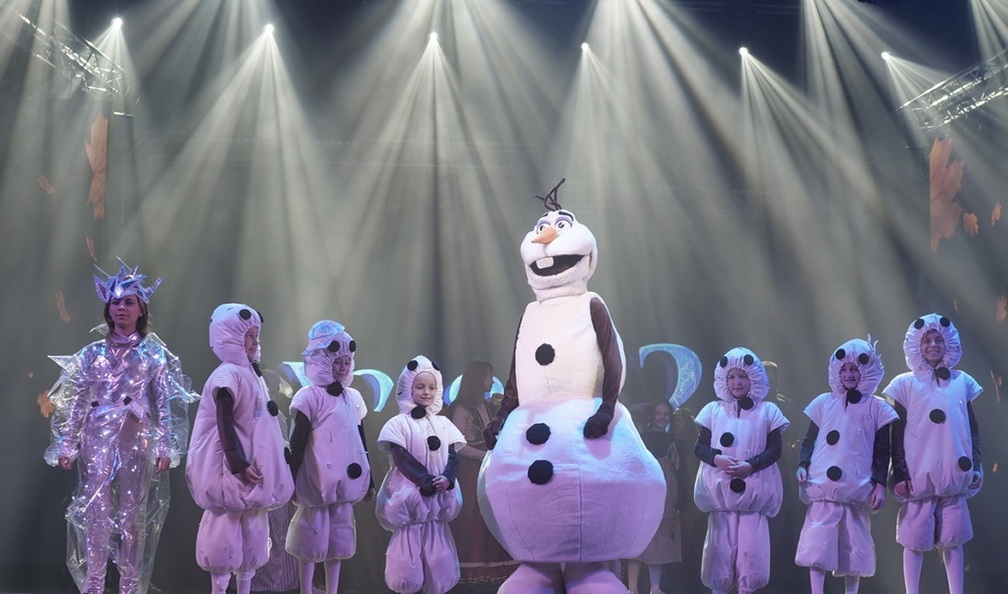
Frozen Heart is a captivating performance scheduled for October 17, 2026, at the Asics Arena in Sofia. The event invites you to experience a…
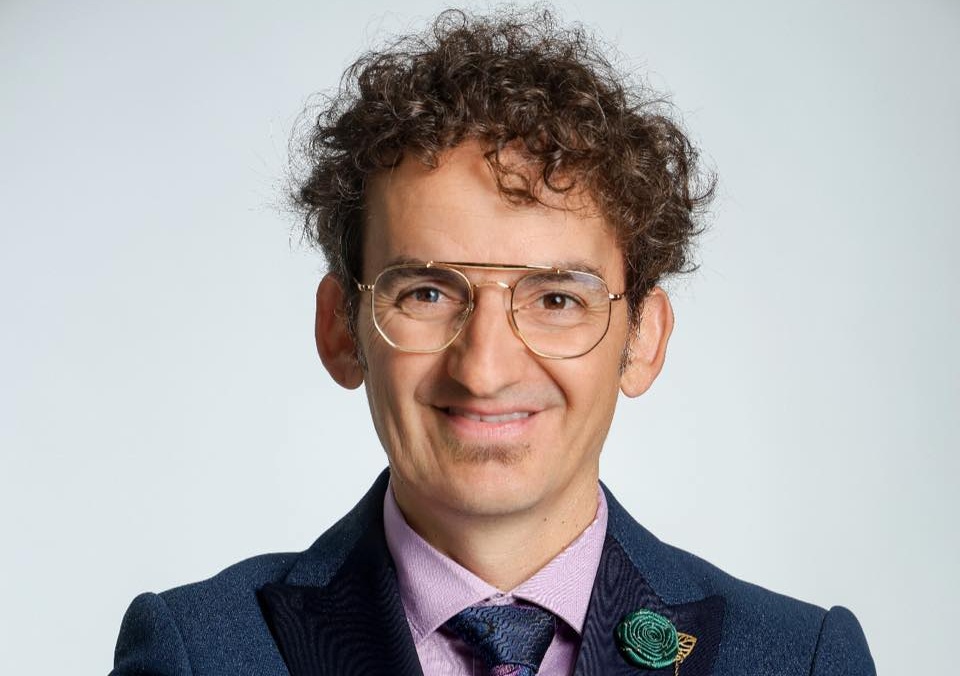
Living Dinosaurs: In Search of the Egg with Niki Stanoev invites you to a captivating experience at ASICS Arena in Sofia. The event takes…
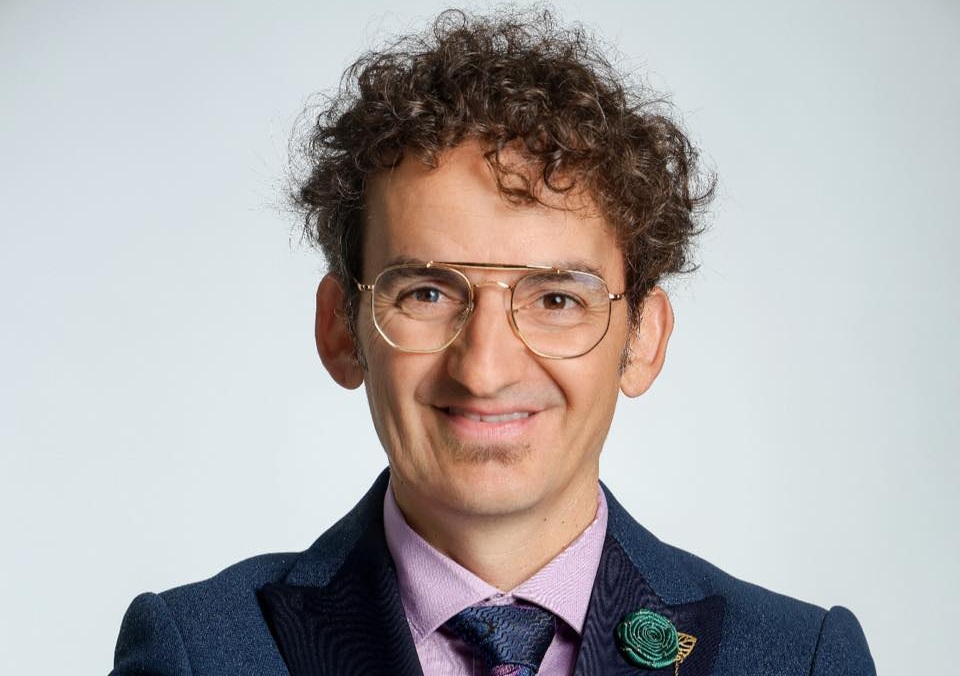
Living Dinosaurs: In Search of the Egg with Niki Stanoev invites you to a captivating experience at ASICS Arena in Sofia. The event combines…

Masha and the Bear: The Big Celebration is an interactive 70-minute show where you become part of the story. When Dasha is late for…
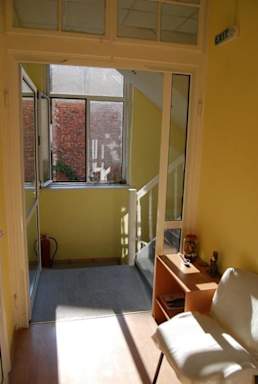
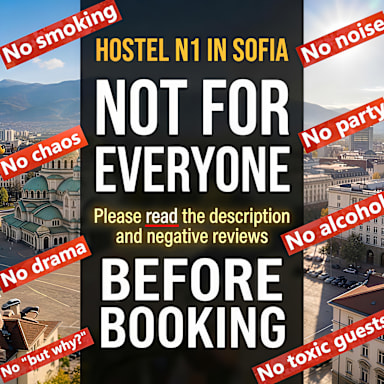
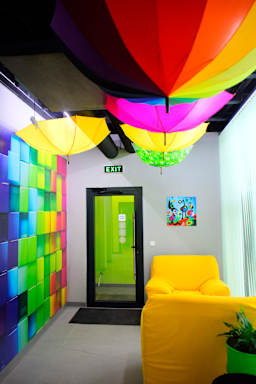
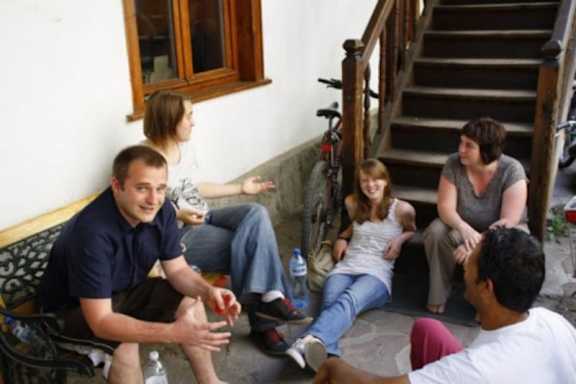
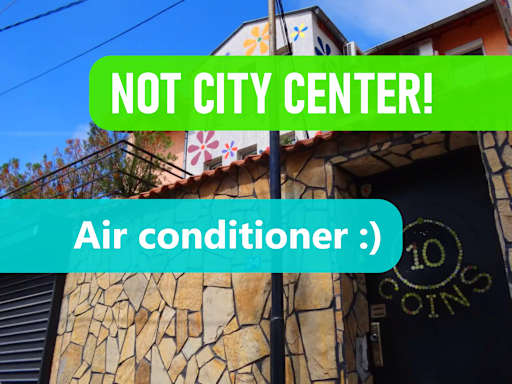
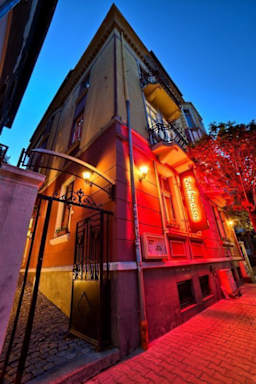
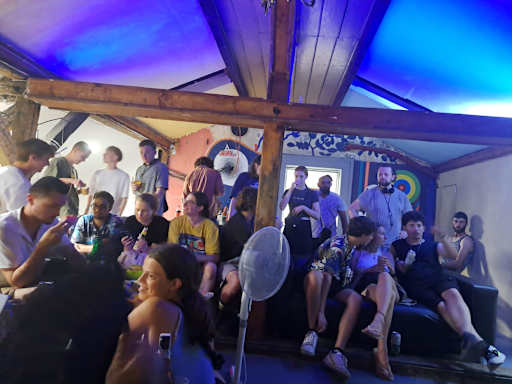
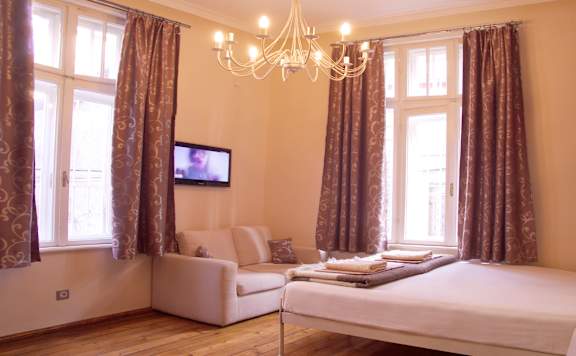
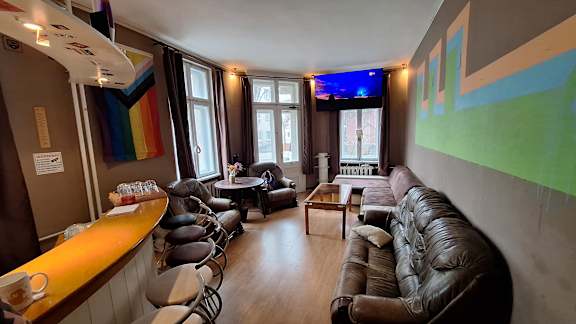
A cheap, sociable scene concentrated in the centre, much of it in converted apartments. Live from Hostelworld.
Spring and autumn for the city, winter if you want to ski on a bus route.
Average highs. Sofia sits at 550m in a basin below Vitosha, which makes it cooler than the rest of Bulgaria in summer and prone to trapped air pollution in still winter weather.
Pick how you travel. Per person per night, in euros.
Rila Monastery tours at €25–40 are the main extra.
The ones we get asked most.

Compare Sofia hostels — live prices, real reviews and free cancellation on most bookings. Then meet the people already there in the app.

 Get the App.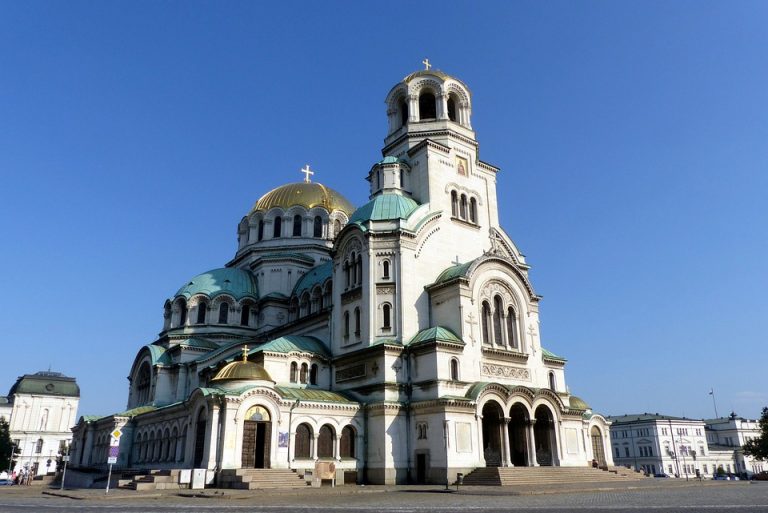
 Get the App.