Old Town
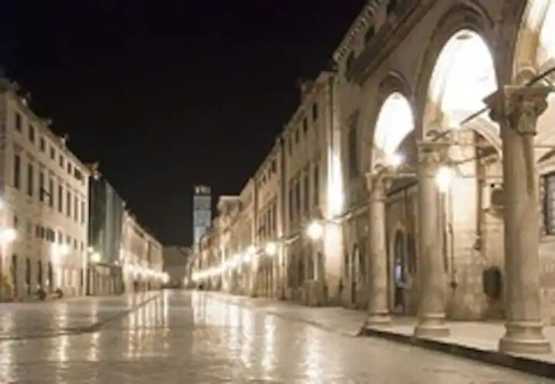
AtmosphereInside the walls: marble streets, the Stradun, and the city to yourself after the ships leave. Expensive and noisy.

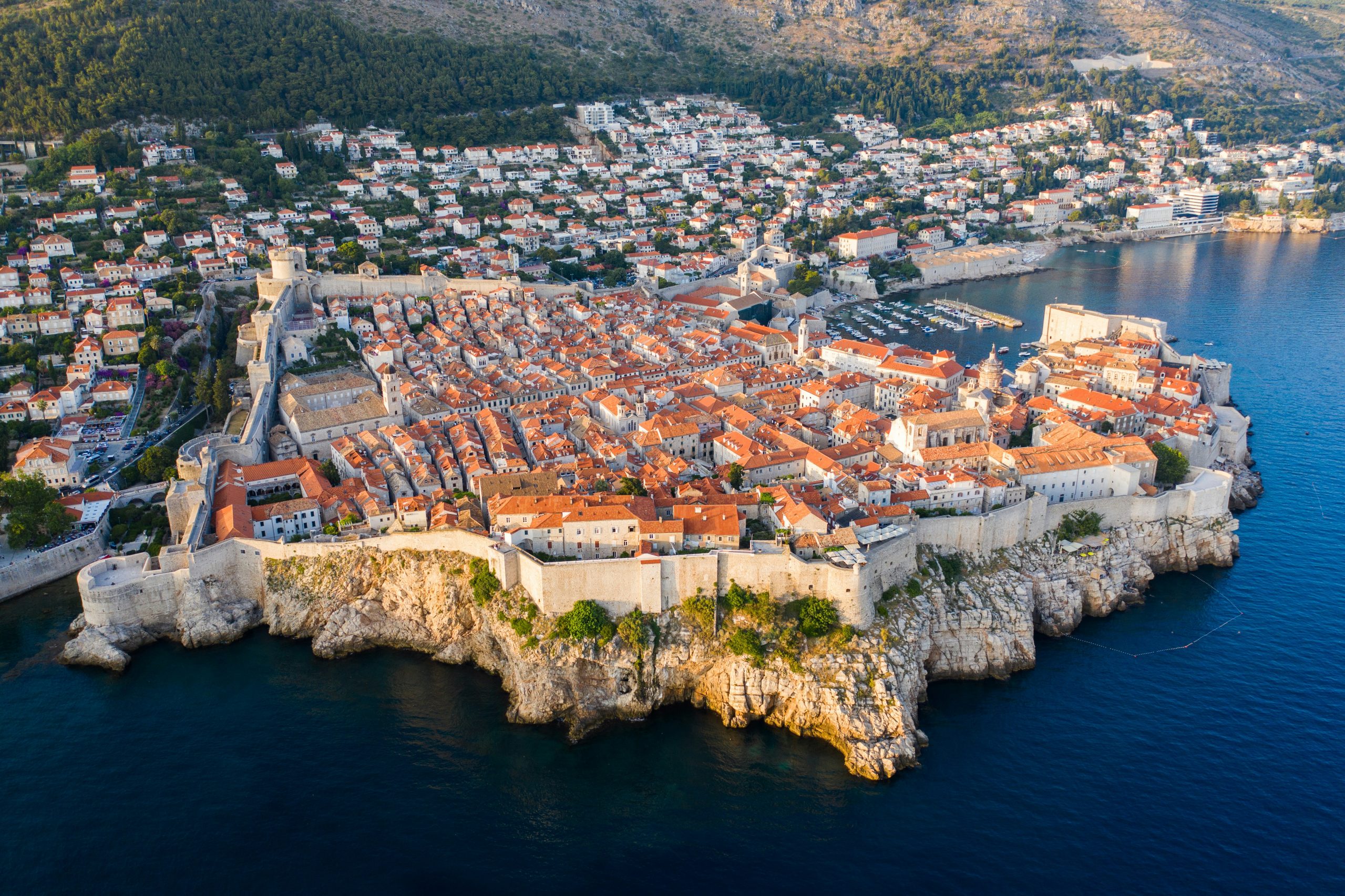
A walled marble city on the Adriatic, spectacular and overwhelmed. Walk the walls at eight in the morning and it is unforgettable; arrive at noon in August and it is a queue.
Dubrovnik was the Republic of Ragusa, an independent maritime state that outmanoeuvred Venice for centuries, and it built walls nearly two kilometres long to stay that way. They are still there, still complete, and walking them is the best hour on the Croatian coast.
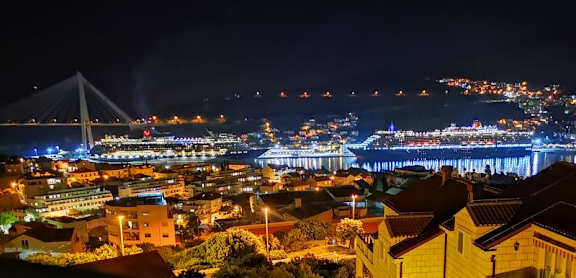
The problem is volume. Up to 8,000 cruise passengers can be in the old town at once in high season, on streets built for a few thousand residents, and the city has introduced caps and charges to manage it. Around a thousand people now live inside the walls, down from five thousand in the 1990s.
The timing rules are simple and they change everything: walls at eight when they open, or after five. Old town in the evening, not at midday. Avoid days when four ships are in — the port publishes the schedule.
Two days, and stay over.
Inside the walls is atmospheric and expensive. Everything else is a bus ride and much cheaper.
Inside the walls: marble streets, the Stradun, and the city to yourself after the ships leave. Expensive and noisy.
East of the walls, with Banje beach, the cable car station and the classic view back at the city.
The peninsula west of the centre: beaches, a promenade, far cheaper beds and a fifteen-minute bus in.
The port and bus station area, with the market, ferries to the islands and the cheapest rooms.
Orange labels are neighbourhoods, dots are the 12 top-rated hostels. Map © MapTiler © OpenStreetMap contributors.
Walk the walls, and walk them at eight. They open at eight in summer, entry is about €35, the circuit is 1,940 metres and takes an hour to ninety minutes, and doing it in the first hour means shade, cool air and photographs without crowds. By eleven it is a slow-moving queue in full sun with no way off.
The cable car up Srđ takes four minutes and costs about €27 return, or you can walk up in an hour on a switchback path. The view over the walled city and the islands is the best in Croatia, and sunset is the time.
Lokrum, the island fifteen minutes away by boat, has a monastery, peacocks, a salt lake and free swimming, and it is the easiest escape from the crowds.
Inside the walls, the Rector's Palace, the Franciscan monastery with one of the oldest working pharmacies in Europe, and the war photo exhibition are the ones worth entry.
The old town itself is free to walk into — only the walls charge — and it is a different city at seven in the morning and after nine at night.
Banje beach and the rocky shores below the walls are free, and Buža, a bar through a hole in the sea wall, charges only for drinks.
Walking up Srđ on the switchback path costs nothing and takes about an hour, with the same view as the cable car.
The Lapad promenade and its beaches are free, and Gruž market in the morning is free to wander and the cheapest food in the city.
This is the most expensive city in Croatia to eat in, and the restaurants inside the walls know exactly who their customers are — €25 to €40 for a main is normal on the Stradun side streets.
The way around it is to leave. Gruž has the market and the konobas that locals use, at €12 to €20, and Lapad is similar.
Dalmatian cooking is the same as the rest of the coast: grilled fish by weight, black risotto, pašticada, and peka ordered hours ahead.
Pelješac and Korčula wines come from just up the coast — Plavac Mali is the red — and a glass is €5 to €8 in town, less at a market shop.
A beer is €4 to €6 inside the walls and €3 outside them.
Modest and expensive inside the walls, where a few bars run late and the crowd is largely visitors.
Buža, reached through a hole in the sea wall, is the one everyone goes to — drinks on the rocks above the water at sunset, with cliff jumping for the brave.
Lapad has the more local bars and the beach clubs, and Banje beach club is the summer venue east of the walls.
A beer is €4 to €6 and cocktails €10 to €15.
Dubrovnik is not a party town — the crowds are older, the residents are few, and noise inside the walls is policed. For a bigger night, Split and Hvar are the destinations.
The old town is car-free and walkable; everything else is steep and served by buses at about €2 a ride, bought from a kiosk for less than from the driver.
The airport bus takes 30 minutes to the old town and Gruž for about €10, timed to flights.
Buses to Split take four and a half hours and Zagreb nine or ten. Note that the road to the rest of Croatia used to cross Bosnian territory at Neum; the Pelješac Bridge now bypasses it, so a passport is no longer needed for that stretch.
Ferries and catamarans from Gruž reach Korčula, Mljet and Hvar, and boats to Lokrum leave from the old port.
Kotor in Montenegro is about two and a half hours with a border crossing that queues badly in summer.
The most expensive place in Croatia by a distance. Dorms are €25 to €60 depending on the month, a main inside the walls €25 to €40, and the city walls about €35 on their own.
A day is €70 to €120 in season.
The levers are real: stay in Lapad or Gruž and bus in, eat where the market is, use the free beaches, and walk up Srđ rather than paying €27 for the cable car.
The Dubrovnik Pass at around €35 to €45 includes the walls and several museums plus buses, which makes it worth doing if you would pay for the walls anyway.
Dubrovnik is very safe, with crowds and heat the real issues rather than crime.
The walls are the most common source of problems: 1,940 metres of exposed stone with steep steps, almost no shade and no easy exits once you are on them. In July and August people faint up there. Go at eight, take water, and do not start the circuit at midday.
The marble streets of the old town are polished by centuries of feet and are slippery in rain.
Beaches are rocky and sea urchins are common — water shoes help.
Pickpocketing occurs in the Stradun crush when ships are in. Emergency number is 112.
Islands, an oyster bay and two countries, all within a few hours.
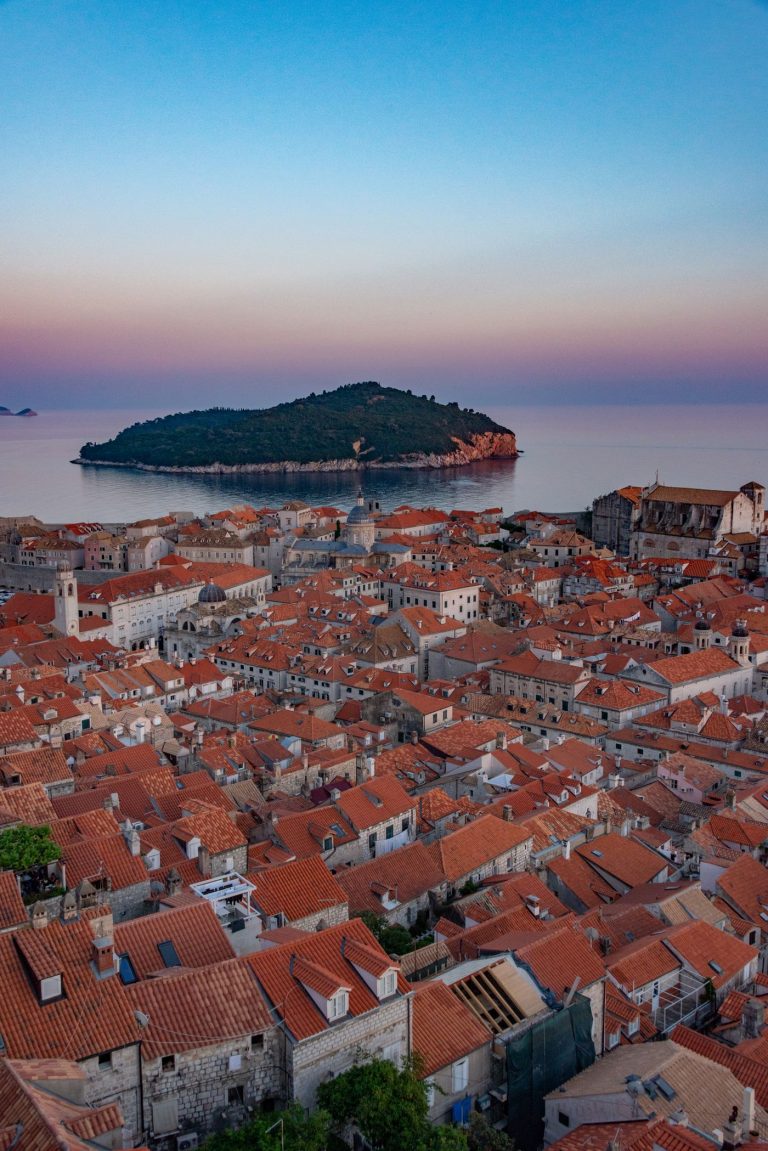
A wooded island with a monastery, peacocks, a salt lake and free swimming. The easiest escape from the crowds.
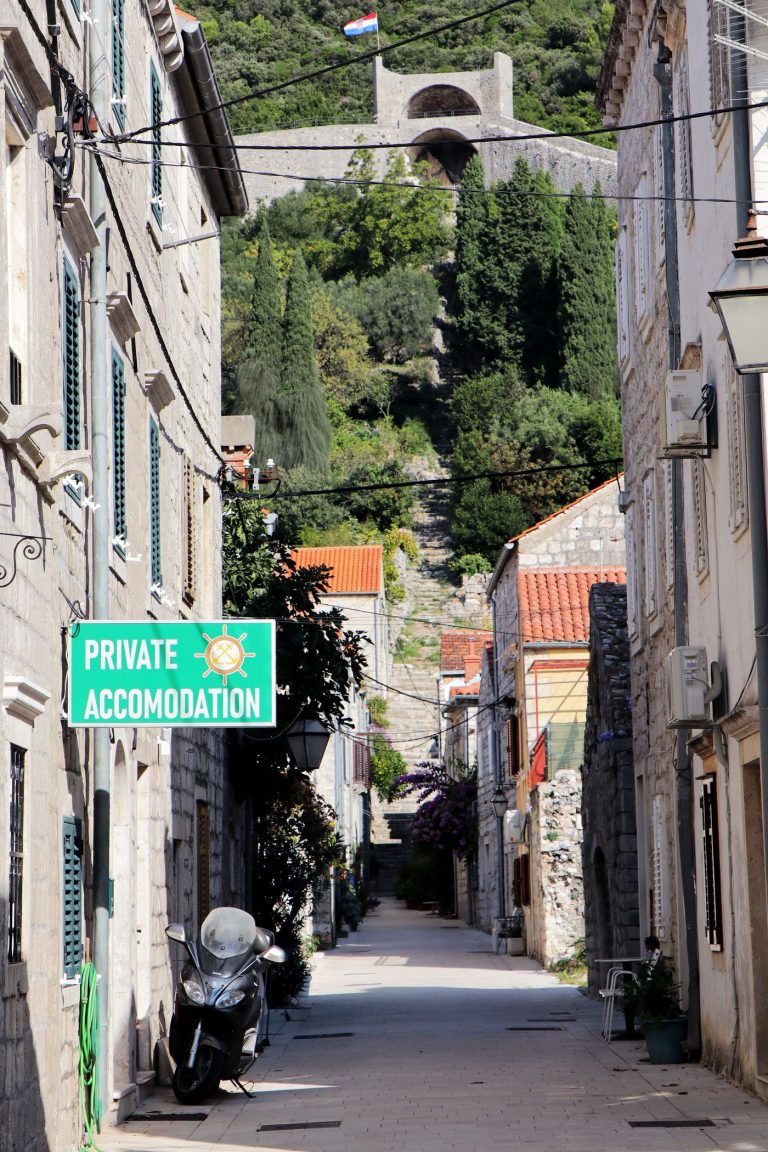
The second longest defensive wall in the world, salt pans worked since Roman times, and oysters from the bay.
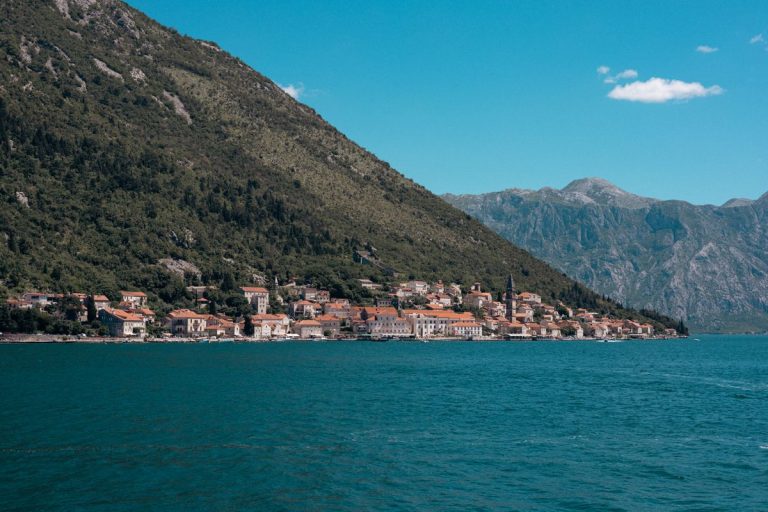
A walled town on a fjord-like bay, with a fortress climb. Border queues in summer are significant.
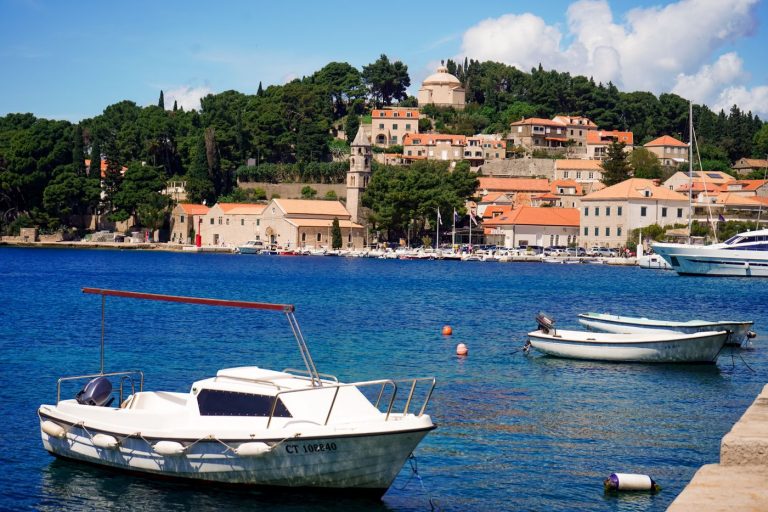
A quiet harbour town south of the city, with a Meštrović mausoleum and far fewer people.
A summer festival that has run since 1950, in the streets and on the walls.
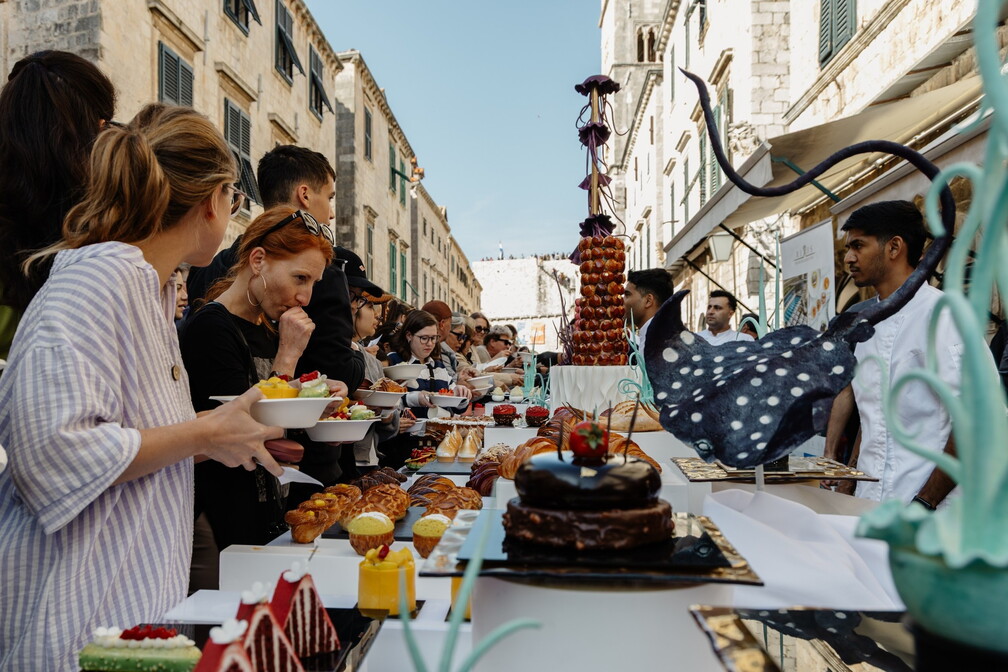 Staff pick
The Good Food Festival in Dubrovnik, Croatia, is a beloved culinary celebration that brings together food enthusiasts to explore the city’s rich gastronomic heritage.…
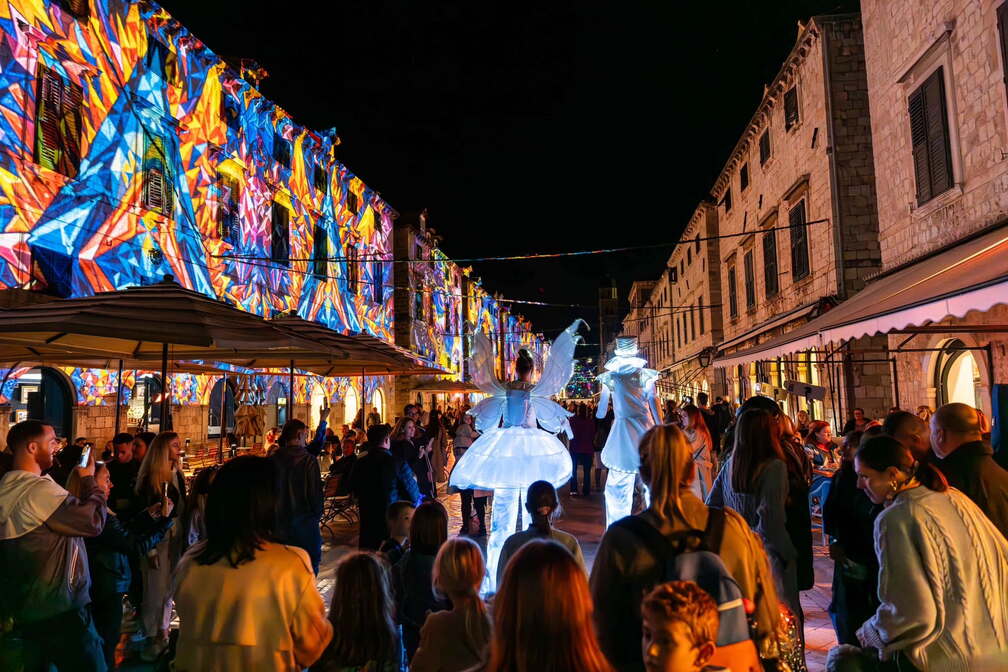
Dubrovnik's medieval Old City transforms into an open-air gallery of light installations, projections, and new media art during this three-day November festival. Since 2019,…
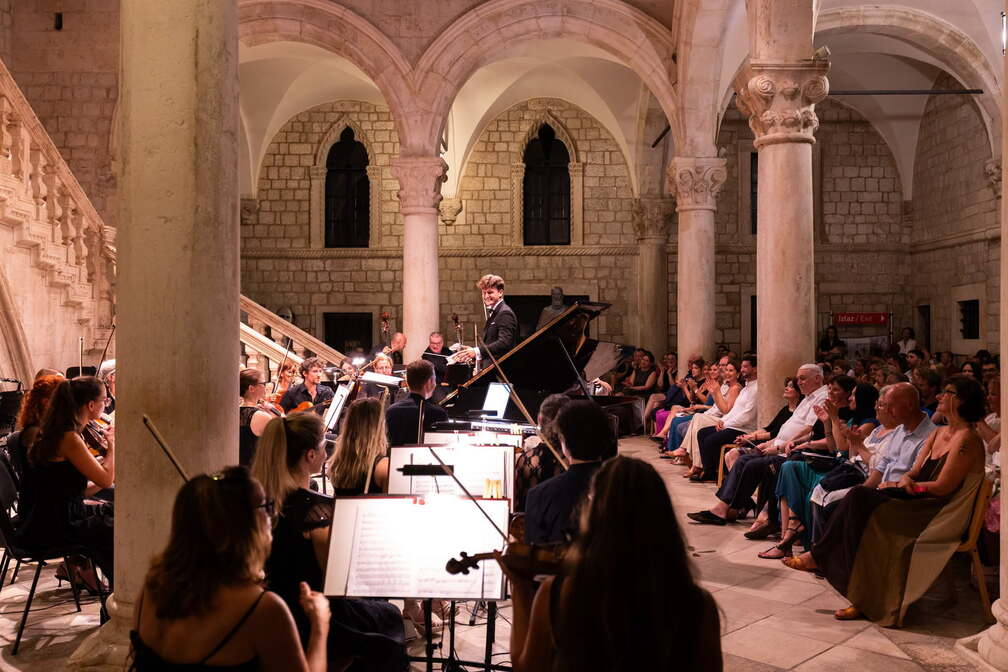
The Dubrovnik Symphony Orchestra performs under conductor Slobodan Begić in a program of film and salon music at the historic Rector's Palace in Dubrovnik.…
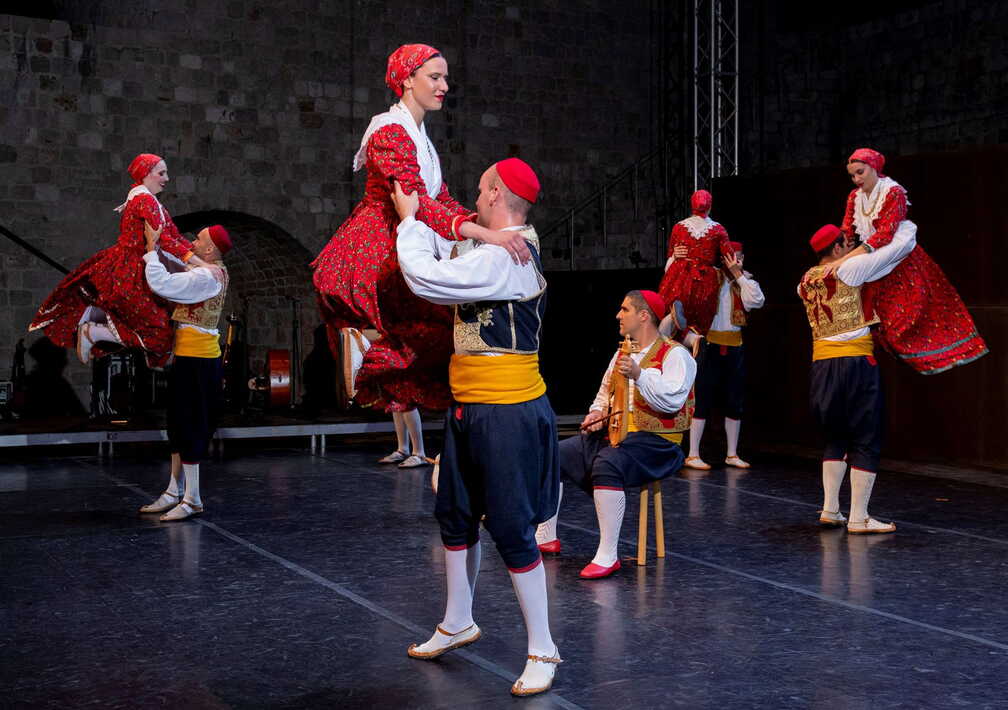
Folklorni ansambl Linđo Folk Dance Ensamble Linđo presents a captivating performance of traditional Croatian folk dances. The event takes place at Lazareti in Dubrovnik,…
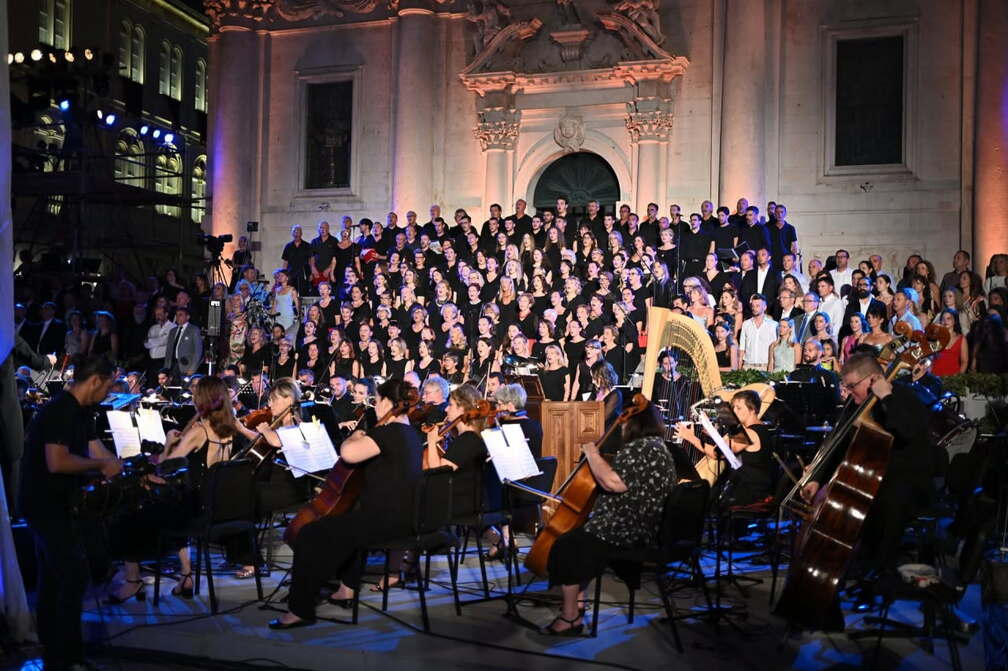
The Mixed Choir Libertas performs a concert in front of Rector's Palace in Dubrovnik on October 4, 2026. The performance begins at 7:00 PM…
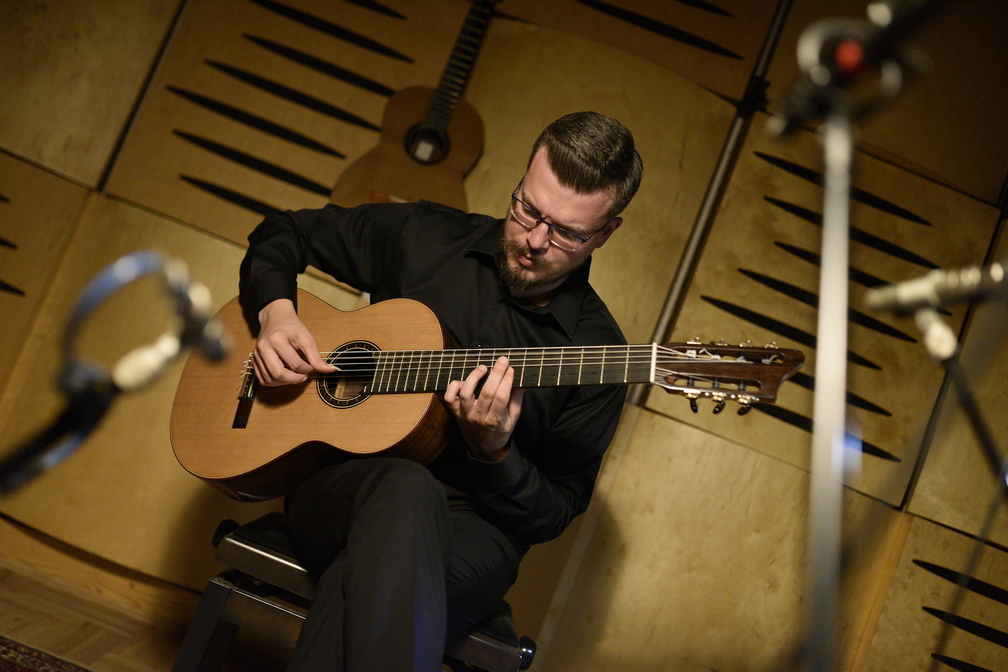
Award-winning Croatian classical guitarist Srđan Bulat presents his recital “A Century of Croatian Music for Guitar” at the Rector's Palace in Dubrovnik. The program…
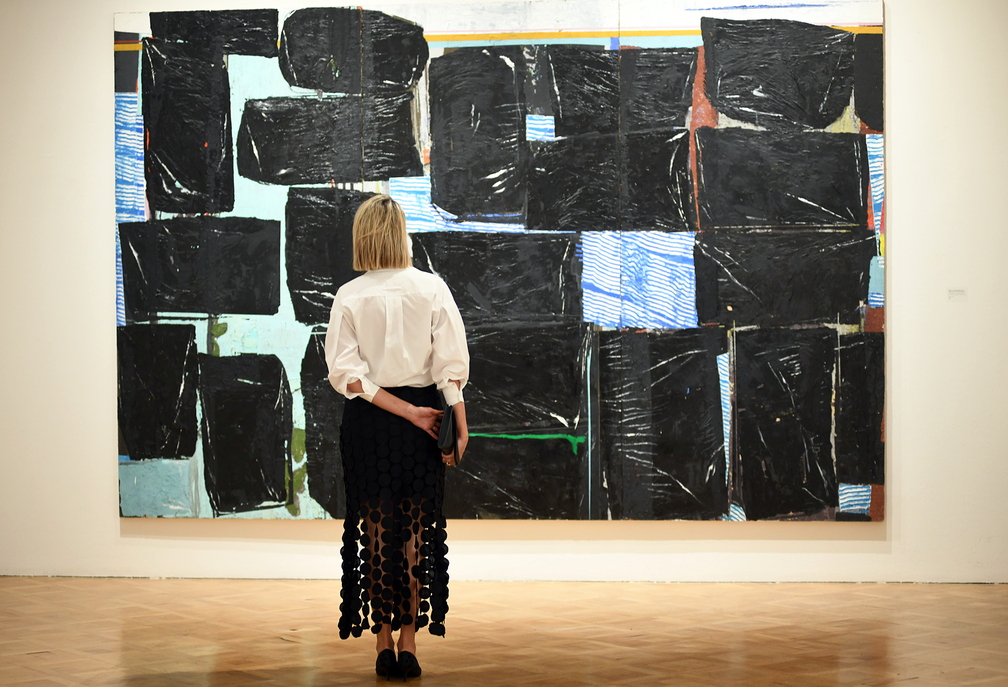
Matko Vekić's paintings examine Mediterranean spaces caught between development and abandonment — unfinished buildings, empty pools, and accumulated debris that exist beyond network signals…
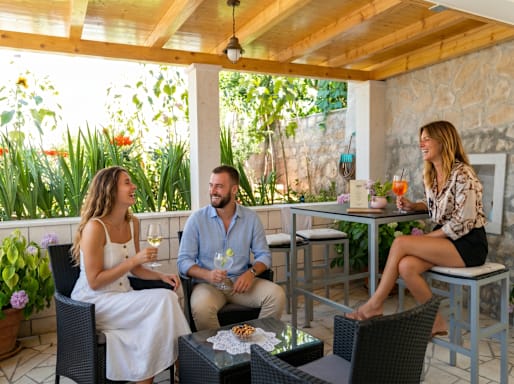
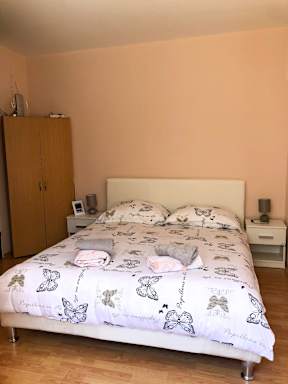
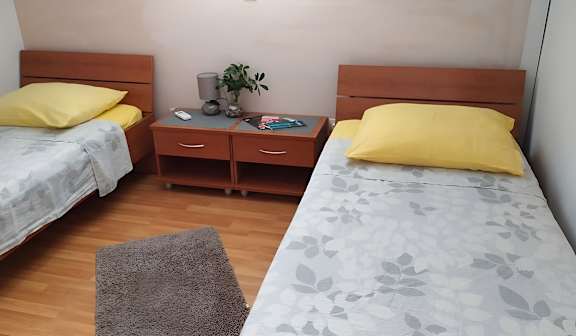
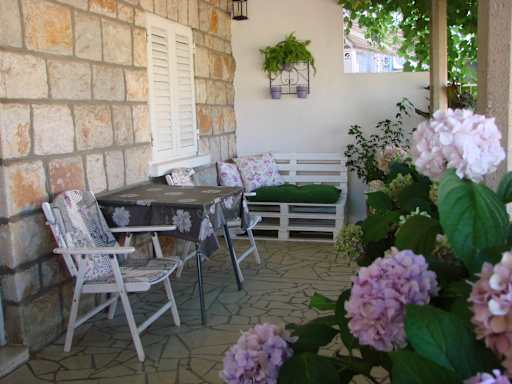
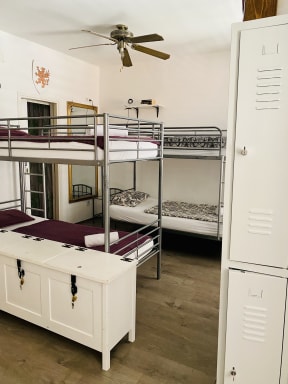
Limited and expensive inside the walls, with far better value in Lapad and Gruž a short bus ride away. Live from Hostelworld.
 Sustainable
May, June, September and October. July and August are the reason the city has a crowding problem.
Average highs. The crowd calendar matters more than the weather — check the cruise ship schedule before picking a day, because four ships in port changes the city completely.
Pick how you travel. Per person per night, in euros, in season.
The walls alone are about €35. The Dubrovnik Pass bundles them with museums and buses and usually pays for itself.
The ones we get asked most.

Compare Dubrovnik hostels — live prices, real reviews and free cancellation on most bookings. Then meet the people already there in the app.

 Get the App.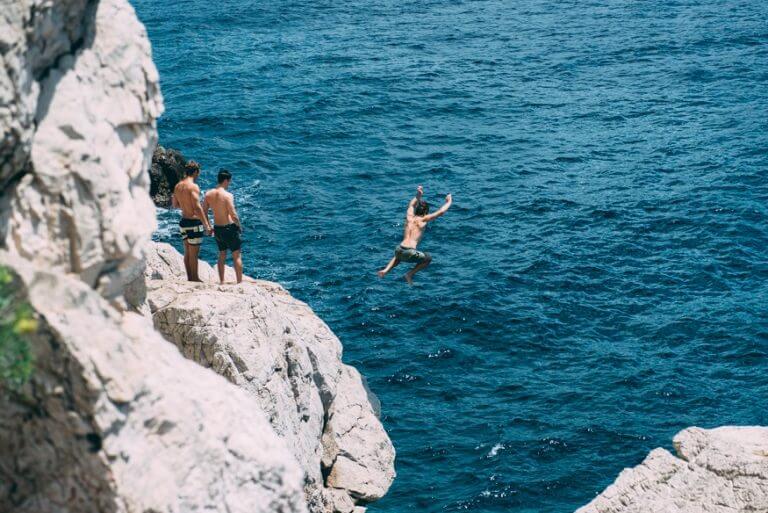
 Get the App.