Old city, south
First-timersInside the walls: Ledra Street, the cathedral, restored Laiki Geitonia and the crossing point.

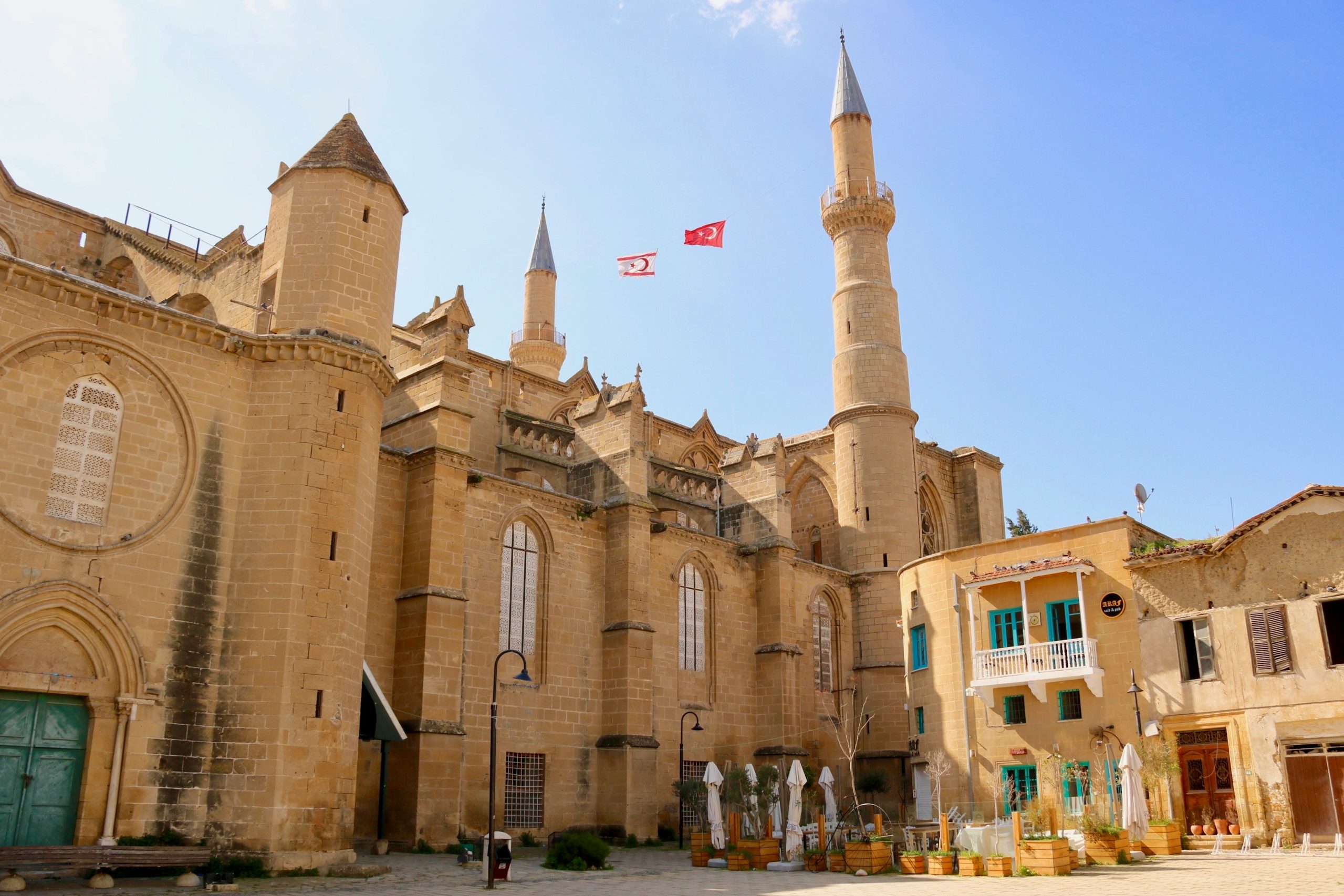
The last divided capital in Europe, where a UN buffer zone runs through the middle of a Venetian walled city and you cross between two sides on foot in the old town.
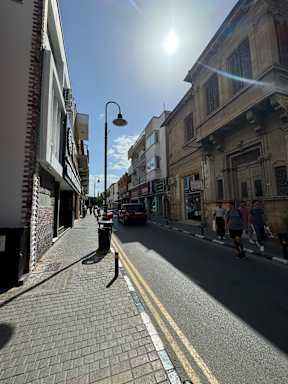
Nicosia has been divided since 1974, and the Green Line — a UN-patrolled buffer zone — runs straight through the old city. On Ledra Street, the main shopping road, the pedestrian crossing point takes a couple of minutes with a passport, and you walk from the Republic of Cyprus into the north.
It is the only capital in the world split in this way, and walking both sides in a day is the reason most people come. The buffer zone itself is sealed and frozen: buildings abandoned mid-1974, with weeds through the shopfronts, visible from the Shacolas Tower observatory.
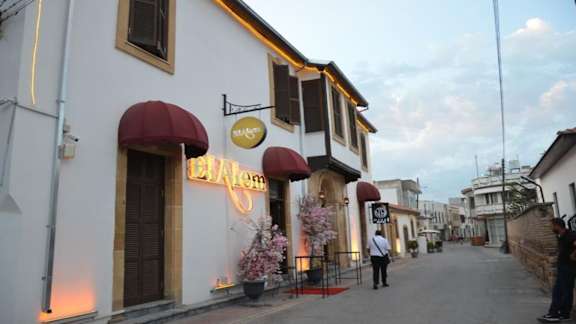
Around the division, the walled city is Venetian, star-shaped with eleven bastions, and the parts that are not abandoned are being restored quickly.
Nicosia is inland, hot, and skipped by most visitors heading for the beaches. Two days does it justice.
Inside the Venetian walls, or in the modern city outside them.
Inside the walls: Ledra Street, the cathedral, restored Laiki Geitonia and the crossing point.
Across the Green Line: the Büyük Han caravanserai, the Selimiye mosque and a quieter, poorer old town.
Outside the walls around Makarios Avenue, with cheaper beds, the bus station and the shopping.
Orange labels are neighbourhoods, dots are the 4 top-rated hostels. Map © MapTiler © OpenStreetMap contributors.
Cross the line. The Ledra Street crossing is pedestrian, free and takes a couple of minutes each way with a passport. On the other side, the Büyük Han is a sixteenth-century Ottoman caravanserai restored as a courtyard of cafés and workshops, and the Selimiye Mosque is a French Gothic cathedral from the 1200s converted after 1570, with minarets added to a building that still looks like Reims.
The Cyprus Museum on the south side holds the island's archaeology, including thousands of small votive figures found in a single pit at Ayia Irini.
The Shacolas Tower observatory on Ledra Street gives you the view over the buffer zone and both halves of the city.
The Venetian walls, eleven bastions in a star, run around the whole old town and are free to walk.
Crossing at Ledra Street is free, as is crossing back, and it is the single most interesting thing you can do here.
The Venetian walls and their eleven bastions are free to walk, and the moat is now parkland.
Selimiye Mosque is free to enter with the usual respect for a working mosque, as is the Büyük Han courtyard.
The old town on both sides is free to wander, and the contrast between them — restored and prosperous on one side, poorer and quieter on the other — is the point.
Several churches and the Faneromeni area cost nothing.
Meze is the format: fifteen to twenty small dishes brought in sequence until you stop them, at €20 to €30 a head, and it takes two hours.
Halloumi is Cypriot and is grilled rather than eaten raw; souvla is large chunks of meat on a long skewer over coals, distinct from souvlaki.
A full meal is €14 to €22 in the south, and noticeably cheaper on the north side where €8 to €14 is normal.
Coffee is Cypriot, served in a small cup with grounds, ordered by sweetness — sketos, metrios or glykys.
The old town's restored lanes have the tourist-facing restaurants; the ones locals use are a street or two out.
Nicosia has a university and a young population, and its nightlife is the most local on the island — nothing here is built for tourists, which is a relief after the coast.
The bars around Faneromeni and Ledra Street in the old city fill in the evening, and the area around Stasikratous and the modern centre has the smarter places.
A beer is €3 to €4.50 and a coffee €3.
In summer it is too hot to be outside until late, so evenings start after nine and run past two.
The north side has tea gardens and a handful of bars, with a quieter and more conservative feel.
The old city is walkable and flat, and both sides together are an easy day on foot.
City buses cost about €1.50 with a day pass around €5. There is no rail anywhere on Cyprus.
Intercity buses reach Larnaca in 45 minutes, Limassol in an hour and Paphos in two, all for €5 to €7.
Larnaca airport is 45 minutes by shuttle for about €8, and Paphos airport about two hours.
To cross to the north with a hire car, check your rental agreement and insurance — most southern companies restrict it, and separate insurance is bought at the crossing. On foot there is no issue at all.
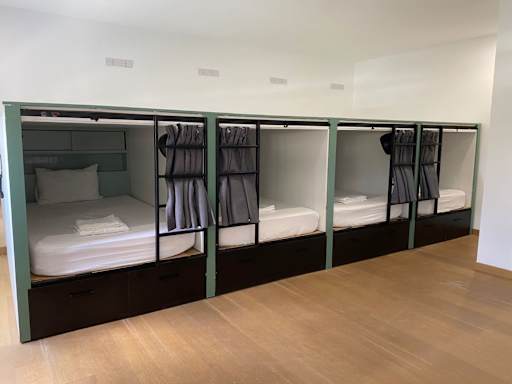
Cheaper than the coastal resorts, and the north side cheaper again. Dorms are €15 to €28, a full meal €14 to €22 in the south and €8 to €14 in the north, and a beer €3 to €4.50.
A day is €40 to €65.
Museums are €4 to €9 each and the crossing is free.
The south uses the euro. The north uses the Turkish lira, though euros are accepted at rates that are not in your favour — if you are spending a day there, changing a small amount is worth it.
Nicosia is a very safe city on both sides, with low crime and a comfortable old town at night.
The buffer zone is the thing to respect. It is a military area, photography of military positions and personnel is prohibited on both sides, and the fences and warning signs are not decorative. Stick to the marked crossings.
Crossing is routine — passports are checked, it takes minutes, and there is no stamp issue for most nationalities. Check your own situation if you have particular travel history concerns.
Hire cars from the south are usually not insured in the north; buy separate cover at the crossing or walk over.
Summer heat inland regularly passes 40 degrees. Emergency number is 112 in the south, 155 in the north.
Mountains, monasteries and a ghost town, all within two hours.
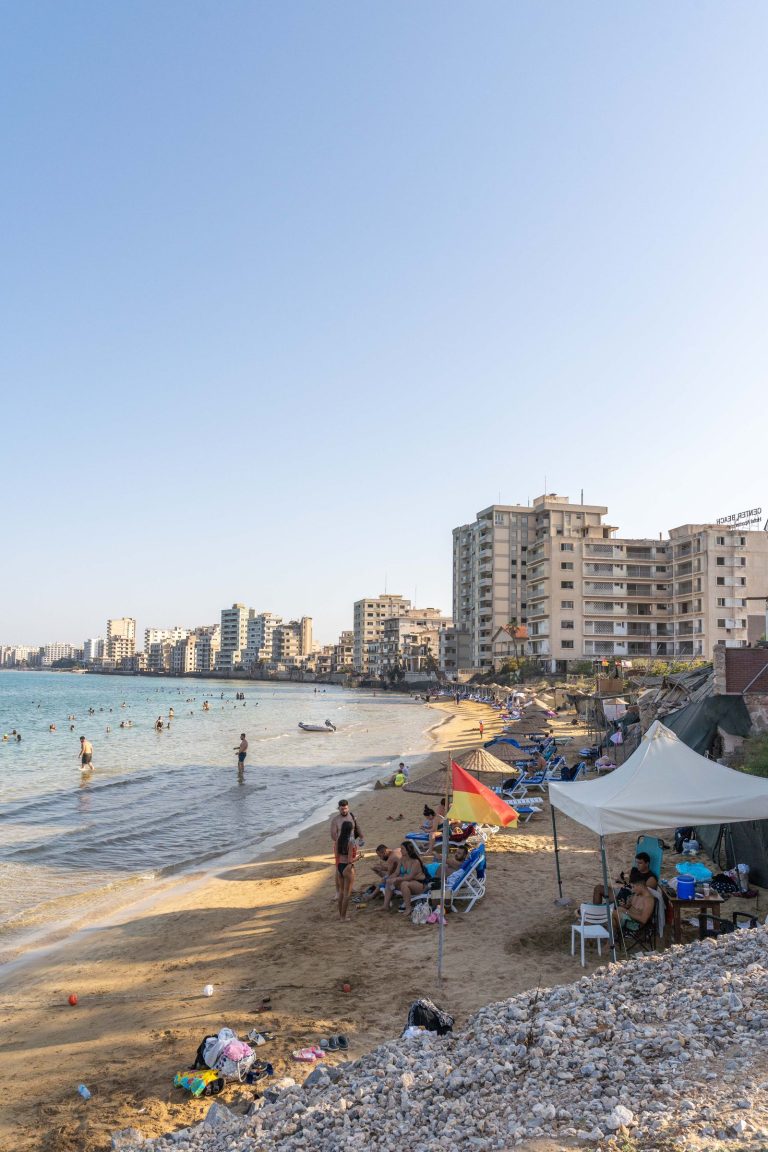
A walled Venetian city in the north, with the sealed resort suburb of Varosha, abandoned since 1974 and partly reopened to visitors.
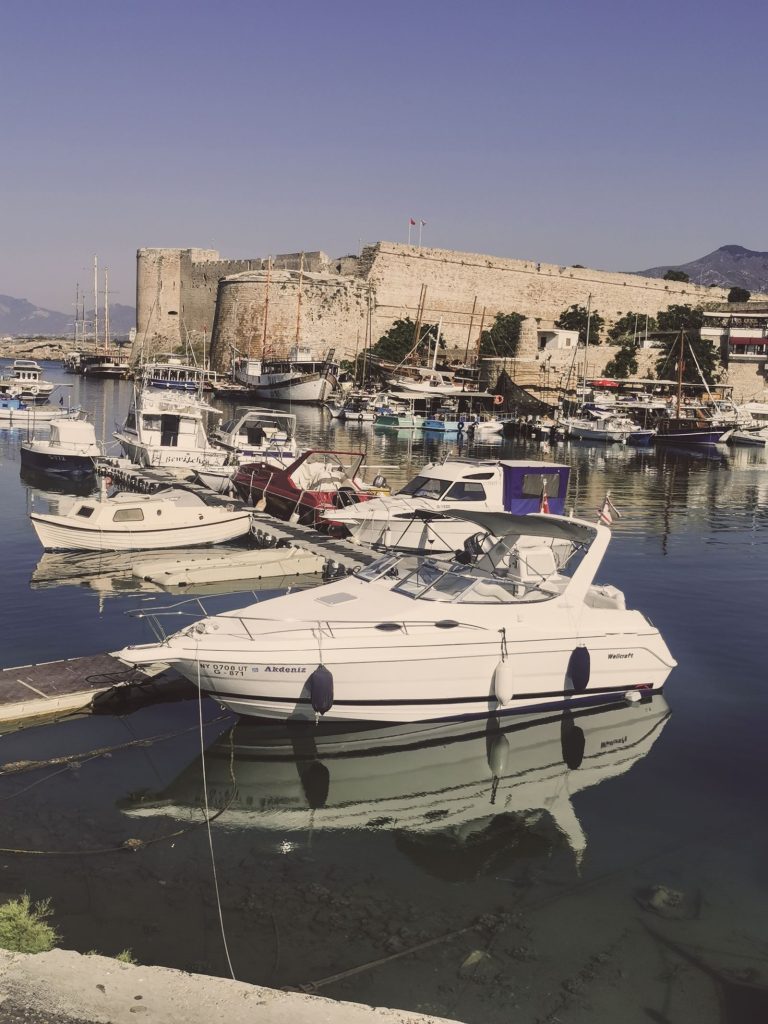
A horseshoe harbour under a castle on the north coast, with St Hilarion castle in the mountains above.
A local calendar in a city that does not run on tourism.
The start of Orthodox Lent, marked with picnics, kite flying and vegetarian food across the island.
The island's wine celebration, an hour down the road.
Music and street events in the walled town.
Theatre, dance and music across Cyprus, with Nicosia the main venue.
Markets and lights in the walled town, when the weather is at its most pleasant.
A small scene in and around the walled city, at prices below the coastal resorts. Live from Hostelworld.
Spring and autumn. Nicosia is inland and July and August are genuinely severe.
Average highs. Nicosia sits on a plain with no coast to moderate it and is the hottest city in Cyprus, regularly passing 40°C in July and August. The Troodos mountains an hour away are ten degrees cooler.
Pick how you travel. Per person per night, in euros.
Eating on the north side is noticeably cheaper. The crossing itself is free.
The ones we get asked most.

Compare Nicosia hostels — live prices, real reviews and free cancellation on most bookings. Then meet the people already there in the app.

 Get the App.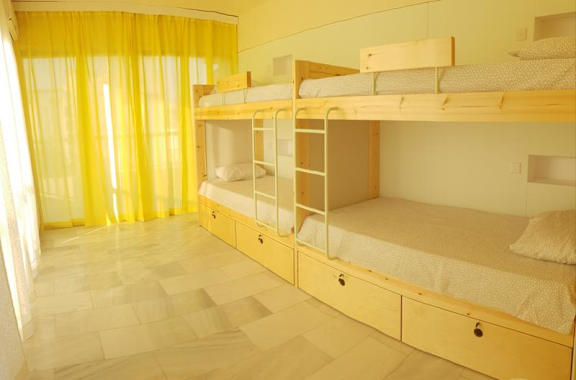
 Get the App.