Horní náměstí
First-timersThe upper square with the column, the clock and the fountains, and most of the bars and beds.

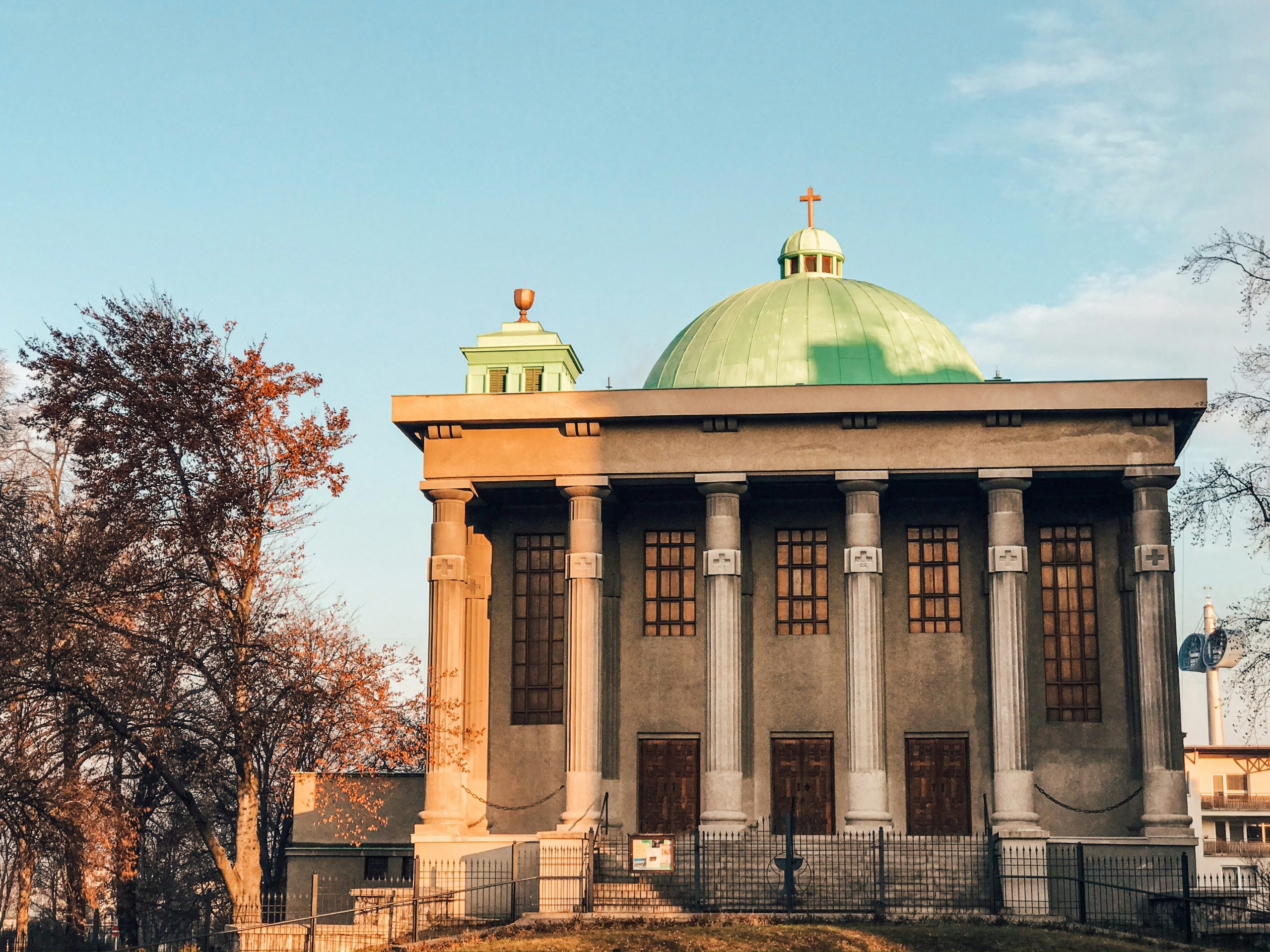
A baroque university town with a UNESCO column 35 metres high, six historic fountains, an astronomical clock the communists rebuilt with workers instead of saints, and almost no tourists.
Olomouc was the capital of Moravia and an archbishopric before Brno took over, and it has the architecture of a much more important place than it became — the largest historic centre in the Czech Republic after Prague, and a fraction of the visitors.
The Holy Trinity Column in the main square is 35 metres of baroque sculpture, UNESCO-listed on its own, and large enough to have a chapel inside it.
The astronomical clock on the town hall was destroyed in 1945 and rebuilt in the 1950s in socialist realist style, so instead of saints and apostles it shows workers, athletes and a chemist. It is the only clock of its kind and it is genuinely strange.
Twenty thousand students in a city of 100,000 keep the prices down and the bars open.
A day and a night, and it is one of the best value stops in central Europe.
A compact baroque centre with the university around it.
The upper square with the column, the clock and the fountains, and most of the bars and beds.
North of the centre, with student bars, cheap food and a five-minute walk in.
East of the centre, a fifteen-minute walk or short tram, and cheaper again.
Orange labels are neighbourhoods, dots are the 1 top-rated hostels. Map © MapTiler © OpenStreetMap contributors.
The Holy Trinity Column dominates the upper square: 35 metres of baroque sculpture built between 1716 and 1754, UNESCO-listed in its own right, with a chapel inside the base.
The astronomical clock beside it is the oddity. Destroyed in 1945 and rebuilt in the 1950s, it replaced the saints with workers, athletes, a blacksmith and a chemist, in mosaic, and it performs at noon. There is nothing else like it.
Six baroque fountains are scattered through the centre, each with a different classical figure, and a seventh modern one was added in 2002.
Saint Wenceslas Cathedral has the tallest spire in Moravia, and the archbishop's palace beside it is where the eighteen-year-old Franz Joseph became emperor in 1848.
Svatý Kopeček, a pilgrimage basilica on a hill above the city, is reached by tram and bus and has the view.
The column, the clock, the fountains and the whole baroque centre are free, which covers most of the city's attractions.
The cathedral is free to enter, and the Archdiocesan Museum charges but the courtyard does not.
Bezručovy sady, the park along the old city walls, and the botanical gardens beside it are free.
The Saturday farmers' market in the lower square is free to wander and sells tvarůžky, the local cheese, which is worth trying once for the experience.
The walk up Svatý Kopeček from the tram terminus is free and takes about forty minutes.
Olomoucké tvarůžky is the local speciality: a ripened soft cheese with a smell that visitors find genuinely shocking and locals regard with civic pride. It is served fried, on bread, and in beer-hall snacks, and it costs almost nothing.
Beyond that, Moravian food and student prices. A pub meal is €6 to €10 and a weekday lunch menu €4 to €7, which is among the cheapest in central Europe.
Moravian wine is close by and a glass is €2.50 to €4, with wine bars through the centre.
Beer is €1.50 to €2.20 a half litre, and the local Litovel and Zubr breweries are both nearby.
Twenty thousand students in a city of 100,000 means the nightlife punches far above the size. Bars around the upper square and the university district fill from nine in term time and run late.
It is almost entirely local — there is no tourist bar economy here at all, which after Prague is a relief.
A beer is €1.50 to €2.20, among the cheapest in the country.
Term time is the thing: from July to September the students leave and the city is much quieter, though the squares are lovely and empty.
The Christmas market in the upper square, under the column, is among the best in the country and far less crowded than Prague's.
The centre is compact and walkable, with the two squares and everything around them within ten minutes.
Trams cost about €0.80 and run from the station into the centre and out to the suburbs.
Trains reach Prague in two and a half hours, Brno in an hour and a half, Kraków in about four and Vienna in three and a half, which puts Olomouc on the natural route between Prague and Poland.
The station is fifteen minutes on foot east of the centre, or a few minutes by tram.
For Svatý Kopeček, take tram 2 or 4 to the terminus and then the bus, or walk up from there.
One of the cheapest cities in central Europe. Dorms are €10 to €22, a pub meal €6 to €10, a lunch menu €4 to €7, and a beer €1.50 to €2.20.
A day is €28 to €48.
Almost everything worth seeing — the column, the clock, the fountains, the cathedral, the parks — is free, so the doing line barely moves.
The koruna runs at roughly 25 to the euro and cards work everywhere.
Olomouc is a safe, quiet university city with very little crime and none of Prague's scam economy.
Ordinary care applies around the station late at night.
Tram tickets must be validated and inspectors do check.
The cobbles in the squares are slippery in rain and the winters are cold enough to ice them.
Czech beer is strong and served by the half litre, and the student bars on a Thursday reflect that. Emergency number is 112.
A chateau, a cave system and the Moravian mountains.
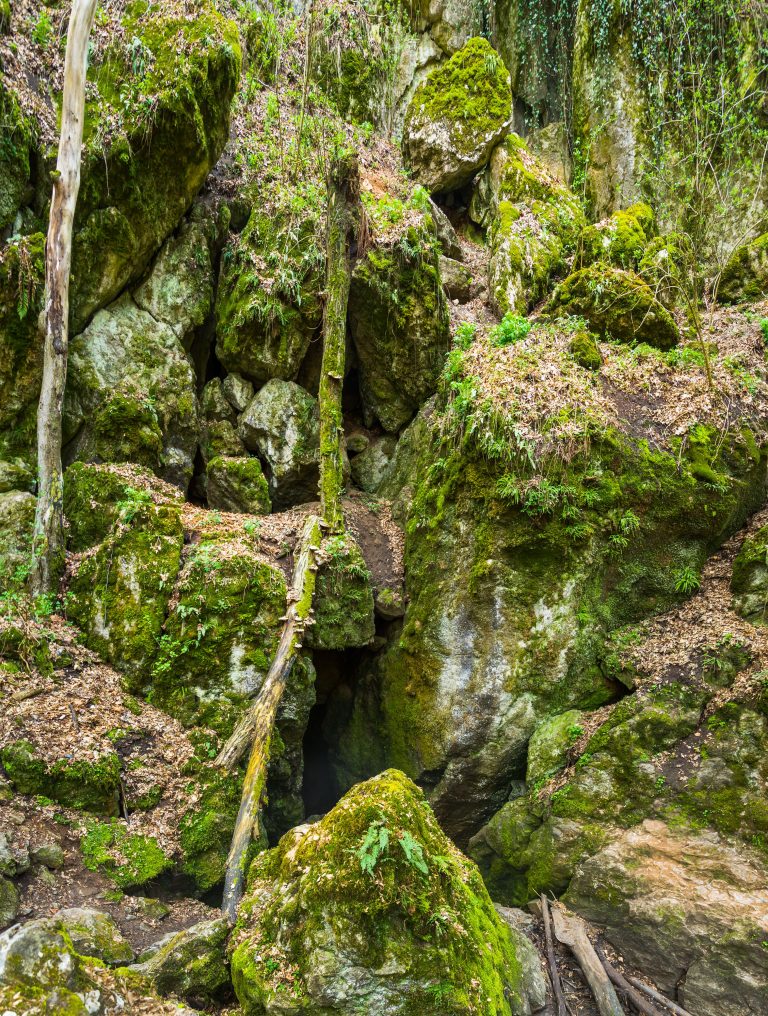
Caves with an underground river and the Macocha abyss, a 138-metre sinkhole.
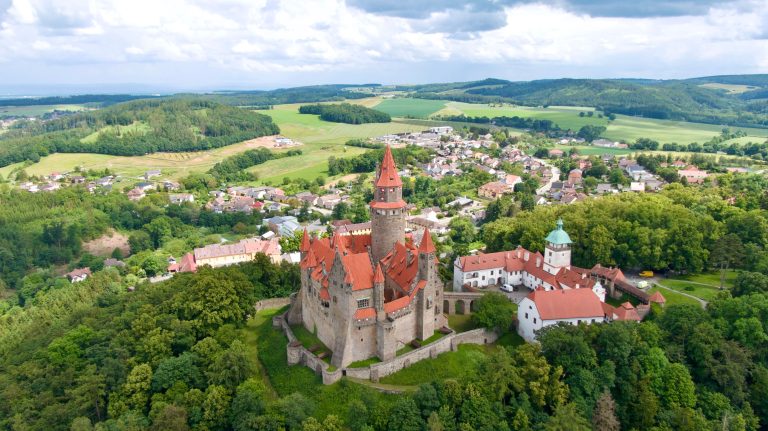
A romantic neo-Gothic castle rebuilt by the Teutonic Order, much used as a film location.
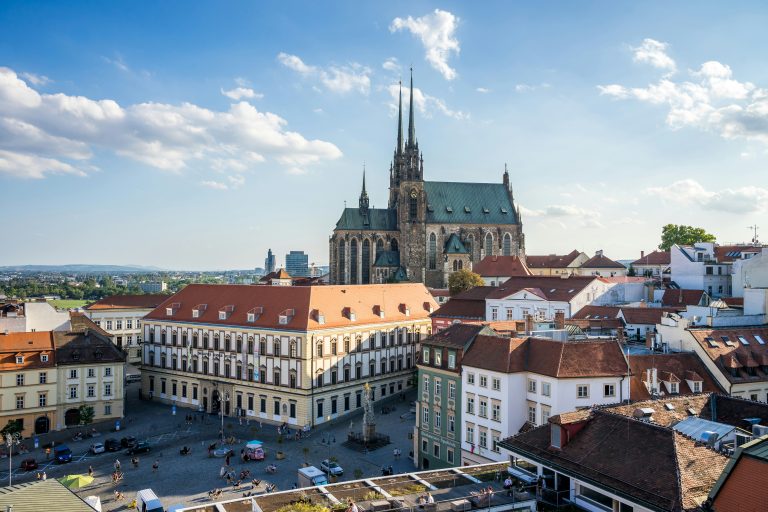
The Moravian capital, with Villa Tugendhat and the ossuary.
A Christmas market under a UNESCO monument, and a flower show.
Stalls under the UNESCO column, with mulled wine and a local atmosphere rather than a tourist one.
A long-running horticultural show, one of the biggest in central Europe.
Czech and Moravian breweries in the squares.
When 20,000 students are in and the bars are busy every night.
Smaller markets in the main square, with painted eggs and local food.
A small, very cheap scene in and around the baroque centre. Live from Hostelworld.
Term time, and December for one of the country's best Christmas markets.
Average highs. Olomouc is continental and cold in winter, and the Christmas market under the UNESCO column is one of the best in the country with a fraction of Prague's crowds.
Pick how you travel. Per person per night, in euros.
The doing line is low because almost everything here is free. A day trip to Kroměříž adds about €8 in train fares plus entry.
The ones we get asked most.

Compare Olomouc hostels — live prices, real reviews and free cancellation on most bookings. Then meet the people already there in the app.

 Get the App.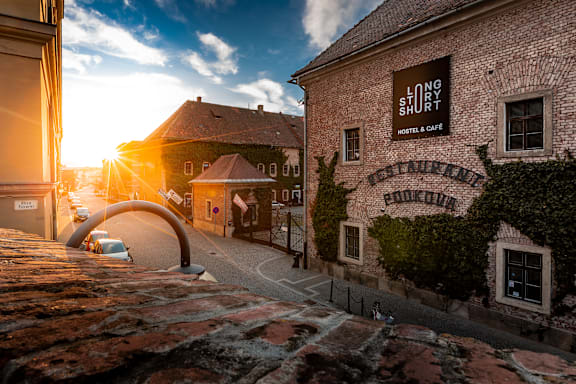
 Get the App.