Saint-Pierre and the old centre
First-timersBetween the river and the cathedral: narrow streets, the Place de la Bourse, restaurants and most beds.

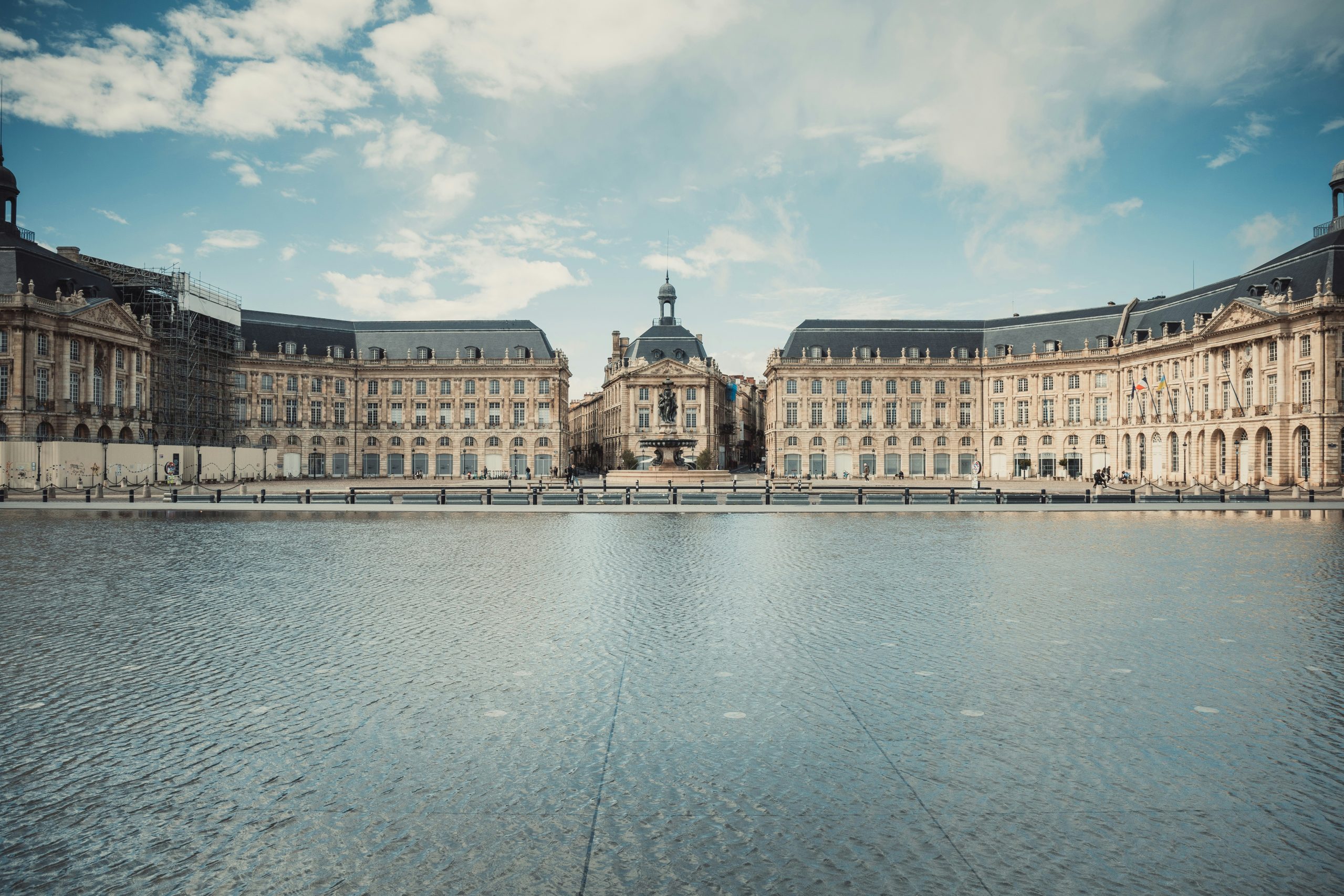
The wine capital, with the largest urban UNESCO site in the world, a river full of eighteenth-century façades, and a student population keeping the prices honest.
Bordeaux spent the 1990s and 2000s scrubbing two centuries of soot off its limestone, pedestrianising the centre and building a tram network, and the result is one of the best-looking cities in France.
The eighteenth-century riverfront along the Garonne — a long curve of uniform pale façades — is what got the centre UNESCO-listed, at 1,810 hectares the largest urban world heritage site anywhere.
The Miroir d'Eau facing the Place de la Bourse is a shallow sheet of water that alternately reflects the buildings and disappears into mist, and it is free and constantly full of people.
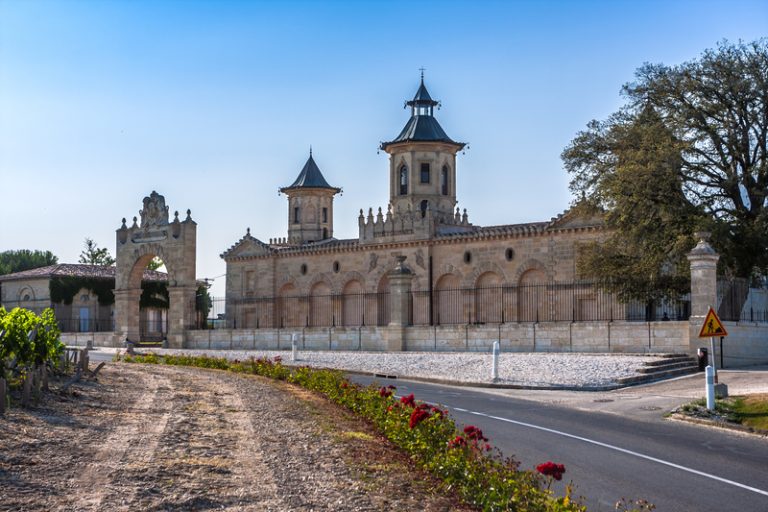
The wine is the reason the city exists. Saint-Émilion is forty minutes by train, the Médoc châteaux an hour by road, and the Cité du Vin at the northern end of the quays does a serious job of explaining all of it.
Seventy thousand students keep the bars and the restaurants cheaper than the reputation suggests. Two or three days.
A flat, walkable centre along a river bend, with the student quarters just behind it.
Between the river and the cathedral: narrow streets, the Place de la Bourse, restaurants and most beds.
South: the covered market, a diverse and cheaper quarter, and the best food for the money.
North along the quays: the old wine merchants' district, antiques, and the Cité du Vin at the far end.
South-west around Place de la Victoire: cheap bars, late nights and seventy thousand students.
Orange labels are neighbourhoods, dots are the 6 top-rated hostels. Map © MapTiler © OpenStreetMap contributors.
The routes we would walk, in the order we would walk them.
Walk the quays. The eighteenth-century riverfront runs for kilometres in pale limestone, and the Miroir d'Eau opposite the Place de la Bourse alternates between a perfect reflecting pool and a cloud of mist. It is free and it is the image of the city.
The Cité du Vin, about €22, is a wine museum in a building meant to look like wine swirling in a glass. It is more interesting than it sounds and the ticket includes a tasting on the top floor with a view over the river.
Climb the Tour Pey-Berland beside the cathedral, about €7, for the view over the roofs.
Saint-Émilion is forty minutes by train: a medieval wine village built over a monolithic church carved into the rock, and the easiest vineyard day from any French city.
The Marché des Capucins on a weekend morning is where Bordeaux eats oysters and drinks white wine at nine in the morning, and it is the most enjoyable hour in the city.
The Miroir d'Eau and the whole eighteenth-century quayside are free, and the walk from the Pont de Pierre to the Cité du Vin takes about forty minutes along the river.
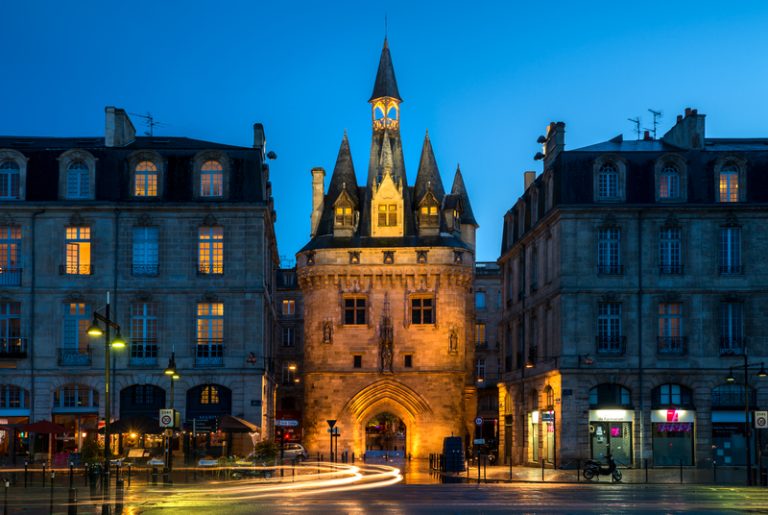
The Place de la Bourse, the Grand Théâtre exterior and the Porte Cailhau all cost nothing.
The Jardin Public and the Place des Quinconces — one of the largest squares in Europe — are free and open.
Several municipal museums are free for their permanent collections, including the Musée d'Aquitaine, which covers the city's history including its major role in the Atlantic slave trade, a subject Bordeaux has only recently begun to address publicly.
The Marché des Capucins is free to walk and is the best food market in the city.
Wine first, obviously. A glass of decent Bordeaux in a city wine bar is €4 to €7, which is remarkably little given where you are standing. Château visits run €15 to €35 and generally need booking.
The Marché des Capucins is the best value in the city: oysters from Arcachon with a glass of white at €10 to €14 a plate, eaten standing at nine in the morning on a Saturday, which is the local ritual.
Canelés — small caramelised rum and vanilla cakes with a dark crust — are the city's own pastry and cost about €1.50.
Entrecôte à la bordelaise, steak with a red wine and shallot sauce, is the classic main at €18 to €26.
The lunch formule runs €14 to €19, and the student quarter around Victoire is cheaper again.
Seventy thousand students make this a proper night-out city, and cheaper than its polished appearance suggests.
Place de la Victoire and the streets around it are the student heartland — cheap, loud and busy every night in term.
Saint-Pierre has the bars in the old lanes, and the Darwin complex, a converted barracks on the right bank, has a warehouse bar, a skatepark and an organic market.
The quays along the river fill with people drinking outside in summer, which is free and is what most of the city does.
A beer is €4 to €7 and cocktails €8 to €12. Trams run to about 1am, later at weekends.
Trams cost about €1.80 with day tickets, and three lines cover the city including the station and the Cité du Vin. Sections run without overhead wires through the historic centre, drawing power from the ground.
The centre is flat and walkable, and the pedestrianised Rue Sainte-Catherine is claimed to be the longest shopping street in Europe.
The airport is 30 minutes by shuttle for about €8.
TGV reaches Paris in two hours at €30 to €90 depending on booking, and Toulouse in two hours.
For the wine regions: Saint-Émilion is 40 minutes by train, the Médoc needs a car or a tour, and Arcachon with its oysters and the Dune du Pilat is an hour by train.
Mid-range for France and better value than it looks. Dorms are €22 to €38, a lunch formule €14 to €19, and a beer €4 to €7.
A day is €50 to €90.
Wine is the surprise: €4 to €7 a glass in city bars for something that would cost three times as much abroad.
The Cité du Vin at about €22 is the main entry. Château visits at €15 to €35 add up quickly if you do several, and a full-day Médoc tour runs €90 to €130.
The quays, the Miroir d'Eau and the free municipal museums cover a lot of the daytime at no cost.
Bordeaux is a safe city and the crime affecting visitors is petty theft.
Pickpocketing happens on Rue Sainte-Catherine, around the station and on busy trams.
The Saint-Michel and station areas are scruffier at night without being dangerous, and Place de la Victoire gets very drunk at weekends in term time.
The Garonne is tidal, fast and muddy with a strong current, and the quays have open edges directly beside the bars. It is not a river to go near after drinking.
Wine tasting is the genuine risk here: tasting rooms pour generously, the wines are 13 to 15 per cent, and people underestimate a day of it badly. Spit buckets exist for a reason and using them is normal. Emergency number is 112.
Vineyards, the biggest sand dune in Europe, and oysters on the Atlantic.
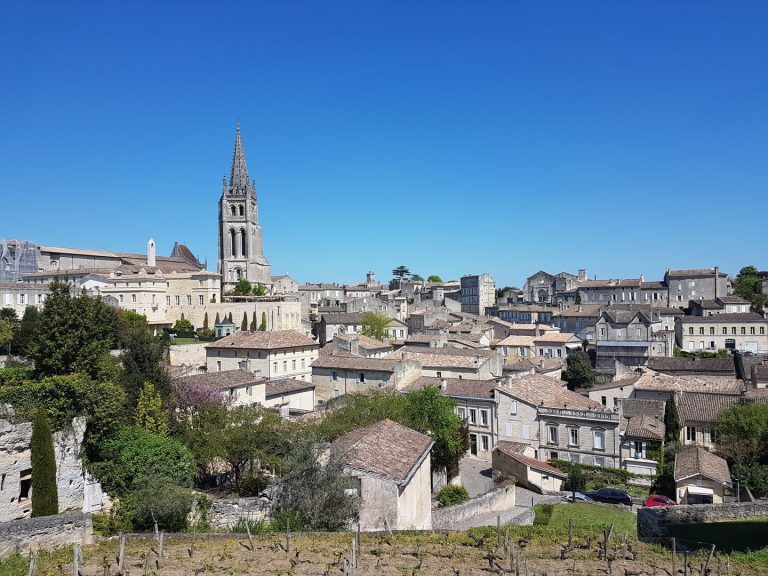
A medieval wine village over a church carved whole into the rock, with vineyards on every side. The easiest wine day from the city.
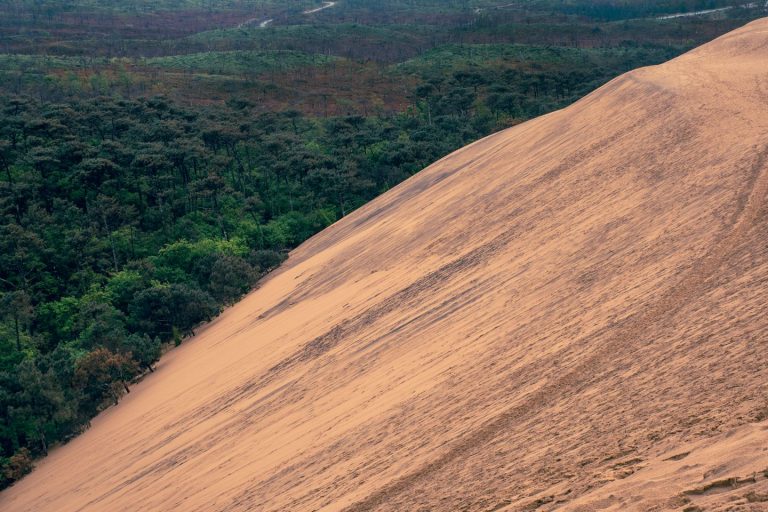
Oyster beds, a belle époque seaside town, and the tallest sand dune in Europe at over 100 metres.
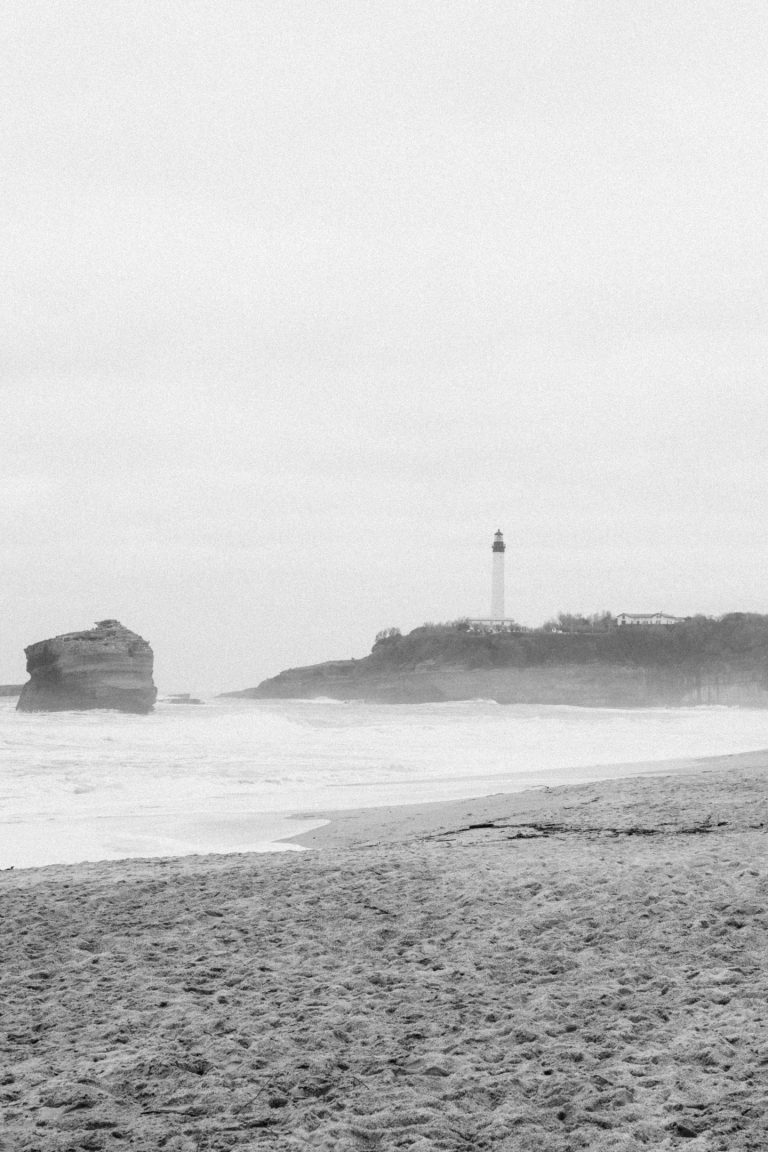
Atlantic surf, the Basque country, and a different region entirely.
A wine festival on the quays, and a harvest that changes the whole region.
 Staff pick
Relâche Festival in Bordeaux, France, transforms the city each summer with a dynamic series of free concerts spread across urban spaces. Drawing nearly 80,000…
 Staff pick
Bordeaux Open Air in Bordeaux, France, is a free, multigenerational festival dedicated to celebrating electronic music and local talent in the city's lush green…
 Staff pick
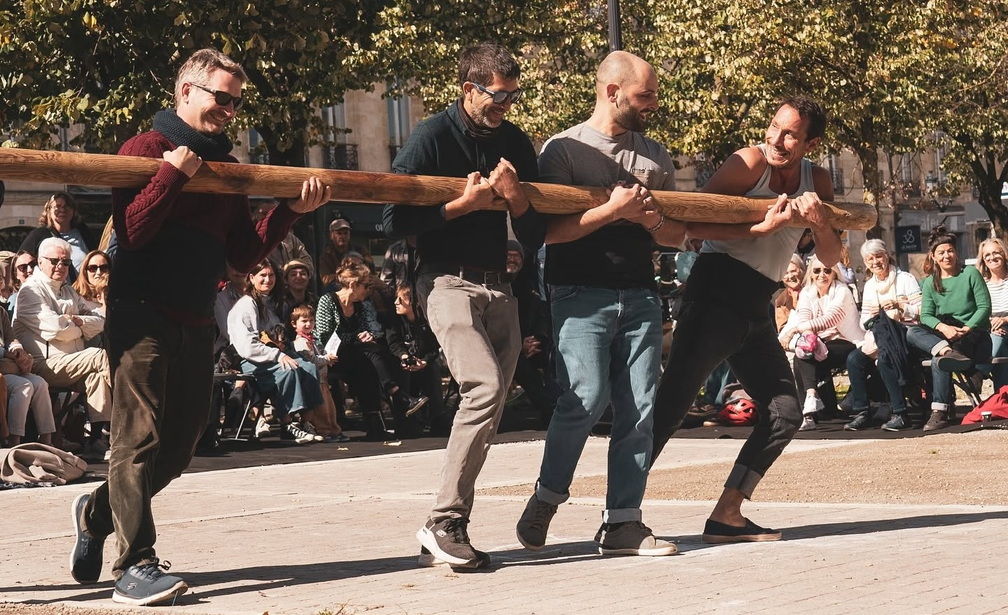
The FAB – Bordeaux Métropole International Arts Festival in Bordeaux, France, transforms the city and its surroundings into a stage for innovative performances and…
 Staff pick
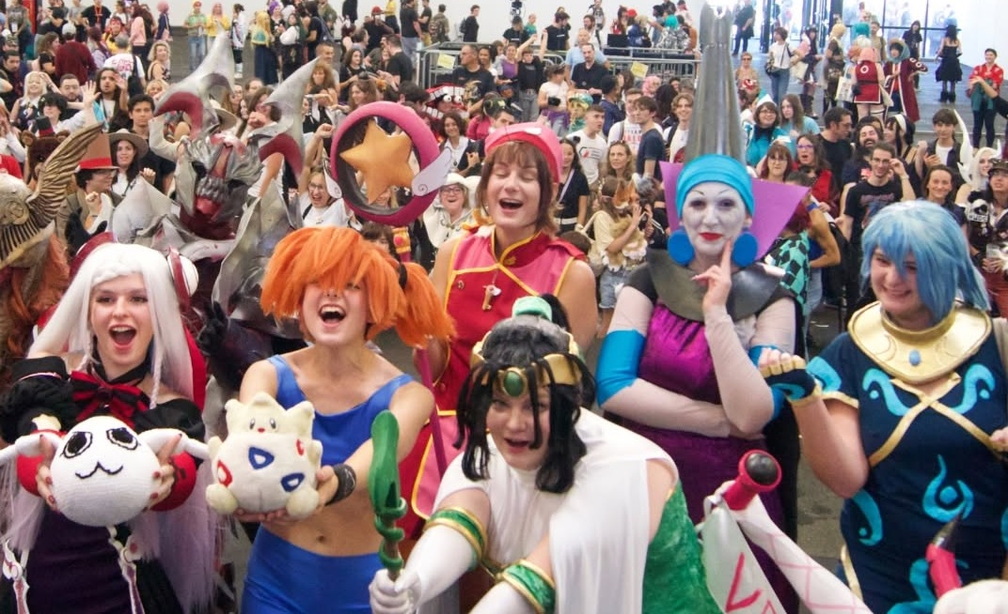
Animasia Festival in Bordeaux, France, is a dynamic celebration of Asian cultures and pop culture that has been uniting fans, creators, and enthusiasts since…
 Staff pick
Festival International du Film Indépendant de Bordeaux (FIFIB) in Bordeaux, France, is a celebrated gathering for lovers of independent cinema, drawing nearly 20,000 attendees…
 Staff pick
Cinopsys Festival in Bordeaux invites audiences to explore the intersection of cinema and psychotherapy, offering a unique selection of films that delve into personal…
 Staff pick
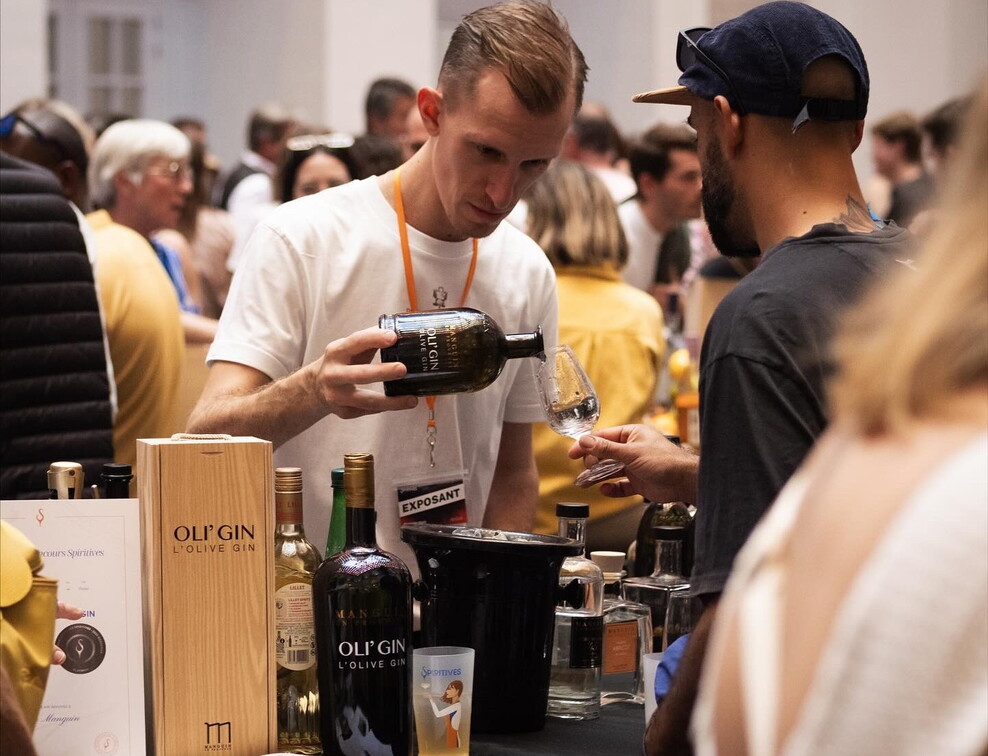
Spiritives at Bordeaux Palais de la Bourse is a premier gathering for spirits enthusiasts, uniting over 85 international brands alongside renowned distillers, chefs, and…
 Staff pick
Experience the powerful artistry of Angélique Kidjo as she presents a symphonic tribute to the legendary musicians who shaped African music, including icons like…
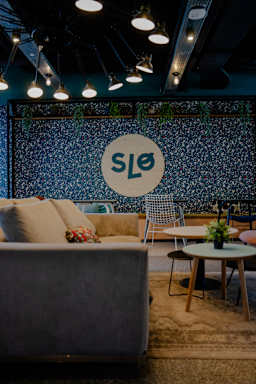
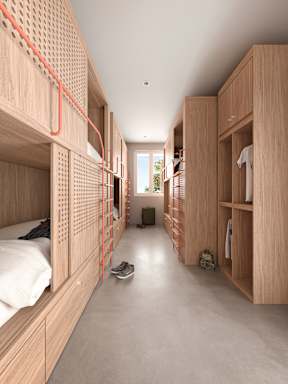
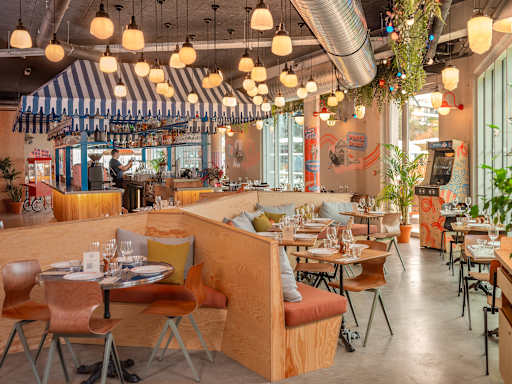
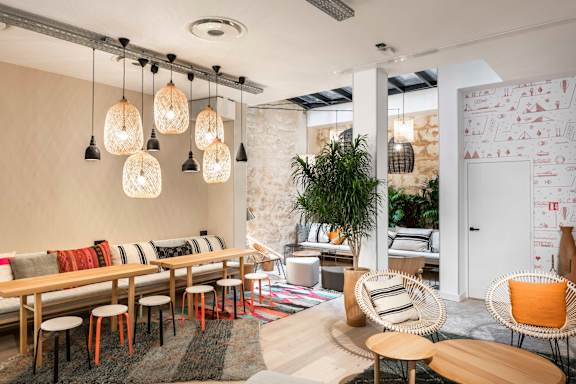
A reasonable scene near the centre and the station, with student-driven prices. Live from Hostelworld.
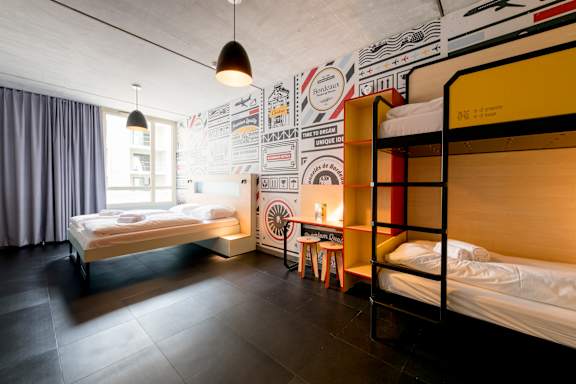
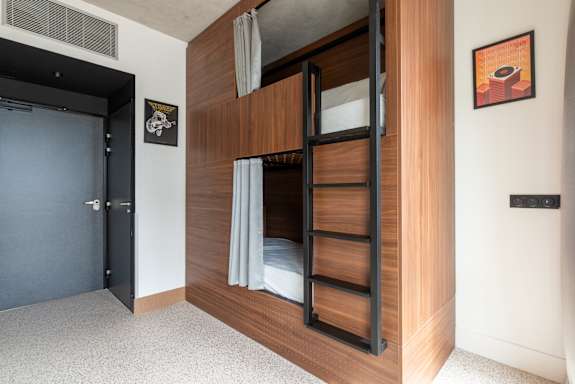 Sustainable
May, June, September and October. September is harvest and the best month of the year here.
Average highs. September is the harvest month across the region, which is when the vineyards are at their most interesting and the châteaux at their busiest — book visits further ahead than usual.
Pick how you travel. Per person per night, in euros.
The doing line rises fast if you visit châteaux — a full-day Médoc tour is €90 to €130 on its own and sits outside these figures.
The ones we get asked most.

Compare Bordeaux hostels — live prices, real reviews and free cancellation on most bookings. Then meet the people already there in the app.

 Get the App.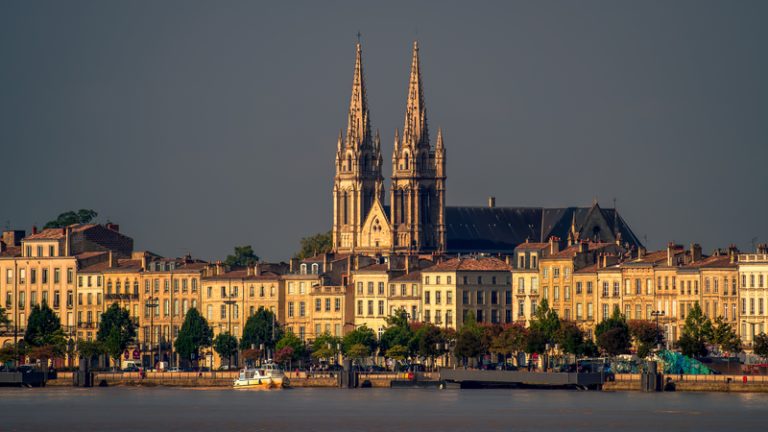
 Get the App.