Duomo
First-timersAround Piazza del Duomo and the fish market. Central and lively.

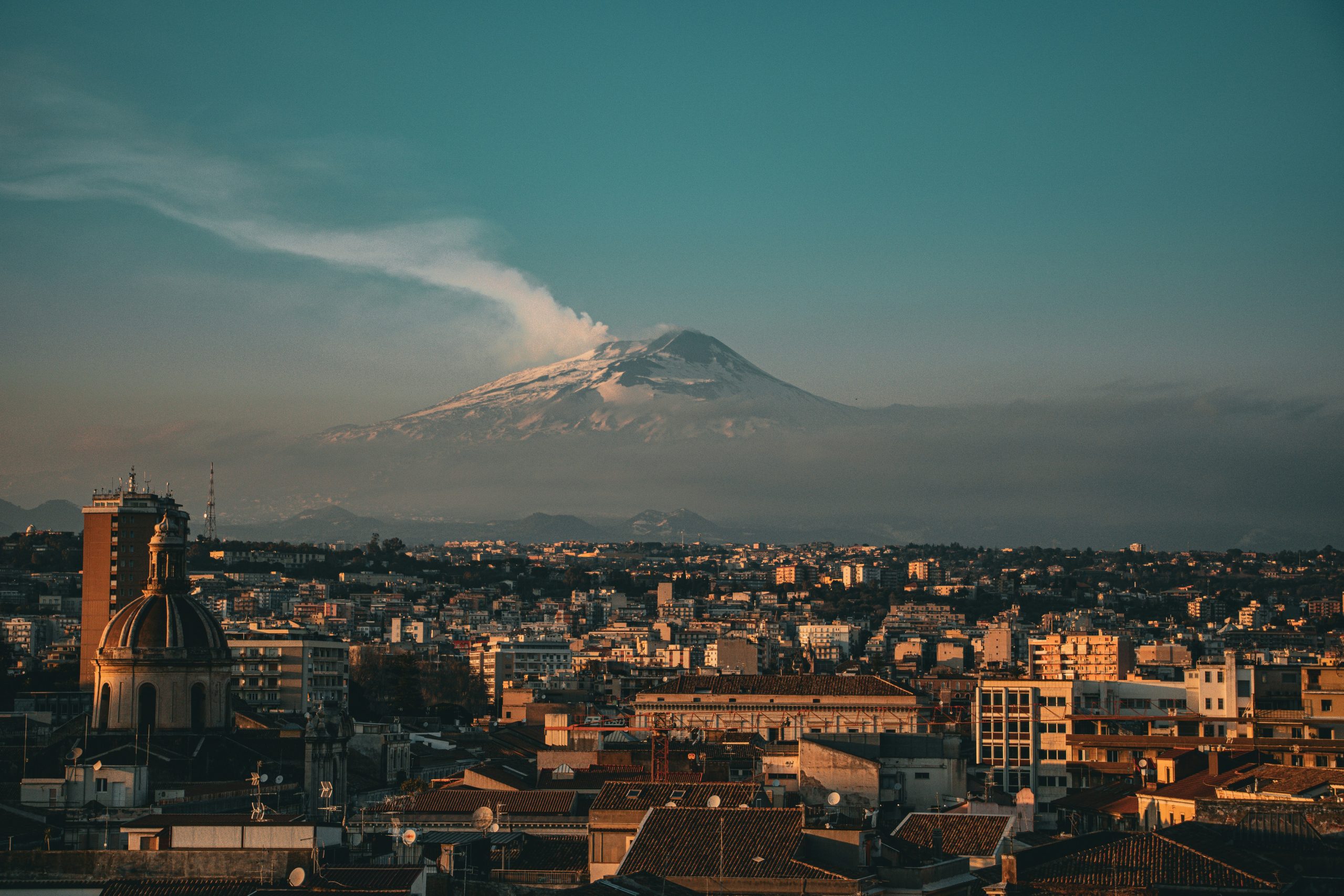
A Baroque city built from black lava stone under Europe's highest active volcano, with a fish market that roars every morning and the cheapest nightlife in Sicily.
Catania has been destroyed and rebuilt more than once. Lava from Etna reached the city walls in 1669, and an earthquake in 1693 flattened it. It was rebuilt in the Baroque style, using the dark volcanic stone that gives it its black-and-white look, and the late Baroque towns of this corner of Sicily, Catania among them, are a UNESCO World Heritage Site.
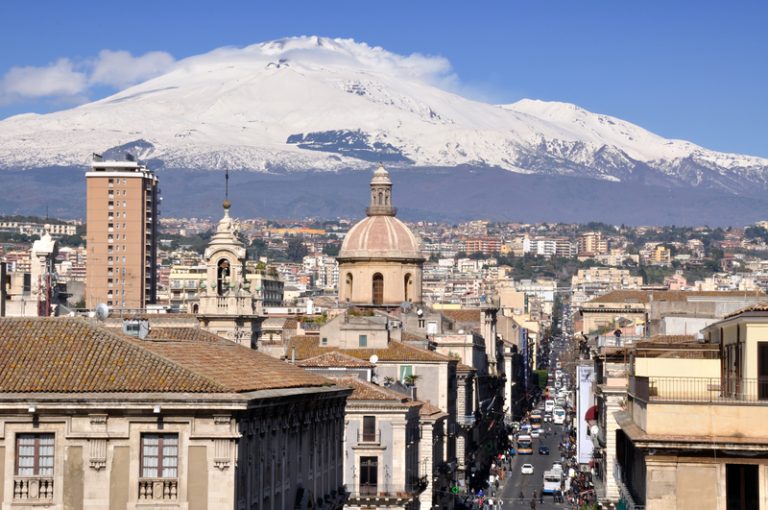
Etna is always there, smoking over the end of Via Etnea, and it erupts regularly. It is the reason many people come, and the city is the easiest base for it.
Catania is a big, busy university city with an energy Palermo does not have: louder in the morning, livelier at night, and cheaper. Two days covers it, and Etna, Taormina and Siracusa are all day trips.
The historic centre is compact. Stay near the Duomo or along Via Etnea.
Around Piazza del Duomo and the fish market. Central and lively.
The long main street towards the volcano, with shops and cafés.
The streets around the opera house, full of bars at night.
Baroque churches and quiet lanes near the university.
Near the central station and the Etna bus. Convenient, rough at night.
Orange labels are neighbourhoods, dots are the 8 top-rated hostels. Map © MapTiler © OpenStreetMap contributors.
The routes we would take, in the order we would take them.
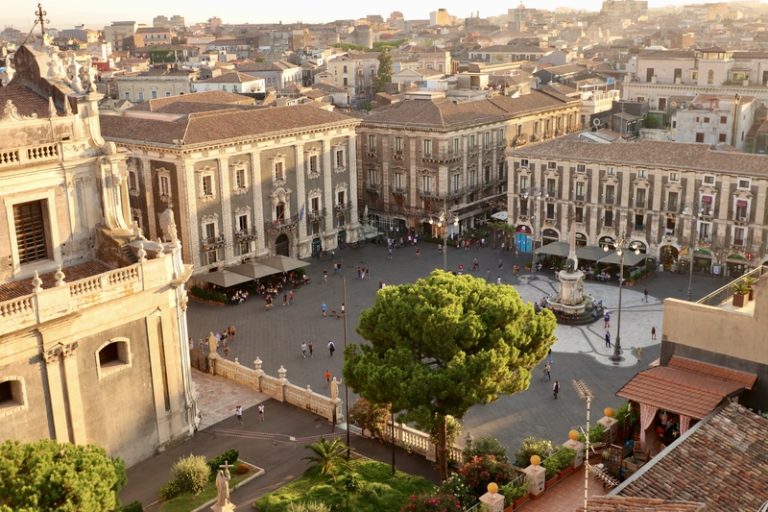
Start in Piazza del Duomo, with the lava-stone elephant fountain, the Liotru, the city's symbol, and the Cathedral of Sant'Agata. Behind it, La Pescheria, the fish market, is one of the great sights of Sicily: fishmongers shouting, swordfish heads on the counters, and ice and water everywhere. Go before noon.
Walk up Via Etnea, the long main street pointing straight at the volcano, and turn off onto Via Crociferi, a street of Baroque churches and convents.
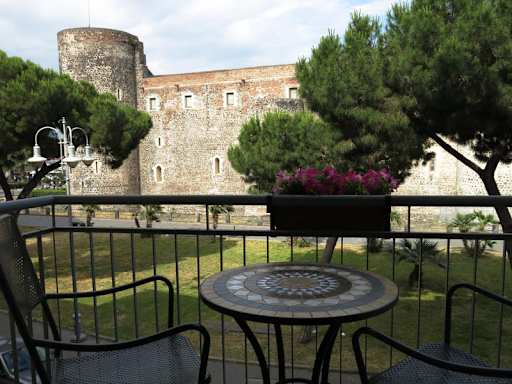
The Monastero dei Benedettini, one of the largest monasteries in Europe, is now part of the university and open for guided tours, with its gardens built over a lava flow. The Roman theatre is half-buried among houses, and the Castello Ursino, once on the sea, was left inland by the 1669 lava flow.
The Villa Bellini, a public garden off Via Etnea, is the city's park.
La Pescheria is free and one of the best things in the city. So are Piazza del Duomo, Via Crociferi and Via Etnea.
The Villa Bellini gardens are free, with a view of Etna on a clear day.
The lava coast north of the centre, at Ognina and Aci Castello, is free to walk and swim from in summer.
State museums and sites are free on the first Sunday of the month.
Catania eats well and cheaply. The arancino, masculine here and pointed like the volcano, is the city's snack. Pasta alla Norma, with aubergine, tomato and ricotta salata, was named in Catania after Bellini's opera.
Horse meat is a local speciality, grilled at street stalls on Via Plebiscito in the evening. The pistachios come from Bronte, on the slopes of Etna, and turn up in everything.
Breakfast in summer is granita with a brioche. Street food costs €2 to €4, and a trattoria meal €15 to €22.
Catania has the cheapest and liveliest nightlife in Sicily, driven by its students. The streets around the Teatro Massimo Bellini and Via Gemmellaro fill every night, with bars spilling onto the pavement and drinks at €3 to €5.
In summer, the nightlife moves to the beaches south of the city and the lava coast to the north.
The night starts after ten and goes on late.
The centre is walkable. City buses and a single metro line cover the rest.
The airport is close to the city. The Alibus runs to the centre and the station in about twenty minutes, for a few euros.
For Etna, one AST bus a day leaves Piazza Papa Giovanni XXIII, outside the central station, at 8:15 and returns from Rifugio Sapienza at 16:30. The return ticket is €6.60. It fills up in summer, so get there early.
Buses and trains reach Taormina in about an hour and Siracusa in about an hour and a quarter. The Circumetnea railway circles the volcano through the villages on its slopes.
Catania is cheap. Dorms start around €18 to €22, street food costs €2 to €4, and drinks are among the cheapest in Italy. A careful day is €45 to €60.
Etna is the big cost. The cable car from Rifugio Sapienza is around €50 return, the cable car with a 4x4 bus and guide higher up around €80, and guided summit tours more. The bus up is only €6.60 return.
Taormina and Siracusa are more expensive to stay in, which makes Catania the better base.
Catania is generally safe, with petty crime to watch for: pickpockets in the market and on buses, and occasional bag snatching from scooters. Keep your bag on the side away from the road.
Some neighbourhoods near the centre, including parts of San Berillo and San Cristoforo, are rough at night.
On Etna, the weather changes fast and it is cold at altitude even in summer. Above a certain height you may only go with an authorised guide, and access changes with volcanic activity. Check the current status before you go.
Emergency number is 112.
A volcano, a Greek theatre over the sea, and the most beautiful old town in Sicily.
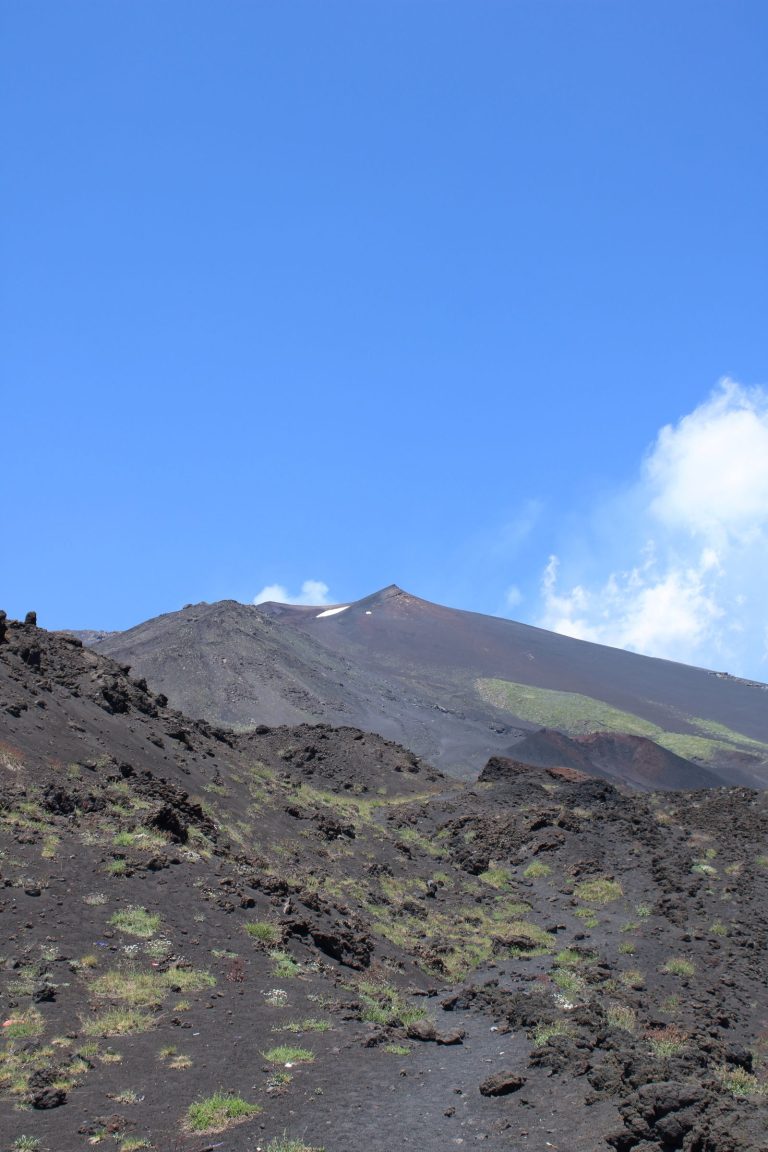
Europe's highest active volcano. The cable car from Rifugio Sapienza goes to about 2,500 metres; above that, 4x4 buses and guides. Check the current activity before you go.
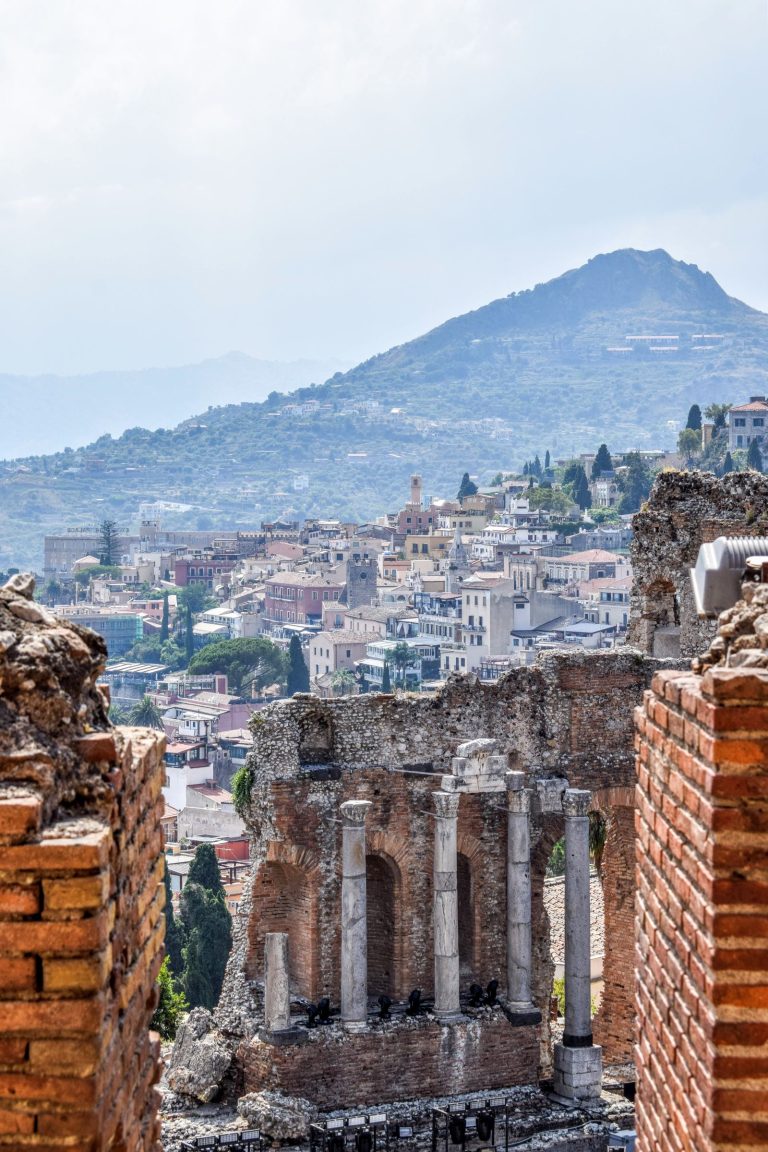
A cliff-top town with a Greek theatre framing Etna and the sea.
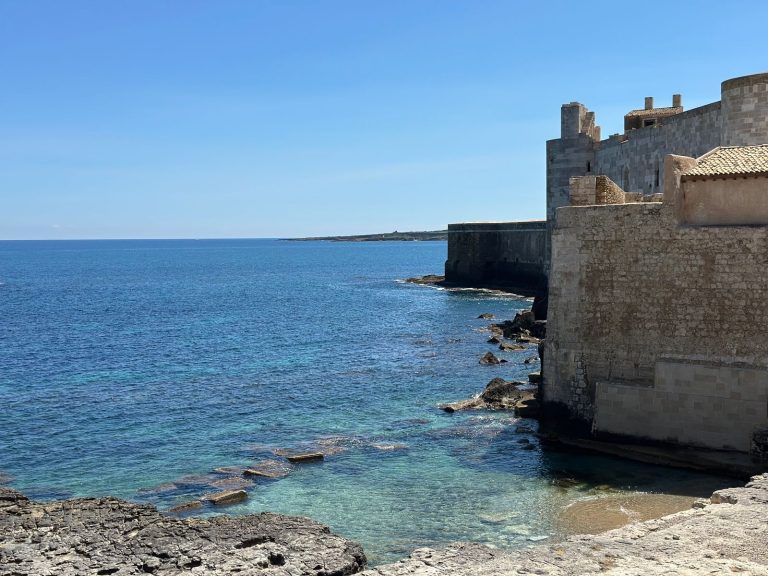
The Greek city of Archimedes, with the island old town of Ortigia.
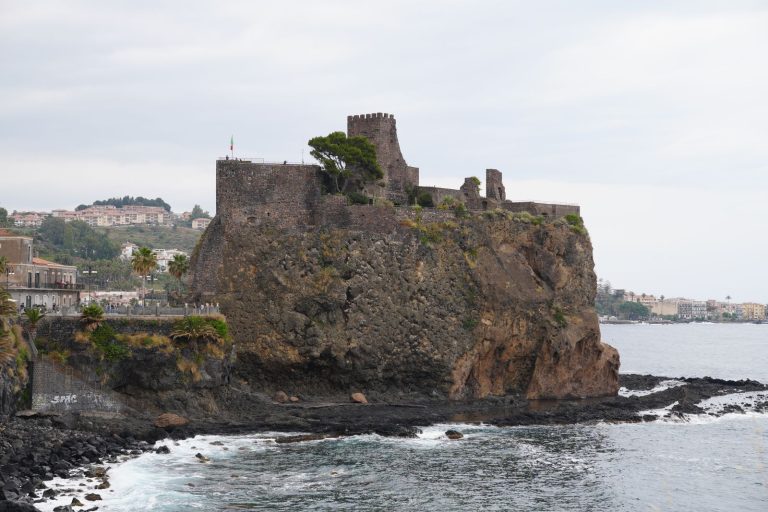
Fishing villages on the lava coast, with the rocks the Cyclops threw at Odysseus.
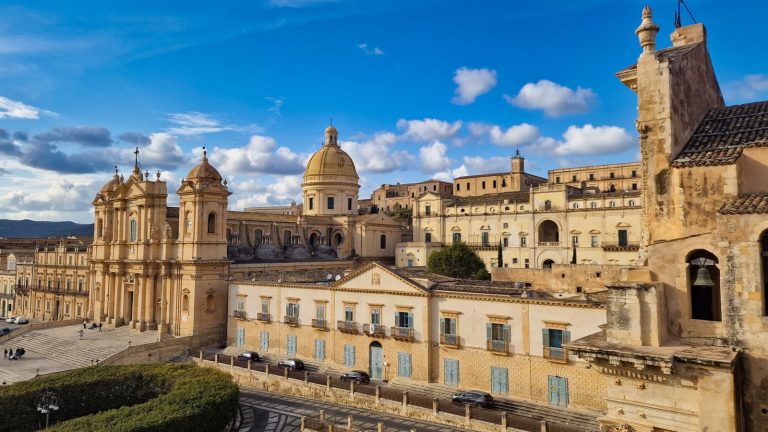
The finest Baroque town in Sicily, in honey-coloured stone.
The festival of Sant'Agata in February is one of the largest religious festivals in the world.
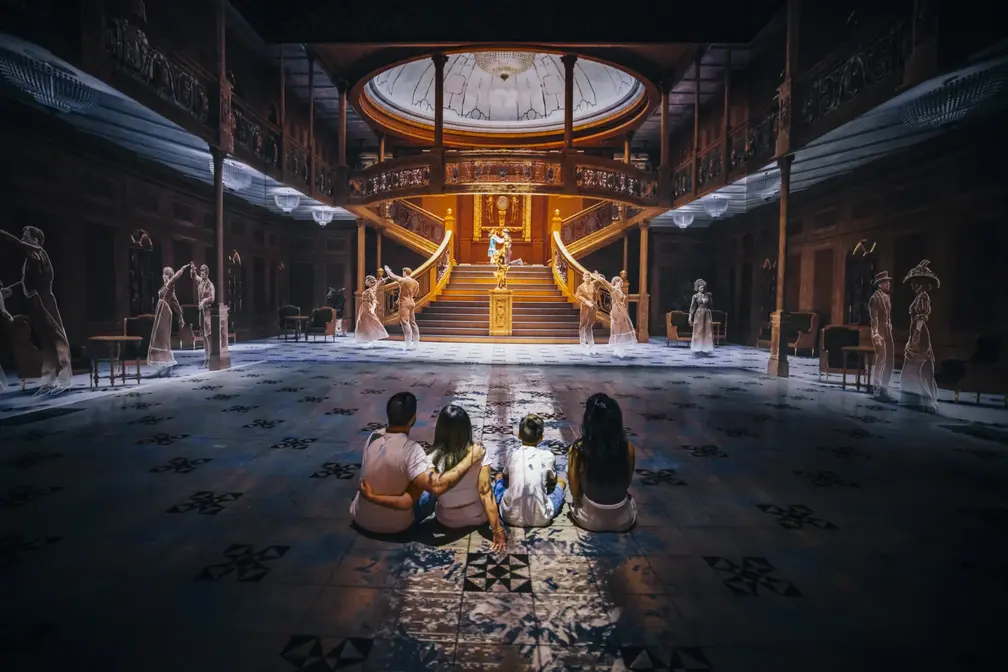
Step aboard a multimedia recreation of the RMS Titanic, where reconstructed environments and interactive installations bring the legendary ship's story to life. Housed within…

Bellini's beloved opera seria returns to Catania with a new stage design that brings fresh visual life to this tale of love and political…
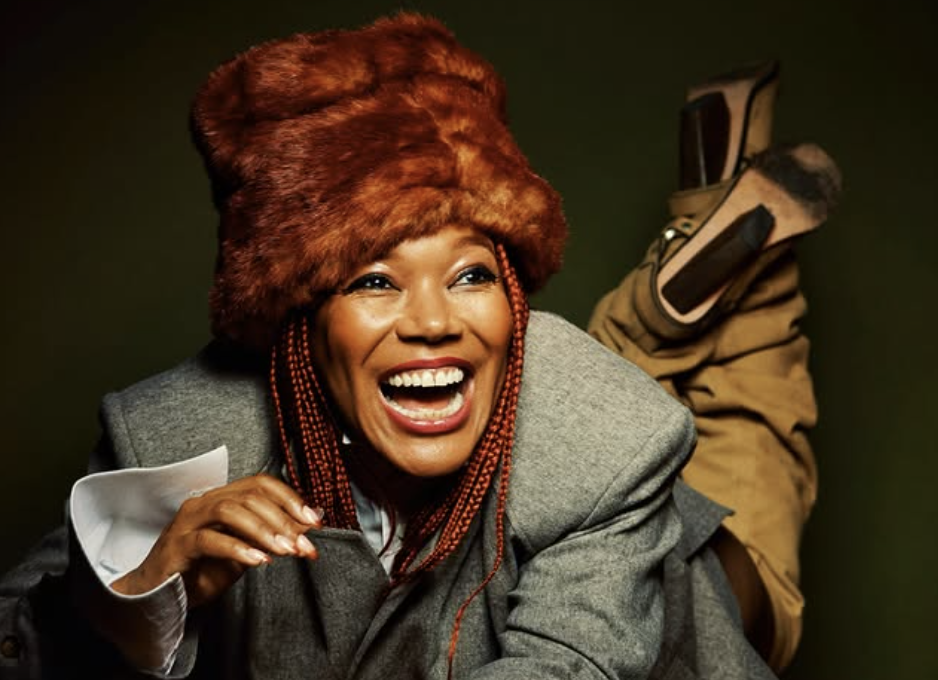
China Moses brings a powerful presence to the jazz stage, blending traditional jazz and blues with modern soul and R&B influences. Her voice has…
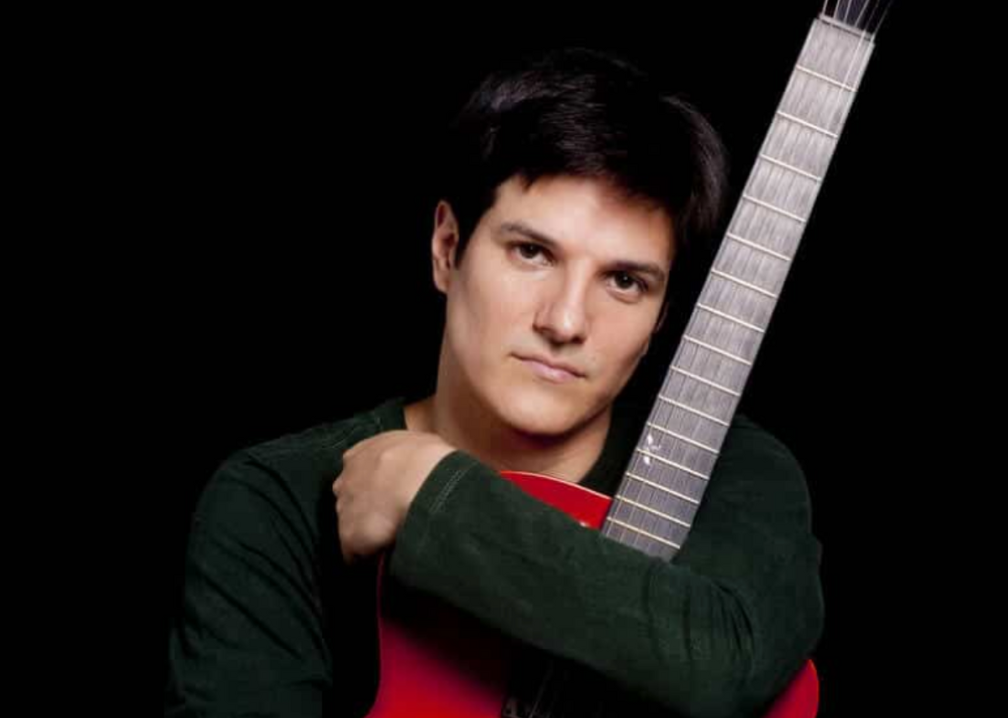
Chico Pinheiro Quartet brings together the fluidity of contemporary jazz with the lyrical and rhythmic complexity of Brazilian tradition. You will experience a technically…

Catania hosts this three-day gathering where wellness, beauty, and sport converge under one roof. You can explore exhibitors showcasing everything from natural cosmetics and…
Catania OFF Fringe Festival presents a full day of diverse performances on October 23, including contemporary theater, comedy, dance, and circus acts. The festival…
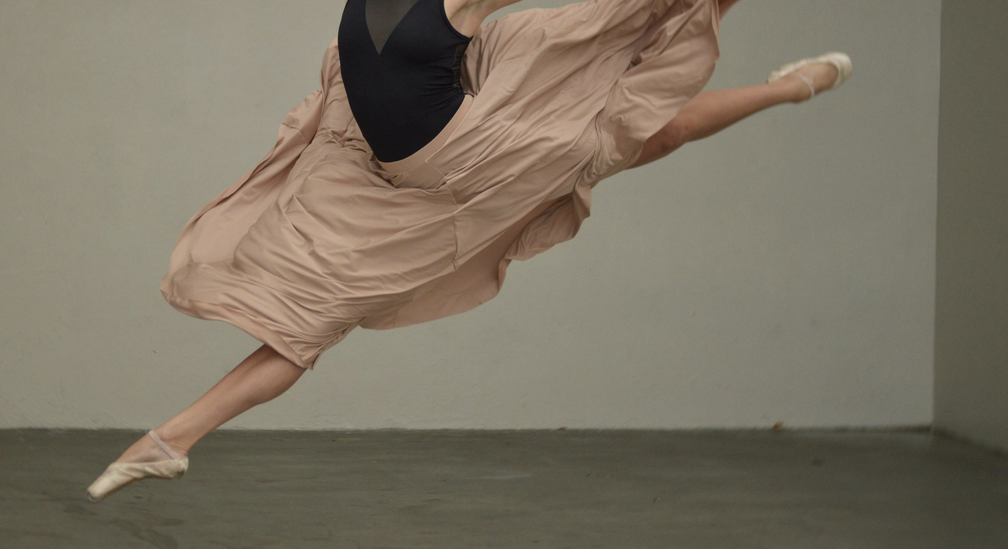
The Stuttgart Ballet is a professional ballet company based in Stuttgart, Germany, founded by John Cranko and known for its full-length narrative ballets. Teatro…
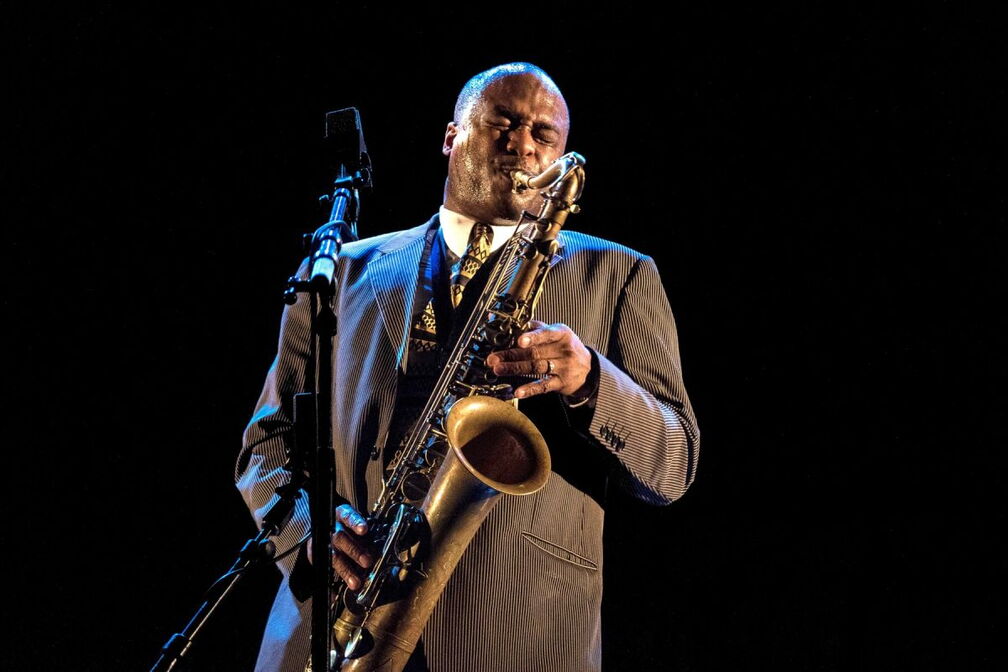
The James Carter Organ Trio brings decades of jazz tradition rooted in blues, funk, and swing to life with a powerful rhythmic drive. This…
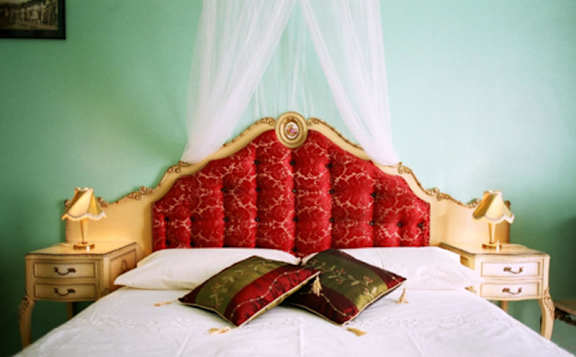
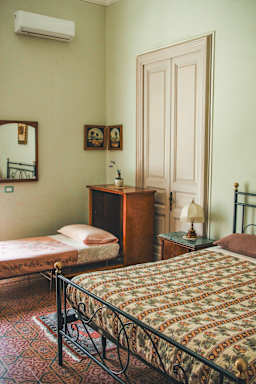
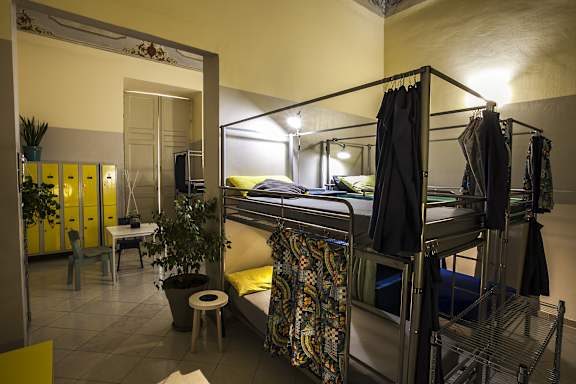
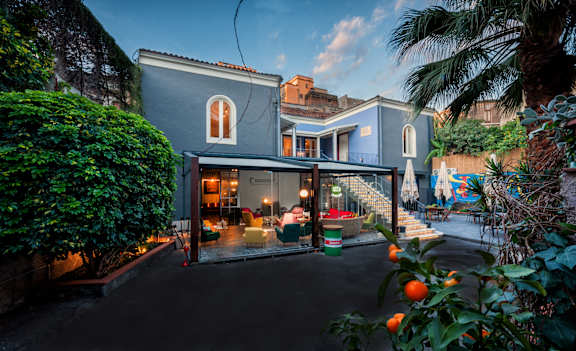
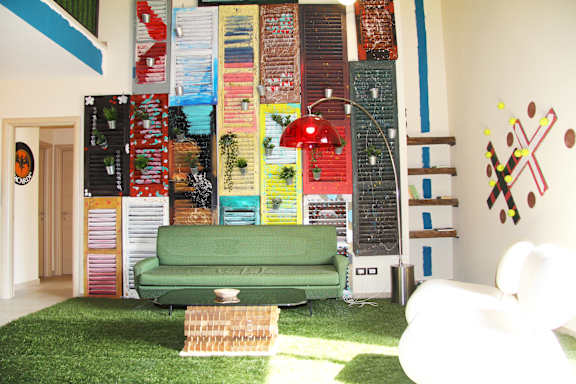
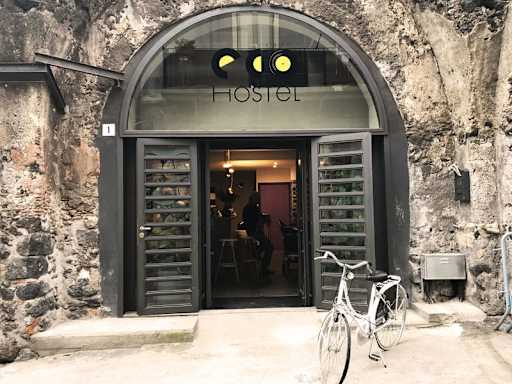
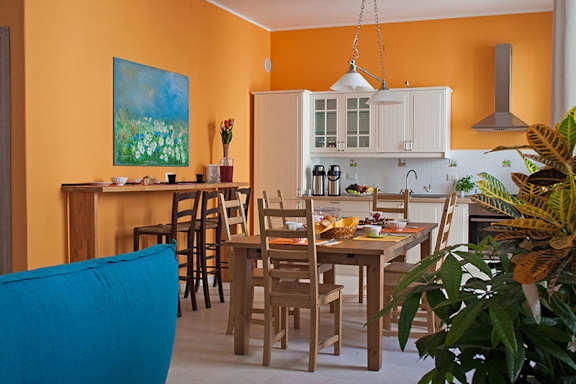
Catania has good-value hostels in the historic centre, many near the Duomo and Via Etnea. These are the top-rated right now, live from Hostelworld.
April to June and September to October are ideal. July and August are very hot.
Average highs. Catania is one of the hottest cities in Italy in summer. Etna is much colder, with snow in winter.
Pick how you travel. Per person per night, in euros.
Transport assumes walking and buses. Etna cable car around €50 return, more with a guide.
The ones we get asked most.

Compare Catania hostels — live prices, real reviews and free cancellation on most bookings. Then meet the people already there in the app.

 Get the App.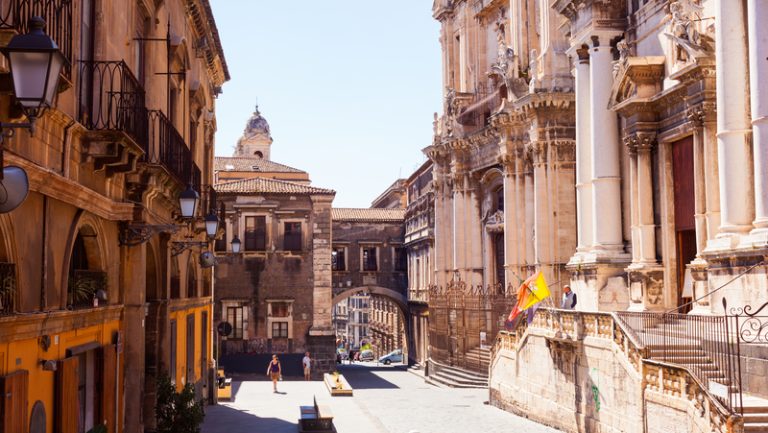
 Get the App.