Duomo
First-timersThe centre, around the cathedral and the Galleria. Everything close, prices high.

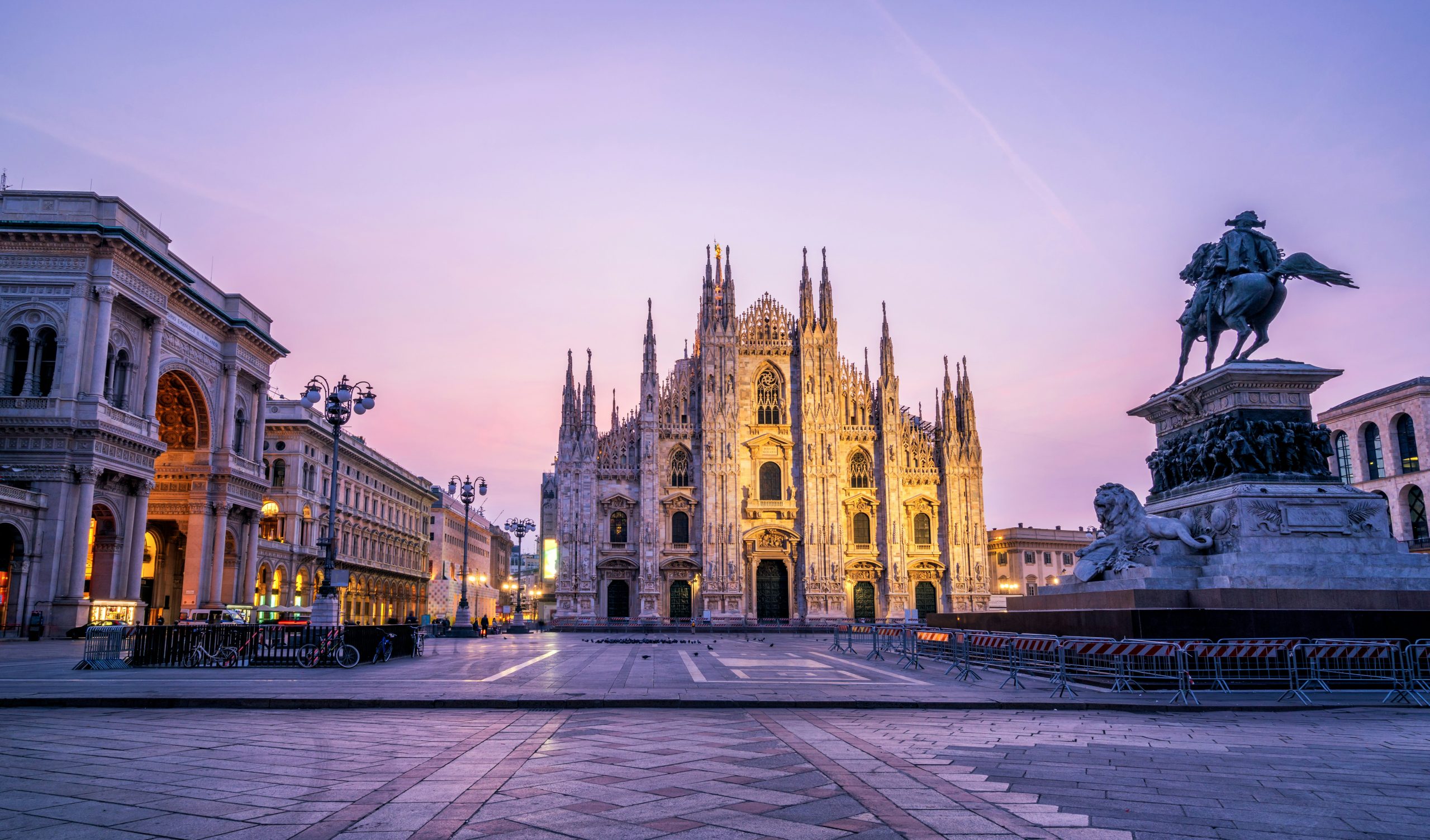
Fashion, design, aperitivo and a Gothic cathedral you can walk on the roof of. Italy's richest and least touristy big city, and the gateway to the lakes.
Milan is Italy's business, finance, fashion and design capital, and it has never needed tourists the way Rome and Venice do. That makes it easier to visit: fewer queues, fewer touts, and a city that is going about its own life.
It was heavily bombed in the Second World War and much of it was rebuilt, so the centre is a mix of grand old palazzi, Fascist-era blocks and very new towers. The great sights are concentrated: the Duomo, the Galleria, La Scala and Leonardo's Last Supper are all within a short walk or a metro ride of each other.
Milan is best at the end of the working day, when the aperitivo starts and the city fills the bars of Navigli, Brera and Porta Venezia. Two days covers it, and Lake Como is an hour away by train.
The metro is excellent, so anywhere near a station works. Navigli and Porta Venezia are the best areas to be in at night.
The centre, around the cathedral and the Galleria. Everything close, prices high.
The canal district in the south-west, full of bars and aperitivo.
Art nouveau streets, the LGBTQ+ scene and good bars. On metro M1.
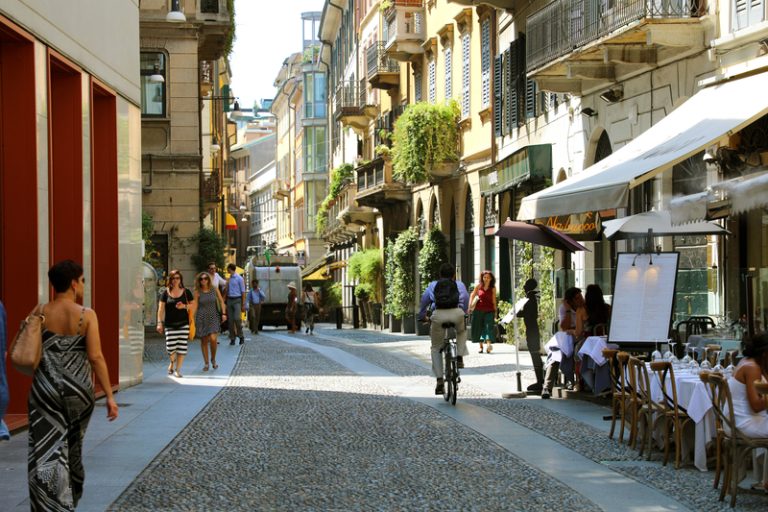
The artists' quarter: cobbled streets, galleries and smart bars.
Around the main station. Convenient and rough at night.
North of Garibaldi, near the Bosco Verticale. Local bars and restaurants.
Orange labels are neighbourhoods, dots are the 12 top-rated hostels. Map © MapTiler © OpenStreetMap contributors.
The routes we would take, in the order we would take them.
Start at the Duomo, the Gothic cathedral that took six centuries to finish. Go up to the rooftop terraces, by lift or stairs, and walk among the spires with the city below. It is on a separate ticket from the cathedral itself.
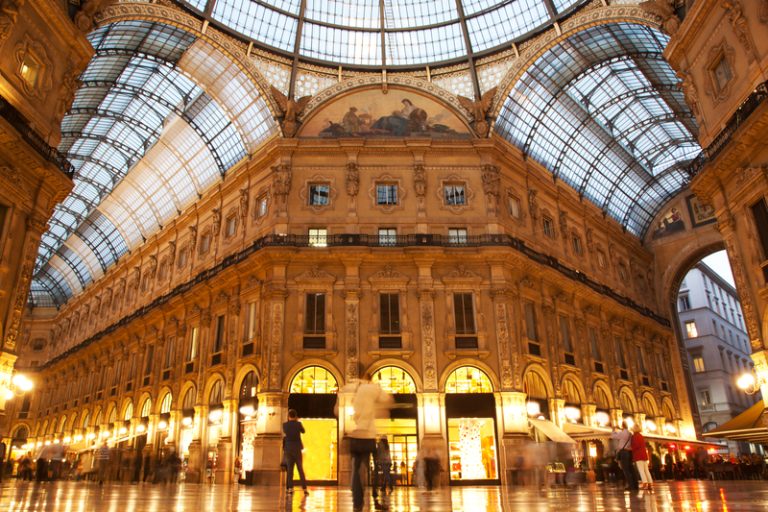
Next door, the Galleria Vittorio Emanuele II, a glass-roofed arcade from the 1860s, leads to La Scala, the opera house. Spin on your heel on the bull mosaic in the floor of the Galleria; it is supposed to bring luck.
Leonardo's Last Supper, on the wall of the refectory of Santa Maria delle Grazie, is seen in timed groups of about fifteen minutes and sells out weeks ahead. Book as soon as tickets are released.
The Castello Sforzesco has Michelangelo's last, unfinished sculpture, the Rondanini Pietà. The Pinacoteca di Brera is one of Italy's great painting collections. For contemporary art, the Fondazione Prada and Pirelli HangarBicocca, which is free, are among the best in Europe.
The Duomo square, the Galleria and the outside of La Scala are free.
Pirelli HangarBicocca, a huge former train factory now showing contemporary art, is free. So is the Monumental Cemetery, a vast open-air gallery of sculpted tombs.
The Navigli canals are free to walk, and on the last Sunday of the month there is an antiques market along the Naviglio Grande.
State museums, including the Brera, are free on the first Sunday of the month. The Last Supper is included, but you still need to book.
Milanese food is rich, buttery and northern. Risotto alla milanese is coloured with saffron, cotoletta is a breaded veal cutlet, and ossobuco is braised veal shank, traditionally served together with the risotto.
The aperitivo is Milan's great contribution to budget travel: from about six to nine, a drink costs €10 to €15 and comes with snacks or a buffet that, in some bars, is big enough to replace dinner.
Panzerotti, fried pastries filled with mozzarella and tomato, are the famous street snack near the Duomo. Panettone, the Christmas cake, was born here.
Restaurants around the Duomo are expensive. Navigli, Isola and Porta Venezia are better value.
Milan has the best nightlife in Italy. The evening starts with aperitivo, and the Navigli, the old canals in the south-west, are the centre of it: bars along both banks, busy every night and packed at weekends.
Porta Venezia is the heart of the LGBTQ+ scene and has some of the best bars in the city. Brera is smarter and more expensive. Isola, north of Garibaldi, is more local.
Milan also has a real club scene, around Corso Como and Garibaldi and in venues on the outskirts, open until the early hours.
A cocktail is €10 to €14, often with the aperitivo spread included.
The metro is fast and easy. A single ticket costs €2.20 and is valid for 90 minutes on the metro, trams and buses, with one metro entry. A 24-hour ticket is €7.60 and a 3-day ticket €15.50. Paper tickets were withdrawn in January 2026: buy a rechargeable RicaricaMi card, or simply tap a contactless bank card at the gates, which caps at the day rate.
From Linate, metro line M4 reaches the centre in under fifteen minutes on a standard ticket. From Malpensa, the Malpensa Express train runs to Cadorna and Centrale for €13 in about fifty minutes; buses to Centrale are a little cheaper. From Bergamo airport, buses run to Centrale.
High-speed trains reach Florence in about two hours, Rome in about three and Venice in about two and a half. Trains to Lake Como leave from Centrale and Cadorna.
Milan is one of the most expensive cities in Italy for beds. Dorms typically start around €30, and double during fashion weeks, Design Week and big trade fairs, when the whole city books out. Check the calendar before you book.
A careful day is €65 to €85. Aperitivo is the great saving: a drink with a buffet is dinner for €10 to €15.
The metro is cheap and the day ticket covers everything. HangarBicocca and the cemetery are free, and state museums are free on the first Sunday.
Milan is generally safe, with pickpocketing on the metro, especially line M1 around the Duomo, and in the crowds in the square and the Galleria.
In front of the Duomo, men tie string bracelets onto wrists or hand out seed for the pigeons and then demand money. Keep your hands to yourself and walk on.
The area around Centrale station can feel rough at night.
Emergency number is 112.
The lakes and the Alps are an hour away. So are some of northern Italy's best small cities.
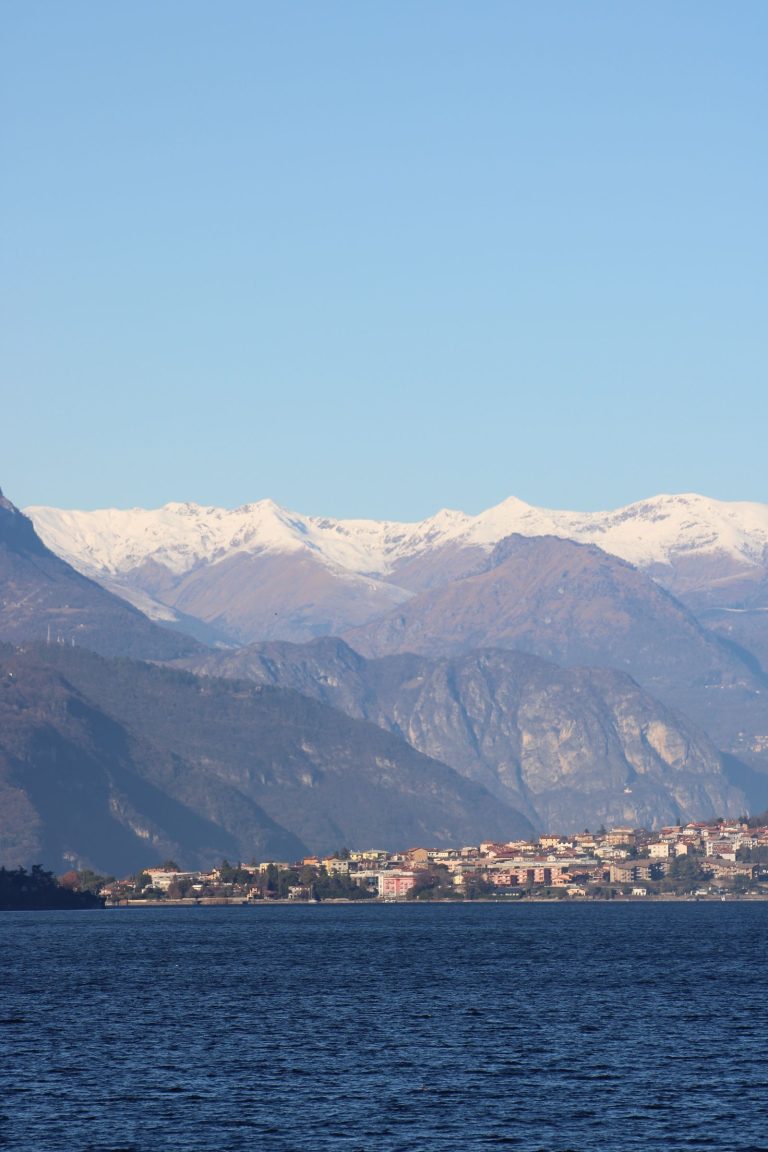
Villas, mountains and ferries between lakeside villages. Varenna and Bellagio are the prettiest.
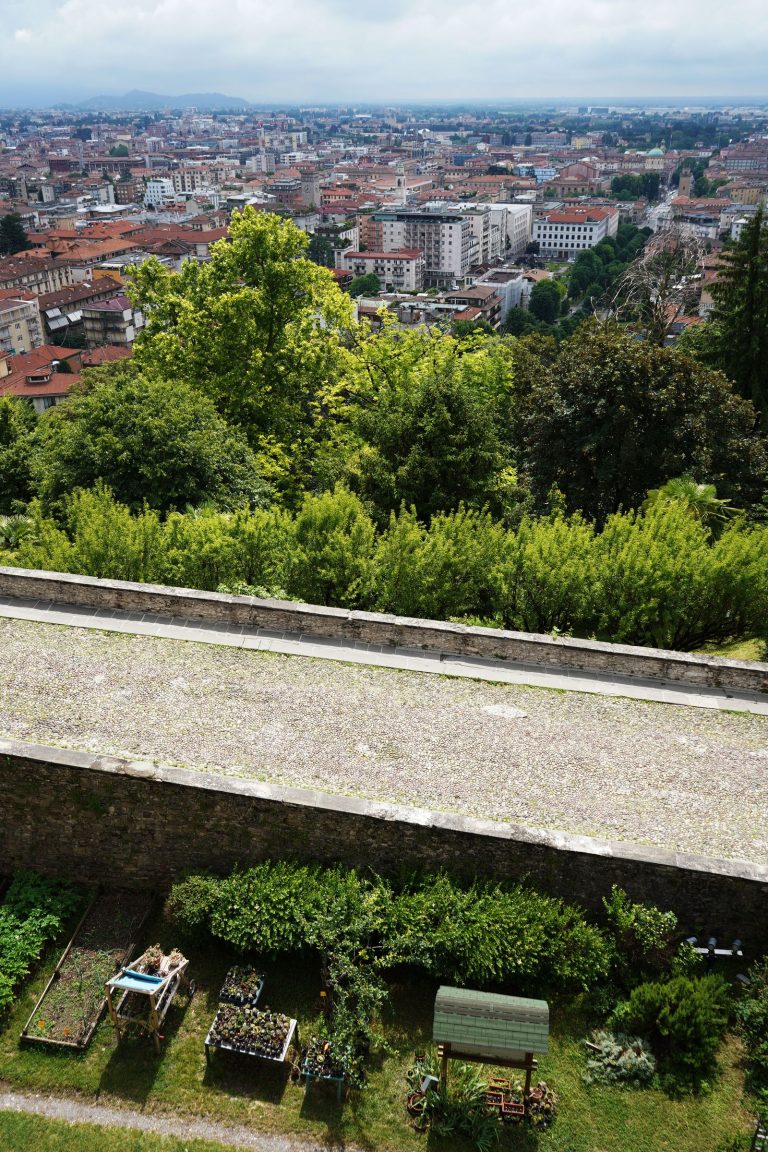
A Venetian-walled old town on a hill, reached by funicular.
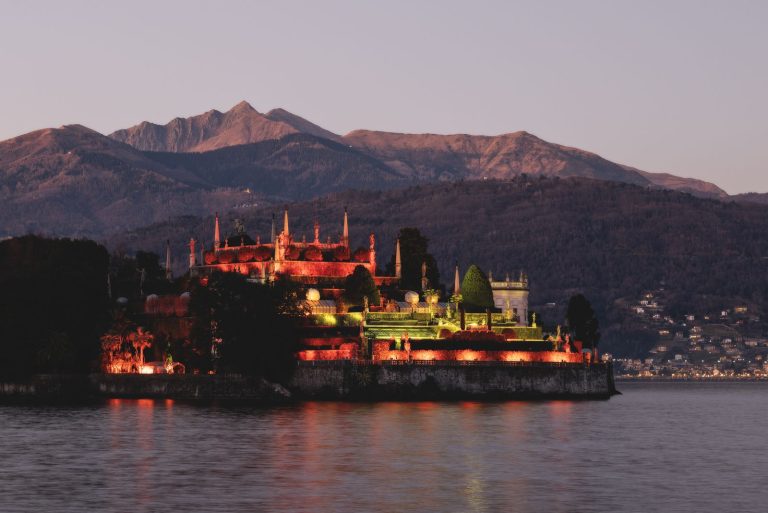
The Borromean Islands and their palaces and gardens.
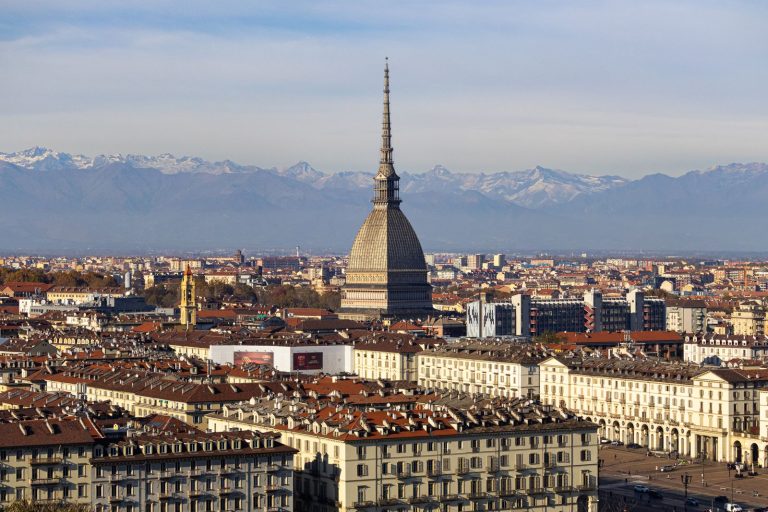
The first capital of Italy, with arcaded boulevards and the Egyptian Museum.
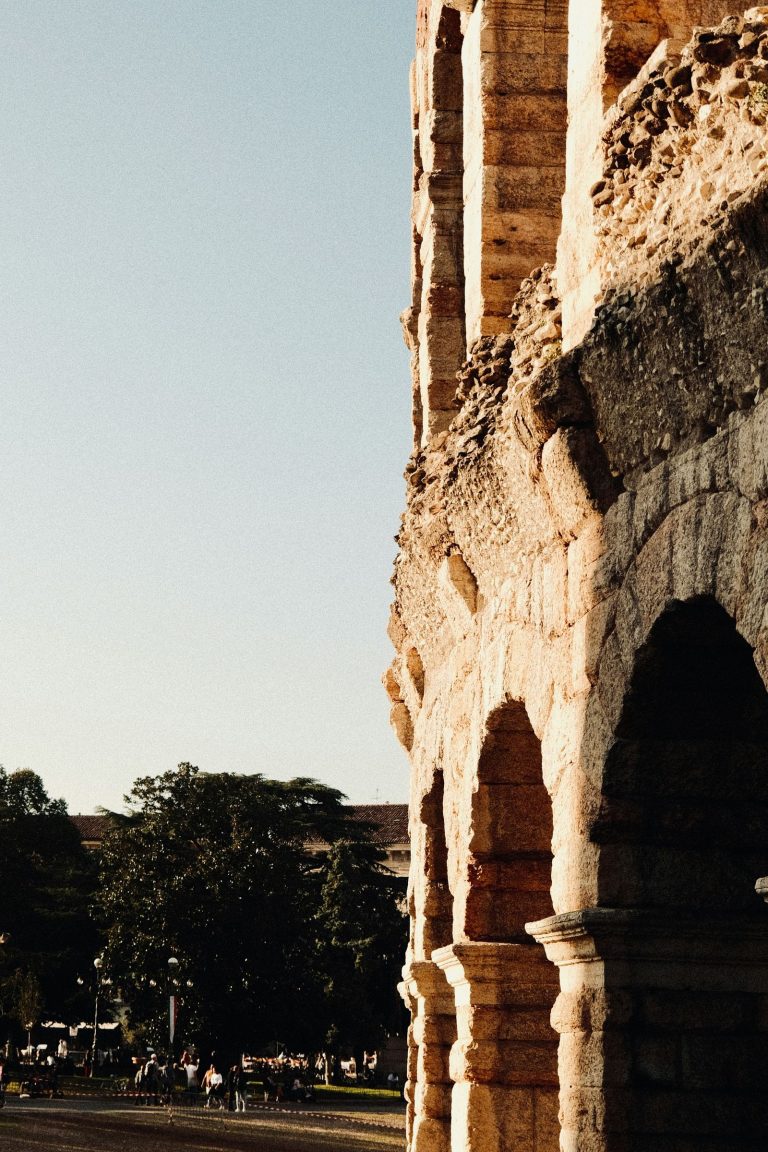
The Roman arena and a walkable medieval centre.
Design Week and the fashion weeks fill every bed. Plan around them, or for them.
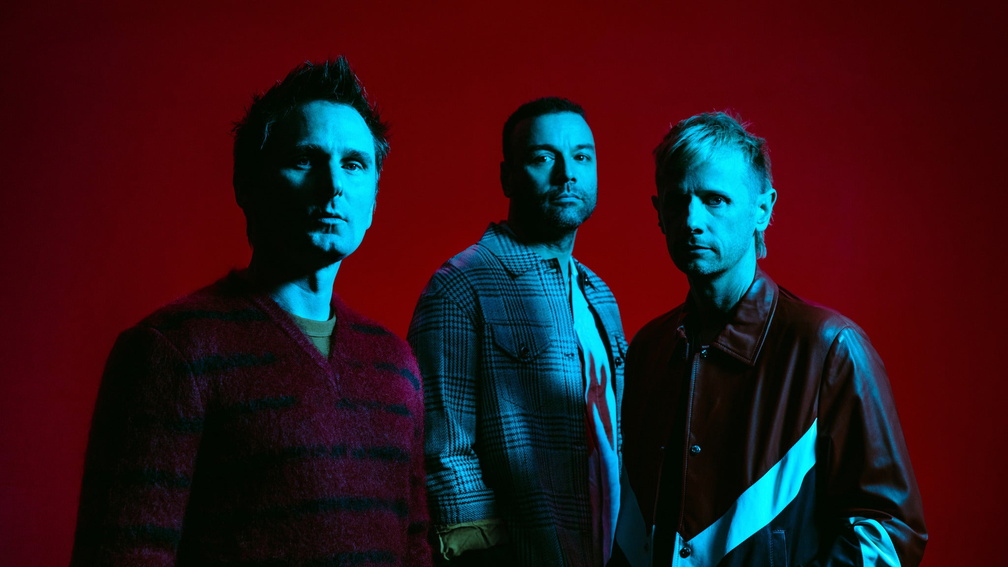 Staff pick
Muse is a globally acclaimed British rock band known for their electrifying live performances and genre-blending sound that fuses alternative rock, electronic, and symphonic…
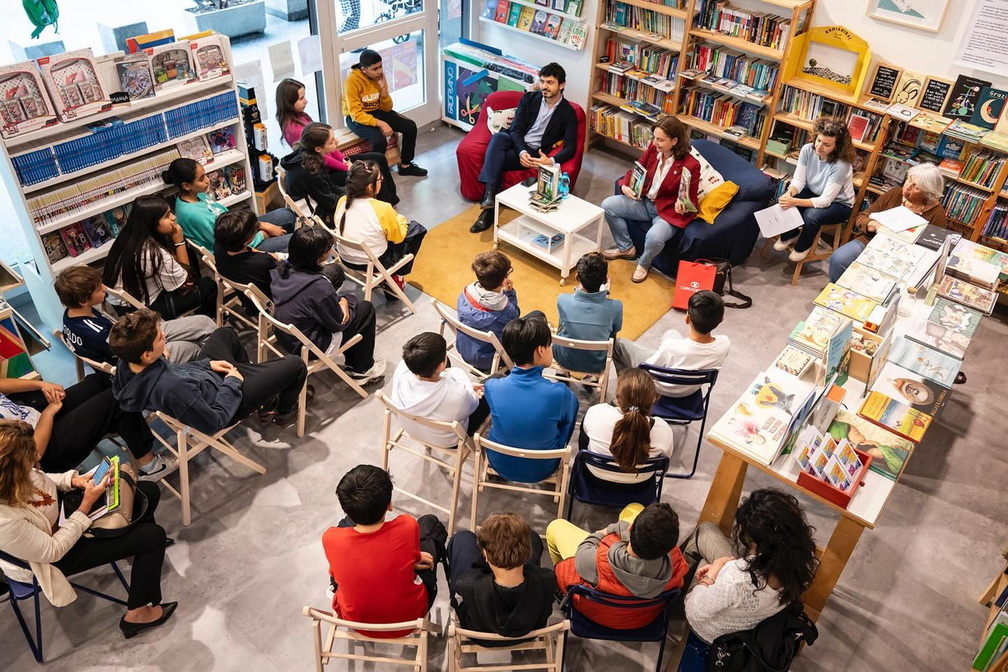 Staff pick
BookCity Milano is an annual event born from the collaboration of Italian publishers, aimed at celebrating the profound connection between books, reading, and the…
 Staff pick
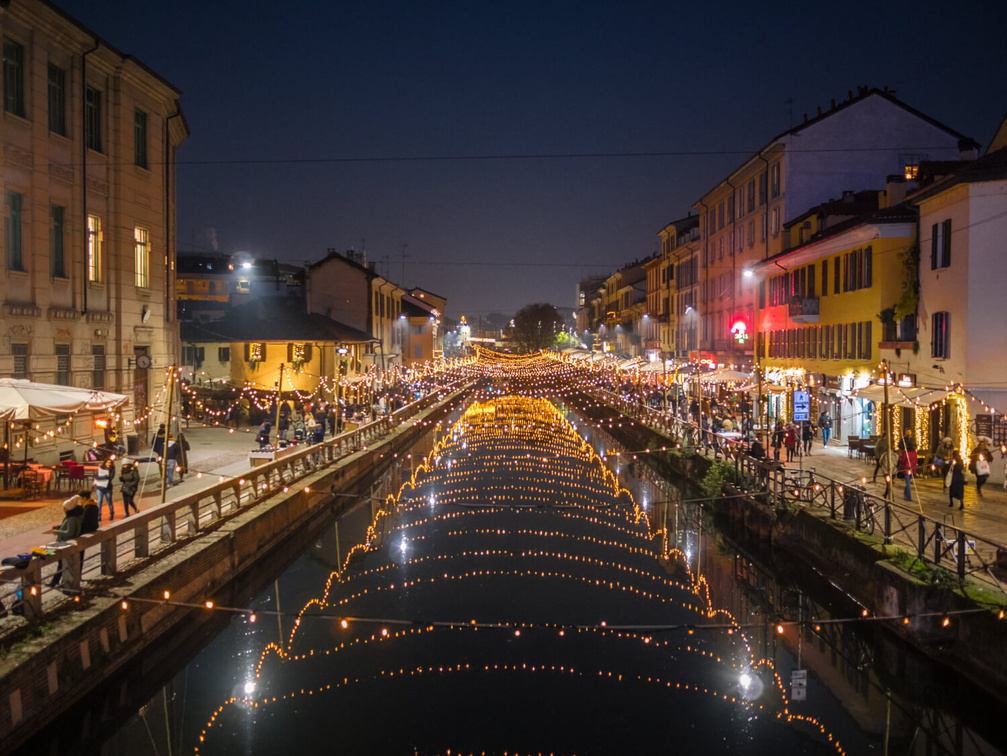
Step into a winter wonderland at the Milan Christmas Market, affectionately known as "Oh Bej! Oh Bej!" This cherished tradition, dating back to the…
 Staff pick
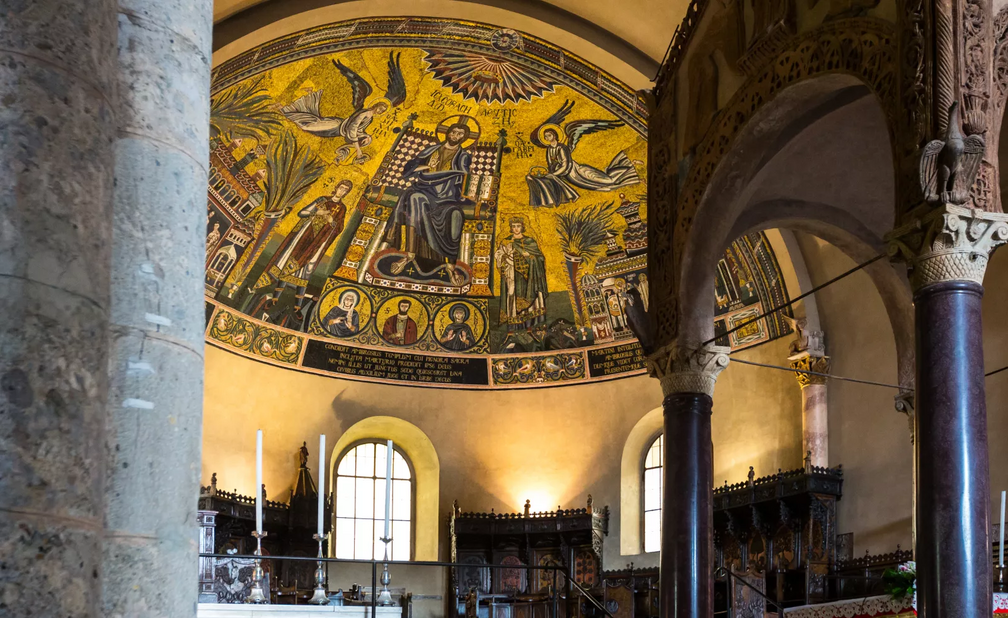
Join Milan in celebrating the feast of its patron saint, St. Ambrose, with a special church service held at the historic Basilica of Sant'Ambrogio.…
 Staff pick
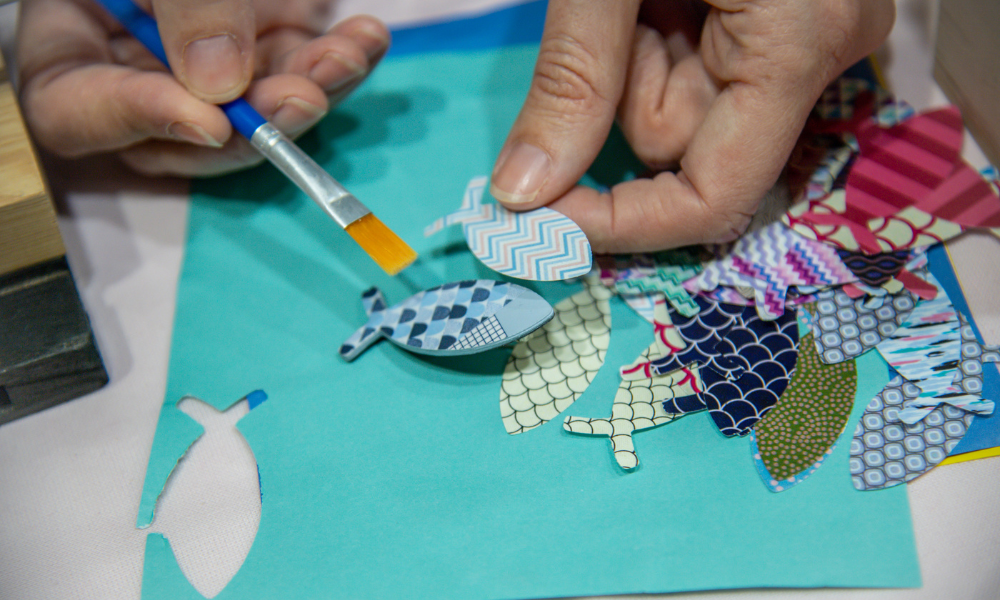
Experience the ultimate creative extravaganza at Abilmente Milano, Italy's premier craft fair. Dive into a world of artistic inspiration with hands-on workshops, captivating exhibitions,…
 Staff pick
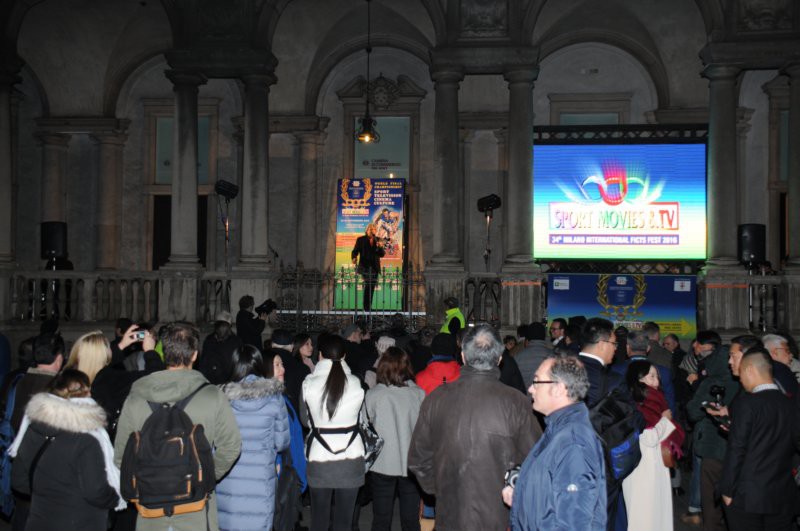
The Milano International FICTS Festival is a celebration of sports cinema and television, attracting film enthusiasts and industry professionals from around the world. The…
 Staff pick
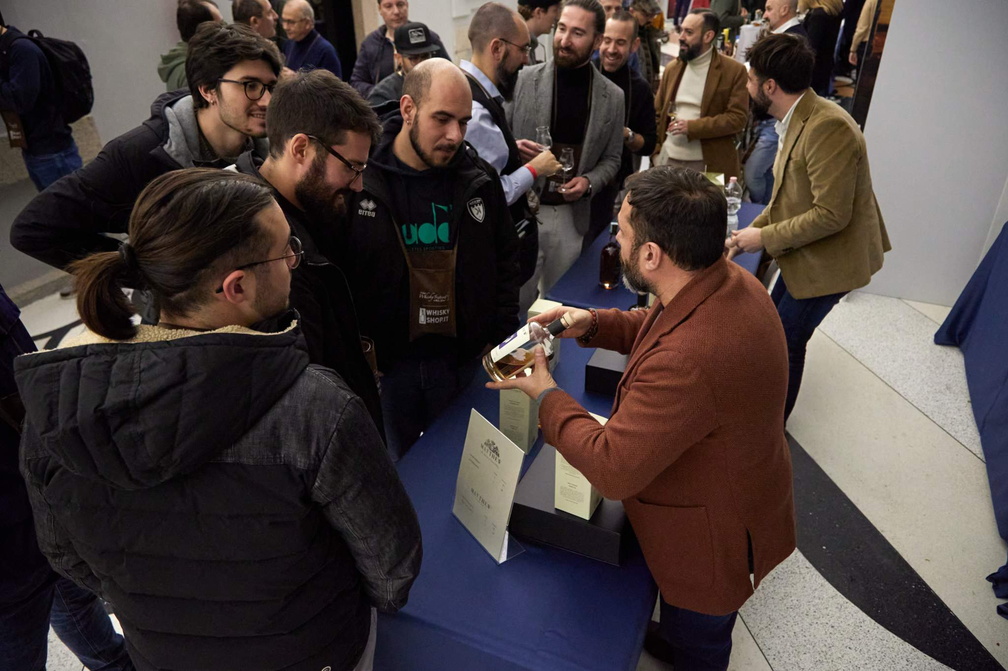
Immerse yourself in the rich heritage of Scottish malt whiskey at the Milano Whisky Festival, where the focus is on spreading the culture and…
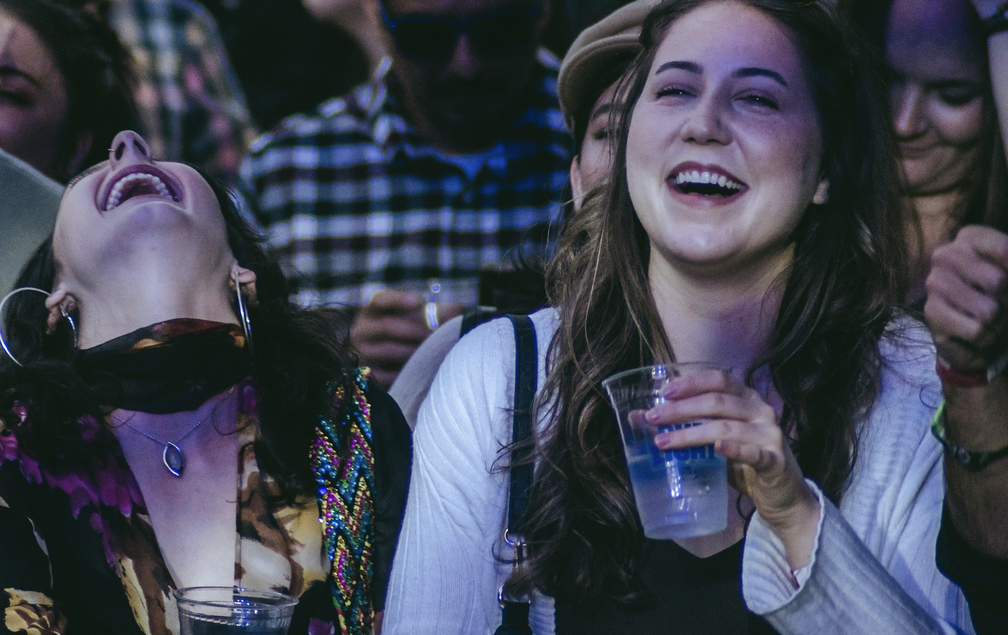
Andrea Pucci returns to the stage with a new, highly anticipated show titled "Dove Eravamo Rimasti...?" at the Unipol Dome in Milan. The show…
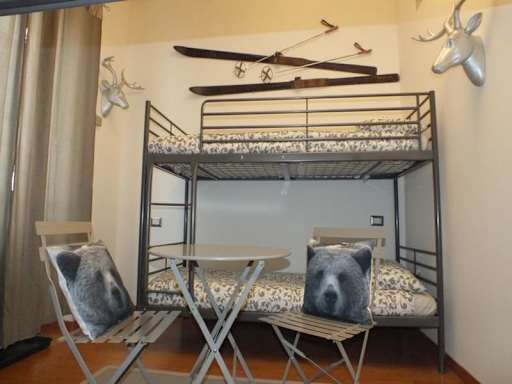
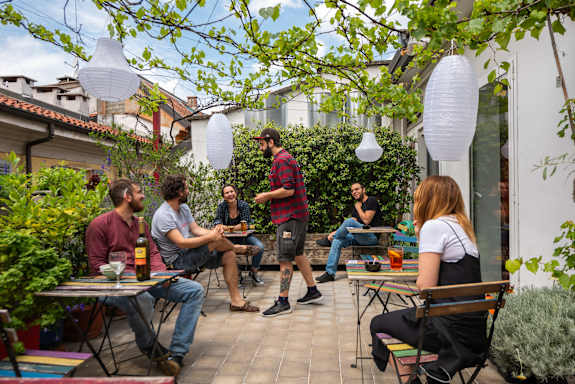
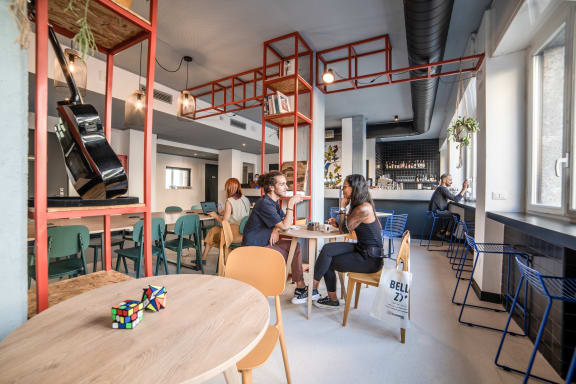
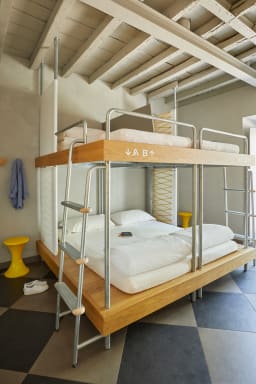
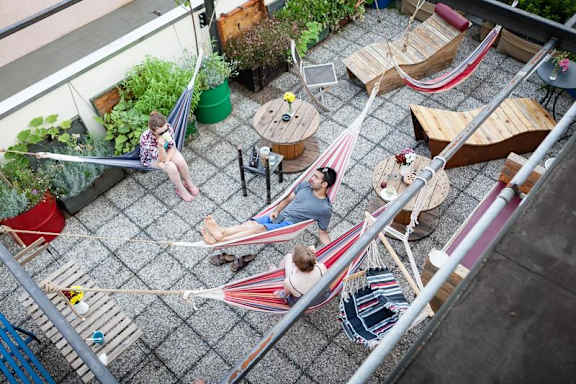
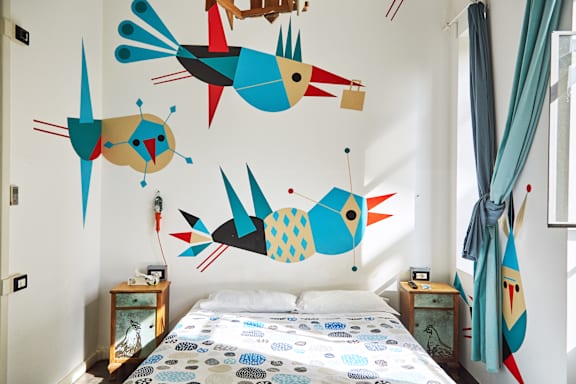
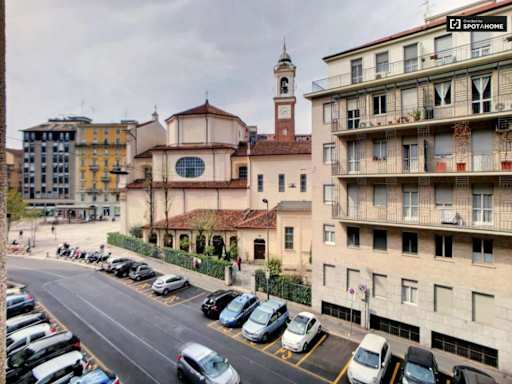
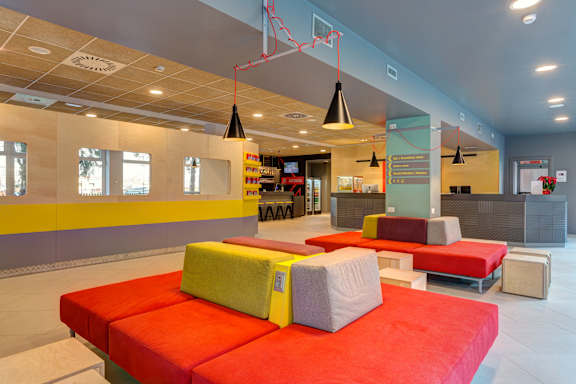
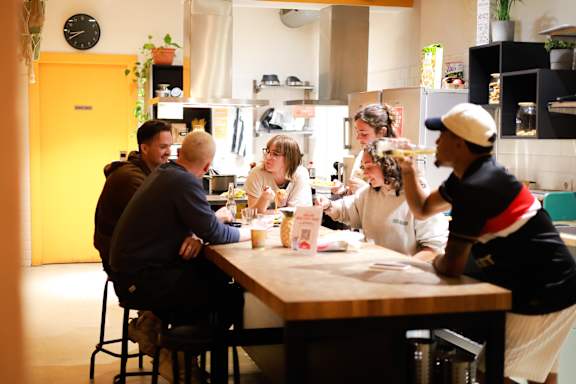
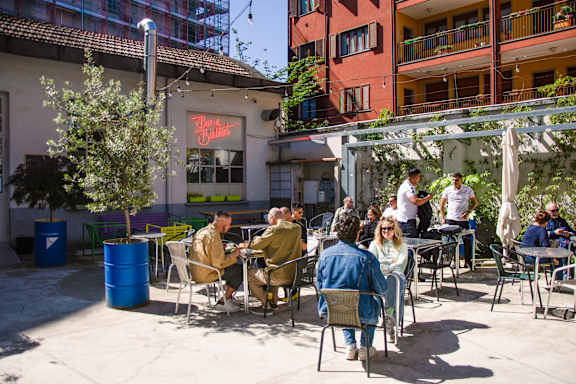
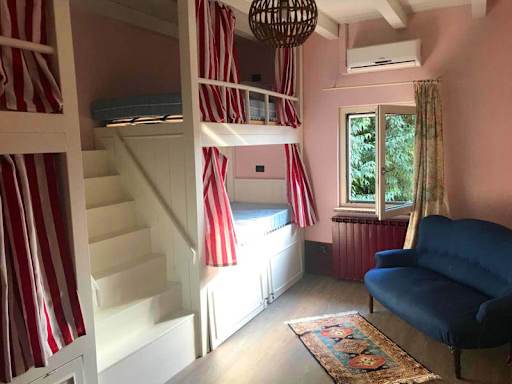
Milan's hostels are spread around the city, with clusters near Centrale, Navigli and Porta Venezia. Book early for fair weeks. These are the top-rated right now, live from Hostelworld.

April, May, September and October are ideal. Summer is hot and humid, and August is empty as the city goes on holiday.
Average highs. Milan is humid in summer, foggy in winter, and colder than the rest of Italy from November to February.
Pick how you travel. Per person per night, in euros.
Transport assumes the €7.60 day ticket. Beds can double during fashion weeks and Design Week.
The ones we get asked most.

Compare Milan hostels — live prices, real reviews and free cancellation on most bookings. Then meet the people already there in the app.

 Get the App.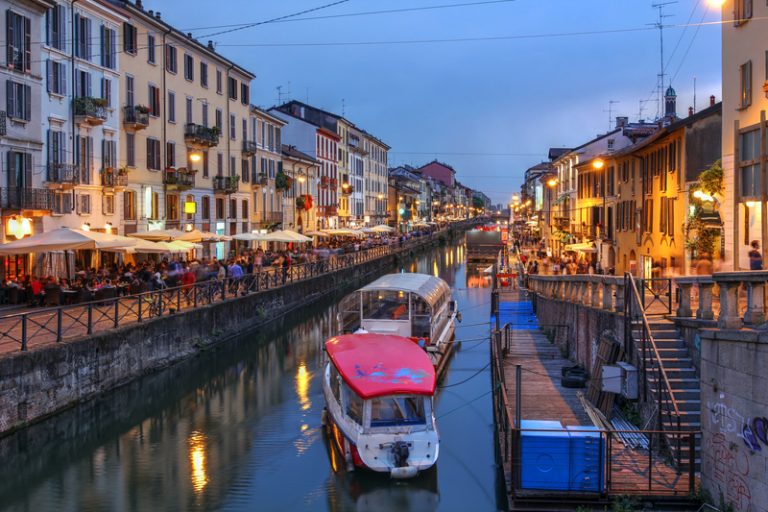
 Get the App.