



“Sounds like home.”
Policing plastic waste, but make it art
Would you stay in a former police station turned design-led, eco-friendly hostel?
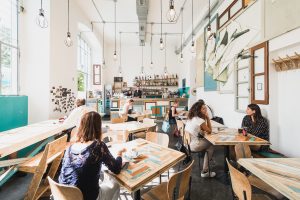
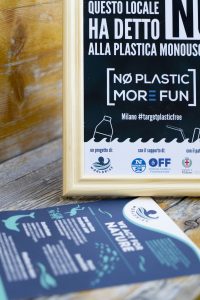
Located inside a former police station in Milan, Italy, Madama Hostel & Bistrot has built its sustainability journey around giving things a second life – from the building itself and reclaimed furnishings to the everyday choices that shape the guest experience. Plastic-free since 2016, the hostel was an early adopter in tackling single-use plastics. Nearly a decade later, it continues to reduce waste, repurpose materials and make sustainability part of the everyday guest experience.
Today, the former police station is home to a vibrant hostel where creativity, community and sustainability go hand in hand.
Where sustainability starts
Every sustainability story starts somewhere.
For Madama Hostel & Bistrot, that story began by breathing new life into an existing space. A common theme across the hostelling sector, where reusing existing buildings is often the first step towards creating unique and more sustainable places to stay.
Housed inside a former police station in Milan, the hostel was created as an urban regeneration project from day one.
“Instead of constructing a new building, we chose to restore and repurpose an existing space, giving it a new function: a community-focused space that reflects the city around it.”
This mindset has continued beyond the building itself. Reclaimed materials, recycled resources and FSC-certified wood can be found throughout the hostel, with many tables, shelves and furnishings handcrafted by local artisans using recovered materials.
“By repurposing materials instead of discarding them, we have created spaces with character and identity while reducing the need for new resources.”
The same philosophy shaped the hostel’s Madama Goes Green initiative, which focuses on reducing waste and making sustainability part of everyday operations.
Today, that includes:
💧 Free filtered still and sparkling water
🚫 No plastic water bottles or straws
🍃 Biodegradable takeaway packaging
📄 Recycled paper products
🧼 Eco-certified cleaning supplies
♻️ Waste separation and recycling initiatives
🤝 Community partnerships
For the team, sustainability goes beyond environmental impact. It’s about creating value for the local community and proving that giving existing spaces a second life can be the foundation for a more conscious hospitality model.
Small changes, big impact
“The biggest lesson was that sustainability is not about one major change but about questioning everyday habits.”
Plastic-free since 2016, Madama Hostel & Bistrot has spent the best part of a decade proving that sustainability can be both practical and guest-friendly.
What began with removing single-use plastics evolved into a wider philosophy centred on reducing waste, reusing materials and making responsible choices easy for guests.
”Sustainability isn’t about asking people to give something up. It’s about offering a better alternative.”
Making sustainability part of the guest experience
Nearly a decade into its plastic-free journey, Madama Hostel & Bistrot has learned that meaningful change rarely happens overnight.
One of the biggest challenges has been finding sustainable alternatives that match the quality, functionality and affordability of traditional products. Rather than focusing on one solution, the team adopted a mindset of continuous improvement.
As traveller interest in sustainability continues to grow, guests increasingly ask about environmental initiatives and appreciate opportunities to make more responsible choices during their stay.
From recycling facilities and towel reuse guidelines to water-saving reminders, sustainability is designed to feel intuitive rather than restrictive, helping travellers make more environmentally conscious decisions during their stay.
”Meaningful change happens step by step. There is no single solution, but many small improvements that, over time, make a real difference.”
Beyond Plastic
Sustainability extends far beyond the hostel’s walls.
Through its Madama Goes Green initiative, the hostel has supported local regeneration projects, including the purchase of 50 trees for the Agroforestiamo – An Act of Regeneration programme, helping to restore an abandoned area between several Milan neighbourhoods.
The team also works with local organisations, including Legambiente, and environmental experts to host events and educational activities that encourage greater awareness of sustainability within the community.
From reclaimed materials and alternative packaging solutions to responsible resource management, the hostel has shown that sustainable hospitality can enhance the guest experience while reducing environmental impact.
Perhaps the biggest lesson has been that reducing waste and adopting more sustainable practices doesn’t have to come at the expense of guest comfort, convenience or affordability. By investing in long-term solutions, Madama has shown that environmental responsibility can be embedded seamlessly into hospitality.
What’s next for Madama Goes Green?
For Madama Hostel & Bistrot, sustainability isn’t a destination – it’s an ongoing commitment.
Rather than focusing on one major initiative, the team continues to prioritise practical actions that reduce waste, conserve resources, and create a positive impact for both guests and the local community.
Looking ahead, they believe one of the most important steps the travel industry can take is moving away from single-use plastics in favour of reusable, refillable and lower-impact alternatives.
After nearly a decade of reducing plastic waste, repurposing materials and supporting community regeneration, Madama’s story is a reminder that sustainability doesn’t always begin with large-scale transformation.
Sometimes, it starts by rethinking what already exists – and finding better ways to use it.
A final note for travellers from the team: conscious choices matter. Whether it’s carrying a reusable water bottle, reducing unnecessary waste or supporting businesses investing in environmental and social regeneration, individual actions can collectively drive meaningful change.

 Get the App.
Comments