Il Campo
First-timersAround the main square. Central, and busy by day.

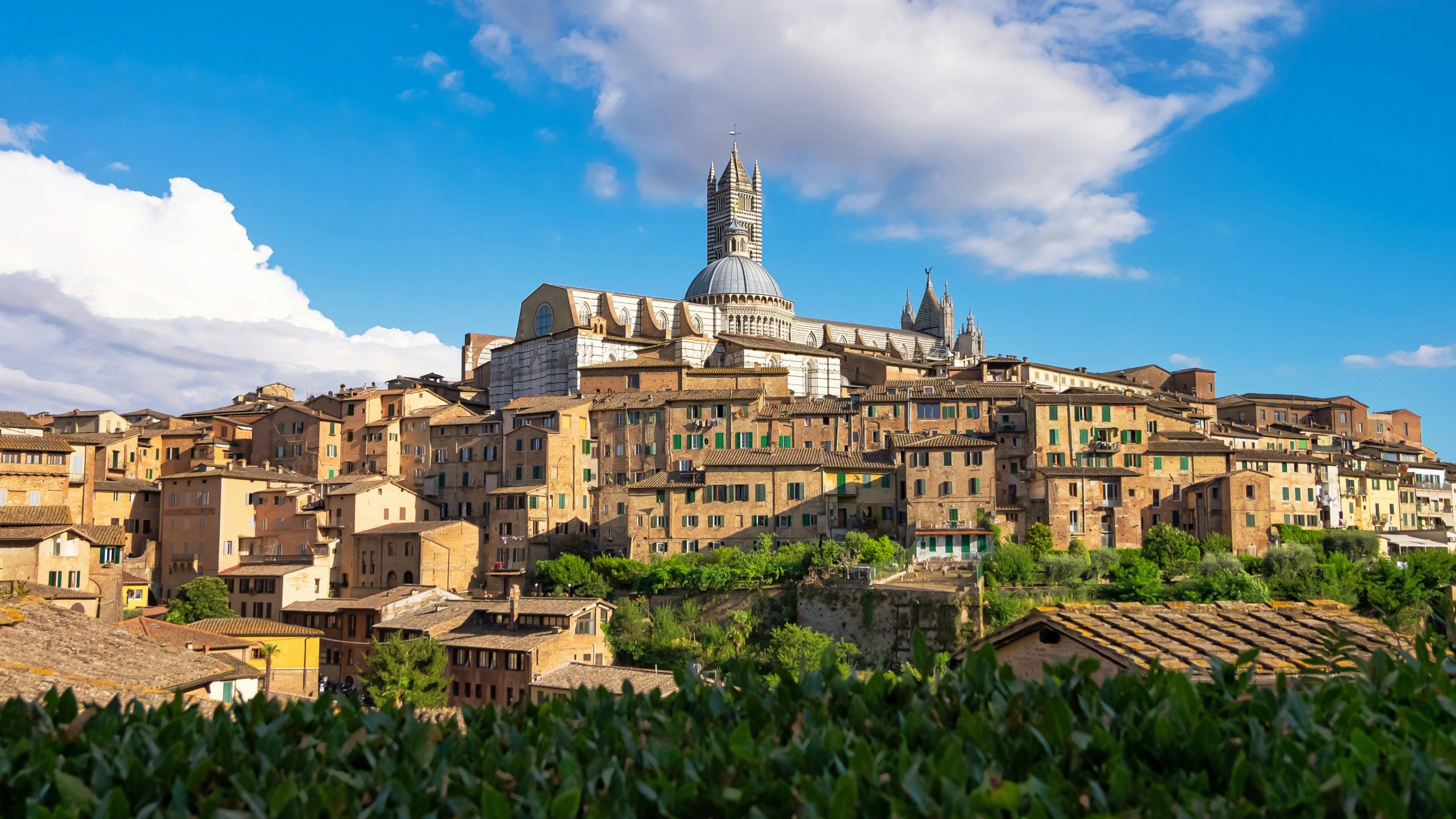
A Gothic hill city with a shell-shaped square, a striped cathedral and a bareback horse race that stops the city twice a summer. Florence's old rival, and the base for southern Tuscany.
Siena was a rich banking republic and Florence's great rival until the Black Death of 1348 killed much of its population and ended its golden age. It never really recovered, which is why the city looks almost exactly as it did in the fourteenth century: red-brick palaces, steep lanes and a cathedral that was meant to be even bigger than it is.
The city is still divided into seventeen contrade, neighbourhood districts with their own flags, churches, animals and fierce loyalties. They compete in the Palio, a bareback horse race around the main square on 2 July and 16 August, and their colours hang in the streets all year.
The historic centre is a UNESCO World Heritage Site and largely closed to traffic. One or two days covers it, and it is the best base for the Val d'Orcia, Montalcino and Montepulciano.
The centre is small and car-free, and stays are within the walls or just outside the gates.
Around the main square. Central, and busy by day.
The cathedral quarter on the city's highest point.
On the north-west side, near the bus stops and the basilica.
Guesthouses and hostels just outside the gates, with views over the countryside.
Orange labels are neighbourhoods, dots are the 10 top-rated hostels. Map © MapTiler © OpenStreetMap contributors.
Start in the Piazza del Campo, the sloping, shell-shaped square where the whole city meets. The Palazzo Pubblico, the town hall, has the Lorenzetti frescoes of Good and Bad Government, one of the great medieval paintings in Europe. The Torre del Mangia beside it has about four hundred steps and the best view in Tuscany.
The Duomo is striped in black and white marble inside and out, with an inlaid marble floor that is uncovered only for part of the year. The Piccolomini Library, off the nave, is painted with bright Renaissance frescoes.
Climb the Facciatone, the unfinished façade of the planned cathedral extension abandoned after the plague, for a view over the Campo and the city. Santa Maria della Scala, a medieval hospital opposite the Duomo, is now a museum with frescoed wards.
Walk out to the edges of the city, where lanes drop steeply between the walls and the countryside begins.
The Piazza del Campo is free and the heart of the city. So are the streets of the contrade, each with its own fountain and flag; look for their animal symbols on the walls.
The Basilica of San Domenico, with the head of St Catherine of Siena, is free to enter.
The walk around the edge of the city, along the walls and through the gates, is free and has views over the Tuscan countryside.
Watching the Palio from the centre of the Campo is free, if you arrive early and are prepared to stand for hours.
Sienese food is Tuscan and rustic. Pici, thick hand-rolled pasta, is served with garlic and tomato or with a wild boar ragù. Ribollita and pappa al pomodoro are the soups.
The city's sweets are panforte, a dense cake of honey, nuts and candied fruit, and ricciarelli, soft almond biscuits. Both are sold in every bakery.
The restaurants on the Campo charge for the view. A few streets away, trattorias serve a meal with wine for €18 to €28. Chianti, Brunello di Montalcino and Vino Nobile di Montepulciano are all local.
Siena is a university town and a quiet one. Evenings start with aperitivo, often sitting on the brick of the Campo itself.
The bars in the streets around the Campo and near the university fill with students, and the contrade hold dinners in the streets in summer, especially in the weeks before the Palio.
A glass of wine is €4 to €7. The city is mostly asleep by midnight.
The centre is small, steep and closed to most traffic. You will walk everywhere.
From Florence, the bus is faster than the train, taking about an hour and a quarter, and stops close to the centre. The train station is below the city, with a series of escalators up to the walls.
For the Val d'Orcia, Montalcino and Montepulciano, buses are infrequent and a car or a tour is far easier. Park outside the walls; the centre is a ZTL zone.
Siena is mid-priced, but it has few hostels, so beds are limited and prices climb sharply around the Palio in July and August.
A careful day is €55 to €75. The costs that add up are the Duomo pass and the Torre del Mangia, and a car for the countryside.
The Campo, the streets and the views are free. Eat a few streets away from the square.
Siena is very safe.
The Palio is the exception. The crowd in the centre of the Campo is dense and the heat intense; once the gates close you cannot leave until the race is over. Bring water and do not go if you are claustrophobic.
The streets are steep and the brick is slippery in the rain.
Emergency number is 112.
Siena is the gateway to the most beautiful countryside in Tuscany.
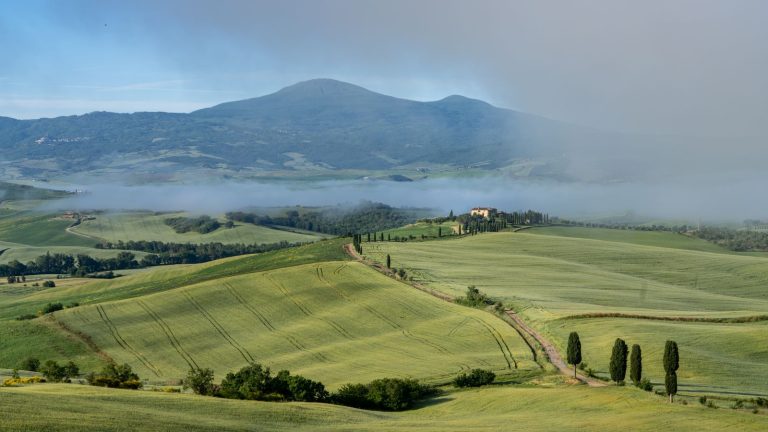
The rolling hills, cypress avenues and hill towns of the postcards, including Pienza.
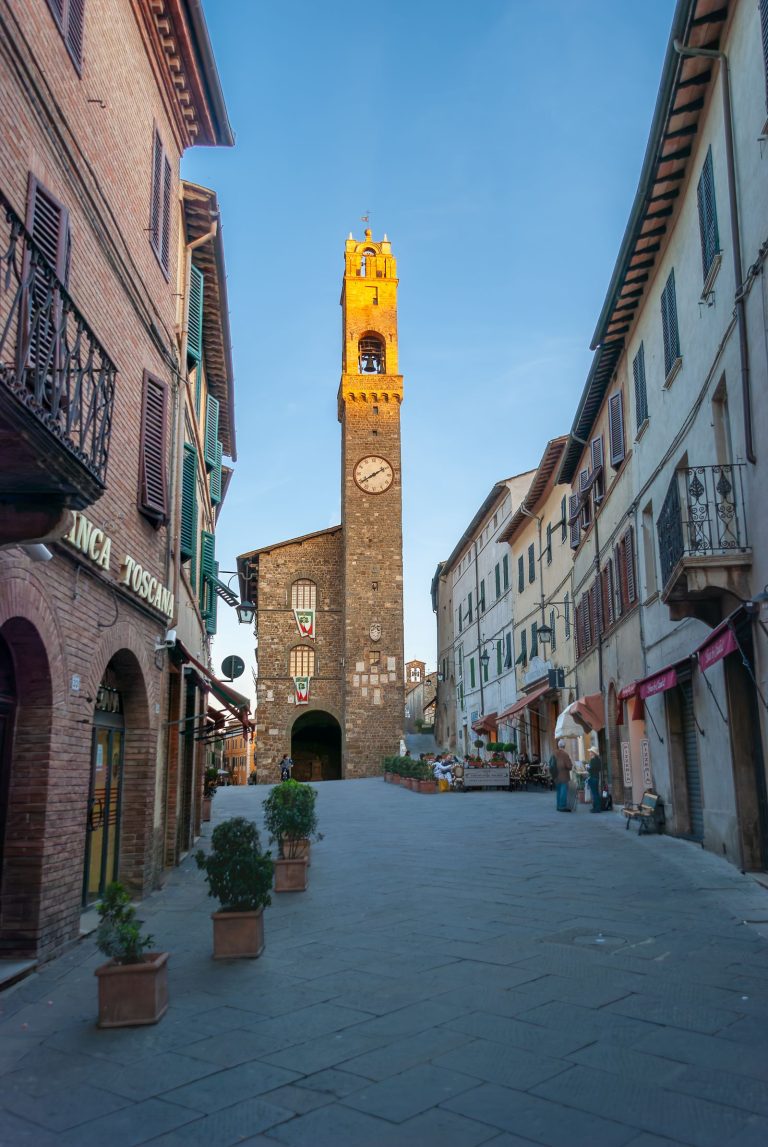
The hill town of Brunello wine.
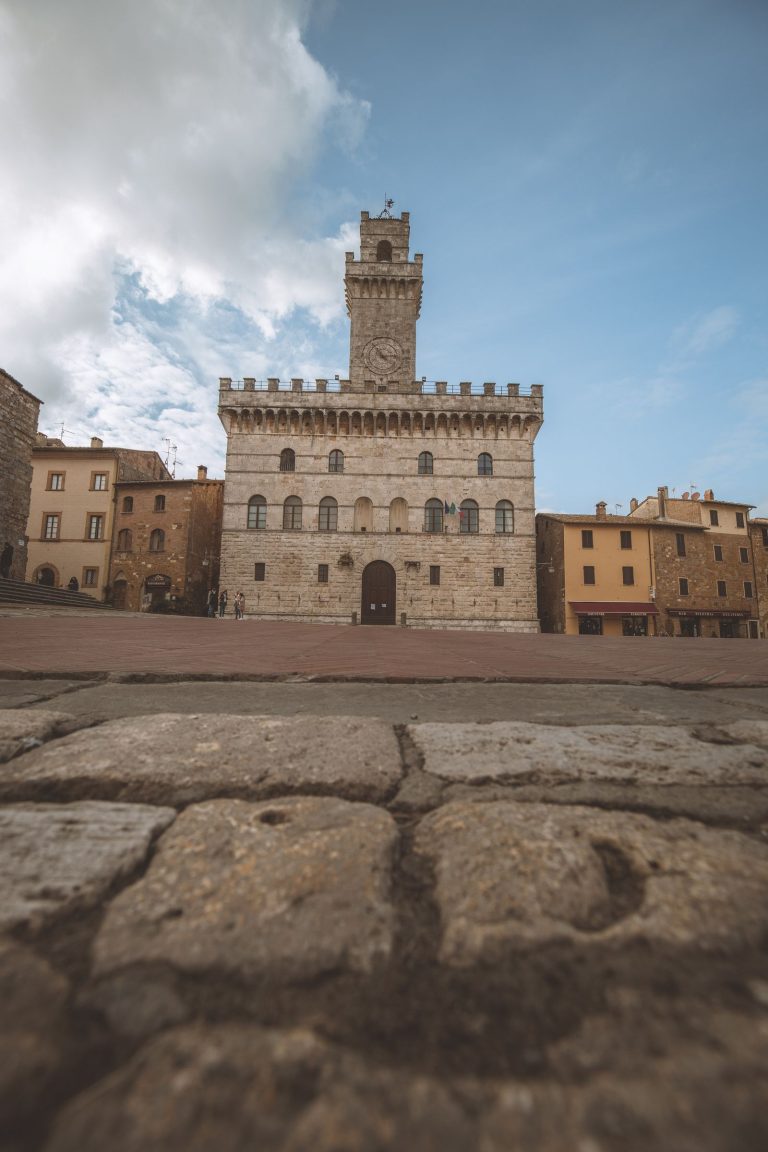
A Renaissance hill town and its Vino Nobile cellars.
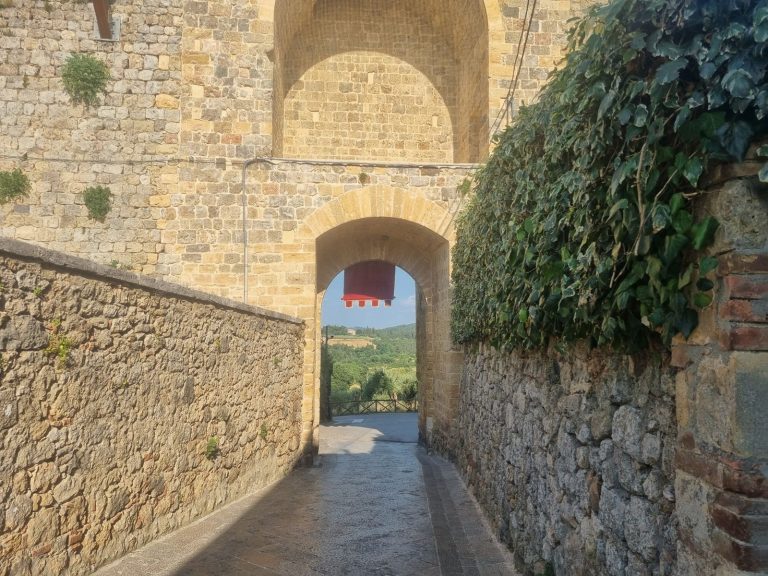
A tiny walled village with its circle of towers intact.
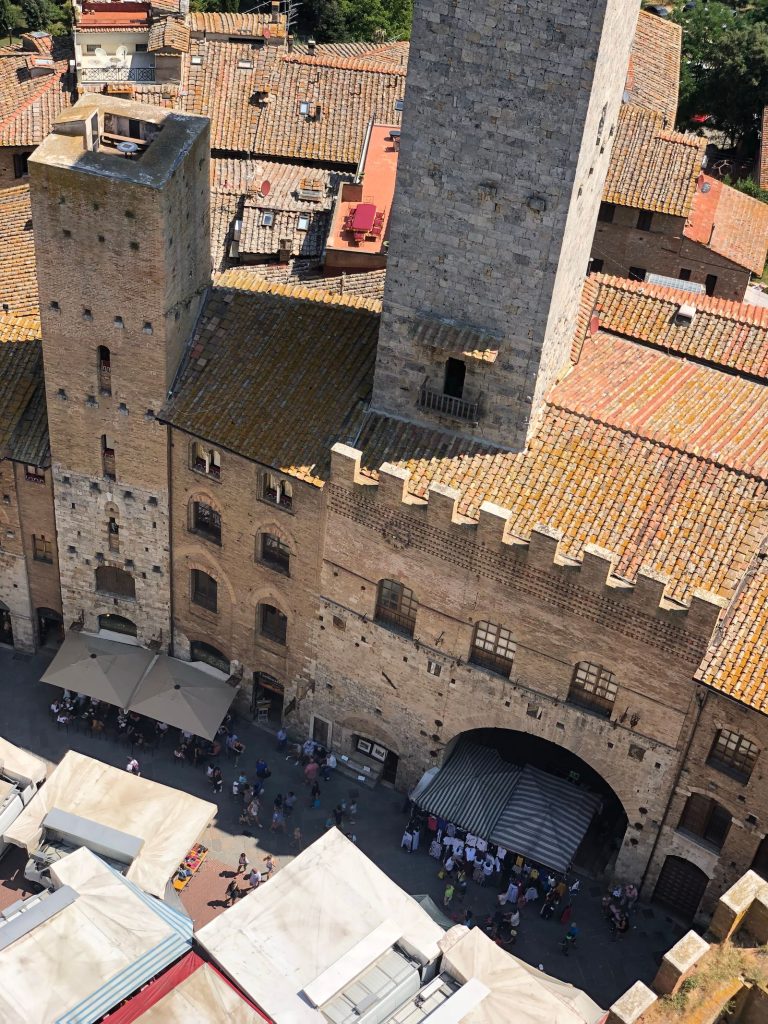
The medieval town of stone towers.
The Palio is not a show for tourists. It is the most important thing in the city's year.
Ten contrade race bareback three times around the square, over in about ninety seconds. Trial runs are held in the days before.
Each contrada celebrates its patron saint with processions and dinners.
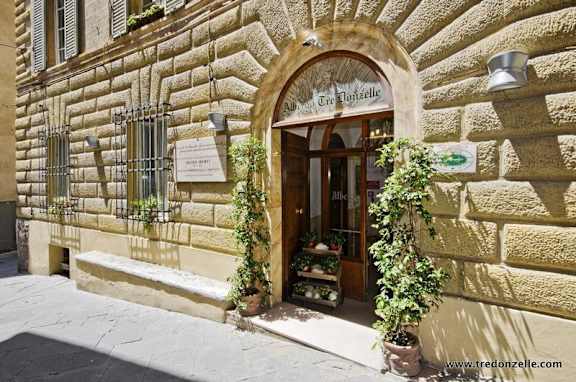
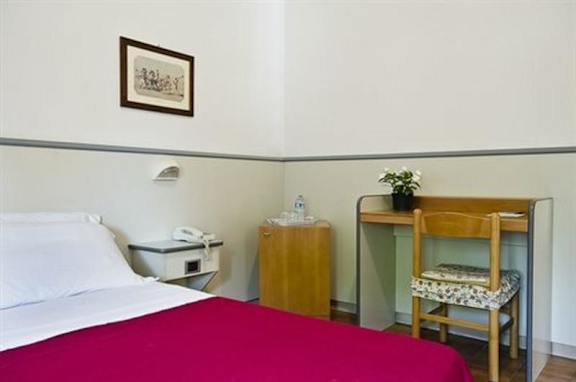
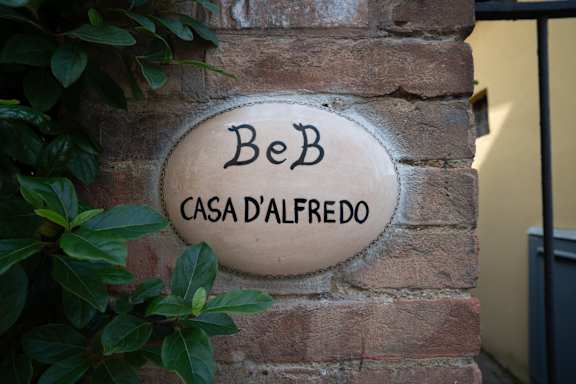
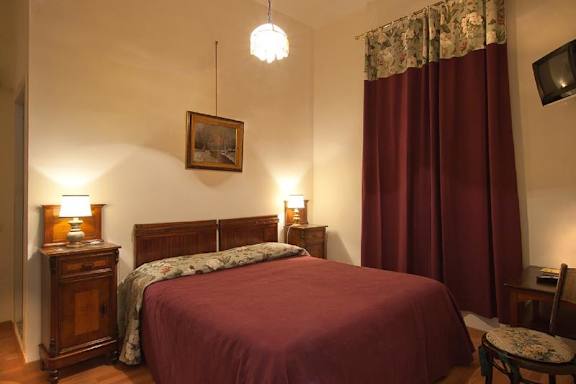
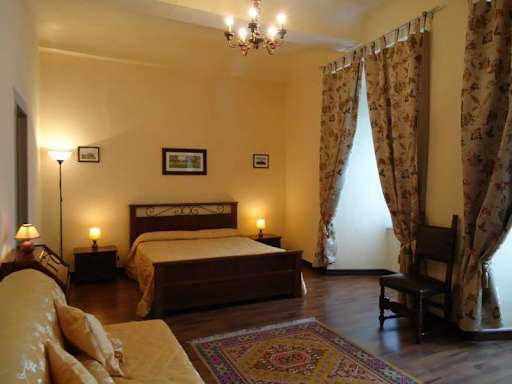
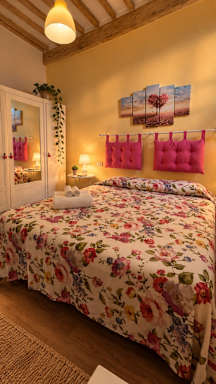
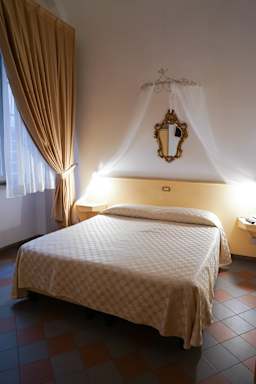
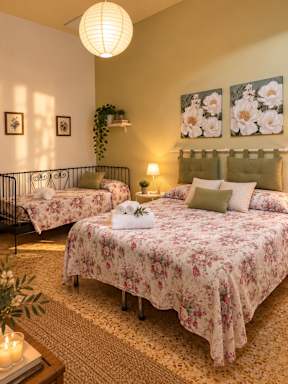
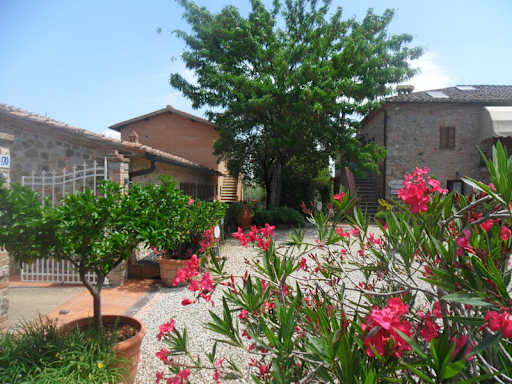
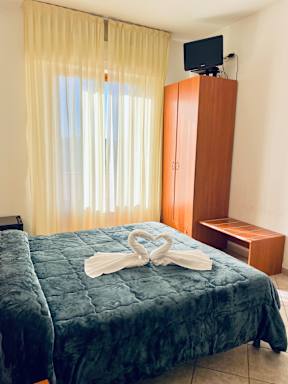
Siena has only a handful of hostels, and they fill up around the Palio. These are the top-rated right now, live from Hostelworld.
April to June and September to October are ideal. The Palio fills the city in July and August.
Average highs. Siena is on a hill and slightly cooler than Florence, but summer is still very hot.
Pick how you travel. Per person per night, in euros.
Transport assumes walking. A car for the Val d'Orcia adds significantly.
The ones we get asked most.

Compare Siena hostels — live prices, real reviews and free cancellation on most bookings. Then meet the people already there in the app.

 Get the App.
 Get the App.