Cannaregio
Atmosphere and valueThe northern district near the station: canal-side bars, the Jewish Ghetto and real neighbourhoods.

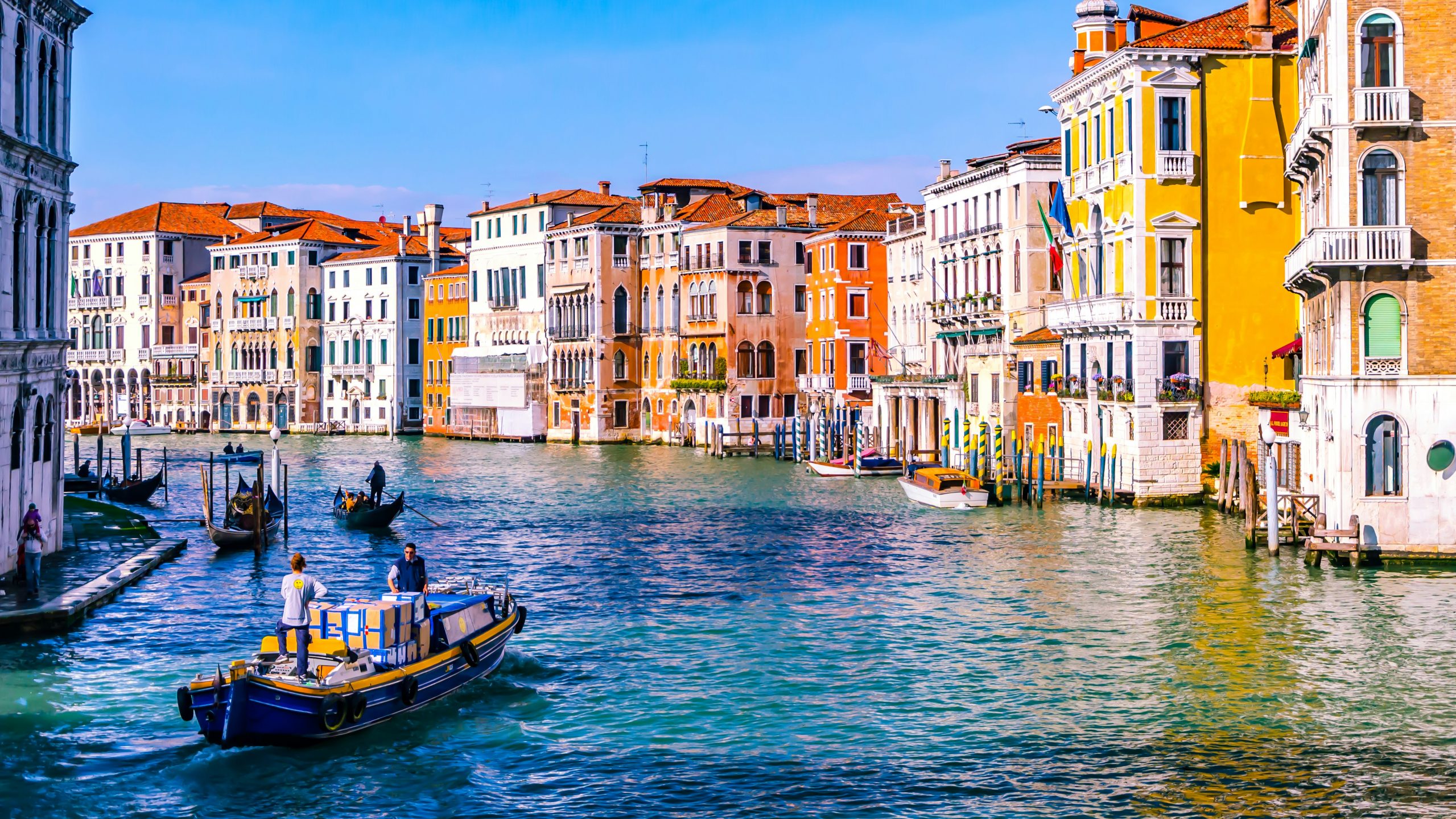
A city on a hundred-odd islands with no cars, no roads and a bus that floats. Worth it despite everything you have heard, if you stay the night and walk after the day-trippers leave.
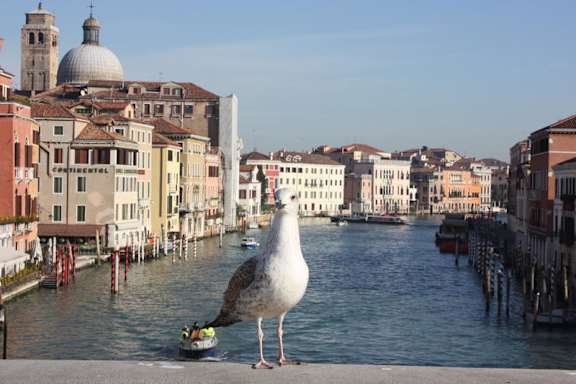
Venice is built on more than a hundred small islands in a lagoon, joined by around four hundred bridges, and it has no cars. Everything moves by boat or on foot. For a thousand years it was an independent maritime republic, and its palaces, churches and art are what that trade paid for.
It is also one of the most visited places on earth for its size, and the crowds are real. Most of them are day-trippers, arriving mid-morning and leaving by late afternoon, and they cluster on one route between the station, the Rialto and St Mark's. Step off it and the city empties.
That is the case for staying at least one night, and ideally two. Venice at seven in the morning or after dark is a different place, and overnight visitors are exempt from the city's access fee for day-trippers.
Staying in the historic centre is worth it for the evenings. Mestre, on the mainland, is ten minutes away by train and where many of the hostels are.
The northern district near the station: canal-side bars, the Jewish Ghetto and real neighbourhoods.
South of the Grand Canal, with the Accademia, the Guggenheim and Campo Santa Margherita.
The eastern district, residential and quiet beyond the crowds near St Mark's.
Around Piazzale Roma and the bus station. Convenient and less charming.
The mainland town, ten minutes by train. Most of the cheaper hostels are here.
Orange labels are neighbourhoods, dots are the 12 top-rated hostels. Map © MapTiler © OpenStreetMap contributors.
The routes we would take, in the order we would take them.
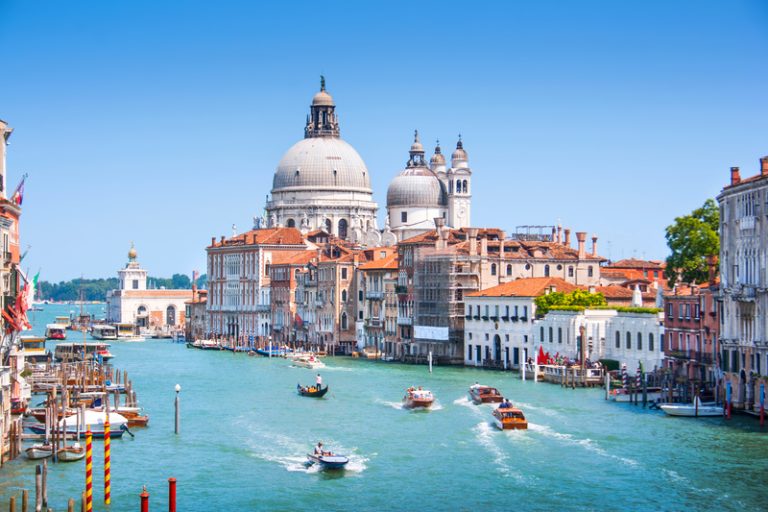
Ride vaporetto line 1 down the Grand Canal from the station or Piazzale Roma to St Mark's. It is slow, stops everywhere, and passes every great palace on the water; it is the best introduction to the city.
St Mark's Basilica, with its gold mosaics, and the Doge's Palace next to it, with the prisons and the Bridge of Sighs, are the two big sights, and both are much easier to see early in the day. Book both.
Then get lost, deliberately. Cannaregio in the north and Castello in the east are residential, quiet and full of neighbourhood bars. Dorsoduro, south of the Grand Canal, has the Accademia gallery, the Peggy Guggenheim collection and the Zattere waterfront, the best walk in the city at sunset.
The lagoon islands are the other half of Venice. Murano has glassworks, Burano has brightly painted houses and lace, and Torcello, almost abandoned, has the oldest church in the lagoon.
Walking Venice is free, and it is the whole point. The backstreets of Cannaregio and Castello, the Zattere at sunset and the Rialto market in the morning cost nothing.
Many churches are free, though several of the finest charge a small entry. The traghetto, a gondola ferry across the Grand Canal at a few points without bridges, costs €2 and is the cheapest gondola ride in the city.
The Giardini and the Arsenale, where the Biennale is held, are pleasant to walk around outside the exhibition.
On access-fee days, day-trippers pay to enter the historic centre between 8:30 and 16:00. Overnight guests are exempt but must register for a free code.
The Venetian way to eat cheaply is cicchetti: small bites, like tapas, served in bacari, the old wine bars. Crostini with salt cod, sarde in saor — sweet-and-sour sardines — and polpette cost a euro or two each, and a small glass of wine, an ombra, is about the same.
The spritz is Venetian and cheapest in a bacaro, at €3 to €5. Tramezzini, soft triangular sandwiches, are the budget lunch.
Restaurants near St Mark's and the Rialto are expensive and often poor, and some charge a large service fee. Check the menu for coperto and servizio before sitting down. Cannaregio and Castello have the best-value food in the city.
Venice is quiet at night, which is its charm. The evening is a giro d'ombra, a crawl from bacaro to bacaro with a small glass of wine and a cicchetto at each.
Campo Santa Margherita in Dorsoduro, the university square, is the liveliest place in the city after dark, with students on the benches and cheap spritz. The Fondamenta della Misericordia and the Fondamenta degli Ormesini in Cannaregio are lined with canal-side bars.
Most of the city is asleep by midnight. There are almost no clubs.
Walking is the main way around, and Venice is small enough to cross in under an hour. Expect bridges, steps and dead ends, and pack light: wheeled suitcases are hard work.
The vaporetto, the water bus, is the only public transport. A single ticket costs €9.50 and is valid for 75 minutes. Passes cost €25 for 24 hours, €35 for 48 and €45 for 72, and pay off after three rides a day. If you are aged 6 to 29, the Rolling Venice card gets you 72 hours for €27 plus €6 for the card.
From Marco Polo airport, buses run to Piazzale Roma for about €10, and the Alilaguna water bus runs to the centre. Trains between Mestre and Venezia Santa Lucia take about ten minutes and cost a couple of euros.
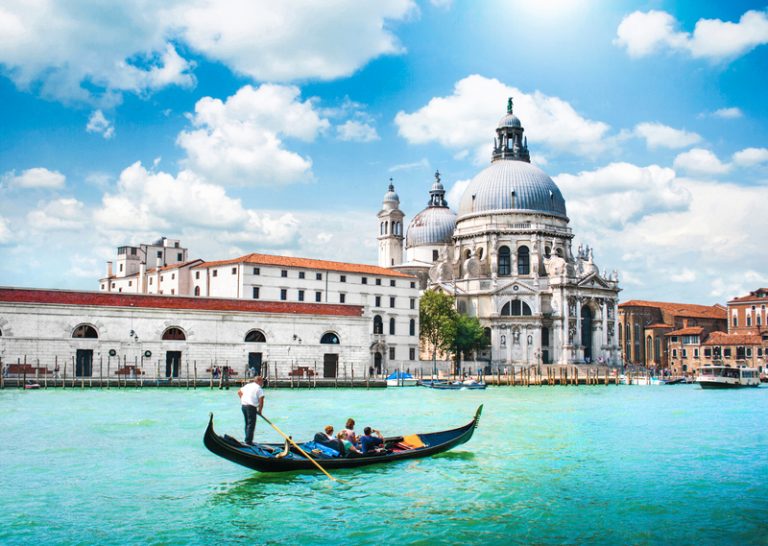
Gondolas are a fixed-rate luxury, well over €100 for half an hour.
Venice is expensive to sleep in, which is why many budget travellers stay in Mestre. Dorms in Mestre start around €25 to €30; in the historic centre they cost more, and rise sharply during Carnival, the Biennale and the film festival.
A careful day is €60 to €85. The costs that add up are vaporetto fares, museum tickets and restaurant meals near the sights. On access-fee days, day-trippers pay €5 if they book at least four days ahead and €10 if they do not.
The savings: walk instead of taking the vaporetto, eat cicchetti instead of sitting down, and use the Rolling Venice card if you are under 30.
Venice is very safe, with very little crime beyond pickpocketing on crowded vaporetti, around the Rialto and in St Mark's Square.
The city has strict rules for visitors. Swimming in the canals, sitting down to eat on monuments and bridges, and feeding pigeons in St Mark's are all banned and fined.
The practical hazards are the stones, which are slippery in the rain, and acqua alta, the high tides that flood parts of the city in autumn and winter. The MOSE barriers now hold back most of them, but low-lying St Mark's Square still floods.
Emergency number is 112.
The lagoon islands are the best day out, and the Veneto towns are close by train.
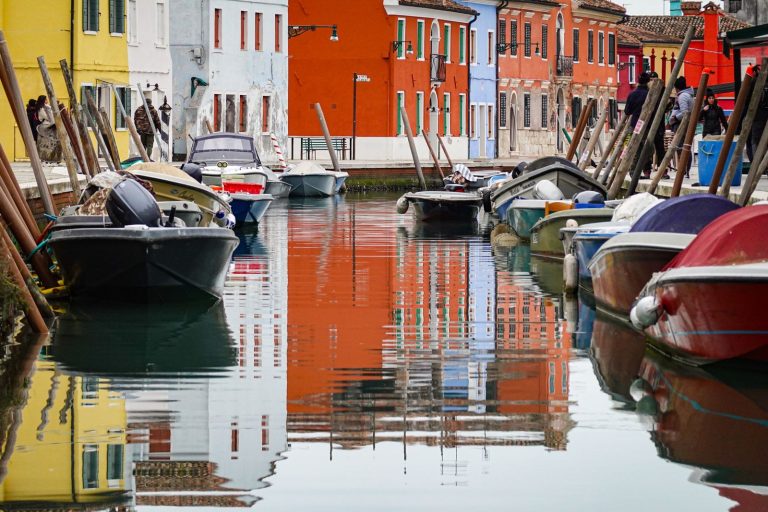
Glassworks on Murano, then Burano's painted houses and lace. Go on to Torcello for the oldest church in the lagoon.
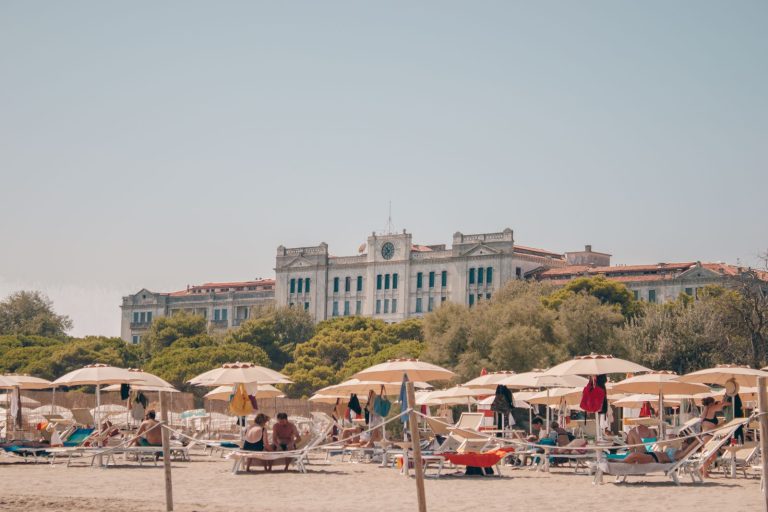
A long sandy beach on the lagoon's outer barrier, and the home of the film festival.
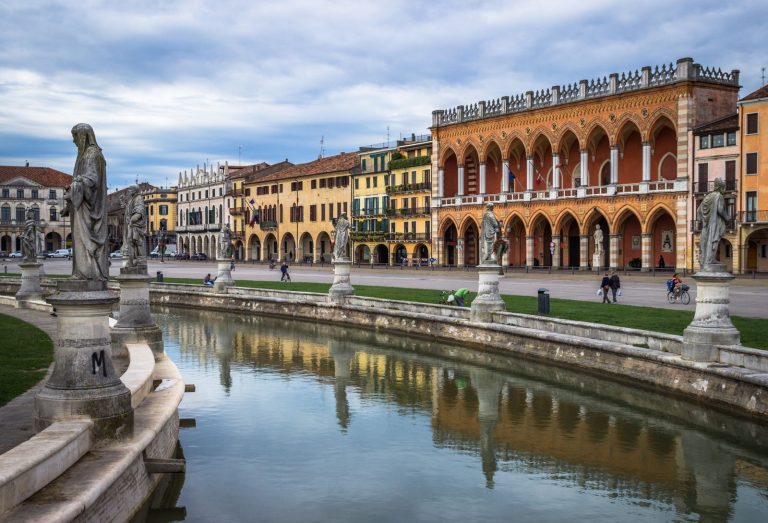
A university city with Giotto's frescoes in the Scrovegni Chapel. Book ahead.
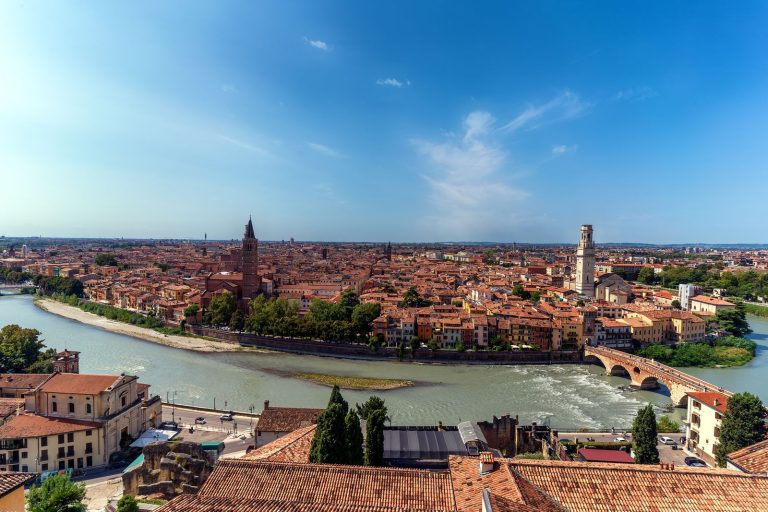
A Roman arena, Juliet's balcony and a walkable centre.
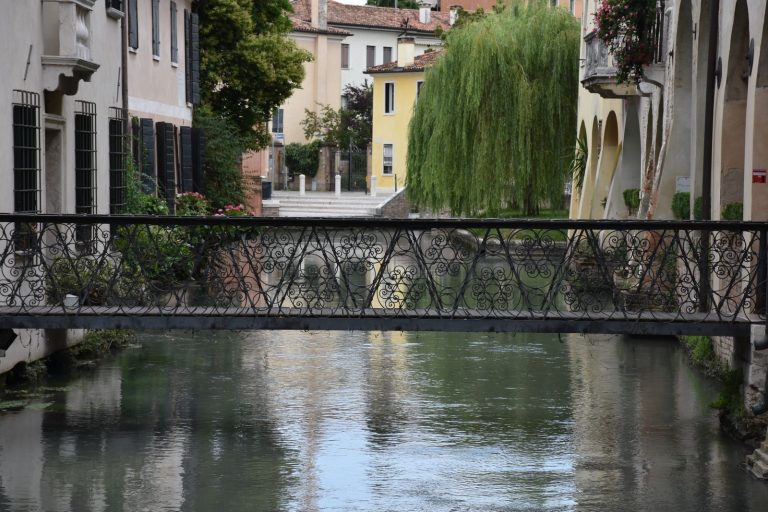
A small canal town that claims to have invented tiramisu, with none of the crowds.
Carnival is the most famous, and the Redentore fireworks in July are the local favourite.
 Staff pick
La Biennale Arte di Venezia is one of the world’s most prestigious contemporary art exhibitions, held every two years in the historic city of…
 Staff pick
The 61st Venice Art Biennale Turkey Pavilion will host the exhibition titled "A Kiss on the Eyes" by Nilbar Güreş. The exhibition features new…
 Staff pick
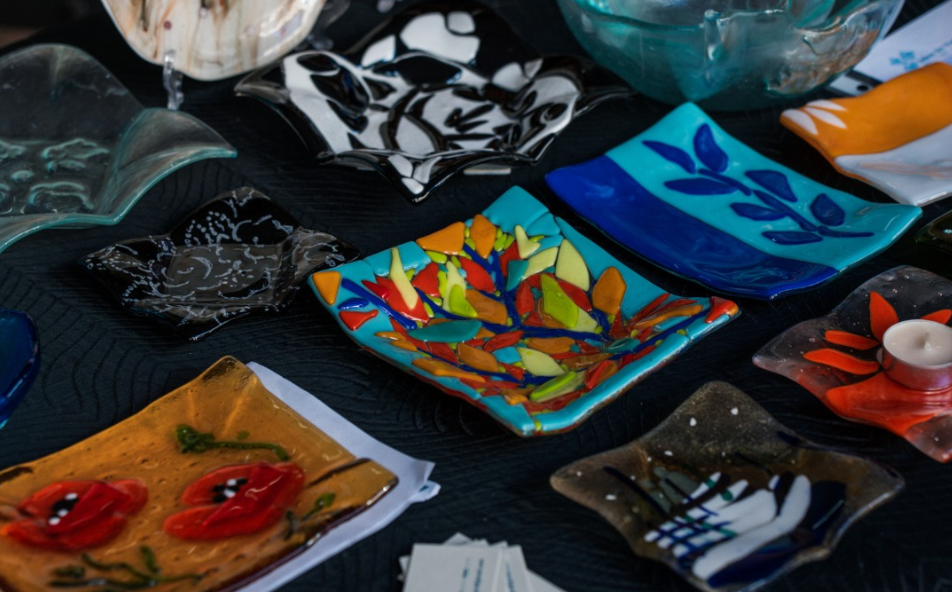
Venice Design Week invites designers, companies, universities, and research institutions to explore the theme “100” through a dynamic program set across Venice’s renowned galleries,…
 Staff pick
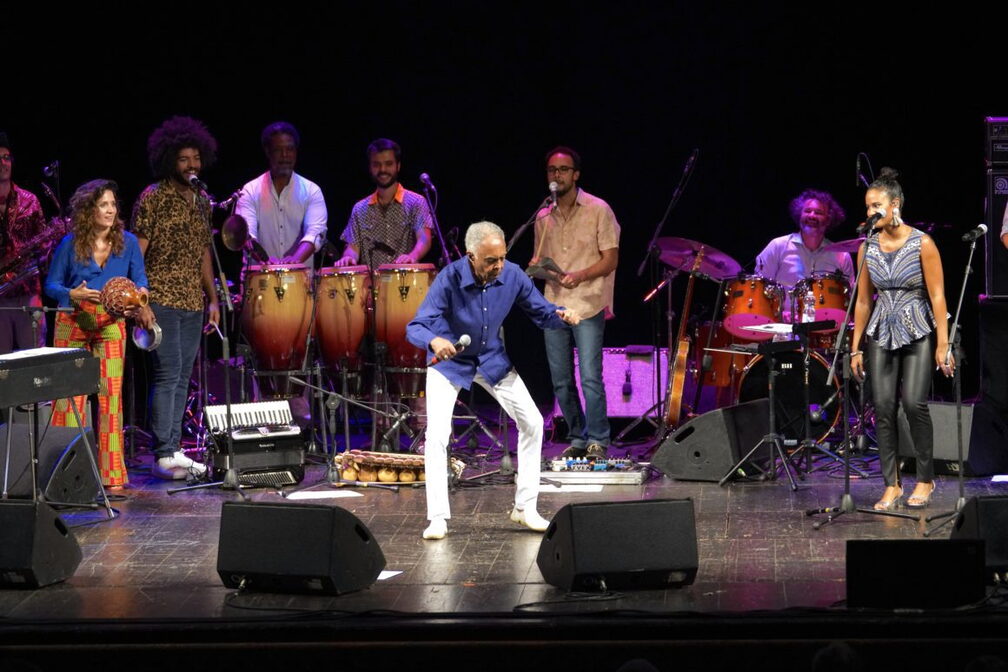
Experience the mesmerizing blend of tradition and innovation as the Venezia Jazz Festival Fall Edition returns with 14 captivating events, spotlighting both legendary maestros…
 Staff pick
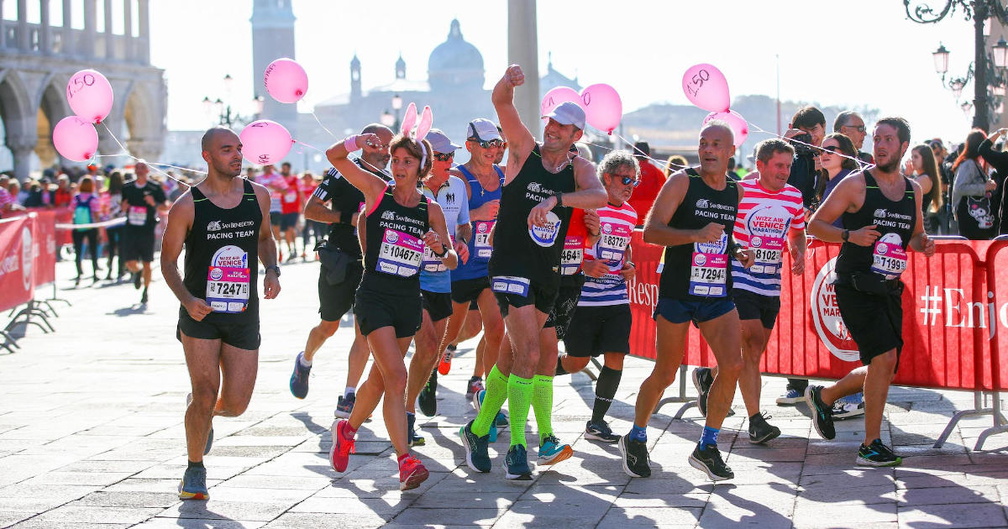
Experience the breathtaking Venice Marathon, featuring 42km, 21km, and 10km races through the historic streets and picturesque canals of one of the world's most…
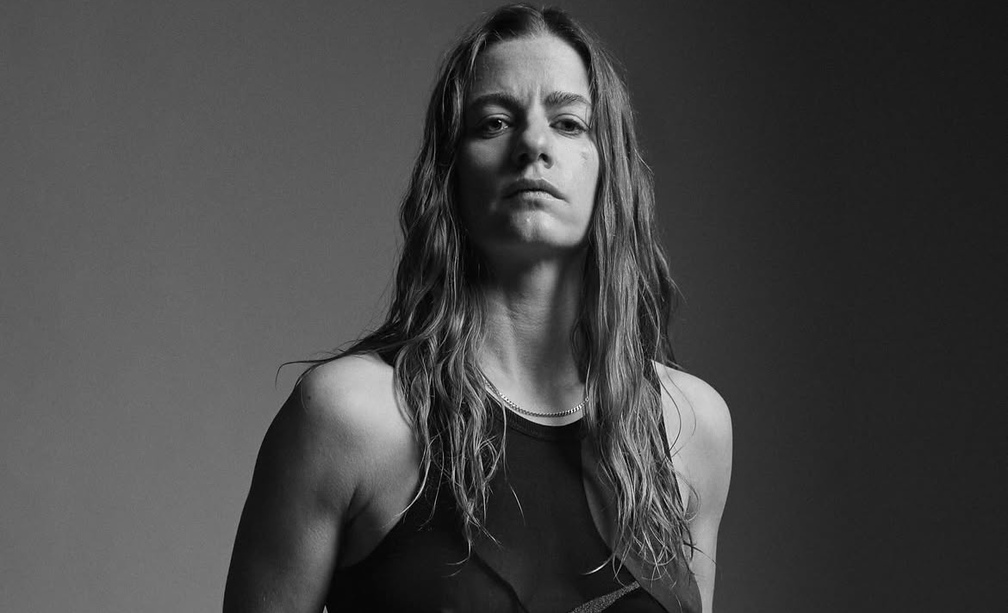
Florentina Holzinger presents a provocative performance at the Austrian Pavilion of the 2026 Venice Biennale, exploring themes of nudity, bodily expression, and feminism. The…

Seaworld Venice 2026 is a provocative art presentation by Florentina Holzinger featured at the Venice Biennale. The performance involves a unique interaction where a…
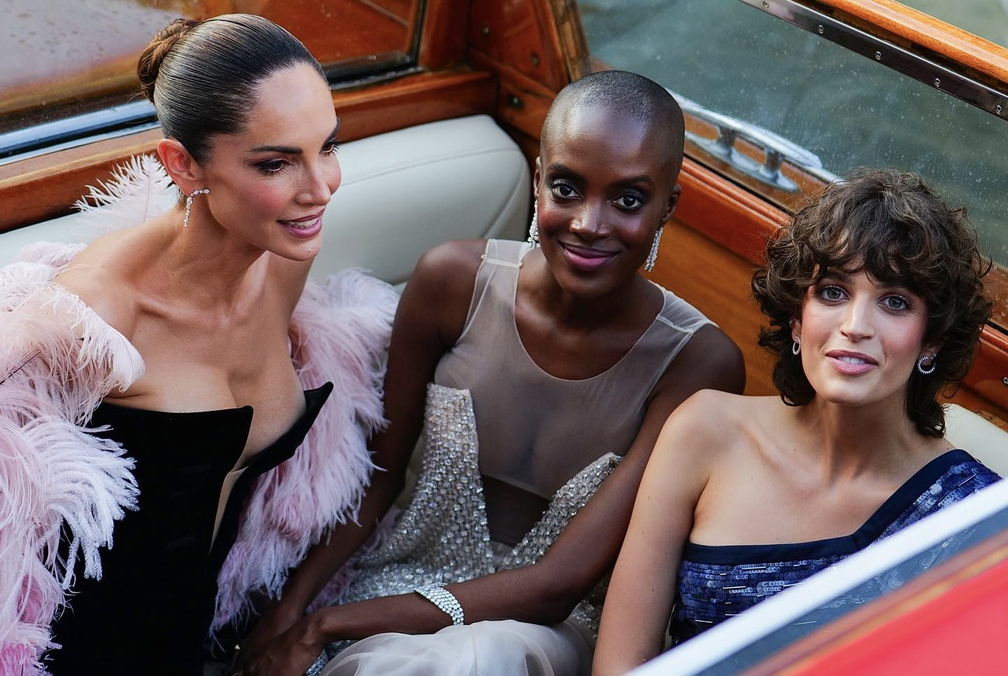
Venice Fashion Week is a dynamic event showcasing the best of Made in Italy fashion in Venice. It brings together emerging talents and established…
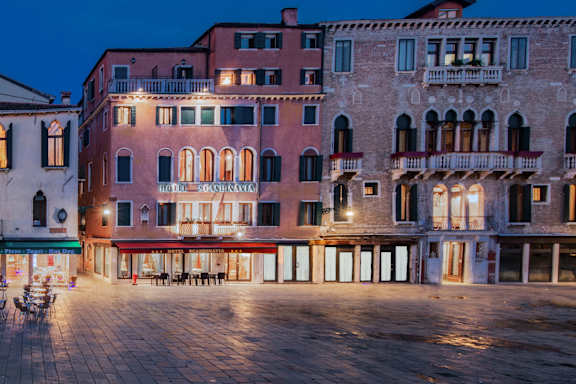
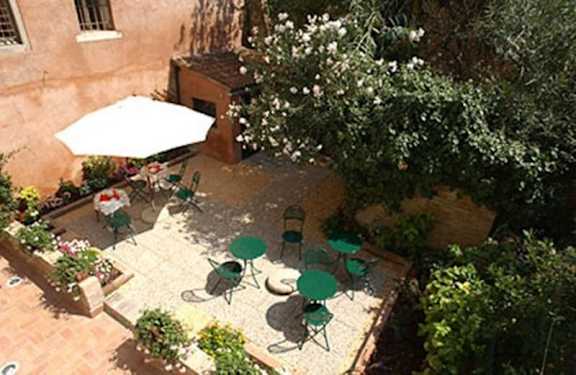
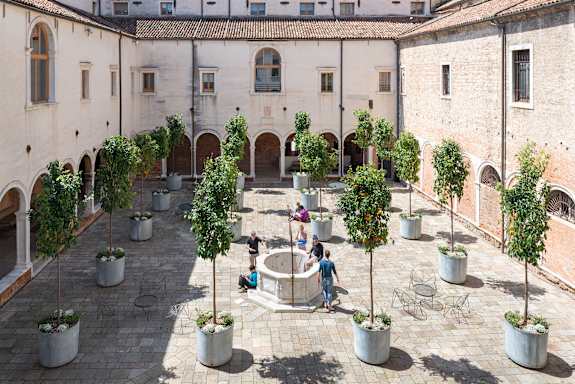
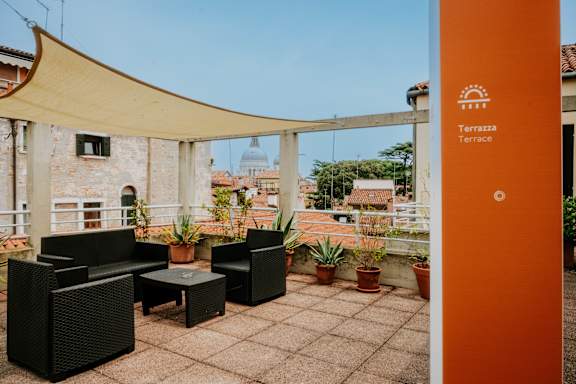
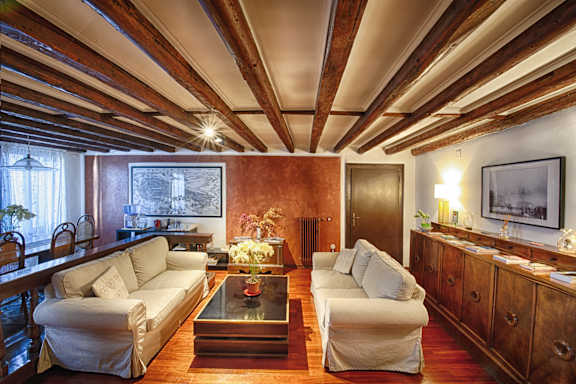
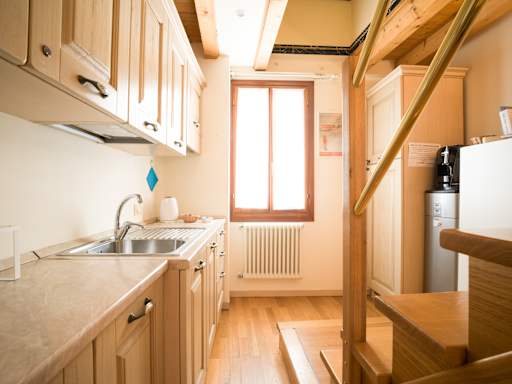
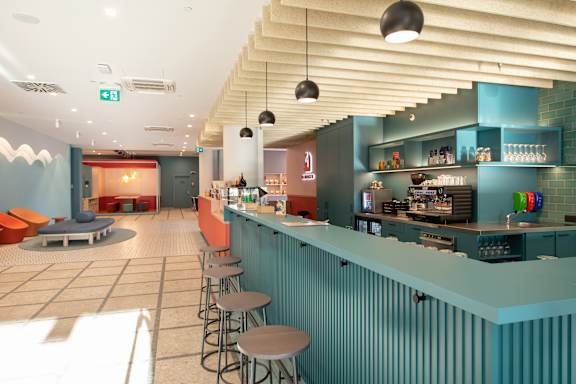
Venice's hostels are split between the historic centre, the island of Giudecca and Mestre on the mainland, which is cheaper and ten minutes away by train. These are the top-rated right now, live from Hostelworld.

April, May, September and October are ideal. Summer is hot and crowded, and November brings high tides.
Average highs. Winter is damp and foggy, and acqua alta is most likely from October to December.
Pick how you travel. Per person per night, in euros.
Transport assumes a mix of walking and vaporetto passes. Day-trippers on access-fee days add €5–10.
The ones we get asked most.

Compare Venice hostels — live prices, real reviews and free cancellation on most bookings. Then meet the people already there in the app.

 Get the App.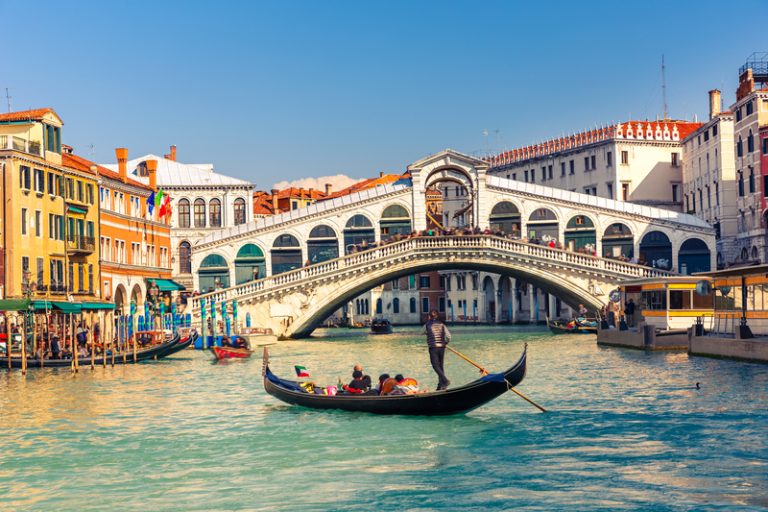
 Get the App.