Centro
First-timersAround the Portas da Cidade and the marina: restaurants, bars, tour operators and almost all the beds.

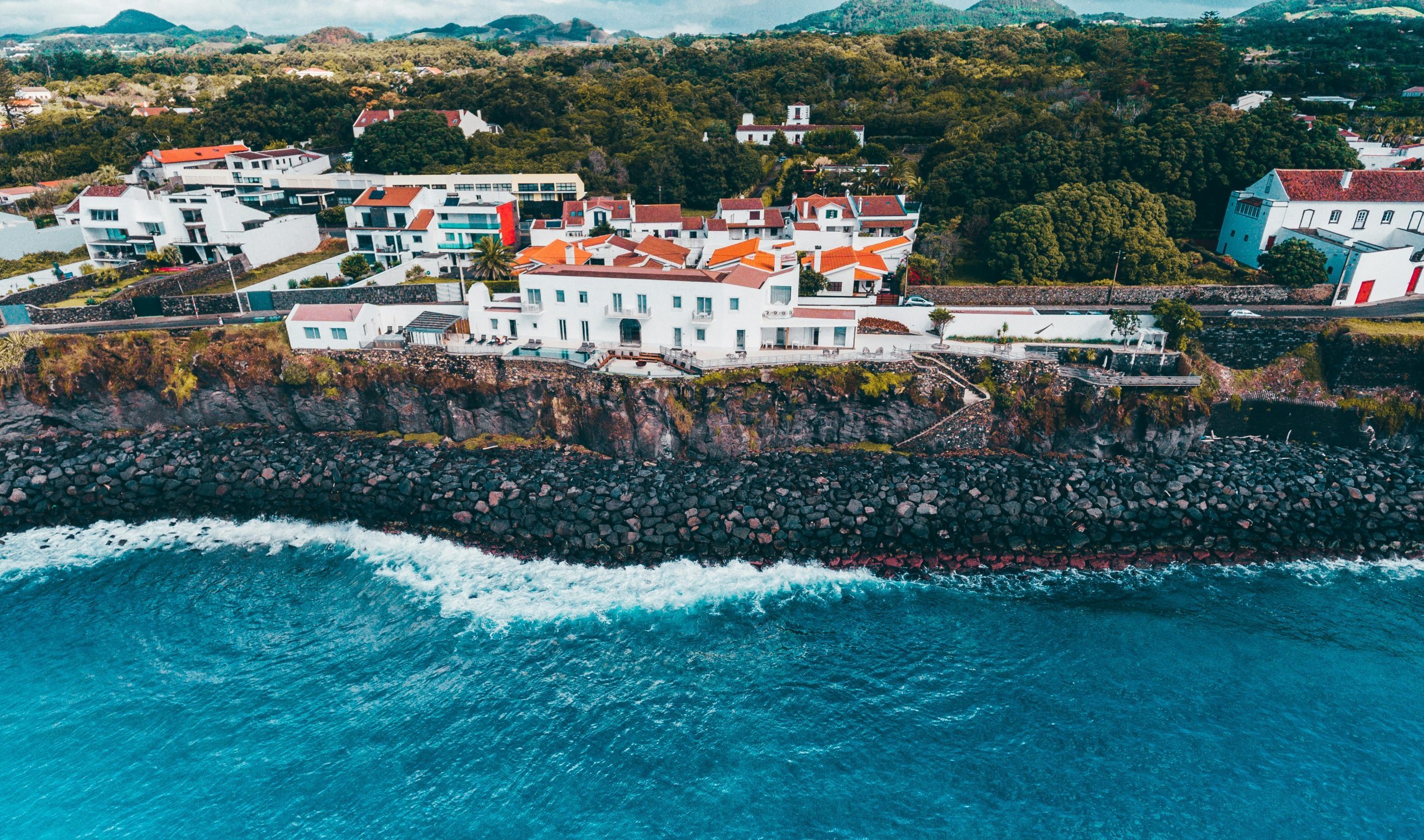
The Azorean capital, on an island of crater lakes, hot springs and cows. Mid-Atlantic, green, wet, and the best whale watching in Europe.
Ponta Delgada is the largest town in the Azores, on São Miguel, and the arrival point for most visitors. The city itself is small — black basalt churches, white facades, a marina and a few good streets — and the island around it is the reason to come.
São Miguel is volcanic and green in a way that looks almost artificial: crater lakes at Sete Cidades and Furnas, hot springs you can sit in, tea plantations that are the only ones in Europe, and a coast of black cliffs.
The weather changes constantly and rain arrives from nowhere, which is the trade for the landscape being that green. Four or five days does the island. Ponta Delgada itself takes a day, and the rest of the time you should be out of it.
The city is small and flat along the front. Everything else is a drive.
Around the Portas da Cidade and the marina: restaurants, bars, tour operators and almost all the beds.
The waterfront strip, where the boats leave from and the evening happens.
Forty minutes east: a valley of steaming ground, thermal pools and the cozido cooked underground.
Orange labels are neighbourhoods, dots are the 8 top-rated hostels. Map © MapTiler © OpenStreetMap contributors.
Whale watching is the headline and the Azores is among the best places on earth for it. Sperm whales are resident year-round, blue and fin whales pass through in spring, and dolphins are near-guaranteed. Trips from the marina run €55 to €75 for three hours.
Sete Cidades is the image of the island: twin crater lakes, one green and one blue, seen from the Vista do Rei viewpoint. The weather decides whether you see anything at all, so go on the clear morning rather than the planned day.
Furnas is the other essential: a valley of boiling springs where cozido das Furnas is buried in volcanic ground for six hours, plus the thermal pool at Terra Nostra, which is iron-orange, 38 degrees and stains swimwear permanently.
In the city, the Portas da Cidade, the pineapple greenhouses and the black-and-white churches fill a day.
The viewpoints are free and they are the island: Vista do Rei over Sete Cidades, Miradouro de Santa Iria, and the Boca do Inferno lookout, which needs a short walk and is the better version of the famous view.
The city's churches, the Portas da Cidade and the seafront promenade cost nothing.
Several hot springs are free, including the natural seawater pool at Ferraria, where a hot spring meets the Atlantic and the temperature depends entirely on the tide.
Walking trails criss-cross the island and none of them charge.
Cozido das Furnas is the dish to plan a day around: meat and vegetables layered in a pot, buried in volcanic ground in the morning and dug out six hours later. It costs €18 to €25 in the Furnas restaurants and needs booking.
Fish is excellent and cheap — limpets grilled with garlic butter, fresh tuna steaks, and a whole grilled fish for €12 to €18.
The island makes its own beef, cheese from São Jorge, pineapples grown in greenhouses since the nineteenth century, and the only tea in Europe at Gorreana, where the factory tour is free.
A prato do dia in the city is €8 to €12, and Especial and Melo Abreu are the local beers.
Small and concentrated around the marina and Rua de Santa Luzia, where a handful of bars fill from ten at weekends.
There is a university here, which keeps a few places going through the week in term time, and prices low — a beer is €1.50 to €3.
Most evenings on São Miguel end early because most days start early, with boats leaving at nine and the weather rewarding whoever is out first.
In summer the marina bars run late and the Festas do Senhor Santo Cristo in spring fill the city entirely.
The city is walkable and the airport is ten minutes away, which is unusual and useful.
Everything else needs wheels. Hire cars run €30 to €55 a day and are the standard way to do São Miguel; roads are good, distances short and the weather makes flexibility valuable.
Public buses connect the main towns but run on school timetables, thin out at weekends and rarely work for a day return to Sete Cidades or Furnas.
Day tours cover the two crater lake circuits at €45 to €70 including lunch, which is the sensible option if you are not driving.
Inter-island flights and ferries reach the other eight Azorean islands.
Cheaper than you expect for an Atlantic island, because it is still Portugal. Dorms are €16 to €28, a prato do dia is €8 to €12, and a beer is €1.50 to €3.
A day is €40 to €60 before activities.
The costs that shape a trip are a whale watching trip at €55 to €75, a hire car at €30 to €55 a day, and the cozido at €18 to €25. The viewpoints, the trails and several of the hot springs are free, which covers most days.
The Azores are among the safest places in Europe and crime against visitors is close to nonexistent.
The weather is the hazard. Conditions change within minutes, cloud sits on the crater rims for days, and coastal paths get slippery and exposed fast. Check the forecast each morning and be prepared to swap plans, which is how locals live.
The Atlantic here is powerful. Swimming off the rocks is dangerous outside the marked natural pools, and boat trips do get cancelled for sea state.
Hot springs vary in temperature and some are genuinely scalding. Test before getting in, and at Ferraria the tide decides. Emergency number is 112.
São Miguel is 65km long, so everything on it is a day trip from the capital.
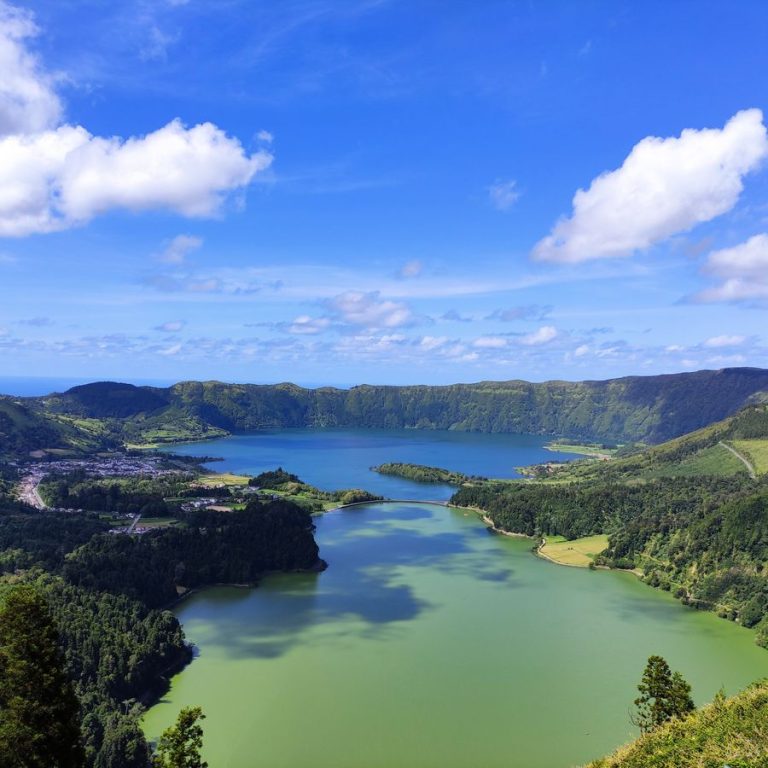
Twin crater lakes, one green and one blue, with viewpoints along the rim and a walk down into the caldera village.
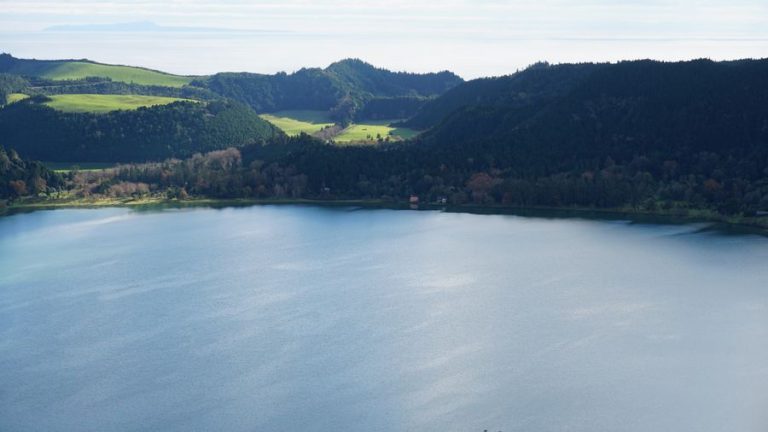
Boiling springs in the middle of a village, the underground cozido, Terra Nostra's orange thermal pool and a botanical garden around it.
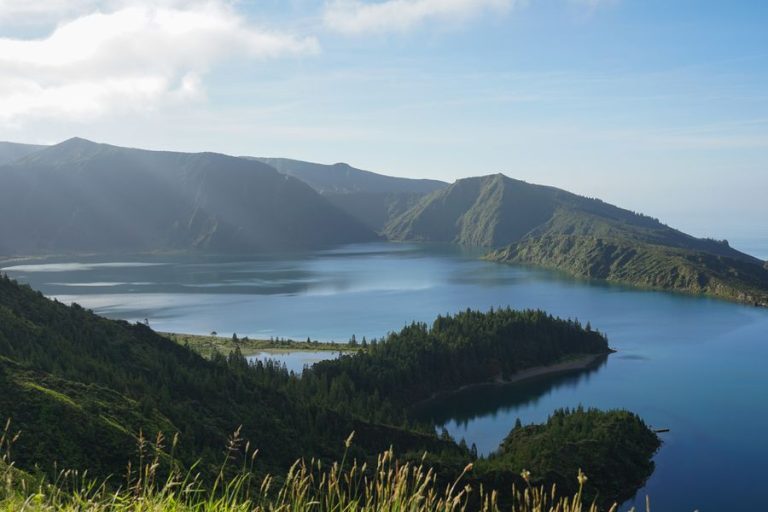
A crater lake with no development at all, reached by a steep path down from the ridge. Often in cloud.
One religious festival fills the island, and the whales have their own calendar.

Sofia Silva & Code bring their Tour Fases to the Coliseu Micaelense for a closing performance on November 20, 2026. The Azorean band is…

Carolina Deslandes is one of the leading voices in contemporary Portuguese music, performing an intimate concert at Coliseu Micaelense. Her career, launched from the…

A group of embroiderers from the parish of Maia gathers weekly to practice and explore traditional techniques, from satin stitch to Hardanger to cross-stitch.…

This multidisciplinary show brings together the nine islands of the Azores to celebrate and reflect on 50 years of autonomy. It combines dance, theater,…

A soup competition brings the community together to support the Império do Corpo de Deus of Fajã de Cima. Sample different soups while live…
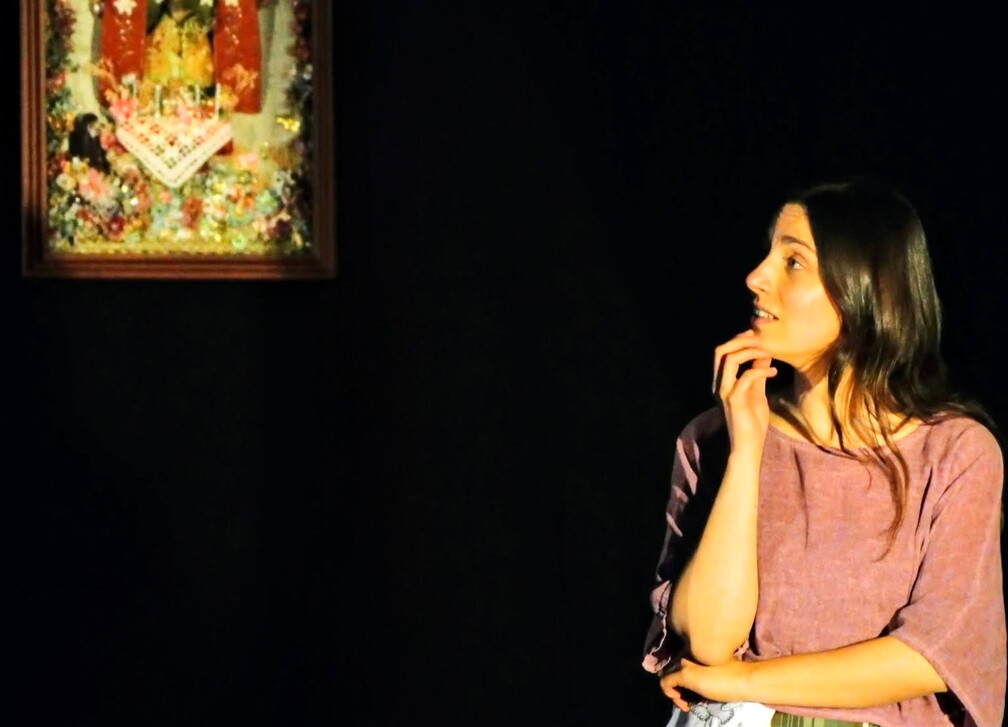
The play "Quando o Mar Galgou a Terra e Algumas Considerações" tells the story of Tio João do Brás, Miguel, Aninhas, and the Violas…
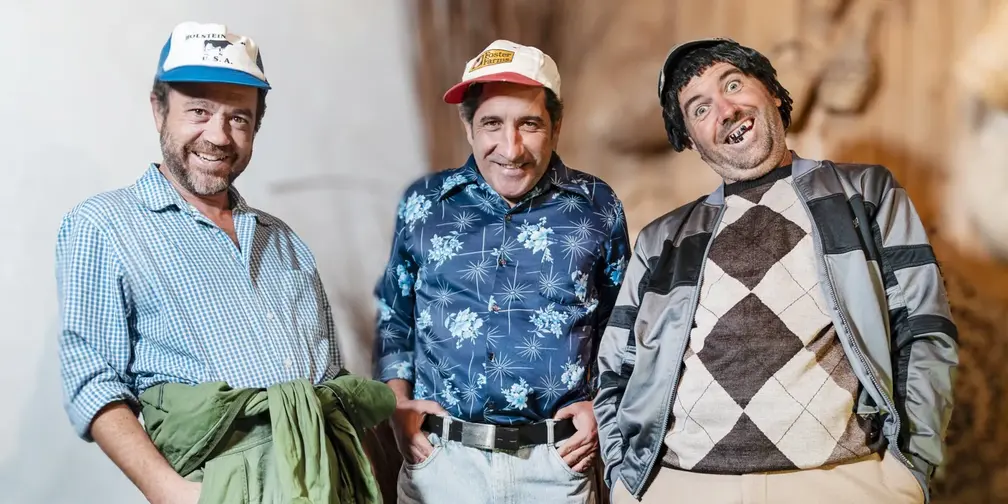
Fala Quem Sabe is a comedy project born on the stages of the Terceira carnival, celebrating 20 years of the iconic Azorean trio known…

A hybrid fitness competition that blends running with functional workout stations, the Azores Hybrid Race follows official HYROX standards and takes place at Portas…
A small scene concentrated in the city centre and near the marina, and the only real hostel supply in the Azores. Live from Hostelworld.
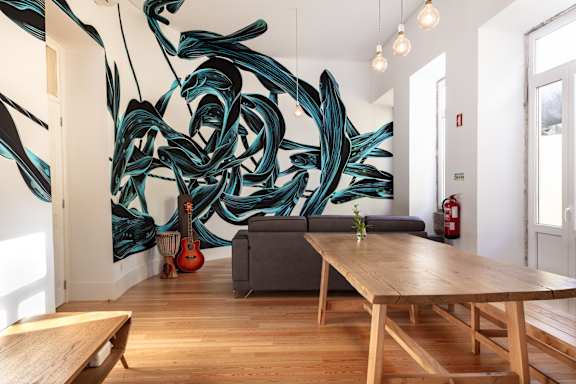 Sustainable
The Azores are mild and wet all year. June to September is drier and busier; spring has the big whales.
Average highs. The Azores sit in the Atlantic and get weather from all directions — expect rain in any month, and expect it to pass.
Pick how you travel. Per person per night, in euros.
Whale watching at €55–75 and a hire car at €30–55 a day sit in the doing and transport lines. Split the car and the island gets cheap.
The ones we get asked most.

Compare Ponta Delgada hostels — live prices, real reviews and free cancellation on most bookings. Then meet the people already there in the app.

 Get the App.
 Get the App.