Stari Grad
First-timersThe old centre: Knez Mihailova, Kalemegdan, the squares and most of the hostels.

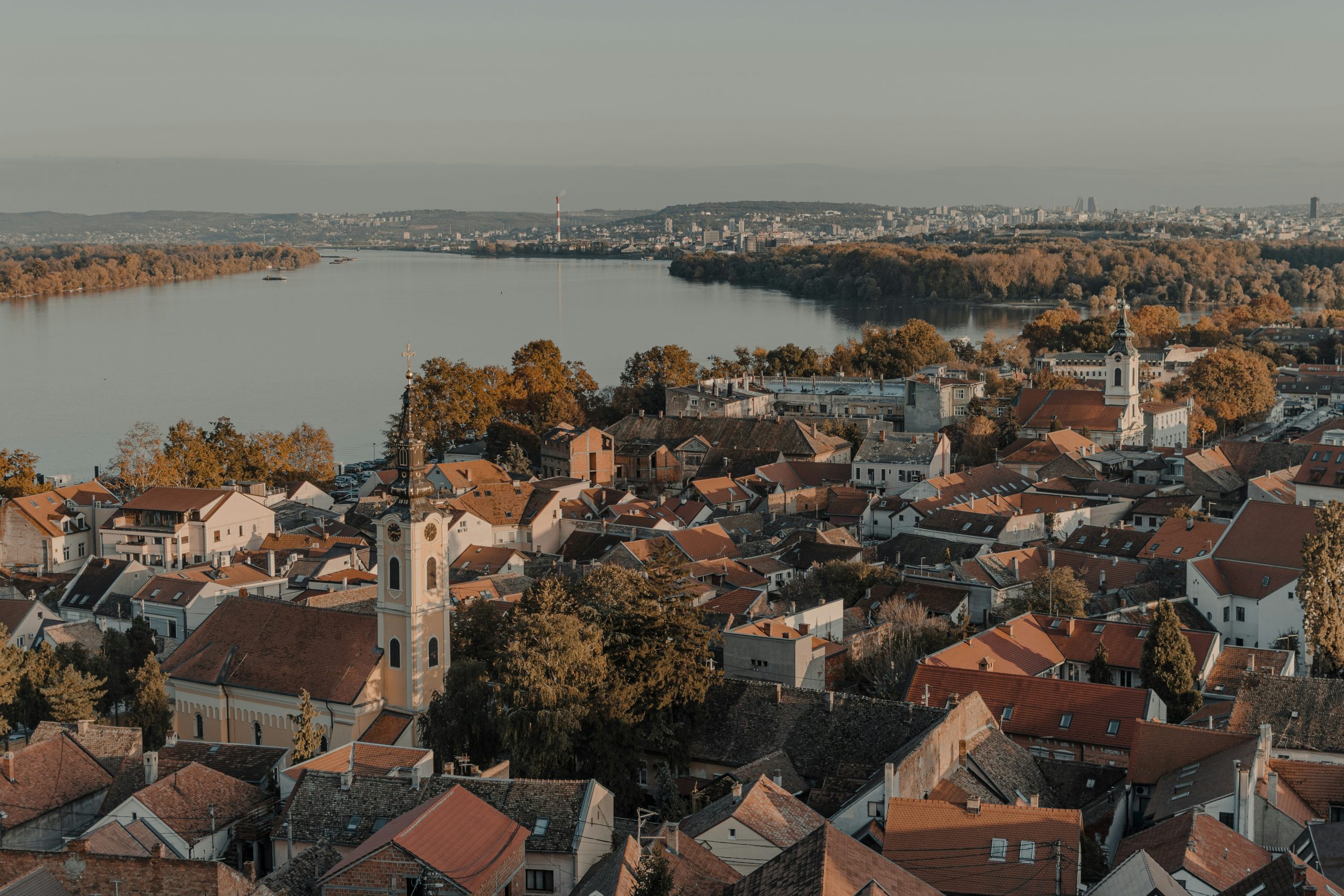
A fortress where two rivers meet, nightclubs on floating barges, and the best-value night out in Europe in a city that has been destroyed and rebuilt dozens of times.
Belgrade sits on a ridge where the Sava flows into the Danube, and whoever held that point held the route between central Europe and the Balkans. The city has been fought over, razed and rebuilt so many times that very little of it is old, and it has a reputation for not caring much about looking pretty.
Kalemegdan, the fortress on the ridge, is the exception and the place to start: walls, gates and parkland with the rivers below.
The nightlife is what most people come for. Belgrade is among the cheapest capitals in Europe for a night out, and in summer the clubs move onto splavovi — barges moored along both rivers — which run until morning.
The twentieth century is present everywhere. Tito is buried here in the House of Flowers at the Museum of Yugoslavia. Several government buildings damaged in the 1999 NATO bombing have been left standing in the centre, and how people talk about them varies.
It is friendly, direct and cheap. Three days.
An old centre on the ridge, a bohemian quarter, and a riverside district below.
The old centre: Knez Mihailova, Kalemegdan, the squares and most of the hostels.
North-east towards the Danube: independent bars, cafés and a younger local crowd.
Below the ridge on the Sava: warehouses turned into venues, and the barge clubs nearby.
Across the Sava: a Habsburg town that joined the city, with fish restaurants on the Danube.
Orange labels are neighbourhoods, dots are the 12 top-rated hostels. Map © MapTiler © OpenStreetMap contributors.
Walk Kalemegdan. The fortress is free, its parkland and walls run along the ridge, and the viewpoint at the far end looks over the confluence of the Sava and the Danube. Go at sunset.
The Museum of Yugoslavia, about 600 RSD (€5), holds the House of Flowers, where Tito is buried, and a collection covering the whole Yugoslav period. It is the best single place to understand the country's recent history.
The Temple of Saint Sava is one of the largest Orthodox churches in the world. The exterior was finished decades ago; the interior mosaics were completed much more recently and are extraordinary. Free.
The Nikola Tesla Museum is small, about 800 RSD (€7), and includes a working demonstration of his coil. Tesla's ashes are kept there in a golden sphere.
Skadarlija, the cobbled bohemian street, is touristed but pleasant for an evening of grilled meat and live music.
In summer, Ada Ciganlija — a river island turned lake beach — is where the city swims.
Kalemegdan fortress and its park are free and are the best place in the city.
Knez Mihailova, the pedestrian main street, runs from Republic Square to the fortress and costs nothing.
The Temple of Saint Sava is free to enter.
Ada Ciganlija, the river island with a lake beach, is free and is where Belgraders spend summer weekends.
Zemun, across the Sava, is free to walk and has the Gardoš Tower on its hill with a view back over the Danube.
The riverside promenades along both the Sava and the Danube are free and are best in the evening.
Meat, generously and cheaply. A main is 800 to 1,500 RSD (€7–13).
Ćevapi — small grilled minced-meat sausages served in bread with raw onion — and pljeskavica, the Balkan burger, are the everyday meal and cost 400 to 700 RSD (€3.50–6).
Kajmak, a rich clotted dairy spread, goes on almost everything and is worth seeking out.
Burek from a bakery is 200 to 300 RSD (€2–2.50) and is breakfast, traditionally with a glass of yoghurt.
Rakija, the fruit brandy — šljivovica is the plum one — is the national drink, served in small glasses, often homemade and stronger than it looks.
A beer is 250 to 400 RSD (€2–3.50).
Be aware that smoking is permitted indoors in many restaurants, bars and cafés, and non-smoking rooms are not always available.
Among the best and cheapest in Europe, and it runs very late.
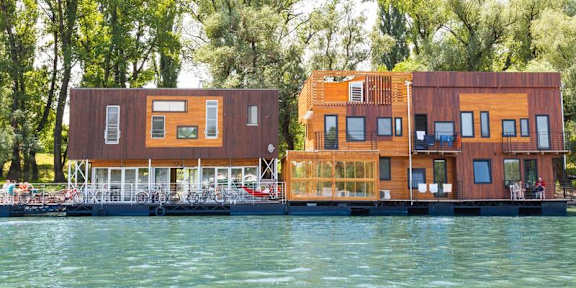
The splavovi are the summer signature — clubs and bars on barges moored along the Sava and the Danube, open from late spring to early autumn and running until dawn. Some are loud and mainstream, some are techno, some are folk-pop, and the style varies widely from barge to barge.
In winter, the scene moves indoors to Savamala, Dorćol and the old centre, into converted warehouses, basements and courtyard bars.
A beer is 250 to 400 RSD (€2–3.50) and cocktails 700 to 1,200 RSD (€6–10).
Nights start late and finish later — clubs fill after midnight.
Many venues permit smoking indoors.
The old centre is walkable, and buses and trams cover the rest of the city.
Public transport in Belgrade was made free for residents and visitors in 2025. Check the current position when you arrive, as arrangements have been changing.
From the airport, bus A1 runs to the centre in about thirty minutes. Taxis from the airport should be booked through the official desk or an app — touts in the arrivals hall overcharge.
Use a ride app or have a venue call a taxi rather than hailing one on the street.
Buses reach Novi Sad in about an hour and Niš in about three. The high-speed train to Novi Sad takes about half an hour, and is being extended towards Subotica and Budapest.
International buses reach Zagreb, Sarajevo, Budapest and Sofia.
One of the cheapest capitals in Europe. Dorms are 1,200 to 2,500 RSD (€10–21), a main 800 to 1,500 RSD (€7–13), and a beer 250 to 400 RSD (€2–3.50).
A day is €28 to €50.
Serbia uses the dinar, not the euro. Some places accept euros but use poor rates. Cards work widely in the centre; carry some cash for small bars, markets and buses.
Exchange offices are everywhere and generally fair, and far better than airport counters.
Kalemegdan, the Temple of Saint Sava and Ada Ciganlija are free, and the museums cost a few euros.
Belgrade is a safe city for visitors and violent crime against tourists is rare.
Taxis are the most common problem. Unofficial drivers at the airport and on the street overcharge. Book through an app or have a venue call one.
Pickpocketing happens on Knez Mihailova and in busy nightlife areas, at ordinary levels.
Large demonstrations have been frequent in Belgrade and across Serbia since late 2024. Most have been peaceful, but some have seen clashes. They are generally announced in advance — check local news and avoid them if you prefer.
If Kosovo is part of your trip, plan the route carefully. Serbia does not recognise Kosovo's 2008 declaration of independence and treats Kosovo's other borders as unrecognised crossings. If you enter Kosovo from Albania, North Macedonia, Montenegro or by air and then try to cross directly into Serbia, you may be refused entry. The usual approach is to travel to Kosovo from Serbia and return the same way. Check your own foreign ministry's current guidance.
Emergency numbers are 192 for police and 194 for ambulance, with 112 also working.
A Habsburg town, monasteries on a wooded ridge and a fortress on the Danube.
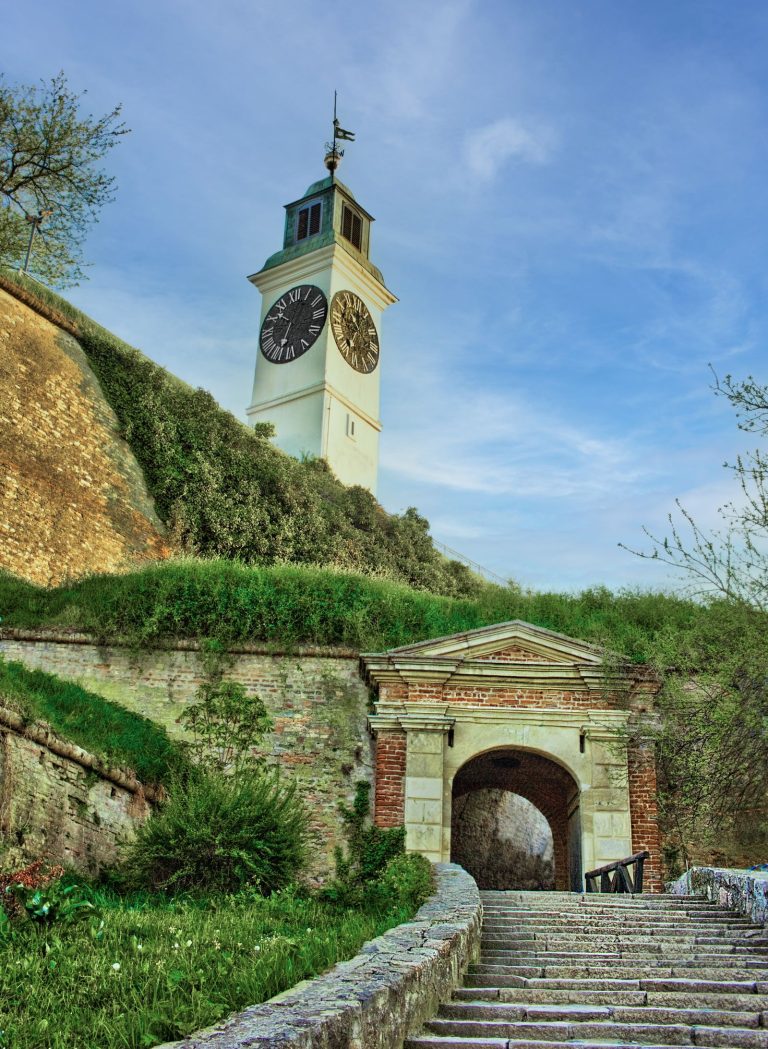
A calmer, prettier Habsburg city with the Petrovaradin fortress above the Danube.
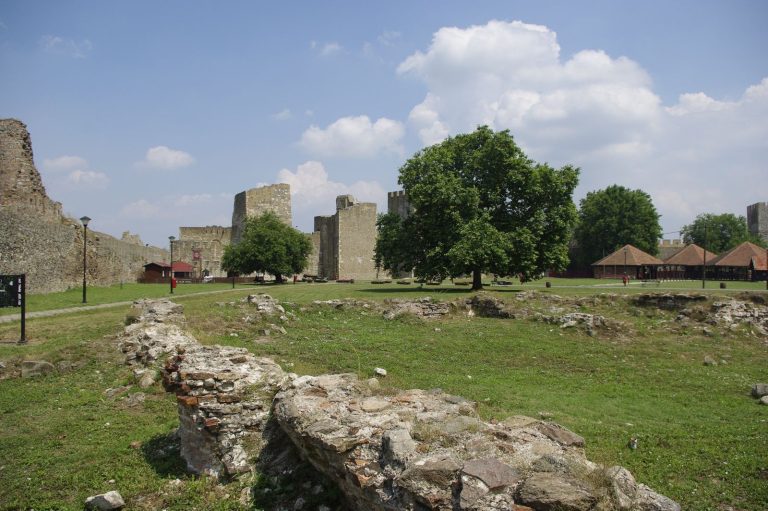
A vast fifteenth-century fortress on the Danube, one of the largest lowland fortifications in Europe.
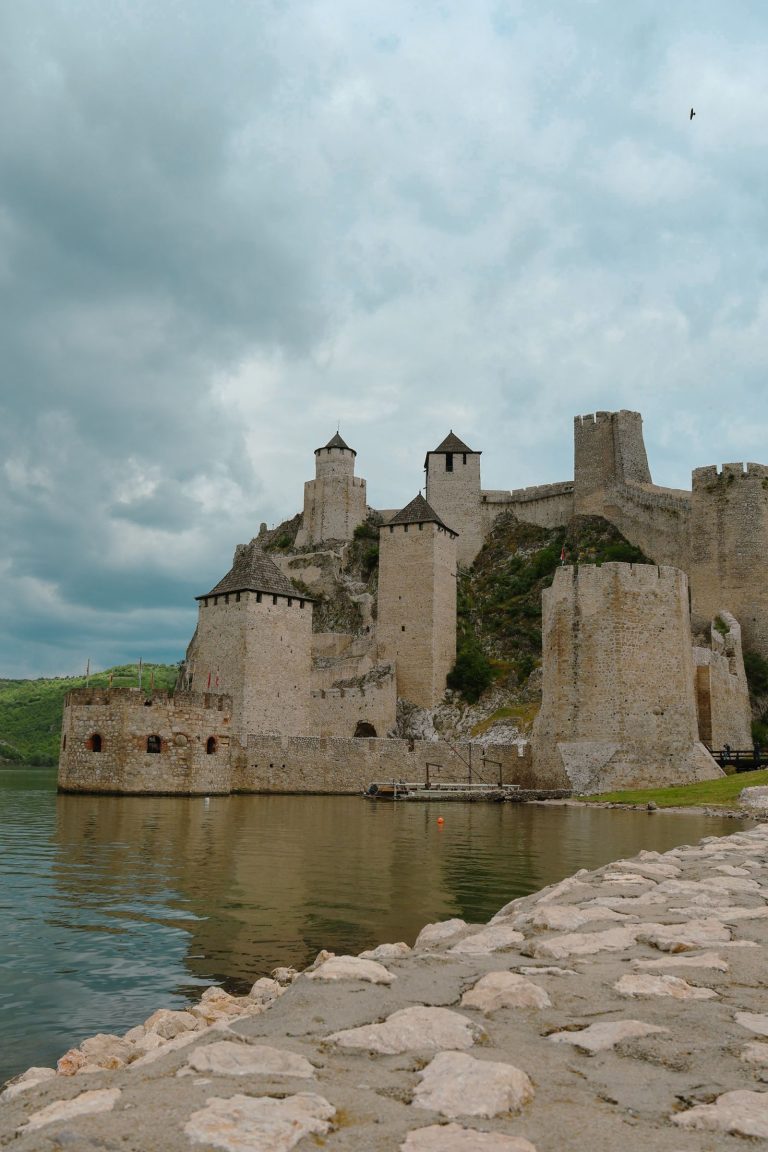
A castle at the entrance to the Danube gorge between Serbia and Romania.
Barge clubs in summer, and two Christmases and two New Years in winter.
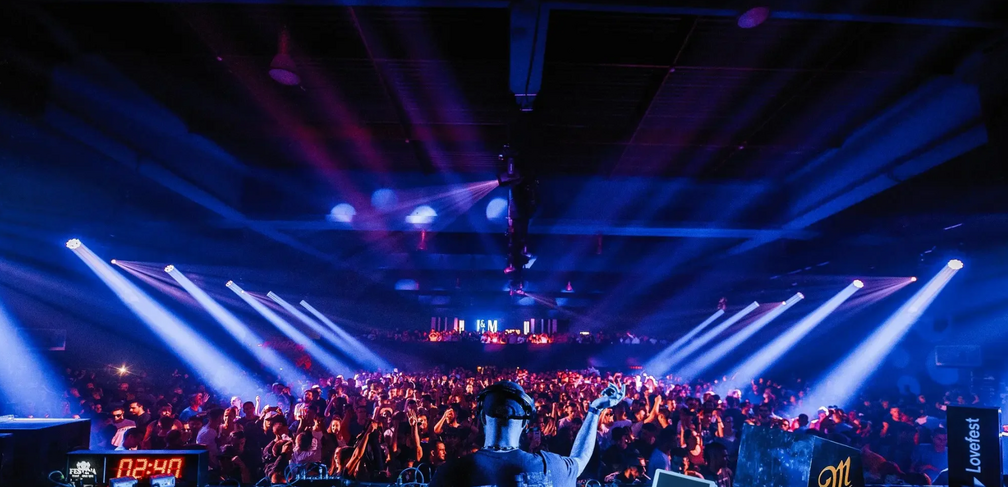 Staff pick
REACT Festival in Belgrade, Serbia, stands out as a leading electronic music celebration in the Balkans, drawing passionate ravers and music lovers from across…
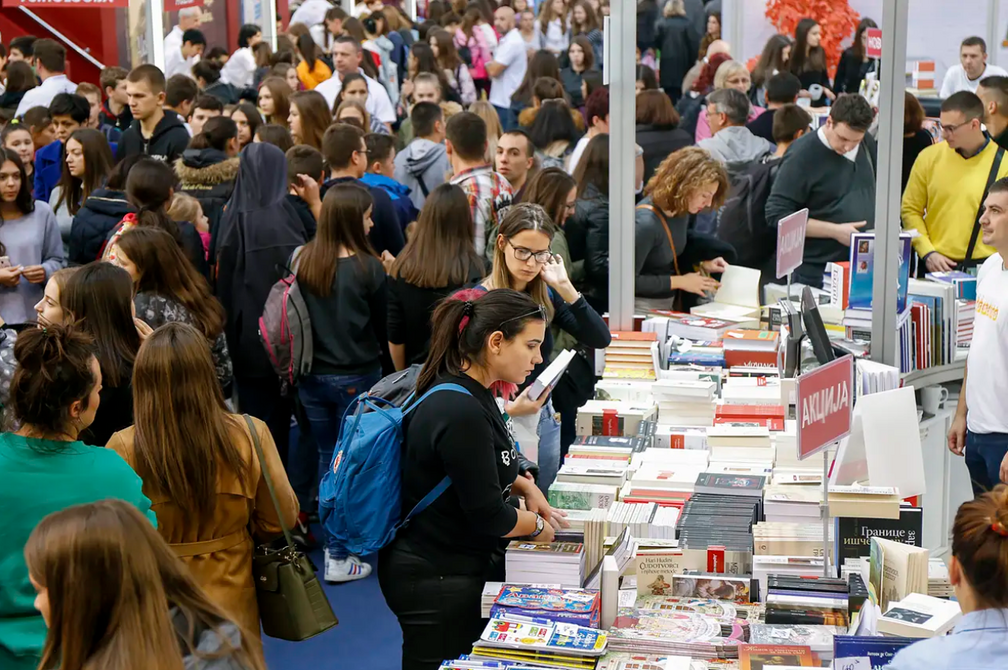 Staff pick
The International Belgrade Book Fair, held at Belgrade Fair Hall 1, is a cornerstone event for literature lovers across Southeast Europe. Bringing together leading…
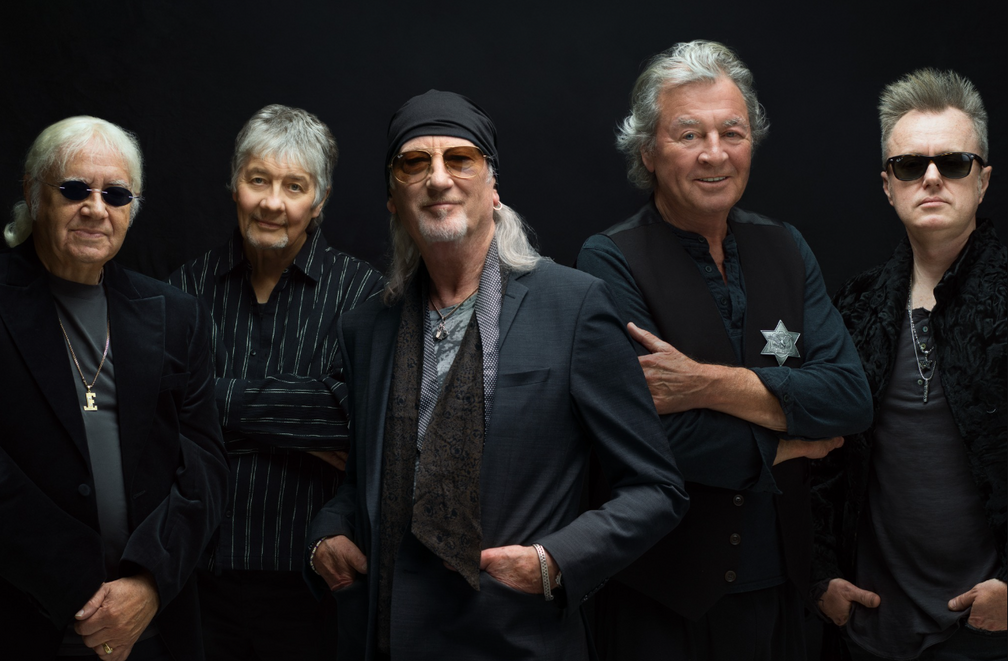
Legendary pioneers of hard rock, Deep Purple, are coming to Belgrade Arena on October 10, 2026, as part of their spectacular "MAD IN EUROPE"…
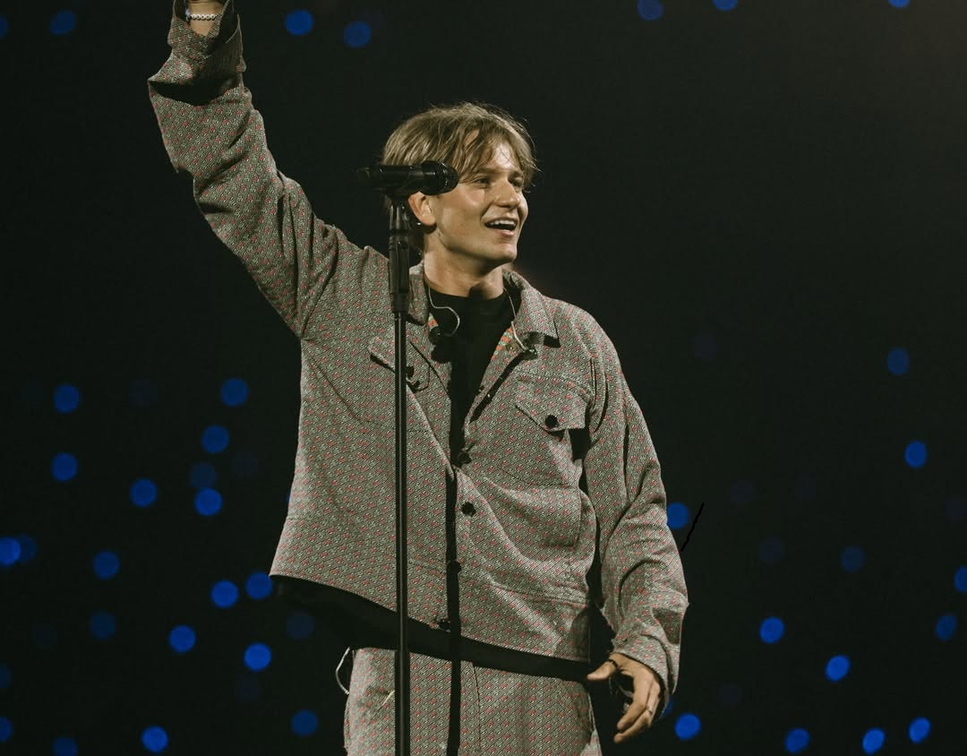
Jakov Jozinović returns to Belgrade Arena for his second concert following a record-breaking first show. Known for his viral hits, he brings a fresh…
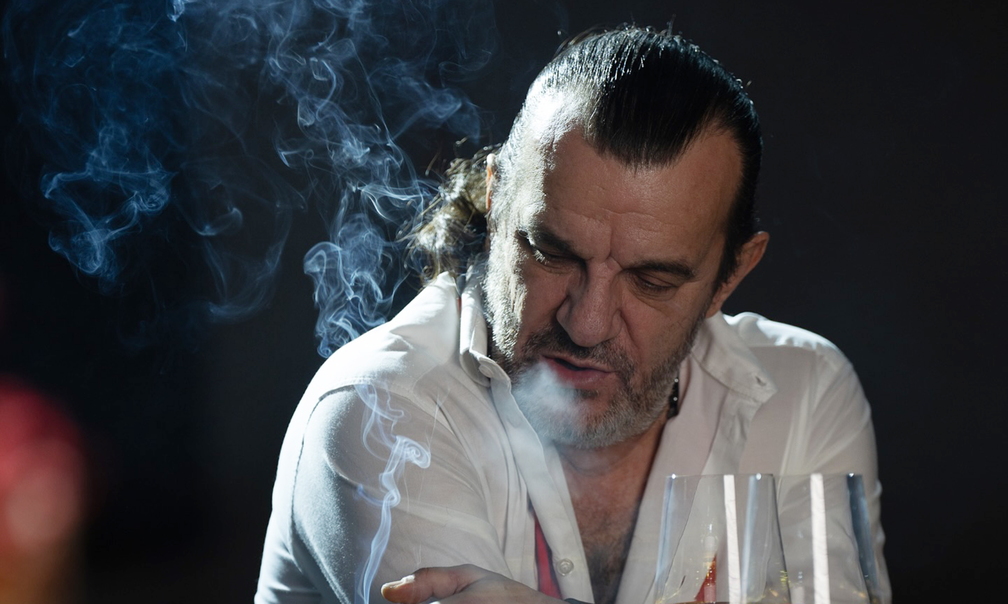
Aca Lukas returns to Belgrade Arena for a night filled with his greatest hits spanning decades. Expect a mix of iconic ballads and fast…
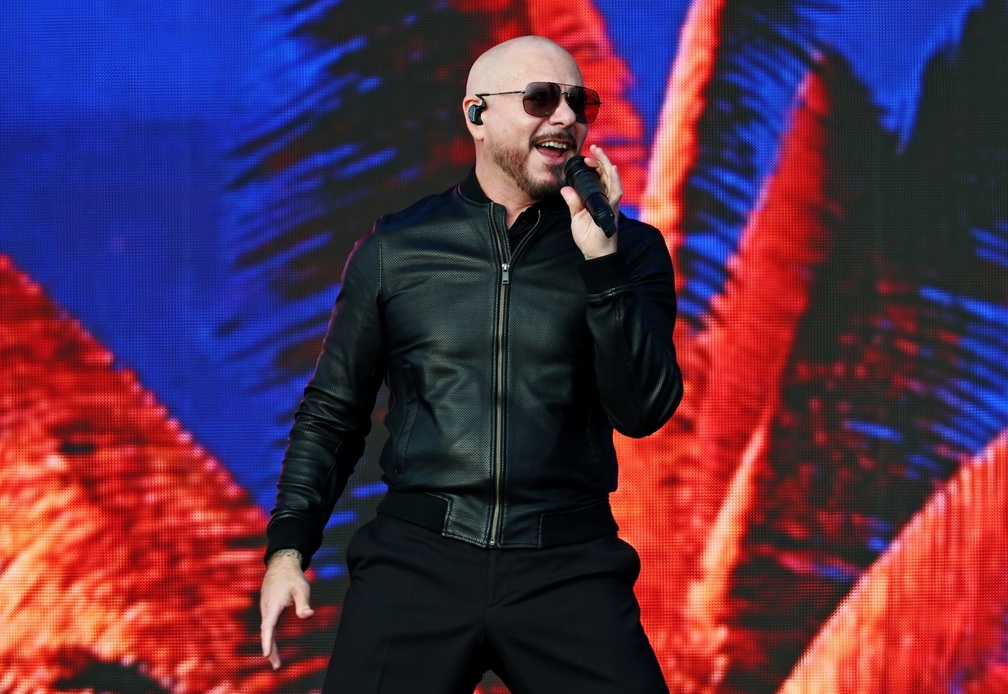
Pitbull is bringing his 'I'm Back' world tour to Belgrade Arena on November 13. Known as Mr. Worldwide, he delivers high-energy performances filled with…
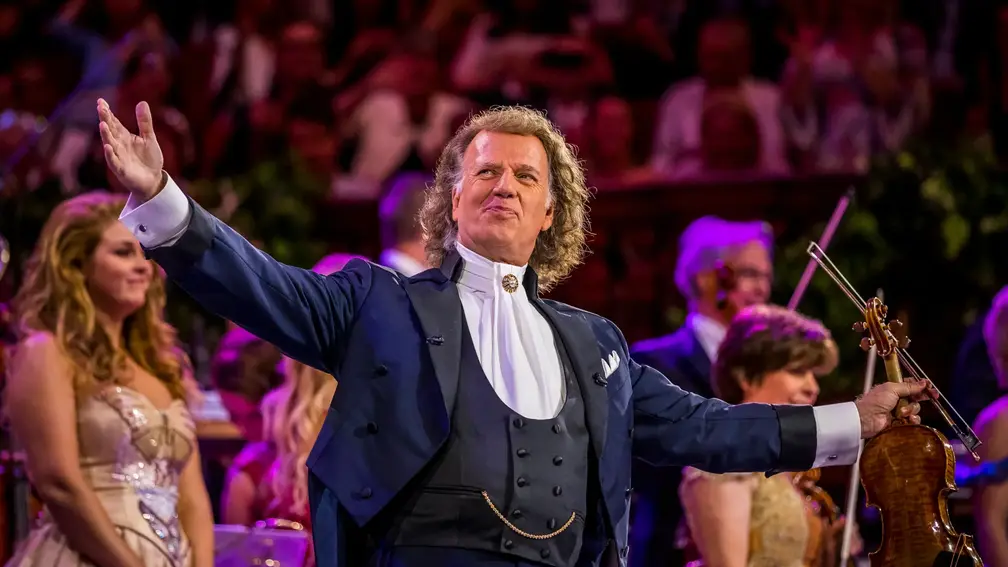
Andre Rieu, the world-renowned violinist and conductor, returns to Belgrade Arena for a spectacular concert on November 19, 2026. Expect a romantic program blending…
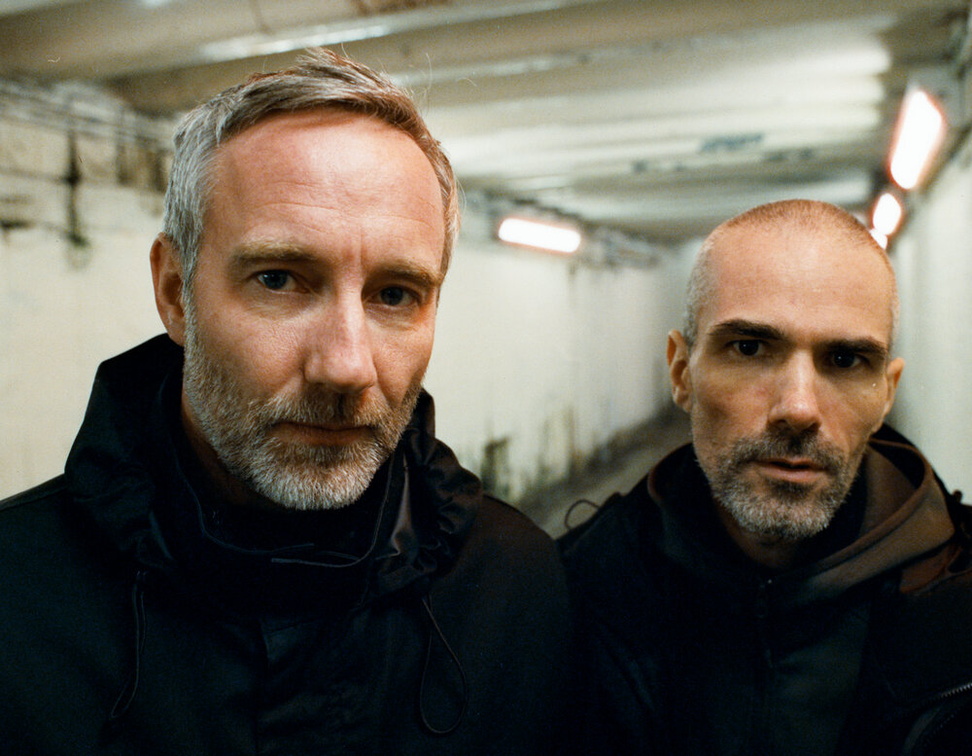
Autechre, the legendary experimental electronic duo, will perform in Serbia for the first time. Known for their influential and innovative contributions to IDM, they…
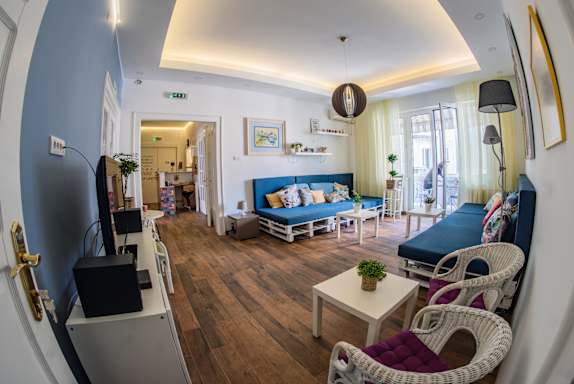
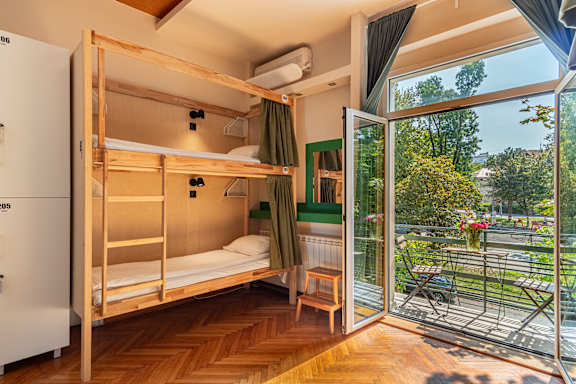
A large, cheap scene concentrated in the old centre and Dorćol. Live from Hostelworld.
April to June and September to October. July and August are very hot, but the barge clubs are open.
Average highs. Serbian Orthodox Christmas falls on 7 January, not 25 December, and Orthodox New Year on 13–14 January is celebrated alongside the ordinary one.
Pick how you travel. Per person per night, in euros — you will pay in dinars, at roughly 117 to the euro.
Shown in euros for comparison; Serbia uses the dinar and places accepting euros use poor rates.
The ones we get asked most.

Compare Belgrade hostels — live prices, real reviews and free cancellation on most bookings. Then meet the people already there in the app.

 Get the App.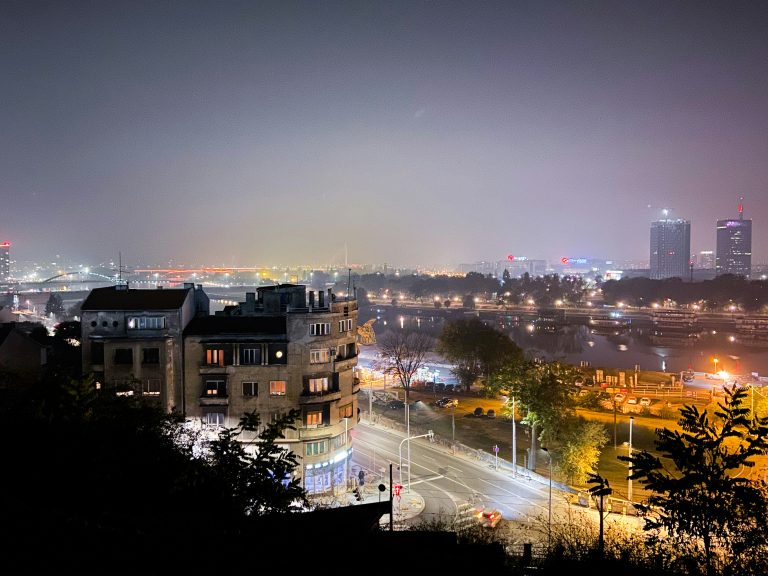
 Get the App.