Grossbasel
First-timersThe old town on the south bank: the cathedral, the town hall, the museums and most beds.

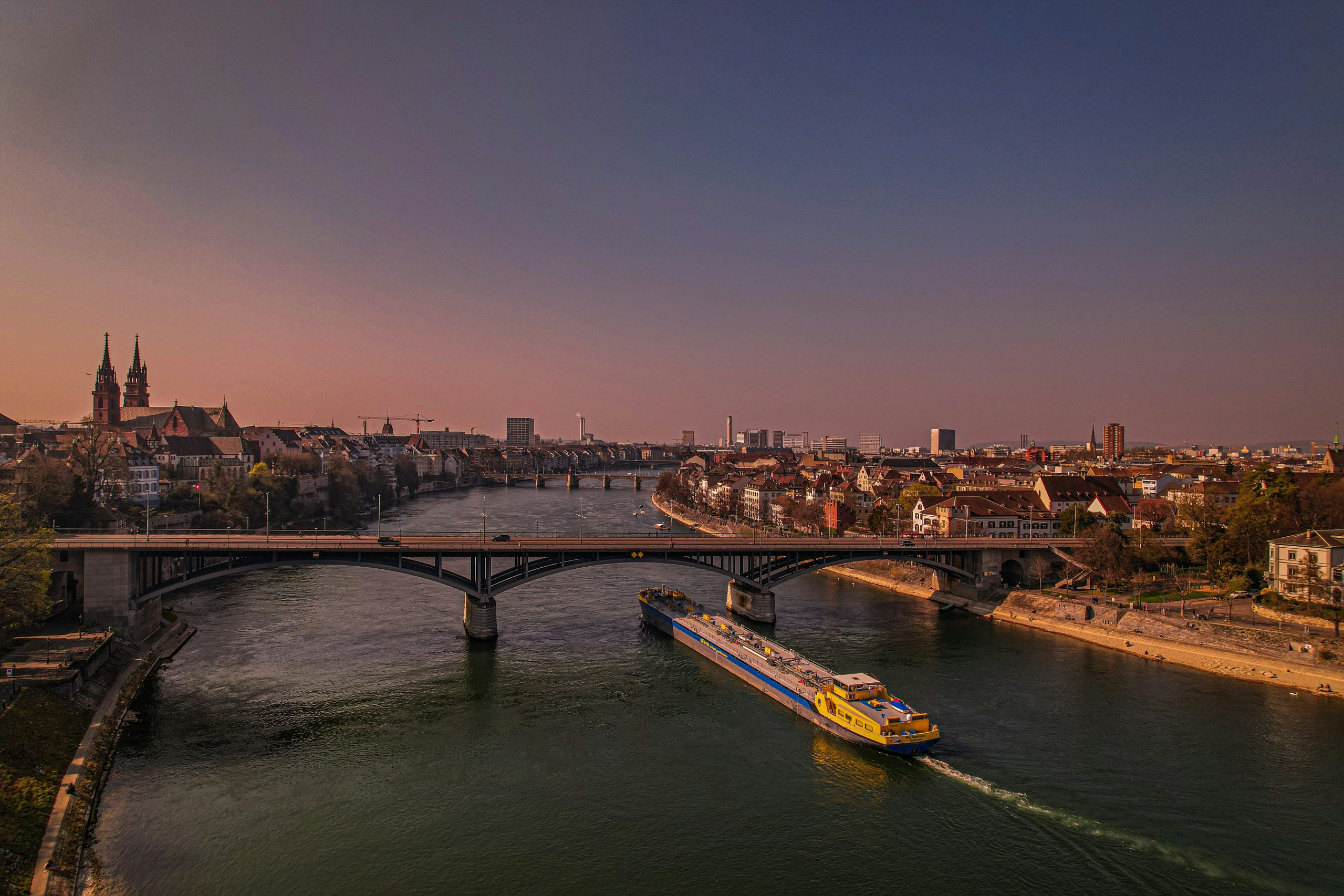
On the Rhine where Switzerland, France and Germany meet: forty museums, a carnival that starts at four in the morning, and a city that floats home from work down the river in summer.
Basel sits on a bend of the Rhine at the point where Switzerland, France and Germany meet, and its suburbs run into both neighbours.
It is Switzerland's museum city, with around forty of them, including the Kunstmuseum, one of the oldest public art collections in the world, the Fondation Beyeler, and the Museum Tinguely, full of the Swiss artist's moving machine sculptures. Art Basel in June is the most important contemporary art fair in the world.
In summer, Basel's great ritual is the Rhine swim. People pack their clothes into a waterproof bag called a Wickelfisch, walk upstream, jump in and float down past the old town, climbing out at steps along the bank.
Fasnacht, the carnival, is unlike any other: it begins at four in the morning on the Monday after Ash Wednesday, when every light in the old town goes out and masked cliques march through the dark with lanterns, fifes and drums. It is on UNESCO's intangible heritage list.
Overnight guests get a BaselCard with free public transport. Two days.
An old town on one bank of the Rhine, and a livelier district on the other.
The old town on the south bank: the cathedral, the town hall, the museums and most beds.
The north bank: the Rhine promenade, the swimming spots and the best bars.
Orange labels are neighbourhoods, dots are the 4 top-rated hostels. Map © MapTiler © OpenStreetMap contributors.
Swim the Rhine, if you are a confident swimmer. In summer, buy a Wickelfisch — a fish-shaped waterproof bag for your clothes — walk upstream along the Kleinbasel bank, get in, and float down past the old town, getting out at the steps. See the safety section first.
The Kunstmuseum, around CHF 16 (about €17), holds one of the oldest public art collections in the world, including the largest Holbein collection anywhere.
The Fondation Beyeler, in a Renzo Piano building in Riehen, has one of the finest modern art collections in Europe.
The Museum Tinguely is full of Jean Tinguely's kinetic machine sculptures, many of which you can set moving.
The red sandstone town hall and the cathedral, with its view over the Rhine from the terrace, are the centrepieces of the old town.
Cross the river on one of the traditional reaction ferries, small boats pushed across by the current alone.
Public transport is free for overnight guests with the BaselCard.
The Rhine promenade and the swimming spots are free.
The cathedral and its terrace over the river are free.
The town hall courtyard is free to walk into.
The Dreiländereck, the point where Switzerland, France and Germany meet, is marked by a monument at the Rhine port and is free.
Several museums offer free admission at certain times; check individual museums.
Expensive by European standards. A main is CHF 30 to 45 (about €32–48).
Basler Läckerli, a hard spiced biscuit made with honey and candied peel, is the local speciality.
Mehlsuppe, a flour soup, is eaten at dawn during Fasnacht.
Many locals shop over the border in Germany and France, where it is cheaper.
Coop and Migros restaurants are the budget answer.
A beer is CHF 7 to 10 (about €7.50–10.50).
Kleinbasel, on the north bank, has the best bars, and in summer the Rhine promenade is where the city drinks, with pop-up riverside bars called Buvettes.
A beer is CHF 7 to 10.
Art Basel in June brings international parties and crowds.
Fasnacht is the great event: three days of costumed cliques, fife and drum bands and lanterns, starting with the Morgestraich at four in the morning on the Monday after Ash Wednesday.
Trams and buses are free for overnight guests with the BaselCard, issued at check-in.
The old town is walkable, and the reaction ferries cross the river.
EuroAirport, a single airport shared by Switzerland, France and Germany, is about twenty minutes by bus. Check which side of the airport your flight uses.
Trains reach Zurich in about an hour, Bern in an hour, and Paris in about three hours by TGV. Germany is a tram ride away.
Expensive. Dorms are CHF 40 to 65 (about €42–69), a main CHF 30 to 45, and a beer CHF 7 to 10.
A day is €95 to €160.
The free BaselCard transport for overnight guests is a real saving.
Pay in francs, though euros are widely accepted here given the borders — at poor rates.
Shopping over the border in Germany is cheaper and is what many locals do.
Basel is safe, and the main risk is the river.
The Rhine is wide and fast, with strong currents and heavy barge traffic. The Basel swim is a local ritual done by people who know the river. Only confident swimmers should try it, stay close to the Kleinbasel bank, keep well away from the bridge piers and the shipping channel, never swim after drinking, and get out at the steps where locals do. People drown in the Rhine.
Fasnacht crowds are dense, especially at the Morgestraich in the dark.
Emergency number is 112.
Three countries, a design campus and a waterfall.
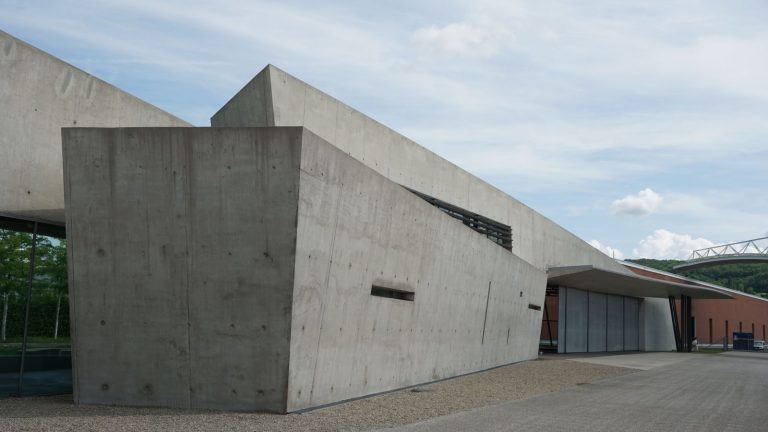
A design museum and buildings by Gehry, Hadid and others.
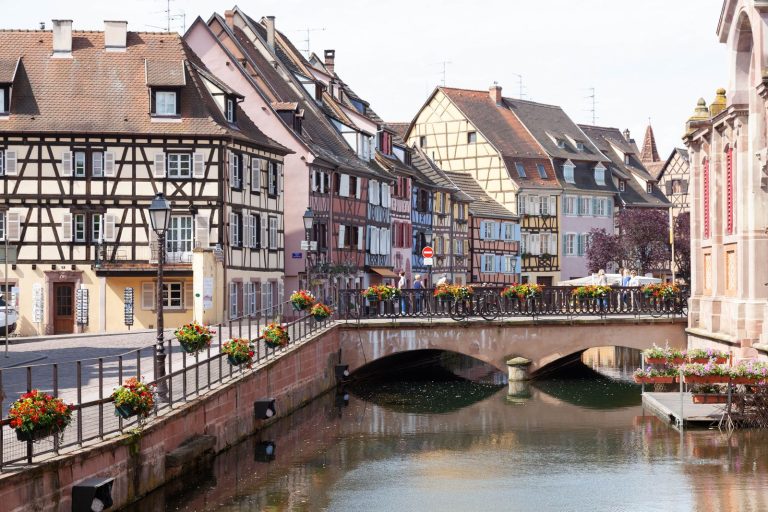
Half-timbered Alsace, with canals.
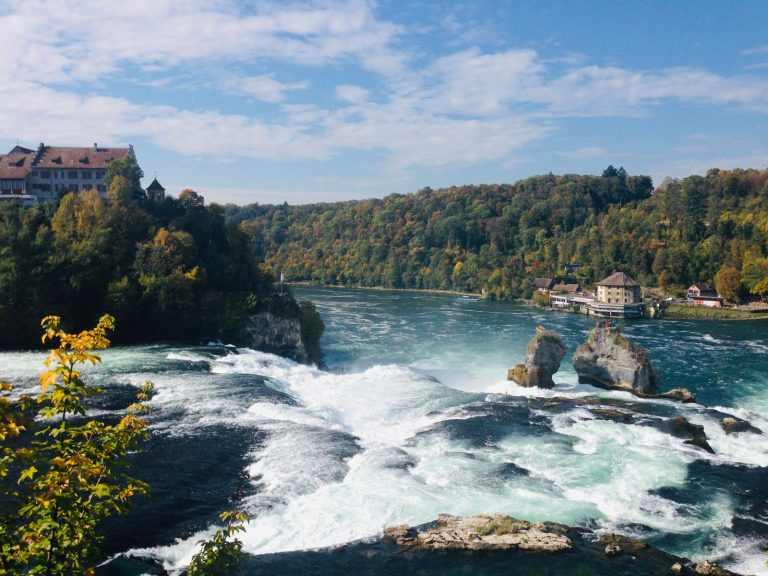
Europe's largest waterfall by volume.
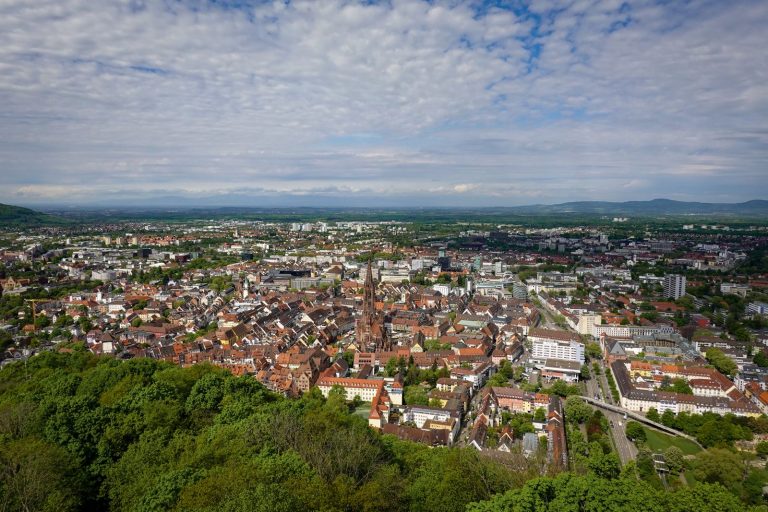
The sunniest city in Germany, and the Black Forest.
A carnival that begins in darkness at 4am, and the world's leading art fair.
 Staff pick
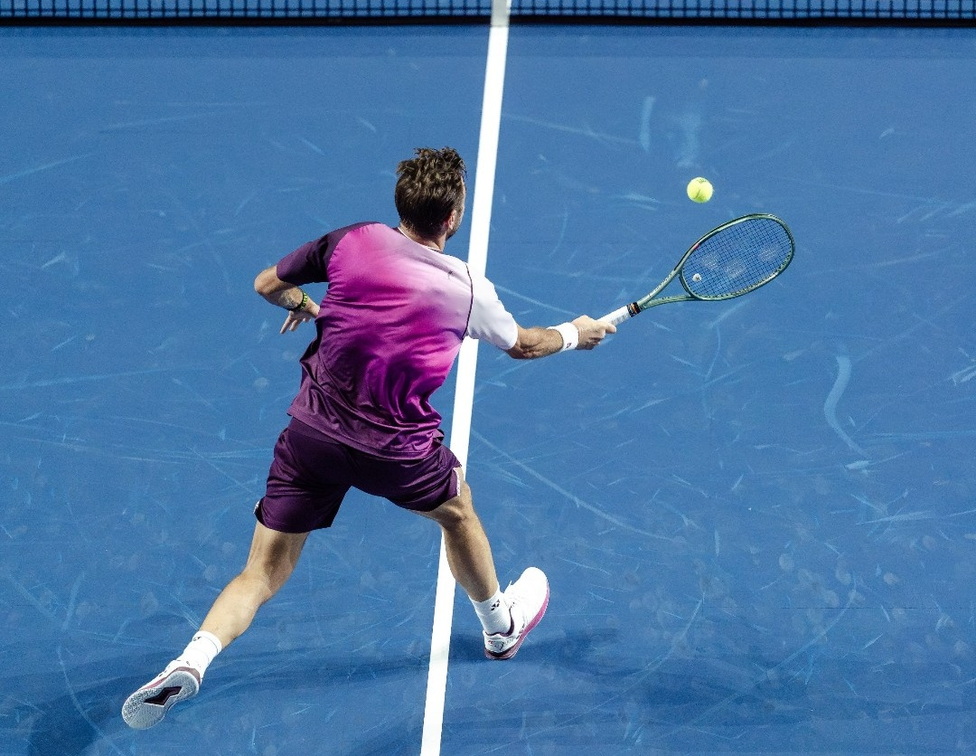
Swiss Indoors Basel brings the excitement of ATP Tour 500 tennis to Basel, Switzerland, drawing top-ranked players and rising stars to the renowned St.…
 Staff pick
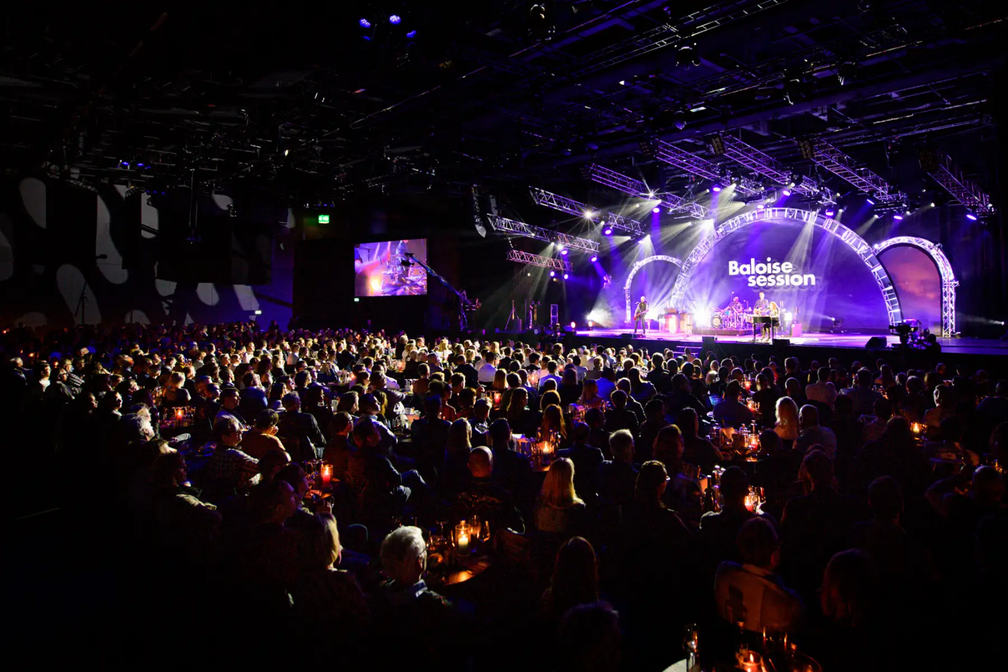
The Baloise Session in Basel, Switzerland, is a renowned boutique music festival celebrated for its intimate, candlelit club atmosphere at the Event Hall, Messe…
 Staff pick
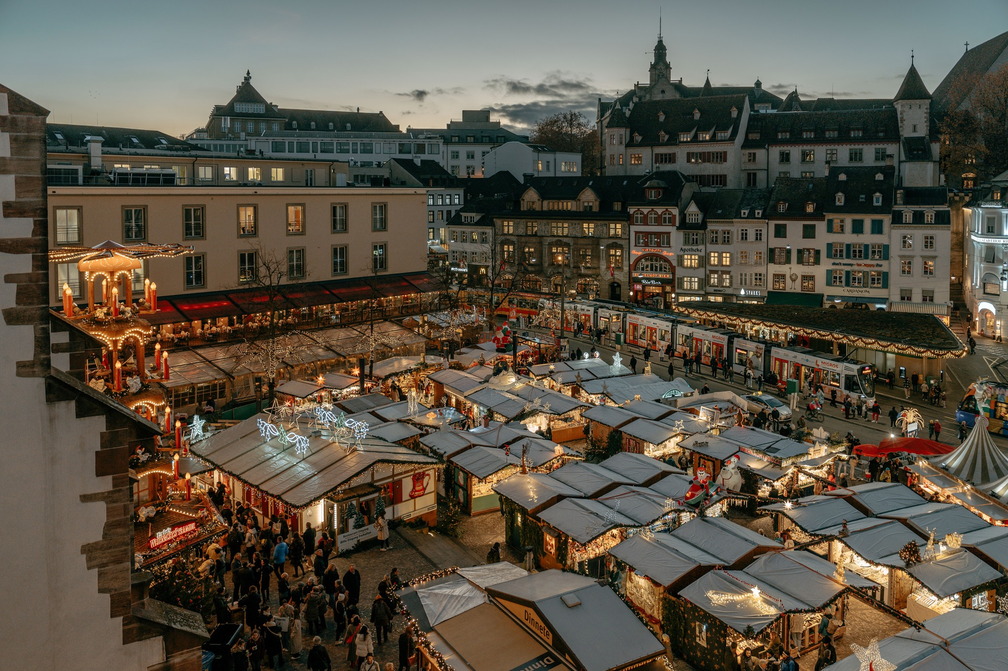
The Basel Christmas Market transforms the heart of Basel, Switzerland, into a festive wonderland each holiday season, drawing visitors from across Europe. Set against…
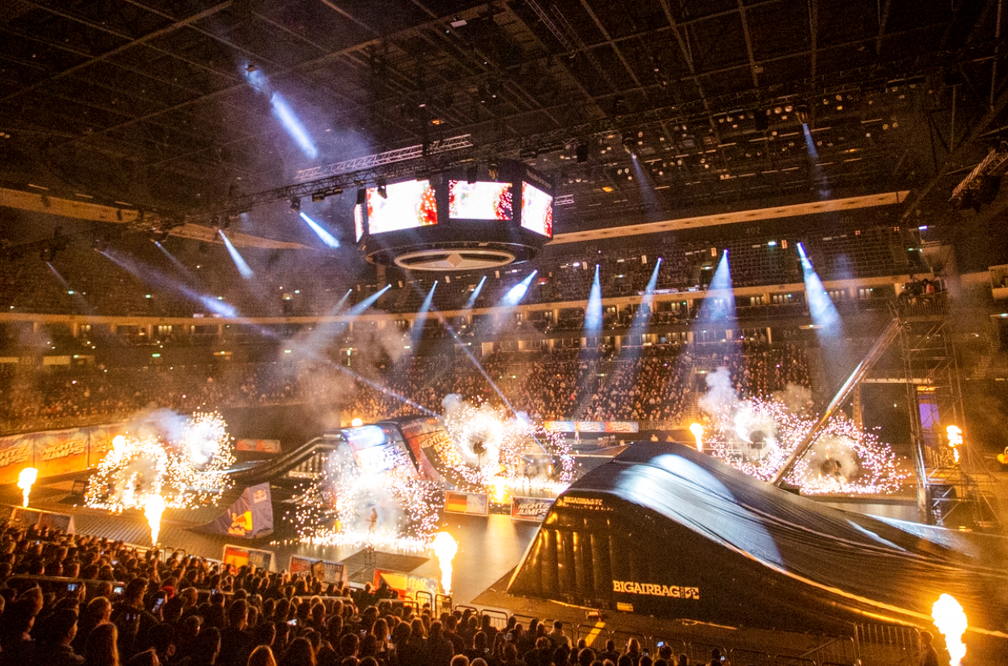 Staff pick
Night of the Jumps is a thrilling, high-adrenaline event that stands as one of the world's premier freestyle motocross (FMX) competitions. This spectacular show…
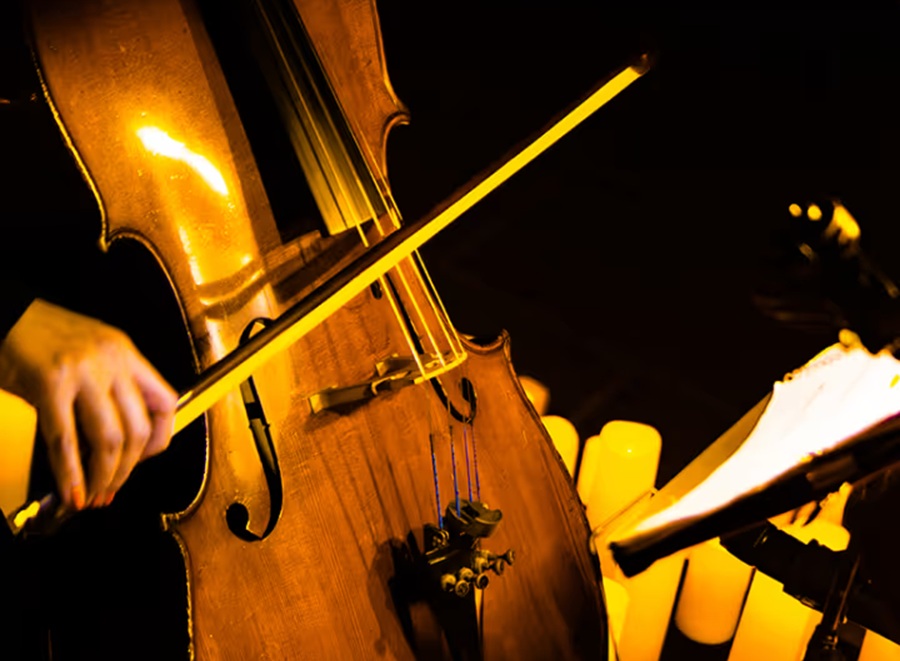
Candlelight: Ed Sheeran & Coldplay is a live music experience held in various locations in Basel, transforming venues into stunning concert settings illuminated by…
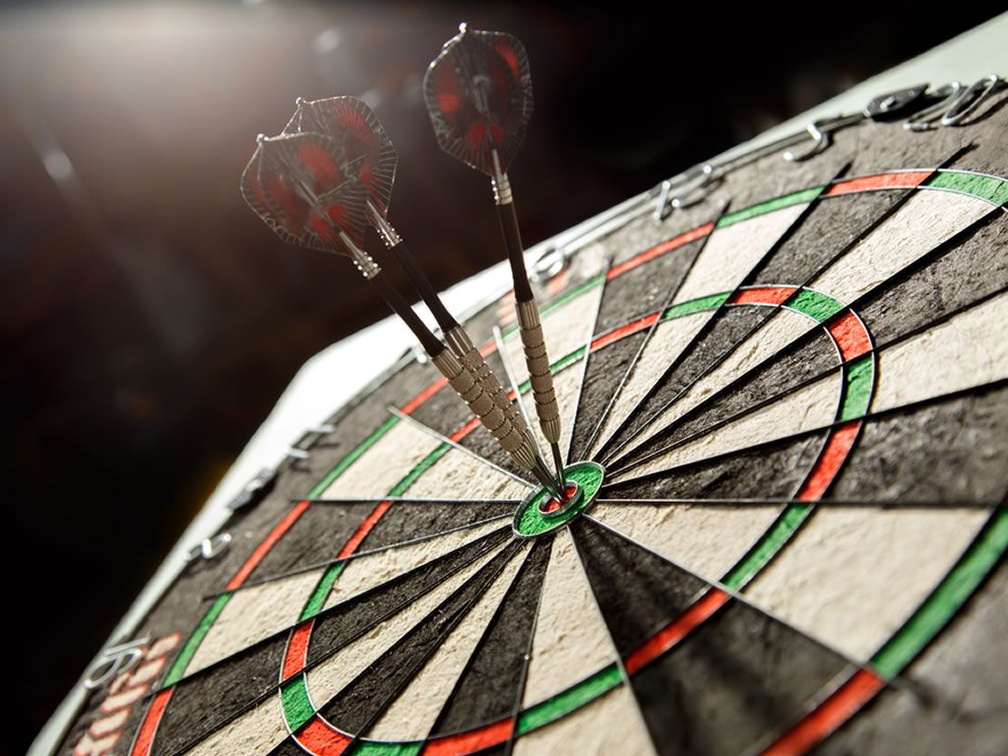
The Swiss Darts Trophy returns to St. Jakobshalle Basel for its third consecutive year, establishing Basel as the darts hotspot of Switzerland. The event…
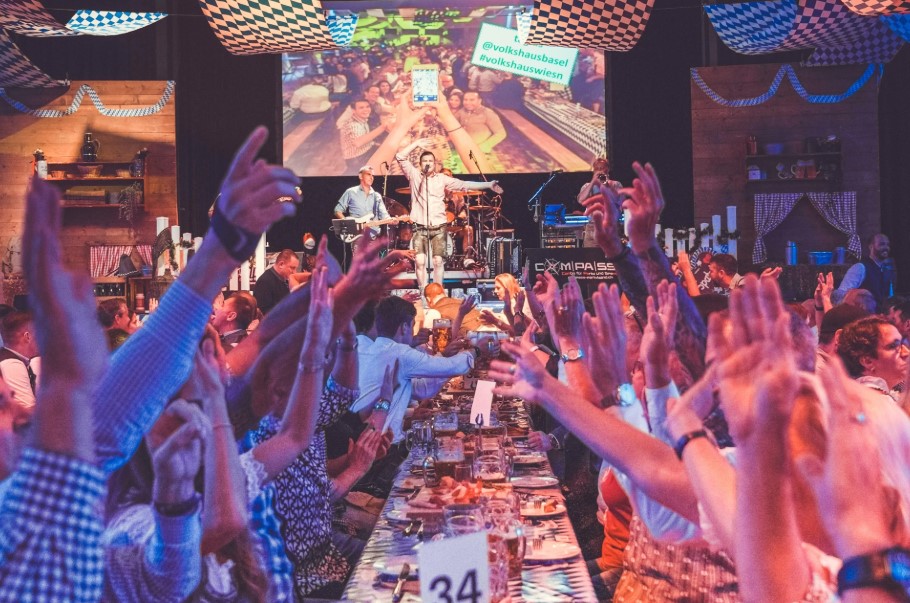
Volkshaus Wiesn is a two-day event held at Volkshaus Basel, bringing a festive atmosphere to the venue. The event takes place on Friday and…
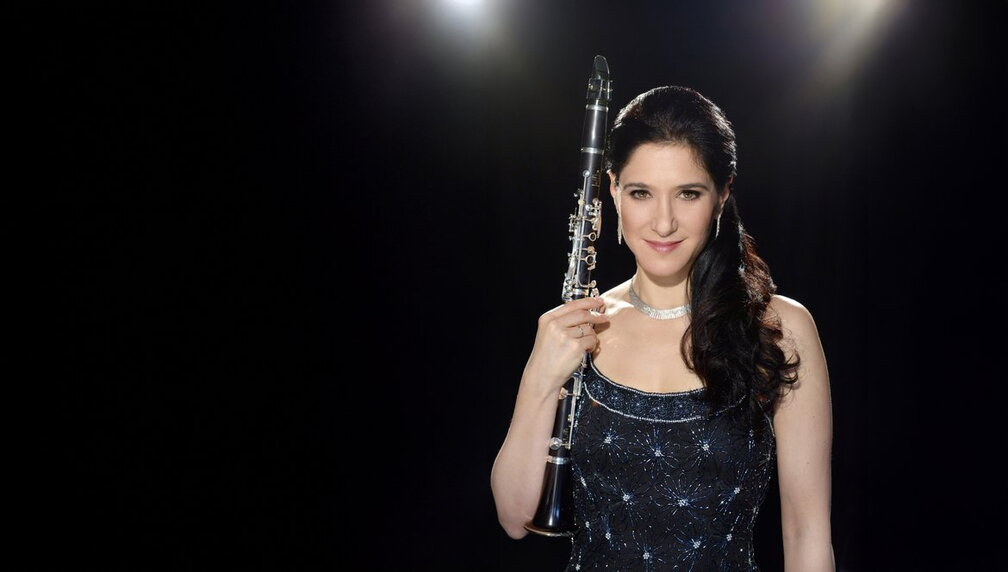
This concert centers on breath as a vital element connecting musicians and shaping sound. Mendelssohn's 'Verleih uns Frieden, gnädiglich' opens the evening with a…
A small scene in both halves of the city. Ask for your BaselCard at check-in. Live from Hostelworld.
June to August for the Rhine swim. Late winter for Fasnacht.
Average highs. Fasnacht falls in February or March, on the Monday after Ash Wednesday, so the date moves with Easter.
Pick how you travel. Per person per night, in euros — you will pay in Swiss francs, at roughly 1.06 euros to the franc.
Shown in euros for comparison; you pay in Swiss francs. Transport is near zero for overnight guests with the BaselCard.
The ones we get asked most.

Compare Basel hostels — live prices, real reviews and free cancellation on most bookings. Then meet the people already there in the app.

 Get the App.
 Get the App.