
Free Things To Do In Brussels
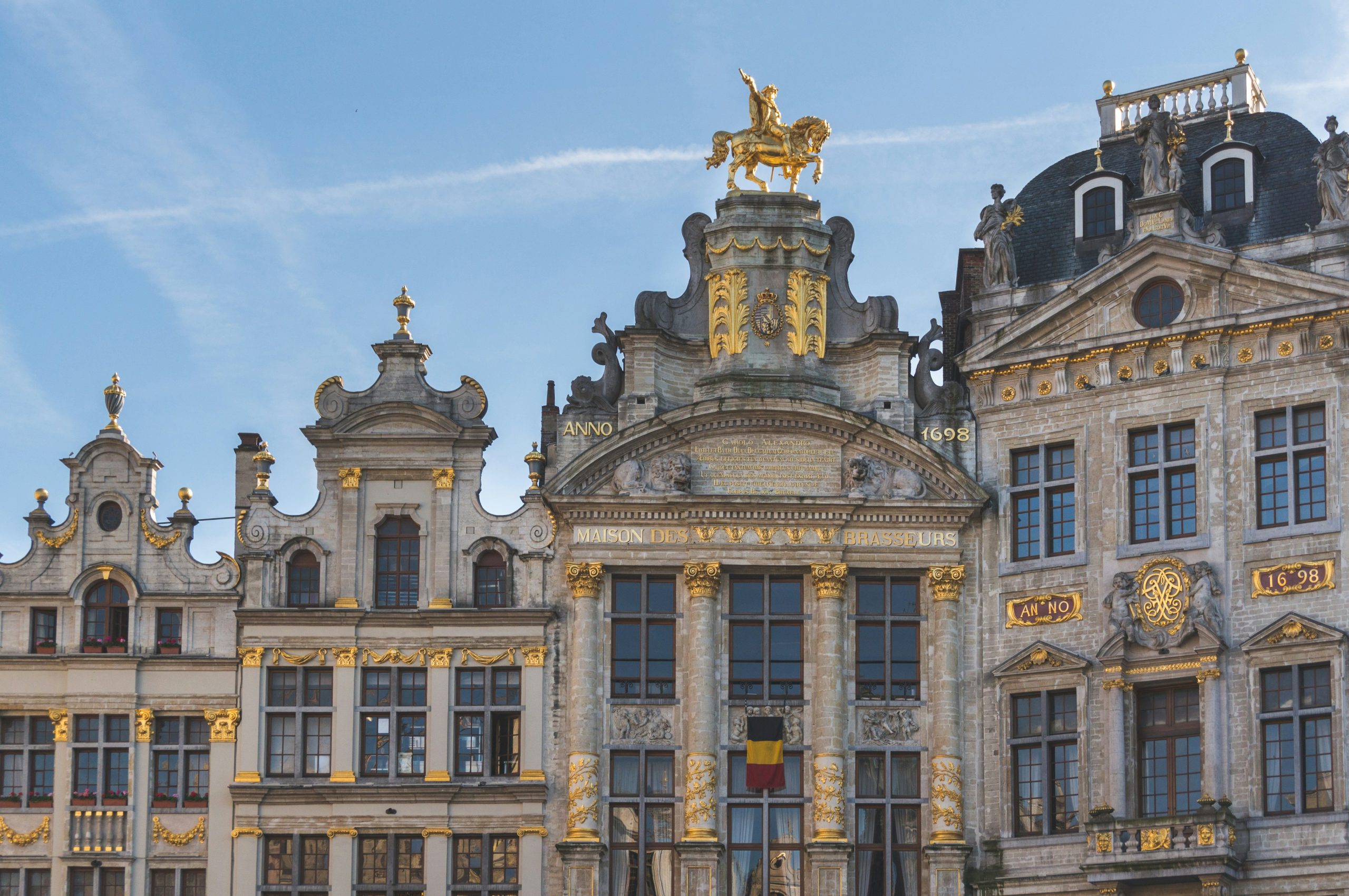
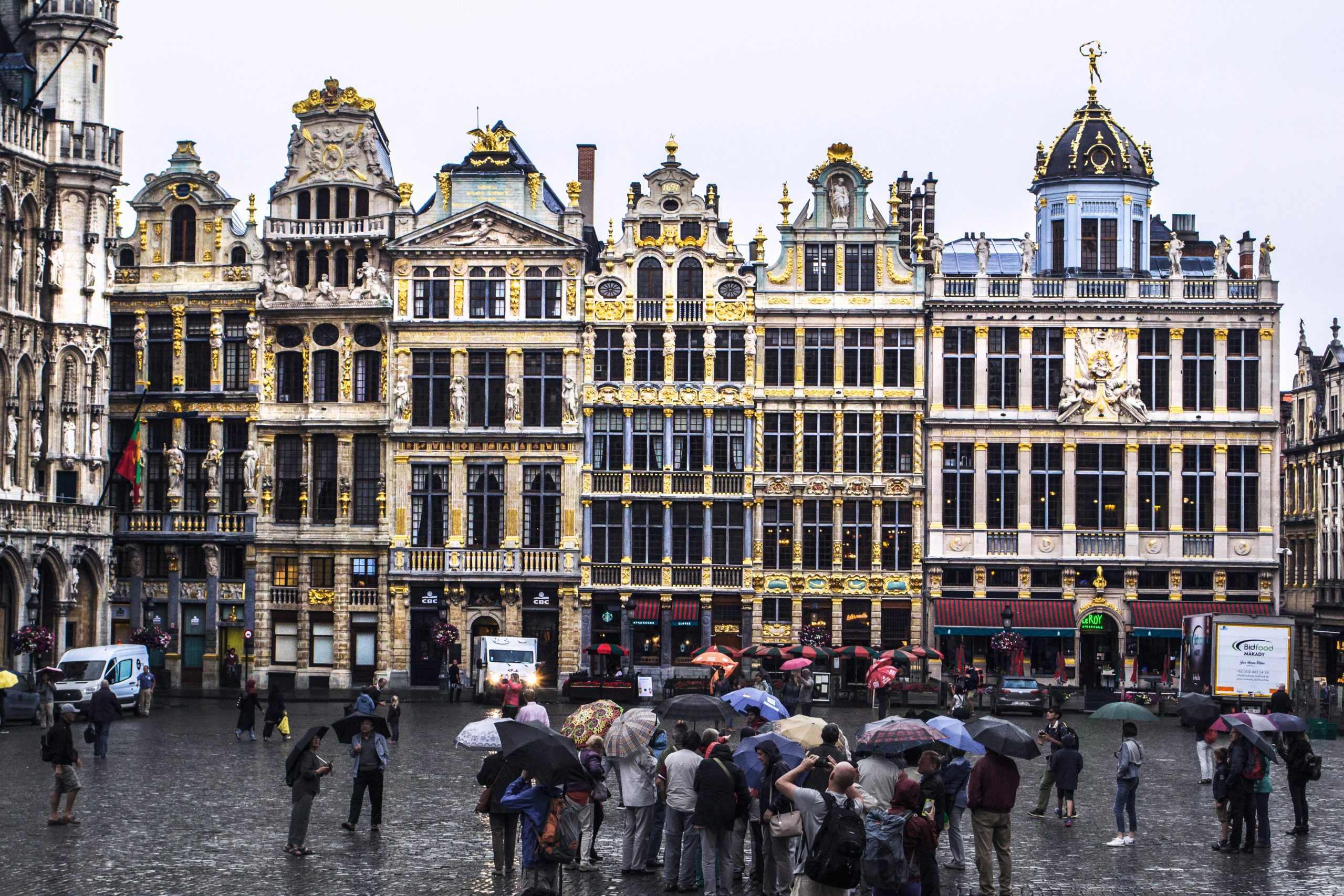
Brussels has a reputation problem. People arrive expecting grey EU office blocks and leave wondering why nobody told them about the gilded guildhalls, the Art Nouveau side streets and the sheer number of things you can do here without opening your wallet. The truth is that the best free things to do in Brussels are also some of the best things to do in Brussels, full stop.
This is a city where the single most impressive sight, the Grand Place, costs nothing to stand in. Where 50-plus comic book murals are painted straight onto the buildings. Where the federal museums throw open their doors for free once a month, and where a cone of frites still costs less than a coffee in Paris.
Here is exactly how to do Brussels on a budget, from genuinely free attractions to the cheap eats and hostels that keep the rest of your trip affordable.
🏛️ What are the best free things to do in Brussels?
The short answer: more than you’d expect from a capital city. These are the ones worth building a day around.
| Free attraction | Why it earns your time |
|---|---|
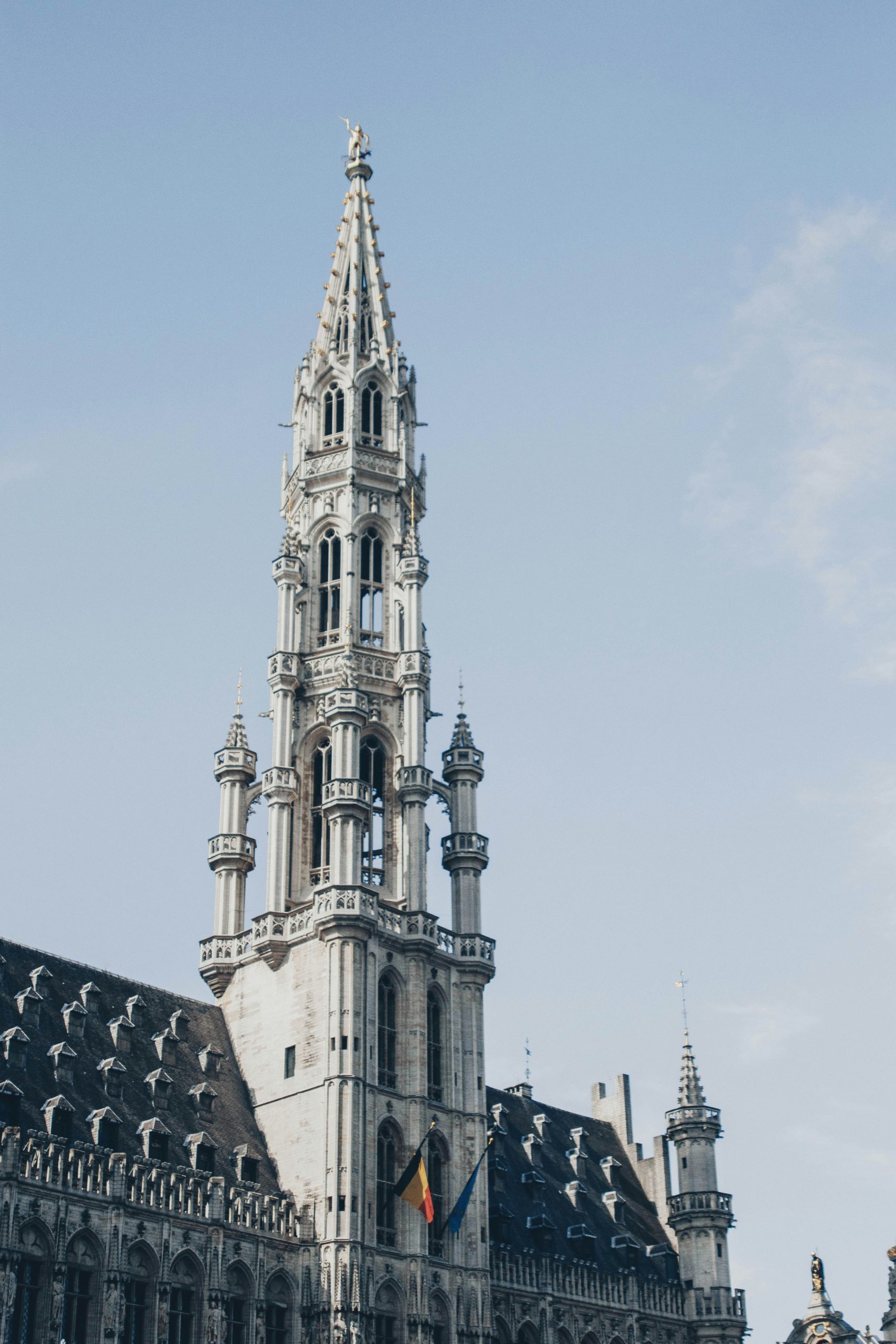
| Grand Place | UNESCO-listed, ringed by baroque guildhalls. Best at 8am or after dark when the facades are lit |
| Manneken Pis | Tiny, silly, sometimes dressed in costume. Two minutes of your life, zero euros |
| Galeries Royales Saint-Hubert | A glass-roofed 1847 shopping arcade. Wander, don’t buy |
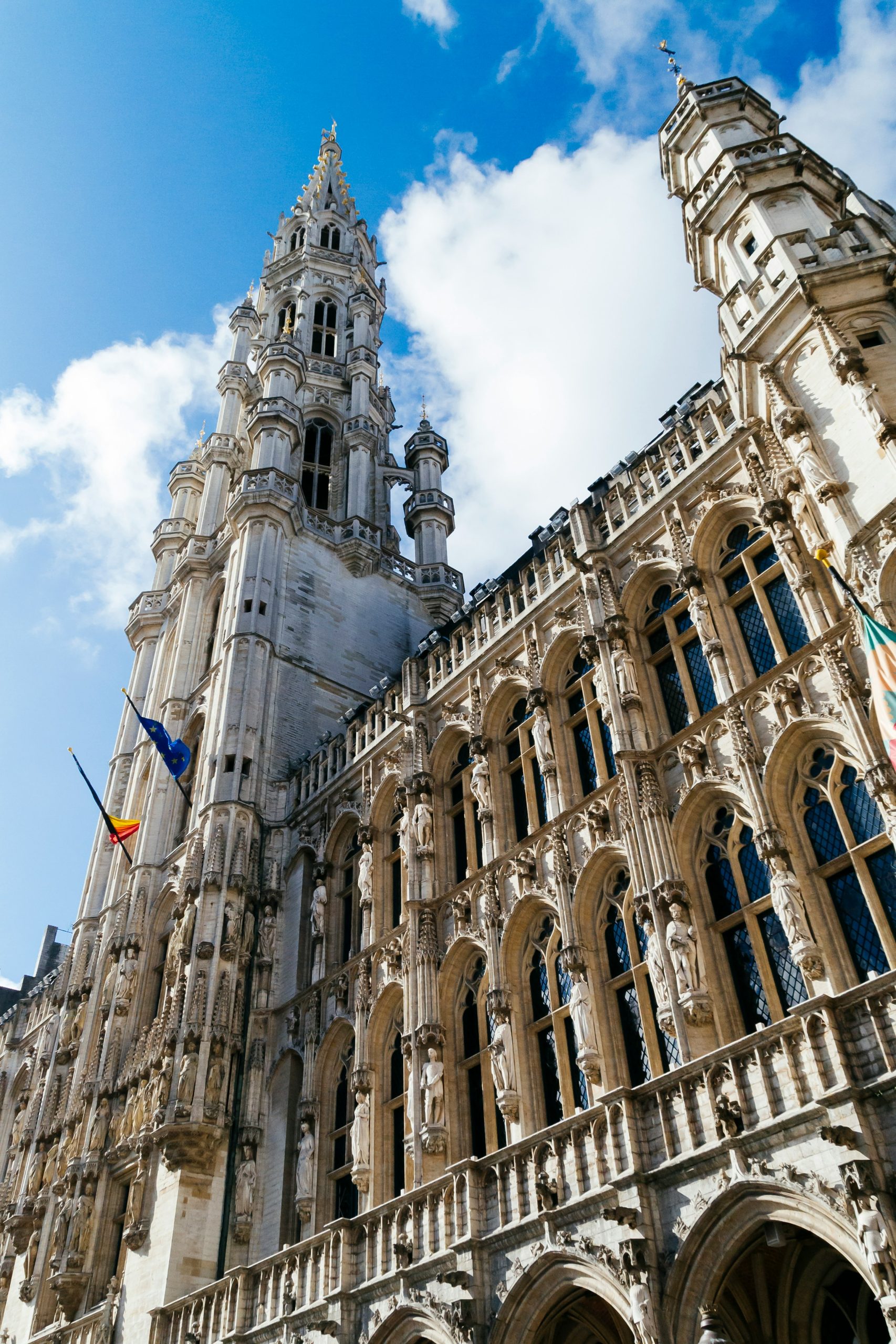
| Mont des Arts | The city’s best free viewpoint, looking straight over the rooftops to the Town Hall spire |
| Comic Strip Route | Over 50 giant murals of Tintin, the Smurfs, Lucky Luke and Asterix, scattered across the centre |
| Cathedral of St Michael and St Gudula | Free entry to the nave. The crypt and treasury are ticketed |
| Parlamentarium & House of European History | Both permanently free, both surprisingly good |
💡 Quick tip: The Royal Palace of Brussels opens to the public free of charge for roughly six weeks each summer, usually late July to early September. Check the dates before you travel, because it’s one of the biggest freebies in the city.
🍟 Where can you eat and drink cheaply in Brussels?
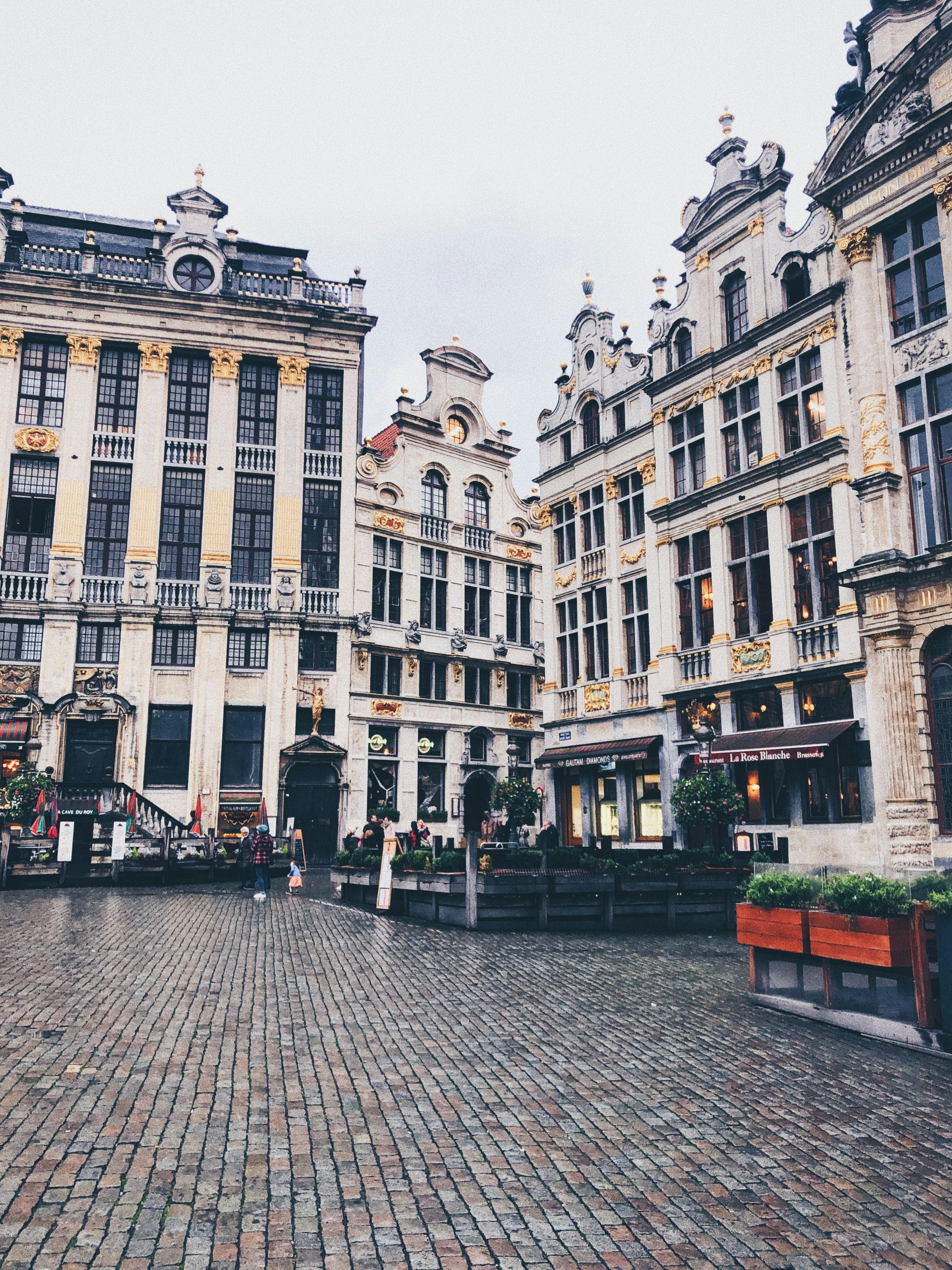
Belgian food is not expensive food. It only becomes expensive when you eat it on Rue des Bouchers, the restaurant street just off Grand Place where waiters wave menus at passing tourists. Walk five minutes in almost any direction and prices drop by half.
Where the cheap eats actually are:
- Fritkots (fry kiosks) serve a proper cone of double-fried frites with sauce for around €3.50 to €4.50. Fritland, Friterie Tabora and Flit Flagey are all reliable.
- Pitta and durum joints around Rue du Marché aux Fromages will fill you up for €6 to €8.
- Street waffles cost €2 to €4. The sit-down café version costs triple.
- Supermarkets are your friend: Aldi, Lidl and Colruyt undercut the Delhaize and Carrefour Express shops in the centre.
- Belgian beer is €1.50 to €2.50 a bottle from a supermarket, versus €4.50 to €7 in a bar.
Tap water is safe and free. Ask for une carafe d’eau rather than paying €3.50 for bottled.
🌳 Which free outdoor spaces and neighbourhoods are worth wandering?
Brussels is greener than its skyline suggests, and its neighbourhoods are the real attraction. Walking them costs nothing and tells you far more about the city than any ticketed museum will.
Parc du Cinquantenaire is the showstopper: 30 hectares built for Belgium’s 50th birthday, crowned by a triumphal arch, with free deckchairs scattered across the lawns in summer. Parc Léopold and Parc de Bruxelles are smaller and handy between sights, while Bois de la Cambre rolls south into the Sonian Forest, a UNESCO-listed ancient beech woodland reachable on a normal tram ticket.
For neighbourhoods, pick two and take your time:
- The Marolles for flea markets, cheap cafés and zero pretension
- Saint-Géry for bar terraces and weekend brunch crowds
- Ixelles and Flagey for student energy, ponds and Art Deco architecture
- Sablon for antiques and window-shopping chocolate you can’t afford
- The canal district for warehouse conversions and large-scale street art
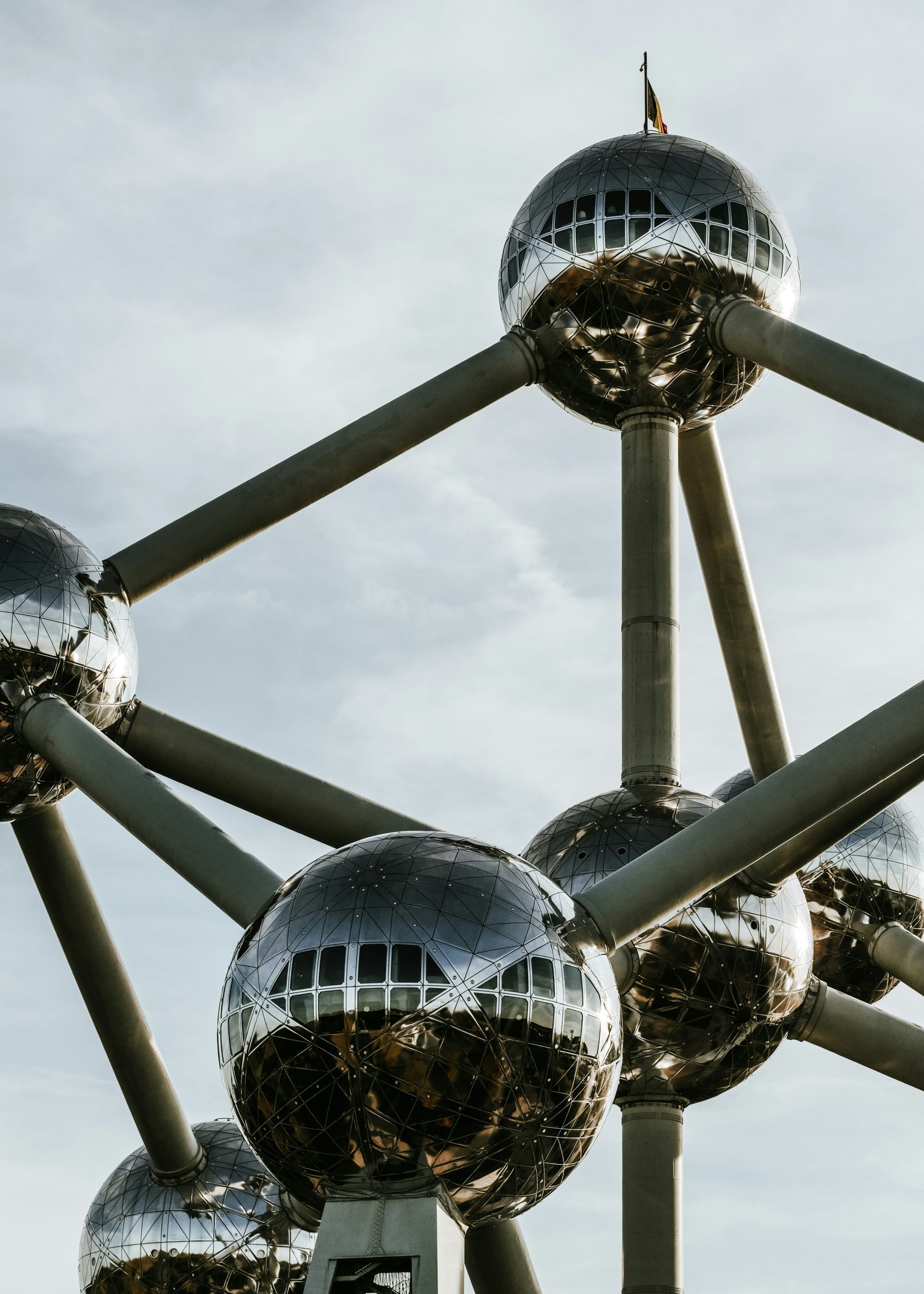
You can also see the Atomium from outside for free, standing in the surrounding park. Going inside costs money.
🎨 What free cultural experiences can you find in Brussels?
This is where a bit of timing pays off enormously.
Free museums in Brussels, by date:
Federal museums, including the Royal Museums of Fine Arts and the Musical Instruments Museum, waive admission on the first Wednesday of every month from 1pm. The City of Brussels museums, such as the Brussels City Museum and the Fashion & Lace Museum, are typically free on the first Sunday of the month. Both schemes are popular, so arrive early and expect queues.
Free every day of the year:
- Parlamentarium and the House of European History
- The National Bank of Belgium Museum
- The Wiertz Museum and the Constantin Meunier Museum, two quiet studio-houses most visitors never find
Then there’s the architecture, which is a free museum in itself. Victor Horta’s Art Nouveau facades are dotted through Saint-Gilles and Ixelles, and you can admire them all from the pavement.
Markets round it out. Place du Jeu de Balle runs a daily flea market from around 6am, and the Midi Market on Sunday mornings is one of Europe’s largest.
🚶 Are free walking tours in Brussels worth doing?
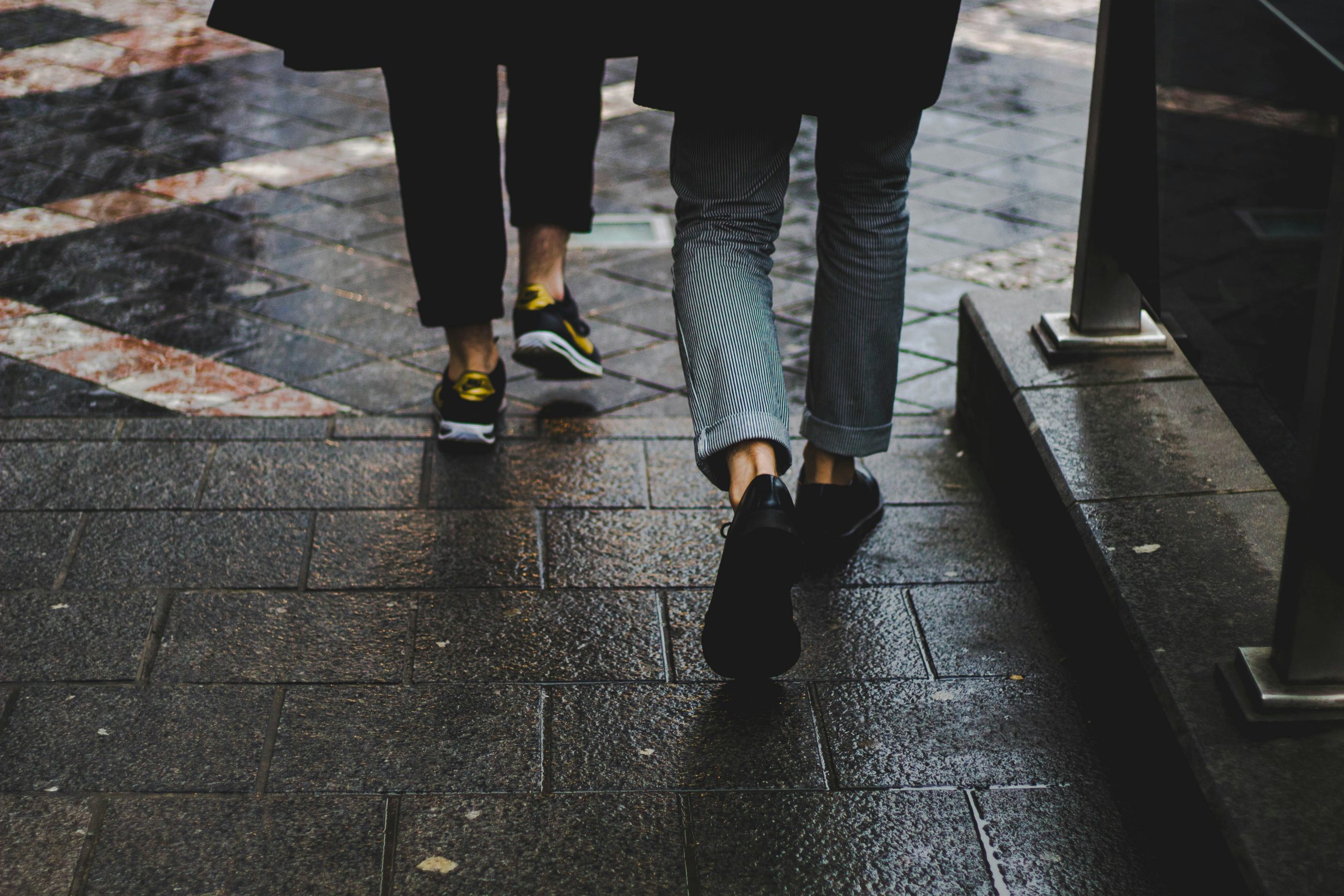
Yes, with one caveat: free walking tours in Brussels are tip-based, not actually free. Guides work for whatever you hand over at the end, and the going rate is €5 to €10 per person if you enjoyed it.
What you get for that is genuinely good value. Most tours leave from the Grand Place or Central Station, run two to three hours, and cover the historic centre, the comic mural route or the food-and-beer angle. A decent guide will also tell you which chocolate shops are tourist traps and where locals actually drink, which saves you money for the rest of the trip.
Worth knowing:
- Book online in advance. Popular slots fill in summer.
- Bring cash. Tipping by card is rarely an option.
- Several hostels run their own tours and pub crawls, often the easiest way to see the city and meet people at once.
For more local intel, the Hostelworld team’s local’s guide to Brussels digs into the lesser-known corners.
🛏️ Which budget hostels should you book in Brussels?
Brussels has around 28 hostels listed on Hostelworld, and dorm prices are refreshingly reasonable for a Western European capital. All prices below are indicative starting rates and shift with season and demand.
Book Safestay Brussels Grand Place
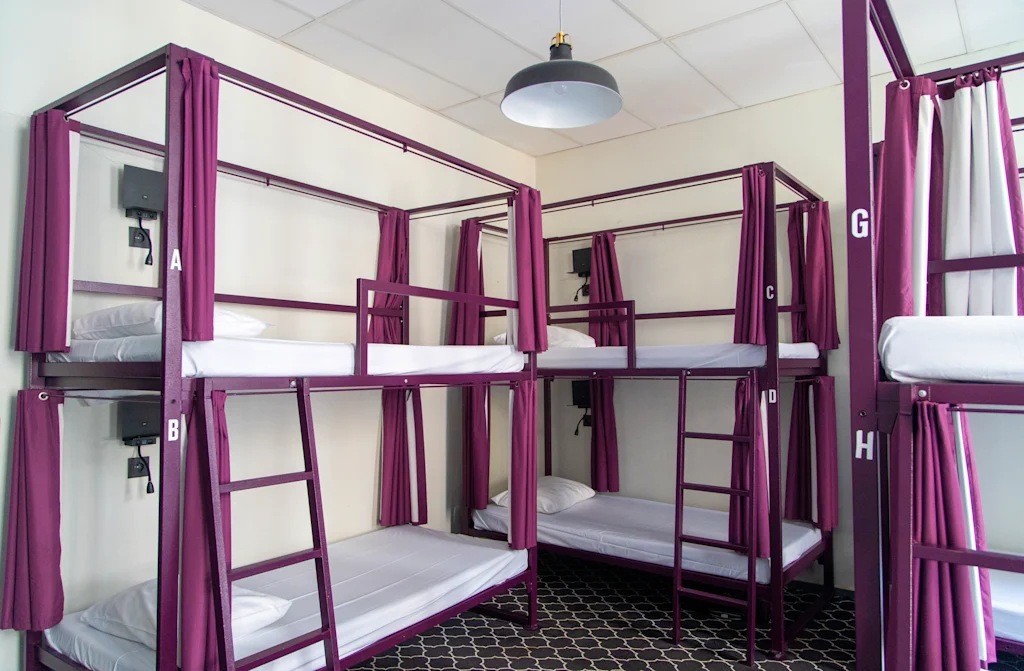
Safestay Brussels Grand Place
Rated 7.7 with over 2,400 reviews, and just 220m from the city centre, this is as close to the Grand Place as budget beds get. Dorms start from around €19, and the hostel runs its own events calendar.
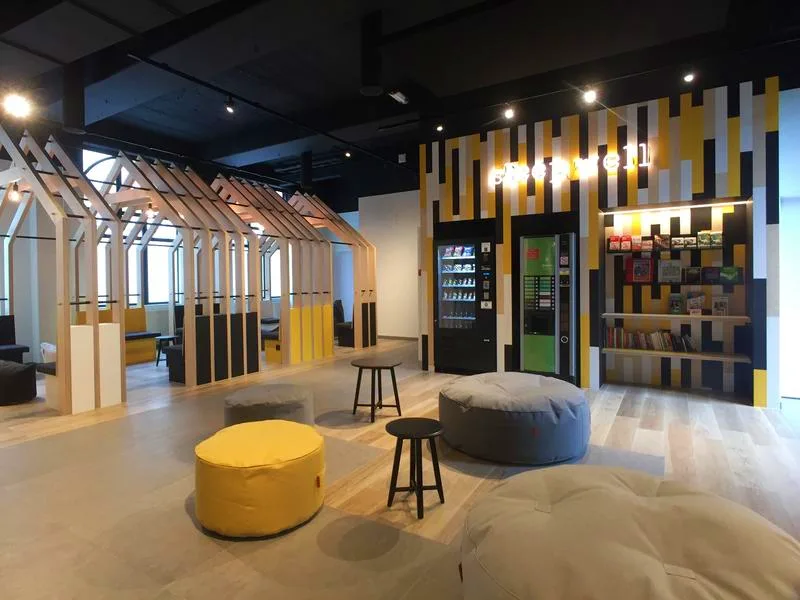
Sleep Well Youth Hostel
A 2026 Hoscars winner for Most Improved Hostel, rated 8.9 from more than 7,600 reviews. Free breakfast is the budget headline here, roughly €5 a day you don’t spend elsewhere. Beds from around €25.
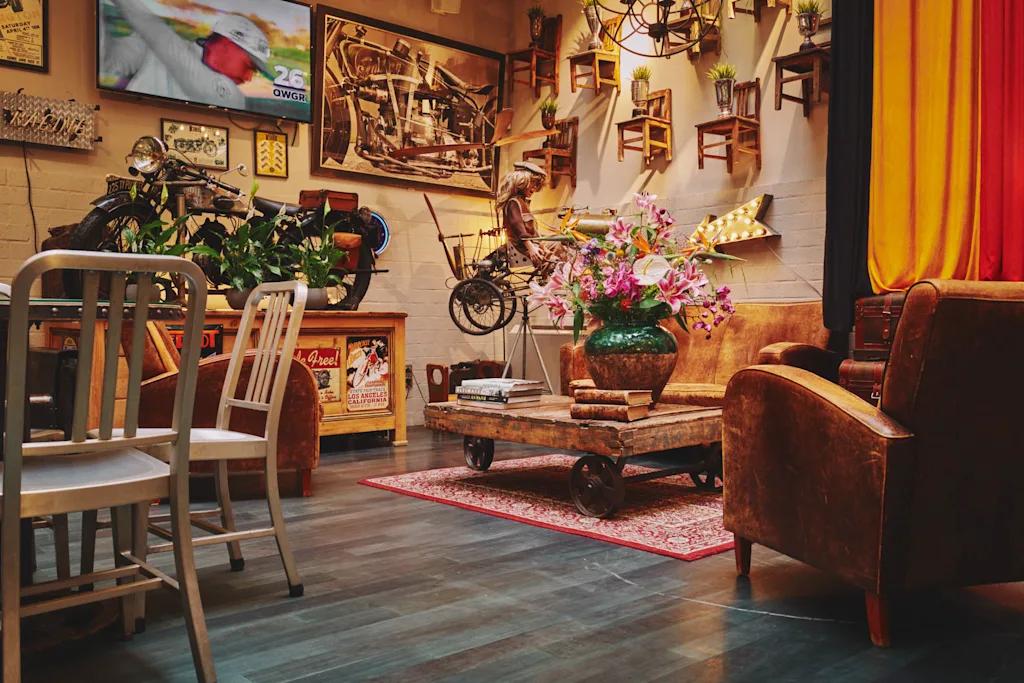
Book The Legacy by 2GO4 City Center
The Legacy by 2GO4 City Center
Rated 8.4 across 12,000-plus reviews, 450m from the centre, with private rooms starting from around €9 on quieter dates. One of the best value-for-location picks in the city.
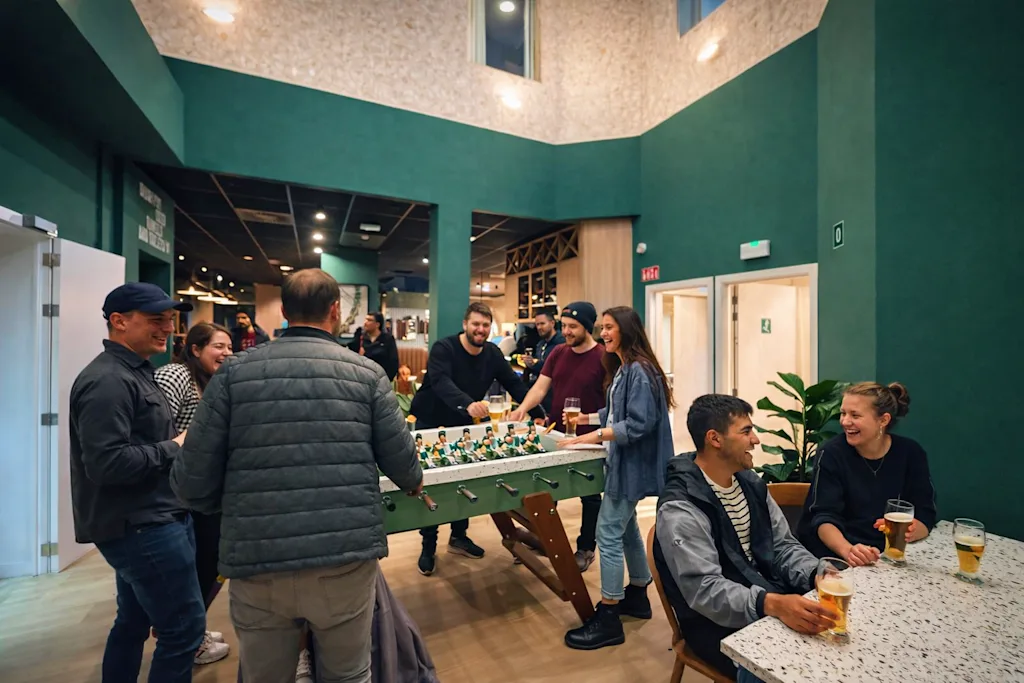
Latroupe Grand Place
Voted 1st for Most Popular Hostels at the 2025 Hoscars and rated 9.0. A design-led hybrid hostel with events, food and a properly social atmosphere. Dorms from around €26.
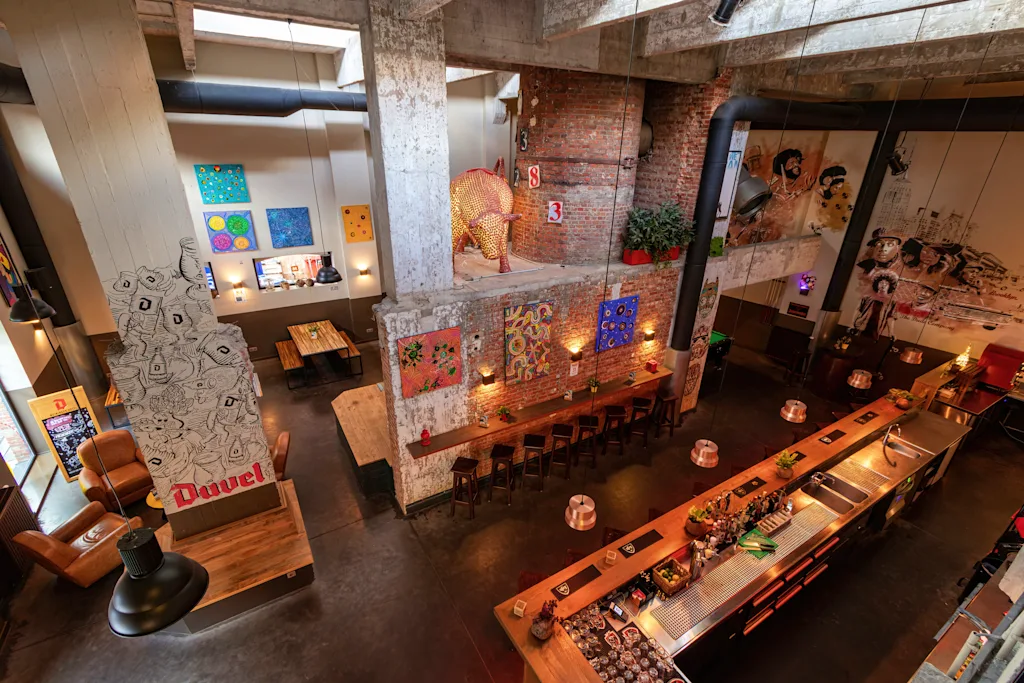
Book MEININGER Bruxelles City Center
MEININGER Bruxelles City Center
Rated 8.9 from over 20,000 reviews and a 2025 Hoscars country winner. Sits along the canal, ten minutes’ walk from Grand Place, with a self-catering kitchen that keeps food costs down. From around €24.
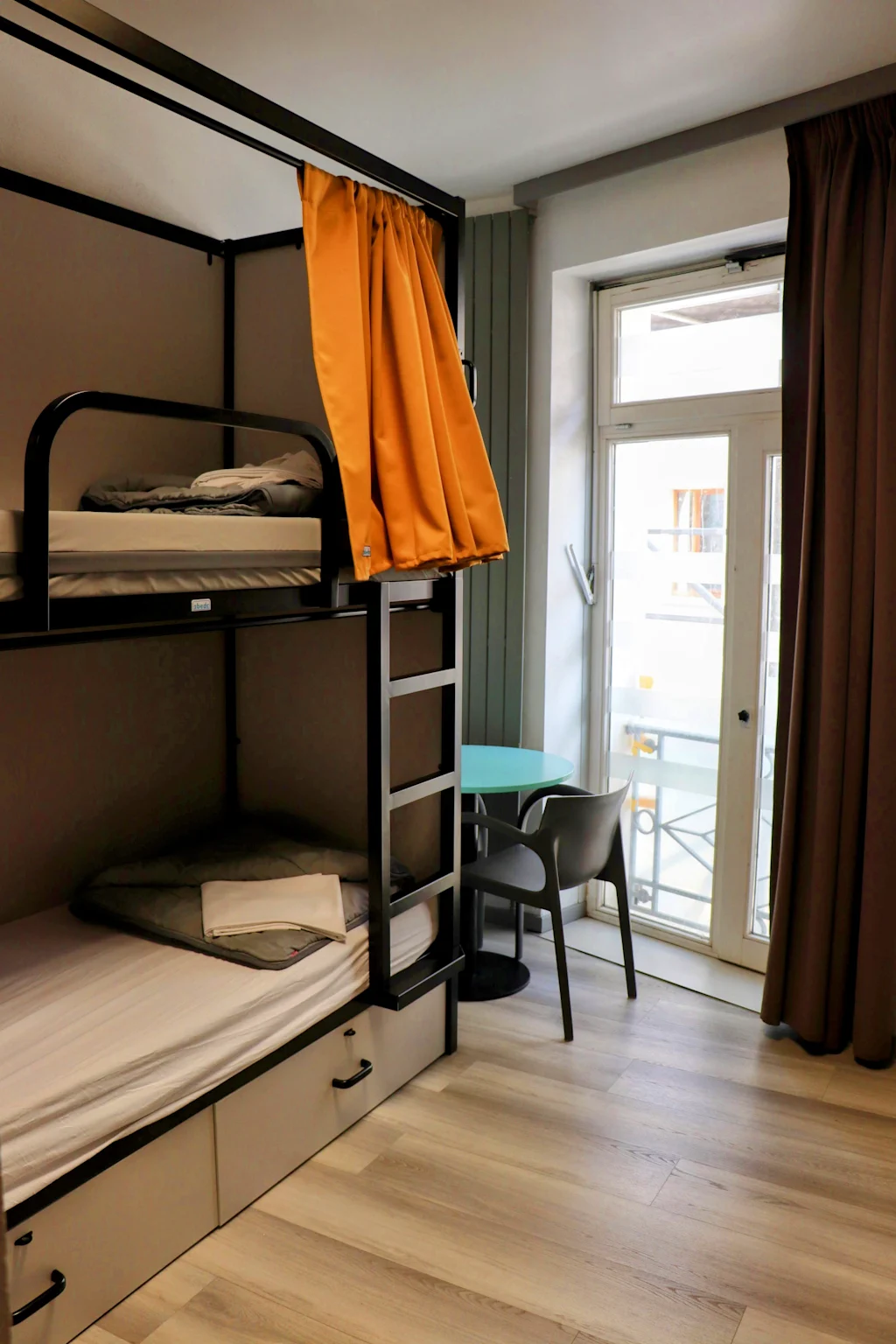
Book Jacques Brel Youth Hostel
Jacques Brel Youth Hostel
Rated 8.2, with free breakfast, a bar, a kitchen and a courtyard. Slightly out of the tourist crush at just over 1km from the centre, which is often reflected in the price. From around €25.
💛 So, is Brussels worth visiting on a budget?
Absolutely, and arguably more than most European capitals. The maths is simple: a hostel dorm from €19 to €26, food for €15 to €25 a day if you lean on fritkots and supermarkets, and an itinerary built almost entirely from free things to do in Brussels.
A realistic budget day looks like this: free morning walk through the Grand Place and the Galeries, a €4 cone of frites for lunch, an afternoon in Parc du Cinquantenaire or hunting comic murals, then a supermarket beer with people from your dorm.
Add a first-Wednesday museum visit if your dates line up, and you’ve seen more of the city than someone who spent €120 on tickets.
Free things are better shared, too. Download the Hostelworld app to join the Brussels City Chat before you land, or grab a Social Pass from €4.99 to meet travellers and join events even without a booking.
Brussels also sits at the centre of a very small country, so read up on the best day trips from Brussels and turn one booking into a whole Belgian itinerary.
Download the Hostelworld app to start booking now


❓FAQs: Free Things To Do In Brussels


 Get the App.