
Hidden Gems in Italy: The Road Less Travelled
taly is world-famous for its historic cities and postcard landmarks – but beyond the packed piazzas of Rome and Venice lies another Italy entirely. Down quiet country roads and along lesser-trodden coasts, you’ll find hidden gems in Italy waiting to be explored. These are the medieval villages, pristine beaches, and sleepy historic towns that many tourists overlook. From a “Sleeping Beauty” Renaissance city in the north to turquoise-water beaches in the far south, Italy’s offbeat destinations offer rich culture and authentic experiences without the crowds. Traveling to these spots is easier than you might think (yes, there are trains and hostels even in the small towns!), and the reward is a more personal connection with Italian life. So, if you’re ready to go beyond the typical tourist trail, pack your sense of adventure and let’s dive into Italy’s best offbeat treasures!
Mantova, Lombardy – Renaissance History Without the Crowds
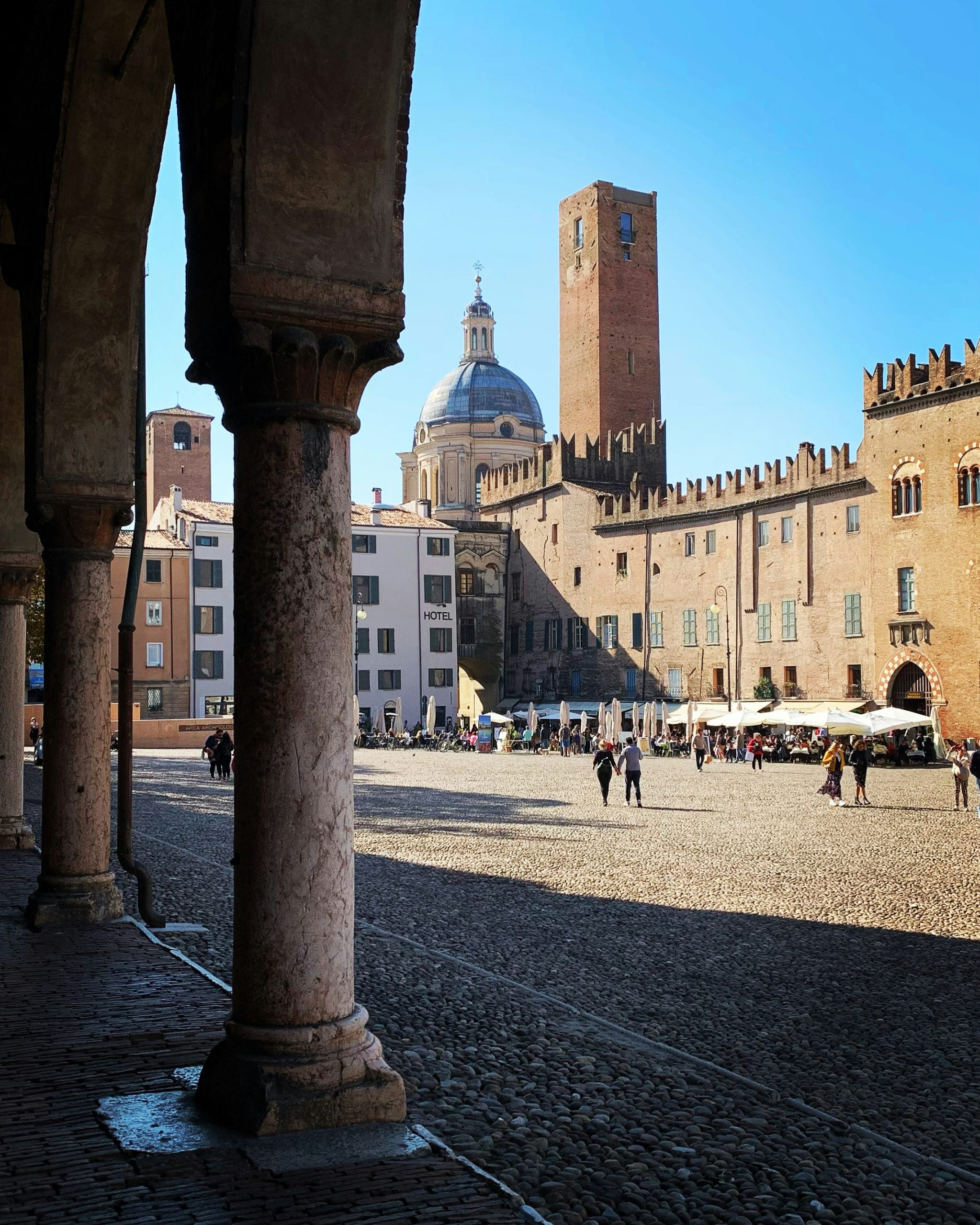
Tucked in Italy’s north, Mantua (Mantova) is a Renaissance jewel often bypassed by travelers rushing between Milan and Venice. Italians affectionately call Mantua La Bella Addormentata, or “Sleeping Beauty,” because it has stayed enchantingly unchanged for centuries. Surrounded by three lakes that form a natural moat, Mantua’s skyline of castle turrets and cupolas seems to float on water – a sight that appears suddenly as you cross the lake bridges at sunrise. This small city was the powerful seat of the Gonzaga family, and its cobbled streets and grand palaces whisper stories of medieval and Renaissance glory.
Location
Lombardy, northern Italy – about 40 km south of Lake Garda and Verona. Mantua sits by the Mincio River, encircled by lakes. It’s a compact city where you can walk from one end of the UNESCO-listed historic center to the other in 20 minutes.
How to Get There
Well-connected by train and road. Direct trains run from Milan (2 hours) and Verona (45 minutes) to Mantua’s station. By car, it’s about 2.5 hours from Venice. The town center is mostly pedestrianized, so plan to park outside the core and explore on foot or by bike (bike rental is popular here).
Things to Do
Palazzo Ducale: Explore the sprawling Gonzaga palace, a “city within a city” filled with 500+ rooms of art masterpieces and frescoed chambers. Don’t miss the Bridal Chamber (Camera degli Sposi) with Mantegna’s stunning 15th-century frescoes, and wander the palace courtyards and gardens imagining court life.
Palazzo Te: Admire mannerist art in this pleasure villa on the city’s outskirts. Its Hall of the Giants will leave you in awe – the entire room is painted floor-to-ceiling with mythological scenes that seem to tumble around you.
Lakeside Stroll: Walk along Piazza Sordello and Piazza delle Erbe in the late afternoon, then head to the lakeside park. As the sun sets over Lago Inferiore, the silhouette of Mantua’s skyline reflected in the water is pure magic. Join the locals in a leisurely passeggiata and perhaps grab an aperitivo spritz at a café with a view.
Budget Tip
Mantua is delightfully affordable compared to Italy’s big cities. Many attractions (like churches and outdoor sites) are free or low-cost. You can enjoy the famous local cuisine – think pumpkin tortelli and savory risotto – without a hefty price tag at small trattorias. For a great value stay, consider the local hostel. Mantua Hostal is in a renovated 18th-century building right in the city center, with vintage-meets-modern decor and even a terrace overlooking the Basilica of Sant’Andrea. It offers a friendly, multicultural vibe (common room with board games and a laptop-friendly space) perfect for meeting fellow travelers.
Where to Stay Nearby – Mantua Hostal (Mantova)
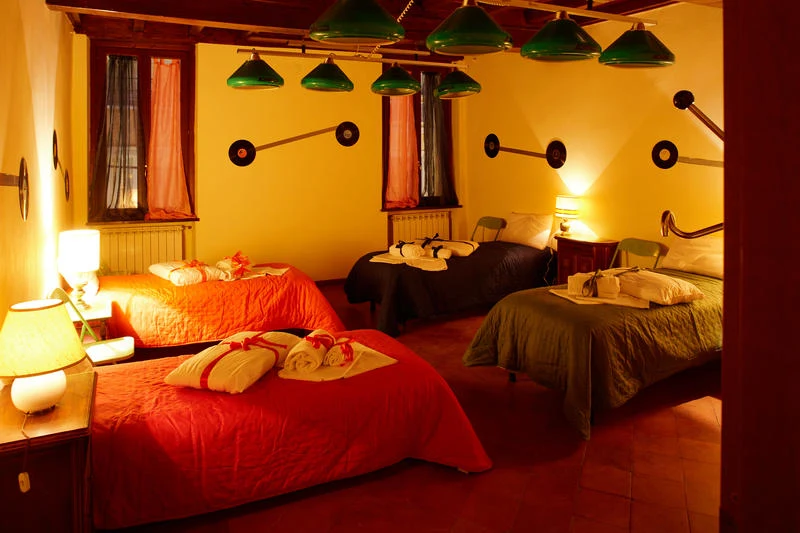
This small, welcoming hostel is set in an 18th-century building in Mantua’s historic center. It has a warm social atmosphere – there’s a top-floor lounge with sofas, board games, and even a terrace where you can gaze out at Sant’Andrea’s dome. You’ll be 5 minutes’ walk from all the sights, and the vintage furnishings give it a cozy character. It’s the perfect budget base to experience Mantua’s charm up close.
Mantua feels like a Renaissance time capsule – overlooked by foreign visitors but brimming with art, culture, and local life. Strolling its quiet, portico-lined squares, you might wonder how this “most livable city in Italy” slipped under the radar. But that’s part of Mantua’s magic: you get an Italian cultural treasure all to yourself.
Camogli, Liguria – A Colorful Seaside Village Untouched by Time
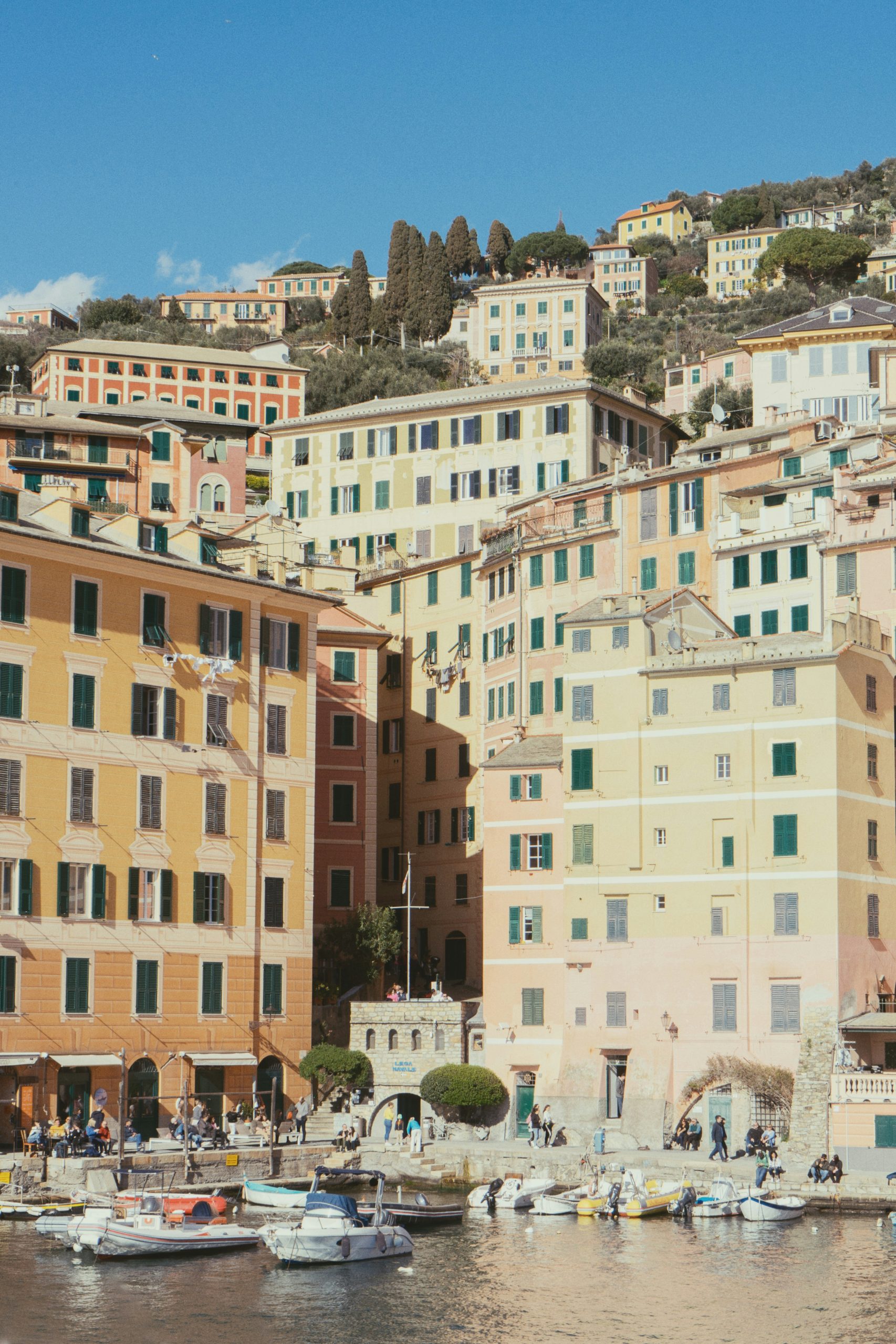
In the Italian Riviera, just a few train stops past the crowds of Cinque Terre and Portofino, lies Camogli, a picture-perfect fishing village that remains wonderfully low-key. With its tall pastel-hued houses lining the harbor and wooden fishing boats bobbing in the Ligurian Sea, Camogli is as photogenic as its famous neighbors – but it has far fewer tourists. The town’s name literally means “house of wives,” harking back to sailors’ families who maintained the homes while the men were at sea. Today, Camogli’s pebbled beach, waterfront promenades, and old castle draw mostly Italian families and in-the-know backpackers. It’s the kind of place where you can savor focaccia from a local bakery, chat with friendly shopkeepers, and feel a traditional fishing village vibe that larger resorts have lost.
Location
Liguria region (northwest coast), on the Portofino Peninsula. Camogli sits about 25 km east of Genoa. It faces the Golfo Paradiso and is backed by green hills. Next door (literally over the peninsula) is glitzy Portofino, but Camogli itself is more laid-back.
How to Get There
Take a regional train from Genova (Genoa) along the coastal line – it’s around a 30-minute ride. Camogli has its own train station a short walk from the seafront. From the Cinque Terre side, trains from La Spezia take about 1 hour. You can also arrive by boat/ferry from Genoa or other Riviera towns in summer. The village is compact, so no car needed (and parking is tricky).
Things to Do
Waterfront & Beach: Stroll the lungomare (seafront promenade) lined with gelato shops and trattorias. Relax on Camogli’s long pebbled beach – it’s free to access, with sections where you can rent a sunbed if you like. The water is clear and great for swimming on warm days. Don’t miss photographing the row of tall, colorful buildings from the beach – their worn pastel paint and green shutters are quintessential Liguria.
Castello della Dragonara: Climb up to this small medieval castle on a rocky spur above the harbor. Originally built to guard against pirates, today it offers panoramic views of Camogli’s bay and is sometimes used for art exhibitions. Below the castle, waves crash against the rocks – a dramatic spot to watch the sunset.
San Fruttuoso Abbey (Day Trip): Hop on a boat (or embark on a hike) to nearby San Fruttuoso, a tiny cove accessible only by sea or footpath. Tucked between pine-clad cliffs, you’ll find a 10th-century abbey right on a pebble beach and the Christ of the Abyss bronze statue submerged in the bay. Boats leave from Camogli’s port and arrive in this idyllic spot in about 30 minutes – it’s a hidden gem of its own, perfect for a picnic and a swim in emerald waters.
Budget Tip
Compared to Portofino’s upscale resorts, Camogli offers a much friendlier price tag. Snack on local street food – piping hot farinata (chickpea pancake) or a slice of cheese focaccia – for just a few euros. If you’re visiting multiple Ligurian towns, save money by using the inexpensive regional train or ferries instead of pricey taxis or tour boats.
Where to Stay Nearby – Ostello Bello Genova (Genoa)
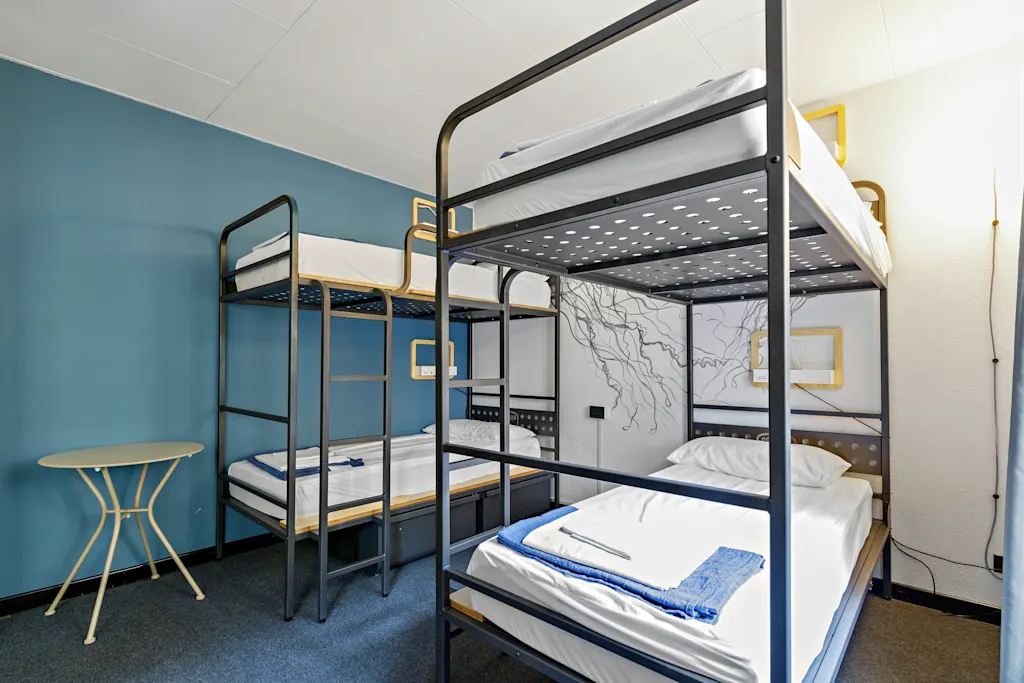
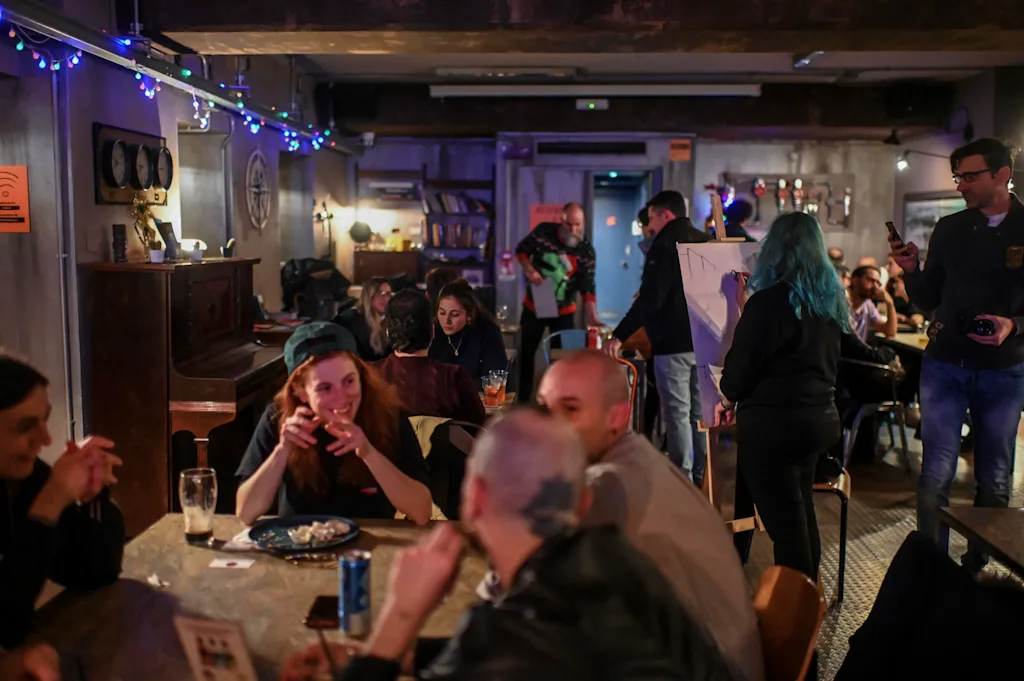
Camogli itself has limited accommodation for backpackers, but fear not – the vibrant port city of Genoa is just half an hour away and makes a great base. Ostello Bello Genova is a top-rated hostel in the heart of Genoa. It’s known for its social atmosphere: think nightly family dinners, live music, and even karaoke in a lively common area. There’s a rooftop terrace with hammocks and a garden where you can chill after a day trip to the coast. With free Wi-Fi, a 24/7 bar, and a location 5 minutes from the main train station, it’s both convenient and packed with fun. Many travelers use it as a hub to explore Genoa’s historic alleys by night and Liguria’s hidden gems (like Camogli) by day.
Camogli is a reminder that even along one of Italy’s most touristed coasts, you can find tranquility. Here, Cinque Terre and Portofino may steal the show, but Camogli steals your heart with its authentic charm. It’s an easy “secret” stop to add if you love coastal towns but prefer them sans crowds. Spend a lazy afternoon by the harbor with a creamy pistachio gelato, and you’ll understand why Camogli remains a cherished Italian getaway, quietly shining just out of the spotlight.
Orta San Giulio, Piedmont – A Storybook Lakeside Escape

Lake Como and Maggiore have international fame, but tiny Lake Orta in Piemonte holds a special, almost secret magic. The jewel of this lake is Orta San Giulio, often hailed as one of the most beautiful villages in Italy. Arriving in Orta feels like stepping into a fairy tale: narrow lanes lead down to a peaceful waterfront, where an island monastery sits mystically in the middle of the lake. With its pastel medieval buildings, flower-draped balconies, and absence of cars in the historic center, Orta San Giulio exudes romance and tranquility. Writers like Balzac raved about Orta’s beauty, yet even today it remains blissfully uncrowded compared to the bigger lakes. If you’re seeking a serene retreat with a touch of storybook charm, Orta is the hidden gem for you.
Location
Piedmont (Piemonte) region, in northwest Italy. Orta San Giulio village is on a peninsula on the eastern shore of Lake Orta, about 80 km northwest of Milan. The lake is west of the larger Lake Maggiore. It’s a small town – you can walk end-to-end in 15 minutes – and the central area is largely pedestrian-only.
How to Get There
From Milan, take a train toward Domodossola and get off at Orta-Miasino station (about 1.5 hours), then it’s a 3 km taxi or bus ride to the village (or a scenic downhill walk if you pack light). Alternatively, trains to nearby Pettenasco or buses from Novara also work. By car, Orta is roughly a 1.5-hour drive from Milan – park in the designated lots above town since the old center doesn’t allow cars.
Things to Do
Isola San Giulio: Take a short ferry (5 minutes) to San Giulio Island, which rises in the middle of the lake. The island is home to an ancient basilica and a working convent. Walk the “Way of Silence” footpath that loops around the island’s perimeter, flanked by old walls and quote plaques urging quiet contemplation. It’s a peaceful escape where the loudest sound is often just lapping water.
Sacro Monte di Orta: Hike or drive up to the hill above town to visit this UNESCO-listed Sacred Mountain. It’s a devotional complex of 20 chapels built in the 17th century, each filled with statues and frescoes depicting the life of St. Francis. Beyond the spiritual art, the hilltop offers breathtaking panoramas of Lake Orta and the village below – truly worth the climb. Pack a picnic; the grounds have plenty of shaded benches with a view.
Piazza Motta: Back in Orta’s center, relax in the charming main square by the lake. Sip an espresso or aperitivo spritz at a café under the arcade of the 16th-century Palazzotto (town hall). On Wednesdays, the square hosts a lively open-air market – a great chance to pick up local cheeses, honey, and handmade goods from surrounding valleys.
Budget Tip
Orta San Giulio’s pleasures are simple (and cheap!) – enjoy free activities like swimming in the clear lake waters or hiking scenic trails around the lake. Rather than pricey lake cruises, hop the inexpensive ferries that locals use between Orta, the island, and coastal villages. You can also save by staying just outside the village and walking in; several B&Bs and small hostel-style inns in the area offer lower rates than properties right on the water.
Where to Stay Nearby – Piccolo Hotel Olina (Orta San Giulio)
For an overnight in Orta, this budget-friendly inn is a top pick. Piccolo Hotel Olina is a comfortable guesthouse located in the historic center of Orta San Giulio, just steps from the lakefront. It’s set in a lovingly restored medieval building, giving you an authentic local feel. Rooms are simple but cozy, and a free breakfast is included – perfect for fueling up before a day of exploring. Staying here, you’ll be immersed in the village’s quiet early mornings and evenings, when day-trippers have left and Orta is at its most magical.
Orta San Giulio may be small, but it leaves a big impression. Whether you’re wandering the cobbled alleyways festooned with geraniums, listening to church bells echo over water, or watching mist roll over the lake at dawn, it’s hard not to fall in love with this place. No wonder it’s counted among “i borghi più belli d’Italia” – the most beautiful villages of Italy. If you crave a slower pace and lakeside inspiration, put Orta on your list – it’s a hidden Italian treasure that feels almost like your own secret discovery.
Otranto, Puglia – Easternmost Escape with Turquoise Seas

Sun-bleached ramparts, turquoise Adriatic waters, and a mix of cultures define Otranto, a gem on the Salento peninsula at Italy’s heel. Otranto is officially the easternmost town in Italy – where the first sunrise of the country hits. This coastal town has seen Greek, Roman, and Turkish invaders over the centuries, and today its whitewashed old town and waterfront exude a unique blend of history and easy seaside charm. Stroll the fortified walls and you’ll gaze out at the bright blue Otranto Channel, with Albania faintly visible on a clear day across the sea. Despite its historic significance (Otranto’s medieval cathedral holds captivating mosaics and a somber shrine to martyrs), it remains pleasantly low-key and far less visited than tourist hotspots up north. With its castle, turquoise waters and delicious seafood cuisine, Otranto captures the very best of Puglia’s allure.
Location
Apulia (Puglia) region, in the deep south. Otranto sits on the Adriatic coast at the tip of Italy’s “heel.” It’s about 50 km southeast of Lecce. Capo d’Otranto, just outside town, is Italy’s most easterly point (marked by a lighthouse at Punta Palascìa).
How to Get There
The nearest city is Lecce. From Lecce’s train station, you can catch a local train to Otranto (about 1.5 hours) or a faster regional bus (about 1 hour) since Otranto is on a branch rail line. If driving, it’s roughly a 40-minute drive from Lecce. In summer, convenient shuttle buses connect Otranto with other Salento beach towns. Once in Otranto, the town is walkable – from the castle to the beach is just a 10-minute walk.
Things to Do
Otranto Castle & Old Town: Enter the Aragonese Castle guarding the harbor – its thick stone walls and moat once fended off Ottoman forces. Today, you can walk the ramparts for views of the port and explore exhibits inside (the castle often hosts art or history exhibitions). Wander the Old Town’s maze of alleys, lined with white stone buildings and local artisan shops. You’ll find everything from handmade pottery to stalls selling Taralli crackers and olive oil. Don’t forget to peek into the 11th-century Otranto Cathedral – the entire floor is a giant medieval mosaic depicting the Tree of Life and mythical tales.
Baia dei Turchi: Just north of town lies the “Bay of the Turks,” a gorgeous beach cove where, according to legend, Ottoman Turks landed in 1480. It’s a white-sand beach framed by pine forests and cliffs. The water here is an unbelievable shade of blue-green, rivaling any tropical paradise. You’ll need to drive or take a shuttle (about 8 km from Otranto), but it’s worth it – the vibe is unspoiled and the water crystal-clear for swimming.
Waterfront Promenade: In the evenings, join locals for a passeggiata along Otranto’s seafront promenade. As the sun sets over the Adriatic, the sky turns pink and the historic walls glow golden. Stop for a gelato or a caffè leccese (espresso over ice with almond milk) at an outdoor café. The atmosphere is lively but not overcrowded – a perfect time to soak in Otranto’s laid-back coastal spirit.
Budget Tip
Otranto and the surrounding Salento region are refreshingly budget-friendly. Many of the best experiences (swimming, strolling the old town, visiting churches) are free. For cheap eats, look for pucce – Puglia’s stuffed sandwiches – or fresh seafood fritters sold from street carts. Traveling by public transport will save you money: the local Sud Est trains and buses from Lecce to Otranto are just a few euros and let you sightsee without renting a car. If you base in Lecce (a larger city with more hostels) and day-trip to Otranto, you can cut accommodation costs while still enjoying the beach by day.
Where to Stay Nearby – Urban Oasis Hostel (Lecce)
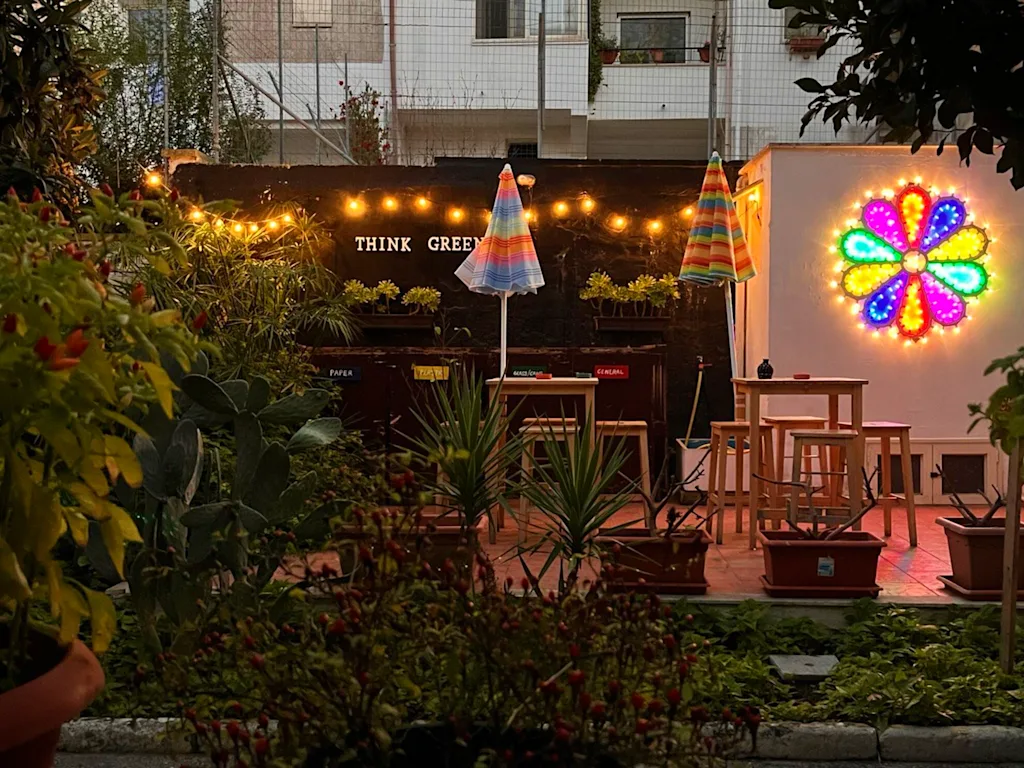
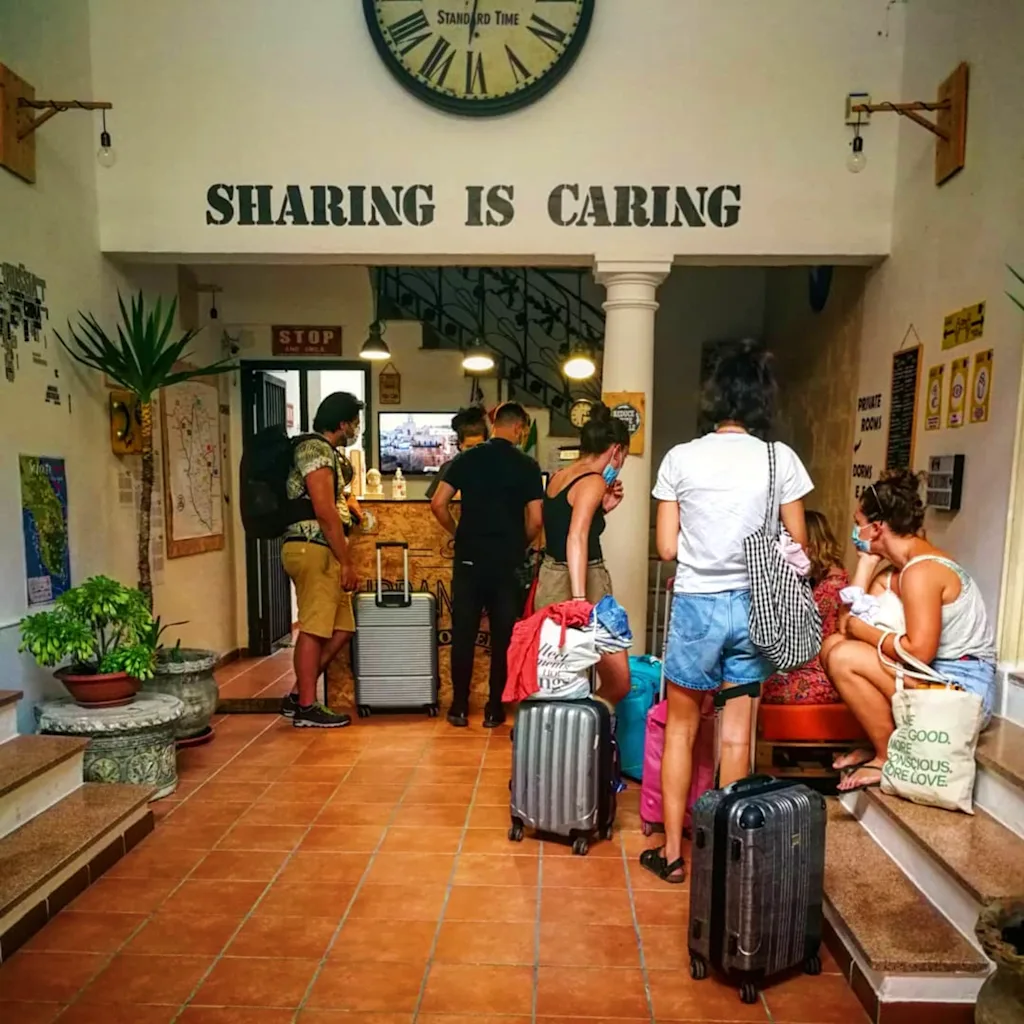
Lecce, the baroque “Florence of the South,” is an ideal base to explore Puglia’s hidden gems like Otranto. Urban Oasis Hostel is the region’s first true backpacker hostel and a traveler favorite. Housed in a charming Liberty-style building in downtown Lecce, it’s just 500m from the train station and main sights. The hostel lives up to its name with a 400 m² courtyard garden filled with fruit trees and hammocks – an actual oasis in the city! Inside, there’s a fully equipped kitchen, chill-out lounge, and super friendly owners who love sharing local tips. Buses to Otranto and other beaches leave from nearby, making it a perfect launchpad for Salento adventures. The social vibe here means you might even find buddies to beach-hop with. In short, it’s clean, relaxed, and brilliantly located for exploring Puglia on a budget.
Otranto may be at Italy’s far-eastern edge, but it embodies so much of what makes Puglia special: rich history, a mix of cultures, and pristine seaside beauty. As you stand on the city walls with the Adriatic stretching to the horizon, you really feel like you’re on the frontier of Italy – where every sunrise over the sea heralds a new adventure. If you’re seeking a blend of culture and beach time with a fraction of the usual tourists, Otranto is calling.
Tropea, Calabria – Clifftop Beaches on the Coast of the Gods
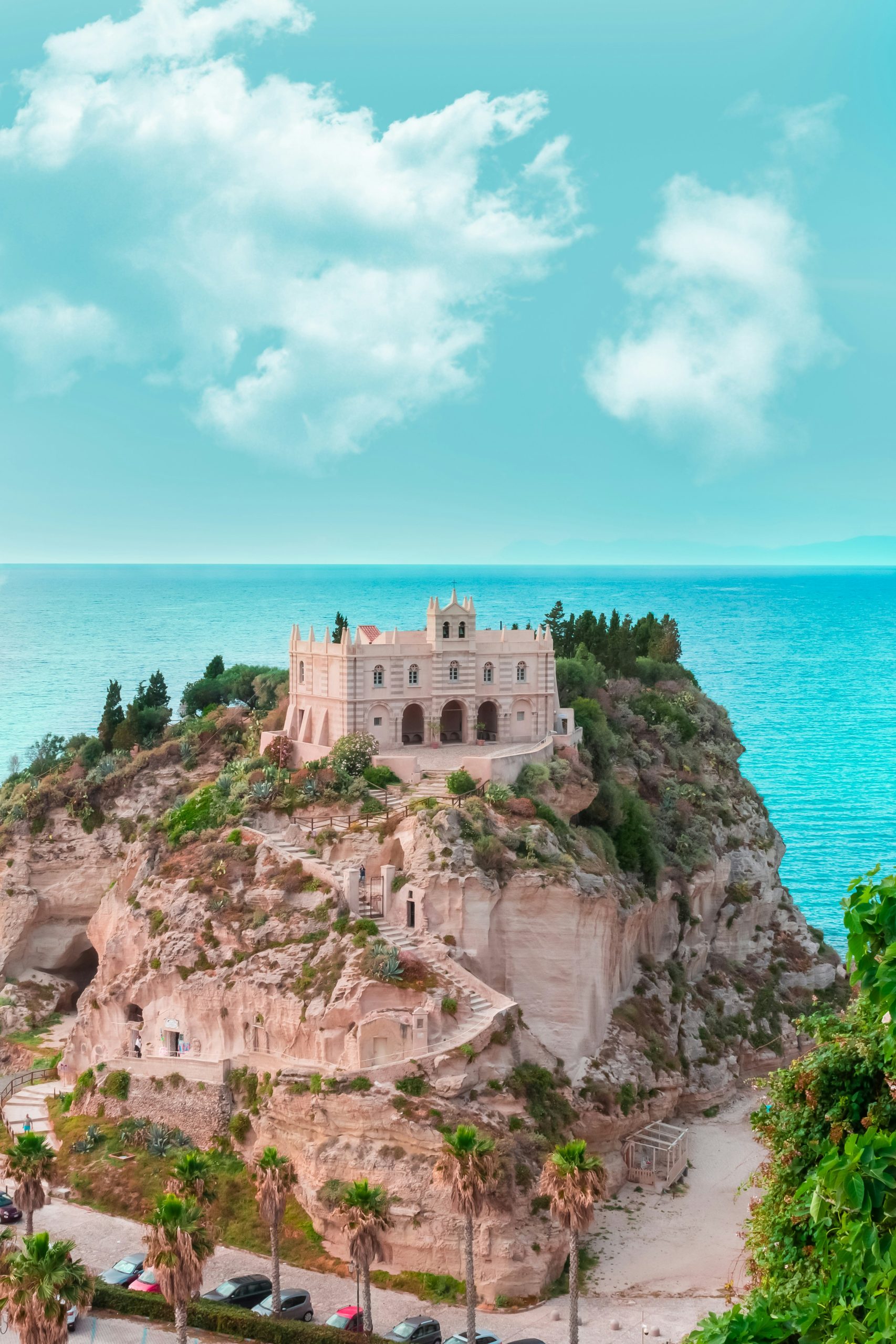
Dramatically perched on a cliff above the Tyrrhenian Sea, Tropea is a sun-drenched seaside town in Calabria that inspires pure awe. Often dubbed the “Pearl of Calabria,” Tropea boasts blinding white sand beaches and water so blue it rivals the Maldives. Yet, remarkably, this gem remained off most international tourists’ radar for years, known primarily to Italians and adventurous travelers. Tropea’s postcard image is its historic centro storico sitting high on the cliffs, with a golden-sand beach and the Santa Maria dell’Isola monastery on a sea-stack below. By day, you can lounge on the beaches or snorkel in clear coves; by night, wander the lively old town lanes where restaurants serve the sweetest red onions (a local specialty) and traditional ‘nduja spicy spread. This is the heart of Calabria’s “Coast of the Gods” (Costa degli Dei) – and when you see a Tropea sunset, you’ll understand how it earned the name.
Location
Calabria region, in southern Italy. Tropea is on the Tyrrhenian Sea coast, roughly midway down the “toe” of Italy’s boot. It’s about 70 km west of Lamezia Terme (the nearest major train station and airport). The town sits atop cliffs that drop to the sea, with panoramic views of the Aeolian Islands (including Stromboli volcano on clear days).
How to Get There
Tropea is accessible by train on the regional line that runs along Calabria’s west coast. From Lamezia Terme Centrale station, it’s about a 1-hour 40-minute train ride (the train winds slowly but scenically along the coast). By car, it’s a 1.5-hour drive from Lamezia airport. Once in Tropea, you can walk everywhere in town. To reach certain outlying beaches or viewpoints, a local bus or a bit of walking will do – the main beach is directly below the town center.
Things to Do
Beach Bliss: Spend a day on Spiaggia della Rotonda, Tropea’s main town beach, nestled below the cliffside. The sand is powdery white and the water is turquoise and crystal-clear. You can rent umbrellas or just lay your towel down. For a quieter spot, walk a bit further to Spiaggia del Convento or Michelino Beach (in the next village of Parghelia) – both offer that same Caribbean-blue sea with fewer people. Snorkelers will love the little grottos and reefs teeming with fish (snorkel gear can even be rented for a few euros).
Santa Maria dell’Isola: Visit Tropea’s iconic monastery church set atop a craggy rock separated from the town by a strip of beach. Climb the steps up to this ancient Benedictine sanctuary and take in the 360° views of Tropea’s cliffside homes and the endless sea. The church is simple, but the gardens and vistas are spectacular – it’s the perfect vantage point for photos.
Tropea Old Town: In the evening, explore the Centro Storico perched on the cliff. Wander Corso Vittorio Emanuele (the main street) to the scenic balcony overlook at its end – a popular spot where everyone gathers at dusk for the sunset over the sea. Duck into side streets to find artisan boutiques and gelaterias. Tropea is famous for its red onions, so try dishes featuring them like the sweet onion marmalade or onion gelato (yes, that’s a thing!). Enjoy dinner at a family-run trattoria – Calabrian specialties include swordfish pasta and spicy ‘nduja sausage spread on bread. The vibe is convivial and authentically southern Italian.
Budget Tip
Tropea offers million-dollar views on a backpacker budget. Public beach areas are free, and you can buy picnic supplies (juicy local fruits, cheese, salami, and fresh bread) at the town market for a seafront lunch for just a few euros. Avoid the peak Italian vacation month of August when prices (and crowds) peak – in June or September, you’ll find lower room rates and plenty of space on the sand. If you’re coming by train, note that Tropea’s station is up in the town – you can walk to your lodging, no costly taxis needed. And for transport, trains are an affordable way to explore other coastal villages if you’re staying for a while.
Where to Stay – Pangea Tropea (Tropea)
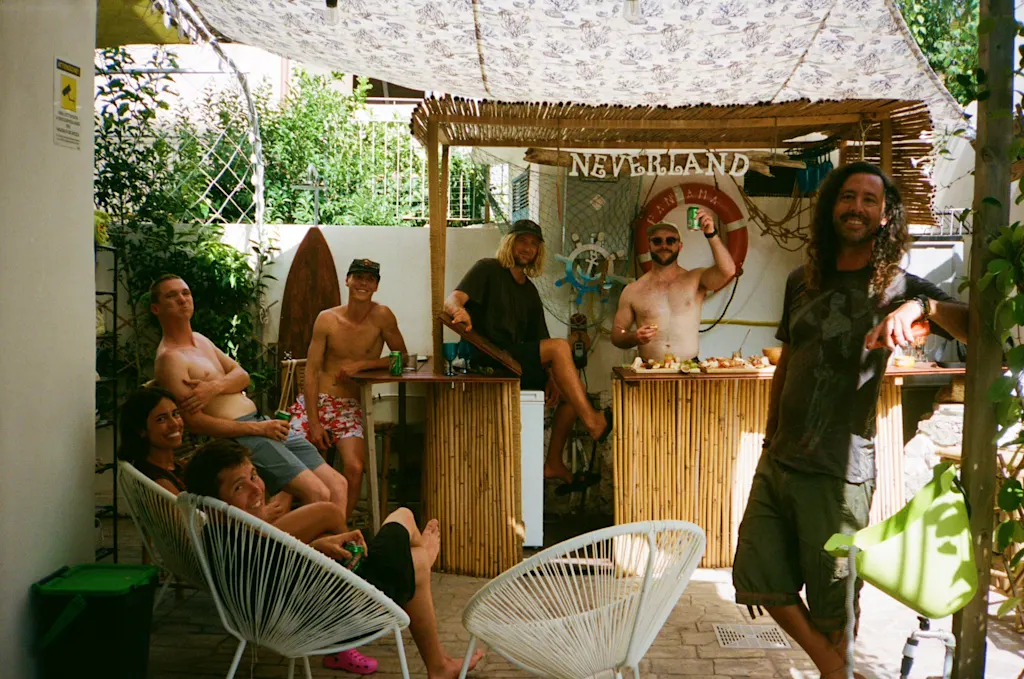
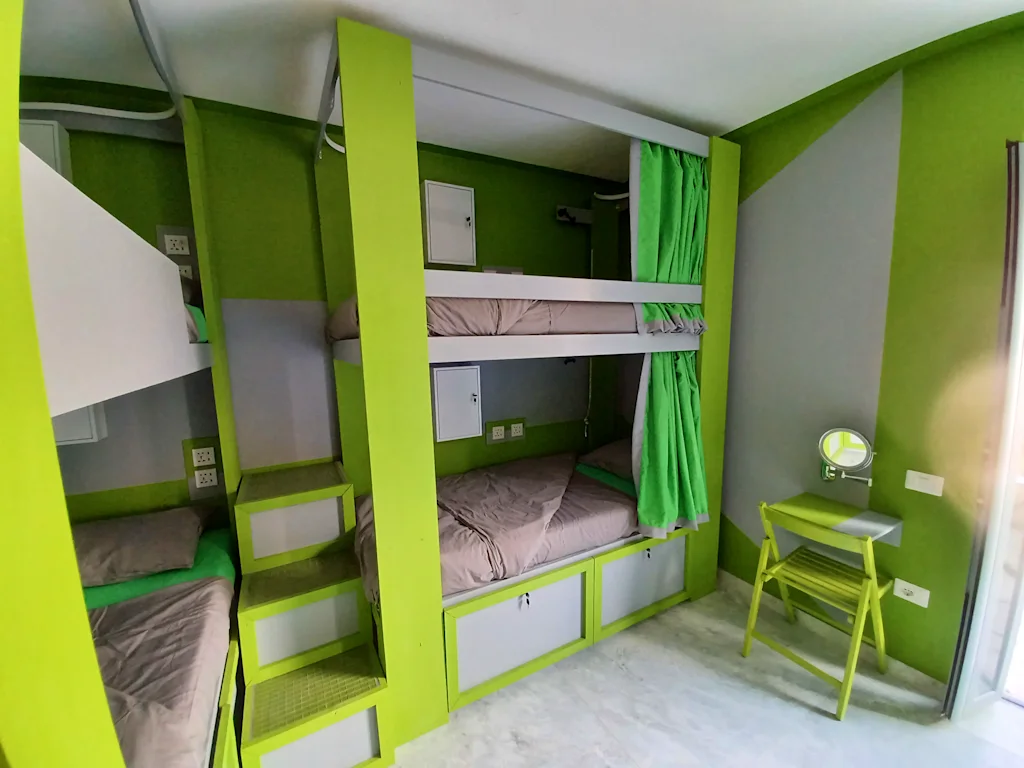
Tropea now happily hosts budget travelers, and Pangea Tropea Hostel is a standout choice. It sits just a short walk from both the historic center and the beach, perfectly positioned between the two. This hostel is praised for its friendly atmosphere – there’s a front patio lounge where travelers gather to chat or enjoy the Calabrian sun. Each dorm room here has its own bathroom (a nice plus!), and privacy curtains on the sturdy bunk beds for a good night’s sleep. They even have a communal kitchen with bar-style seating, so you can cook and mingle with other guests over dinner. The owner often organizes fun extras like snorkel gear rentals for exploring Tropea’s reefs. With free Wi-Fi and free parking, Pangea Tropea makes it easy to kick back and enjoy la dolce vita. It feels less like a hostel and more like a little beach house shared with new friends.
Tropea encapsulates the appeal of Italy’s hidden gems: a stunning location, genuine local culture, and that thrilling feeling of discovery. It’s no wonder those who visit often call it Italy’s best-kept secret. Up on the balconied streets or down on the shimmering shore, Tropea remains “the epitome of peace and unspoiled charm,” a place that steals hearts with every sunset. If you’ve dreamed of an Italian beach town untouched by mass tourism, Tropea is waiting – and it just might be the highlight of your journey along the road less traveled.
Ready to Discover Your Own Hidden Gems in Italy?
From north to south, Italy is strewn with lesser-known wonders – and now you have a taste of just a few. Experiencing these places will reward you with a more personal, authentic adventure (and major bragging rights for finding Italy’s secrets beyond the guidebooks!). The best part is that traveling off the beaten path in Italy is quite feasible: local trains and buses reach most towns, and you’ll find welcoming accommodations even in small villages (yes, you can book a hostel or budget hotel in most of these locations through Hostelworld or similar sites easily). Plus, Italians are friendly and proud to share their local culture – you might find yourself invited to a village festival or enjoying home-cooked gelato flavors you’d never imagined.
Before you pack your bags, a few final tips. Learn a few Italian phrases – in quieter areas, not everyone speaks English, but a simple buongiorno and grazie go a long way to break the ice. Embrace the slower pace: in many of these spots, afternoons may still observe siesta hours (stores closing so everyone can relax), and public transport might run a limited schedule – but that’s all part of the charm. By planning a little and staying flexible, you’ll find getting to these hidden corners is half the fun.
Finally, keep an open mind and let curiosity be your guide. Maybe you’ll stumble on your own hidden gem – a tiny hamlet or a secluded cove – that isn’t in any article. Italy has a way of surprising you when you least expect it. So go ahead – take the road less traveled. Whether you’re gazing at a silent alpine lake in Piedmont or sharing a laugh with locals at a Calabrian night market, you’ll be creating travel memories that are uniquely yours. And if you need a place to stay or fellow travelers to meet along the way, don’t forget to check Hostelworld for cool hostels in every corner of Italy – it’s like having a friend who’s scouted all the good spots for you. Buon viaggio and happy exploring!
Download the Hostelworld app to start booking now


FAQ: Hidden Gems in Italy
Which Italian city is called the “Sleeping Beauty” and why?
The city of Mantua (Mantova) is nicknamed La Bella Addormentata, or “Sleeping Beauty,” because it’s often bypassed by visitors despite its beauty. Mantua has changed so little over the centuries that it feels frozen in time – its medieval and Renaissance architecture is perfectly preserved, and it’s surrounded by lakes that historically protected it from expansion. Italians love it for its rich art and food scene, and travelers who do visit are amazed that such a gem has so few tourists.
Where can I go in Italy for beautiful beaches without the crowds?
Southern Italy and parts of Sardinia/Sicily have gorgeous beaches with fewer tourists. Tropea in Calabria is a prime example – it has Caribbean-quality white sands and turquoise waters with far fewer crowds than, say, the Amalfi Coast. The Gargano Peninsula in Puglia (like Vieste and Peschici) or Maratea in Basilicata are also known for clear seas and uncrowded beaches. Even in popular regions, there are “secret” beaches – for instance, Baia dei Turchi near Otranto offers a pristine cove where you might only share the view with locals.
What is the “Coast of the Gods” in Italy?
The “Coast of the Gods” (Costa degli Dei) refers to a stunning stretch of coastline in Calabria along the Tyrrhenian Sea, roughly between Pizzo and Nicotera – with Tropea at its heart. It earned this name for its dramatic scenery: towering coastal cliffs, crystal-clear blue waters, and powdery beaches. Along this coast, you’ll find not only Tropea but also Capo Vaticano (known for panoramic clifftop views and snorkeling) and charming villages overlooking the sea. It’s one of Italy’s best-kept secrets for beach lovers.
Is it safe to travel to these offbeat places in Italy, especially solo?
Generally yes – Italy’s hidden gem destinations are quite safe for travelers, including solo female travelers. Violent crime is very rare in small towns and rural areas. You might need to take the usual precautions (keep an eye on your belongings, especially in transit hubs or busy markets), but locals are often friendly and look out for visitors. Many solo travelers report feeling welcomed in small Italian towns. It’s not uncommon for locals to strike up a conversation out of curiosity or offer help if you look lost. Use basic common sense and you should have a very safe and pleasant experience.
How can I get to these hidden gems without a car?
It’s doable! Italy has an extensive train and bus network. For example, you can reach Mantua by train from major cities (e.g. direct from Milan or Verona), Camogli by regional train from Genoa, Orta San Giulio via train+bus from Milan, Otranto by train or bus from Lecce, and Tropea by train from Lamezia Terme. It may take a bit longer and require a transfer here or there, but public transit is reliable in these areas. Once you arrive, most of these towns are small enough to explore on foot. For more remote spots like certain beach coves or national parks, you might join local tours or use regional buses. Planning with apps like Trenitalia and checking local bus schedules (which are often available at tourism offices) will help you navigate without a car.
Are there hostels or affordable accommodations in less-touristy Italian towns?
Yes, many smaller or offbeat destinations now have at least one hostel, guesthouse, or budget B&B. Hostelworld, for instance, lists accommodations in places you wouldn’t expect – you can find hostels in towns like Tropea, Lecce (for exploring Salento), even a hostel/inn in Mantua’s center. While you won’t find a dozen hostels in a tiny village, there’s often a family-run inn or an official youth hostel. Additionally, agriturismi (farm stays) and B&Bs are common in rural Italy and can be very affordable, offering a local experience. It’s wise to book ahead during peak season since budget accommodations in small towns can be limited and fill up with savvy travelers.
What is one of the most beautiful villages in Italy that most people don’t know about?
Orta San Giulio on Lake Orta is frequently cited as one of Italy’s most beautiful villages and still flies under the radar of most international tourists. It’s part of the official “Borghi più belli d’Italia” list (most beautiful villages in Italy). With its lakeside charm, medieval lanes, and an island monastery, Orta captivates those who visit. Other lesser-known beauties include Borghetto sul Mincio in Veneto (with water mills and flower-decked bridges), San Leo in Emilia-Romagna (a hilltown with a fortress), and Castelmezzano in Basilicata (dramatically set in mountain peaks). These villages are incredibly picturesque and offer a tranquil atmosphere compared to famous tourist towns.
When is the best time to visit Italy’s hidden gems?
Shoulder seasons – spring (April-May) and fall (September-October) – are often ideal. During these times, the weather is generally pleasant (mild or warm, depending on the region) and the crowds are minimal. For example, late May in the south lets you swim in the sea before the summer rush, and September in the north still enjoys sunshine but with fewer tour groups around. Summer is livelier and fantastic for beach towns like Tropea or Otranto, but keep in mind Italians take vacations in August, so even “hidden” spots can be busier then (and very hot). Winter can be magical for certain gems – imagine seeing towns like Mantua or Orta with holiday lights or a dusting of snow. However, in off-season some smaller B&Bs or attractions might have limited hours. Overall, late spring and early fall hit the sweet spot for good weather, full services, and thin crowds across most of these destinations.
Are these offbeat destinations cheaper than the popular tourist cities?
Usually, yes. In less-touristy areas of Italy, prices for food, lodging, and activities tend to be lower. You’ll find that a meal in a trattoria in Calabria or a coffee in a Lombardy village is cheaper than in central Rome or Venice. Museum or site entry fees, if any, are often just a few euros. For instance, you might pay under €5 to tour a castle or historic church in a small town, versus €15-20 for big city museums. Accommodation is where you can save a lot: local guesthouses or hostels in these areas offer great value (often under €30 a night for a hostel bed, or budget private rooms in the €50–70 range), which is much less than hotels in Florence or the Amalfi Coast. Transportation, if you’re using regional trains/buses, is also very affordable (a few euros per ride). So, exploring hidden gems isn’t just rewarding culturally – it can be done on a tight budget, making your travel funds stretch further.
How can I find out about local festivals or events in these small towns?
Many Italian towns host wonderful local festivals (sagre) celebrating everything from patron saints to local foods, and stumbling upon one can be a highlight of your trip. To find them, you can check the town’s official website or tourism board page (often in Italian, but translate tools help). Look for a section like “Eventi” or “Manifestazioni.” Additionally, ask locals or your hostel/B&B hosts – they’re usually excited to share info on upcoming events. Some nationwide websites (e.g., italiainfo or region-specific tourism sites) compile festival dates by region. For example, if you’re in Puglia, a quick search for “sagre Puglia June” might show if there’s an olive oil or seafood festival near Otranto. Keep an eye out for posters in the town squares too. Being in the know about a local festival – say a food fair celebrating Tropea’s famous onions or a historical pageant in Mantua – can add an unforgettable authentic touch to your journey.
Will I need to know Italian to visit these offbeat places?
While basic English is spoken in tourist-facing spots (hotel desks, some restaurants) even in small towns, knowing a bit of Italian helps a lot. In hidden gem areas, many locals may not speak much English, so learning greetings and a few key phrases is worthwhile. Italians are generally warm and patient with visitors, and even if there’s a language barrier, they’ll often try to communicate through gestures (or find someone who can translate). A pocket phrasebook or a translation app can be handy. If you learn how to say things like “One train ticket to Tropea, please” (Un biglietto per Tropea, per favore) or “Where is the bus stop?” (Dov’è la fermata dell’autobus?), you’ll navigate more smoothly. That said, numerous solo travelers with little Italian have managed – through smiles, pointing at maps, and the universal language of friendliness. Don’t let lack of Italian fluency deter you; just be prepared to get creative in communication and you’ll be fine.
Can I use public transportation within these small towns, or will I need to walk?
In nearly all of these hidden gem towns, the historic centers are compact and best explored on foot. For example, Mantua, Camogli, Orta, Otranto, Tropea – each of these can be walked end-to-end in 20 minutes or less. In fact, cars are restricted in many old towns. Public transportation within the town itself is often minimal because you typically don’t need it. However, to reach outlying attractions (like beaches a few kilometers away or hilltop viewpoints), there might be local buses or shuttles. For instance, a summer shuttle runs from Tropea’s town to Capo Vaticano’s beaches; Orta has a tourist mini-train in peak season that goes around the area. If you enjoy walking, you’ll find it easy to get around. For anything further, taxis are an option (though can be pricey in rural areas) – better yet, some hostels organize group trips or shuttles to nearby sights. Renting a bicycle is another fun way to explore surroundings in places like Mantua (which has bike paths by the lakes) or along the coast near Otranto.
What should I pack for visiting offbeat Italian destinations?
Pack for variety and versatility. Comfortable walking shoes are a must, since you’ll likely be strolling cobbled streets, hiking up to castles or through nature paths. If you’re visiting coastal gems like Tropea or Otranto, bring swimwear, a quick-dry towel, and sandals for the beach. For hilltowns and northern areas like Orta or Mantua, a light jacket or sweater for cooler evenings is wise (even in summer, it can get breezy by a lake or in mountains). Sun protection (hat, sunscreen) is important – southern sun can be strong and even up north you’ll spend time outdoors. Since some hidden spots don’t have ATMs readily available in every corner, carry a bit of extra cash (euros) just in case; small family-run trattorias or market stalls might be cash-only. Don’t forget a day pack for water and snacks during explorations, and perhaps a phrasebook. Lastly, pack an open mind and a spirit of adventure – it sounds cliché, but that’s truly the “gear” you need most for discovering hidden gems!
How do I say “hidden gem” in Italian (just for fun)?
There’s not a direct literal translation that Italians use for travel spots, but you could say “un tesoro nascosto” which means “a hidden treasure.” For example: “Tropea è un tesoro nascosto d’Italia.” – Tropea is a hidden treasure of Italy. Another way is “perla nascosta” (hidden pearl), as locals might call an underrated town a pearl to signify its beauty (indeed Tropea is often called the “Pearl of Calabria”). Using these phrases might even earn you an impressed smile from an Italian, recognizing that you’ve gone off the beaten path to find their local tesori!


 Get the App.