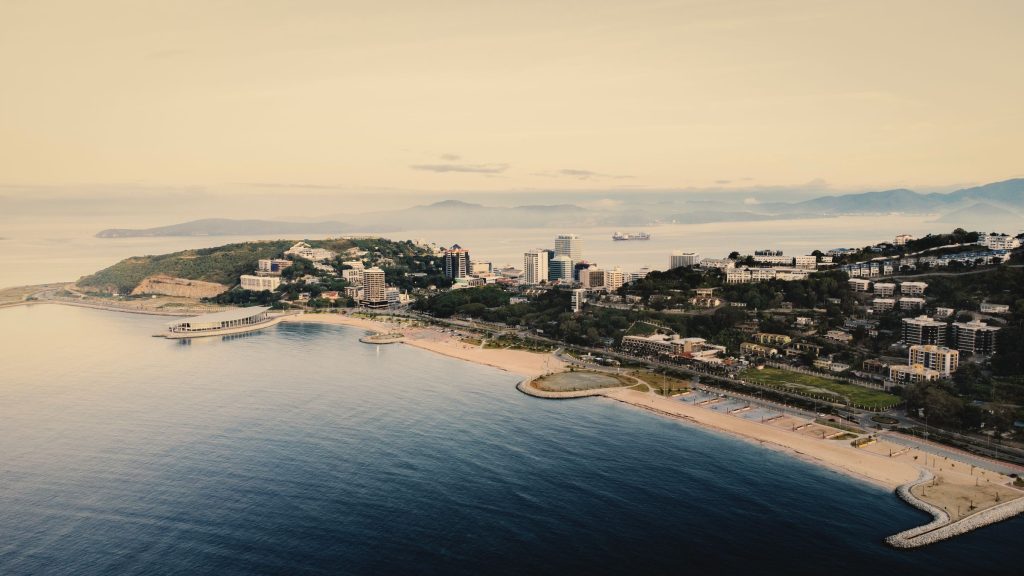
Port Moresby
1 hostel
The capital and main international gateway, with the national museum and nature park.

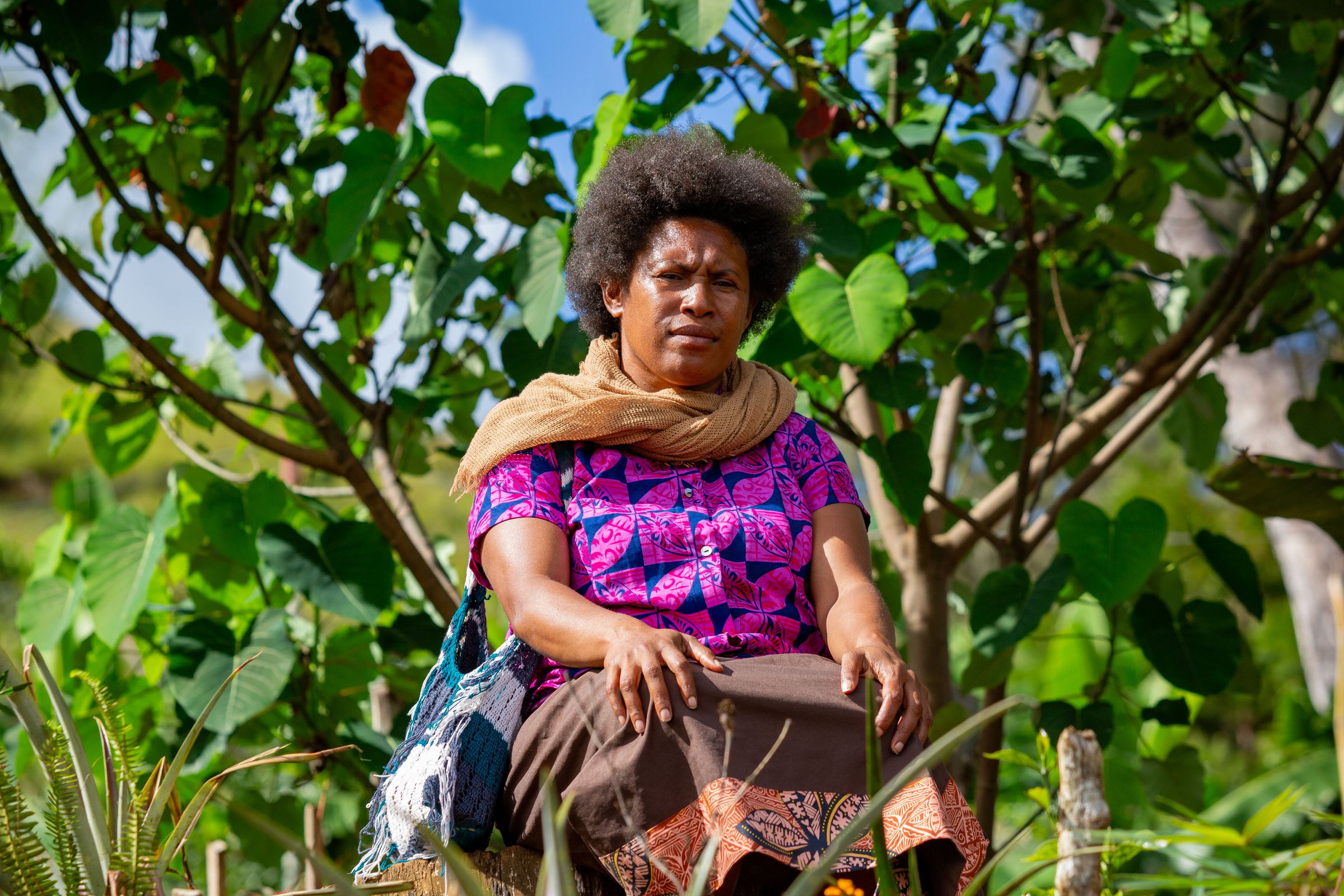
Over 800 languages, the Kokoda Track, and highland festivals where hundreds of clans gather in full dress. The hardest country in this guide to travel, and the most extraordinary.
Papua New Guinea has more languages than any other country on earth (over 800) across a landscape of highlands, rainforest, rivers and islands that kept communities separate for millennia. It is the least-travelled country in this guide and the one that asks most of a visitor.
It is not a place to improvise. Most travel here happens through organised trips, lodges that arrange transfers, or dive operators, because domestic infrastructure is limited, internal flights are expensive and often the only option, and there are real security considerations in the main cities.
What draws people: the highland sing-sings, particularly the Goroka Show in September, where clans gather in feathers and paint; the Kokoda Track, 96km over the Owen Stanley Range with a heavy Second World War history; and world-class diving off Kimbe Bay, Milne Bay and Tufi.
Two to three weeks, planned in advance.
Internal flights link the regions because roads rarely do. Plan around Air Niugini schedules.
The capital and main international gateway, with the national museum and nature park.
PNG is a trekking, diving and cultural festival trip, and almost all of it is organised in advance.
The Kokoda Track and highland trekking.
Sing-sings where hundreds of clans gather.
Diving rather than lying down.
Root crops, mumu earth ovens and very good coffee.
Port Moresby is a base rather than a destination.
Expensive, and organised trips dominate.
The highland shows are the reason many people come. The Goroka Show in September and the Mount Hagen Show in August bring together dozens or hundreds of clan groups in full dress (feathers, paint, shells and drums) and they are cultural gatherings rather than performances staged for visitors, though visitors are welcomed and ticketed.
The Kokoda Track runs 96km over the Owen Stanley Range and takes eight to ten days, following the Second World War campaign route. It must be walked with a licensed tour operator and porters, it is genuinely hard, and it costs K8,000 to K15,000 all in.
Diving is the other draw. Kimbe Bay on New Britain has extraordinary coral diversity in a small area, Milne Bay is known for muck diving, and Tufi has fjord-like rias with reefs at their mouths.
The Sepik River, reached by air and then boat, has carving traditions and haus tambaran spirit houses that are unlike anything else in the Pacific.
The staples are sweet potato, taro, sago, banana and greens, with pork for occasions. A mumu (food cooked in an earth oven with hot stones) is the feast format and the centre of any celebration.
Highland markets in Goroka and Mount Hagen are full of produce and are among the best places to spend a morning in the country.
PNG coffee is the country's best-known export and is grown in the highlands around Goroka and Mount Hagen, much of it smallholder-grown and genuinely excellent at source.
Restaurant food is largely limited to Port Moresby, hotels and lodges, where a meal is K40 to K100. Outside those, you eat what your guesthouse or lodge cooks. Betel nut (buai) is chewed widely and stains everything red.
There is very little in the way of nightlife accessible to visitors, and going out at night in Port Moresby is not advisable: hotel bars and restaurants, reached by arranged transport, are where evenings happen.
SP Lager is the national beer, at K10 to K20.
Outside the cities, evenings are at your lodge or guesthouse. At the highland shows, the evenings around the festival are social and lively, and that is when a lot of the real cultural exchange happens.
Betel nut chewing is the ubiquitous social habit rather than drinking, and in some provinces alcohol restrictions apply.
Flying is how the country works. Air Niugini and PNG Air link the main centres, and there is often no road alternative: Port Moresby has no road connection to the highlands at all. Fares are high by regional standards, K400 to K1,200 a leg, and schedules change.
The Highlands Highway connects Lae with Goroka, Mount Hagen and beyond, and PMV buses run it, though travel by road in some areas carries security considerations and most visitors use arranged transport or fly.
In Port Moresby, use hotel transfers or arranged cars rather than walking or hailing transport.
For the Sepik, dive destinations and remote lodges, transfers are arranged by the operator as part of the booking: that is how travel is structured here.
PNG is expensive relative to what you get, mostly because internal flights and organised logistics dominate the budget rather than beds and food.
Guesthouses start around K150 to K350, and lodges are considerably more. Meals in hotels are K40 to K100, market food far less.
The big items: internal flights at K400 to K1,200 a leg, the Kokoda Track at K8,000 to K15,000 all in, dive packages at K600 to K1,500 a day at resorts, and show tickets and transfers during festival season.
A day, excluding flights and activities, comes to K250 to K500. Cash is important outside Port Moresby, ATMs are limited to main towns, and card acceptance is patchy.
This section should be read before planning anything, because PNG requires more caution than anywhere else in this guide.
Government travel advice from the UK, Australia, the US and others warns about high levels of violent crime, particularly in Port Moresby, Lae and parts of the highlands, including carjacking and armed robbery. Advice for some provinces is more restrictive again, and it changes. Check your own government's current position before booking and follow it.
In practice this shapes how people travel: arranged transport rather than walking or public transport in cities, accommodation with security, movement during daylight, and lodges or operators handling logistics. Travellers who do this generally have trouble-free trips.
Health is the other consideration. Malaria is widespread and prophylaxis is essential, medical facilities are very limited, and serious cases are evacuated to Australia: insurance covering that is not optional.
Tribal disputes can flare locally and close roads. Ask your operator, not the internet, about current conditions in a specific area.
Many nationalities can obtain a visa on arrival at Port Moresby for 60 days, and an e-visa system also operates. Requirements change, so check the official PNG immigration position for your passport before booking.
Passports need six months' validity.
Yellow fever certification is required if arriving from an affected country. Proof of onward travel and accommodation is commonly requested.
The Kokoda Track requires a trek permit, which licensed operators arrange as part of your booking: independent walking is not permitted.
May to October is the dry season and the time to travel, and it happens to include the major highland shows in August and September.
Average highs for Port Moresby, which is drier than most of the country. The highlands are much cooler, often 20°C by day and cold at night, and the Kokoda Track is walked in the dry season for good reason.
Pick how you travel and how long for. Per night, for one person, in kina.
Internal flights at K400–1,200 a leg, the Kokoda Track at K8,000–15,000 and dive packages at K600–1,500 a day sit outside these figures.
The highland shows in August and September are what most cultural trips are built around.
The largest sing-sing in the country, with dozens of clan groups in full dress. Book accommodation months ahead.
The other major highland gathering, similar in scale and spectacle.
When the track is walked, with Anzac Day in April a significant date on it.
Marking the traditional Hiri trading voyages, with canoe races and dance.
Mask traditions from across the country, including fire dancing.
Best trekking, diving visibility and road conditions.
The ones we get asked most.

Compare places to stay across Papua New Guinea: live prices, real reviews and free cancellation on most bookings. Then meet the people already there in the app.

 Get the App.

 Get the App.