Te Aro and Cuba Street
Hostels, bars and cafésThe bohemian heart of the city.

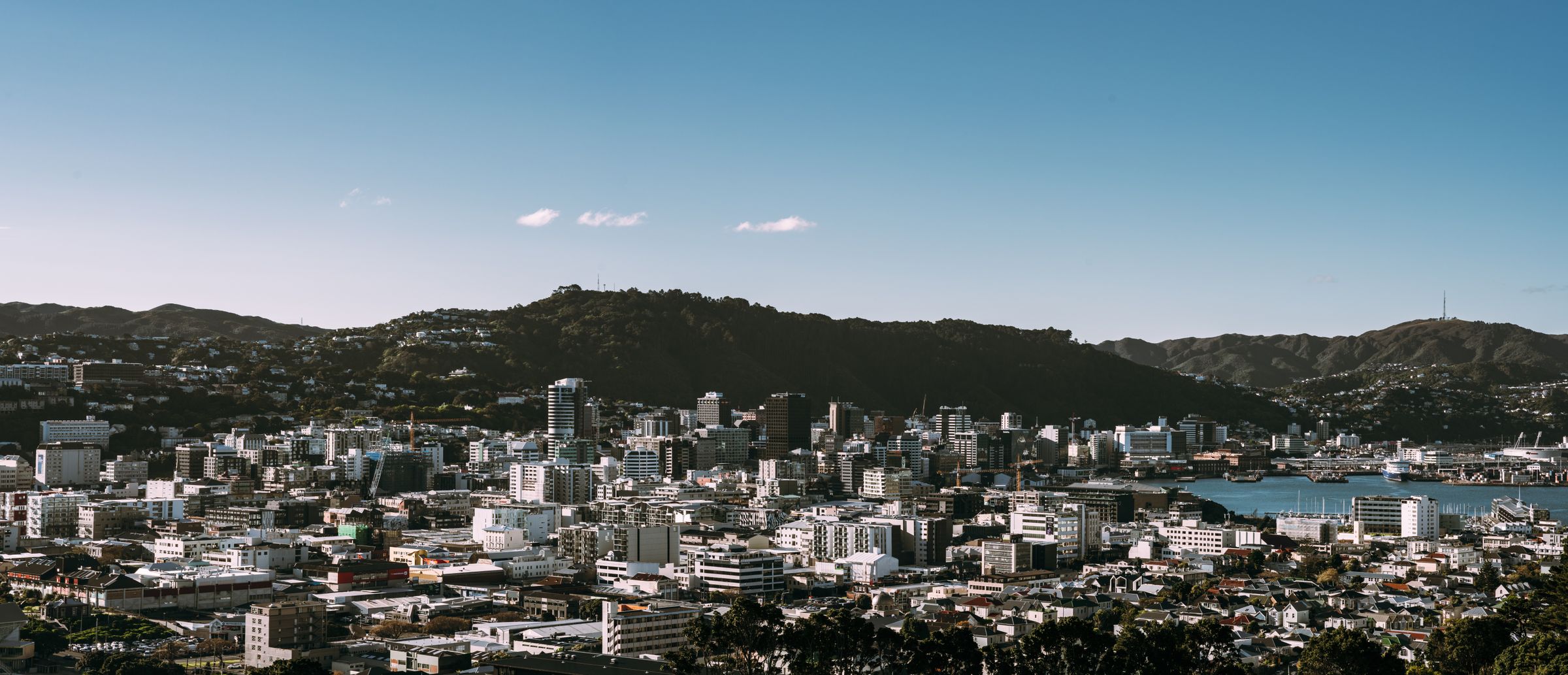
Wellington is New Zealand's small, windy, creative capital: the free national museum Te Papa, a cable car up to the Botanic Garden, more cafés and craft breweries per person than anywhere in the country, and the ferry across Cook Strait to the South Island. It's compact, walkable and easy to like.
Wellington sits at the southern tip of the North Island, wrapped around a deep harbour and backed by steep hills. It's the capital, but with around 200,000 people in the city itself, it feels like a big town.
The centre is compact and walkable. Lambton Quay is the business street, the waterfront runs past Te Papa and the harbour, and Cuba Street is the bohemian heart, with vintage shops, cafés, bars and street performers. Courtenay Place is the main nightlife strip.
Wellington's character comes from its creative industries, including Weta Workshop, the film effects company behind The Lord of the Rings, its café and craft beer culture, and a lively arts scene.
It's also famously windy. The wind funnels through Cook Strait, and gusts can be dramatic, especially in spring.
Most travellers spend two or three days here on the way between the North and South Islands, as the Interislander and Bluebridge ferries to Picton leave from the harbour.
Stay in Te Aro, around Cuba Street and Courtenay Place, for bars, cafés and hostels. The waterfront and Lambton Quay are central and walkable.
The bohemian heart of the city.
The main bar and club strip.
Te Papa, the harbour and the cable car.
Hillside suburb with the city's best lookout.
Orange labels are neighbourhoods, dots are the 6 top-rated hostels. Map data from OpenStreetMap contributors.
Te Papa Tongarewa, the national museum on the waterfront, is free and one of the best museums in the country, covering Māori culture, natural history, art and New Zealand's history.
The Wellington Cable Car climbs from Lambton Quay to Kelburn, with views over the city and the harbour. Walk back down through the Botanic Garden.
Climb Mount Victoria for the best view of the city, harbour and hills. It's a short, steep walk from Courtenay Place, and Lord of the Rings fans know the woods as a filming location.
Zealandia, a fenced eco-sanctuary in the hills, protects native birds, including rare species, and runs night tours to see kiwi.
Weta Workshop, in Miramar, runs tours of the film effects studio.
The Parliament buildings, including the Beehive, offer free tours.
Walk the waterfront, wander Cuba Street and its laneways, and visit the craft breweries and coffee roasters.
The Interislander and Bluebridge ferries cross Cook Strait to Picton, one of the most scenic ferry rides in the world.
Te Papa, the national museum, is free.
Climb Mount Victoria for free views.
Walk through the Botanic Garden, which is free, and the waterfront.
Parliament offers free guided tours.
Cuba Street is good for free people-watching and street performers.
The City Gallery is free for most exhibitions.
Wellington claims more cafés per person than New York, and coffee is taken seriously.
Cuba Street and the surrounding laneways have cheap eats: dumplings, Malaysian, burgers and noodles for NZ$15 to NZ$20.
The Harbourside Market on Sundays sells fresh produce and street food.
Craft beer is a big part of the scene, with breweries and taprooms across the city.
Supermarkets and hostel kitchens keep costs down. A beer is NZ$10 to NZ$14. Tap water is safe to drink.
Courtenay Place is the main nightlife strip, with bars and clubs that fill up from Thursday to Saturday.
Cuba Street has cocktail bars, live music venues and craft beer taprooms.
Wellington's live music and comedy scene is strong, with small venues around Te Aro.
Hostel bars and pub crawls are cheap ways to go out. Walk with friends at night and watch your drinks.
Wellington Airport is about 8 km south-east of the centre, with the Airport Express bus to town.
The centre is compact and walkable, and Metlink buses and the cable car cover the hills.
The Interislander and Bluebridge ferries cross Cook Strait to Picton in about three and a half hours. Book ahead in summer, especially with a vehicle.
InterCity coaches and trains run north to Auckland, and the Northern Explorer train runs between Wellington and Auckland.
Wellington is the end of the North Island leg of most road trips, and the start of the South Island.
Wellington is cheaper than Auckland or Queenstown for beds. Hostelworld lists dorm beds from about NZ$27 at Trek Global and NZ$35 to NZ$40 at the top-rated hostels.
Cheap eats on Cuba Street cost NZ$15 to NZ$20, and a beer is NZ$10 to NZ$14.
Te Papa, Mount Victoria and the Botanic Garden are free.
The Cook Strait ferry is the main extra cost, more with a vehicle.
Allow around NZ$90 to NZ$130 a day.
Wellington is safe, with low crime. Take the usual care at night around Courtenay Place.
The wind is the city's signature hazard: gusts can be strong, so hold onto hats and umbrellas, and be careful on exposed walks.
Wellington is in an earthquake zone. Know the drop, cover and hold drill, and follow tsunami evacuation signs on the coast.
Cook Strait crossings can be rough, so take seasickness tablets if needed.
The sun is strong in summer, even when it's windy.
From Wellington, you can reach wineries, wild coastline and, across the strait, the Marlborough Sounds.
Wineries in the Wairarapa, cycled between.
Wild coast, a lighthouse and a fur seal colony.
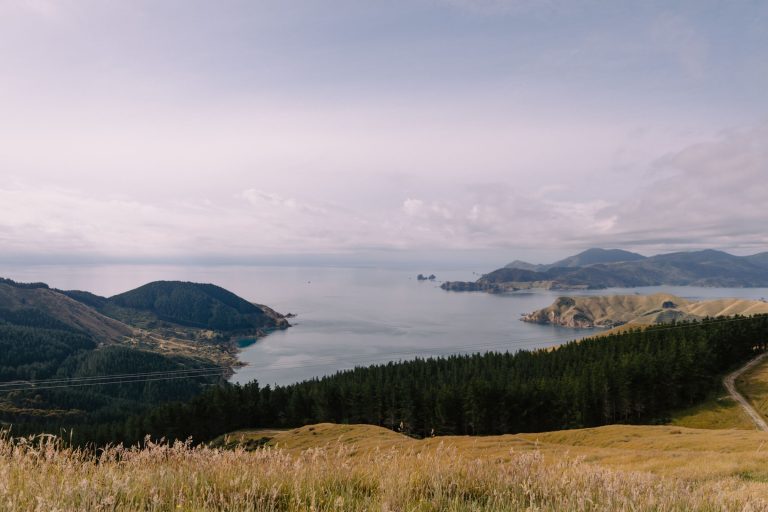
Sounds, the Queen Charlotte Track and the South Island.
Eco-sanctuary with native birds.
Wellington's calendar includes the World of WearableArt and Wellington on a Plate.
 Staff pick
Celebrate the Diwali Festival of Lights in Wellington, New Zealand, where the city comes alive with the colors, music, and flavors of Indian culture.…
 Staff pick
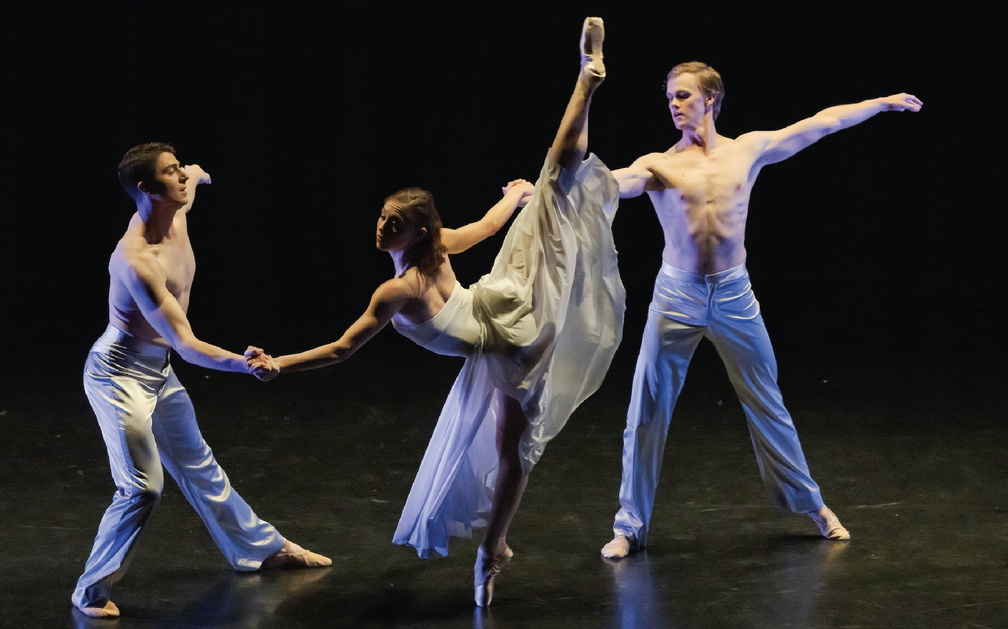
Royal New Zealand Ballet presents classical and contemporary dance productions with world-class choreography and artistry. Audiences experience both timeless ballets and innovative works performed…
 Staff pick
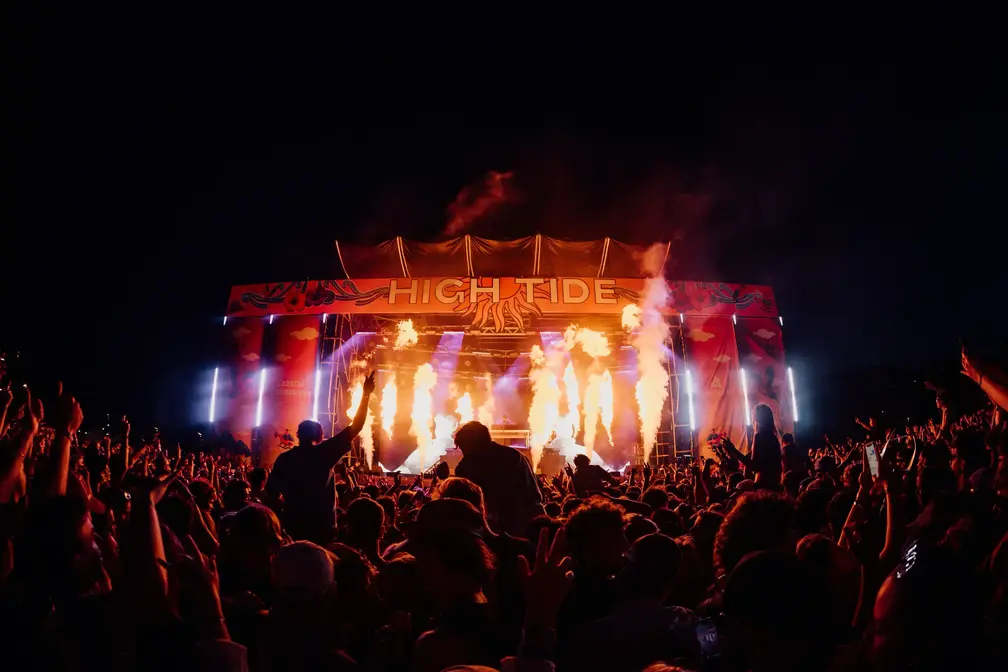
High Tide Festival transforms Wellington’s waterfront into a dynamic celebration of electronic music, featuring two stages and a diverse lineup spanning drum & bass,…
 Staff pick
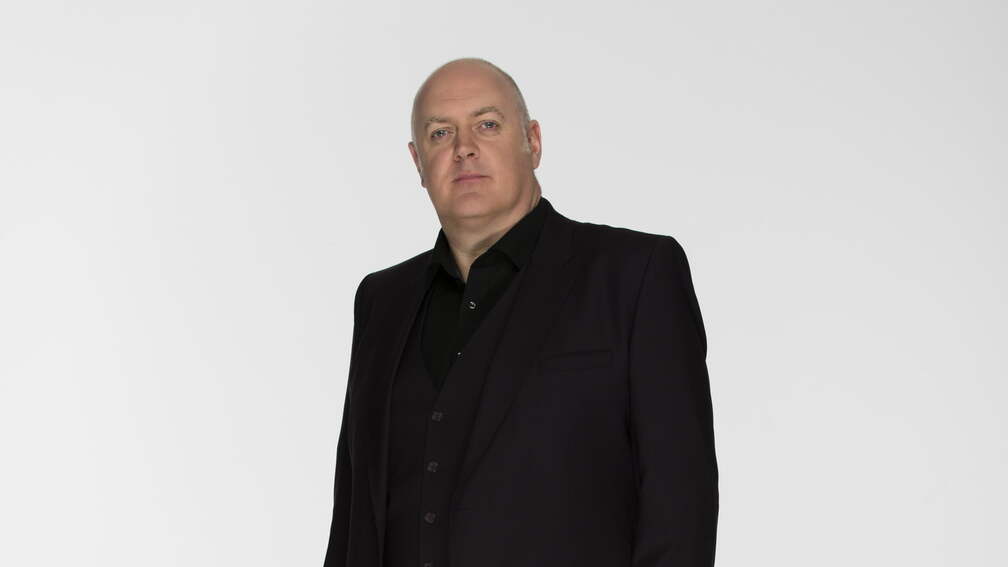
Dara O'Briain is a stand-up comedian and TV presenter from Ireland. Known for hosting shows like The Apprentice and Mock The Week, he has…
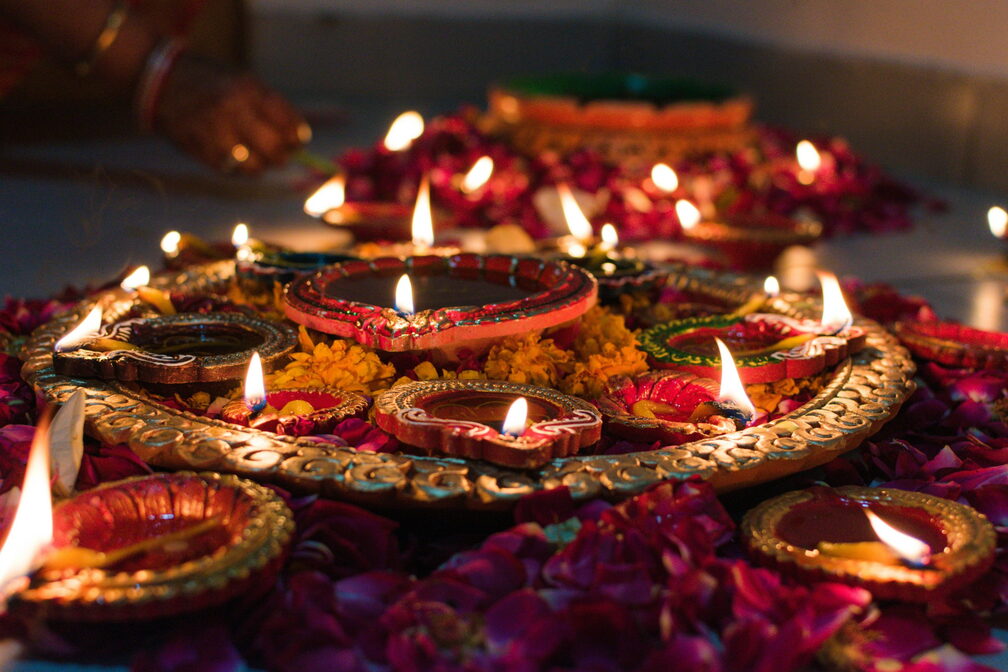
The Diwali Festival of Lights celebrates the rich culture and traditions of the Indian subcontinent with vibrant performances and activities. You can explore Indian…

Two of the world's most exciting cricket teams, the BLACKCAPS and India, face off in a T20I match this October. Expect a lively atmosphere…
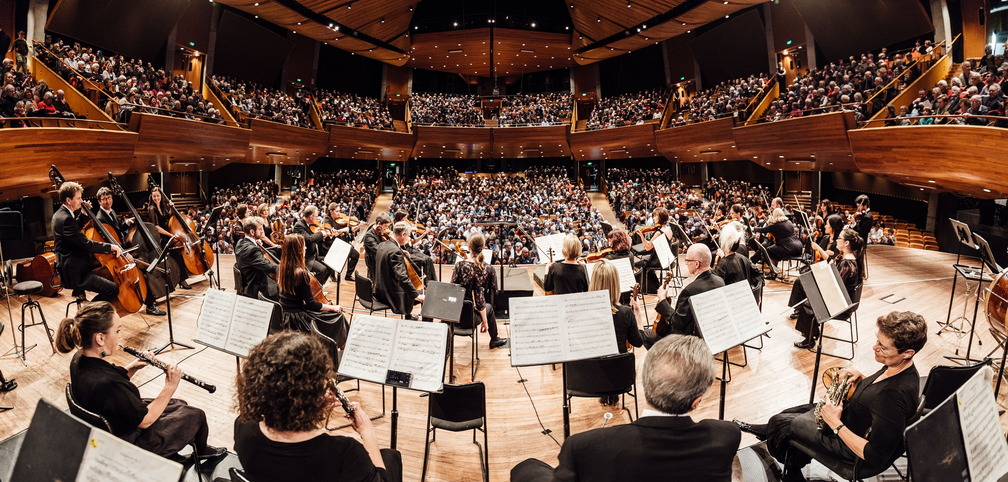
Orchestra Wellington's 2026 season centers on collaborations, bringing together top musicians and local ensembles for a series of concerts. You'll experience a wide range…

Wellington transforms into a vibrant outdoor art gallery with over 30 giant bee sculptures, each brought to life by Kiwi artists, scattered across the…
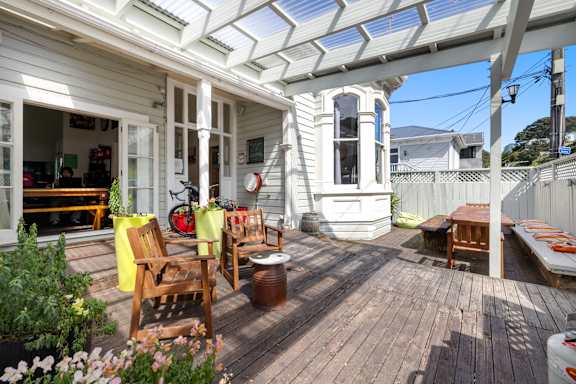
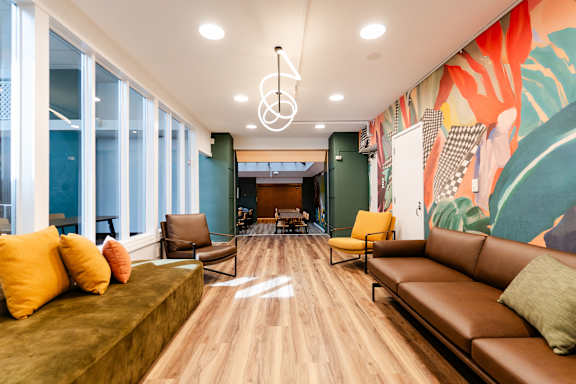
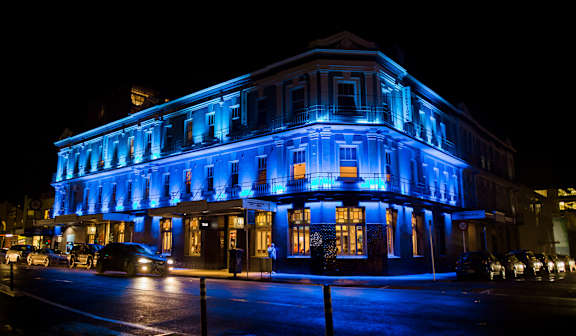
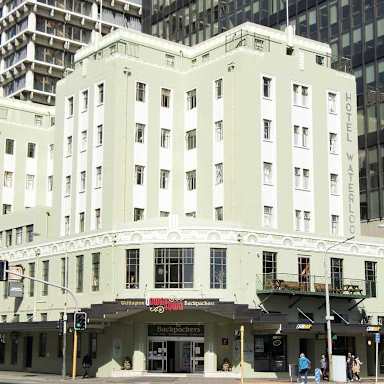
Wellington has seven hostels on Hostelworld, all within walking distance of Cuba Street and the waterfront.
Rated 9.2 from 1,445 reviews, close to Cuba Street, with dorms from about NZ$39.
Rated 9.2 from 156 reviews, under 1 km from the centre, with dorms from about NZ$35.
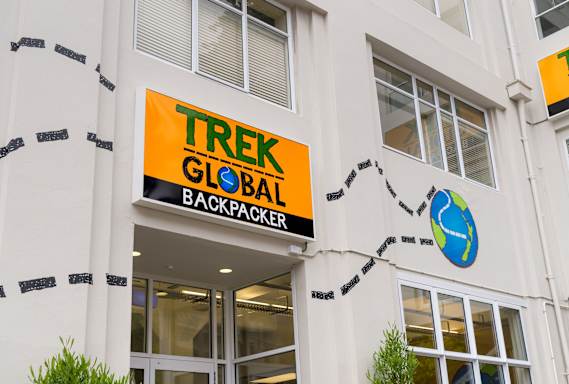
Rated 8.2 from 2,307 reviews, in the centre, with dorms from about NZ$27.
 Sustainable
Wellington is mild, with highs from 11°C in July to 20°C in January and February. December to March is the best time, with the most settled weather, though it can be windy all year.
Average daily highs from weather2travel's Wellington climate data. Crowd levels are our rough guide.
Pick a style and a number of nights for a rough total. Per day, for one person, in New Zealand dollars.
Estimates. Beds are based on Hostelworld prices in October 2026, converted from US dollars. The Cook Strait ferry sits outside these figures.
Prices and timetables change. Check before you travel.

Compare Wellington hostels: live prices, real reviews and free cancellation on most bookings. Then meet the people already there in the app.

 Get the App.

 Get the App.