New Zealand
New Zealand country guide

New Zealand Travel Guide

Two islands, five million people and forty million sheep. Glaciers, fjords, volcanoes and the best day walk in the world, all within a country the size of the UK.

NZ$35
Dorm bed, from
19.4km
The Tongariro Crossing
3
Hours between coasts, at the widest
9
Great Walks

Small country, absurd amount of landscape

New Zealand packs glaciers, fjords, active volcanoes, rainforest and beaches into a country you can drive the length of in two days: though you should take three weeks.

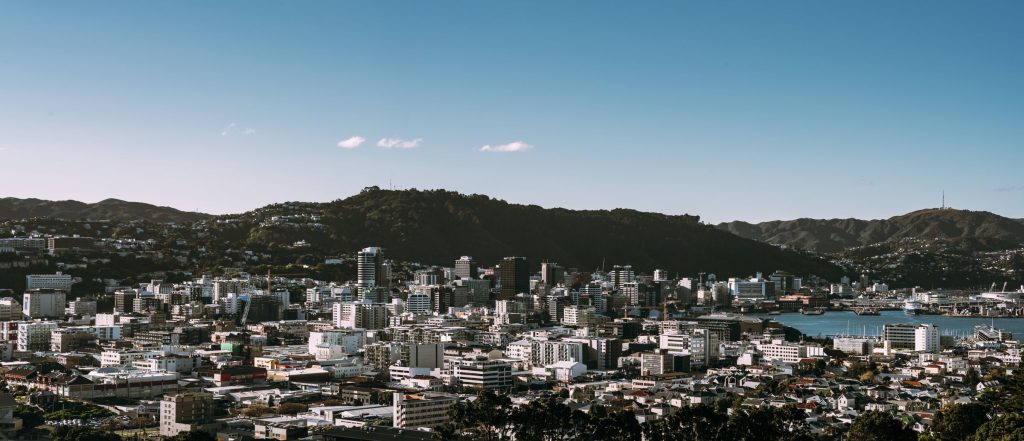
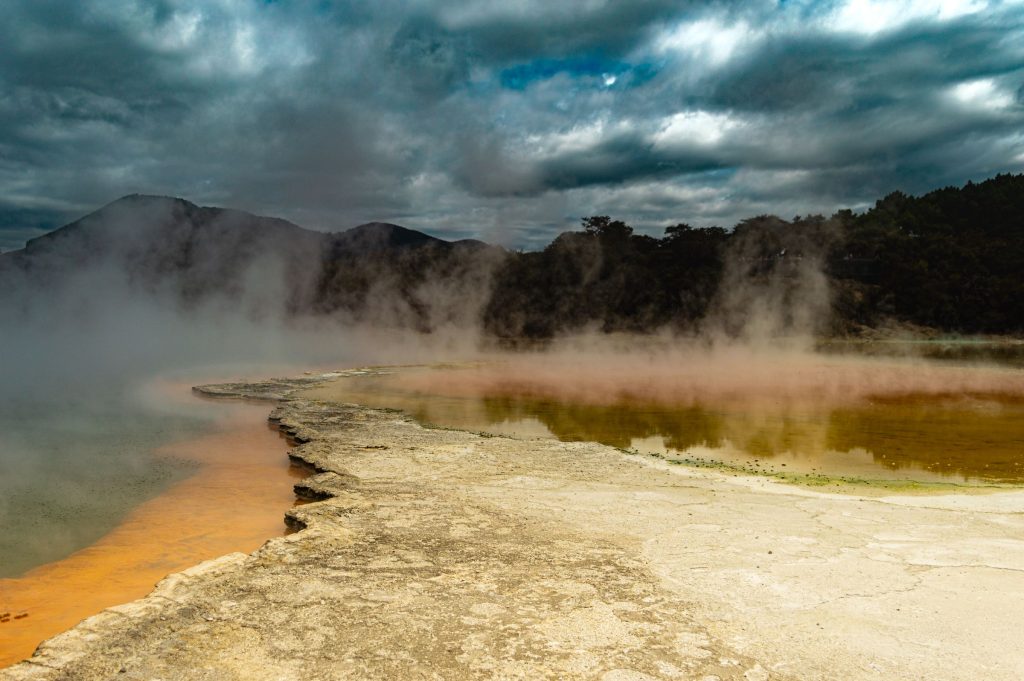
The North Island has the volcanic centre: Tongariro's alpine crossing, Rotorua's geothermal steam and Māori culture, and Taupō on the lake. Auckland is the biggest city and Wellington at the bottom is the capital and the better one.

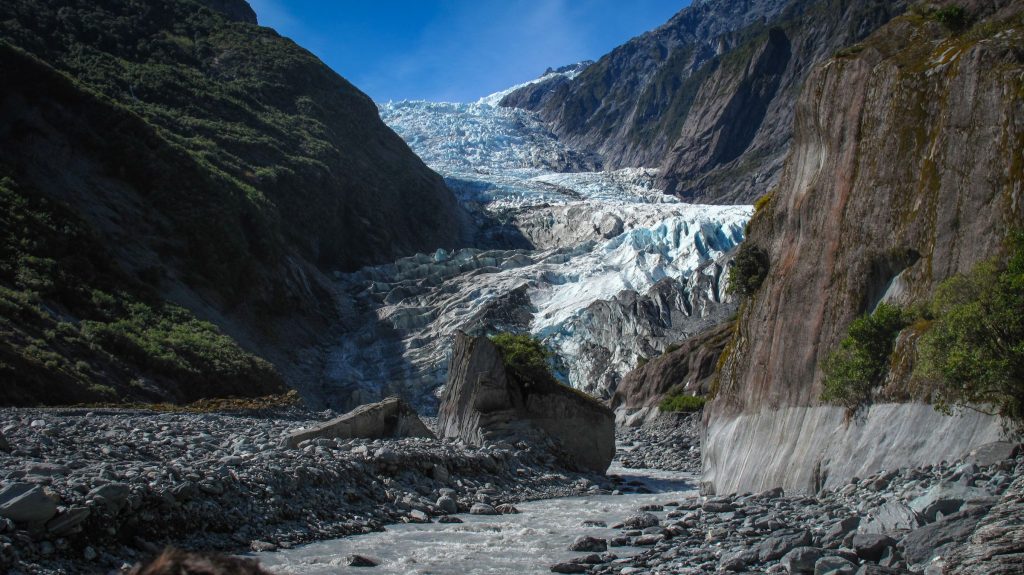
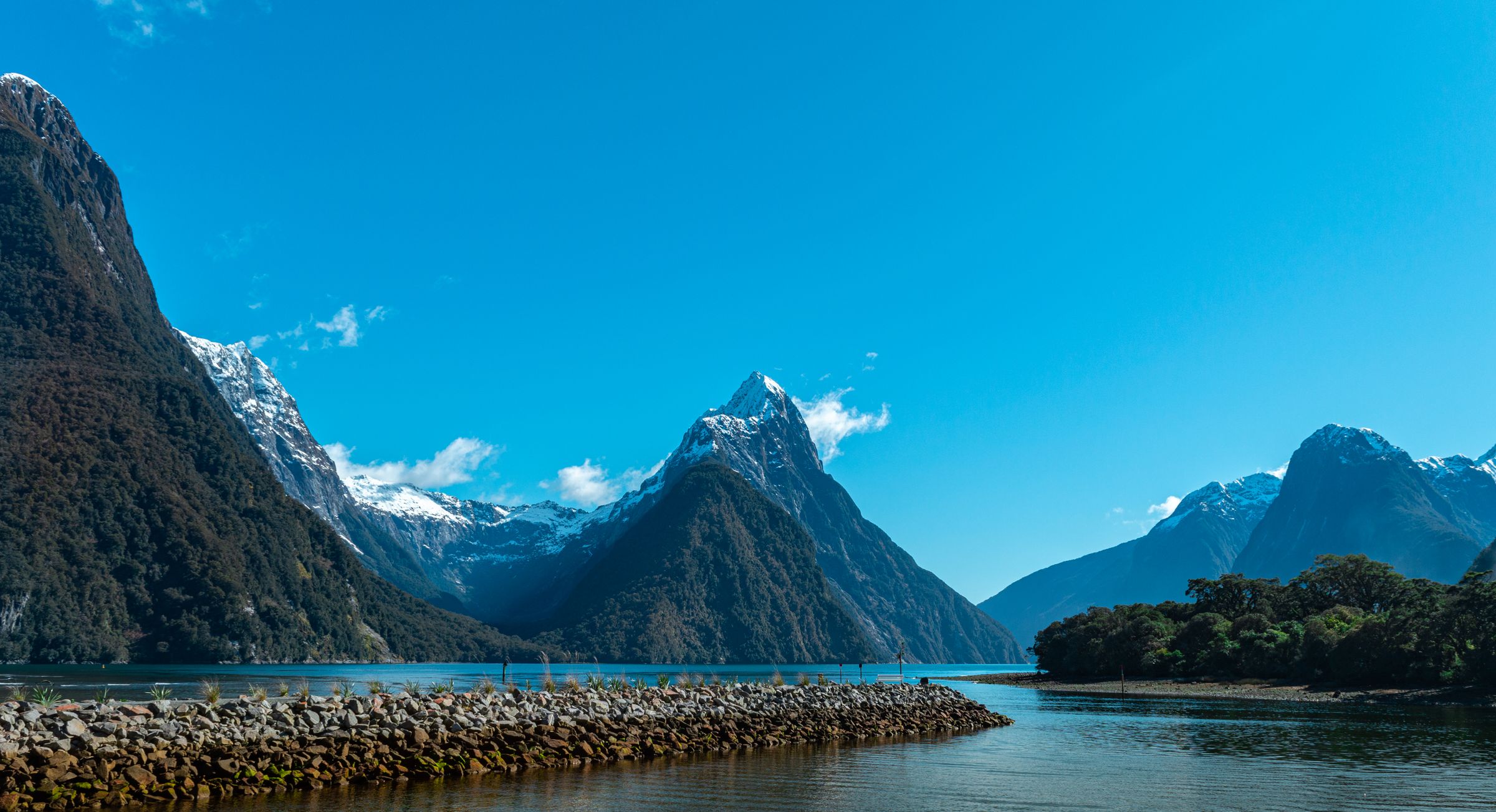
The South Island is what people come for. Queenstown does adventure sports on an industrial scale, Fiordland has Milford Sound, the West Coast has glaciers reaching towards rainforest, and Abel Tasman has the beaches.

A camper van is the classic way to do it, and the freedom camping rules are stricter than they used to be. Three weeks covers both islands at a reasonable pace; a month is better.

Where to go

Most people drive. The two islands are linked by the Cook Strait ferry from Wellington to Picton.

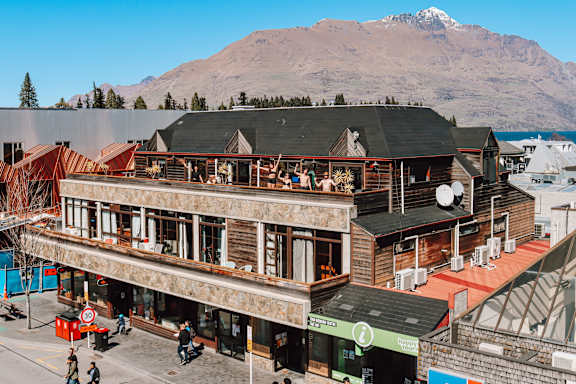
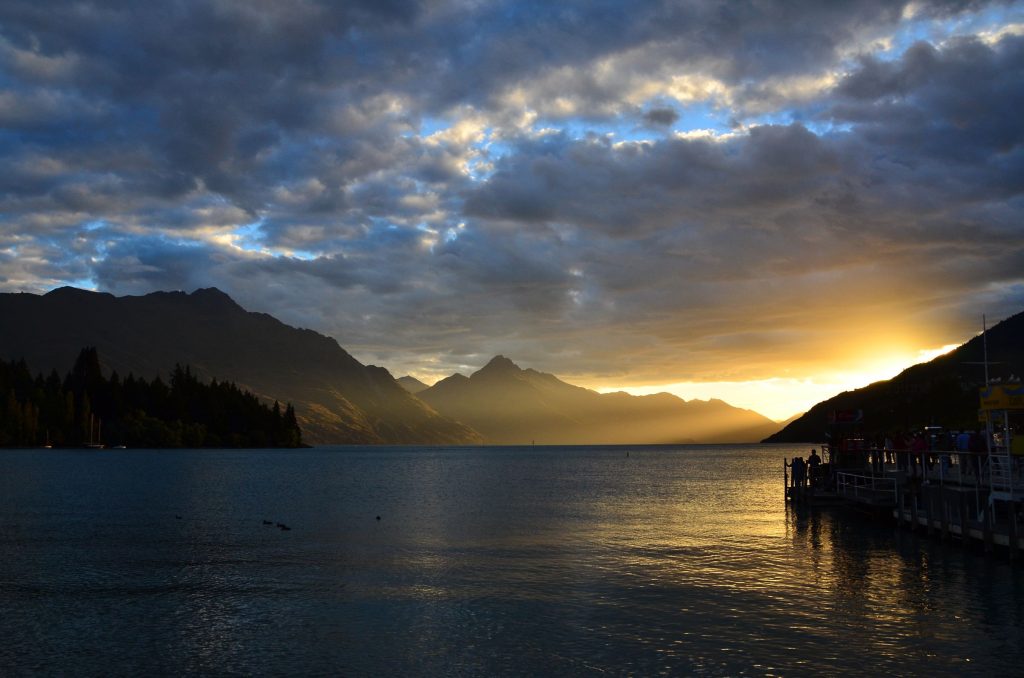
Queenstown

Queenstown

15 hostels · dorms from NZD 36

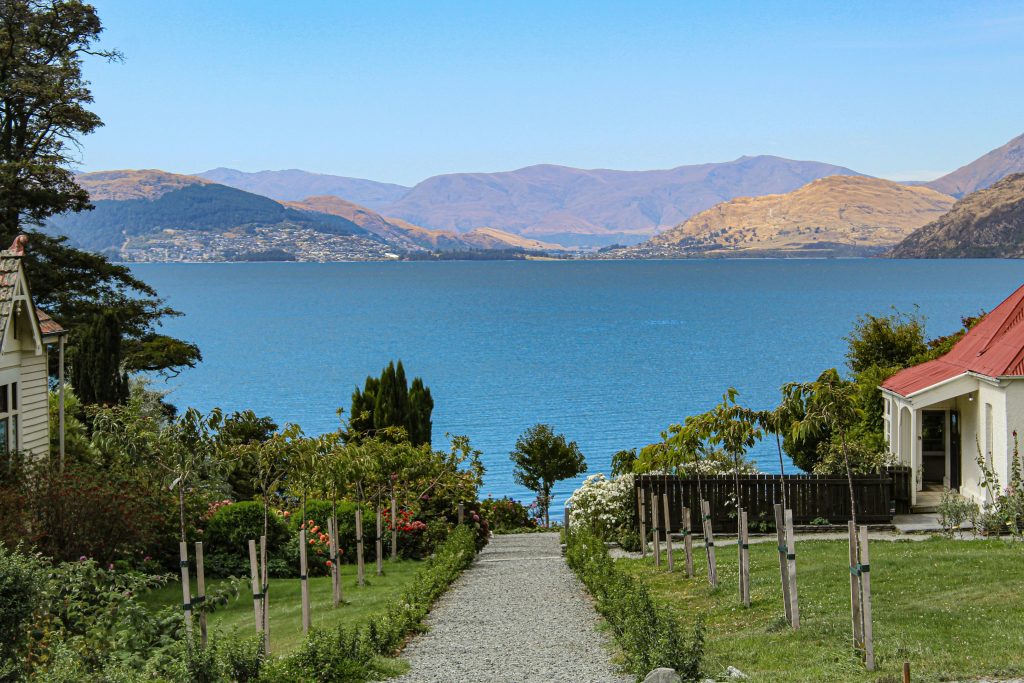
The adventure capital: bungee, skydiving, lake and mountains. Busy and expensive.

Would love to return to Queenstown. Has a lot to offer for everyone’s tastes!

A traveller, on Hostelworld
The Queenstown guide
Auckland

Auckland

24 hostels · dorms from NZD 43

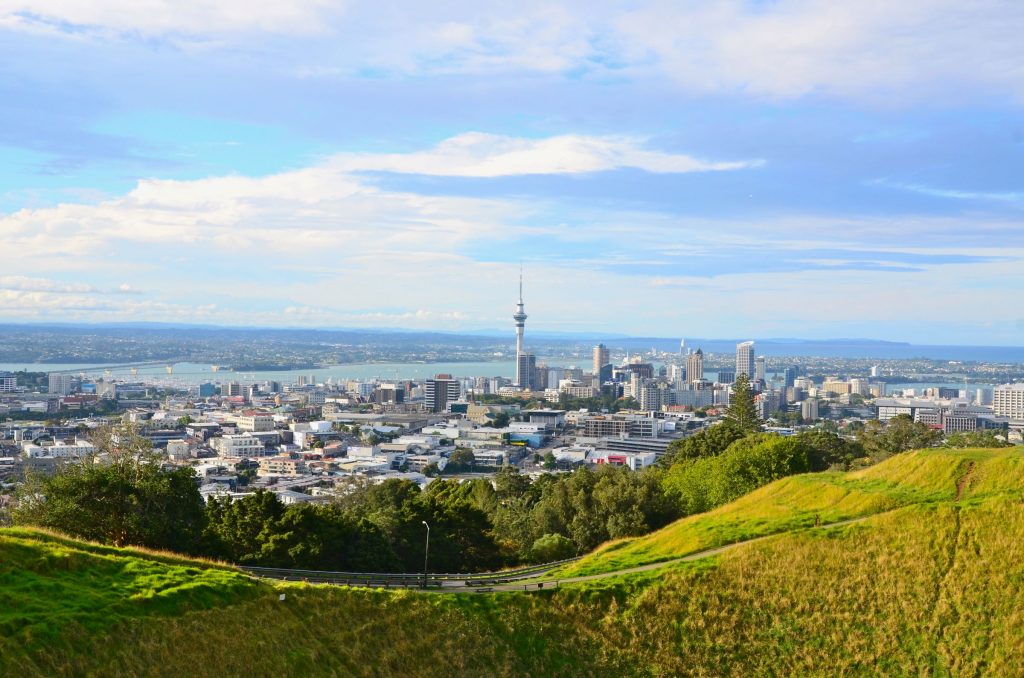
The biggest city, on two harbours, with volcanic cones across it and islands offshore.

We were only around for an afternoon and a morning. It's so easy to walk everywhere. The weather was good for spring, there's a lot of interesting building art, the waterfront is pretty and well developed, the green spaces are nice. We saw a fair bit on foot and would have to drive to explore more.

A traveller, on Hostelworld

The Auckland guide
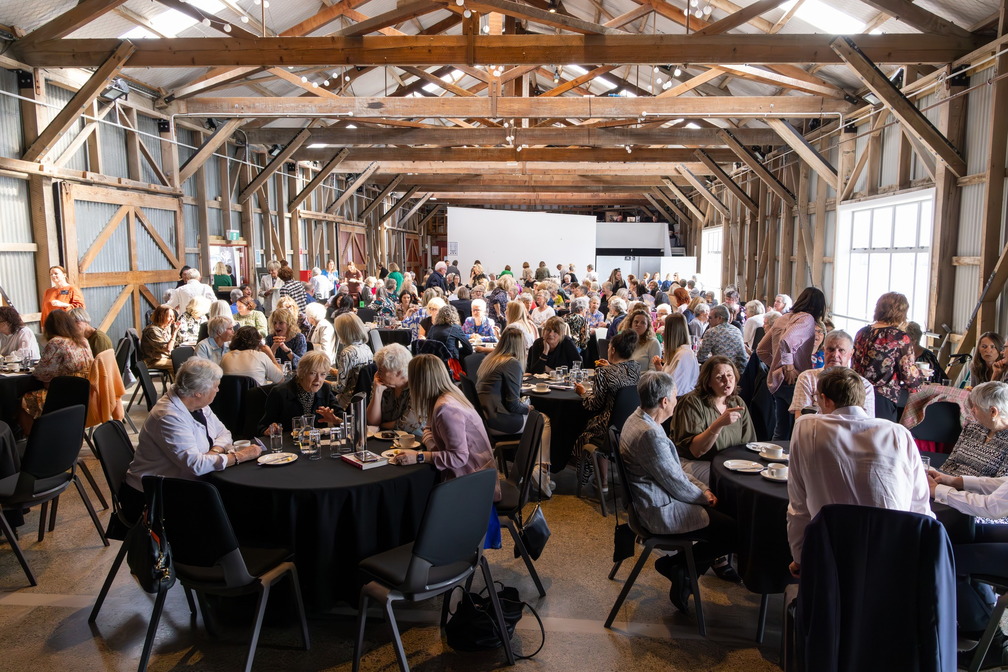
Wellington

Wellington

8 hostels · dorms from NZD 20

The capital: coffee, craft beer, Te Papa museum and wind that has to be experienced.

Everything close to hand, diverse activities everywhere and generally good vibes.

A traveller, on Hostelworld
The Wellington guide
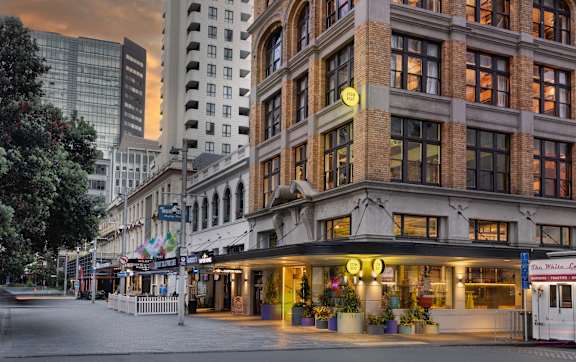
Rotorua

Rotorua

9 hostels

Geothermal pools, sulphur in the air, and the centre of Māori cultural tourism.

It is quite a small town with a lot of activities to explore, love the lake it is very scenic by end of the day.

A traveller, on Hostelworld
The Rotorua guide
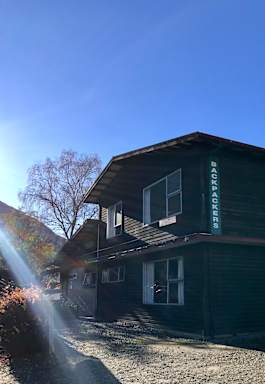
Franz Josef

Franz Josef

5 hostels

A glacier on the West Coast that ends near rainforest, reached by helicopter.

Incredible experience to take a helicopter to glacier if you have the budget

A traveller, on Hostelworld
The Franz Josef guide
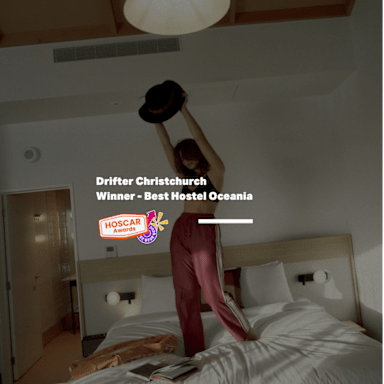
Te Anau

Te Anau

3 hostels

The gateway to Fiordland and Milford Sound, and the start of the Milford Track.

Te Anau is a place to visit for day excursion or rest and relax by the lake for doing nothing. It is a good place to start hiking fir various mountains or track as well as a gateway to Doubtful and/or Milford Sound. Overall, a quiet nice town and is a truly holiday getaway place 👍

A traveller, on Hostelworld
The Te Anau guide

What kind of trip is this?

New Zealand is a hiking and adventure country, and most people do it on wheels.

Adventure in New Zealand

The Great Walks, and every adrenaline sport that exists.

What to do

  • Tongariro Alpine Crossing
  • Bungee where it was invented
  • Kayak Milford Sound

Spots to visit

  • Tongariro
  • Milford Sound
  • Queenstown

Best cities for it

Things to do

Things to do in New Zealand

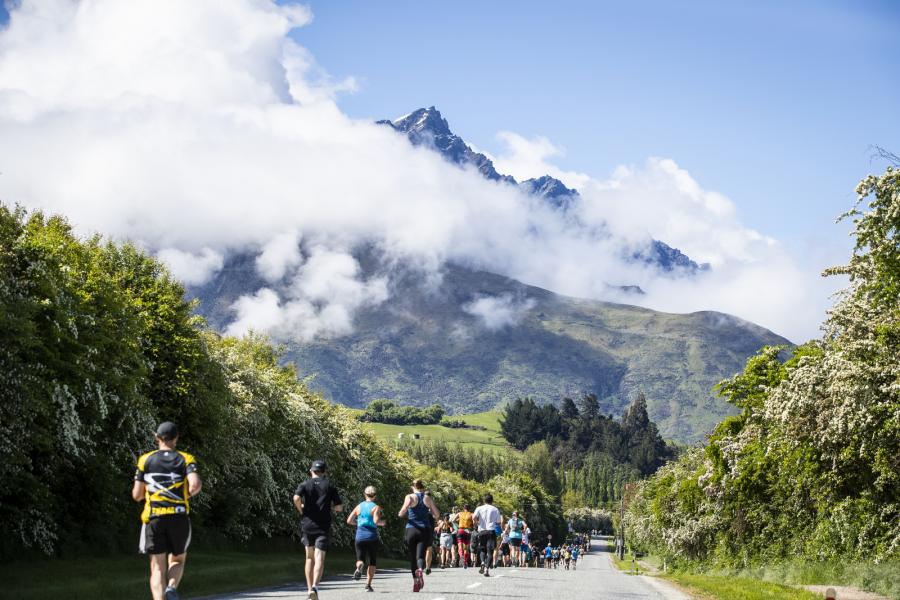
The Tongariro Alpine Crossing is 19.4km past active volcanic craters and emerald lakes, and is widely called the best day walk in the world. It needs a shuttle booking at both ends, decent weather and proper gear: it is above the treeline and the weather turns fast.

Milford Sound is the other essential: a fjord with sheer walls and waterfalls, reached by a spectacular road from Te Anau, and best on a boat or kayak. It rains there most days, which is when the waterfalls are at their best.

Queenstown is the adventure hub: bungee jumping was commercialised here, and skydiving, jet boating and canyon swings all run daily.

The nine Great Walks are the country's flagship multi-day tracks, with huts that must be booked months ahead for the summer season and sell out within minutes of opening.

Food and drink

Eating in New Zealand

New Zealand is expensive to eat out in: a cafe brunch is NZ$20 to NZ$28 and a pub dinner NZ$25 to NZ$40. Most travellers cook, and camper vans and hostel kitchens are built around that.

What is worth paying for is the seafood. Green-lipped mussels, crayfish in Kaikoura, whitebait fritters on the West Coast and oysters from Bluff are all local and excellent.

A hāngī, food cooked in an earth oven, is the traditional Māori meal and is usually experienced as part of a cultural evening in Rotorua. Wine is a serious industry (Marlborough sauvignon blanc and Central Otago pinot noir) and the coffee culture rivals Australia's, which both countries deny.

Nightlife

Going out in New Zealand

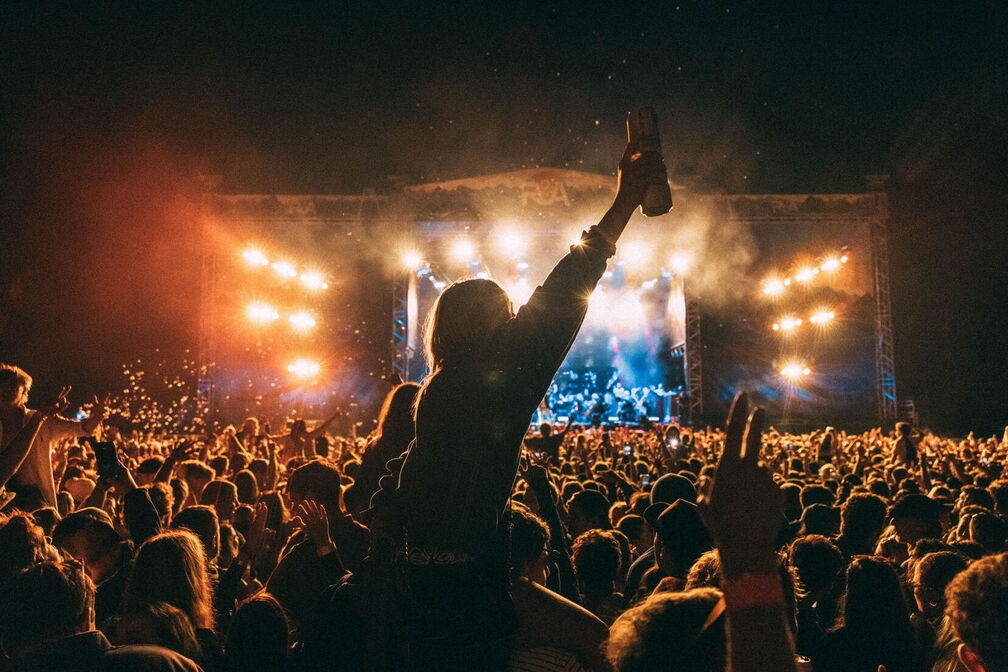
Queenstown has the most concentrated nightlife in the country, because it is full of young travellers and seasonal workers: bars along the lakefront, hostel nights and a scene that runs year-round through both ski and summer seasons.

Wellington has the best actual bar culture: craft beer, Cuba Street, and more venues per person than anywhere else in the country. Auckland is bigger and more spread out.

Drinks are expensive at NZ$10 to NZ$14 a beer, and bottle shops are much cheaper. Outside the main towns, nightlife means a pub or your campsite, and in most of the South Island that is genuinely all there is.

Getting around

Getting around New Zealand

Driving is how the country works. Camper vans and cars are rented or bought and sold at either end, and the classic trip runs Auckland to Queenstown over three or four weeks. Roads are good but slower than the distances suggest: winding, single-carriageway and scenic.

The Cook Strait ferry between Wellington and Picton takes about three and a half hours and books out in summer, especially with a vehicle.

InterCity buses cover the country for those not driving, and Kiwi Experience and Stray run hop-on hop-off backpacker services. Domestic flights on Air New Zealand and Jetstar link the main centres.

Freedom camping is now heavily regulated: only certified self-contained vehicles may camp outside designated sites in most districts, and fines are enforced. Use the CamperMate or Rankers apps to find legal spots.

Costs

What New Zealand costs

New Zealand is expensive. Dorms start around NZ$35 and rise sharply in Queenstown in season, a pub dinner is NZ$25 to NZ$40, and a beer is NZ$10 to NZ$14.

A day comes to NZ$100 to NZ$150. The camper van model is how most people bring that down: the vehicle is bed and transport in one, DOC campsites cost a few dollars a night, and cooking is built in.

Adventure activities are the other cost and they are not cheap: a bungee is NZ$200 to NZ$280, skydiving NZ$300 to NZ$450, a Milford Sound cruise NZ$80 to NZ$120. Pick two or three rather than all of them.

Safety

Staying safe in New Zealand

New Zealand has very low crime and the risks are entirely outdoors. The mountains are the serious one: weather in the Southern Alps and on the Tongariro Crossing changes within an hour, tracks are less waymarked than in Europe, and people die every year underestimating alpine conditions in summer clothing.

Tell someone your plans, check the forecast at a DOC visitor centre, and turn back rather than pushing on. Huts on the Great Walks must be booked and the alpine sections are genuinely exposed.

The sea has strong rips and cold water, and river crossings on tracks are a recurring cause of deaths: do not cross a river in flood.

New Zealand sits on a fault line and earthquakes happen; Christchurch in 2011 and Kaikōura in 2016 both caused deaths. Sand flies on the West Coast and in Fiordland are relentless and will ruin a trip if you arrive without repellent.

Entry and documents

Entry and documents

Visa-waiver nationalities, including the EU, UK, US and Canada, can visit for up to three months (six for UK citizens) but must obtain an NZeTA online before travelling, and pay the International Visitor Conservation and Tourism Levy at the same time. Both are done in one application and take a few days to process, so do it before booking flights rather than at the airport.

A working holiday visa is available to people generally aged 18 to 30, or 35 for some nationalities, allowing twelve months of work.

Biosecurity is extremely strict, as in Australia: declare all food, outdoor gear and hiking boots, and clean any equipment that has touched soil or fresh water elsewhere. Fines are immediate and substantial.

When to go

December to March is summer and the main season. September to November and March to May are quieter with decent weather, and winter is for skiing.

23°
Jan
Peak summer. Everything open, everything booked
24°
Feb
The best weather of the year, and still busy
22°
Mar
Excellent. Warm, settled and crowds thinning
19°
Apr
Autumn colour in Central Otago. Quiet and good value
16°
May
Cooling. Great Walks season ends and huts go unserviced
14°
Jun
Winter. Ski season opens around Queenstown and Ruapehu
13°
Jul
Peak ski season. Short days elsewhere
14°
Aug
Still skiing. Whale watching at Kaikoura year-round
16°
Sep
Spring. Quiet, and lambs everywhere
18°
Oct
Good value, unsettled weather, few people
20°
Nov
Excellent. Great Walks season opens and it is not yet busy
22°
Dec
Summer starts and Kiwis go on holiday from Christmas
Bar height is temperature. Colour is how busy it gets: quiet busy peak

Average highs for Auckland. The South Island is several degrees cooler, Fiordland is among the wettest inhabited places on earth, and alpine areas can snow in any month.

What your trip will cost

Pick how you travel and how long for. Per night, for one person, in New Zealand dollars.

A camper van folds bed and transport together and is how most people travel here. Big-ticket activities (bungee, skydiving, Milford cruises) sit outside these figures.

—
  • Beds—
  • Food and drink—
  • Getting around—
  • Doing things—
What's on

What is on while you are there

Waitangi Day and Matariki are the two that say most about the country.

New Zealand travel questions

The ones we get asked most.

How long do you need in New Zealand?
Three weeks minimum for both islands, a month to do it without rushing. The country looks small but the roads are winding and the driving is slower than the distances suggest.
Do I need an NZeTA?
Yes, if you are from a visa-waiver country. It is applied for online along with the tourism levy, takes a few days to process, and is required before you board: sort it before booking flights, not at the airport.
Camper van or hostels?
Camper vans are how most people do it: the vehicle is bed and transport in one, and DOC campsites cost a few dollars. But freedom camping is now heavily regulated, with certified self-contained vehicles only in most districts and fines enforced.
What is the Tongariro Alpine Crossing?
19.4km past active volcanic craters and emerald lakes, widely called the best day walk in the world. You need shuttles booked at both ends, real weather checking and proper gear: it is above the treeline and conditions turn fast.
Is New Zealand expensive?
Yes. Dorms from NZ$35, pub dinners NZ$25 to NZ$40, beer NZ$10 to NZ$14, and a day around NZ$100 to NZ$150. Activities are the other cost: a bungee is NZ$200 to NZ$280 and a skydive up to NZ$450.
When should I visit?
December to March for summer and the Great Walks, though it is busiest then. November and March are the sweet spots. June to October is ski season around Queenstown.
What are sand flies and do they matter?
They matter more than anything else on this list for day-to-day comfort. On the West Coast and in Fiordland they are relentless, and arriving without strong repellent genuinely ruins evenings outdoors.

Say yes to hostels, meet the world

Compare hostels across New Zealand: live prices, real reviews and free cancellation on most bookings. Then meet the people already there in the app.

Get the App. QRGet the App.
Get the App. QR  Get the App.
Scroll to Top