
The Backpacker Fitness Guide: Hostels, Parks, Gyms & More
Staying fit while travelling is one of those things that sounds simple in theory and gets complicated the moment you’re living out of a 40-litre pack. Your routine breaks. Your equipment isn’t there. The hostel dorm is too small to stretch properly. It’s 35 degrees outside, or it’s raining, or you stayed out too late and now the whole idea of exercise feels aspirational rather than actual.
But here’s the thing: backpacker fitness doesn’t require a gym, a routine, or even very much time. The most consistent travellers who maintain their fitness on the road do it through a combination of opportunism and flexibility, not rigid programming. They run in public parks. They use hostel pools and free weights where they find them. They do bodyweight sessions on rooftop terraces. They walk ten kilometres a day without calling it exercise because it doesn’t feel like a workout when you’re walking through a new city.
This guide covers the full picture: where to find places to train on the road, how to use zero-equipment bodyweight workouts effectively, what to look for in a travel-friendly fitness routine, and how to stay consistent when consistency is the hardest part.

🏨 Hostels With Fitness Facilities: More Common Than You Think
The stereotype of a hostel as a cramped bunk room with a shared bathroom has been outdated for years. A growing number of hostels, particularly those catering to longer-staying digital nomads and wellness-minded travellers, now have genuine fitness facilities.
What’s out there:
- Swimming pools: common in Southeast Asian hostels, where the climate makes them standard rather than a luxury
- Rooftop terraces: not always equipped for exercise, but often spacious enough for a full bodyweight session with a view
- Yoga decks: hostels in Bali, Thailand, Costa Rica, and Portugal increasingly have dedicated outdoor yoga spaces
- Free weights and small gyms: not universal, but more common in party-hostel chains and larger properties
- Gym partnerships: some hostels have arrangements with nearby gyms giving guests discounted or free day passes
When booking, search for “gym” or “fitness” in Hostelworld‘s amenity filters. It’s a quick way to narrow down properties that have these facilities without reading every listing description individually.
The hostel pool deserves specific mention. For bodyweight cardio, lap swimming, and general movement, a pool is one of the most complete fitness facilities available. Several of the hostels on Hostelworld’s most popular lists have pools that genuinely serve this purpose.
🌳 Parks, Trails and Outdoor Spaces: Your Free Gym
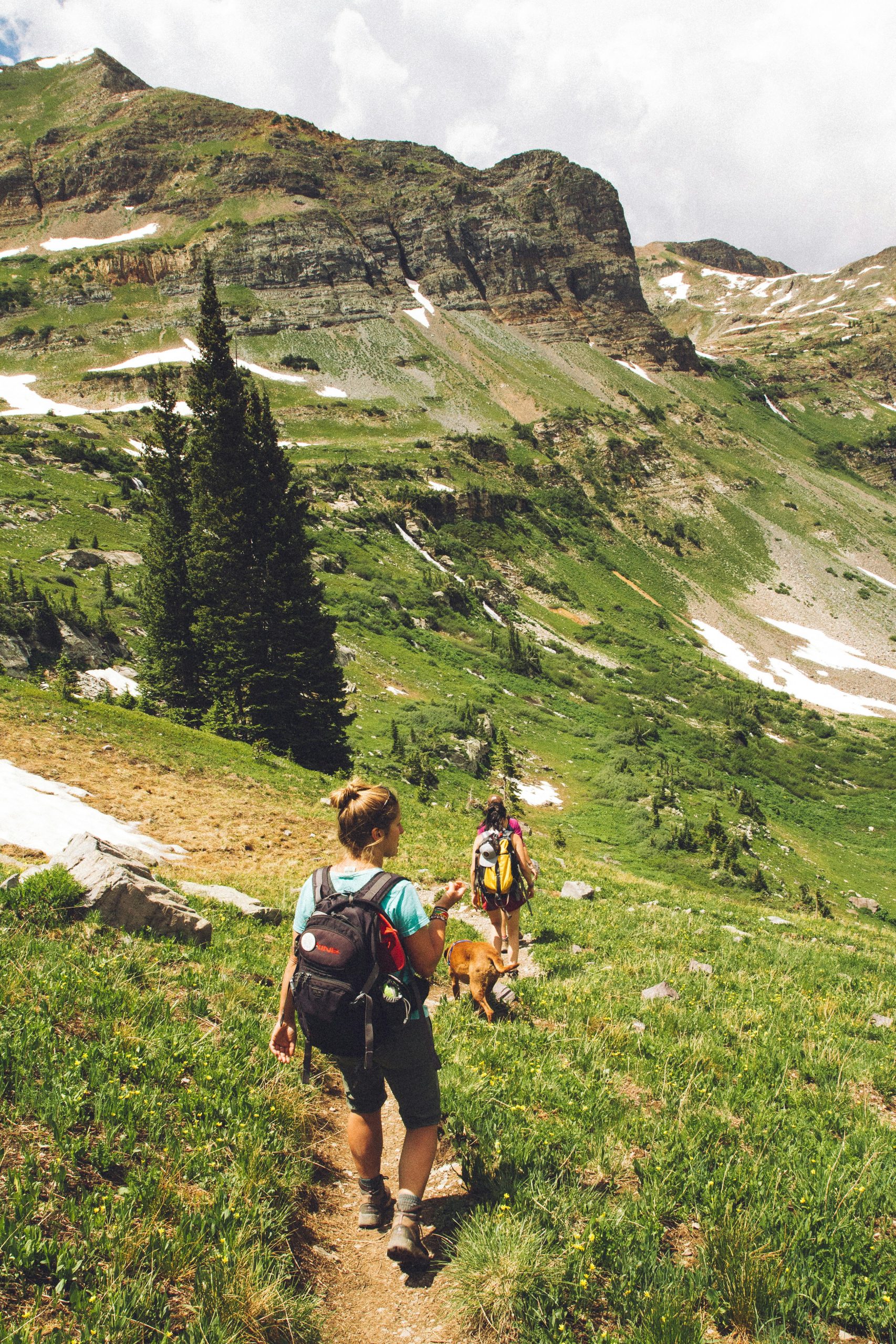
Every city in the world has outdoor space, and outdoor training is the most consistently available fitness option for backpackers worldwide. Parks cost nothing. Trails cost nothing. A beach, a riverside path, or a set of outdoor exercise equipment in a public park costs nothing.
What to look for in a new city:
- Running routes: Google Maps satellite view shows parks and paths before you arrive. Map My Run has city-specific route suggestions.
- Outdoor calisthenics parks: increasingly common in cities across Europe, Asia, and Latin America. Pull-up bars, parallel bars, and gymnastics rings built into public spaces. Excellent for strength training with zero cost.
- Beachfront promenades: flat, safe, and often pleasant to run or walk at any hour
- Stadium steps: public stadiums often have accessible exterior stairs. Stair repeats are brutal cardiovascular training.
- Park benches: the most underrated piece of training equipment. Incline push-ups, tricep dips, step-ups, elevated split squats. A park bench and your bodyweight covers most muscle groups.
The best outdoor training spots in any city are often known by locals and not flagged on tourist maps. Ask your hostel staff. They usually run or train somewhere nearby and are happy to share the spots.
💪 The Zero-Equipment Bodyweight Workout
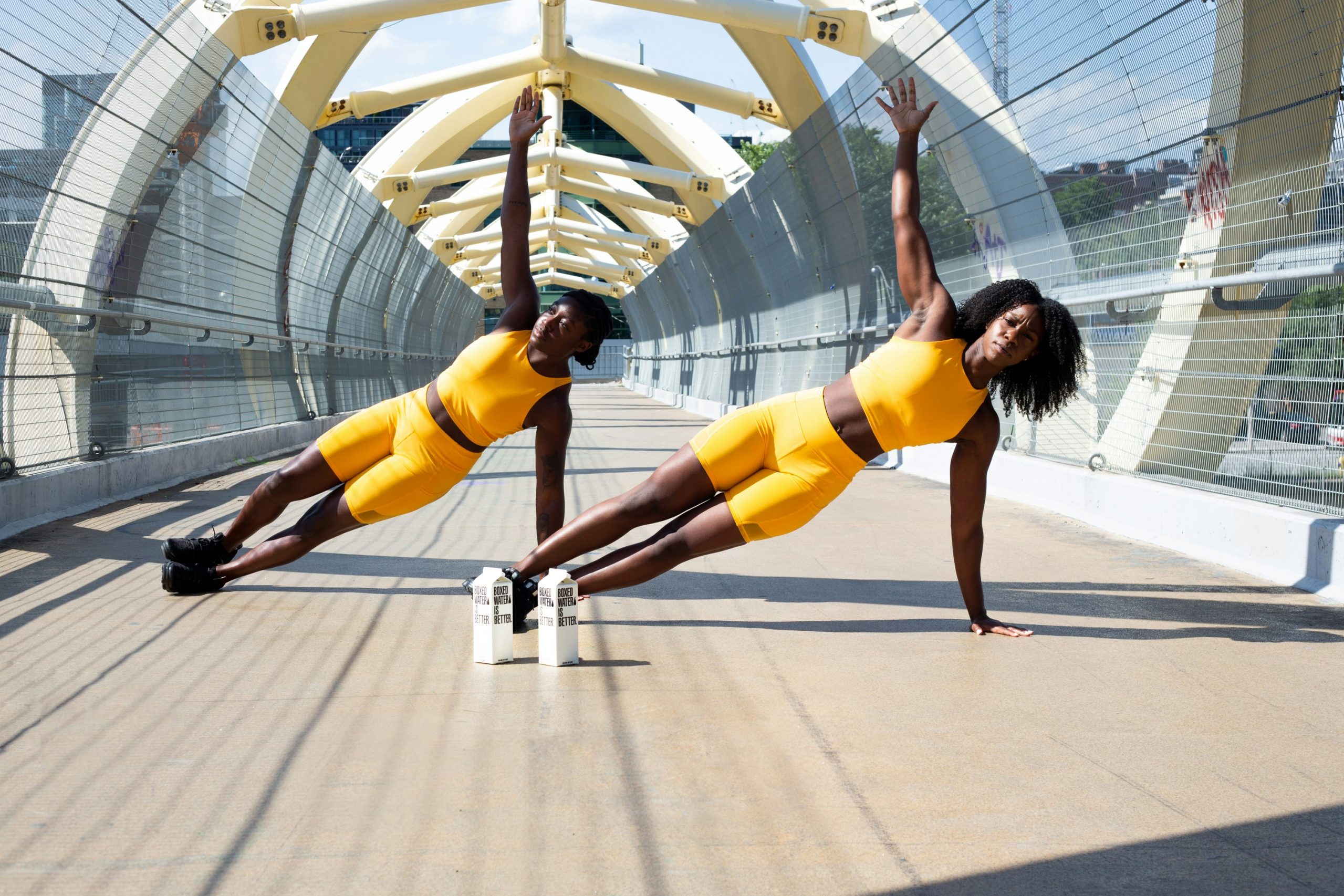
No gym. No equipment. Ten square metres of floor space. This is the backpacker’s workout, and done properly it’s genuinely effective.
A full-body session that fits in a hostel room, a park, or a rooftop:
Warm-up (5 minutes)
- 30 seconds each: jumping jacks, arm circles, leg swings, hip rotations, high knees
The workout (3 rounds):
- Push-ups: 15-20 reps (elevate feet for more chest, elevate hands on a bed or step for more shoulder)
- Bodyweight squats: 20 reps
- Reverse lunges: 12 each leg
- Plank: 45 seconds
- Glute bridge: 20 reps
- Tricep dips (using a chair, bench, or bed frame): 15 reps
- Mountain climbers: 30 seconds
Rest 60 seconds between rounds.
Core finisher:
- 30 seconds each: leg raises, bicycle crunches, side plank (both sides)
Total time: 30-35 minutes. No noise, no equipment, adaptable to any space. The key is progressive overload: when 3 rounds feels easy, add a fourth. When the rep counts feel light, slow the tempo.

🏊 Swimming: The Underrated Backpacker Workout
Swimming deserves its own section because it’s one of the most complete fitness activities available and one that backpackers often overlook as training.
A 30-minute swim session covers cardiovascular fitness, full-body muscular endurance, and flexibility without any impact on joints. For backpackers carrying heavy packs or doing a lot of walking, it’s one of the best recovery activities available.
Where to swim while travelling:
- Hostel pools (as above, increasingly common in warm-destination hostels)
- Public pools in most cities, usually very cheap (€1-5 for a session)
- Open water: beaches, lakes, rivers where safe and permitted
- Hotel pools (many allow day passes for non-guests, worth asking)
The practical kit: a lightweight silicone swim cap and a pair of goggles take up almost no space in a bag and make any swimming session significantly more effective. A microfibre towel doubles as both swim and shower towel.
Swimming is also culturally accessible in a way that gyms sometimes aren’t. A public beach or a hostel pool requires no membership, no language skills, and no equipment beyond a swimsuit.
🏋️ Finding Gyms on the Road
For travellers who want to lift weights or use machines, gyms are more findable than most people expect. The key is knowing where to look and what to ask.
How to find a gym in any city:
- Google Maps: search “gym” near your location. Filter by rating. Read reviews for any mention of day passes.
- ClassPass: available in 30+ countries, gives access to gyms and fitness studios by the class. Useful for short stays where a monthly membership makes no sense.
- Your hostel: staff often know the nearest affordable gym. Some hostels have formal or informal partnerships with gyms nearby.
- Fitness studios and CrossFit boxes: CrossFit affiliates exist in almost every major city worldwide and almost always welcome drop-in visitors for a day pass fee.
Day pass costs vary enormously by country:
| Region | Typical gym day pass |
|---|---|
| Southeast Asia | €2-5 |
| Latin America | €3-8 |
| Eastern Europe | €4-8 |
| Western Europe | €10-20 |
| USA/Canada | €10-25 |
| Australia/NZ | €10-20 |
For stays of a week or more in one city, a weekly or monthly pass is almost always cheaper than day rates. Ask at the front desk even if it’s not advertised.

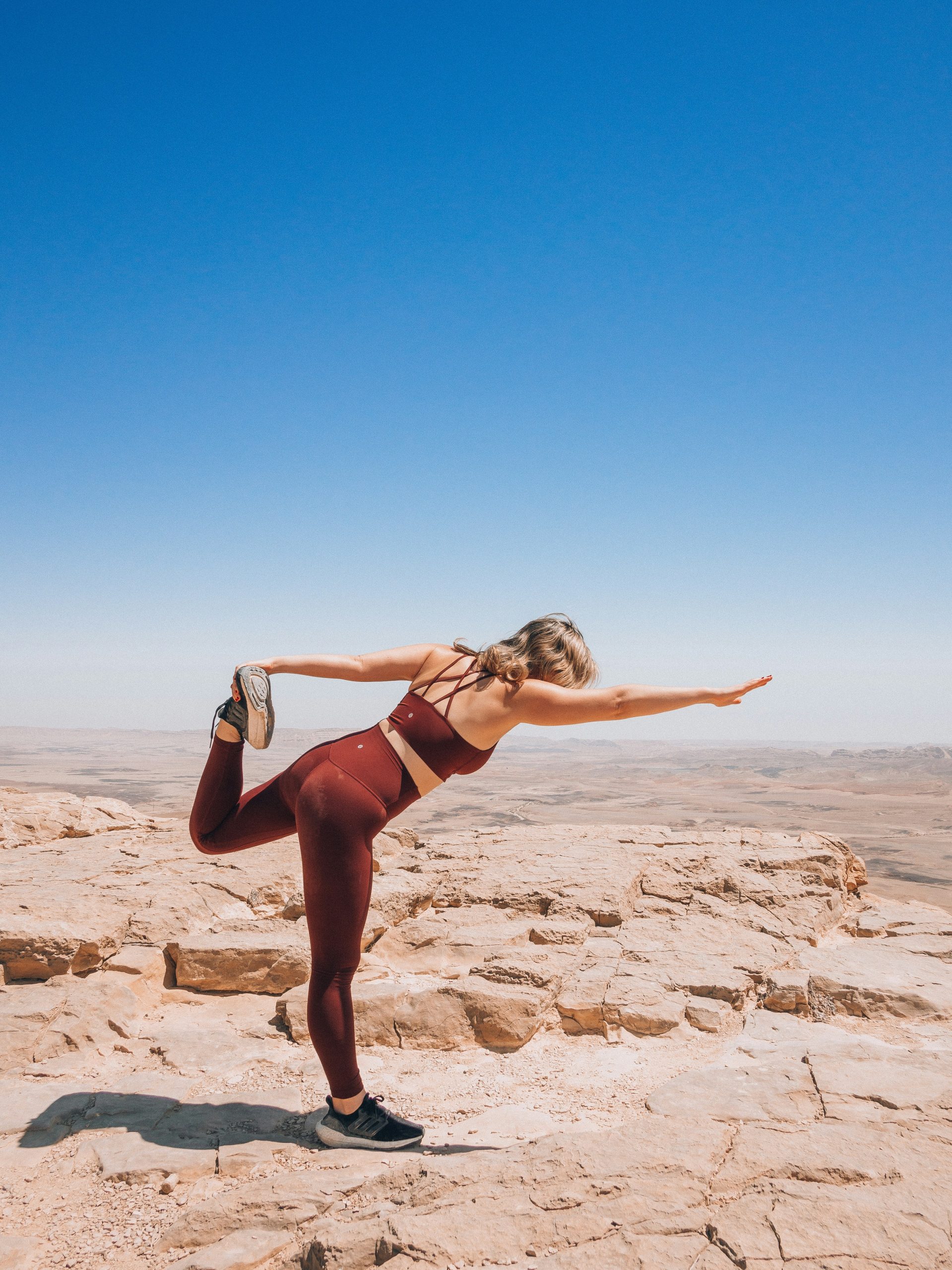
🧘 Yoga, Stretching and Active Recovery
This is often the most overlooked part of backpacker fitness, and it’s arguably the most important for long-term travellers. Carrying a heavy pack, sleeping on different mattresses, sitting on long bus journeys, and walking on uneven terrain all create muscular tension and postural strain that accumulates over time.
Yoga and stretching address this directly, and the good news is that both are available everywhere.
Free yoga resources for travel:
- YouTube channels (Yoga with Adriene is the most widely recommended for all levels)
- The Down Dog app: generates customised yoga sessions at any length and level, works offline after initial download
- Free community classes in parks (increasingly common in cities across Europe, Southeast Asia, and Latin America)
A daily 10-minute stretching routine for backpackers:
- Hip flexor stretch (60 seconds each side): counteracts hours of sitting on transport
- Thoracic rotation (30 seconds each side): relieves upper back tension from pack weight
- Doorframe chest stretch (60 seconds): opens shoulders closed by pack straps
- Pigeon pose or figure-four hip stretch (60 seconds each side)
- Neck rolls and shoulder circles (30 seconds each)
This takes less time than a shower and makes a measurable difference to how you feel over a long trip.
🏃 Running While Travelling: How to Make It Work
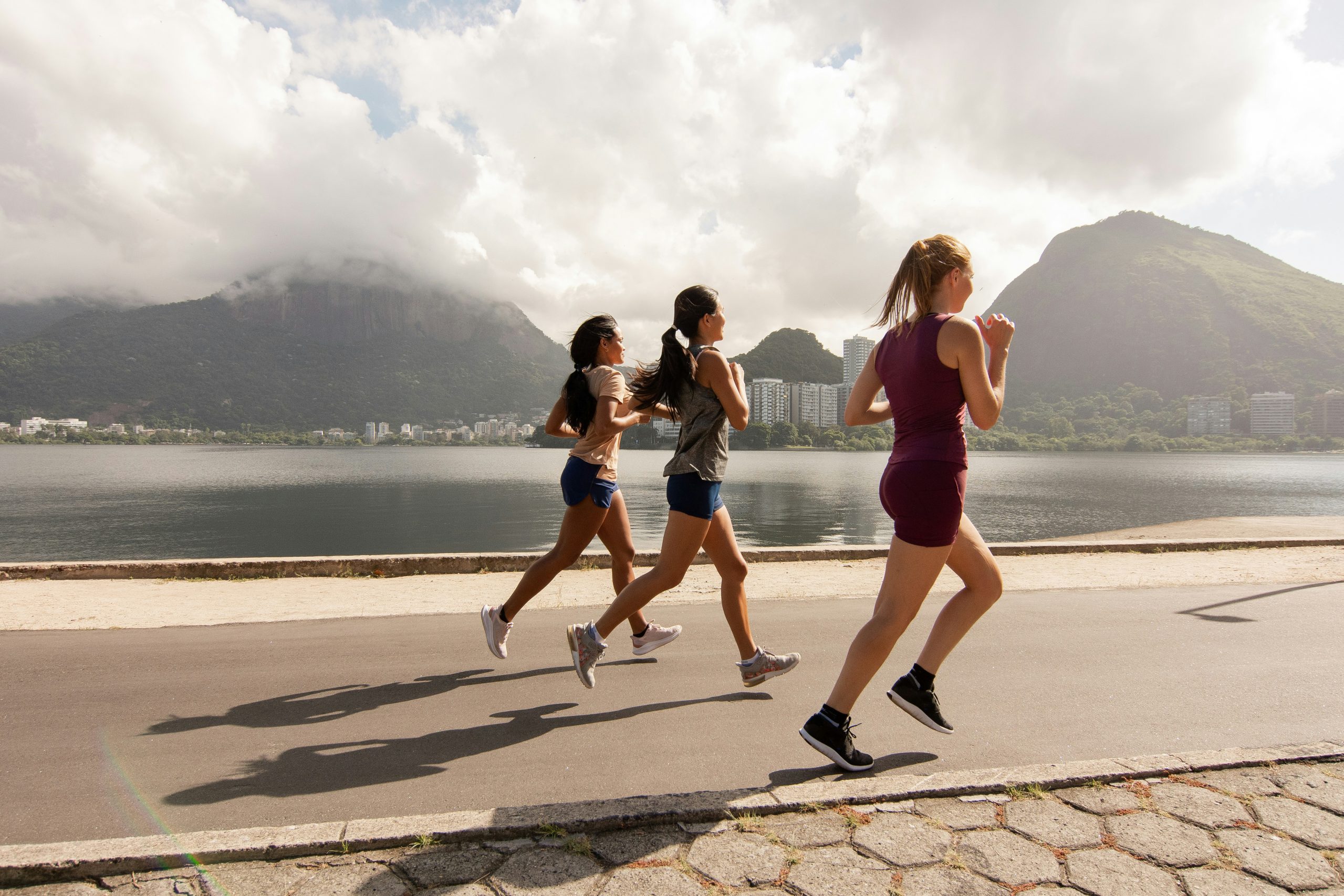
Running is the simplest possible fitness activity: one pair of shoes, any surface, any time. It’s the reason many backpackers who exercise at home try to keep running on the road, and the reason many of them struggle with it.
The challenges are real:
- Unfamiliar cities can feel unsafe or disorienting to run in alone
- Heat and humidity in tropical destinations make running a different activity entirely
- Running shoes are heavy and space-consuming in a pack
The solutions that work:
- Run in the early morning. Most cities are cooler, quieter, and safer at 6-7am than at any other time. It’s also when you’ll see the city in a way that no tourist itinerary offers.
- Use AllTrails, Map My Run, or Strava’s route finder to find established running routes before you arrive. Both have city-specific suggestions sorted by distance and difficulty.
- Lightweight trainers or trail shoes have become significantly better in the last few years. A pair of shoes that works for both light hiking and running reduces what you need to carry.
- For very hot destinations: run in the evening after the temperature drops, keep distances shorter, and carry water.
Parkrun: over 800 locations in 22 countries, free, weekly 5km runs in parks every Saturday morning. If your destination has one, it’s a brilliant way to run, meet local people, and feel like you’ve genuinely inhabited a place for a morning.

🥗 Eating Well Enough While Travelling
Fitness is only partly about exercise. What you eat matters, and eating well on the road is entirely possible without cooking facilities or a food budget that breaks the bank.
The honest framework for backpacker nutrition:
Prioritise protein. Eggs, legumes, street food grilled meats, Greek yogurt where available, and local fish and seafood are all high-protein options available cheaply in most parts of the world. Protein keeps you full and supports muscle maintenance.
Eat local. Market food and street food in most of the world is fresher, cheaper, and more nutritious than tourist-facing restaurants. A bowl of pho, a plate of rice and vegetables at a Thai market stall, or a cazuela in Colombia typically contains more nutrition than the equivalent meal in a hostel restaurant.
Stay hydrated. It sounds basic, but dehydration is one of the most common reasons travellers feel sluggish and struggle to motivate exercise. In hot climates particularly, drink more water than you think you need.
Use hostel kitchens. When a hostel has a kitchen, use it. A simple scrambled egg and vegetable breakfast, or a pot of pasta with whatever vegetables are available, is faster, cheaper, and more nutritious than most alternatives.
📅 Building a Realistic Fitness Routine on the Road
Consistency is the hardest part of backpacker fitness, and the biggest mistake is trying to maintain a routine that assumes stable conditions. A travel fitness routine has to be flexible by design.
What works for most long-term travellers:
Decide on frequency, not content. Three sessions per week is a realistic target for most backpackers. Whether those sessions are a run, a bodyweight workout, a swim, or a yoga class doesn’t matter. The number does.
Link exercise to your daily schedule. Morning workouts before the day starts tend to be more consistent than planned evening sessions that get replaced by social plans. This is not universal, but it’s a pattern that holds for most people.
Count walking. A day of city walking covering 10-15km is genuine cardiovascular activity. On days when you’ve covered significant ground on foot, that counts. Don’t add a full session on top of an eight-hour walking day.
The one thing that keeps travellers consistent: keeping the bar low enough that there’s no excuse not to do it. A ten-minute bodyweight session is infinitely better than no session because the full workout felt too ambitious. Start small. Build from there.
✅ Final Thoughts: Move in Whatever Way the Day Allows
Backpacker fitness is not about maintaining a peak physique or hitting personal records on the road. It’s about feeling good, having energy for the things you actually came to do, and maintaining a baseline of physical health over a trip that might last months.
The most consistent fitness habit for travellers is the one that adapts. Some days that’s a proper gym session. Some days it’s twenty minutes of bodyweight exercises on a hostel rooftop. Some days it’s a long walk through a market. All of it counts. All of it adds up.
Carry your trainers. Use the hostel pool when it’s there. Find the park. Run on Saturday mornings where Parkrun exists. Stretch for ten minutes before bed. That’s enough to arrive home feeling the same as when you left, and that’s genuinely the goal.
Download the Hostelworld app to start booking now


❓ FAQs: Backpacker Fitness
What fitness equipment is worth carrying while backpacking?
Almost none. Resistance bands are the most common recommendation: lightweight, versatile, and useful for adding resistance to bodyweight exercises. A jump rope is compact and provides good cardio. Beyond that, the weight-to-benefit ratio doesn't justify carrying equipment.
Do hostels have gyms?
Some do. Hostelworld's amenity filters let you search for properties with gym or fitness facilities. Pools are more commonly available than traditional gyms, particularly in warmer destinations. Check the listing and reviews before booking if this matters to your decision.
How do I find gyms in foreign cities?
Google Maps, ClassPass (available in 30+ countries), and asking your hostel staff. CrossFit affiliates exist in most major cities worldwide and almost always accept drop-in visitors. Day pass costs vary widely: expect €2-5 in Southeast Asia and €10-20 in Western Europe.
Is walking enough exercise while travelling?
For general health maintenance, yes. A typical day of city tourism and exploration covers 8-15km of walking, which is substantial cardiovascular activity. For strength maintenance or fitness improvement, walking needs to be supplemented with resistance or higher-intensity work.
What is Parkrun and where does it operate?
Parkrun is a free, weekly 5km run held in parks every Saturday morning. It operates in 22 countries with over 800 locations. No registration required on the day beyond a one-time sign-up at parkrun.com. It's one of the best ways to exercise, explore a local park, and meet residents in any city that has one.
How do I motivate myself to exercise while travelling?
Keep the bar low. A ten-minute session is better than no session. Link workouts to a consistent time of day (mornings tend to work best). Count walking. Focus on how exercise makes you feel rather than what it achieves. And accept that some weeks will be lower activity than others without making it a problem.


 Get the App.