
Vienna vs Munich: Where Should You Go on Your Next Trip?
Choosing between Vienna and Munich is the kind of travel debate that tends to divide people neatly into two camps. Both cities are elegant, culturally rich, and built around a quality of life that makes them genuinely wonderful to visit. But they’re different in ways that matter, and the right choice depends entirely on what kind of traveler you are.
This guide breaks down everything: the history, the food, the beer, the music, the nightlife, the cost, and the hostel scene. Whether you’re planning your first Central European trip or trying to squeeze one great city into a long weekend, here’s everything you need to decide.
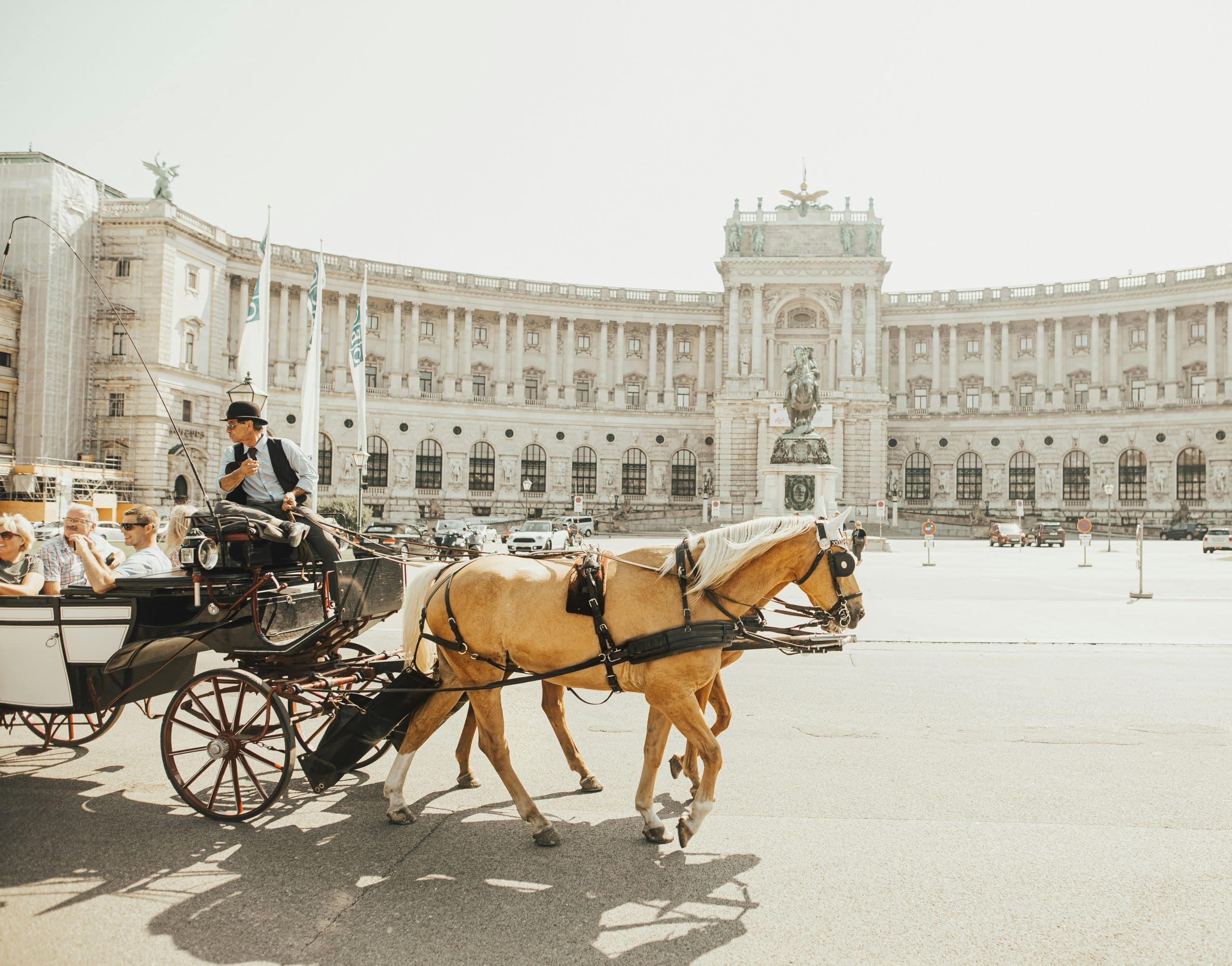
🌆 Vienna at a Glance
Vienna is imperial, unhurried, and quietly magnificent. It was the center of one of history’s great empires and it still carries that grandeur in its boulevards, its coffee houses, and its concert halls.
Short snapshot:
- Atmosphere: Elegant, cultured, deeply historic, unexpectedly edgy in pockets
- Best for: Music lovers, art enthusiasts, coffee house devotees, architecture admirers
- Vibe: Slow mornings in a café, afternoon museums, evening concerts, late-night wine bars
Quick tip for first timers: Vienna rewards slowness. The impulse to rush between landmarks is worth resisting. Sit in a coffee house for two hours, read, watch people, and let the city’s pace become your pace. It’s one of the best things you can do here.
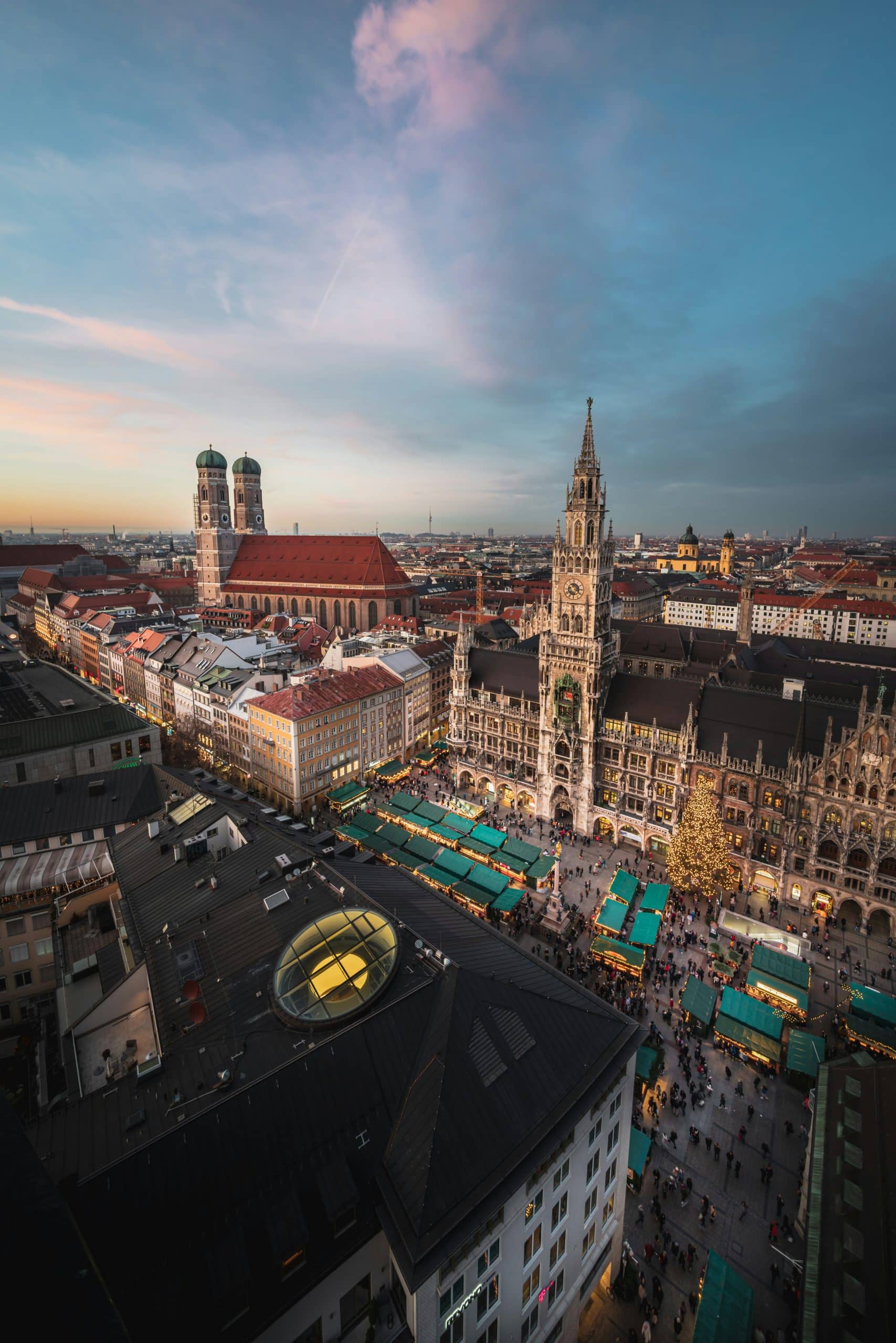
🏙️ Munich at a Glance
Munich is Bavaria distilled into a city. It’s wealthy, confident, outdoorsy, and built around a genuine enjoyment of life that shows in everything from its beer gardens to its world-class museums to the fact that people actually swim in the river that runs through the city center.
What to expect:
- Atmosphere: Warm, energetic, traditional with a modern pulse
- Best for: Beer garden lovers, outdoor enthusiasts, festival travelers, family trips
- Vibe: Breakfast at a market, afternoon in the English Garden, evening in a beer hall
If Vienna is a beautifully composed symphony played in a gilded concert hall, Munich is a brass band in a sun-filled garden and both versions are exactly right for the moment they’re in.
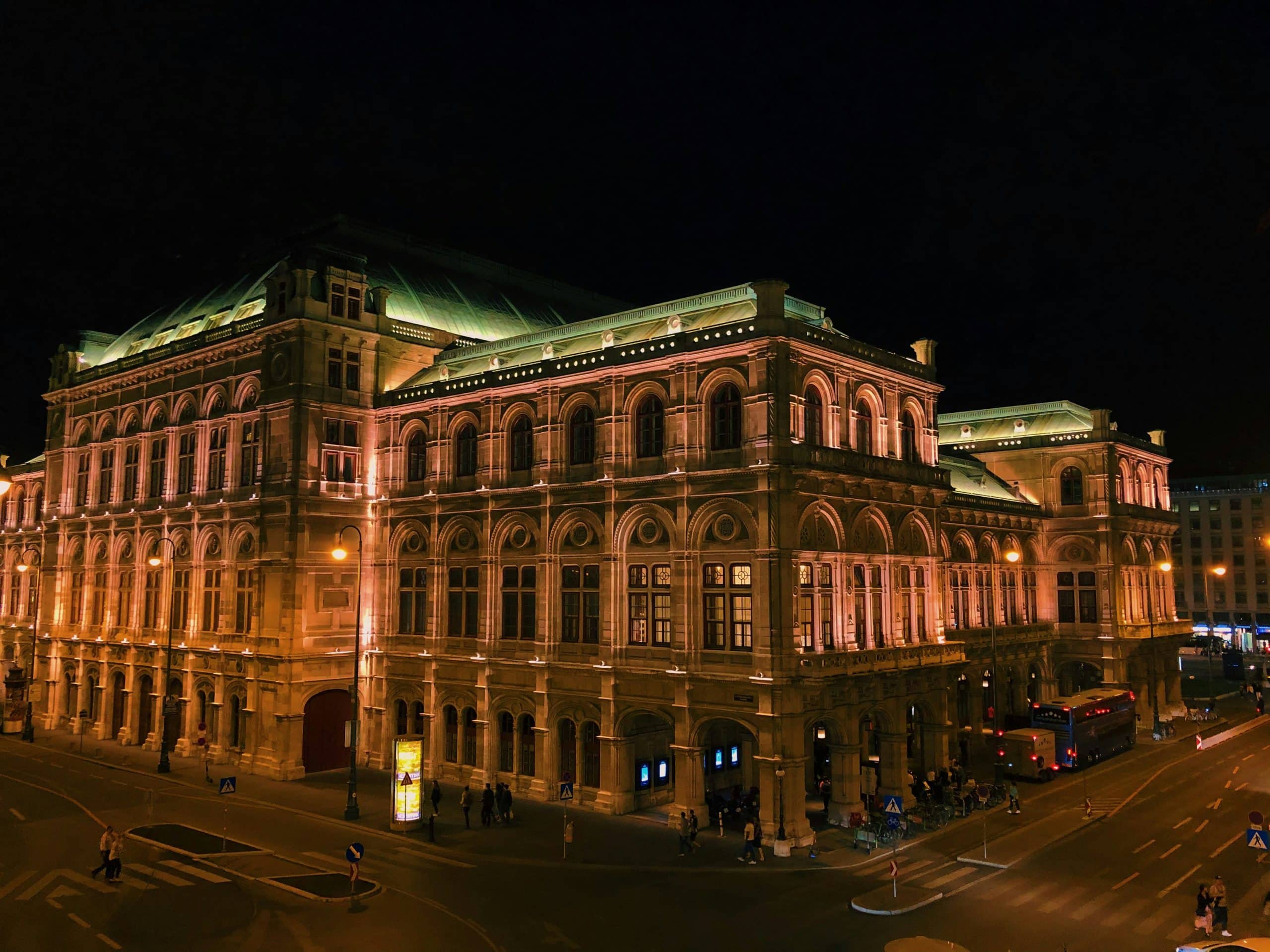
🎨 History, Culture & Things to See
Two cities, two completely different relationships with their own histories, and both are fascinating for entirely different reasons.
Vienna’s cultural identity is built around empire, music, and ideas. This was the capital of the Habsburg Empire for centuries, and that legacy is visible everywhere. The Kunsthistorisches Museum houses one of the greatest art collections in the world, with rooms full of Bruegel, Vermeer, Raphael, and Caravaggio that could occupy a serious art lover for days. The Belvedere Palace holds Klimt’s famous painting The Kiss in a setting so beautiful that the building almost competes with the art inside it.
Music runs through Vienna’s identity more deeply than almost any other city on earth. Mozart, Beethoven, Schubert, Brahms, and Mahler all lived and worked here. The Vienna State Opera is one of the world’s great institutions, and standing-room tickets make it genuinely accessible to budget travelers. The Musikverein, home of the Vienna Philharmonic, offers one of the finest concert hall acoustics in existence.
Beyond the imperial, Vienna has a modernist and contemporary layer that surprises many first-time visitors. The Leopold Museum holds the world’s largest collection of Egon Schiele’s work. The MuseumsQuartier is one of the largest cultural complexes in the world, combining major galleries with outdoor spaces, cafes, and a creative energy that feels very much alive.
Munich’s cultural identity is rooted in Bavarian tradition, royal patronage, and a serious museum culture that often gets overlooked in favor of the beer halls. The Deutsches Museum is the largest science and technology museum in the world, and it’s genuinely extraordinary. The Alte Pinakothek, Neue Pinakothek, and Pinakothek der Moderne form a trio of world-class art museums within walking distance of each other, covering everything from medieval masters to contemporary design.
The Nymphenburg Palace and its extensive grounds offer a quieter, more spread-out version of the grand palace experience, less visited than Vienna’s imperial sights and more enjoyable for it. The English Garden, one of the largest urban parks in the world, is the city’s true heart, where locals sunbathe, drink beer at the Chinesischer Turm beer garden, and surf a standing wave on the Eisbach river with a casualness that perfectly captures the Munich spirit.
| City | Cultural Strength | Best For |
|---|---|---|
| Vienna | Imperial art, classical music, Jugendstil design | Opera, world-class art museums, Habsburg history |
| Munich | Science, Bavarian royal history, modern art | Deutsches Museum, English Garden, Alte Pinakothek |
Vienna is deeper in classical culture. Munich is broader in range and more relaxed in how it invites you to engage with it.
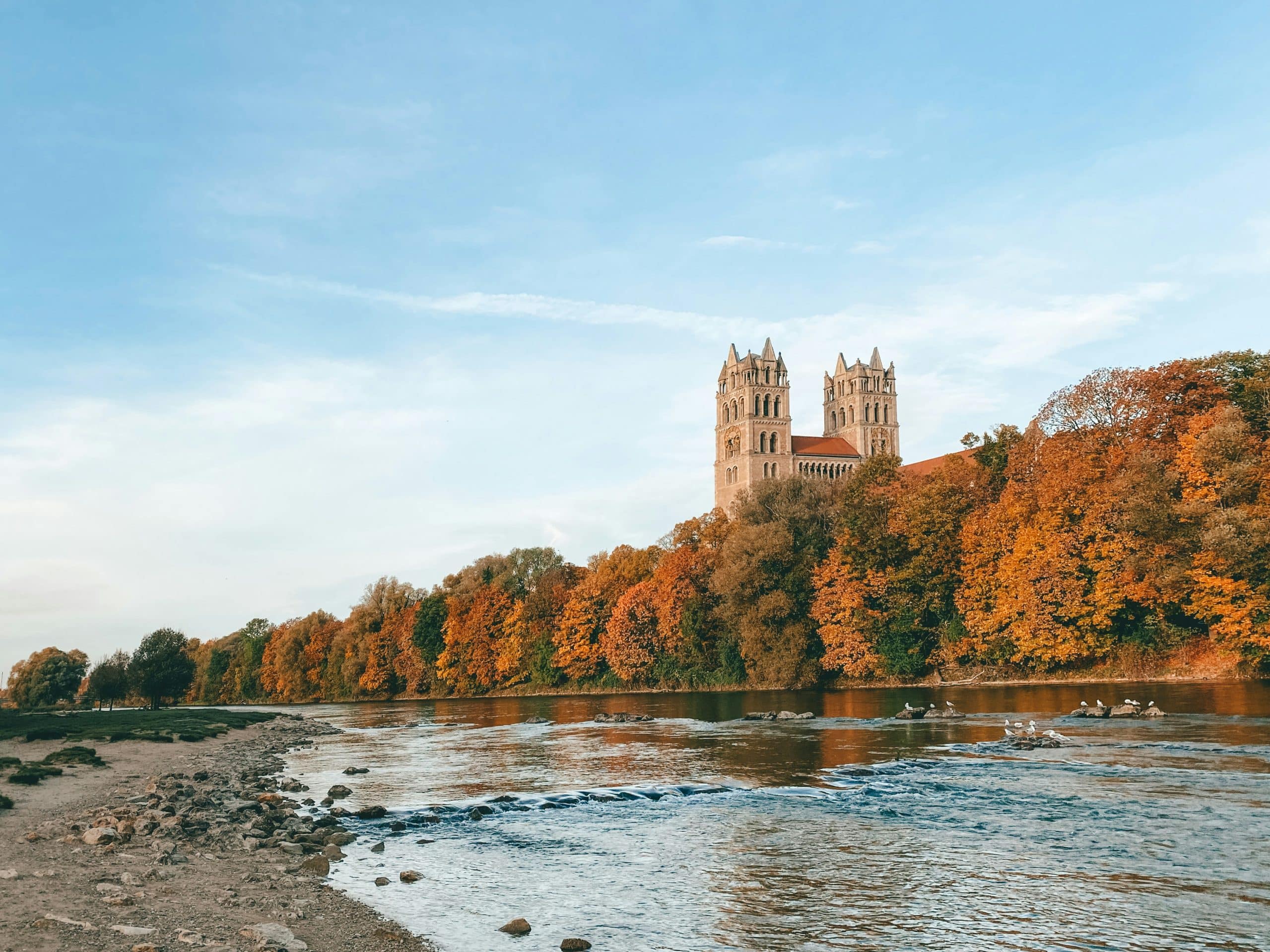
🌊 Parks, Rivers & Getting Outside
Both cities take their outdoor spaces seriously, and in different ways.
Munich has the edge here, and it isn’t particularly close. The English Garden is extraordinary: 375 hectares of parkland running through the heart of the city, with beer gardens, meadows, a Japanese tea house, a Greek temple on a hill, and the Eisbach wave where surfers ride a permanent standing wave in the middle of an urban river. On a warm day, the English Garden feels like the whole city has moved outside, which is essentially what happens.
The Isar River runs through Munich with clean, fast-flowing water and broad gravel banks where locals sunbathe, swim, and barbecue through the summer months. Flaucher, a wooded area along the Isar south of the center, is one of Munich’s best-kept secrets, a genuine urban wilderness where you can spend an afternoon completely removed from the feeling of being in a major European city.
Vienna’s parks are beautiful but more formal in character. The Prater is the city’s largest park, home to the famous Riesenrad Ferris wheel and long, tree-lined avenues ideal for cycling. Stadtpark in the first district is elegant and central, with the gilded Johann Strauss statue that appears on approximately half of all Vienna postcards. Donauinsel, a long, narrow island in the Danube, transforms in summer into a beach destination with swimming, cycling, and outdoor events.
Munich wins on outdoor energy and sheer quality of river and park life. Vienna’s parks are more ceremonial and formal, which suits the city’s character but offers a different kind of outdoor experience.
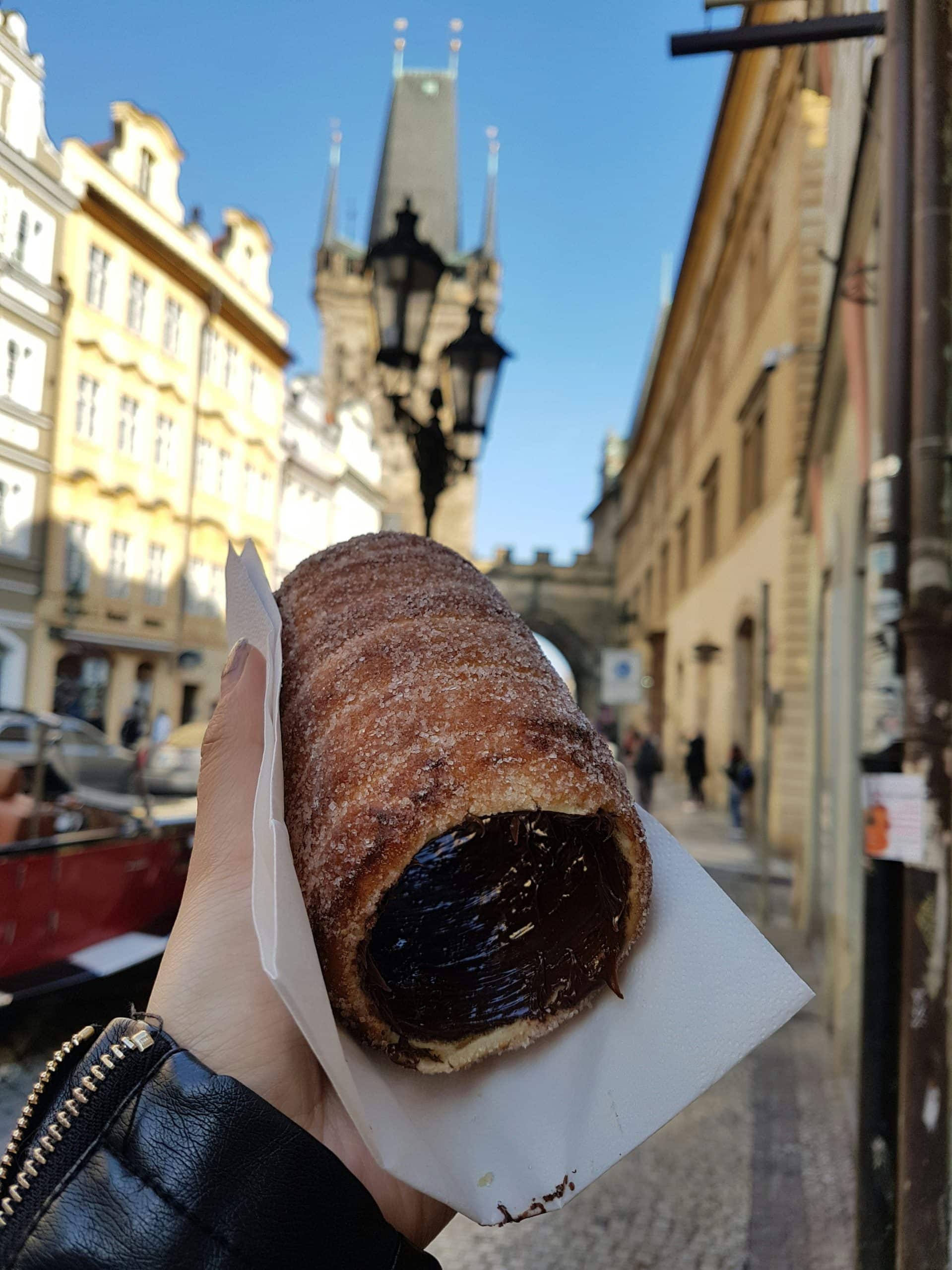
🍴 Food – Viennese Classics vs Bavarian Feasts
Vienna Viennese cuisine is comfort food elevated to an art form, built on generations of café culture and imperial-era cooking.
- Wiener Schnitzel, a perfectly thin, golden-breaded veal cutlet that every restaurant in the city claims to make best
- Tafelspitz, slow-boiled beef served with root vegetables and apple-horseradish sauce, the quiet masterpiece of Viennese cooking
- Käsekrainer, a cheese-filled sausage sold from street stands and eaten standing up, ideally late at night
- Sachertorte at Café Sacher, a dense chocolate cake with apricot jam that has been a point of civic pride for nearly two centuries
- The Viennese coffee house ritual itself, with Melange coffee, a glass of water, and absolutely no pressure to leave
Munich Bavarian food is hearty, unapologetic, and built for people who have been outdoors all day.
- Weisswurst with sweet mustard and a pretzel, eaten before noon as tradition demands
- Obatzda, a spiced cheese and butter spread that belongs at a beer garden table with a Maß of wheat beer
- Schweinshaxe, a slow-roasted pork knuckle with crackling that arrives at the table looking like a small architectural project
- Leberkäse, a Bavarian meatloaf eaten in a bread roll from bakery counters across the city
- Strudel in every variation, apple, cheese, poppy seed, eaten warm with vanilla sauce at a market or café
Important note: Munich’s beer garden culture is one of the great eating and drinking experiences in Europe and should be treated as a food destination in its own right, not just a place to drink. Bring your own food from the market, order a beer, and settle in for the afternoon.
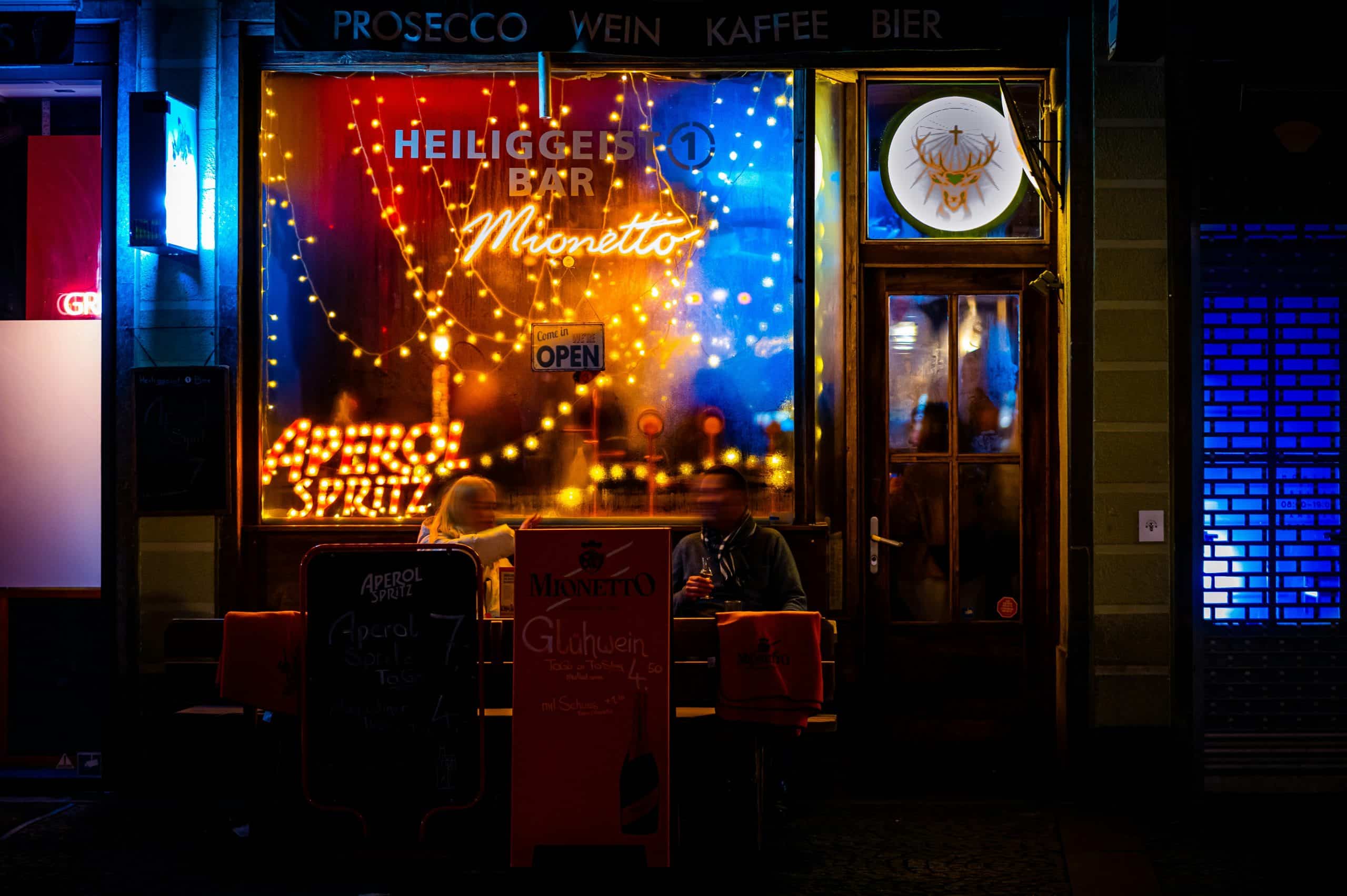
🌙 Nightlife – Concert Halls vs Beer Halls and Beyond
Vienna and Munich approach evening life from completely different directions, and both are worth understanding before you plan your trip.
Vienna’s nightlife is more varied than its reputation suggests. Yes, there are world-class concerts and opera performances, but there’s also a thriving bar and club scene that lives largely in neighborhoods like Naschmarkt, Mariahilfer Strasse, and the 7th district. The Bermuda Triangle area near the Danube Canal has a dense cluster of bars that stay lively late. The city’s Heurigen wine taverns, traditional establishments serving local wines in garden settings on the city’s outskirts, offer one of the most genuinely Viennese evening experiences you can have. Clubs like Grelle Forelle and Flex have serious international reputations for electronic music.
Munich’s evening culture centers on beer halls and beer gardens in a way that is entirely its own thing. The Hofbräuhaus is the famous one, enormous, loud, and full of tourists, but it’s famous for a reason. Better locals head to Augustiner-Keller or the Chinesischer Turm beer garden in the English Garden, where long shared tables, brass bands, and excellent Bavarian lager create an atmosphere that’s warm, social, and almost impossibly fun on a summer evening. Beyond beer culture, Munich has a solid club scene centered on Kultfabrik and the Optimolwerke complex, and a live music scene that punches well above its size.
Quick tip: Vienna offers more variety in evening entertainment, from opera to wine taverns to electronic clubs. Munich’s beer hall and beer garden culture is an experience entirely unto itself and worth planning an evening around even if beer isn’t normally your thing.
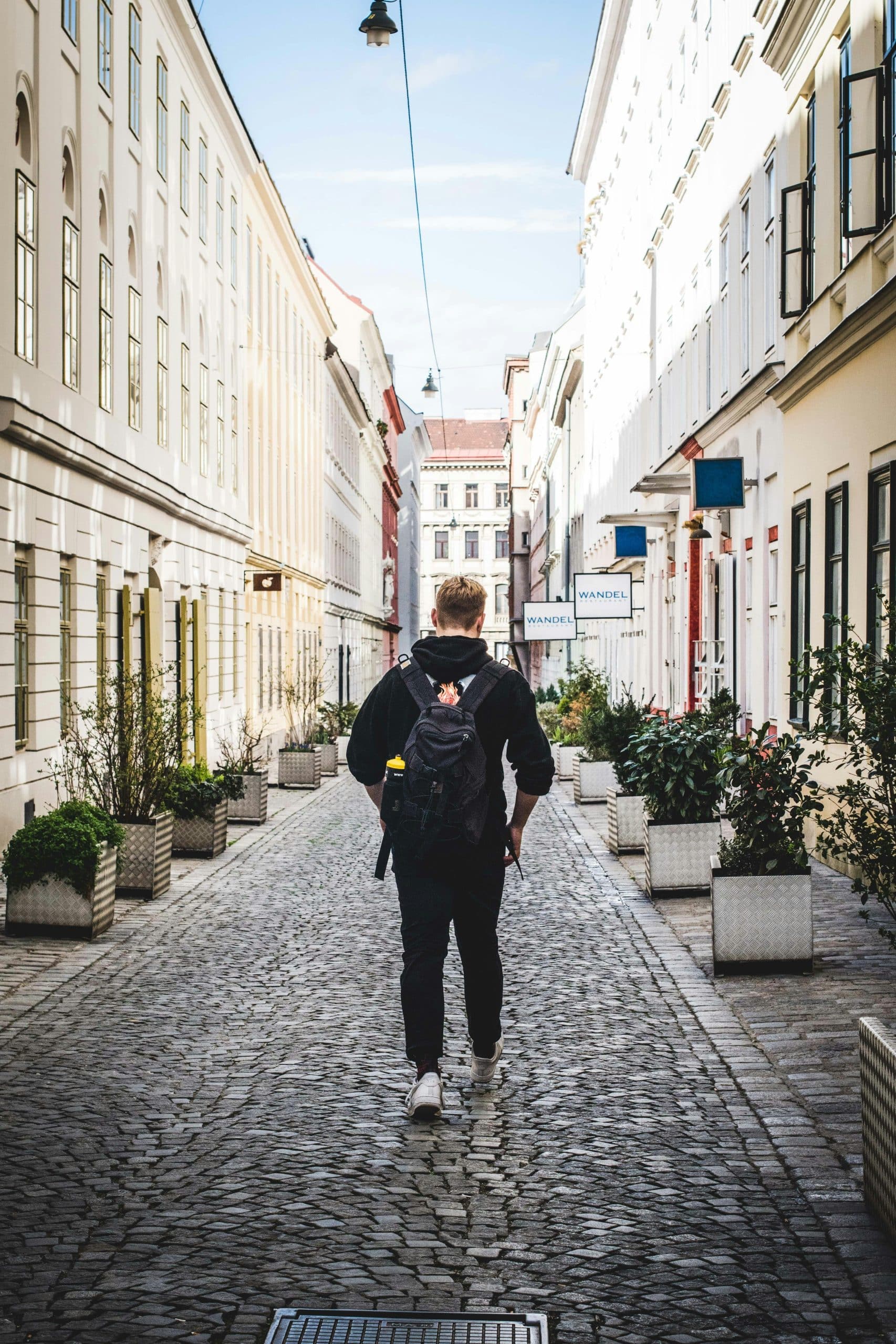
🚶 Getting Around & Practical Logistics
A few things worth knowing before you arrive:
- Vienna’s U-Bahn is one of the best metro systems in Europe: clean, punctual, and covering the city comprehensively. A 24 or 48-hour ticket covers all transport including trams and buses and represents excellent value.
- Munich’s MVV network is similarly excellent, with U-Bahn, S-Bahn, tram, and bus covering the city and extending to the airport. Day tickets offer good value for travelers moving around a lot.
- Both cities are highly walkable in their central areas. Vienna’s first district and Munich’s Altstadt can be explored almost entirely on foot.
- Cycling is excellent in both cities, with well-maintained networks and bike-share schemes. Vienna’s cycling infrastructure has expanded significantly in recent years.
- Vienna’s airport is well connected by the City Airport Train (CAT) and by S-Bahn. Munich’s airport is further out but well served by S-Bahn links to the center.
- English is widely spoken in both cities, though Munich appreciates any attempt at Bavarian hospitality norms, which largely means being cheerful and ordering confidently.
Both cities reward a neighborhood-focused approach. Trying to see everything in either place in under three days will leave you exhausted and underimpressed. Slow down.
🏨 Best Hostels in Vienna 🛏️
Vienna’s hostel scene has improved significantly in recent years, with options that combine quality, location, and genuine character.
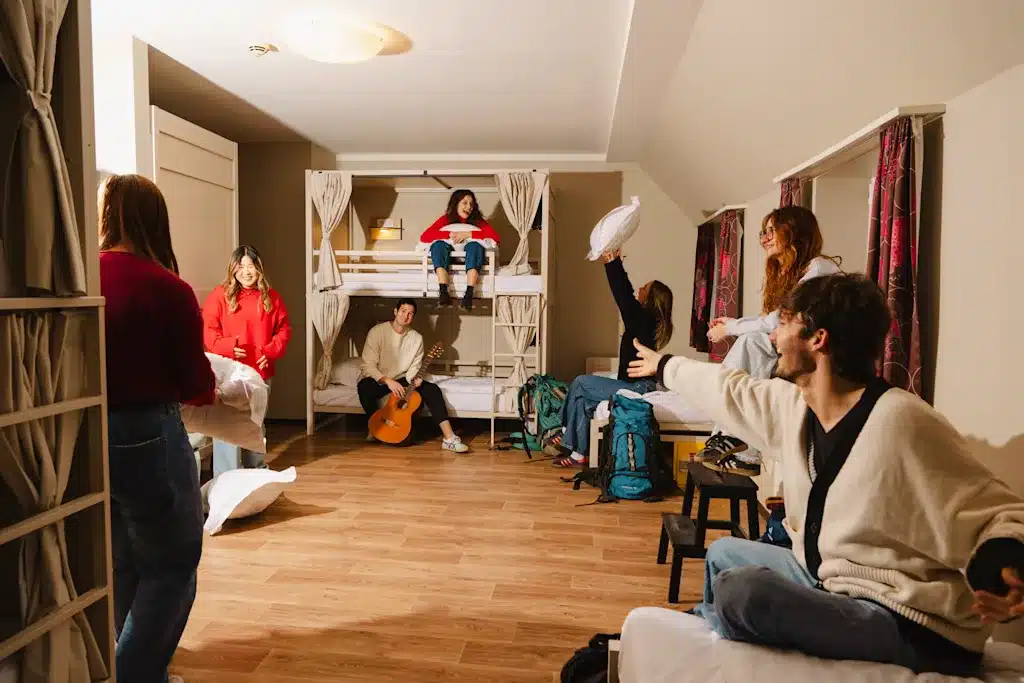
Book Wombat's City Hostel Vienna The Naschmarkt
1. Wombat’s City Hostel Vienna The Naschmarkt
Ideally located next to the famous Naschmarkt food market, this Wombat’s property delivers the group’s reliable standard: clean dorms, a social bar, and a location that puts you close to great food and easy transport links. One of the most consistently well-reviewed hostels in the city.
Dorms from around €18

2. Hostel Ruthensteiner
A long-established Vienna favorite with a warm, independent atmosphere that feels genuinely different from the chain hostel experience. Known for its garden, its music events, and a staff that actually cares about helping you get the most out of the city.
Dorms from around €22
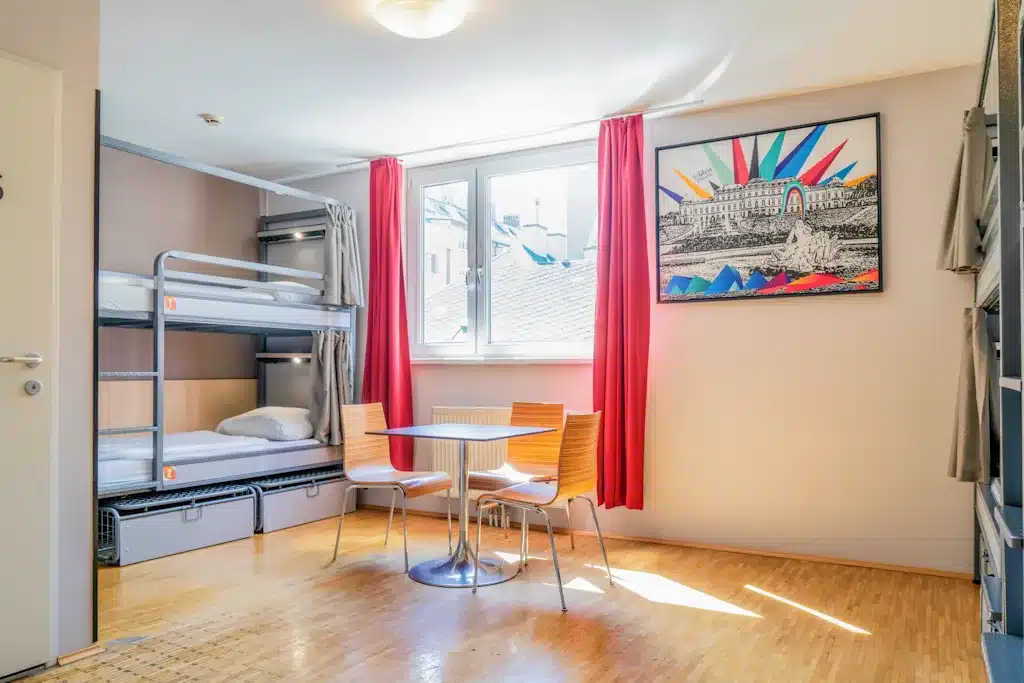
Book St Christopher's Inn Vienna
3. St Christopher’s Inn Vienna
A design-forward option in a central location, suited to travelers who want something polished but genuine and comfortable. Great common areas and a location that’s hard to fault.
Dorms from around €18
Vienna’s hostels tend to be slightly pricier than those in Eastern European capitals nearby, but the quality is reliable and the locations are excellent.
🚏 Best Hostels in Munich 🛏️
Munich is an expensive city by German standards, and the hostels reflect that, though quality is consistently high.
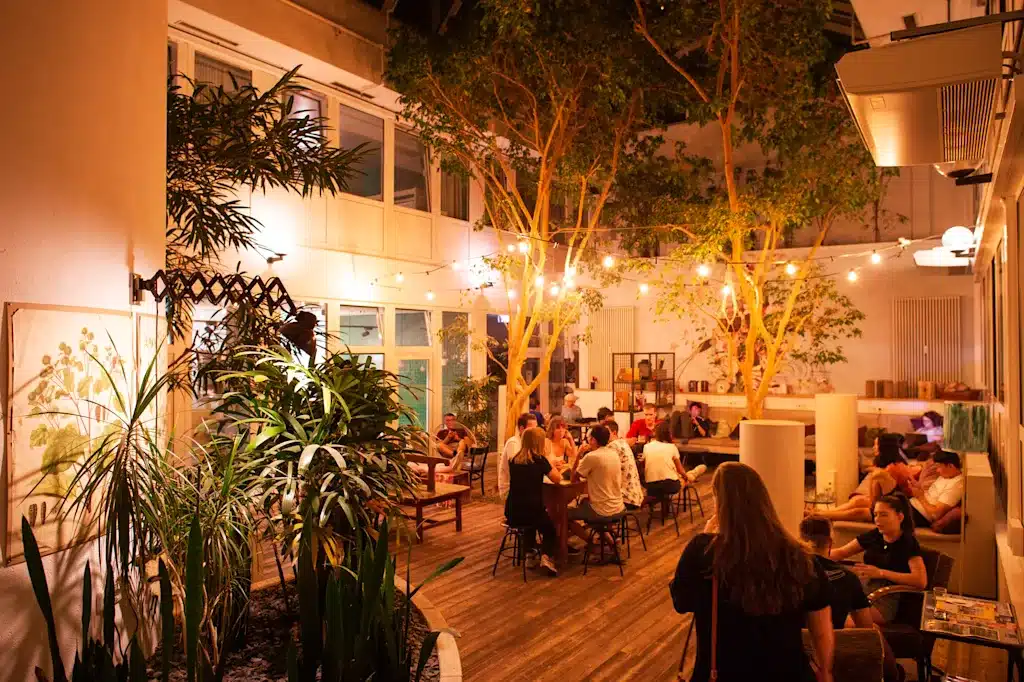
Book Wombat's City Hostel Munich
1. Wombat’s City Hostel Munich
A brilliant central option with a lively bar, comfortable dorms, and the social infrastructure that makes solo travel easy. Located close to the Hauptbahnhof, which puts you within easy reach of everything. A dependable first choice.
Dorms from around €20
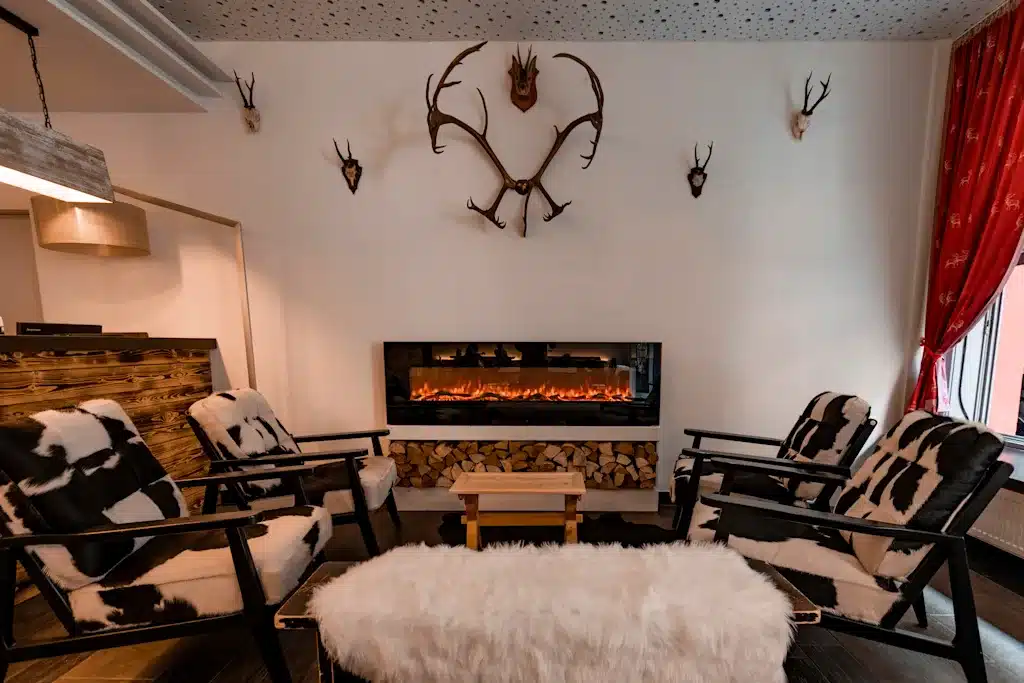
2. Jaeger’s Munich
A popular hostel with a strong social reputation, regular events, and a relaxed atmosphere that suits both short-stay visitors and travelers using Munich as a base. Consistently praised for friendly staff and a good breakfast.
Dorms from around €15
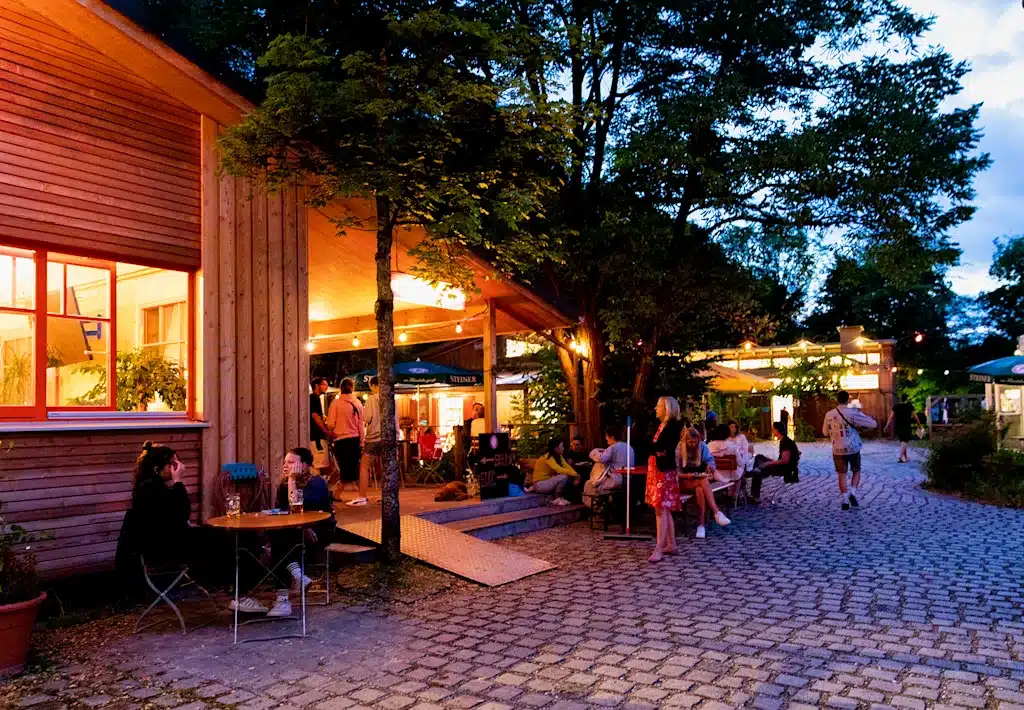
3. The Tent Munich
One of the most unique hostel experiences in Germany: a large communal tent set up in the English Garden area during summer, combining a genuine outdoor camping atmosphere with the convenience of a city hostel. Not for everyone, but absolutely memorable for the right traveler.
Dorms from around €18 in season
Munich’s hostels are priced to match the city, but the quality and social atmosphere justify the extra spend.
🧭 Which City Is Better for Solo Travelers?
Both cities are welcoming to solo travelers, but the experience of arriving alone feels quite different in each place.
Vienna is excellent for solo travelers who are comfortable with their own company. The coffee house culture is perfectly suited to spending time alone with a book, a Melange, and no pressure to be anywhere. The museum scene is rich enough to fill several days independently, and the evening options from concerts to wine bars to clubs are all navigable solo. The hostel scene is active and social, particularly around the Naschmarkt area, and free walking tours provide a reliable way to meet people and get oriented in the first day or two.
Munich is warmer and more immediately social for solo travelers, largely because the beer garden and beer hall culture creates a natural setting for meeting people. Sitting down at a long shared table in the English Garden and striking up a conversation is not just acceptable, it’s how those places work. Hostel social events tend to revolve around the city’s food and drink culture, which makes them feel less forced and more enjoyable. The city is also compact enough that getting around alone feels manageable from day one.
Both cities are very safe, both are well set up for independent travel, and both have enough going on that a solo traveler will never run out of options. Vienna suits the more introspective, culturally driven solo traveler. Munich suits someone who wants to connect quickly and spend time outdoors.
🍹 Budget Breakdown – Where Your Money Goes
| Category | Vienna | Munich |
|---|---|---|
| Meals & Eating Out | Good value at market stalls and traditional Gasthäuser. Sit-down meals in tourist areas can be expensive. Budget €12–16 for a solid local meal. | Expensive overall, one of Germany’s priciest cities for eating out. Budget €15–20 for a sit-down meal. Beer garden food is better value. |
| Hostels & Accommodation | Mid-range for Western Europe, with good quality across budget options. Prices rise in summer and during major events. | Expensive, particularly during Oktoberfest when prices across the city increase dramatically. Book well ahead. |
| Public Transport | Excellent value with 24 and 48-hour tickets covering all transport. One of the best deals in any European capital. | Good value with day tickets covering the full MVV network. Slightly pricier than Vienna overall. |
| Nightlife & Going Out | Varies widely. Standing room opera tickets are outstanding value. Wine taverns are affordable. Cocktail bars and clubs are mid-to-high range. | Beer halls and beer gardens are great value for the experience they deliver. Club entry and cocktail bars reflect the city’s higher cost base. |
| Attractions | Many major museums are expensive but offer combined tickets. The MuseumsQuartier and some permanent collections offer free or reduced entry. | Deutsches Museum and Pinakothek entry is reasonable. English Garden is free. Nymphenburg Palace grounds are free, palace entry is around €8. |
| Coffee & Casual Bites | Coffee house culture is affordable and should be experienced daily. A Melange and a slice of cake rarely exceeds €8 even in classic establishments. | Strong café culture with Munich prices. Bakery breakfasts and market snacks are the best value options. |
| Day Trips | Well connected by rail, with day trips to Salzburg, Bratislava, and Budapest all feasible on a budget. | Exceptional day trip options to Neuschwanstein, the Bavarian Alps, and Salzburg, all within 1–2 hours by train or bus. |
Bottom line: Both cities are expensive by the standards of Eastern Europe or Southeast Asia, but comparable to each other overall. Vienna’s transport system offers better value. Munich’s beer garden culture delivers more for your money in the evenings. Neither is a budget destination, but both are worth every cent.
🏞️ Day Trips & Adventures
Both cities sit in regions so rich in day trip options that planning which ones to prioritise is the main challenge.
From Vienna, day trips lean imperial, musical, and cross-border.
You’ll love these if you:
- Want to visit Salzburg, Mozart’s birthplace and one of the most beautiful baroque cities in Europe, just under three hours by train and very much worth a full day
- Are curious about Bratislava, the Slovak capital just 60 kilometers away, reachable by boat on the Danube or by fast train in under an hour, one of the easiest cross-border day trips in Europe
- Want to explore the Wachau Valley, a stretch of the Danube lined with vineyards, medieval castles, and the charming town of Krems, easily done by train or boat
From Munich, day trips lean Alpine, royal, and dramatically scenic.
You’ll love these if you:
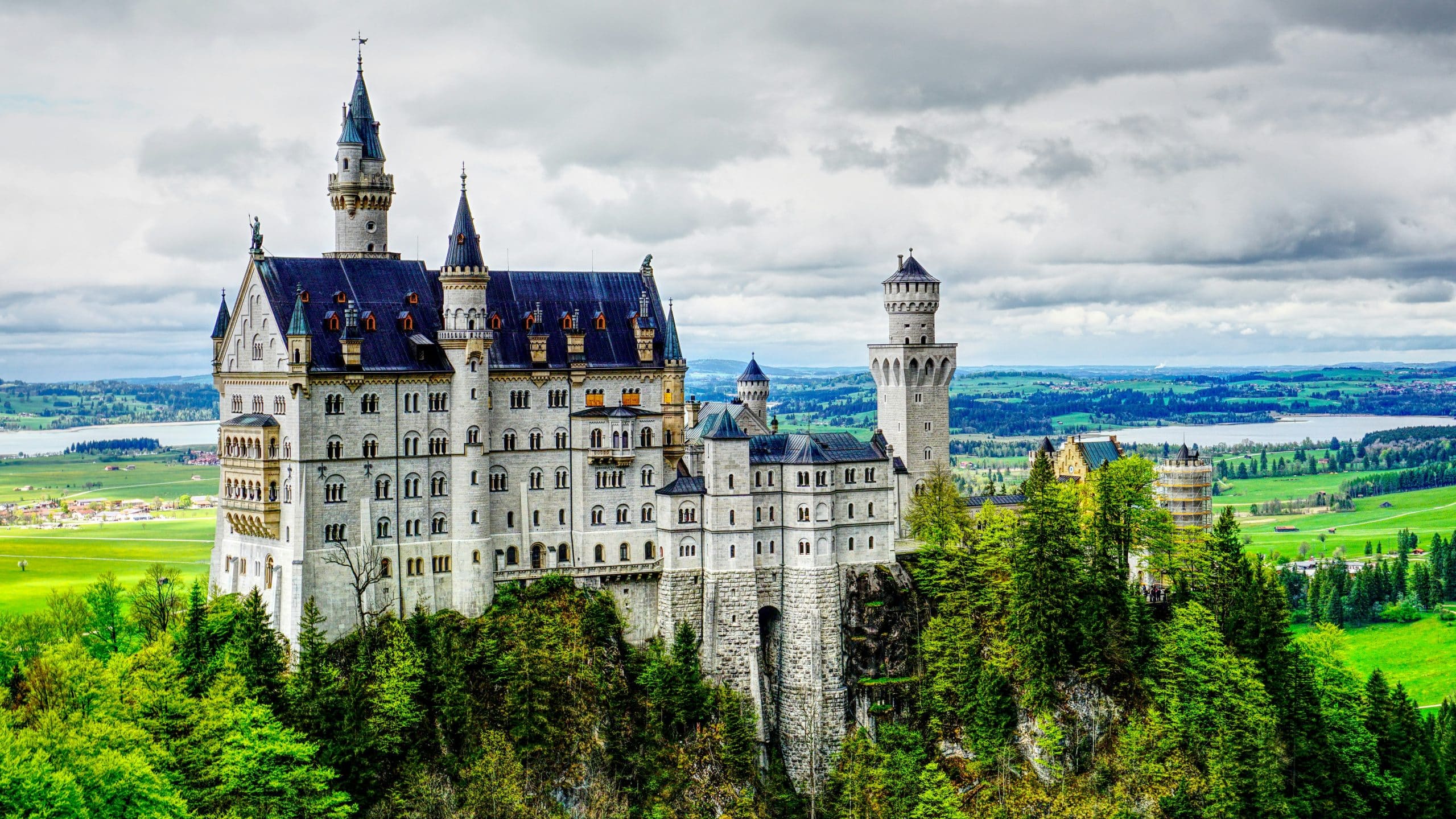
- Are drawn to Neuschwanstein Castle, the fairy-tale palace perched in the Bavarian Alps that inspired Disney’s Sleeping Beauty castle, about two hours by train and bus
- Want a day in Salzburg, equally accessible from Munich as from Vienna and a natural pairing with either city
- Feel like heading into the Bavarian Alps for hiking, lake swimming at the Königssee, or simply standing at the edge of something vast and beautiful
Vienna’s day trips are more culturally and historically oriented. Munich’s are more naturally dramatic and outdoorsy. Both sets are genuinely excellent.

🧳 Choosing Based on Travel Style
Vienna is for travelers who want to be surrounded by beauty, history, and culture at every turn, and who are happy to slow down enough to actually absorb it.
You’ll love it if you:
- Want to attend a concert, opera, or classical music performance in one of the world’s great venues
- Are deeply interested in imperial history, fine art, and architectural grandeur
- Love coffee house culture and the idea of long, unhurried mornings with excellent coffee and no agenda
- Enjoy cities that reward slow, thoughtful exploration over a packed itinerary
Munich is for travelers who want warmth, outdoor life, great food and drink, and a city that feels genuinely enjoyable to simply be in.
You’ll love it if you:
- Want to spend an afternoon in a beer garden with a Maß of Bavarian lager and nowhere particular to be
- Are outdoorsy and want easy access to the Alps, lakes, and river swimming
- Enjoy cities with a warm, sociable energy where conversations with strangers feel natural
- Are visiting during Oktoberfest and want the full Bavarian experience done properly
✅ Conclusion: Vienna or Munich?
Both cities are among the finest in Central Europe and both will leave you wanting to come back. Vienna wins on cultural depth, classical music, imperial grandeur, and the kind of coffee house experience that exists nowhere else on earth quite the same way. Munich wins on outdoor life, beer culture, Alpine access, and a warmth and sociability that makes every visit feel genuinely enjoyable.
If you want world-class art, opera, magnificent architecture, and a city that moves at a civilized and deeply satisfying pace, choose Vienna. If you want beer gardens in the sunshine, mountains within reach, hearty Bavarian food, and a city that knows how to enjoy itself, choose Munich.
If the train between them takes under two hours and you can manage both, that’s the best answer of all.
Download the Hostelworld app to start booking now


❓ FAQs: Vienna vs Munich
Which city is cheaper, Vienna or Munich?
They're broadly comparable, though Munich can be significantly more expensive during Oktoberfest. Vienna's transport system offers better value day to day.
Is Vienna or Munich better for nightlife?
Vienna has more variety, from opera to electronic clubs to wine taverns. Munich's beer hall and beer garden scene is unmatched for atmosphere but offers less diversity in style.
Which city is better for culture and museums?
Vienna edges ahead on classical art, music, and imperial history. Munich has world-class museums including the Deutsches Museum, but Vienna's cultural density is hard to match.
Which city is better for food?
Both are excellent. Vienna wins on café culture and refined comfort food. Munich wins on the beer garden experience and hearty Bavarian classics.
Which city is better for solo travelers?
Munich is slightly more immediately social, particularly through beer garden culture. Vienna is better for solo travelers who enjoy independent cultural exploration.
How many days do you need in Vienna?
Three to four days covers the main sights well. Five days allows for a day trip to Salzburg or the Wachau Valley and more time in the museums.
How many days do you need in Munich?
Two to three days covers the highlights comfortably. A fourth day works well for a day trip to Neuschwanstein or the Alps.
Is it worth visiting both Vienna and Munich on the same trip?
Absolutely. The train takes under two hours, the cities complement each other beautifully, and the contrast between imperial Vienna and Bavarian Munich is part of what makes both more interesting.
So… Vienna or Munich?
For culture, music, coffee houses, and imperial grandeur, choose Vienna. For beer gardens, Alpine access, outdoor life, and Bavarian warmth, Munich is the one.


 Get the App.