
Berlin vs Hamburg: Which German City Is Best for Your Trip?
Choosing between Berlin and Hamburg is a debate that even Germans have strong opinions about. Both cities are fascinating, culturally rich, and deeply individual in ways that go well beyond the obvious. Travelers compare the nightlife, the harbors, the history, the food markets, and still find themselves torn. That’s exactly what this guide is here to solve.
Whether you’re a solo backpacker on your first European trip, a digital nomad looking for a base, or someone who just wants to know which German city deserves your limited holiday time, here’s everything you need to make the right call.

🌆 Berlin at a Glance
Berlin is unlike any other capital in Europe. It carries the weight of the 20th century on its shoulders and somehow transforms all of that history into something creative, forward-looking, and endlessly alive.
Short snapshot:
- Atmosphere: Gritty, artistic, historically layered, fiercely independent
- Best for: Nightlife lovers, history buffs, digital nomads, alternative travelers
- Vibe: Late starts, long days, nights that don’t end until the following afternoon
Quick tip for first timers: Berlin is enormous. Pick two or three neighborhoods to focus on each day rather than trying to cover the whole city. Mitte, Kreuzberg, and Prenzlauer Berg alone could fill a week.
🏙️ Hamburg at a Glance
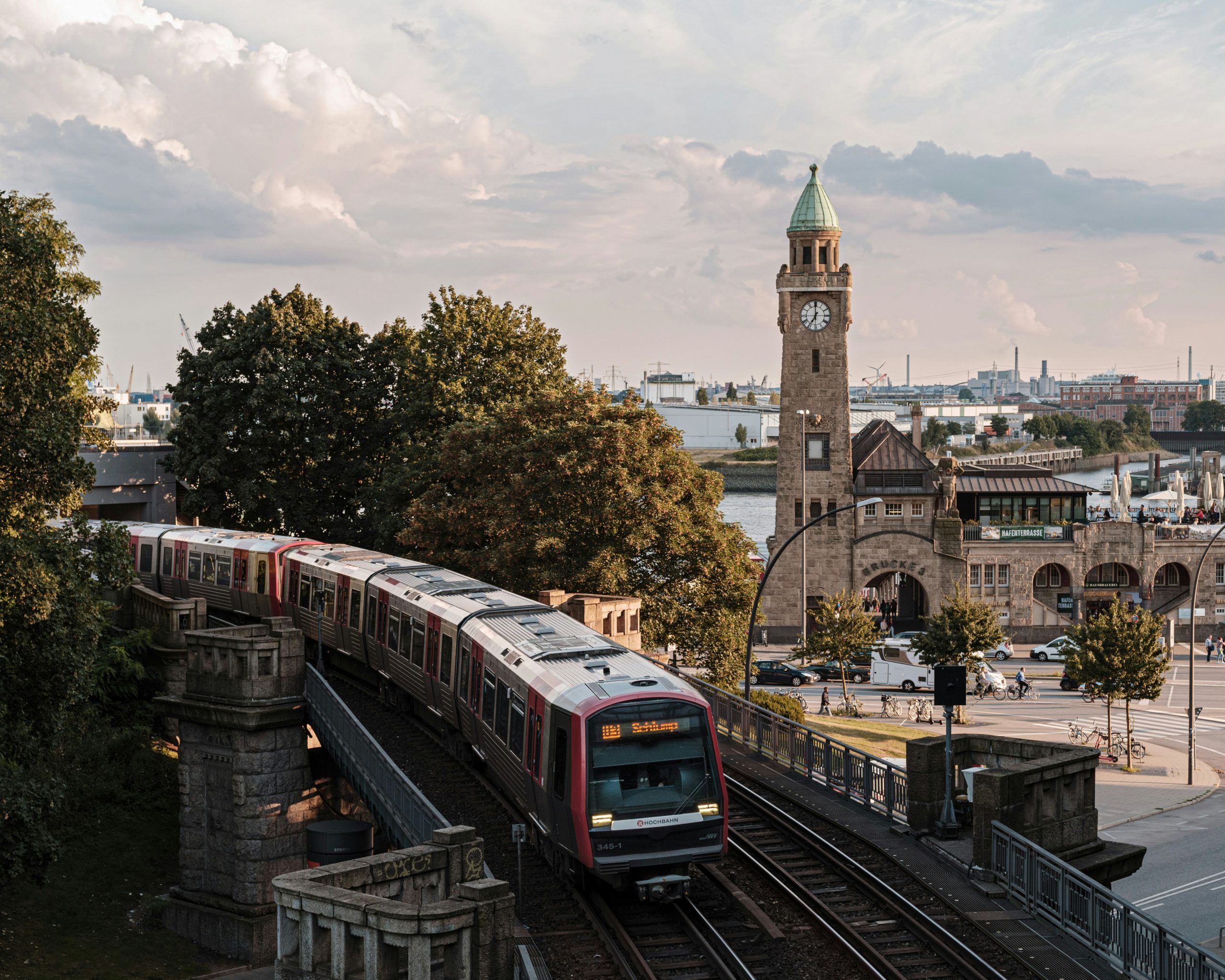
Hamburg is Germany’s second city in size but arguably its first in style. A major port city with serious money, a world-class music scene, and a waterfront that rewards long, slow walks.
What to expect:
- Atmosphere: Sophisticated, maritime, quietly confident
- Best for: Architecture lovers, music fans, foodies, weekend travelers
- Vibe: Strong coffee by the harbor, afternoon market visits, excellent dinners that don’t require a second mortgage
If Berlin is a sprawling novel written across decades, Hamburg is a beautifully designed hardcover you read in a long weekend and immediately recommend to everyone. Both reward the time you put in. They just ask for it differently.
🎨 History, Culture & Things to See
These two cities approach their own histories in ways that are almost opposite, and understanding that difference makes everything else about the comparison click into place.
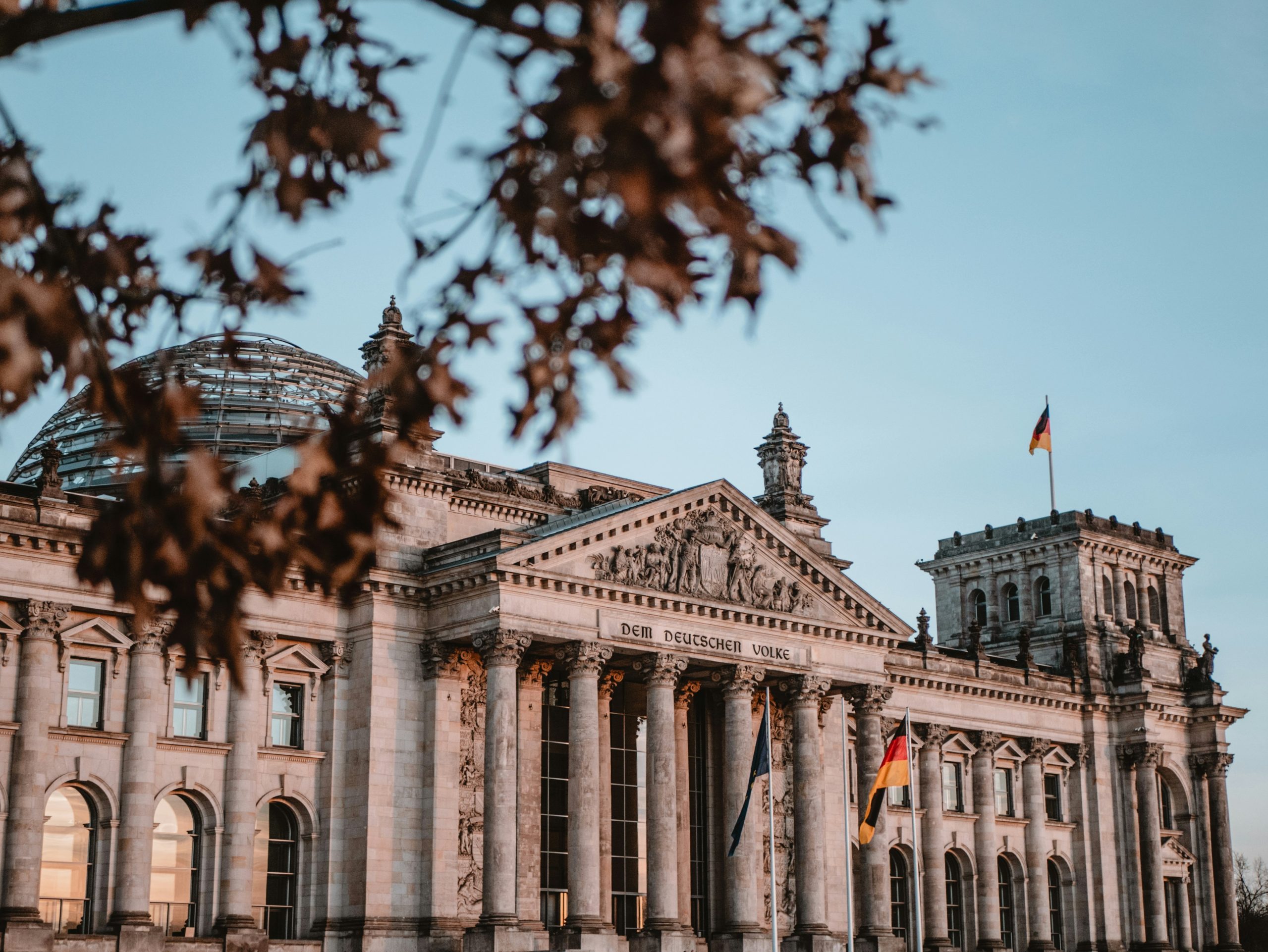
Berlin is defined by its 20th century history in a way that no other European city quite matches. The Brandenburg Gate, the Berlin Wall Memorial, the Holocaust Memorial, the Topography of Terror and the Checkpoint Charlie area form a circuit of memory that is sobering, essential, and genuinely moving. None of it feels performative. The history is simply everywhere, embedded in the streets, the gaps between buildings, and the conversations locals are still having about what the city has been and what it’s becoming.
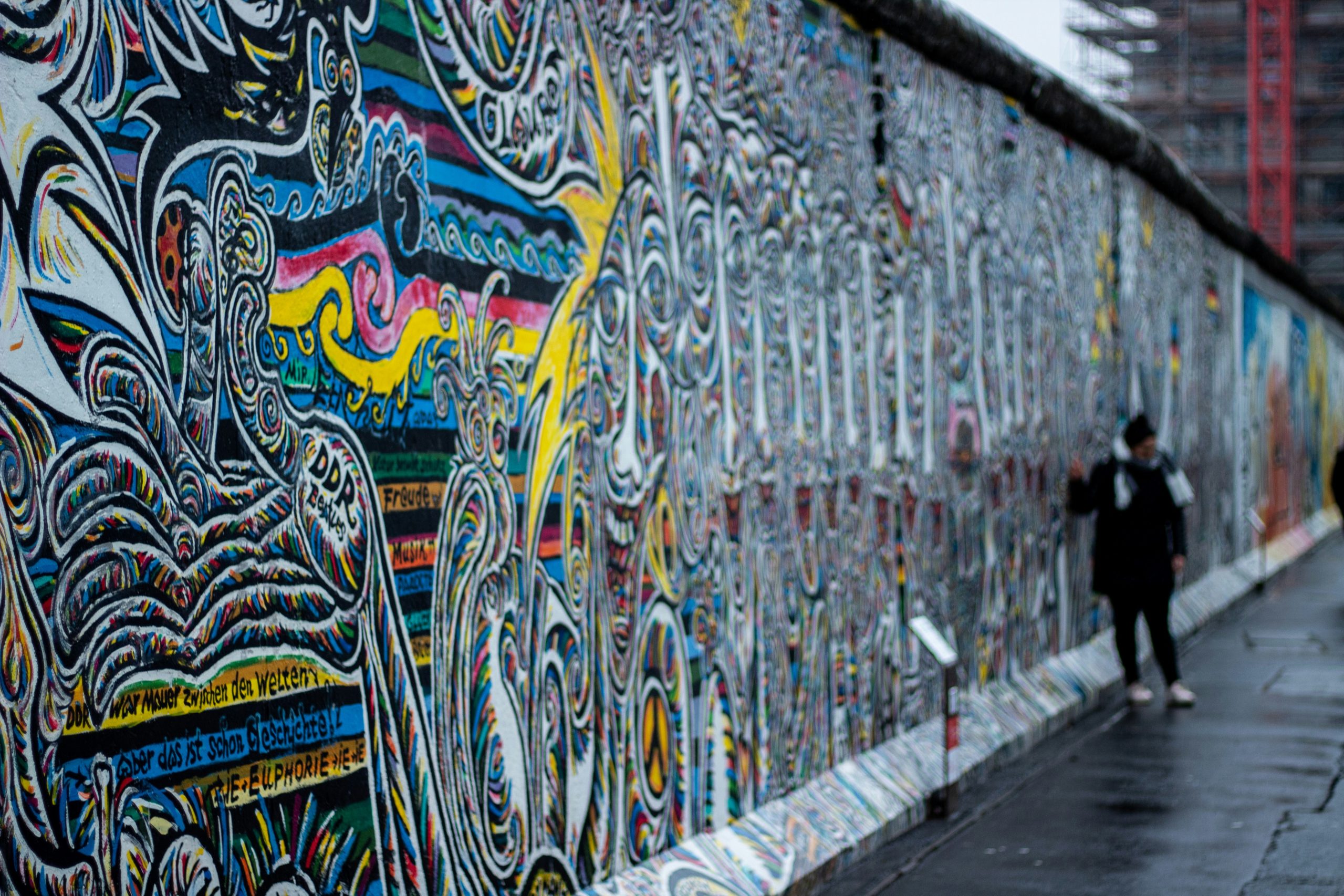
Culturally, Berlin punches far above its weight. Museum Island holds five extraordinary institutions within walking distance of each other, from the Pergamon Museum’s reconstructed ancient architecture to the Neues Museum’s Egyptian collection. The contemporary art scene sprawls across galleries in Mitte, Kreuzberg, and Wedding. The East Side Gallery transforms the longest remaining stretch of the Berlin Wall into an open-air mural exhibition that’s free to walk along any time of day.
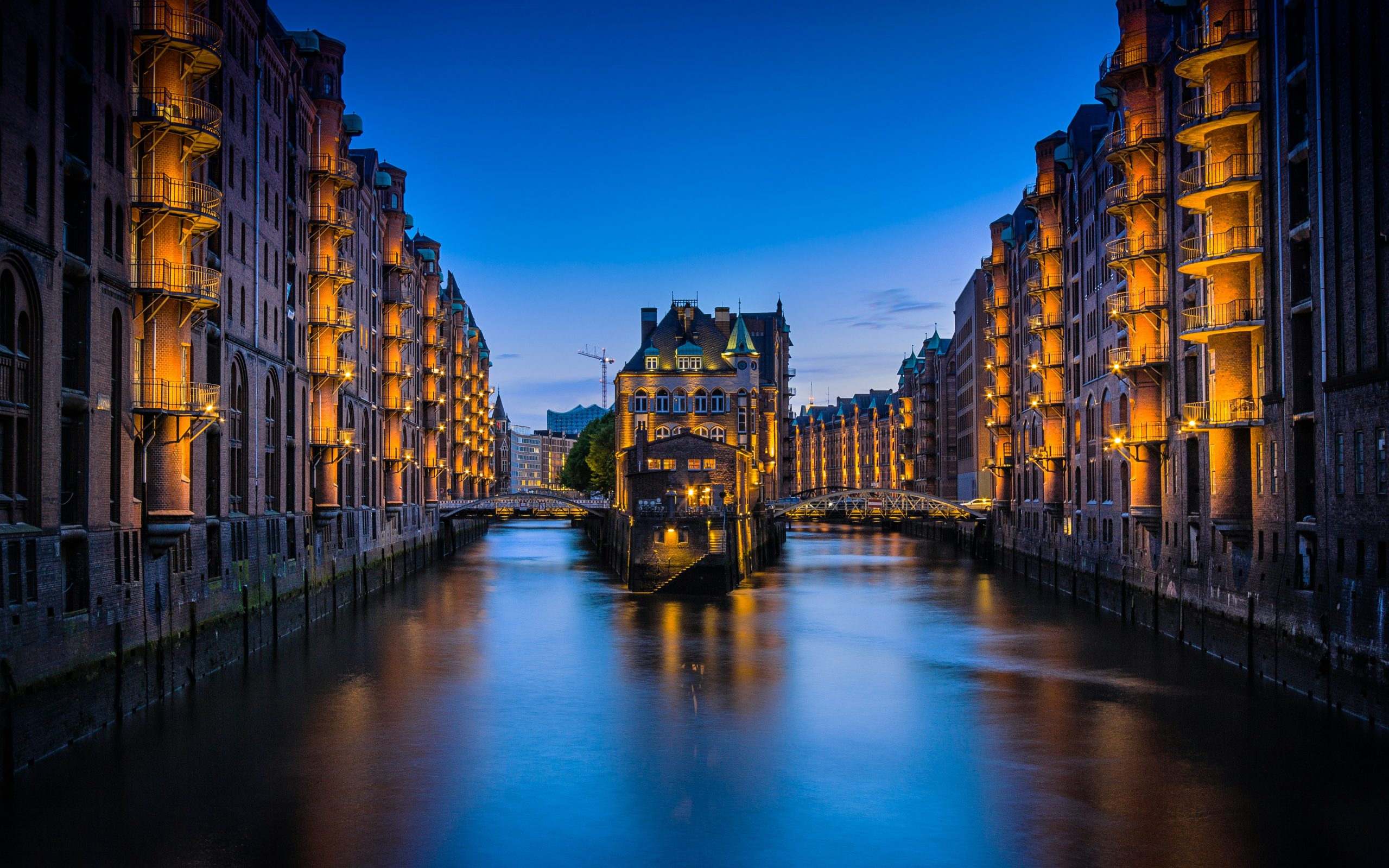
Hamburg’s history is older, maritime, and mercantile. The city was one of the founding members of the Hanseatic League, a medieval trading alliance that shaped Northern Europe for centuries, and that history of wealth and commerce is visible in the grand warehouse district of Speicherstadt, now a UNESCO World Heritage Site. The red-brick warehouses rising from the canals are one of the most architecturally striking sights in Germany.
The Miniatur Wunderland in the warehouse district is, against all expectations, genuinely one of the best attractions in Europe: the world’s largest model railway exhibition, built with a level of detail and humor that makes it compelling for travelers of every age. The Elbphilharmonie, Hamburg’s spectacular concert hall perched above the harbor, is worth visiting even if you don’t attend a performance, just riding the escalator to the public plaza for the views costs nothing.
| City | Cultural Strength | Best For |
|---|---|---|
| Berlin | 20th century history, contemporary art, street culture | Wall history, world-class museums, alternative creative scene |
| Hamburg | Maritime heritage, architectural grandeur, live music | Speicherstadt, Elbphilharmonie, Hanseatic history |
Berlin makes you think deeply. Hamburg makes you look up in admiration. Both are worth every hour you give them.
🌊 Water, Parks & Getting Outside
Neither city is a beach destination, but both have a relationship with water that shapes how they feel to move through.
Hamburg is the more immediately waterfront of the two. The Alster Lakes sit right in the city center, with the Inner Alster offering a postcard view of church spires and elegant facades reflected in still water. Walking or cycling the Alster perimeter is one of Hamburg’s great pleasures, relaxed, beautiful, and entirely free. The Elbe River to the south is wider, more industrial, and genuinely dramatic at sunset, especially from the Övelgönne beach bar area, where locals sit on the shore with drinks and watch container ships drift past.
The Speicherstadt canals add another layer to Hamburg’s water character. Walking between the red-brick warehouses with narrow waterways below gives the city a slightly Venice-adjacent atmosphere that’s unlike anything else in Germany.
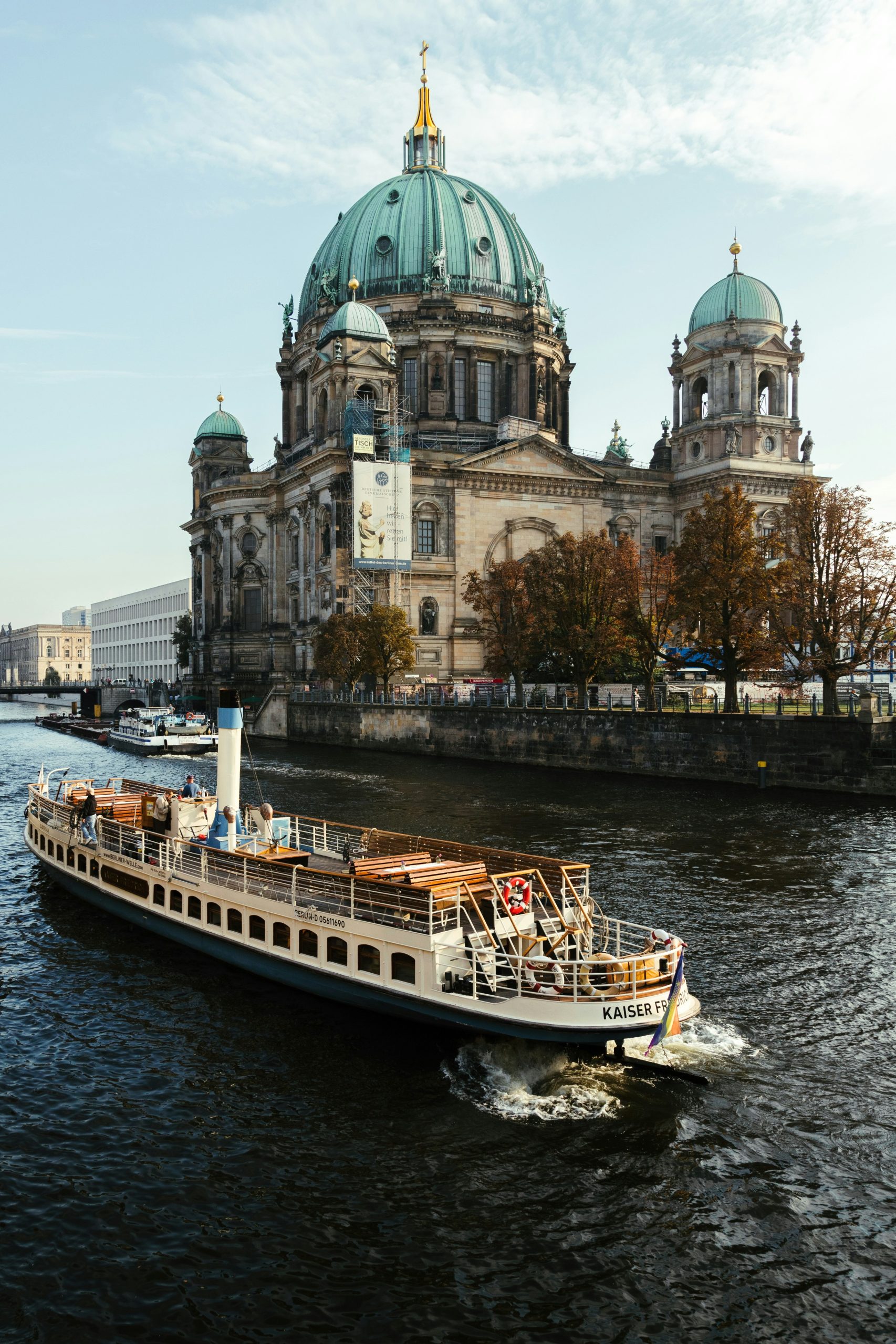
Berlin’s relationship with water is calmer and more spread out. The Spree River winds through the city and can be explored by boat tour or simply walked alongside in neighborhoods like Friedrichshain and Treptow. Treptower Park along the Spree is enormous and genuinely beautiful. In summer, Tempelhof Field, the former airport turned public park, becomes one of the most unusual outdoor spaces in Europe, where people cycle, barbecue, and kite-surf across what used to be a runway.
Hamburg wins on immediate waterfront atmosphere. Berlin wins on sheer variety and scale of outdoor space. If a harbor city feel matters to your trip, Hamburg delivers it more completely.
🍴 Food – Northern German Classics vs Berlin’s Anything-Goes Scene
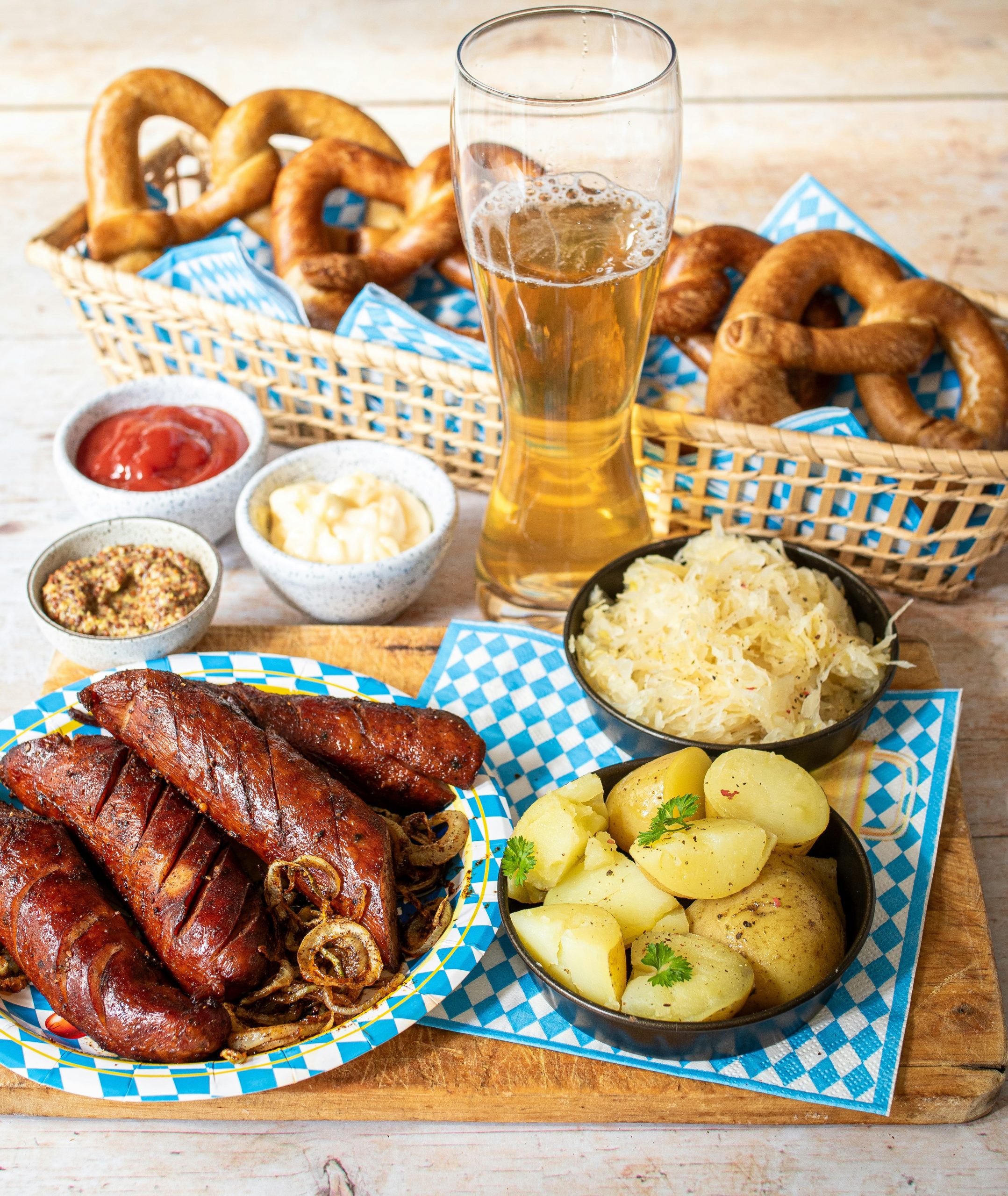
Hamburg Hamburg’s food identity is tied to the sea, the port, and a longstanding tradition of doing things properly.
- Fischbrötchen, a fresh fish sandwich eaten at the harbor, the single best quick meal in the city
- Labskaus, a sailor’s dish of corned beef, beetroot, and potato topped with a fried egg, more delicious than it sounds
- Franzbrötchen, a cinnamon pastry unique to Hamburg that belongs in the breakfast hall of fame
- Aalsuppe, a sweet and sour eel soup that is a genuine Hamburg institution
- Excellent craft beer scene, with local breweries taking the city’s drinking culture seriously
Berlin Berlin’s food scene is one of the most diverse and democratic in Europe. It doesn’t have a single culinary identity because it contains multitudes.
- Currywurst from Curry 36 or Konnopke’s Imbiss, eaten standing up at a street counter
- Döner kebab done at the level that ruins all others, a Berlin contribution to world cuisine
- Vietnamese, Turkish, Lebanese, and Korean food at a quality and price point that puts other European capitals to shame
- Neuköllner brunch culture, long, lazy, unhurried, and available until 4pm at the best spots
- Natural wine bars and modern European restaurants in Mitte and Prenzlauer Berg that are genuinely world-class
Important note: Berlin is significantly cheaper for eating out. A full, satisfying meal rarely costs more than €10–12 in a local spot. Hamburg’s quality is exceptional but the price point reflects a wealthier city with higher expectations.
🌙 Nightlife – Techno Temples vs Reeperbahn Nights
This section matters a lot for many travelers, and the contrast here is significant.
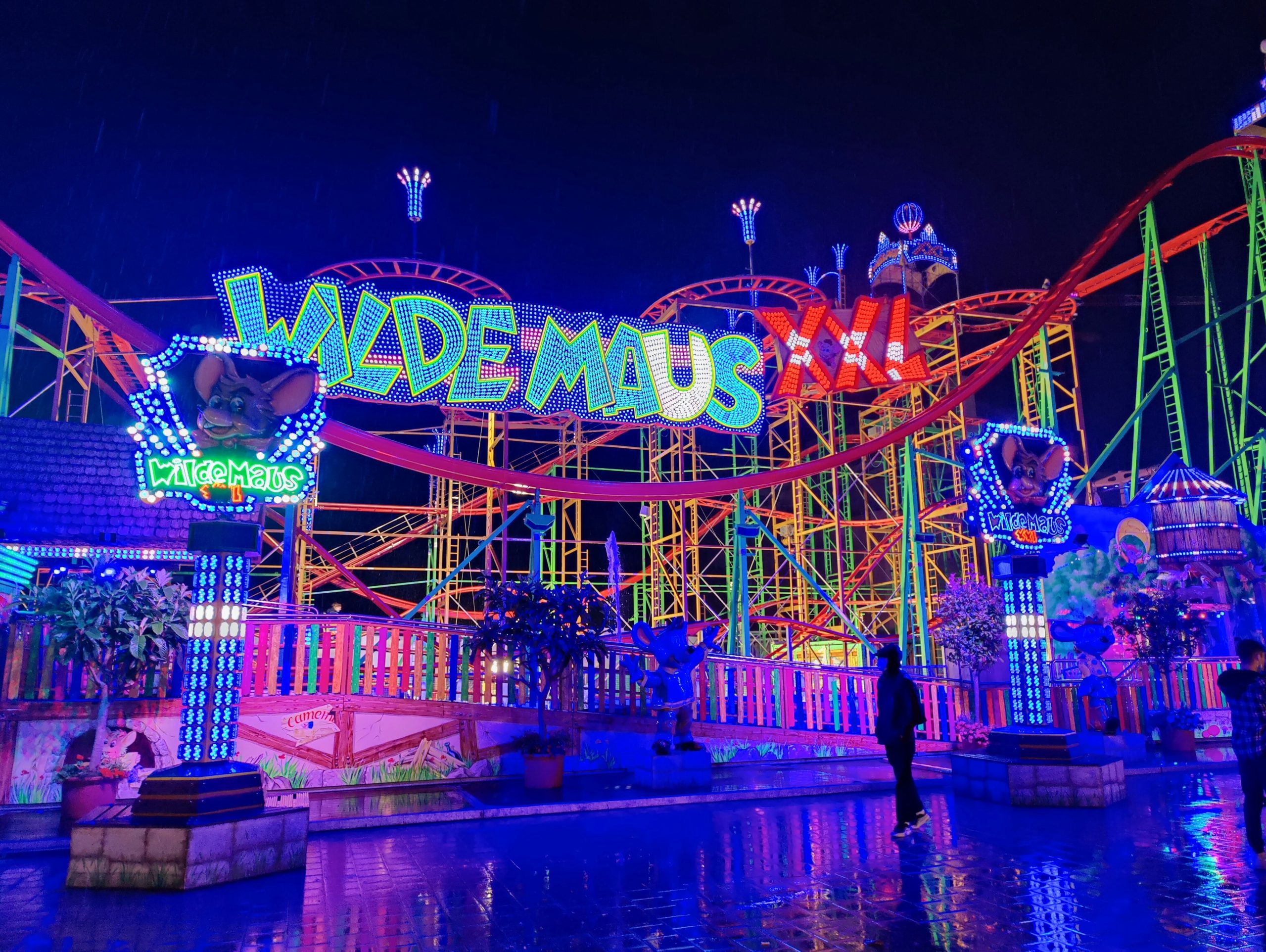
Berlin’s nightlife is in a category of its own globally. The city’s techno and electronic music scene grew from the ruins of the Wall in the early 1990s and has never stopped evolving. Clubs like Berghain, Tresor, and Watergate are not just venues, they’re institutions with their own culture, their own rules, and their own devoted communities. Nights start at 1am, often peak around dawn, and can continue well into Sunday evening. The Kater Blau club and the spaces along the RAW Gelände complex in Friedrichshain give the scene a sense of constantly reinventing itself.
Beyond the clubs, Berlin has excellent jazz bars, underground live music venues, rooftop bars in summer, and a pub culture in neighborhoods like Neukölln and Kreuzberg that is affordable, unpretentious, and stays interesting late into the week.
Hamburg’s nightlife centers on the Reeperbahn, the famous entertainment and red-light district in the St. Pauli neighborhood, which has been drawing visitors since sailors first docked here centuries ago. The Beatles played their early residencies on the Reeperbahn, and the street still buzzes with live music bars, clubs, comedy venues, and everything in between. It’s louder and more chaotic than Berlin’s scene but also more accessible, more immediate, and less dependent on knowing the right doors to knock on.
Quick tip: Berlin has the more serious and globally respected nightlife scene, particularly for electronic music. Hamburg’s Reeperbahn is more accessible, more varied in style, and easier to enjoy without insider knowledge.
🚶 Getting Around & Practical Logistics
A few things worth knowing before you book:
- Berlin has one of the best public transport systems in Europe, with U-Bahn, S-Bahn, tram, and bus networks running 24 hours on weekends. A day ticket covers everything and represents excellent value.
- Hamburg has a very good HVV network covering U-Bahn, S-Bahn, and buses. Slightly more expensive than Berlin but reliable and easy to navigate.
- Both cities are large. Berlin especially can feel overwhelming without a neighborhood-by-neighborhood approach. Don’t try to see everything at once.
- Cycling is excellent in both cities. Hamburg in particular has invested heavily in cycling infrastructure, and the flat terrain makes it genuinely enjoyable.
- Berlin’s airport, BER, is modern and well-connected to the city by S-Bahn. Hamburg’s airport is compact and easy to navigate, with a quick S-Bahn link to the city center.
- English is widely spoken in both cities, particularly in hostels, restaurants, and tourist areas.
Both cities reward travelers who pick a neighborhood, settle in, and explore outward from there rather than trying to tick off landmarks across the map.
🏨 Best Hostels in Berlin 🛏️
Berlin’s hostel scene is one of the best value and most characterful in Europe.

1. Generator Berlin Mitte
A stylish, lively option in a central location near great cafés, bars, and transport links. Ideal for travelers who want energy and convenience.
Dorms from around €18
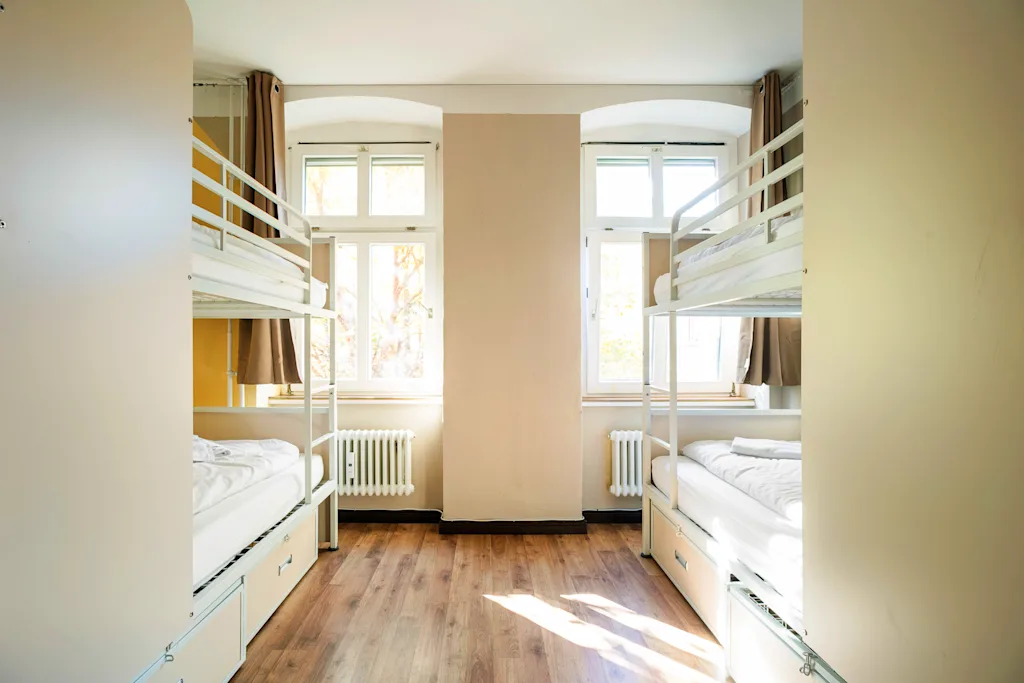
2. EastSeven Berlin Hostel
A smaller, more intimate hostel with a warm and welcoming atmosphere. Consistently loved by solo travelers for its social events and friendly staff.
Dorms from around €18
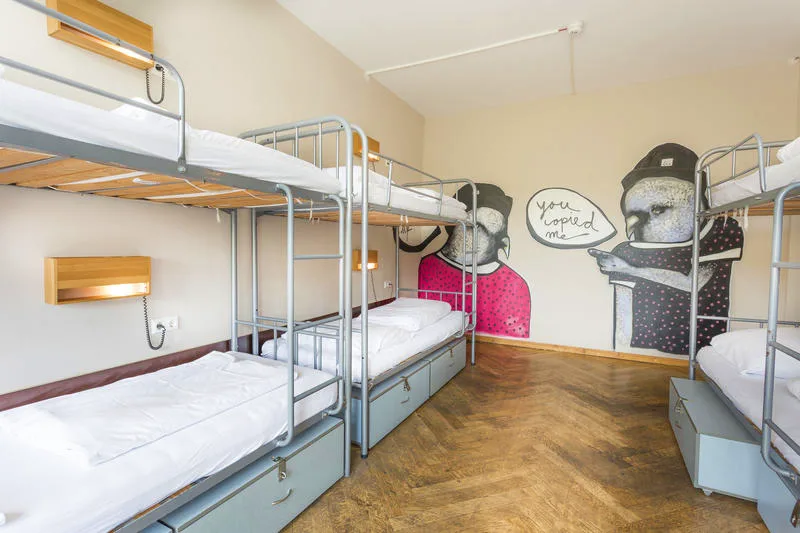
3. Sunflower Hostel Berlin
A long-running favorite in Friedrichshain, close to nightlife, street art, and some of Berlin’s best late-night energy. Social without being chaotic.
Dorms from around €19
Berlin’s hostels reflect the city itself: affordable, social, full of character, and never boring.
Each of these reflects something genuine about Berlin: good value, strong personality, and a social energy that makes solo travel feel easy.
🚏 Best Hostels in Hamburg 🛏️
Hamburg’s hostel scene is smaller than Berlin’s but consistently good quality.
Book Meininger Hamburg City Center
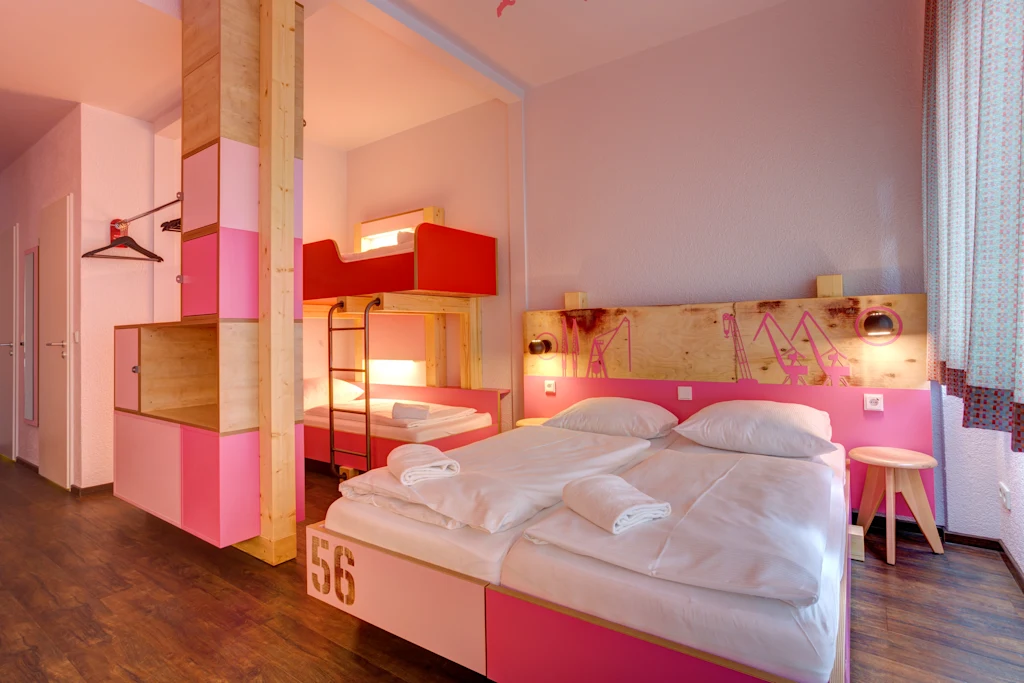
1. Meininger Hamburg City Center
A reliable, well-run hostel with excellent facilities and a central location. Clean dorms, a good common area, and the Meininger reliability that backpackers across Europe have come to trust. A solid first choice for Hamburg.
Dorms from around €20
Book Pyjama Park Schanzenviertel
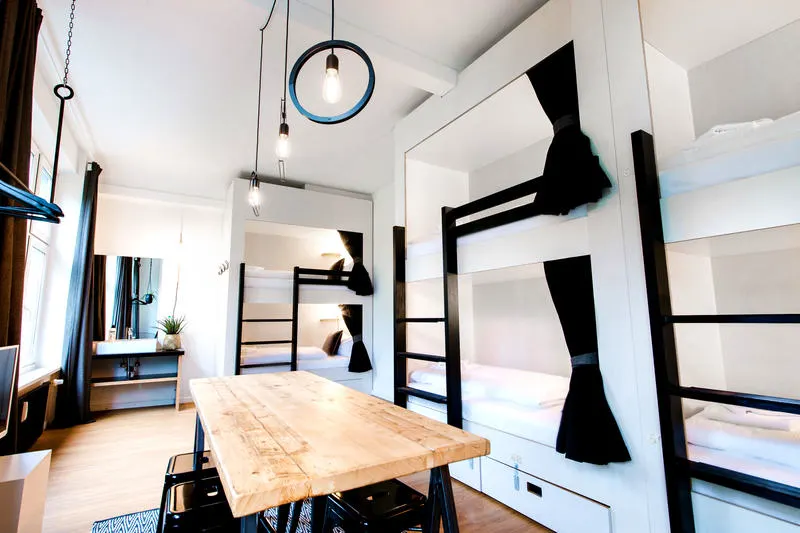
2. Pyjama Park Schanzenviertel
Dorms from around €18
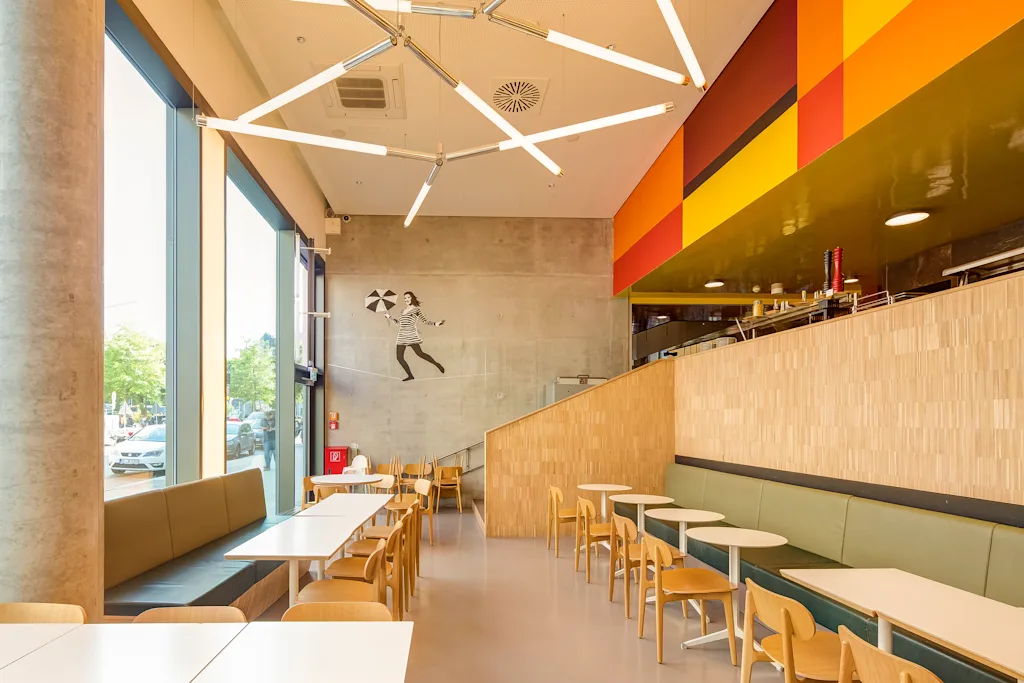
3. Generator Hamburg
A design-forward hostel in a great central location with a lively bar, clean dorms, and the Generator group’s signature mix of style and social energy. A good pick for travelers who want reliable quality with a bit of personality.
Dorms from around €19
Hamburg’s hostels tend to be a little pricier than Berlin’s, but the quality is high and the locations are well chosen.
🧭 Which City Is Better for Solo Travelers?
Both cities welcome solo travelers warmly, but the experience of arriving alone feels meaningfully different in each place.
Berlin is one of the best cities in Europe for solo travel, and it’s not particularly close. The hostel scene is active, affordable, and genuinely social. The city’s size means there is always something happening somewhere, and the culture of independent exploration is so embedded in Berlin’s identity that arriving alone feels completely natural. Neighborhoods like Kreuzberg and Neukölln are full of solo travelers, digital nomads, and long-term visitors who’ve made the city a temporary home. Meeting people happens in hostels, at street food markets, on free walking tours, and simply by sitting at a bar in Prenzlauer Berg long enough.
Hamburg is very welcoming to solo travelers but in a slightly quieter way. The city is smaller and more contained than Berlin, which makes it easy to navigate, but the social infrastructure around solo travel, the hostel events, the group tours, the shared dining culture, is a little less developed. That said, Hamburg’s neighborhoods are genuinely enjoyable to explore alone, and the harbor area in particular is the kind of place where an afternoon on your own with a Fischbrötchen and a coffee feels like exactly the right thing to be doing.
Solo travel in Berlin is louder, more social, and more likely to turn into an unexpected three-day adventure. Solo travel in Hamburg is calmer, more curated, and deeply enjoyable for travelers who don’t need a packed social calendar to feel connected.
🍹 Budget Breakdown – Where Your Money Goes
| Category | Berlin | Hamburg |
|---|---|---|
| Meals & Eating Out | Outstanding value, with street food from €2–4 and full meals at local spots rarely exceeding €12. One of the cheapest major capitals in Western Europe for food. | Good quality but noticeably pricier. Budget €14–20 for a sit-down meal at a decent local restaurant. |
| Hostels & Accommodation | Excellent value, with a wide range of quality hostels at very affordable prices. One of Europe’s best cities for budget accommodation. | Slightly more expensive, reflecting Hamburg’s higher cost of living overall. Still good value by German standards. |
| Public Transport | Very affordable, with day tickets covering U-Bahn, S-Bahn, tram and bus. 24-hour weekend service is a genuine bonus. | Reliable but slightly pricier than Berlin. Day tickets are good value if you’re moving around a lot. |
| Nightlife & Going Out | Extremely affordable, with cheap drinks across most neighborhoods. Club entry varies but many nights out in Berlin cost surprisingly little. | Mid-range overall, with drinks reflecting the city’s higher general cost. Reeperbahn bars vary widely in price. |
| Attractions | Many major sites are free, including the East Side Gallery, Brandenburg Gate, and most memorials. Museum entry is reasonable. | Elbphilharmonie plaza is free, Miniatur Wunderland entry is around €20. Speicherstadt area is free to walk. |
| Coffee & Casual Bites | Fantastic café scene with very low prices, especially in Kreuzberg, Neukölln, and Prenzlauer Berg. | Strong café culture with higher average prices. Franzbrötchen from a bakery is cheap and essential. |
| Day Trips | Well-connected by train, with Potsdam just 30 minutes away on a budget rail ticket. | Excellent rail connections north to Lübeck and west to Bremen, both easy and affordable day trips. |
Bottom line: Berlin is one of the most affordable major cities in Western Europe, and it shows across every category. Hamburg is more expensive but still represents good value by the standards of cities like Amsterdam, Copenhagen, or Zurich.
🏞️ Day Trips & Adventures
Both cities are well connected and make excellent bases for exploring the surrounding region.
From Berlin, day trips lean historic, regal, and surprisingly scenic.
You’ll love these if you:
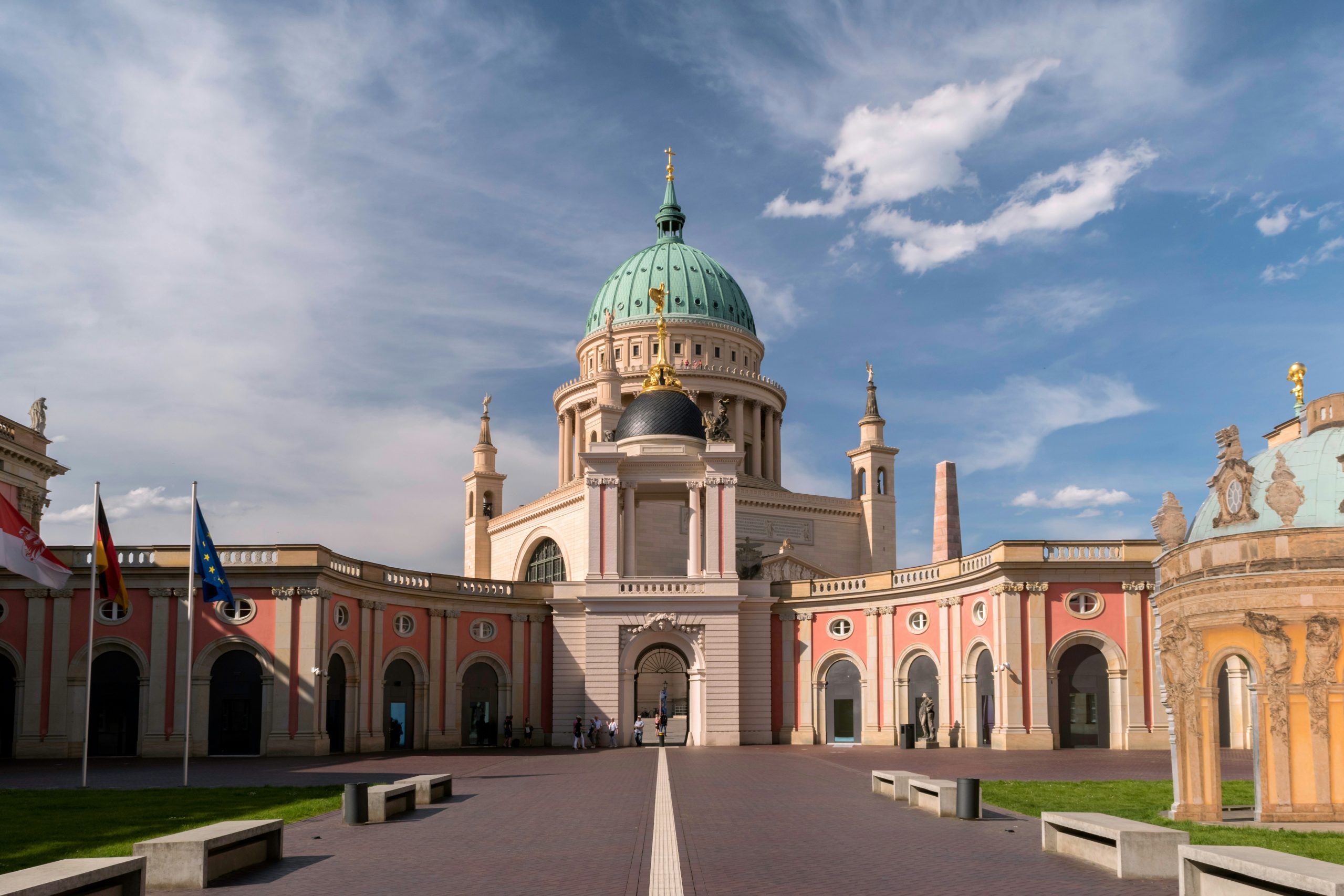
- Want to explore Potsdam, with its Versailles-inspired palaces, manicured gardens, and lakes, just half an hour by S-Bahn and genuinely one of the best day trips in Germany
- Are curious about Sachsenhausen, the former concentration camp north of Berlin, a sobering and important visit for anyone engaging seriously with Germany’s history
- Feel like a slower day in Leipzig, about an hour by fast train, a university city with a thriving music scene, beautiful architecture, and a fraction of Berlin’s tourist footprint
From Hamburg, day trips lean Hanseatic, coastal, and quietly beautiful.
You’ll love these if you:
- Want to visit Lübeck, a perfectly preserved medieval Hanseatic city just 45 minutes by train, with its famous Holstentor gate and the best marzipan you’ll ever eat
- Are drawn to the North Sea coast and want to see the mudflat landscapes of the Wadden Sea, a UNESCO World Heritage Site of extraordinary natural character
- Fancy a day in Bremen, another Hanseatic city about an hour away, with a stunning market square, a fairy-tale old town, and the famous Böttcherstraße lane
Berlin leans toward history and culture for day trips. Hamburg leans toward Hanseatic heritage and the North Sea. Both reward getting out of the city for a day.
🧳 Choosing Based on Travel Style
Berlin is for travelers who want a city that challenges, surprises, and rewards curiosity at every turn.
You’ll love it if you:
- Want nightlife that is genuinely world-class and unlike anything else in Europe
- Are deeply interested in 20th century history and want to engage with it seriously
- Love alternative culture, street art, and creative neighborhoods that feel alive and unpredictable
- Are traveling on a tight budget without wanting to compromise on experience or atmosphere
Hamburg is for travelers who want a more polished, maritime European city break with excellent food, beautiful architecture, and a sophisticated edge.
You’ll love it if you:
- Want a city that feels immediately beautiful and easy to love from the moment you arrive at the harbor
- Are into live music, waterfront walks, and architectural grandeur without the intensity of a capital city
- Prefer a more manageable scale where the main sights feel close together and the pace is less relentless
- Want to eat and drink extremely well in a city that takes both seriously
✅ Conclusion: Berlin or Hamburg?
Both cities are extraordinary and both deserve more than a passing visit. Berlin wins on history, nightlife, budget value, and the sheer scale of what it offers across art, culture, and independent exploration. Hamburg wins on waterfront beauty, architectural elegance, food quality, and the feeling of a city that is deeply comfortable in its own identity.
If you want one of the great European city experiences, raw and layered and endlessly surprising, choose Berlin. If you want a sophisticated, beautiful, harbor city with world-class music, exceptional food, and a pace that feels genuinely enjoyable, choose Hamburg.
If you can do both, the train between them takes under two hours and the contrast makes each city better by comparison.
Download the Hostelworld app to start booking now


❓ FAQs: Berlin vs Hamburg
Which city is cheaper, Berlin or Hamburg?
Berlin is significantly more affordable across accommodation, food, transport, and nightlife. It's one of the best value major cities in Western Europe.
Is Berlin or Hamburg better for nightlife?
Berlin is one of the world's great nightlife cities. Hamburg's Reeperbahn is excellent but operates in a different league. For serious club culture and electronic music, Berlin wins convincingly.
Which city is better for history?
Berlin carries more historical weight and offers more to engage with, particularly around 20th century history. Hamburg's Hanseatic history is fascinating but requires more active seeking out.
Which city is better for food?
Hamburg has the edge on traditional German and seafood cuisine, particularly the Fischbrötchen at the harbor. Berlin wins on variety, international options, and price.
Which city is better for solo travelers?
Berlin is the stronger choice overall, with a more developed hostel scene, lower costs, and a culture that suits independent exploration. Hamburg is excellent for solo travelers who prefer a quieter pace.
How many days do you need in Berlin?
A minimum of four days covers the main sights comfortably. Five or six days allows you to explore neighborhoods properly and take a day trip to Potsdam.
How many days do you need in Hamburg?
Two to three days is enough to see the highlights. A fourth day works well if you want a day trip to Lübeck or more time along the Elbe waterfront.
Is it worth visiting both Berlin and Hamburg?
Absolutely. The train takes under two hours, the cities complement each other beautifully, and the contrast between them is part of what makes both more interesting.
So… Berlin or Hamburg?
For nightlife, history, budget travel, and a city that never stops surprising, choose Berlin. For harbor beauty, great food, and a sophisticated city break with a more manageable pace, Hamburg is the one.


 Get the App.