
10 things you should know before travelling to China
China, the land of pandas, the Great Wall and exotic food, is still a source of great curiosity for us Brazilians. This ancient country, rich in history and traditions, has become increasingly powerful both technologically and economically. Far beyond the trade fairs, the country offers enormous tourist potential with its Buddhist temples, illuminated skyscrapers and marvellous nature. Are you travelling to China? Or have you always dreamed of visiting the country? We’ve put together a list of 10 things you should know before travelling to the other side of the planet!
The internet in China is blocked
WhatsApp, Instagram, YouTube and Google Maps may be tools you use every day. Not in China! There, the internet is controlled by the government and does not allow access to Google services, the social networks we are so used to and a whole host of other websites. But how can you survive travelling to China without all this? Of course, you can find a way, and in this case it’s called a VPN. Various VPN (Virtual Private Network) applications make your devices look like they are accessing the internet from another country, allowing you to access these websites. Be aware, however, that VPNs usually slow down your connection and should be downloaded before you travel. It can then be difficult to access the applications when you are on the ground. But what about the Chinese, how can they live without all this? In China, there are apps and websites that are the equivalent of all our Western favourites. WeChat replaces WhatsApp, Youku replaces YouTube, Baidu Maps takes the place of Google Maps and so on. Of course, it’s all in Mandarin and intended for this target group, but that’s more than enough for them.
Christianity doesn’t even make up 5% of the country’s population

Do you know the Christmas atmosphere, the decorated shops, Father Christmas in the shopping centre, the promotions and the family get-togethers? Imagine you live in a country where Christmas is just another day. Just like Easter or other Christian holidays, which are highly valued in Brazil regardless of the population’s faith. This is because Christianity does not even make up 5% of the Chinese population. These dates are simply not part of the country’s tradition. In larger, more westernised cities there may be some movement due to the large number of foreigners, but in China it is generally just another day. The main Chinese religions are Taoism, Buddhism and Confucianism, and often people practise more than one of them because they share common characteristics. Churches are rare, but temples are often seen. China also celebrates a variety of its own holidays related to nature, the seasons, solstices and equinoxes.
Finding someone who speaks English may not be easy
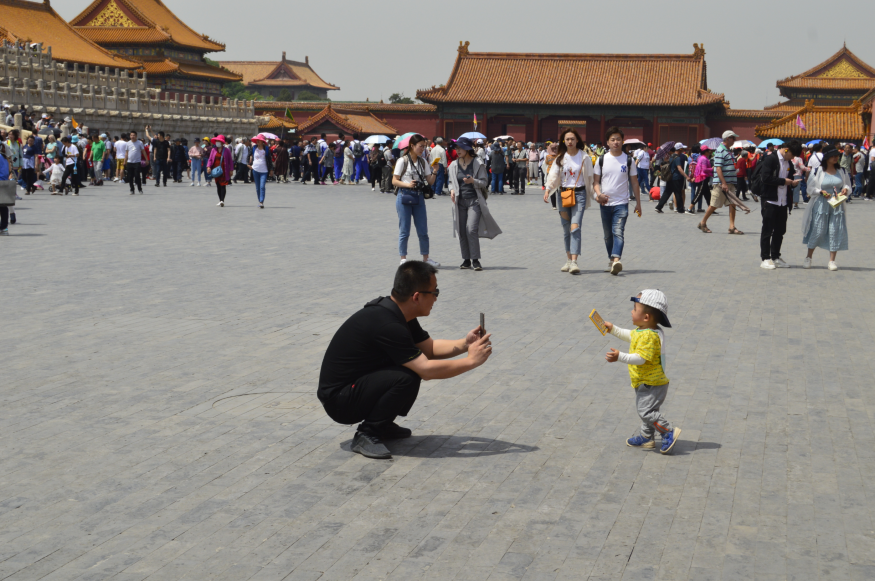
Anyone planning a trip to China often worries about one thing: communication. Those “drawings”, the ideograms and the sounds that have nothing to do with our language are scary at first. Indeed, English is not widely spoken in the country and it can happen that this language barrier exists even in tourist resorts. But don’t doubt the willingness of the Chinese to interact and sell, as they will always try to make themselves understood in some way, especially by typing the price of the product being bargained for into a calculator. Mime, try a few words in English, use the translator, and somehow the communication will happen. It’s always a good idea to download a translation app onto your mobile phone, preferably one that works without the internet. That way, everyone understands each other!
Public transport works very well!
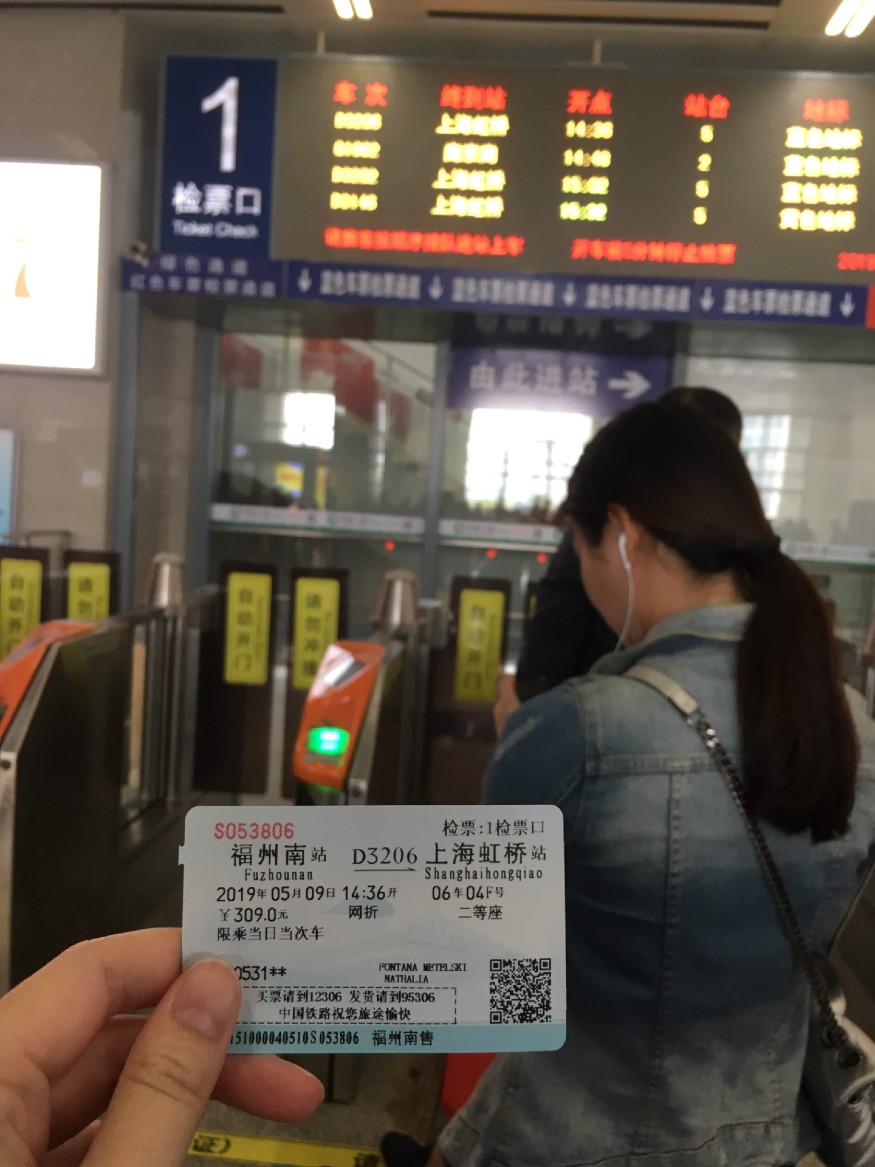
Getting around in China is not as complicated as it seems. Public transport works very well both within and between cities. The metros in the big cities have signs and ticket machines in English and are generally easy to use. You do need a VPN to access the metros, but you can also view the routes on Google Maps. Trains connect the whole country, are a convenient and efficient way to travel between cities, and are often cheaper than flying. It’s always a good idea to arrive in advance so you can pick up your tickets and find your platform at your leisure. If you prefer more convenience, we recommend downloading the Didi app, the Chinese “Uber”, and setting off.
Not all Chinese hotels accept foreigners
China has some hidden secrets (lol), which is why travelling there requires a little more planning and organisation. For example, hotels, hostels and guesthouses in China must have a special licence to accept foreigners. This means that you can’t just stay overnight anywhere. To avoid problems, it is always a good idea to check the description of the accommodation to see if this is mentioned there. On Hostelworld you will find a wide range of accommodation in the main Chinese cities to help you plan and enjoy your trip to China! Whether you’re visiting the Great Wall in Beijing, admiring the skyscraper lights in Shanghai or visiting the Terracotta Warriors in Xi’an, you’ll find hostels at great prices and with great comfort and location.
Cash is a thing of the past

One of the most fascinating things about China is how technology is evolving every day and changing people’s lives for the better. Many services are already automated, but the issue of payments is surprising to say the least. Most payments in China are made via mobile phones. Wallets and cash are a thing of the past. In shops, restaurants and even street markets, there is a QR code that you scan, enter the amount and pay directly with your mobile phone. Or you can hold the QR code on your bill up to a machine, which deducts the amount from your credit. This is because some applications such as WeChat (the Chinese WhatsApp) and the giant AliPay connect to your bank account so that you can easily carry out transactions. Not only can you pay in shops, but you can also send money to other people simply by sending a message. Are you meeting friends for dinner? Share the bill in the WeChat group! It’s all quick and easy. Unfortunately, this system only works for those who have an account in China, so tourists continue to use paper money. It’s important to know that credit cards are not accepted everywhere, so it’s best to take dollars with you to exchange for yuan (the local currency) at a bureau de change when you arrive.
Tradition and innovation coexist in this country

It is also astonishing that despite all the technology and innovation, the Chinese very much preserve their traditions. Feng Shui, a practice that seeks the best path for energy flow in the environment, is still used, even in large urban centres. When someone is ill, alternative medicines such as traditional Chinese medicine are usually used first before moving on to Western medicines. Chinese people are very superstitious about colours, numbers and dates, and they take it all very seriously. There are many rituals and beliefs that are maintained despite the great social and economic progress. Perhaps this is the secret of the fastest growing nation in the world, which looks to the future without losing its roots.
The toilets may not be very friendly…

If you’re travelling in China and go to the toilet, you might be in for a surprise. That’s because the traditional Chinese toilet model is basically a hole in the ground, unlike the toilets we’re used to. The Chinese believe that squatting promotes bowel movements and it is a cultural practice. Hostels and hotels usually have toilets in the bathrooms, but if you have to use a public toilet or are in a city that is less prepared for tourism, you will almost certainly find a hole in the floor when you open the toilet. A tip is to always have a pack of tissues in your bag, as toilet paper is a rarity in the public toilets there.
If you like chilli, you’ve come to the right place in China!
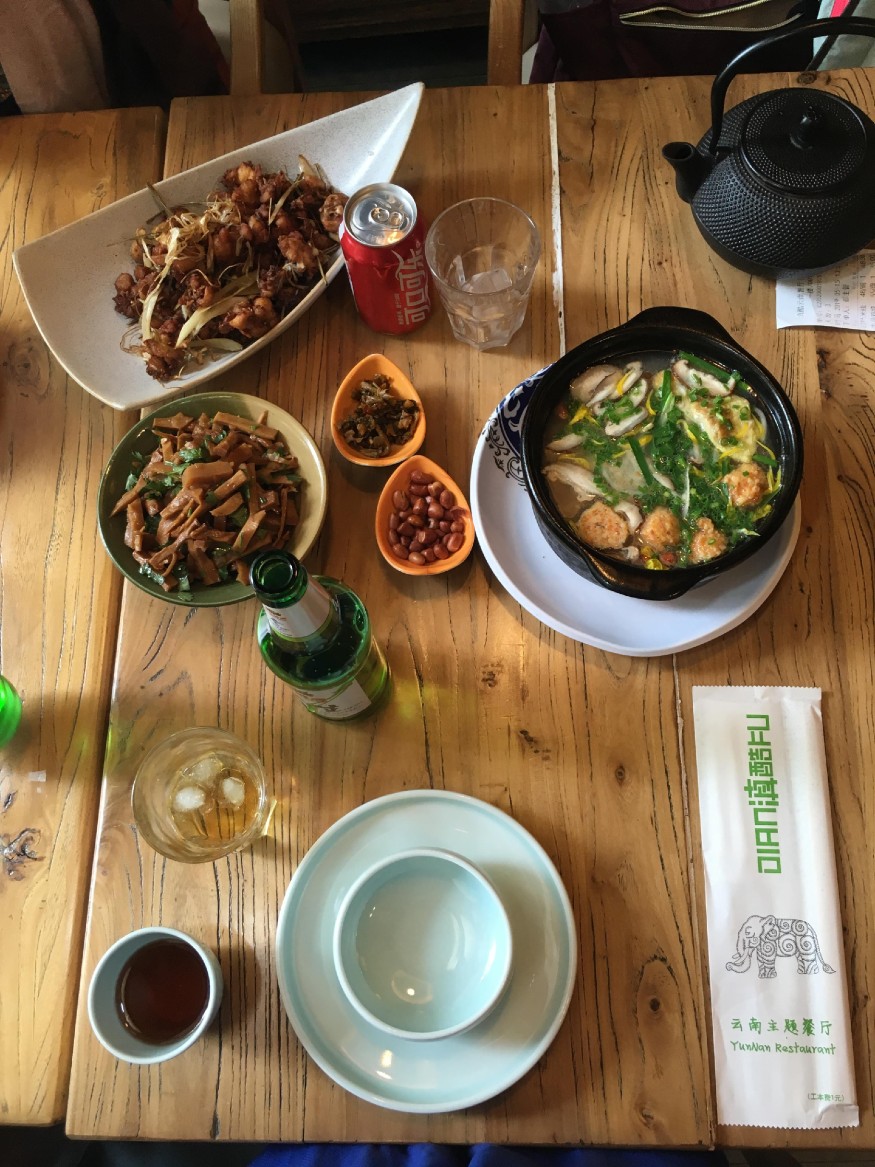
When we talk about China, the topic of food immediately comes up. Unsurprisingly, the country has a different cuisine to ours, but one that may surprise you. If you are one of those people who like a good chilli pepper, you are in for a treat. This ingredient is the most important spice that the Chinese use, in greater or lesser quantities depending on the region in China. If you don’t like chilli, always ask the waiter if the dish should be “bu lá” (not spicy, in Mandarin), as the portions are usually generous. Chinese cuisine is all about noodles and rice, always accompanied by vegetables and some meat (usually chicken or pork). Even if it looks different at first glance, it’s worth trying the local cuisine. If that doesn’t work out, there’s always a fast food chain nearby.
Leave everything you imagine about China behind you!
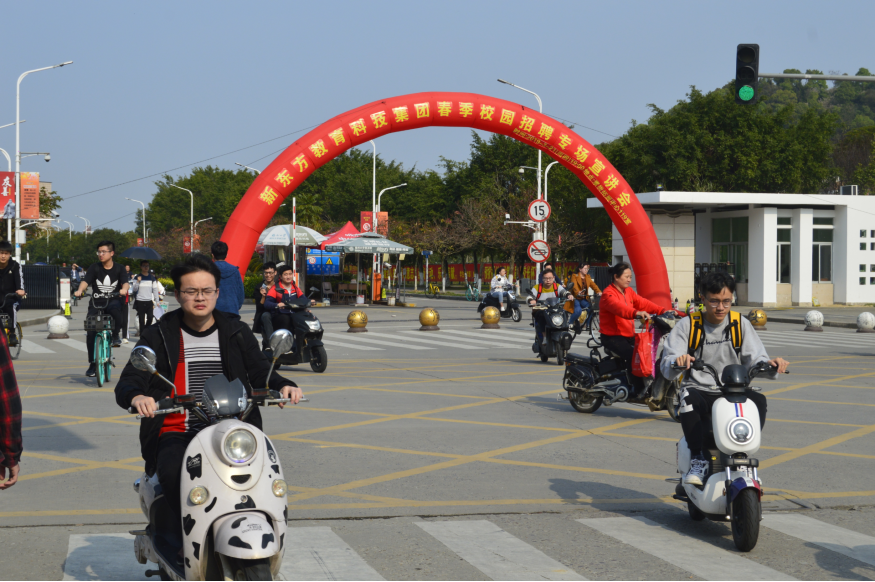
We have many preconceptions about China, about what life is like in this faraway country, about the people and the places. But the truth is that a country with huge geographical dimensions, a huge population and a huge history goes far beyond any cliché. It’s impossible to describe a place that is so diverse in itself in just a few words. Put aside everything you already know or imagine and allow yourself to experience China. Taste the flavours, try to understand the culture, be open to what is different. I am sure you will be surprised!
EXTRA TIP! Where to stay in China
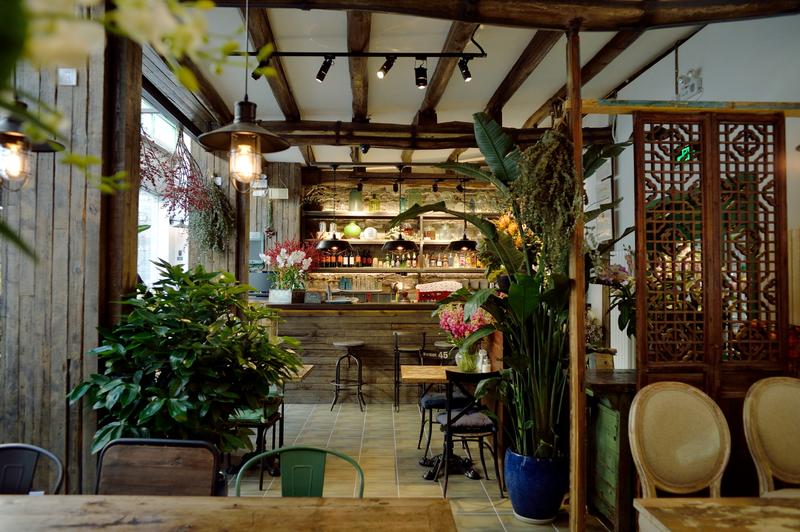
Beijing Station Hostel
The Phoenix Hostel in Shanghai has a traditional Chinese-style exterior and a modern and stylish interior. It is the perfect starting point for discovering the city. The hostel is located on Yunan Road, which is known for its numerous restaurants, and is only a 5-minute walk from the People’s Square metro station. After a long day of exploring Shanghai, you can relax in the Phoenix Bar on the roof of the hostel, play games and organise the next party.
The Peking Station Hostel in Beijing is much more than just affordable accommodation; it offers its guests a unique experience. The hostel has a lounge, a garden and a bar, which create a relaxed atmosphere as soon as you enter. Tian’anmen Square and the Forbidden City are just a 15-minute walk away. Metro lines 1 and 5 can be reached via Dongdan station, which is 1 minute away.
Han Tang Inn Hostel is a good choice for those who want to visit the Terracotta Army, a UNESCO World Heritage Site in Xi’an. The hostel is located in the city centre, close to the Muslim Quarter and Shaanxi Historical Museum, and offers a free shuttle service from the train station. Evenings are lively with daily activities such as calligraphy classes, games and dinners featuring local cuisine.
📚 About the author 📚
This is Nathalia, an aspiring journalist and backpacker in her spare time. I believe that the best way to find yourself is to lose yourself in the world. I called a few places home until I realised that the world is my home. I share my stories and memories on Histórias de Estrada and alsoon Instagram.

 Get the App.
Leave a Reply
You must be logged in to post a comment.