
8 Hidden Gems in Paris You Won’t Find on a Postcard
Ready to go beyond the Eiffel Tower, Notre-Dame, and the Louvre? Paris is famous for its iconic landmarks, but some of the city’s most magical places are tucked away off the typical tourist trail. In these hidden corners, you’ll find quiet cobbled streets, secret gardens, local hangouts, and quirky museums that reveal a more authentic Parisian charm. Exploring these spots is budget-friendly (many are free!) and offers a chance to see Paris through a local’s eyes – a side of the City of Lights you won’t find on any postcard. Each hidden gem below comes with tips on where it’s located, how to get there, what to do, and why it’s perfect for curious backpackers seeking the real Paris. Let’s uncover Paris’s best offbeat treasures!
1. Coulée Verte René-Dumont (Promenade Plantée) – An Elevated Garden Escape
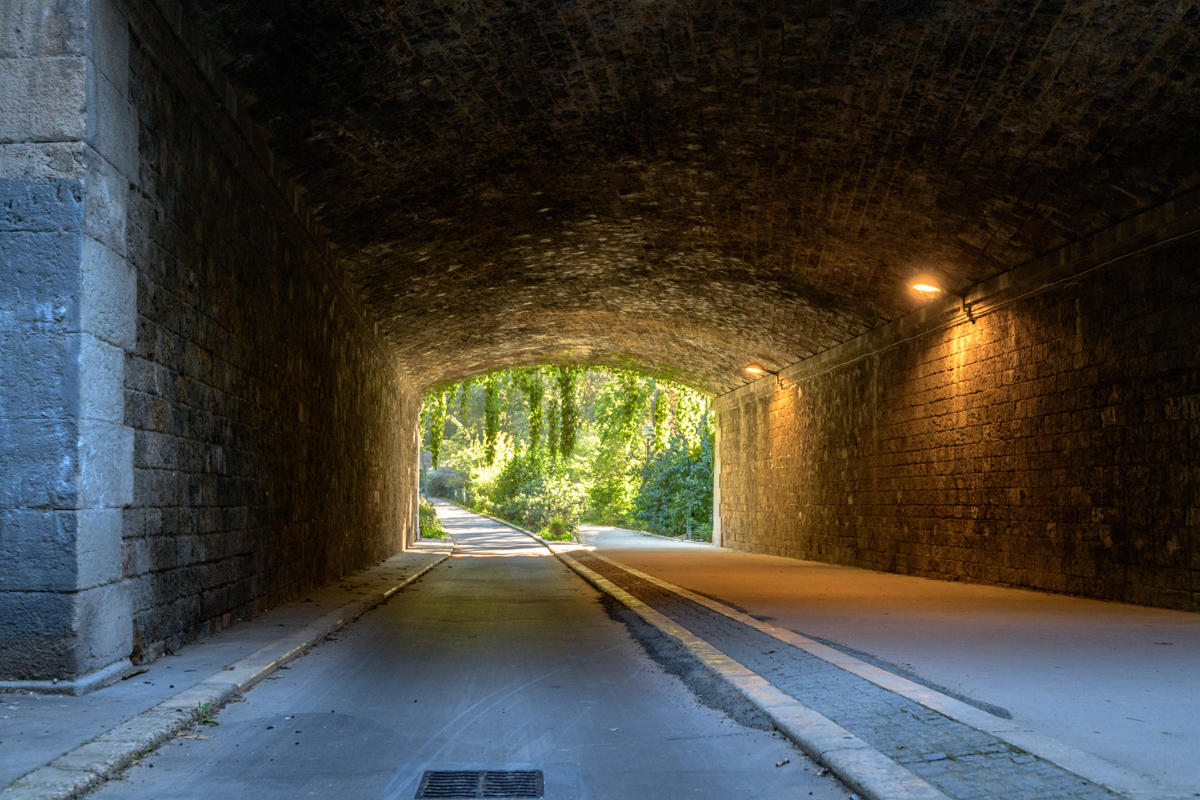
This elevated park – the first of its kind in the world – is a true hidden oasis above the streets of Paris. The Coulée Verte (also called the Promenade Plantée) stretches nearly 5 km along a former railway line, starting near Bastille and carrying you through the 12th arrondissement’s rooftops and tree canopy. Ten meters above street level, you’ll wander through rose trellises, vine-covered arches, and wooden footbridges, catching glimpses of Parisian life below without the traffic noise. Opened in 1993, this leafy walkway actually inspired New York City’s High Line, yet remains blissfully uncrowded. As you stroll, you’ll find benches, ponds, and even modern art sculptures, making it the perfect spot to enjoy a picnic or a peaceful morning walk with a view.
Location
12th arrondissement. The western end begins at Opéra Bastille and the Viaduc des Arts, then runs east toward the Bois de Vincennes.
How to Get There
Take Metro Bastille (Line 1/5/8) and walk 5 minutes to the stairway at Avenue Daumesnil & Rue de Lyon – look for a stairway leading up to the old red-brick viaduct. You can also access the park at multiple points (elevators and stairs) along its route.
Things to Do
Scenic Stroll: Enjoy a leisurely walk or jog surrounded by flowers and greenery, with views of Parisian rooftops popping into sight.
Viaduc des Arts: Hop down off the trail to visit the artisan workshops under the viaduct’s arches – from violin makers to glassblowers – then pop back up to continue your walk.
Jardin de Reuilly: Pause at this park along the way – locals sunbathe on the grass and there’s even a free sparkling-water fountain (bring a bottle to fill up!).
Budget Tip
The Promenade Plantée is completely free to enjoy. Visit on a weekday morning for maximum peace and bring along pastries from a neighborhood bakery – an alfresco breakfast above the city beats an overpriced café any day.
2. Butte-aux-Cailles – Village Charm and Street Art in the 13th
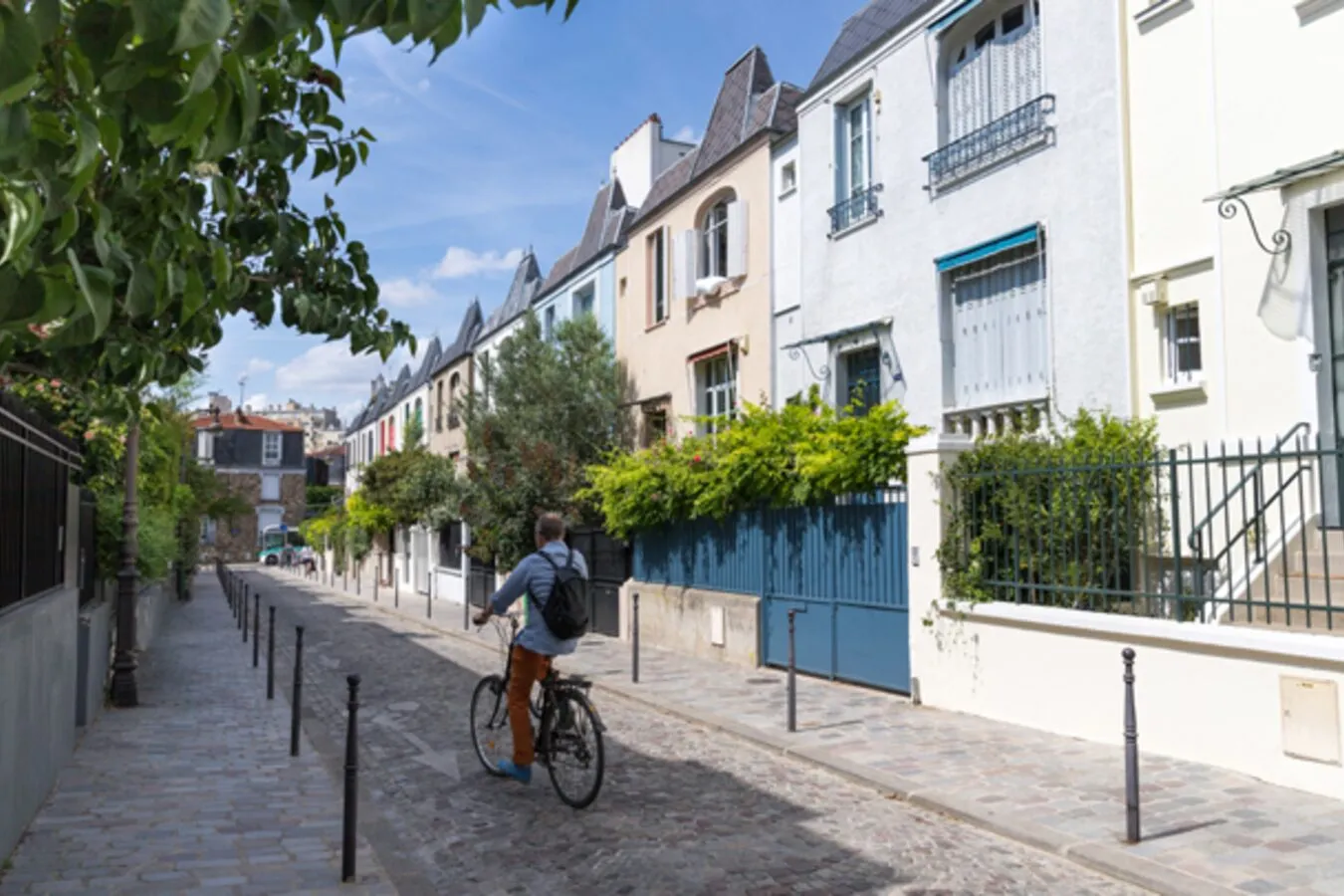
Wander into the Butte-aux-Cailles and you’ll feel like you’ve left Paris and stumbled into a quaint village. Tucked in the 13th arrondissement, this little hill (“butte”) is a maze of cobblestone streets, colorful houses, and street art murals – a bohemian enclave that most tourists overlook. The area is quiet and picturesque, with ivy-draped cottages and old-school lampposts that give off Montmartre vibes without the crowds. You can hunt for artist Invader’s pixelated mosaics on the walls, admire large-scale murals by local street artists, or relax on a terrace at a corner café where prices are pleasantly low. By day, it’s a peaceful haven for wandering photographers; by night, its cozy bars and bistros come alive with young Parisians enjoying apéro.
Location
13th arrondissement, on a small hill near Place d’Italie. Centered around Rue de la Butte aux Cailles, with main streets like Rue des Cinq Diamants and Rue de l’Espérance setting the scene.
How to Get There
Metro Corvisart (Line 6) or Place d’Italie (Line 5/6/7) will drop you a 5-minute walk from the heart of the neighborhood. From Place d’Italie, walk up Rue Bobillot into the Butte’s winding lanes.
Things to Do
Street Art Hunt: Stroll and spot vibrant murals and graffiti art. Don’t miss the giant tourist mouse mural by artist Jérôme Mesnager and numerous works by Miss.Tic, a famous Parisian stencil artist who once lived here.
Historic Swimming Pool: Peek into Piscine de la Butte-aux-Cailles, an Art Deco public swimming pool built in 1924. It’s fed by a natural spring — you can even go for a swim for just a few euros.
Café & Bar Hopping: Join the locals at terraces of Café Merlin or Le O’Paris for a laid-back drink. This area is known for its convivial apéritif scene; many bars offer happy hour deals.
Budget Tip
Exploring the charming streets costs nothing, and the street art is free to enjoy. For an inexpensive meal, pop into one of the neighborhood crêperies or boulangeries rather than sit-down restaurants. In the evening, take advantage of happy hour (often 5–8 PM) when glasses of wine or pints are much cheaper – you’ll get the local atmosphere without draining your wallet.
3. Parc des Buttes-Chaumont – A Locals’ Picnic Paradise with a View
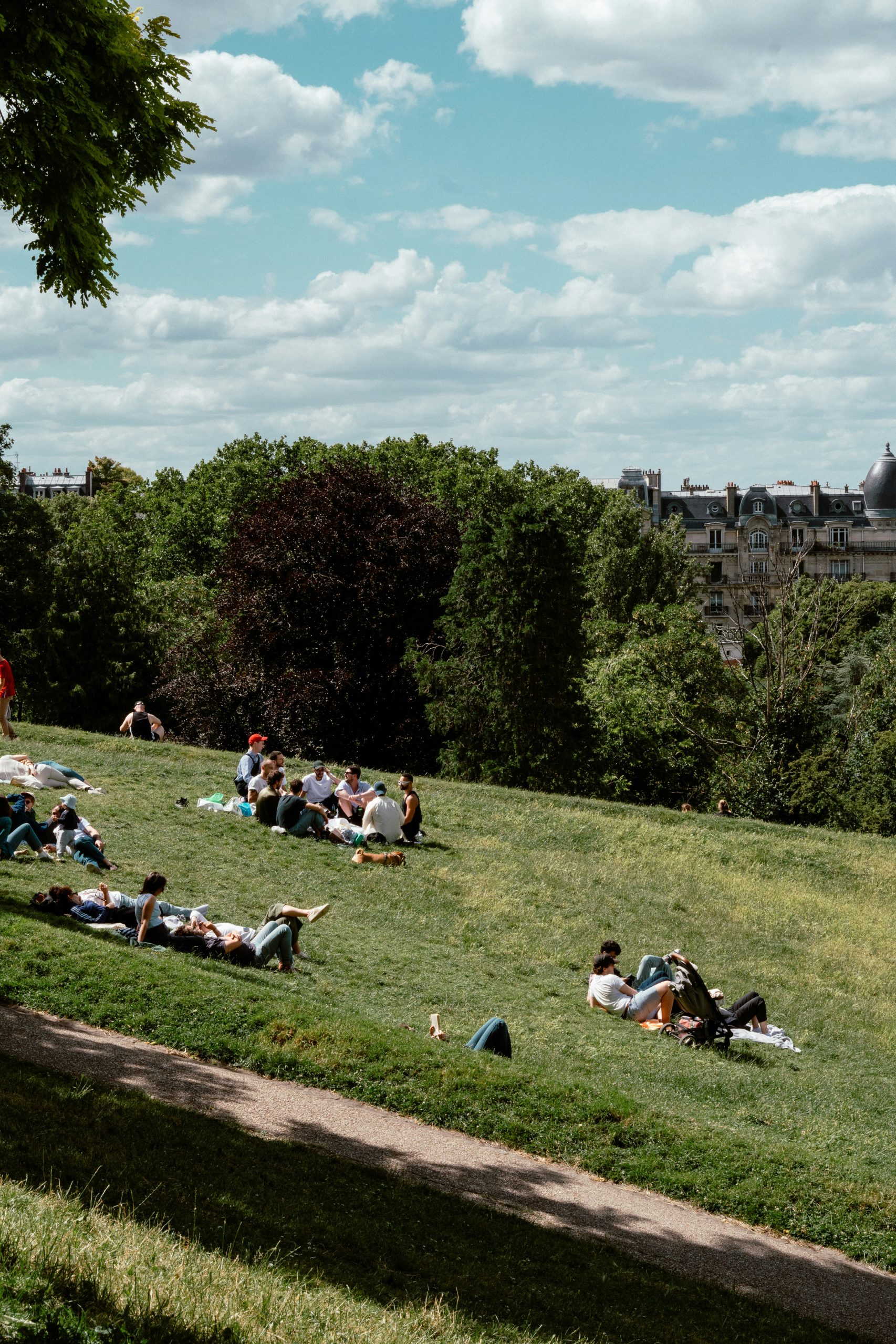
In the northeastern 19th arrondissement lies Parc des Buttes-Chaumont, a sprawling park that feels like a secret garden compared to the city’s more famous parks. Built on old quarries in 1867, Buttes-Chaumont is full of dramatic surprises: a lake with a rocky island, a 50-meter high cliff topped by the whimsical Temple de la Sibylle, waterfalls hidden in grottos, and grassy hills perfect for lounging. The views are fantastic – climb up to the temple and you’ll snag a panoramic peek at Montmartre and the distant Eiffel Tower framed by greenery. Despite being one of Paris’s largest parks, it’s blissfully uncrowded except for local families and picnickers. On a sunny afternoon, you’ll see groups of friends sprawled on the grass with baguettes and cheese, and maybe hear distant music from a guinguette (open-air café). It’s the ideal spot to relax like a local and enjoy a slice of tranquility in the city.
Location
19th arrondissement, bordering neighborhoods of Belleville and La Villette. Main entrances are at Rue Manin and Rue Botzaris (Metro Botzaris or Buttes-Chaumont).
How to Get There
Take Metro Buttes-Chaumont or Botzaris (Line 7bis) – both stations sit at park entrances. From popular areas like Hôtel de Ville, it’s about 30 minutes by metro. You can also walk from Belleville (about 15 minutes uphill to the park).
Things to Do
Hike to the Temple: Follow winding paths or the suspension bridge to reach the Temple de la Sibylle, perched atop a cliff. It’s small but offers one of the best 360° views of the city – a perfect photo spot at sunset.
Find the Waterfall: Venture into the hidden grotto on the western side of the lake. Inside this cave (built from the old quarry) there’s a cascading waterfall – a cool surprise on a hot day.
Picnic Like a Parisian: Join locals on the lawns. Bring your own picnic (there’s a Franprix supermarket and bakeries near Metro Botzaris for supplies). For a drink, head to Rosa Bonheur, the park’s charming outdoor bar, where you can sip rosé under the trees.
Budget Tip
Entry to the park is free, and it’s open from early morning until dusk. Save money by bringing snacks and drinks – vendors inside are limited and a bit pricey. If you visit on the first Sunday of the month, consider pairing your trip with the nearby Musée de la Chasse et de la Nature (in Le Marais) or other city museums which are free that day, making it a full day of budget-friendly exploring.
4. Clos Montmartre Vineyard – Wine in the Heart of the City
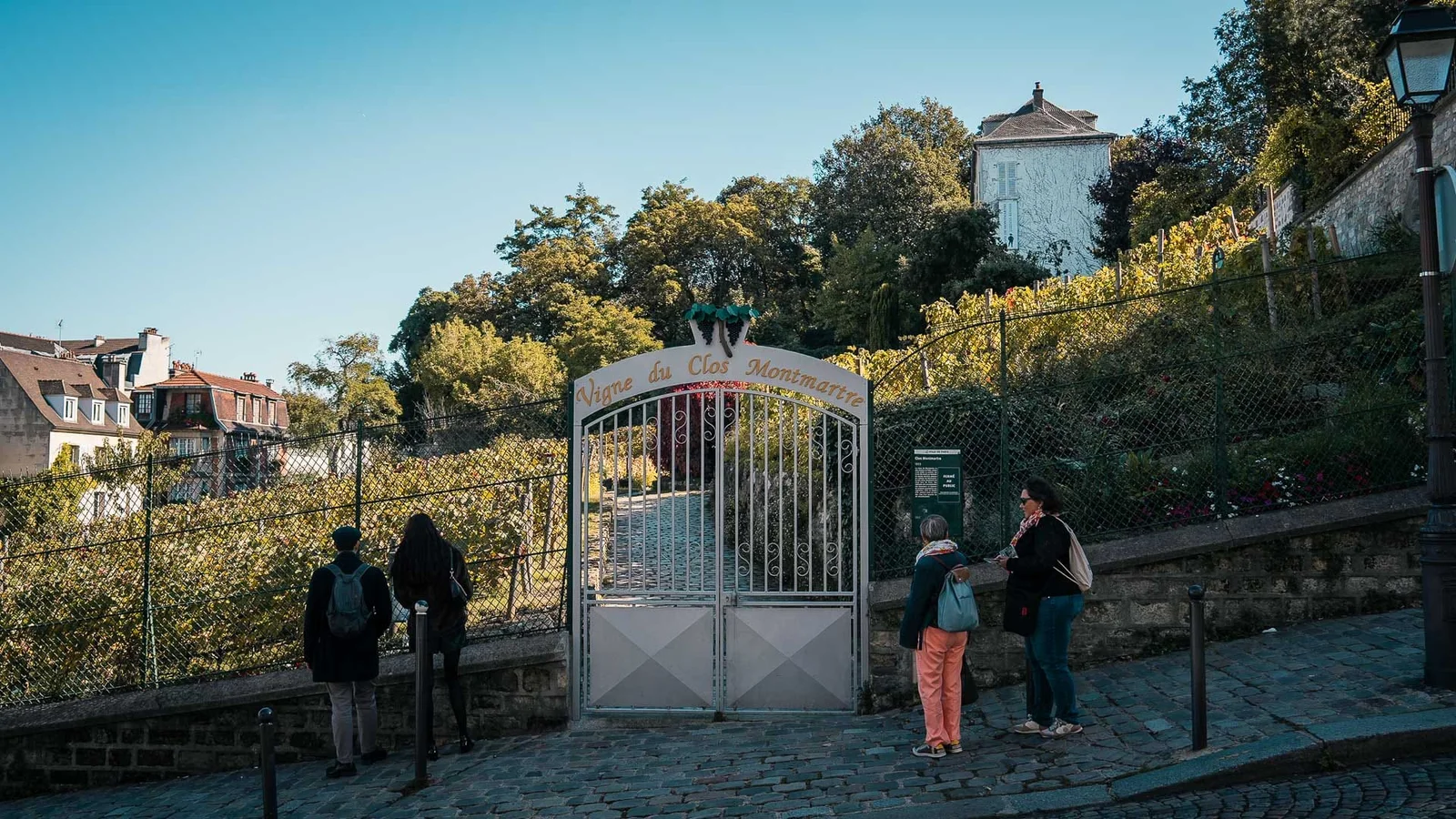
Tucked behind Montmartre’s bustling streets is a tiny vineyard that even many Parisians forget exists. Clos Montmartre is a working vineyard on the Montmartre hill, just a stone’s throw from Sacré-Cœur but hidden by winding lanes and whimsical houses. Surrounded by pastel-colored buildings and the famous Lapin Agile cabaret nearby, this little patch of grapevines has a storybook quality – you suddenly find yourself looking at rows of grapes with the city skyline in the distance. The vineyard has been here since the 1930s (reviving a winemaking tradition in Montmartre that dates to medieval times), and it produces a few hundred bottles of wine each year. While the vineyard itself is typically fenced off to protect the grapes, you can admire it from Rue des Saules and Rue Saint-Vincent, or visit during the annual Fête des Vendanges (wine harvest festival) in October when Montmartre throws a neighborhood party. Just next door is the Musée de Montmartre, a small museum in a historic artists’ house where Renoir once lived – its gardens overlook the vineyard for a picture-perfect view.
Location
18th arrondissement, in Montmartre. The vineyard occupies a corner of Rue des Saules and Rue Saint-Vincent, a short walk northwest of the Sacré-Cœur Basilica.
How to Get There
From Sacré-Cœur, walk down the back side of the hill (away from the touristy Place du Tertre) via Rue Cortot to Rue des Saules – it’s about a 5-minute walk through charming backstreets. The nearest metro is Lamarck–Caulaincourt (Line 12), about 5 minutes downhill from the vineyard (prepare for steep streets!).
Things to Do
Vineyard View: Gaze through the gate at the neatly kept vines. Information signs tell you about the grape varieties and history. It’s especially lovely in late summer when the vines are full and green.
Musée de Montmartre: Visit this museum of Montmartre’s history and art (entry ~€12). Its beautiful Renoir Gardens overlook the vineyard – you can literally sit in the same garden where artist Pierre-Auguste Renoir painted, with grapevines in sight.
Explore Montmartre’s Backstreets: From the vineyard, wander to Place Dalida (a quiet square dedicated to the French singer) and seek out Montmartre’s hidden windmills (Moulin de la Galette’s windmill can be seen nearby on Rue Lepic). This side of Montmartre is calm and full of old-world charm.
Budget Tip
Viewing the vineyard is free from the street. If Musée de Montmartre is out of your budget, you can still enjoy the ambience by visiting the museum’s café in the garden – a small coffee might grant you entry to the lovely grounds for much less than the museum ticket. Also, consider timing your visit during the Harvest Festival (Fête des Vendanges) in October, when the area buzzes with free concerts, food stalls, and vineyard tours – a fun (and free) cultural experience.
5. Arènes de Lutèce – Roman Ruins in a Parisian Park

Would you believe that Roman gladiators once battled in the middle of Paris? The Arènes de Lutèce prove they did. This hidden gem is an ancient Roman amphitheater, tucked behind apartment buildings in the Latin Quarter. Entering the Arènes feels surreal – one moment you’re on a normal Parisian street, the next you’re standing in what remains of a 1st-century AD arena that could seat 15,000 people. The space is open to all as a public park: locals come here to play football (soccer) or pétanque on the gravel floor where crowds cheered centuries ago. You can still see the stage area and sections of the original stone terraces where spectators sat. It’s peaceful and often nearly empty on weekdays, with birds chirping and the hum of city life muted by the surrounding walls. If you’re a history buff, walking in the footsteps of Roman spectators – right in Paris – is a thrill. And if not, it’s still a perfect spot to relax on a sunny afternoon, blending a bit of history into your picnic or journal-writing session.
Location
5th arrondissement (Latin Quarter), between Rue Monge and Rue de Navarre. The main entrance is through a gate at 49 Rue Monge, but there’s also access via Square Capitan (a small park).
How to Get There
Metro Place Monge (Line 7) or Cardinal Lemoine (Line 10) will get you within a 5-minute walk. From Place Monge, walk down Rue Monge toward the Seine – the entrance to the Arènes is on your right, somewhat hidden between buildings (look for signage).
Things to Do
Time Travel: Step into the arena floor and imagine the roar of 15,000 spectators in Roman times. There are informative panels explaining the history and layout – great for a self-guided mini-tour.
Relax or Play: Do as the locals do – kick around a football, play a game of pétanque (there are often boules players about), or just sit on the stone terrace and people-watch. The mix of history and everyday life here is what makes it special.
Jardin des Plantes: After visiting the Arènes, walk 5 minutes to the nearby Jardin des Plantes – another somewhat offbeat attraction featuring botanical gardens and a small zoo. It’s a lovely (and free) add-on while you’re in the neighborhood.
Budget Tip
Visiting the Arènes de Lutèce is completely free. It’s open during daylight hours. To deepen your experience at no cost, download a free audio guide or podcast about Roman Paris to listen to while you sit in the arena – you’ll gain insight without needing to pay for a tour. Also, consider stopping by a local market on Rue Monge (on market days) to pick up some snacks and enjoy a picnic in the arena, rather than buying lunch at tourist cafés in the Latin Quarter.
6. La Petite Ceinture & La REcyclerie – Abandoned Railway turned Urban Haven
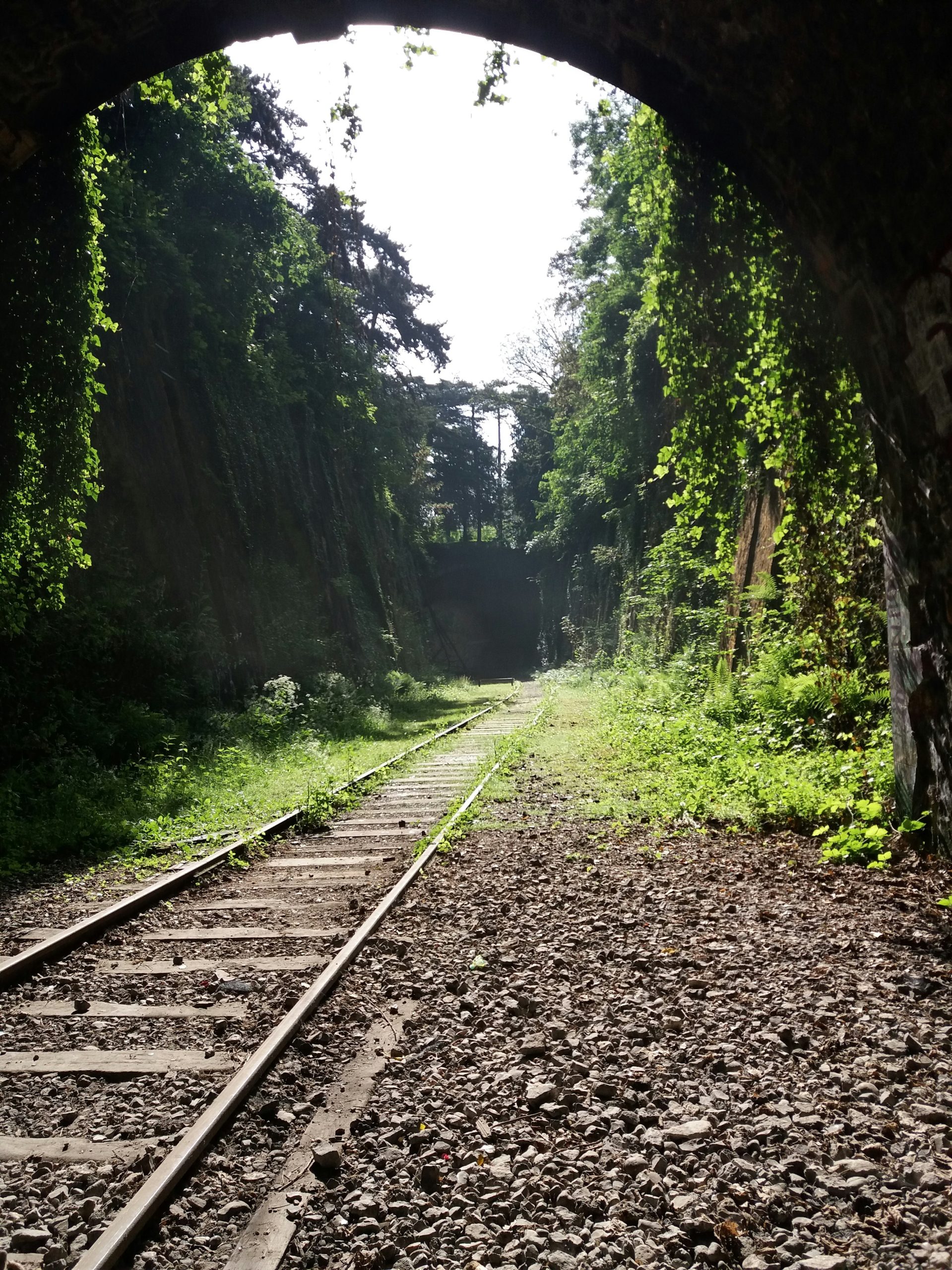
Paris’s La Petite Ceinture (“little belt”) is a 19th-century railway line that once encircled the city – now long abandoned and overgrown, it has found new life as one of Paris’s quirkiest offbeat adventures. Various sections of the old tracks are open to the public, offering a mix of urban exploration and nature walk right within the city. You can follow footpaths along the rails, graffitied tunnels, and wildflowers where trains used to run – a striking contrast to Paris’s polished center. One of the coolest spots to experience the Petite Ceinture is at La REcyclerie, a trendy eco-themed café and bar set in a converted train station (formerly Gare Ornano in the 18th arrondissement). Here, you can sip coffee or cocktails on the platform while the abandoned tracks of the Petite Ceinture lie just below, now transformed into a community garden with chickens and herbs. It’s a hipster-meets-history vibe. Whether you’re a fan of street art, urban decay photography, or just want a break from museums, exploring the Petite Ceinture is a chance to see a secret side of Paris where nature and street culture have reclaimed the city’s old infrastructure.
Location
Various sections around Paris (mostly between the 12th and 20th arrondissements for open walks). Notable open segments include one near Rue Didot in the 15th, and another through the Parc Georges Brassens – but the La REcyclerie section is at Porte de Clignancourt (18th).
How to Get There
For La REcyclerie, take Metro Porte de Clignancourt (Line 4) – the café is right at 83 Boulevard Ornano, beside the metro exit. For other sections, Metro Porte de Vanves (Line 13) gets you to the 15th arr. open trail (near 99 Rue Didot). Always look up specific entry points as the accessible sections are segmented.
Things to Do
La REcyclerie Café: Enjoy a drink or light meal on the outdoor terrace overlooking the old tracks. Inside, the station house is decorated with upcycled materials and hosts workshops on sustainability. Don’t miss walking down the platform stairs to stroll a short stretch of the track, where the café maintains a quirky urban farm.
Urban Hike: Walk a segment of the Petite Ceinture trail. In the 15th arrondissement section, you’ll find wildflowers and graffiti in equal measure as you follow the rails. It’s both peaceful and a bit eerie – a true adventure for urban explorers.
Street Art Safari: Many tunnel walls and trackside buildings along the Petite Ceinture are canvases for street artists. Bring your camera – you might find elaborate murals or hidden tags. The tunnel near Parc Montsouris (14th arr.) is known for its art, though access can be seasonal.
Budget Tip
Accessing the Petite Ceinture trails is free; just check local guidelines as some parts close in the evening. At La REcyclerie, prices are reasonable, but if you’re pinching pennies, you can still experience the vibe by nursing one coffee for a while or visiting during their occasional free events (like weekend flea markets or DIY workshops). Also, head to the massive Puces de Saint-Ouen flea market just north of La REcyclerie (open on weekends) – it’s an offbeat shopping adventure and sightseeing experience in its own right, and browsing won’t cost a cent.
7. Grande Mosquée de Paris – A Serene Slice of Morocco in Paris
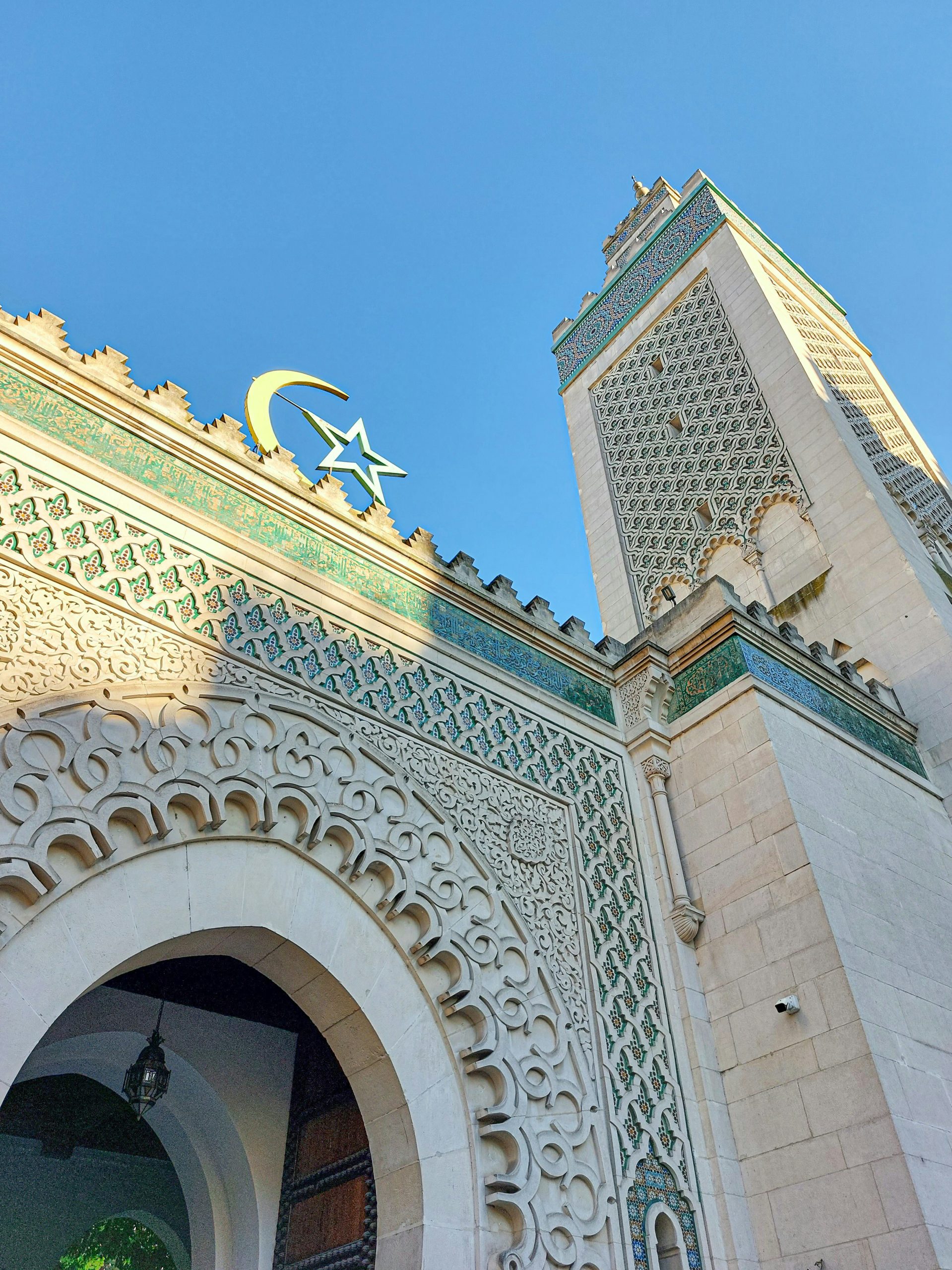
Escape to a tranquil world of mosaics, mint tea, and Moorish courtyards at the Grande Mosquée de Paris (Great Mosque of Paris). Situated in the 5th arrondissement, this mosque is one of the city’s most beautiful architectural hidden gems. Its stunning hispano-moorish design – think elegant arches, colorful zellij tilework, and a 33-meter-high minaret – transports you to Morocco or Andalusia in the middle of Paris. Many visitors don’t realize they can enter (respectfully, outside prayer times) to tour the exquisite courtyards and gardens for a small fee, or simply enjoy the atmosphere from the attached café and tearoom. The courtyard garden is especially lovely: fountains trickle amid fragrant jasmine and fig trees, and it’s unbelievably peaceful. After exploring, head to the mosque’s traditional tea room where you can sip sweet mint tea and sample honey-drenched pastries while lounging on patterned cushions. There’s also a hammam (steam bath) and North African restaurant on site. Visiting the Grand Mosquée feels like taking a mini-vacation within your trip, and it’s a favorite spot for students and locals seeking calm and culture away from the busy streets.
Location
5th arrondissement (Latin Quarter), at Place du Puits de l’Ermite, right across from the Jardin des Plantes. The mosque’s entrance is on Rue Georges Desplas / Rue du Doctor Magnan (for the café, enter around the corner on Rue Geoffroy-Saint-Hilaire).
How to Get There
Metro Place Monge (Line 7) or Censier–Daubenton (Line 7) – each about a 5-minute walk. From the Notre-Dame area, it’s a 15-minute walk across the Seine via Pont de l’Archevêché into the 5th. Multiple bus lines (e.g. 47, 67) also stop nearby.
Things to Do
Courtyard & Gardens: Pay a modest entry (around €3) to tour the inner courtyards when open. Marvel at the intricate mosaic tiles, carved wooden doors, and the tranquil central fountain. It’s an Instagram dream, but remember to dress modestly as it’s a religious site.
Mint Tea at the Café: Relax in the mosque’s open-air café (no entry fee for this part). Order a glass of hot mint tea – poured from a silver pot – and perhaps a baklava or corne de gazelle pastry. You’ll be seated among greenery and mosaic tabletops; it’s enchanting, especially on a sunny afternoon.
Hammam Spa:* For about €20-25, you can experience the traditional hammam (separate days for men and women). It’s a steamy, authentic spa experience – a hidden gem for those wanting a soothing break. If that’s not in your budget, even peeking into the tiled entryway of the hammam is interesting.
Budget Tip
Sipping mint tea under the palm trees in the mosque’s café is extremely affordable – a few euros for a tea and perhaps €2–€3 per pastry. It’s a budget traveler’s luxury experience. To save on the tour fee, you can appreciate a lot of the architecture from the courtyard visible next to the cafe or by attending free cultural events occasionally hosted here. Also, combine your trip with the Jardin des Plantes (right across the street, free entry) for a full day of beautiful sights at little to no cost.
8. Paris’s Covered Passages – 19th-Century Shopping Arcades Frozen in Time
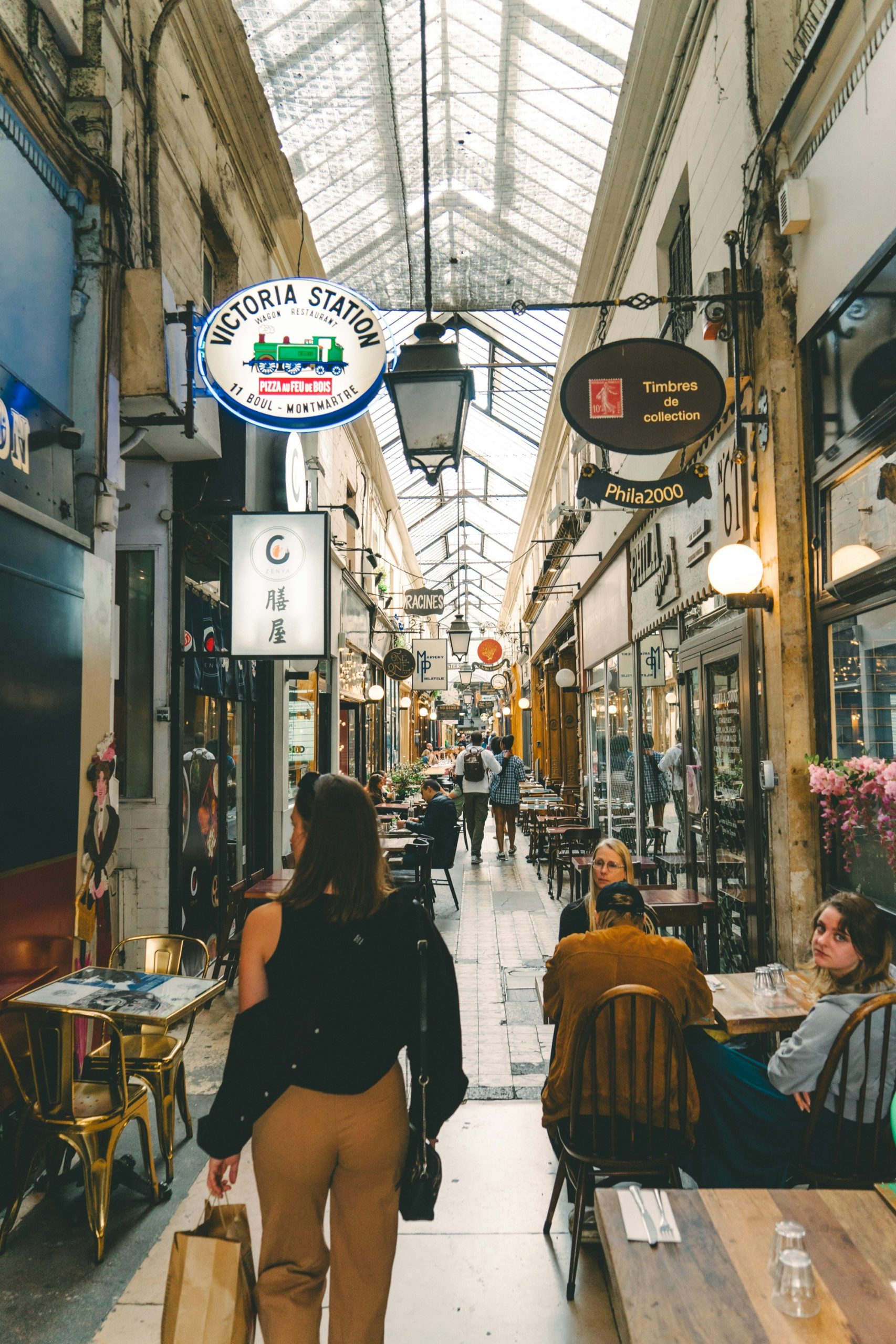
Scattered around central Paris are a series of covered passages – glass-roofed arcades dating back to the 1800s – that are like time capsules of Parisian elegance. Tucked between ordinary streets, these hidden passages were the shopping malls of their day, and stepping inside one feels wonderfully old-fashioned. Within these narrow corridors, you’ll find vintage boutiques, bookstores, toy shops, cozy cafés, and antique sellers. Two favorites: Passage du Grand Cerf in the 2nd arrondissement – with its soaring iron-and-glass ceiling (nearly 12 meters high) and eclectic shops selling handmade jewelry and retro décor – and Galerie Vivienne in the 2nd/near 1st, famed for its beautiful mosaic floor, painted ceilings, and upscale shops (think wine libraries and designer knick-knacks). Unlike the crowded Champs-Élysées, these passages are quiet and filled with local charm. Strolling through, you might meet an old shopkeeper who’s been there for decades or stumble on a hidden tea salon. It’s the perfect rainy-day hidden gem, but equally delightful on any day when you want to walk through history. Plus, the architecture and diffused light are a photographer’s dream.
Location
Mostly in the 2nd arrondissement (Right Bank). Notable passages include Passage du Grand Cerf (entrance at 145 Rue Saint-Denis), Galerie Vivienne (entrance at 4 Rue des Petits Champs or 6 Rue Vivienne), Passage des Panoramas (11 Boulevard Montmartre), and others nearby.
How to Get There
To do a “passage hop,” start at Galerie Vivienne (Metro Bourse or Palais Royal – Musée du Louvre) then walk 5 minutes to Passage du Grand Cerf (near Étienne Marcel station). Many passages are clustered around the Grands Boulevards area – Metro Grands Boulevards (Line 8,9) puts you by Passage des Panoramas and Jouffroy. Look for inconspicuous doorways with signs saying “Passage…”.
Things to Do
Window-Shop: Admire boutique displays of everything from old postcards and stamps (Passage des Panoramas is known for them) to high-fashion vintage clothing. Even if you’re not buying, it’s fun to browse and soak up the 19th-century atmosphere.
Coffee or Lunch: Stop at a café inside a passage. For instance, Le Valentin tea room in Passage Jouffroy offers delicious patisseries – enjoy one amid Belle Époque decor. Or sip an espresso at Bianca in Passage du Grand Cerf while people-watching stylish locals.
Architecture Appreciation: Take time to look up and around – the ornate glass ceilings, wrought-iron lattice work, and tile mosaics are gorgeous. Photographers will love capturing the vanishing perspective of the long corridors under soft light.
Budget Tip
Entering these passages is free, and they’re public walkways open generally during shop hours (roughly 8 AM – 8 PM). It’s a great way to experience historical Paris without spending a dime. If you’re on a tight budget, limit yourself to a coffee or just enjoy window-shopping – the ambiance costs nothing. For a practically free souvenir, hunt through the inexpensive bins of old photographs or vintage postcards often found at stalls in Passage des Panoramas – you can snag a little piece of Paris history for €1!
Where to Stay in Paris
When you’re busy roaming Paris’s secret spots, you’ll want a comfortable and social home base to return to. Hostels are ideal – not only do they save you money, but you’ll meet fellow travelers to swap tips and maybe find buddies to explore with. Plus, hostel staff love sharing local secrets (they might point you to a cool underground bar or a lesser-known viewpoint). Here are five top-rated Paris hostels from Hostelworld that are perfect for adventurous souls:
St Christopher’s Inn Paris – Canal
Book St Christopher's Inn Paris
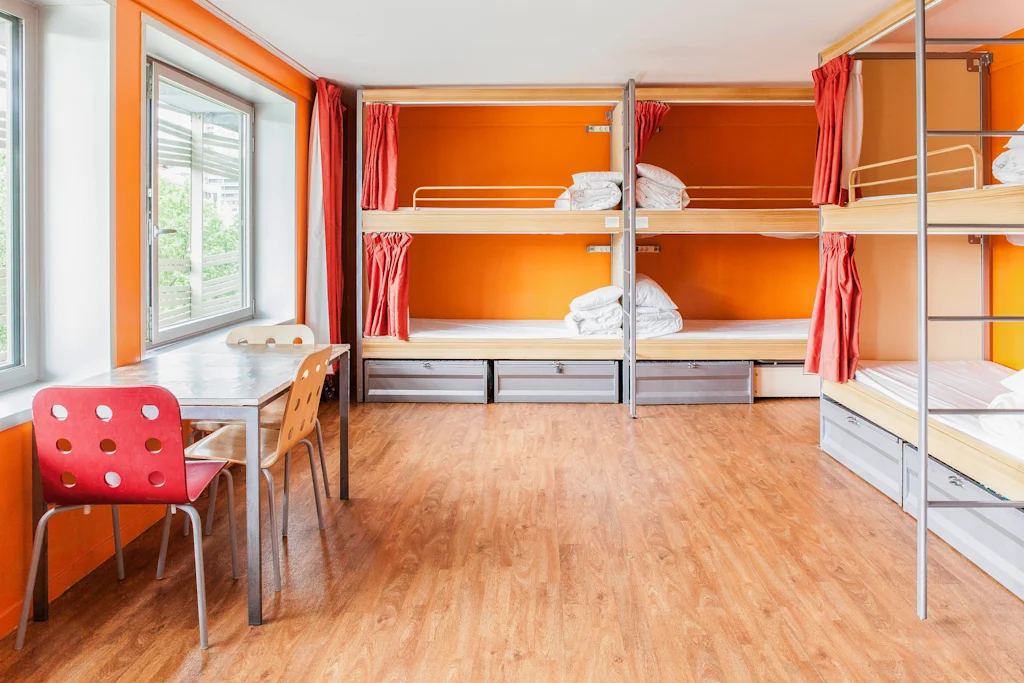
This large, lively hostel sits right on the Bassin de la Villette, a picturesque canal in the 19th arrondissement. It’s famous for its social vibe – there’s an on-site Belushi’s bar with nightly events, live music, and great drink deals (guests get 25% off food and 2-for-1 drinks). By day, you can chill on the waterfront terrace watching houseboats drift by; by night, meet travelers in the bar or the basement nightclub. The dorms are modern with privacy curtains and lockers for each bed, and the hostel organizes free walking tours. With the Crimée Metro and Gare du Nord nearby, plus a location walking distance to the trendy Canal Saint-Martin scene, St Christopher’s is an ideal launchpad for exploring Paris’s hidden gems and a fun spot to make new friends.
Generator Paris
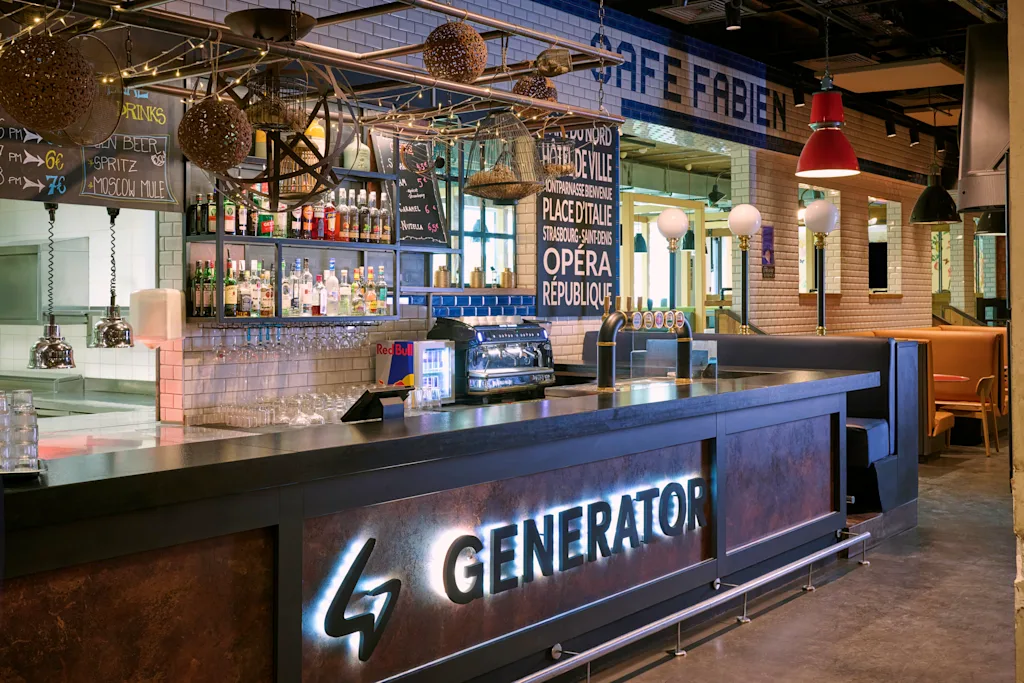
A design-forward mega-hostel in the 10th arrondissement, Generator Paris offers a blend of stylish comfort and vibrant atmosphere. The highlight is its rooftop bar with an unbeatable view of Montmartre and Sacré-Cœur – a perfect place to watch the sunset with a cocktail (and far less crowded than the Eiffel Tower’s top!). Downstairs, you’ll find a café and chic lounges where the hostel hosts events like karaoke nights and DJ sets in their underground nightclub. The rooms range from dorms to private terrace suites, all with modern bunk pods and funky décor. Located just steps from Canal Saint-Martin and a 15-minute walk to Parc des Buttes-Chaumont, Generator places you near cool local neighborhoods. It’s big and busy, but with 24-hour reception, free Wi-Fi, and plenty of fellow travelers around, you’ll have everything you need for a fun, affordable stay in Paris.
The People – Paris Belleville (ex Les Piaules)
Book The People – Paris Belleville (ex Les Piaules)
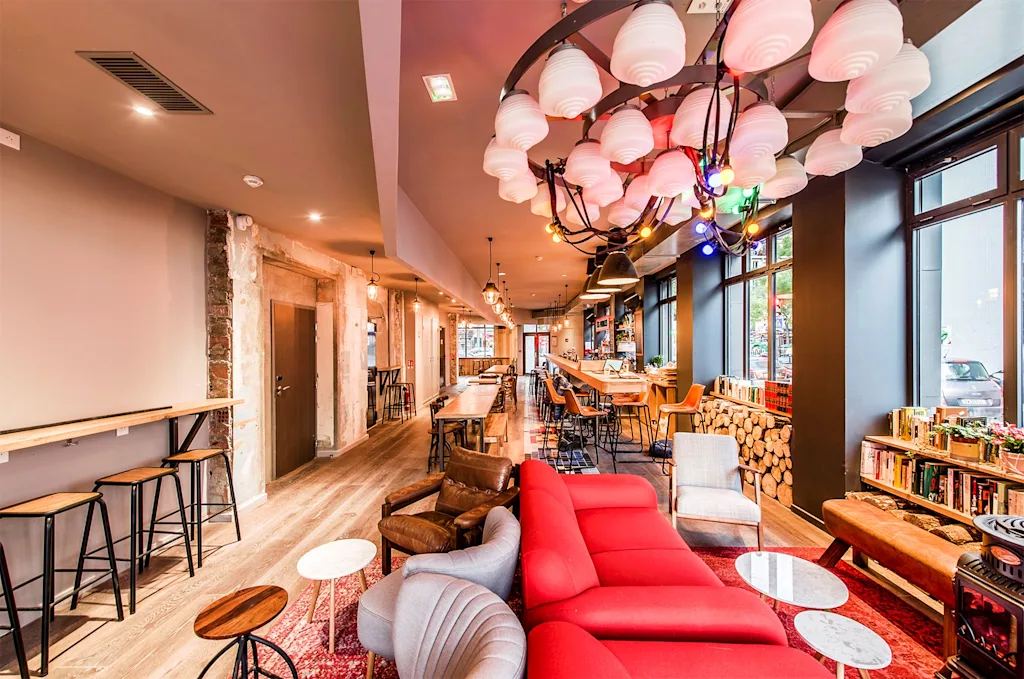
Tucked in the artsy Belleville district, this boutique hostel is beloved by those who want a more local vibe. It occupies a renovated Art Deco building and features a rooftop terrace that offers fantastic views of Paris’s rooftops (you can even glimpse the Eiffel Tower in the distance). Downstairs, the hostel’s bar-café is a popular hangout, known for its craft beers and weekly jazz or DJ nights that attract a mix of travelers and trendy Parisians. The dorms are comfy and modern, each bunk equipped with privacy curtains, reading lights, and large lockers. With Metro Belleville only 50m away, you’re minutes from Le Marais and République, but you’ll also love exploring Belleville’s street art, cheap eats, and nightlife right outside the door. Friendly staff (multilingual city experts happy to share hidden spot recommendations) and a laid-back, social atmosphere make The People – Belleville a top choice for discovering Paris beyond the tourist sites.
Le Village Montmartre by Hiphophostels
Book Le Village Montmartre by Hiphophostels
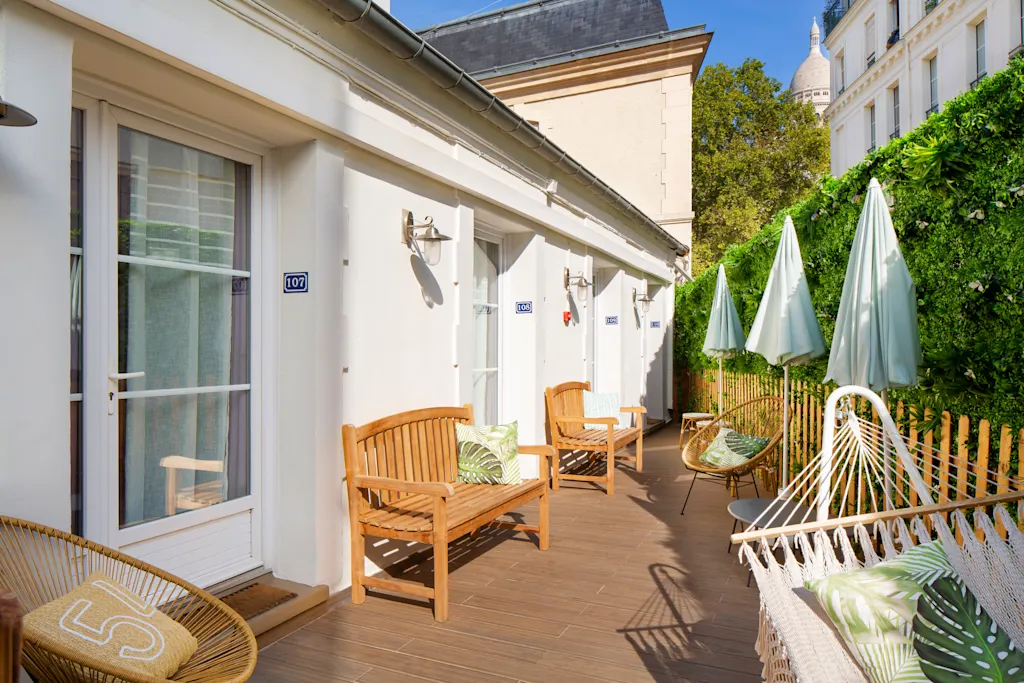
As the name suggests, this hostel is nestled in the charming Montmartre neighborhood – in fact, it’s just a 10-minute walk from Sacré-Cœur, and many rooms have a view of the basilica’s gleaming white dome. True to Montmartre’s artistic spirit, Le Village has a cozy, bohemian feel – there’s a sunny terrace where you can enjoy your morning coffee with a direct view of Sacré-Cœur. The common area feels like a French café, and they even have guitars for guests to strum. Rooms are clean and secure, ranging from dorms to private doubles, and the staff is super welcoming, known to organize cheese tasting nights or walking tours in the area. From this hostel, you can easily wander Montmartre’s winding lanes, find hidden stairways, and visit the local boulangeries and street markets that give the area its village vibe. It’s quieter at night than downtown hostels – perfect if you want a good sleep – but still very close to bars in Pigalle and the hip SoPi (South Pigalle) area. Le Village combines that classic Paris charm with the social perks of a hostel, making it easy to fall in love with Montmartre.
The 3 Ducks Eiffel Tower by Hiphophostels
Book The 3 Ducks Eiffel Tower by Hiphophostels
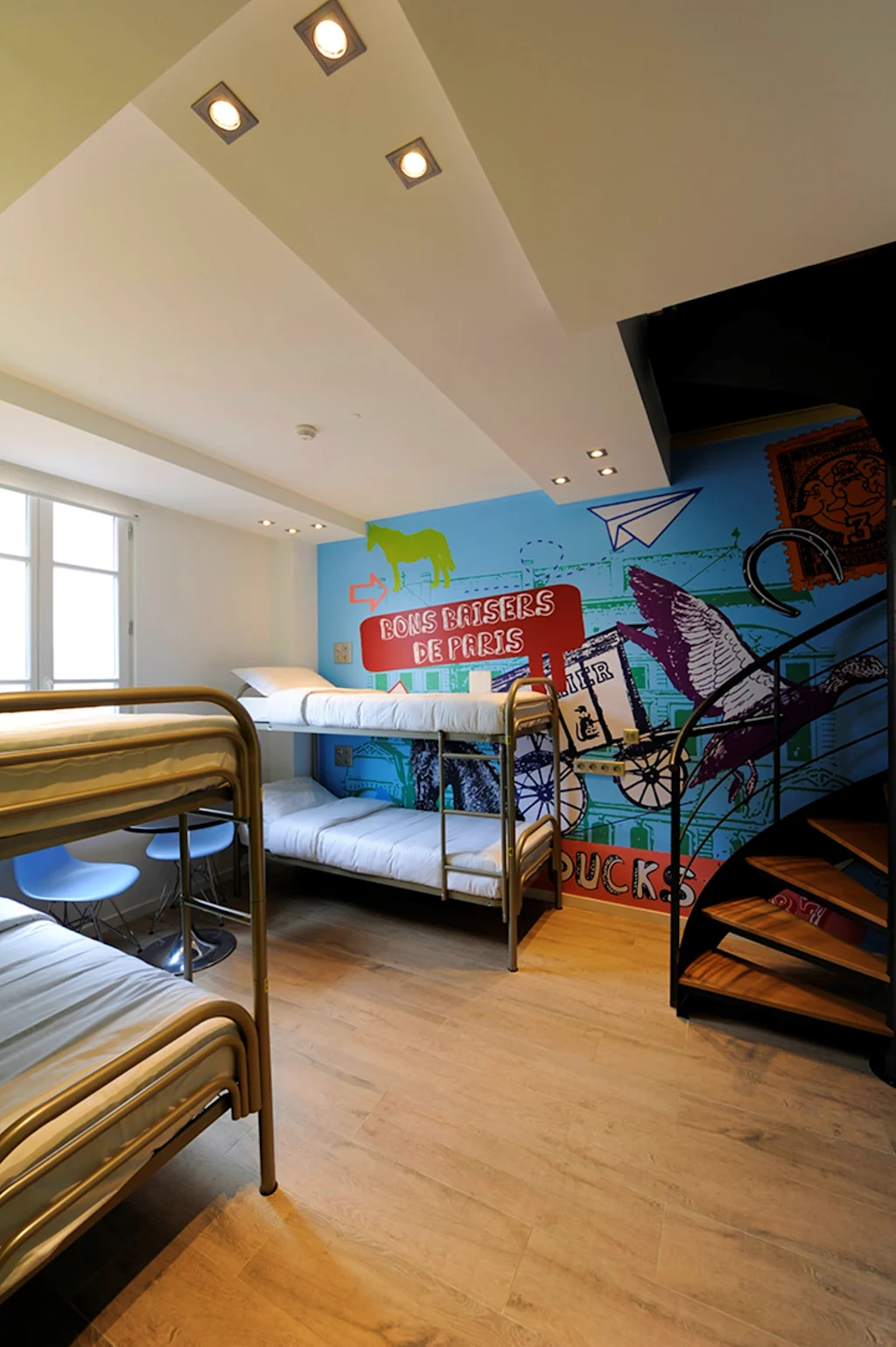
Housed in a converted 18th-century inn, 3 Ducks is a historic hostel with a modern heart – and it’s just a 15-minute walk from the Eiffel Tower in the residential 15th arrondissement. This hostel has an almost legendary status (it’s one of the oldest private hostels in France) and is known for its fun, friendly atmosphere. The interior is boldly designed with colorful murals and contemporary furnishings, but you’ll still see touches of its history, like the original courtyard now turned into a lively terrace bar. Guests rave about the bar’s affordable happy hour and the courtyard where travelers mingle under strings of lights. Rooms here all come with en-suite bathrooms (a bonus!) and features like individual reading lights and USB plugs, blending hotel comfort with hostel sociability. The area around 3 Ducks is safe and not touristy – you’ll get a taste of local Paris with bakeries, supermarkets, and cafes used by actual Parisians, and a metro station (Félix Faure) just 2 minutes away. If you want a balance of sightseeing and local living, with the convenience of walking to the Eiffel Tower for a late-night sparkle viewing, 3 Ducks is a fantastic choice.
Embrace the Paris Off-Beat Adventure
Paris’s well-known attractions are undeniably amazing, but it’s the hidden gems that often create the most memorable moments. Wandering into a quiet cobblestone lane or discovering a secret view of the skyline can make you feel like you’ve unlocked your own Paris. Whether you’re swapping stories with new friends at a hostel or following a local’s tip to a tucked-away café, the City of Lights becomes much more intimate and adventurous beyond the postcard scenes. So go ahead – venture into that lesser-known neighborhood, push open an unassuming door, and get lost on purpose. You’ll find that Paris still holds plenty of surprises around its hushed corners. And when you need a helping hand or a place to start, the Hostelworld community and its hostels are there to guide you to Paris’s best-kept secrets. Happy exploring, and as the French say, bon voyage!
Download the Hostelworld app to start booking now


FAQ: Hidden Gems in Paris
Where can I get a great view of Paris without dealing with crowds?
Skip the long lines at the Eiffel Tower and head to these spots for crowd-free views: Parc de Belleville in the 20th arrondissement has a terrace that offers a fantastic panoramic view of Paris (including the Eiffel Tower in the distance) with very few tourists around. The Temple de la Sibylle in Parc des Buttes-Chaumont is another superb lookout – you’ll see the city skyline and Montmartre from a romantic perch. Also, check out the rooftop of Galeries Lafayette department store (9th arrondissement) – it’s free to access and gives you a stunning view of the Opera, Eiffel Tower, and more, usually with plenty of elbow room to take photos.
Are these hidden gems in Paris free or budget-friendly?
Yes – in fact, most hidden gems in Paris are completely free or very low cost to enjoy. Public parks like Buttes-Chaumont, Belleville, and the gardens along the Coulée Verte have no entry fee. Wandering historic neighborhoods (Montmartre’s backstreets, Butte-aux-Cailles, Le Marais’s passages) costs nothing. Even sites like the Arènes de Lutèce or Square René Viviani (a charming little park by Notre-Dame) are free. If there is a cost, it’s usually modest: for example, a museum like Musée de Montmartre has an entry fee, but you can often find student discounts or go on the first Sunday of the month when many museums are free. And grabbing a picnic from a boulangerie is far cheaper than dining out – so you can immerse yourself in these gems without breaking the bank.
How do I find offbeat places in Paris away from tourists?
The best strategy is to explore beyond the central tourist zones: venture into different arrondissements, especially residential ones. Start by visiting neighborhoods like Belleville, Menilmontant, Aligre, or Batignolles, which are known for their local flavor. Use resources like the Hostelworld travel blog or ask hostel staff for their personal favorite spots – locals and seasoned travelers will gladly point you toward cool street markets, lesser-known galleries, or their favorite dive bars. Additionally, consider joining an alternative walking tour (there are free walking tours focusing on street art or specific neighborhoods). Simply taking the metro to a random outer station and walking around (with a map app in hand) can lead to delightful surprises. Paris is a city made for walking – don’t be afraid to get a little lost in a new quartier!
Is it safe to explore Paris’s hidden spots alone?
Generally, Paris is safe to explore even off the beaten path, but it’s wise to take standard precautions. During the day, all the places mentioned (parks, neighborhoods, etc.) are usually bustling with locals going about their lives, and you should feel comfortable. At night, some areas like Belleville or around the canal are perfectly fine if you stay alert, but stick to well-lit streets and avoid very isolated spots (for example, the far ends of the Promenade Plantée or Petite Ceinture tracks after dark). Petty crime like pickpocketing can happen in touristy areas and on the metro, so keep an eye on your belongings. As a solo traveler, let someone at your hostel know where you’re headed if you go far afield, and consider exploring with a fellow traveler if you’re unsure. Overall, Paris’s hidden gems are as safe as the rest of the city – just use common sense (like you would anywhere) and you’ll be fine.
What’s a hidden gem in Paris for art lovers?
Art enthusiasts looking for something different should check out the Musée de la Chasse et de la Nature (Museum of Hunting and Nature) in Le Marais. It’s a quirky, wonderful museum in a classic mansion, filled with eclectic art and taxidermy that blurs the line between art and nature – and it’s usually blissfully quiet. Another treasure is the Gustave Moreau Museum (9th arrondissement), the former home and studio of Symbolist painter Gustave Moreau, crammed with floor-to-ceiling mystical paintings and a gorgeous spiral staircase – a scene straight out of “Midnight in Paris.” Street art fans will love Rue Dénoyez in Belleville, an ever-changing canvas of graffiti and murals, or a visit to Art 42, a free street art museum inside a tech school. These spots offer rich art experiences beyond the famous Musée d’Orsay and Louvre.
What are some hidden gems in Paris for foodies?
For food lovers, Paris’s secret delights often lie in its local markets and unassuming eateries. Marché des Enfants Rouges in the Marais is a must-visit – it’s Paris’s oldest covered market (established in 1615!) and is tucked behind an easy-to-miss doorway on Rue de Bretagne. Inside, you’ll find an array of food stalls cooking up global cuisine: grab a Moroccan tagine or a Japanese bento and eat at communal picnic tables alongside Parisians. In the 12th arrondissement, the Aligre Market (near Faubourg Saint-Antoine) is a vibrant outdoor market where locals buy produce, cheese, and spices – plus there’s a flea market section for extra treasure hunting. For a sweet hidden gem, try Blé Sucré, a tiny patisserie near Square Trousseau (12th) famed for the best madeleines in Paris (at budget prices). Lastly, exploring Chinatown in the 13th arrondissement (around Avenue de Choisy) yields amazing and affordable Vietnamese, Chinese, and Thai eateries far from the tourist radar.
Which Paris neighborhood is the most underrated to explore?
One could argue that Belleville is Paris’s most underrated neighborhood. Straddling the 19th and 20th arrondissements, Belleville is a multicultural district brimming with street art, world cuisine, and a edgy creative spirit. It’s the birthplace of Edith Piaf and has many working-class roots, which give it a lived-in, authentic vibe that’s a world away from, say, Champs-Élysées. Highlights in Belleville include the panoramic Parc de Belleville, vibrant Rue Sainte-Marthe (full of artist studios and global cafés), and a fantastic stretch of street art on Rue Denoyez. Another often overlooked area is La Butte-aux-Cailles in the 13th (as mentioned) – it feels like a small provincial town dropped into Paris. Both of these quartiers are safe, fun to wander, and loaded with charm, making them prime candidates for “most underrated.”
Can I find hidden spots in Montmartre despite all the tourists?
Absolutely! Montmartre is full of little secrets if you venture away from the crowded spots. For example, just a few minutes’ walk from the busy artists’ square (Place du Tertre) is Clos Montmartre, the tiny vineyard we discussed, which most tourists completely miss. Around the vineyard, streets like Rue de l’Abreuvoir and Rue des Saules are quiet and storybook-pretty (don’t miss the iconic pink facade of La Maison Rose café). Also seek out Le Mur des Je t’aime (I Love You Wall) in Jehan Rictus garden near Abbesses – a modern artwork that’s a romantic hidden gem. Another tip: explore the west side of Montmartre hill (around Avenue Junot and Villa Léandre) – this residential area has almost no tourists and features gorgeous Art Deco architecture and a serene atmosphere. So even in touristy Montmartre, wandering a little further afield rewards you with peaceful, lovely corners.
What’s a secret spot in Paris for history buffs?
History buffs will be thrilled by the Arènes de Lutèce (the Roman arena) as mentioned, but another lesser-known site is the Musée Carnavalet in Le Marais – it’s dedicated to the history of Paris itself, from ancient times through the Revolution and beyond. Housed in two Renaissance mansions, the museum is fascinating and free to visit. Additionally, the Philippe Auguste’s Medieval City Walls can be considered a hidden gem – short remnants of the 12th-century walls are visible in places like the Jardin des Rosiers (Le Marais) and along Rue des Jardins Saint-Paul. If medieval history intrigues you, drop by the Église Saint-Julien-le-Pauvre (one of Paris’s oldest churches, 13th century) in the Latin Quarter, often overlooked in favor of bigger cathedrals. And for World War II history, seek out the Musée du Général Leclerc and the Liberation of Paris (in Montparnasse) – a niche museum that rarely sees crowds but tells a gripping story of Paris’s liberation.
Is there an elevated park in Paris like New York’s High Line?
Yes! Paris has the Coulée Verte René-Dumont, also known as the Promenade Plantée, which was actually the world’s first elevated park on old railway tracks. It opened in 1993, long before NYC’s High Line, and runs for almost 3 miles through the 12th arrondissement. The Promenade Plantée starts near Bastille and takes you through gardens, over viaducts, and under vine-covered trellises, all elevated above the city streets. It’s a quiet, green escape with wonderful views of Parisian architecture along the way. Many visitors to Paris still don’t know about it, so you’ll mostly encounter locals taking a stroll or jogging. If you enjoy the High Line or just love urban green spaces, definitely check out Paris’s elevated park – it’s a serene adventure and completely free.
When is the best time to explore these hidden gems in Paris?
The beauty of Paris’s hidden gems is that most of them are great to visit year-round, but there are some timing tips to enhance your experience. For parks and outdoor spots, spring (April-May) brings blooming flowers and comfortable weather, which makes places like Buttes-Chaumont and the Promenade Plantée especially pretty. Autumn (September-October) is also lovely – the fall foliage in parks is gorgeous, and events like the Montmartre Harvest Festival happen then. If you’re visiting in the peak summer months, try going early in the morning or on weekdays to avoid any potential crowds (even hidden gems can be busier on a sunny Sunday when locals are out relaxing). Early morning in Montmartre or late afternoon in Belleville Park can feel like you have the place to yourself. For the covered passages and museums, weekdays are generally quieter than weekends. Also, keep an eye on local holidays – in August many Parisians leave the city, so some small businesses might close, but the upside is the city feels emptier and even the tourist sites are less packed. In short, weekday mornings and shoulder seasons (spring/fall) are fantastic for exploring offbeat Paris, but whenever you go, a bit of planning and willingness to stray from the noon-to-5pm tourist schedule will pay off.
Where can I see the Eiffel Tower from a secret or less crowded spot?
For a unique Eiffel Tower view without the crowd, try these tips: Pont de Bir-Hakeim, a two-level bridge crossing the Seine, offers a stellar view of the Eiffel Tower framed by the bridge’s elegant arches – it’s popular with photographers but far less busy than Trocadéro. Another great spot is from the rooftop terrace of the Musée du Quai Branly – Jacques Chirac (near the Tower); entry to the terrace garden is free and you get a close-up yet uncrowded look at the Iron Lady. If you venture to the 16th arrondissement, the balcony at Place du Trocadéro is famous for views but often packed – instead, wander downhill into the Gardens of the Trocadéro or along Avenue de Camoens, a little residential street nearby, for a postcard-perfect Eiffel Tower perspective with almost no one around. And for something completely different, consider Parc de Saint-Cloud just outside Paris; from its heights you can see the Eiffel Tower in the distance across the city – a peaceful panorama that few tourists find.
What’s a hidden romantic spot in Paris for couples?
Paris has plenty of romantic corners beyond the obvious. One hidden gem for romance is the Square du Vert-Galant, a tiny triangular park at the tip of Île de la Cité (down behind Notre-Dame, at river level). It’s like a little island oasis with weeping willows and Seine views on all sides – perfect for a secluded picnic or watching the boats drift by at sunset. Another sweet spot is the Parc des Buttes-Chaumont in the evening: climb to the Temple de la Sibylle with your partner as the lights of Paris start to twinkle – it’s usually just a few locals up there enjoying the view, making it feel special and intimate. You could also wander Pont des Arts (the pedestrian bridge once famous for love-locks) late at night; without the daytime crowds, it’s peacefully lit and you’ll have a magnificent view of the Seine and Île de la Cité. Lastly, take a stroll through the covered Passage Jouffroy or Galerie Vivienne hand-in-hand during the late afternoon, when the shops are closing and the passages are quieter – the old-world ambiance under the glass roof sets a charming scene. Each of these spots offers a slice of Parisian romance, minus the onlookers.
How can I discover more hidden gems in Paris during my trip?
The best way is to stay curious and connected. Talk to people – ask your Hostelworld hostel staff and fellow travelers about the coolest thing they’ve done in Paris that wasn’t in a guidebook. Often, hostels will have free city maps marked with personal recommendations. You can also check local event listings (like TimeOut Paris or Facebook events) for pop-up events, indie concerts, or neighborhood festivals – these often lead you to new venues and areas. Consider using the Hostelworld app or blog as they sometimes feature city guides and offbeat tips. Another idea is to simply pick an arrondissement you know little about, go there and wander; for example, spend a half-day in the 11th or 20th arrondissement without a strict plan – you might stumble upon a cool art gallery, a park, or a café that becomes your personal hidden gem. Paris rewards exploration, so use the metro to your advantage: hop off at a random station outside the center and start walking. And of course, if you hear about something that piques your interest (a hidden church, a unique bookstore, a secret speakeasy bar, etc.), follow up on it. The more you explore, the more gems you’ll uncover, turning your Paris adventure into a treasure hunt of your own making. Happy hunting!


 Get the App.