
Blue skies and endless coastlines: The ultimate guide to backpacking California
All about that SoCal surfing style? Or maybe you’re keen to mingle with the cool kids in San Francisco? Wherever your interests lie, California’s diversity makes it a fantastic spot for every kind of traveller. You could visit the West Coast state ten times and still have something completely new to experience. Whether you’re a foodie fanatic, love thrift shopping, call yourself a history buff or can’t resist hiking up a lung-busting mountain, backpacking California should be top of your USA travel list.

Santa Monica, 📸:@vivirishe
Jump straight to:
When’s the best time to visit California?
California weather is much more moderate than that in many other parts of North America, so there’s really no wrong time to plan a trip. Temperatures are hottest during the summer, but it’s also busier and more expensive. The weather in Southern California (LA, San Diego) is generally toasty year-round.
The weather in Northern California can get quite nippy in the winter, with average temperatures in San Francisco around 14˚C (57˚F) in December and January. For the best of both worlds when it comes to affordability and good weather, consider backpacking in California in the spring or autumn.
Best places to visit in California
Whether you’re a first timer to the region or you’ve been to the Golden State a dozen times before, there’s an endless list of places to visit in California. Here’s just a handful:
1. San Francisco
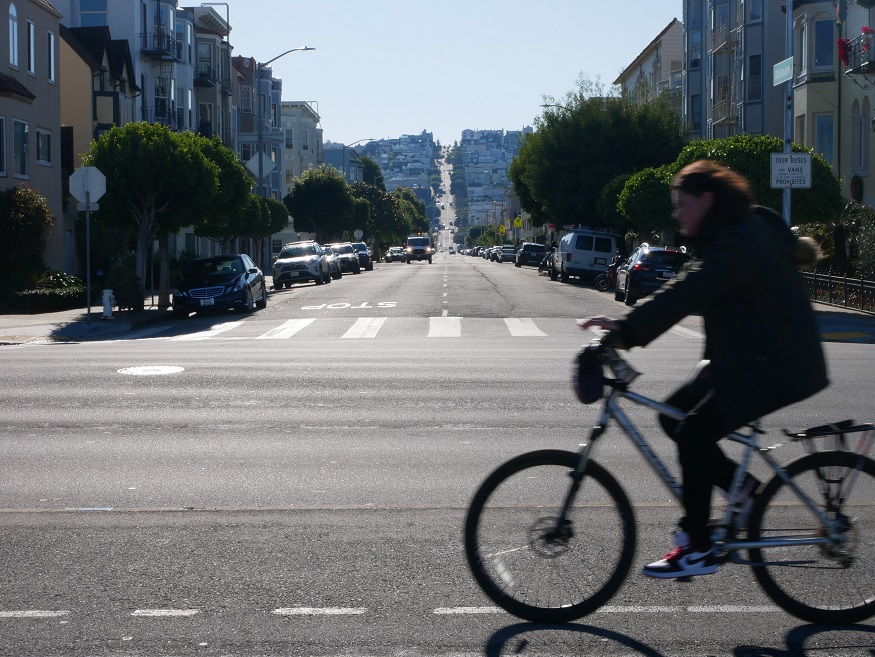
The City by the Bay is one of those places that everyone should see at least once in their lifetime. It flourished during the California Gold Rush back in the 1850s and is now one of the largest, wealthiest and coolest cities in the USA.
As well as travel hotspots like the iconic Golden Gate Bridge, Alcatraz and Pier 39, there are heaps more offbeat spots to add to your itinerary, too. Don’t miss the colourful Castro neighbourhood in the shadow of the Twin Peaks, Haight-Ashbury’s vintage shops or the stunning Palace of Fine Arts on the edge of the Marina District. You also have to ride on an old-fashioned streetcar – it’s only $2.25 a ticket.
Where to stay: Welcoming Pacific Tradewinds Hostel has a friendly vibe and dorm beds for £25 a night. If you’ve got more cash to splash, book a private room at hip Music City Hotel.
Compare all hostels in San Francisco
2. Monterey Bay
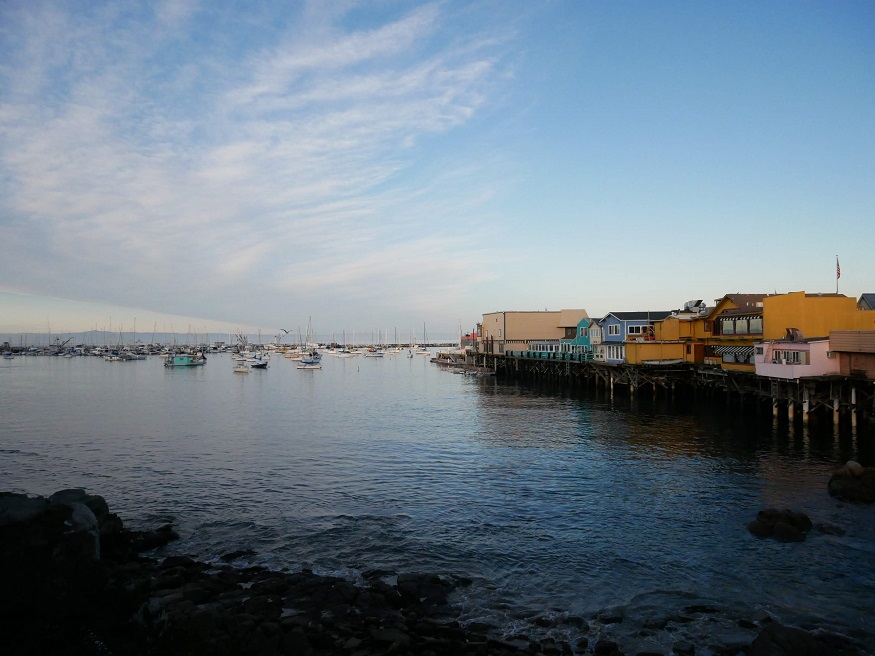
A couple of hours by road from San Francisco is where you’ll find this vast bay on the Big Sur coastline that’s teeming with stunning natural attractions, bustling seaside cities and some truly amazing wildlife. The city of Monterey itself is best known for Cannery Row, an area of former canning factories which was the focal point of a John Steinbeck novel of the same name.
If you’re a fan of the Big Little Lies TV series, you might just recognise the area around busy Fisherman’s Wharf from your screen. Monterey Bay is also famed for its ocean inhabitants – humpback, blue and grey whales all migrate to the region throughout the year, while seals, sea lions and sea otters can be spotted swimming just offshore.
Where to stay: HI Monterey is within strolling distance of all the major attractions in Monterey and has a great outdoor social space.
Compare all hostels in Monterey
3. Santa Cruz
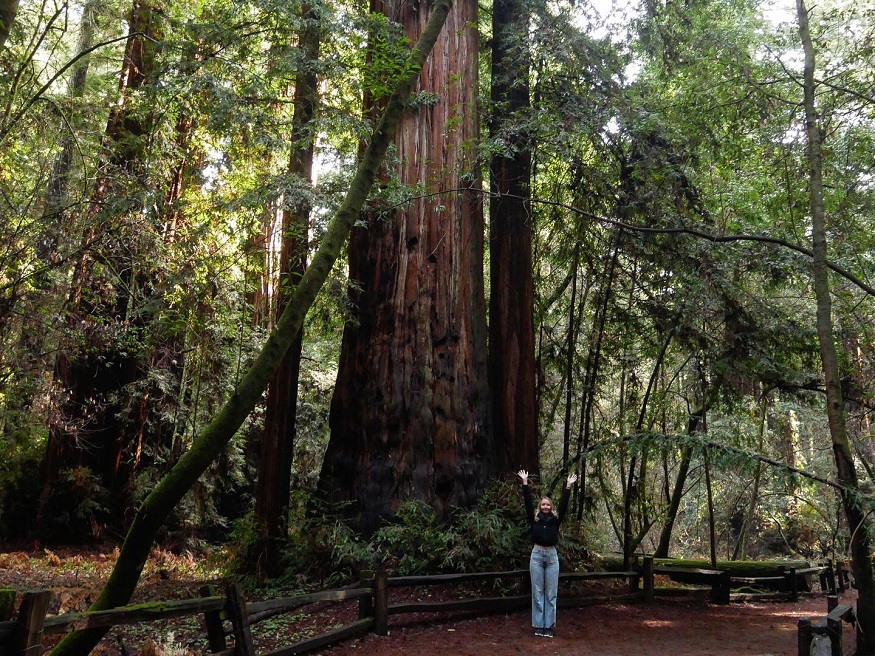
Henry Cowell Redwoods State Park, 📸:@jemimamforbes
The northern edge of Monterey Bay is where you’ll find Santa Cruz – California’s answer to the classic British seaside resort. On the old-fashioned beach boardwalk you’ll find vintage fairground rides and the scent of candyfloss, while the pier (the longest on the West Coast) is worth strolling down to see dozens of seals perched on wooden rafters near the waterline. According to the locals, you can even see whales leaping out of the water at the end of the pier during autumn!
A short drive inland from Santa Cruz along Route 9 takes you to the Henry Cowell Redwoods State Park, where you can wander among towering sequoia trees and get a taste of the Wild West at Roaring Camp, an heritage station with daily steam train rides through the forest.
Where to stay: Lodged in an historic row of pretty beach houses near the boardwalk, HI Santa Cruz is a great hostel for surfers and adventure seekers.
Compare all hostels in Santa Cruz
4. Lake Tahoe
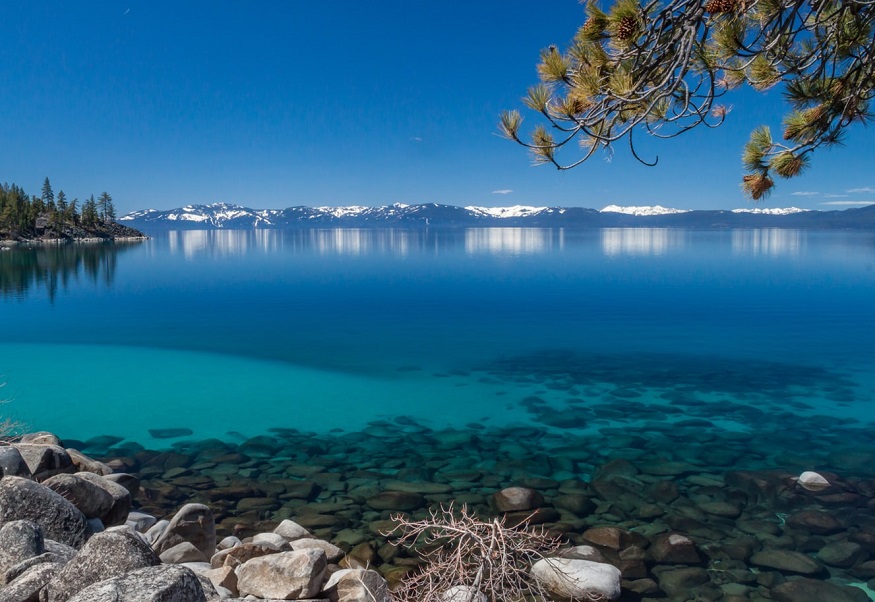
Lake Tahoe has long been a popular spot for spring breakers – and for good reason. The waters of this beauty are every shade of blue and it’s surrounded by the stunning Sierra Nevada Mountains, a haven for hikers and skiers alike.
The lake is the second deepest in North America and a playground for backpackers passionate about the outdoors. In the summer, you can take to the water on boats and kayaks or explore the 72-mile-long shoreline by foot or bike. The east side is technically in neighbouring Nevada, while the south shore (close to South Lake Tahoe) is livelier and dotted with historic points of interest.
Where to stay: Camping is popular in the warmer months, although you’ll find a few hostels in South Lake Tahoe, including the cosy Mellow Mountain Hostel.
Compare all hostels in Lake Tahoe
5. Yosemite National Park

One of the best national parks in California and perhaps the most famous in the USA, Yosemite is a paradise for those after adventure. Its sheer rock faces are a climber’s dream, while its valleys are carpeted in wildflowers and snaked with crystal-clear streams.
Highlights of Yosemite National Park include Half Dome, El Capitan (both rock formations are famous among the world’s free climbing community) and the tumbling Yosemite Falls. Mirror Lake is also a gorgeous spot, while Glacier Point offers up the best vistas of Yosemite Valley.
The National Park can normally only be visited between April and October, as snow makes the roads impassable in the winter. If summer is your chosen season, be warned that it can be busy and you’ll need to book your accommodation – whether that’s a lodge, hostel or campsite – well in advance. Whatever time of year you visit, there’s no doubt that Yosemite will be one of your highlights when backpacking California.
Where to stay: Sleep surrounded by 50 acres of forest at the Yosemite Bug Rustic Resort, which boasts a wellness centre and its own nature trail.
Compare all hostels in Yosemite National Park
6. Joshua Tree National Park
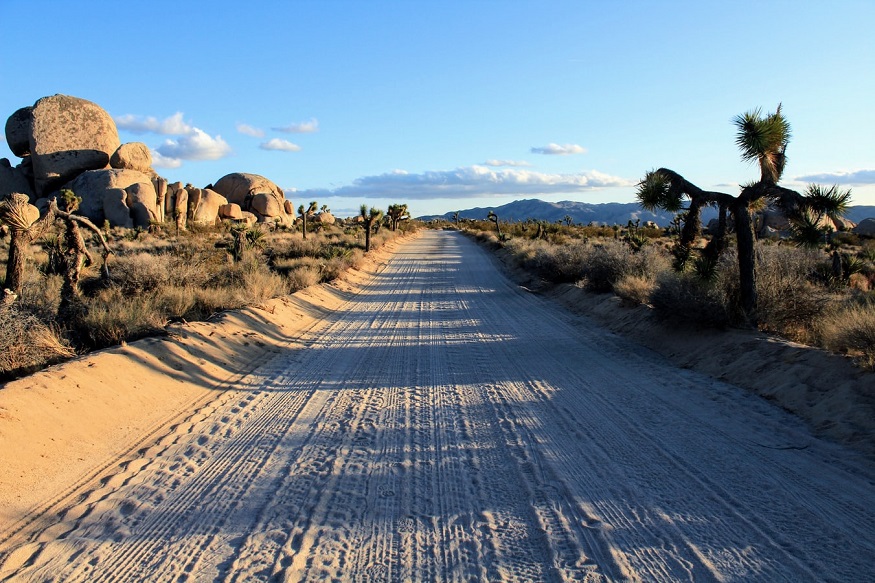
📸:@tmycrl
Another one of the nine national parks in California, Joshua Tree in the south is named after the gnarled trees which grow there. Its sparse landscapes have been a source of fascination for decades, and there’s over 300 miles of beautiful hiking trails to explore. Rock climbing more your thing? There are plenty of opportunities for that too.
First time visitors may want to make a beeline for the Joshua Tree Visitor Center on its western border or the Cottonwood Visitor Center to the south. Joshua Tree National Park is just over two hours by car from LA.
7. Sacramento
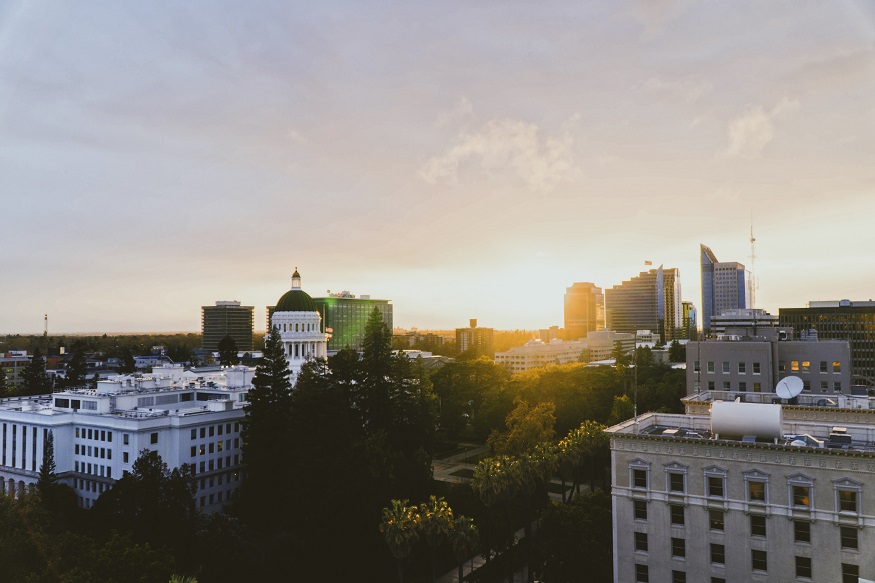
This is the official state capital of California and often overlooked in favour of other cities. Nevertheless, it’s a good pitstop on a backpacking trip for those hoping to swot up on California’s American Gold Rush history.
Step back in time in the Old Sacramento district, where the streets are lined with quaint wooden sidewalks and restored heritage buildings, including a couple of saloon bars. There are loads of great museums in Sacramento too, like the California State Capitol Museum and Sutter’s Fort State Historic Park, which even puts on costumed re-enactments that’ll speak to your inner geek.
Where to stay: Complete your history tour of Sacramento by staying at HI Sacramento, a hostel housed inside a restored Victorian mansion.
Compare all hostels in Sacramento
8. Big Sur
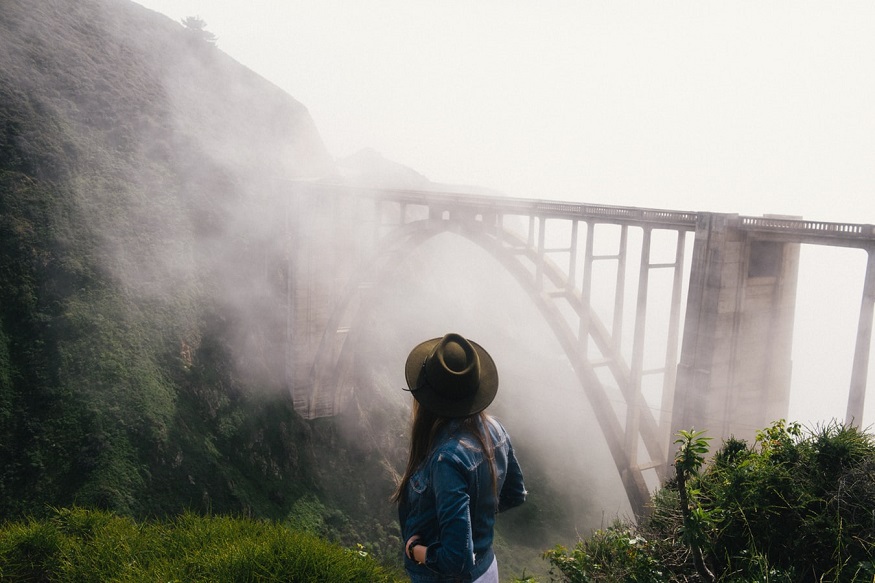
This stretch of coastline is found just below Monterey Bay and it’s a real jaw-dropper. It’s been a rural retreat since the 1950s and it’s not an overstatement to say it’s an untouched area of natural beauty.
The pinnacle of the Big Sur stretch has to be Bixby Bridge (another Big Little Lies scene stealer – just watch the opening credits). Pfeiffer Beach is also visually stunning thanks to its dramatic rock formations and purple sand. If you’re craving a scenic drive, add Big Sur to your California backpacking agenda.
9. Pismo Beach
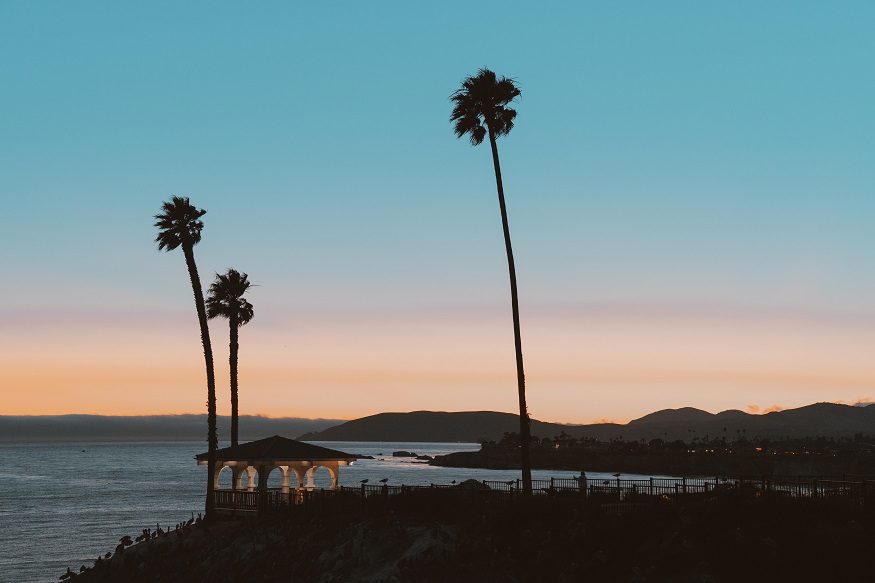
Halfway between Monterey and LA, Pismo Beach is a must for those after a glimpse of old-school America. Much of the seaside city has remained unchanged since the 1950s and, like so many California coastal enclaves, it’s great for surfing.
If you’re passing through Pismo Beach in the winter, don’t miss the Monarch Butterfly Grove that’s typically aflutter with hundreds of butterflies who migrate from up north during the cooler months.
10. Los Angeles

The City of Angels and the home of some of the world’s biggest stars, LA needs no introduction. While the city may seem to stretch on forever, it’s the areas beyond the busy Downtown district and flashy Beverly Hills which make it worth visiting.
Climb up into the Hollywood Hills or to the Griffith Observatory early morning for uninterrupted views and great photo ops, before heading to Venice Beach for a slap-up brunch. Surfing paradise Huntington Beach is a good spot for evening exploits – think micro-breweries and beach shack bars.
Where to stay: Stay in the heart of Venice Beach at boho Samesun Venice Beach, party by the pool at Freehand Los Angeles from the Generator Hostel Group, or snooze within walking distance of the Hollywood Walk of Fame at USA Hostels Hollywood.
Compare all hostels in Los Angeles
11. San Diego

📍 ITH Beach Bungalow Surf Hostel
Located just 15 miles from the Mexican border, San Diego has a much more Latin-influenced culture than other cities in California. It’s the perfect place to end a backpacking trip thanks to its collection of beaches, laidback lifestyle and consistently warm climate. Plus, you could carry on right into Mexico!
Beyond the sand and surf, the city is packed with cultural allures such as the museums at Balboa Park, which even include a surfing museum. San Diego has over a dozen different neighbourhoods, each with their own unique character. Check out the Gaslamp Quarter for a dose of history, Pacific Beach for fun tiki bars and North Park for vintage stores and food markets.
Where to stay: Bed down for the night right next to Pacific Beach at chilled-out ITH Beach Bungalow Surf Hostel.
Compare all hostels in San Diego
Best backpacking itineraries in California
1. Route One (or the Pacific Coast Highway)
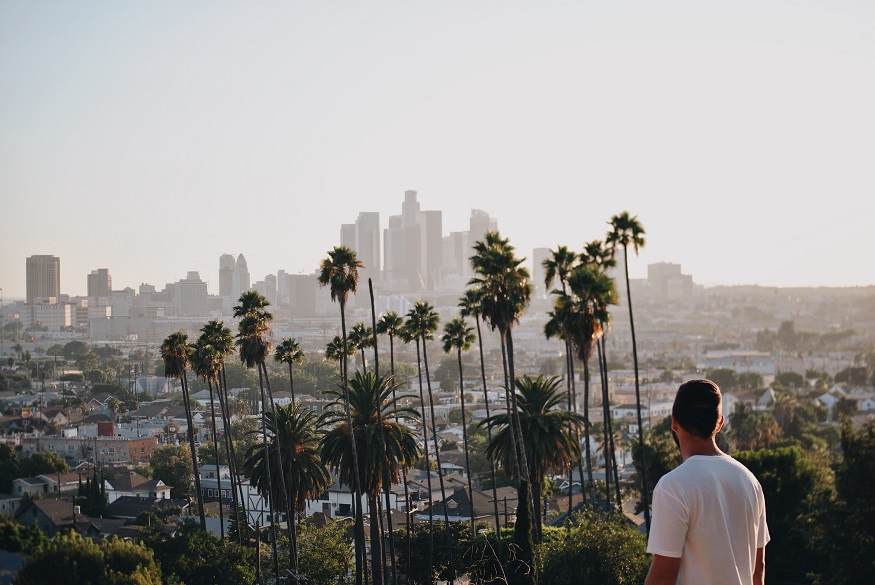
Los Angeles, 📸:@joelmott
The Californian coastline is one of the most varied and scenic on the planet – think stretches of golden sand that wouldn’t look out of place on a tropical island, plus dramatic cliffs and tumbling waves littered with pro and wannabe surfers.
Route One (aka the Pacific Coast Highway) is the longest highway in the region and a ready-made road trip route if you’re hiring a car. While it technically begins in Leggett, you can join it in San Francisco and then make your way south towards Los Angeles.
You’ll hug the coastline for most of the way and cruise through some stunning, undeveloped areas right by the sea. Note that there are long stretches (especially between San Francisco and Santa Cruz) where there are very few places to stop for food or petrol.
Must-see stops:
- Santa Cruz
- Monterey
- Big Sur
- Pismo Beach
- Los Angeles
Transport: You’ll need a car for this backpacking trail, as Route One can take you to some pretty remote spots. It’s usually only a small extra fee to pick up and drop off a hire car in different cities, plus it’ll be cheaper if you’re in a group.
How long? To really explore all the charming seaside towns, dramatic hills and glorious beaches en route, you’ll want to allocate a couple of weeks backpacking California’s Pacific Coast Highway.
2. Los Angeles to San Diego
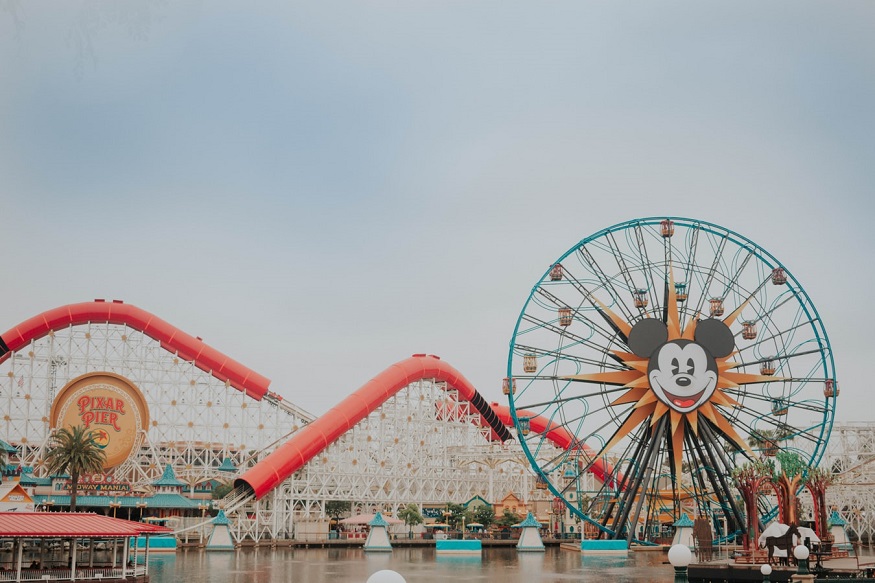
Disneyland California, 📸:@danielaraya
Want to return home looking golden and fresh-faced? The south of the state is where the sun always seems to shine. While LA can be a pricey place to stay for a long period of time, it’s a great spot to begin backpacking California thanks to its abundance of great hostels and buzzing social scene.
Once you’ve had enough of the city (or your bank balance is starting to suffer), hop aboard an Amtrak train along the Pacific Coastliner route. It starts in San Luis Obismo and then makes its way south through LA to end in San Diego. The second half of the route passes through Orange County – perfect for hopping between beaches or even enjoying a day at Disneyland!
Must-see stops:
- Anaheim (for Disneyland)
- San Clemente
- Oceanside
- Solana Beach
- San Diego
Transport: Non-driver or keen to save some cash? This is a good backpacking trail to take by rail. If you have got a car though, you might want to make additional detours to places like Crystal Cove State Park, Joshua Tree National Park or Cleveland National Forest.
How long? LA is only three hours by train from San Diego, so it’s possible to do this route in a weekend if you’re short on time.
3. Sierra Nevada Mountains

Yosemite National Park, 📸:@jordanpulmano
Adrenaline junkies and those more interested in California’s natural wonders may prefer to head straight for the hills – or the mountains in this case! The Sierra Nevada Mountains in the east of the state offer up some of the most beautiful scenery and hiking routes in North America.
It’s best to attempt this backpacking trail by car and begin in San Francisco or the general Bay Area. Head east towards the shores of Lake Tahoe and stop halfway in Sacramento – the heart and capital of the state. Note that you’ll be driving through California wine country, if any passengers fancy a tasting session!
Continue on to South Lake Tahoe where you can easily spend a few days on the water or in the peaks around it. It’s then less than three hours to Yosemite National Park, although it’s a good idea to take Route 89 and then join onto Route 395 later to avoid crossing state borders. After you’ve explored Yosemite, you can make your way back to San Francisco in about three hours.
Must-see stops:
- Napa
- Sacramento
- Lake Tahoe
- Yosemite National Park
Transport: It’s possible to get as far as Auburn by train from San Jose, or Oakland on Amtrak’s Capitol Corridor route. If you’re keen on visiting Lake Tahoe, get off at Sacramento and take the Thruway bus service to Tahoe, which takes just under three hours.
You’ll then have to drive south through the mountains to reach spots like Yosemite National Park or arrange a coach tour. Alternatively, begin your trip in LA and get the train to Lancaster where you can catch a bus to the heart of the Sierra Nevada.
How long? To really do this route justice, you’ll want to allow yourself 10 to 14 days travelling. You can easily spend three or four days just in Yosemite, plus you might want to continue south to the Sequoia National Park and loop back up on the Interstate 5 at Bakersfield.
Backpacking California budget

Wondering how much this epic trip is going to cost? Below is a rough guide to the sort of budget you’ll need when backpacking California:
Food
If you’re self-catering, you should be able to spend less than $20 a day on basic food. Good supermarkets to look out for are Trader Joe’s, Costco and Walmart. Eating out in California can be as pricey or expensive as you like – think $10 for a takeaway or meal in a diner and $30+ for a sit-down dinner in a fancier restaurant.
It’s no lie that portion sizes in the US can be huge, meaning you can often save a bit of cash by ordering a starter instead. Remember to budget for tips! Americans are big on tipping – 15-20% of your final bill is normal.
Transport
If you’re hiring a car for your trip, you’re probably looking at minimum $16 (roughly £14) a day for a small car and a few dollars extra for an SUV. You might be able to get a better deal if you’re planning on driving for a couple of weeks, and sharing the costs with fellow backpackers is always a money saver.
Train travel is mainly run by Amtrak and you can pick up a California Rail Pass for $159 which entitles you to travel for seven days within a period of three weeks. You’ll also be able to use it on Thruway bus services associated with the main California rail routes – these take you beyond the train network to places like Lake Tahoe and Yosemite.
Accommodation

While the idea of pitching up at a random motel might sound exciting, it’s best to plan ahead and book most of your accommodation in advance to save being turned away or charged extra.
Big cities will be the most expensive places to stay, although you will find a more extensive range of hostels. In general, you’ll be looking at between $25-50 a night for a dorm bed. Avoid holiday periods when accommodation prices skyrocket – namely Christmas, New Year and Independence Day (4th July).
Compare all hostels in California
National Parks
If California’s beautiful parks are on your bucket list, it’s worth noting that there’s a small fee to enter them. Yosemite National Park is $35 per car which is valid for seven days, while Joshua Tree National Park is $30 per car. If you’re entering on foot, expect to pay between $12 and $20.
County State Parks also charge $10 a day per vehicle, although this allows you to visit as many State Parks as you wish within that day. It’s free to enter any on foot or by bike.
So are you crazy about Cali? We think it’s time for you to start planning the ultimate backpacking trip around California! Let us know in the comments some must-visit places and things to do.
Start booking hostels around California now by downloading the Hostelworld app!

 Keep reading:
🌟 Honky tonks, hostels and rock and roll: The ultimate tour of the best music cities in the US
🌟 The ultimate guide to backpacking the USA
🌟 Top USA hostels: Live the American dream for less
About the author:
I’m Jemima, a full time travel writer and part time explorer who feels most at home in sunnier climes ☀️ Besides from gallivanting around the globe, you’ll usually find me with my head in a book, drinking tea or plotting my breakthrough into fiction writing.

 Get the App.
Leave a Reply
You must be logged in to post a comment.