
Berlin vs Amsterdam: Nightlife, Hostels, and Vibe Compared
Choosing between Berlin and Amsterdam is the kind of travel dilemma that keeps you up at night. Both cities are magnetic, endlessly cool, and completely different in ways that matter. Travelers weigh up the nightlife, the canals, the culture, the cost, and somehow still can’t make up their minds. That’s exactly why this guide exists.
Whether you’re a solo backpacker, a hostel regular, or someone planning their first big European trip, the goal here is simple: help you figure out which city fits your kind of travel. Both promise unforgettable nights, beautiful streets, and the kind of hostel memories that follow you home. Let’s break them down properly.

🌆 Amsterdam at a Glance
Amsterdam is compact, charming, and immediately loveable. The canals loop around the city like ribbons, the houses lean at odd angles, and cyclists rule every street.
Short snapshot:
- Atmosphere: Laid-back, creative, effortlessly cool
- Best for: Culture lovers, canal wanderers, social travelers
- Vibe: Slow mornings, golden afternoons, surprisingly wild nights
Quick tip for first timers: Amsterdam is very walkable, but a bike is the real way to feel like a local. Rent one on your first day and don’t look back.

🏙️ Berlin at a Glance
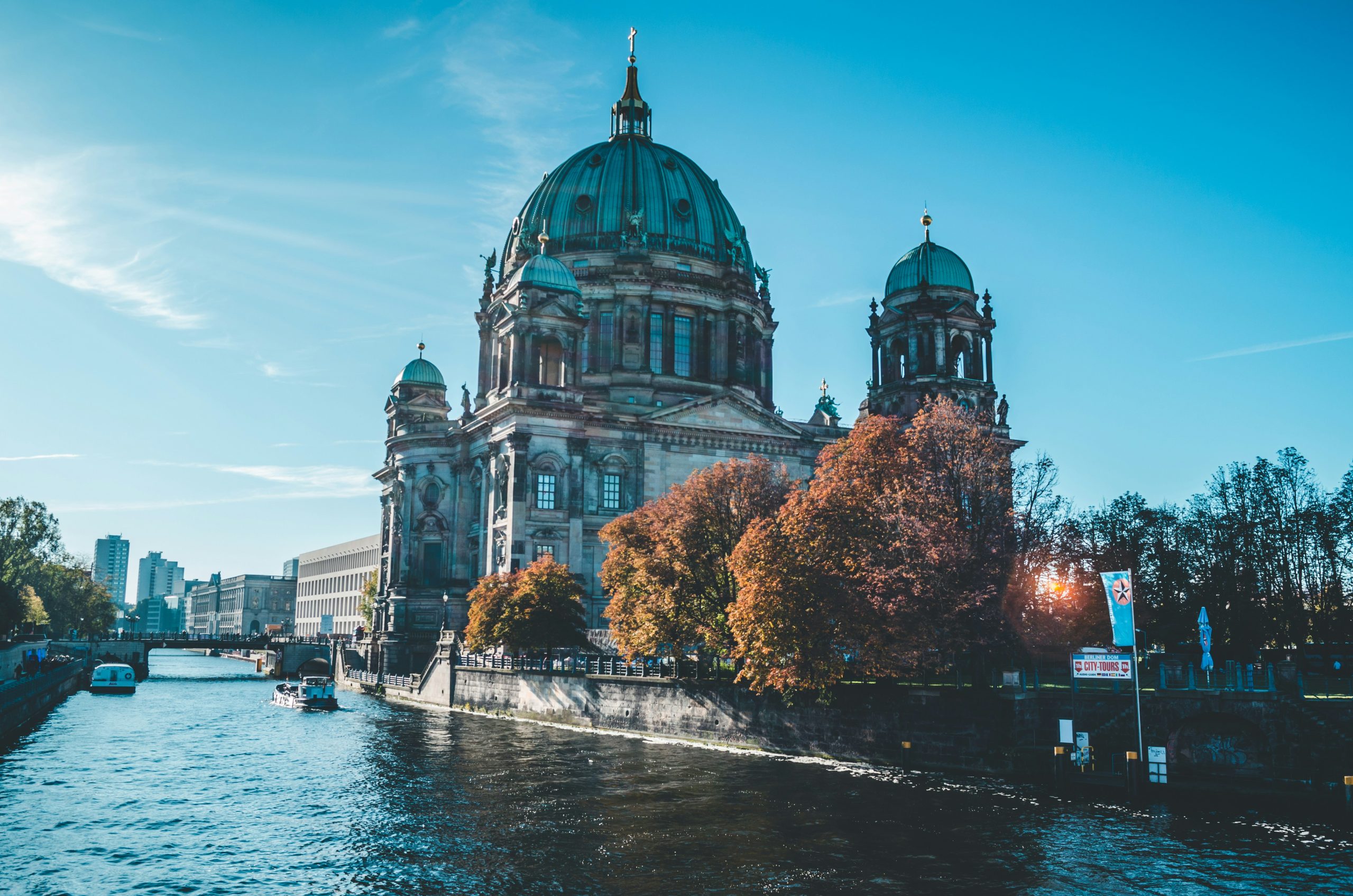
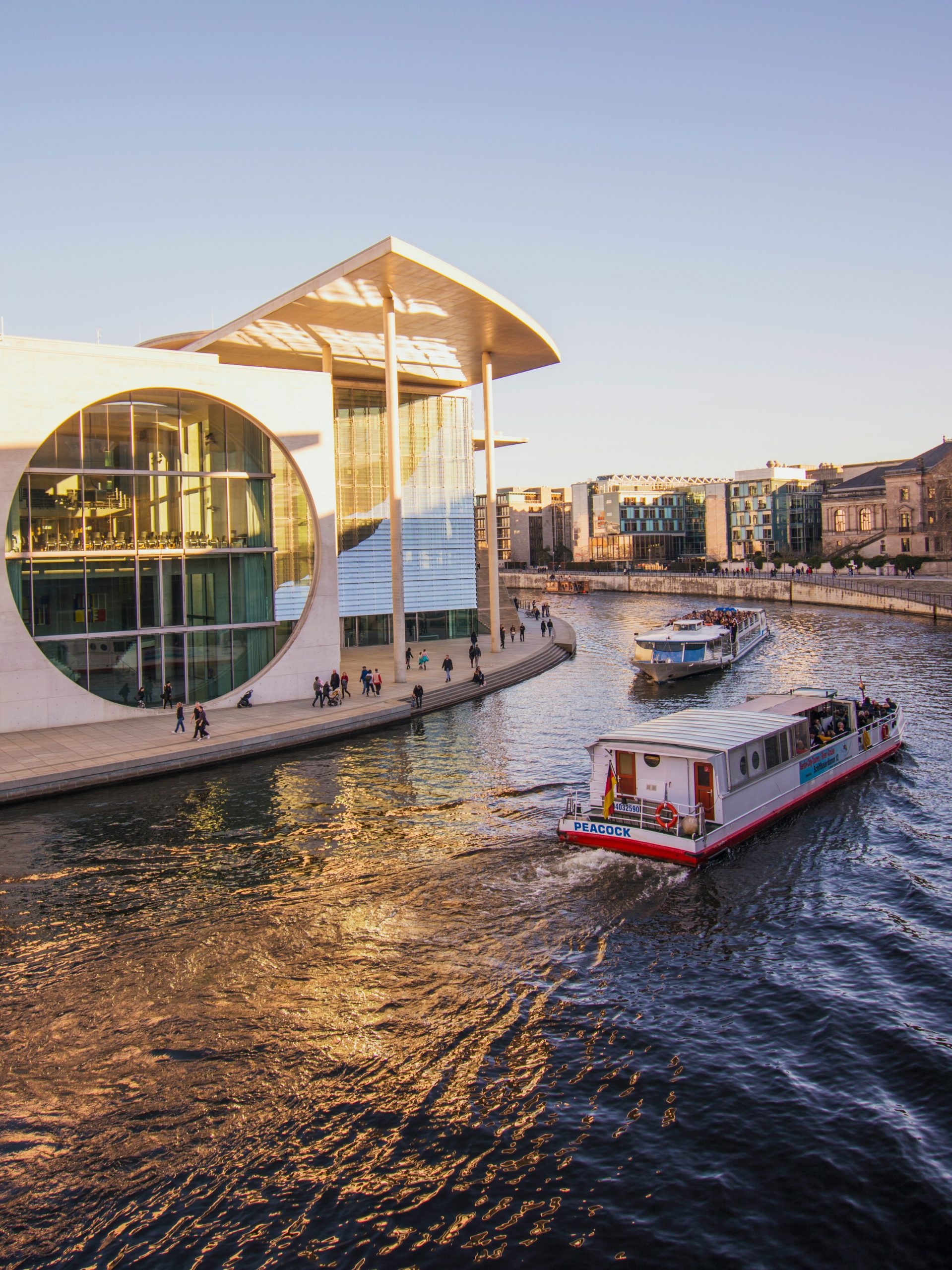
Berlin is harder to define and that’s part of the appeal. It’s raw, historically heavy, and creatively alive in a way that few cities in Europe can match.
What to expect:
- Atmosphere: Gritty, artistic, unapologetically itself
- Best for: Nightlife obsessives, history buffs, alternative travelers
- Vibe: Slow starts, late nights, mornings that blur into afternoons
If Amsterdam is a beautiful painting you can hang on your wall, Berlin is a mural that keeps changing every time you pass it. There’s always something new to discover, and the city doesn’t care how long it takes you to find it.
🎨 Art, History & Culture Showdown
These two cities couldn’t approach culture more differently, and that contrast is what makes this comparison genuinely interesting.
Amsterdam carries its history gently. The Anne Frank House is one of the most quietly powerful experiences in Europe, while the Rijksmuseum holds Rembrandt and Vermeer masterpieces in a building that’s as beautiful as what’s inside. The Van Gogh Museum draws long queues for a reason. Art here feels refined, personal, and intimate, tied closely to the city’s identity as a place of trade, tolerance, and creativity.
Berlin hits differently. The history is heavier, the art is louder, and the scale is enormous. From the East Side Gallery, where the remaining stretch of the Berlin Wall has been transformed into an open-air mural gallery, to the Memorial to the Murdered Jews of Europe, the city wears its past on its skin. Museum Island holds five world-class museums within walking distance of each other, including the Pergamon Museum with its jaw-dropping reconstructed ancient architecture.
| City | Cultural Strength | Best For |
|---|---|---|
| Amsterdam | Intimate, refined, personal | Classic art, Jewish history, Dutch Golden Age |
| Berlin | Monumental, raw, multifaceted | Contemporary art, WWII history, street culture |
In short, Amsterdam makes you feel things quietly. Berlin makes you feel them loudly.
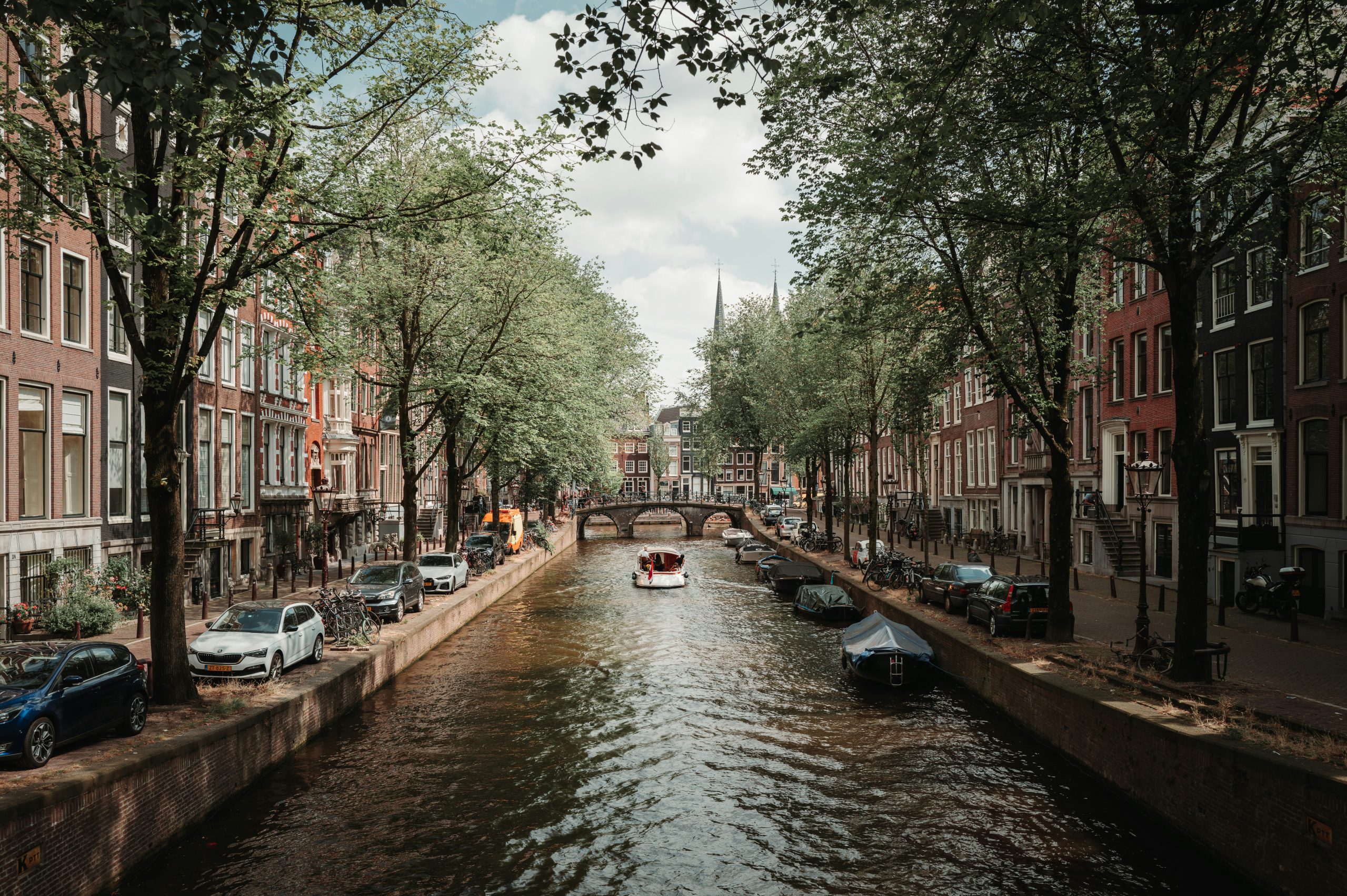
🌊 Canals vs Urban Grit (Amsterdam wins on scenery)
This one isn’t really a competition in the traditional sense. Amsterdam wins the scenery category simply because the canals are the city. Walking along the Herengracht or Prinsengracht at golden hour, with houseboats reflecting in the water and cyclists drifting past, is one of those effortlessly beautiful European moments.
There’s variety too. The Jordaan neighbourhood feels like a quieter, more local slice of the city, while the waterfront near Central Station gives you that wide, open sense of arrival. The canal belt is a UNESCO World Heritage Site, and it earns it.
Berlin doesn’t really compete here on aesthetics, but it offers something different: Tempelhof Field, the former airport turned public park, is one of the most unique green spaces in Europe. Vast, flat, and slightly surreal, it’s where locals go to cycle, picnic, and kite-surf in the middle of a capital city.
If your ideal afternoon involves sitting by the water watching the world go by, Amsterdam is your city. If you prefer wide open space with room to breathe, Berlin delivers.
🍴 Food – Dutch Classics vs Berlin’s Melting Pot
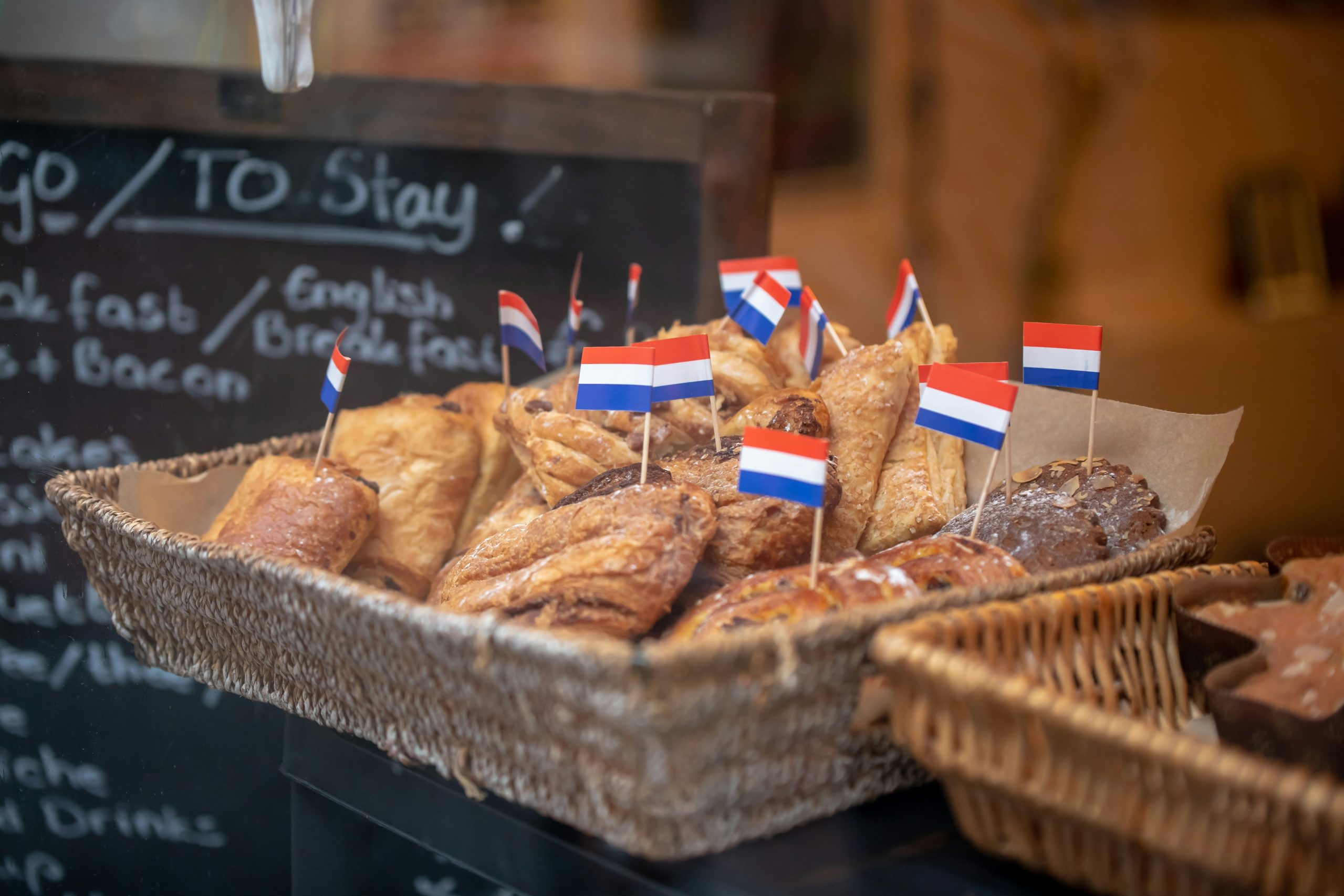
Amsterdam Simple, hearty, and surprisingly international. The Dutch food scene leans into comfort and quality produce.
- Stroopwafels warm from a market stall
- Haring (raw herring) with onions, a classic Dutch street snack
- Rijsttafel, an Indonesian rice table feast reflecting Amsterdam’s colonial history
- Cheese. Everywhere. Always.
Berlin Bold, diverse, and genuinely one of the best cities in Europe for street food and international cuisine.
- Currywurst, the iconic Berlin snack of sliced sausage with curry ketchup
- Döner kebab done properly, arguably better here than anywhere else in the world
- Anything from the Turkish market at Maybachufer on a Tuesday or Friday
- Vegan and plant-based options that are genuinely exciting, not just an afterthought
Important note: Berlin is one of the most budget-friendly food cities in Europe. A currywurst costs a couple of euros. A full sit-down meal in a local spot rarely breaks the bank. Amsterdam is delicious but noticeably pricier overall.
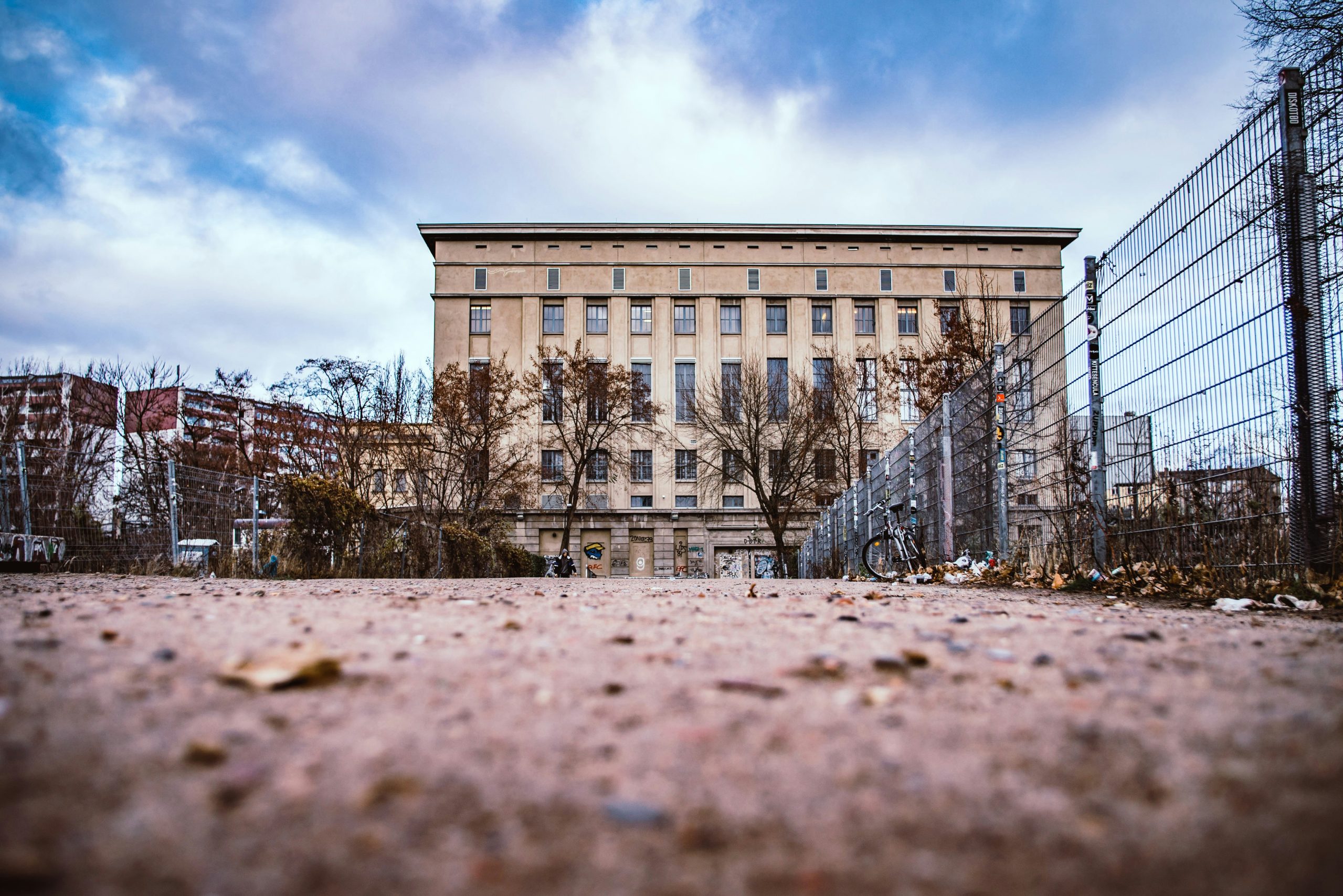
🌙 Nightlife – Two Very Different Scenes
This section could have its own article, and honestly, it probably should.
Amsterdam’s nightlife is social, varied, and built around connection. The Leidseplein and Rembrandtplein squares are buzzing every night of the week with bars, live music venues, and clubs that welcome everyone. The Paradiso and Melkweg are legendary music venues housed in converted spaces that feel genuinely special. It’s not about exclusivity here. It’s about having a good time with good people.
Berlin is a different species entirely. The city’s techno and electronic music scene is world-famous, and clubs like Berghain have become cultural institutions as much as venues. Nights in Berlin don’t start until 1am, routinely go until Sunday afternoon, and happen in warehouses, basements, and spaces that don’t look like clubs from the outside.
Quick tip: Amsterdam nightlife is welcoming and social, perfect for meeting people on a hostel trip. Berlin nightlife is an experience unto itself, worth planning a trip around if electronic music is your thing.
🚶 Walkability & Getting Around
A few practical things worth knowing:
- Amsterdam is one of the most walkable cities in Europe, and cycling is the primary mode of transport. Rent a bike within hours of arriving.
- Berlin is large, spread out, and best navigated by a combination of U-Bahn, S-Bahn, tram, and the occasional long walk.
- Both cities are very safe for solo travelers, particularly in central areas.
- Amsterdam’s tourist areas can be crowded and occasionally rowdy, especially around the Red Light District at night. Stay aware.
- Berlin’s public transport runs 24 hours on weekends, which is genuinely one of the best things about the city for late-night travelers.
Both cities are easy to get around once you’ve spent a day figuring out the layout.
🏨 Best Hostels in Amsterdam 🛏️
Amsterdam has a brilliant hostel scene with options for every kind of traveler.
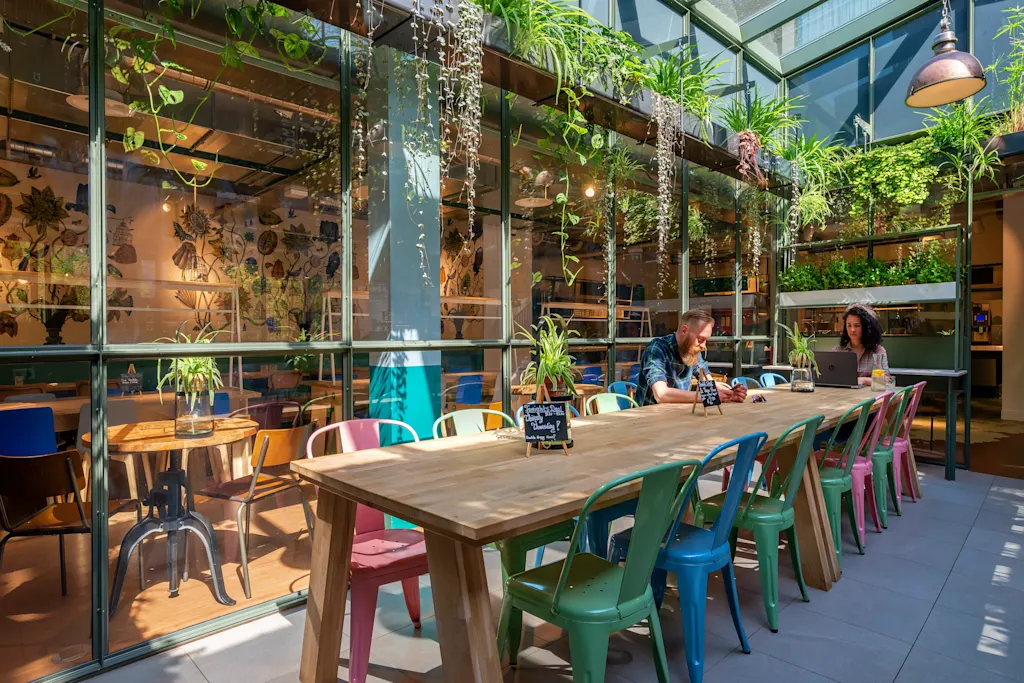
Book Stayokay Amsterdam Vondelpark
1. Stayokay Amsterdam Vondelpark
Right on the edge of Vondelpark, this hostel is clean, social, and perfectly located. It’s consistently rated as one of the best in the city for a reason.
Dorms from around €25

2. The Flying Pig Downtown
A legendary Amsterdam hostel with a loyal following. The social atmosphere is unmatched and the central location puts you close to everything.
Dorms from around €22

3. ClinkNOORD Amsterdam
Set in a converted lab building in Amsterdam Noord, this hostel is stylish, spacious, and easy to reach by free ferry from Central Station. Great for travelers who want something different.
Dorms from around €20
Each of these brings something distinct to the table, whether that’s location, community, or character.
🚏 Best Hostels in Berlin 🛏️
Berlin’s hostel scene is one of the best in Europe, with loads of character and great value.

1. Generator Berlin Mitte
A stylish, lively option in a central location near great cafés, bars, and transport links. Ideal for travelers who want energy and convenience.
Dorms from around €18
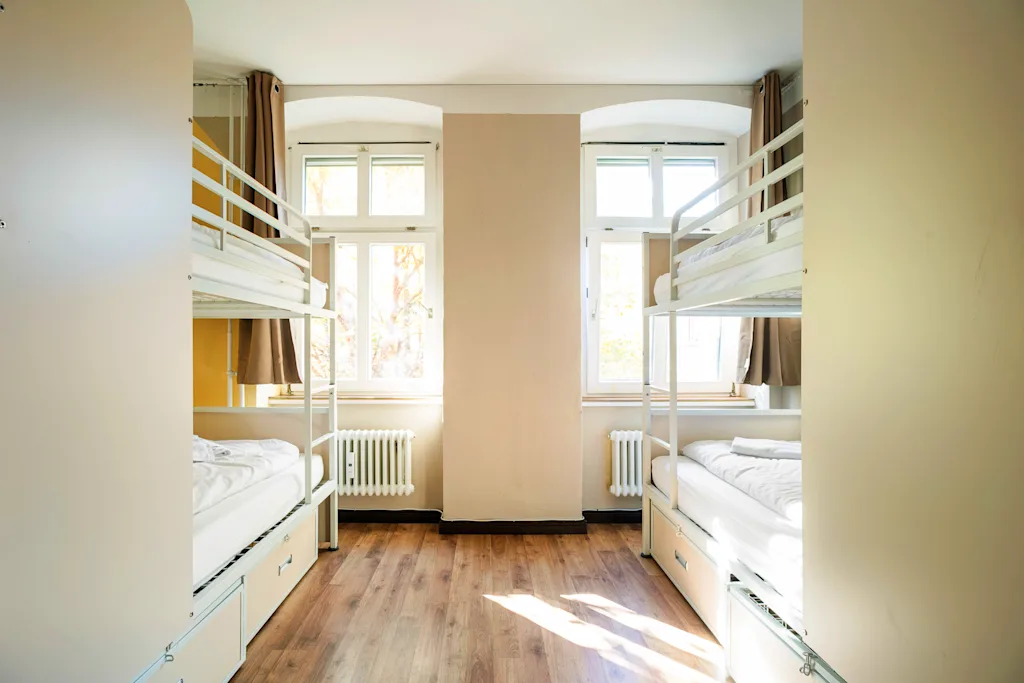
2. EastSeven Berlin Hostel
A smaller, more intimate hostel with a warm and welcoming atmosphere. Consistently loved by solo travelers for its social events and friendly staff.
Dorms from around €18
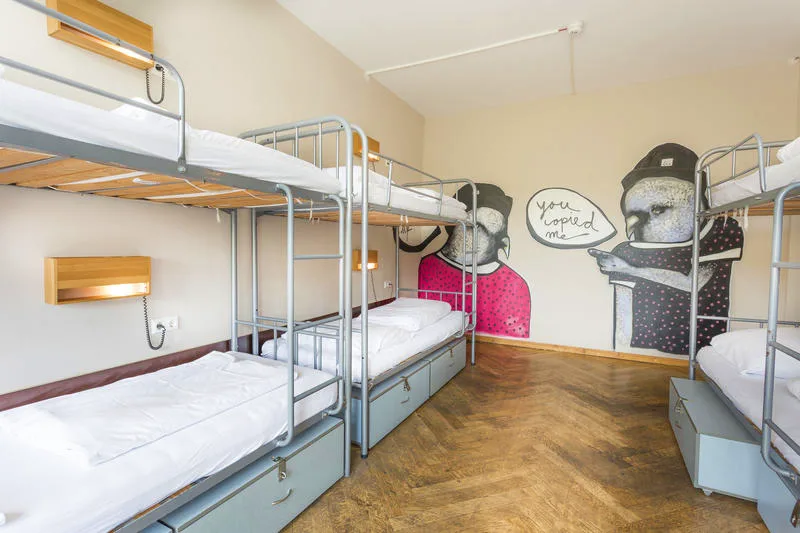
3. Sunflower Hostel Berlin
A long-running favorite in Friedrichshain, close to nightlife, street art, and some of Berlin’s best late-night energy. Social without being chaotic.
Dorms from around €19
Berlin’s hostels reflect the city itself: affordable, social, full of character, and never boring.
🧭 Which City Is Better for Solo Travelers?
Solo travel in both cities is easy, but the experience feels meaningfully different.
Amsterdam is immediately warm and easy to plug into. Hostels tend to be very socially active, and the compact size of the city means you never feel lost or overwhelmed. Meeting people happens naturally, whether it’s over a canal-side beer, on a group bike tour, or during a hostel dinner. The overall pace is relaxed enough that solo time feels comfortable and unhurried.
Berlin takes a little longer to open up, but when it does, it’s deeply rewarding. The city attracts a particular kind of traveler: curious, independent, interested in more than just the tourist trail. Once you connect with that crowd, through hostel events, free walking tours, or simply hanging out in the right bars in Kreuzberg or Prenzlauer Berg, the city feels endlessly rich.
There’s also a practical difference in how the cities feel to navigate alone. Amsterdam is so walkable and compact that solo exploring is genuinely enjoyable with almost no effort. Berlin rewards deliberate exploration, with neighborhoods that each feel like their own small city.
Both are excellent for solo travel. Amsterdam is easier and more immediately social. Berlin is deeper, more complex, and harder to leave once it gets under your skin.
🍹 Budget Breakdown – Where Your Money Goes
| Category | Amsterdam | Berlin |
|---|---|---|
| Meals & Eating Out | Pricier overall, especially in tourist areas. Budget for €12–18 for a sit-down meal. | One of Europe’s most affordable food cities. €5–10 gets you a solid meal at local spots. |
| Hostels & Accommodation | Good range, but prices rise significantly in summer. Book early in peak season. | Very affordable with excellent quality. Berlin is one of the cheapest major EU capitals for accommodation. |
| Public Transport | GVB day passes are good value, though slightly pricier than Berlin. | Excellent value. 24-hour weekend transport is a genuine bonus for late-night travelers. |
| Nightlife & Going Out | Mid-range overall. Drinks aren’t cheap but aren’t outrageous. | Cheaper drinks, cheaper entry, and many good bars charge nothing at the door. |
| Attractions | Anne Frank House and Rijksmuseum require booking in advance and cost around €20–25 each. | Many major sites are free or low cost. The East Side Gallery costs nothing. |
| Coffee & Casual Bites | Good café culture but prices reflect the tourist footfall. | Strong café scene, generally much cheaper, especially away from tourist areas. |
Bottom line: Berlin is the clear winner on budget. Amsterdam is absolutely worth it, but your money goes noticeably further in Berlin, particularly for accommodation, food, and nightlife.
🏞️ Day Trips & Adventures
Both cities make excellent bases for getting out and exploring the surrounding region.
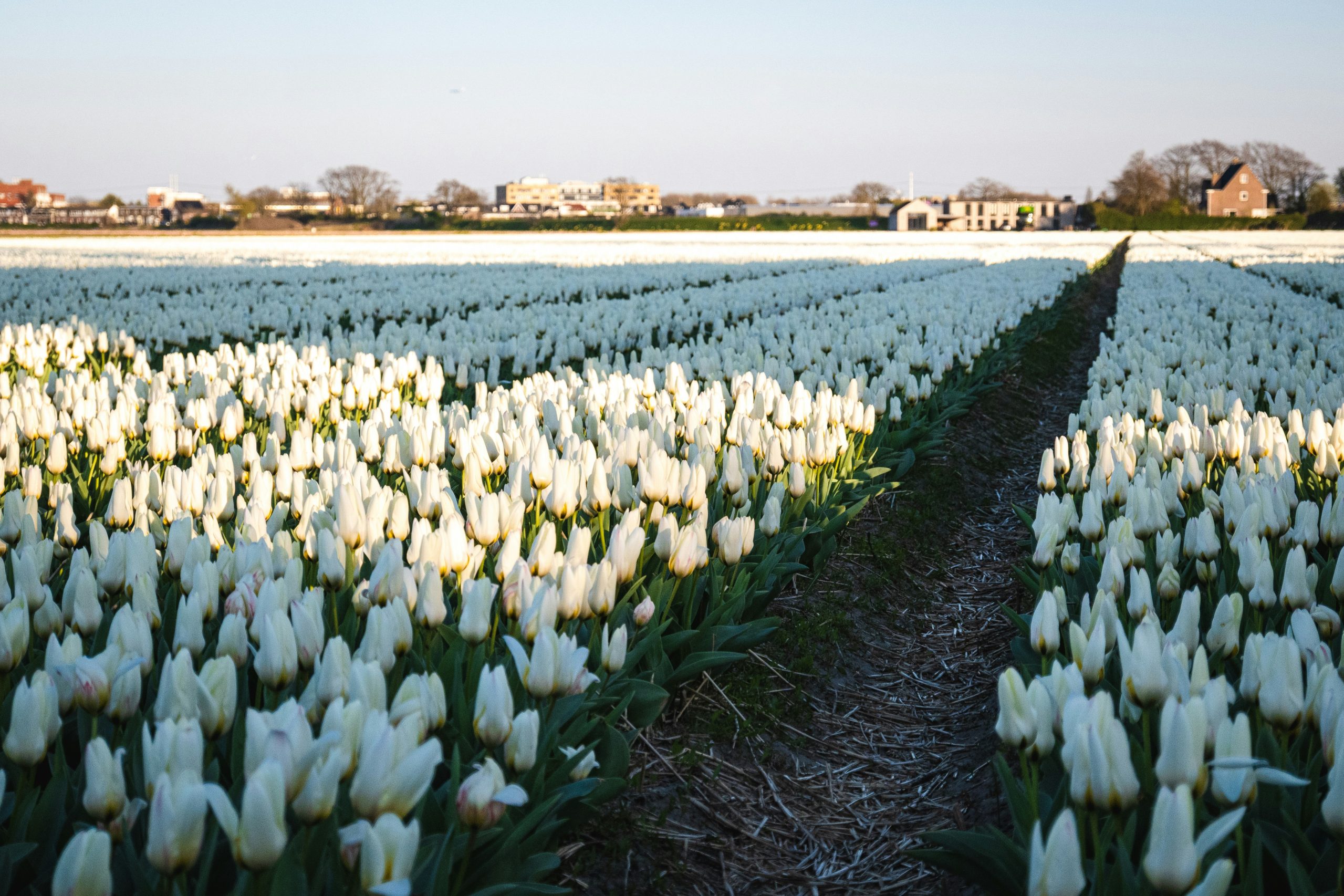
From Amsterdam, the vibe is quaint, scenic, and very Dutch.
You’ll love these if you:
- Want to wander through tulip fields and windmills in the Zaanse Schans area
- Feel like exploring the historic fishing village of Volendam on the waterfront
- Fancy a day in Haarlem, a beautiful smaller city just 20 minutes by train with great museums and architecture
Amsterdam’s day trips are perfect for slowing down and experiencing a softer, more rural side of the Netherlands.
From Berlin, it’s all about lakes, forests, and surprising escapes.
You’ll love these if you:
- Want to swim in a lake in summer at the Müggelsee or head to the Wannsee beaches
- Are curious about Potsdam, with its palaces, gardens, and Versailles-like grandeur
- Feel like exploring the Spreewald, a beautiful network of waterways and forest just an hour from the city
Berlin leans natural and historic. Amsterdam leans scenic and charming. Both reward getting out of the city for a day.
🧳 Choosing Based on Travel Style
Amsterdam is for travelers who want beauty built into every walk. Canals at sunrise, a leisurely bike ride through the Jordaan, a long afternoon at the Rijksmuseum followed by drinks on a terrace.
You’ll love it if you:
- Want a city that’s immediately, obviously gorgeous from the moment you arrive
- Enjoy relaxed, café-culture days and scenic wandering without a strict agenda
- Are into art, history, and thoughtful cultural experiences
- Like a compact, easy-to-navigate city where everything feels close
Berlin is for travelers who want depth, edge, and something they can’t quite explain to people back home.
You’ll love it if you:
- Want nightlife that is genuinely in a league of its own in Europe
- Are interested in modern history and political culture in a way that goes beyond the surface
- Love alternative neighborhoods, street art, and creative energy
- Prefer a city with more rough edges and fewer polished tourist experiences
✅ Conclusion: Berlin or Amsterdam?
Both cities are extraordinary, and neither choice is wrong. Amsterdam offers beauty, charm, and a warm ease that makes it one of the most enjoyable cities in Europe to simply be in. Berlin offers something rawer, deeper, and harder to forget.
If you want canals at golden hour, world-class art, and a city that’s easy to love from day one, choose Amsterdam. If you want one of the world’s greatest nightlife scenes, layers of history to unpack, and a city that rewards curiosity, choose Berlin.
Your travel style is the only compass you need. Follow it, book a hostel, and get going.
Download the Hostelworld app to start booking now


❓ FAQs: Berlin vs Amsterdam
Which city is cheaper, Berlin or Amsterdam?
Berlin is significantly more affordable across the board, from accommodation and food to nightlife and transport.
Is Amsterdam or Berlin better for nightlife?
Both are excellent, but Berlin is widely considered one of the best nightlife cities in the world, particularly for electronic music and club culture.
Which city is better for art and culture?
Amsterdam edges ahead for classical art with the Rijksmuseum and Van Gogh Museum. Berlin wins for contemporary art, street culture, and historical depth.
Is Berlin or Amsterdam better for solo travelers?
Both are very solo-friendly. Amsterdam is easier and more immediately social. Berlin is deeper and more rewarding for independent travelers who like exploring at their own pace.
Which city has better public transport?
Both are excellent, but Berlin's 24-hour weekend service is a genuine advantage, especially for late-night travelers.
Is Amsterdam or Berlin safer?
Both are generally safe. Amsterdam sees more tourist-related petty crime in busy areas. Berlin is relaxed overall, though some nightlife areas are livelier than others.
Which city has better day trips?
Amsterdam is better for scenic, quintessentially Dutch day trips. Berlin is better for lake swimming in summer and historic towns like Potsdam.
Do I need more time in Berlin or Amsterdam?
Amsterdam can be covered well in 2–3 days. Berlin benefits from at least 3–4 days, ideally more if you want to explore beyond the main sights.
So… Berlin or Amsterdam?
For beauty, ease, and canals, go for Amsterdam. For nightlife, history, and raw creative energy, Berlin is the one.


 Get the App.