
Day Trips from Berlin That Will Change How You See Germany
You’ve probably heard that Berlin is a fantastic place, filled with history, art, nightlife, and delicious food. But what if you’ve already seen the Brandenburg Gate, danced all night, and checked out the street art? Or maybe you’re traveling solo on a budget and want to make your trip last longer without constantly packing up your stuff.
That’s where day trips from Berlin come in! Germany is full of amazing places just a short train ride away, making it easy to escape for a day. Think beautiful palaces, interesting historical sites, and nature that will make your Instagram shine. Plus, you can do these trips by train, making them budget-friendly. Ready for some exciting adventures? Let’s go!

Why Bother with Day Trips from Berlin?
You might be wondering, “Is a week in Berlin too much?” Not at all! Seven days is just right, especially if you include some day trips. Here’s why getting out of the city is a great idea:
- Break from the Buzz: Berlin is amazing, but sometimes you need a break from the city’s hustle. Day trips give you a new perspective and a change of scenery.
- See More of Germany: You’re in the heart of Germany, so why not explore more of this beautiful country without booking new places to stay?
- Budget-Friendly Adventures: Public transport in Germany is efficient and often cheap, especially with regional tickets. You can see a lot without overspending.
- Easy Peasy Travel: Most of these destinations are easy to reach by train, meaning less hassle and more time to explore.
Top Picks: Must-Do Day Trips from Berlin
Now, let’s get to the good part! Here are some of the best day trips from Berlin, perfect for solo travelers and backpackers seeking adventure, history, and relaxation.
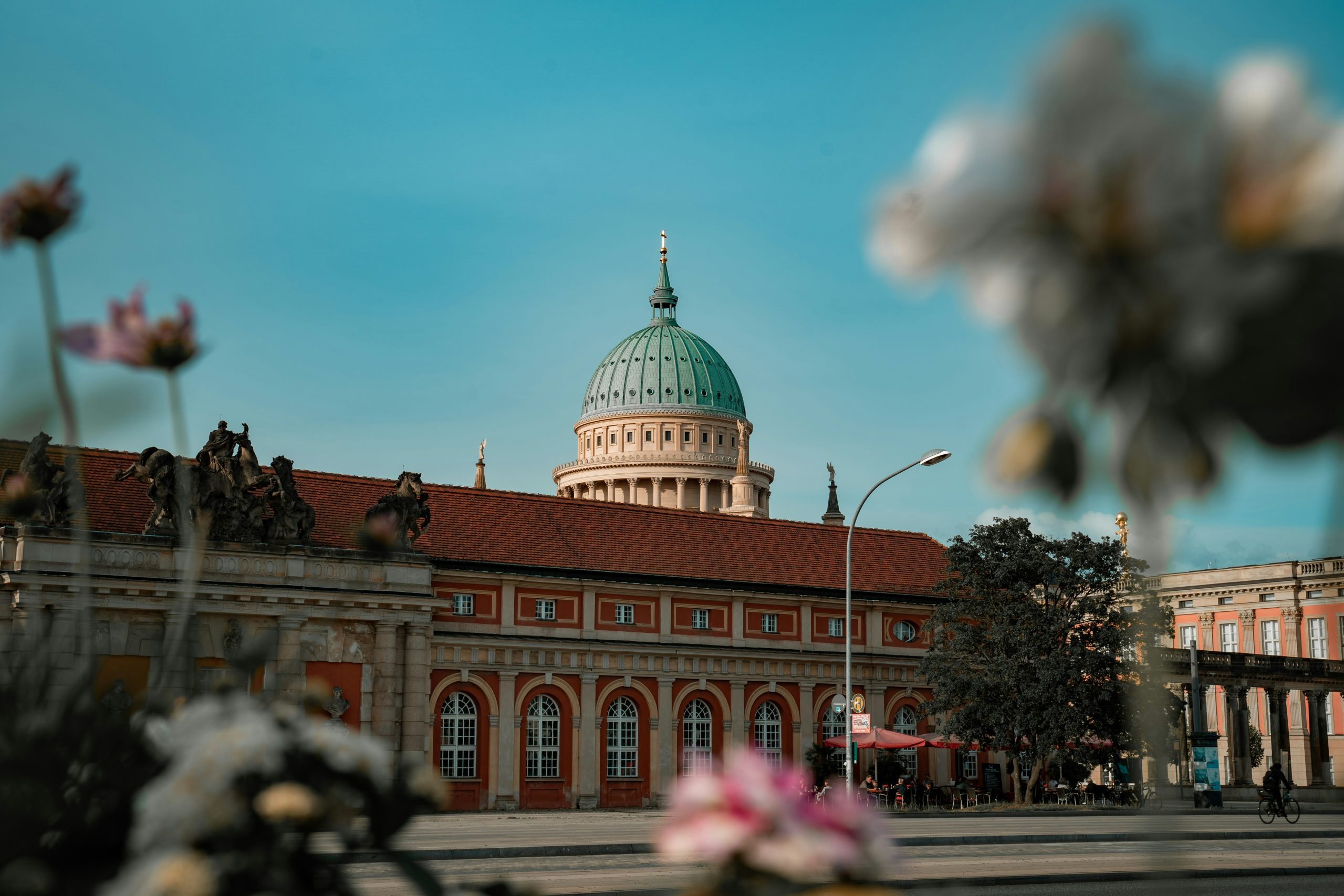
1. Potsdam: Palaces, History & Chill Vibes
If there’s one day trip from Berlin you have to take, it’s Potsdam. Often called the “Versailles of Germany,” this UNESCO World Heritage site has stunning palaces, lovely gardens, and a charming city center. It’s also very close to Berlin, making it easy to reach.
Why it’s great: Potsdam offers a mix of grand history and laid-back vibes. You can stroll through the expansive Sanssouci Park, feeling like royalty without spending much (the gardens are free!). The Dutch Quarter is also worth a visit, with its unique brick buildings and cozy cafes.
Getting there: This is one of the easiest day trips from Berlin. Just hop on an S-Bahn (S7) or a regional train from Berlin Hauptbahnhof, and you’ll be in Potsdam in about 30-45 minutes. Simple!
What to do:
- Sanssouci Palace & Park: This is the main attraction. The summer palace of Frederick the Great is beautiful, and the terraced gardens, fountains, and follies are stunning. Don’t miss the Chinese Teahouse and the Orangerie Palace.
- New Palace: A massive palace in Sanssouci Park, demonstrating Prussia’s power. It’s huge and impressive.
- Cecilienhof Palace: Known for hosting the Potsdam Conference after WWII. It has a distinct English country house style.
- Dutch Quarter: Stroll through quaint streets, visit independent shops, and grab a coffee. It’s a little slice of the Netherlands in Germany.
- Wannsee: This lovely lake near Berlin is easy to access from Potsdam. It’s a nice spot to relax by the water, especially on a sunny day.
Budget tip: Focus on exploring the free gardens of Sanssouci Park. Bring a picnic lunch to enjoy in the beautiful setting. You can spend a whole day here without spending more than your train ticket.
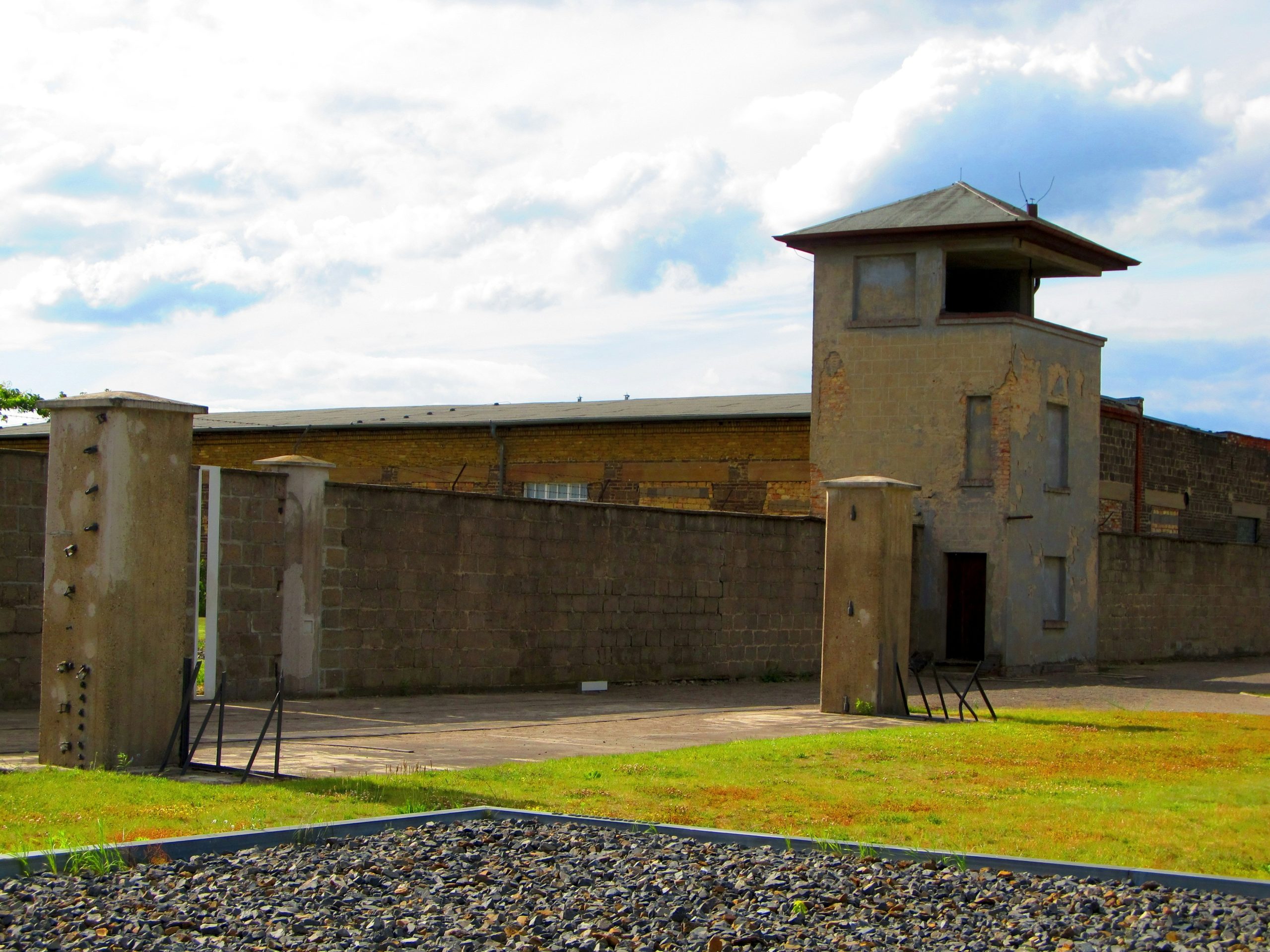
2. Sachsenhausen Concentration Camp Memorial: A Sobering Visit
This isn’t a “fun” day trip, but it’s an important one. Sachsenhausen was one of the first concentration camps built by the Nazis in Germany. Visiting it provides a powerful insight into a dark part of history. This experience is essential for understanding the past.
Why it’s important: It’s a place for reflection and remembrance. The memorial site is well-preserved and offers extensive information about the horrors that took place, reminding us of the importance of human rights and tolerance.
Getting there: Take a regional train (RE5 or RB12) from Berlin Hauptbahnhof to Oranienburg. The journey takes about 45 minutes. From Oranienburg station, it’s about a 20-minute walk or a short bus ride to the memorial site. Allow at least 3-4 hours to explore properly.
What to do:
- Explore the Memorial: Walk through the camp grounds, see the barracks, watchtowers, and the chilling “Station Z” where executions occurred.
- Exhibitions: There are various exhibitions providing historical context, personal accounts, and details about the camp’s operation.
- Reflect: Take your time to absorb the atmosphere and think about the history.
Note: This visit can be emotionally challenging, but it’s vital for anyone interested in history. Be respectful and prepare for a quiet, thoughtful experience.

3. Dresden: Baroque Beauty & Art Vibes
Is Dresden worth a visit? Absolutely! This city, often dubbed the “Florence on the Elbe,” showcases stunning Baroque architecture, even after being heavily bombed in WWII and rebuilt with care. It’s a fantastic day trip for art lovers and history buffs.
Why it’s great: Dresden’s skyline, featuring the grand Frauenkirche and Zwinger Palace, is breathtaking. The city has a lively cultural scene, beautiful riverside walks along the Elbe River, and a lovely old town that feels like stepping back in time.
Getting there: The fastest route is by train. A direct train from Berlin Hauptbahnhof to Dresden Hauptbahnhof takes about 2 hours. It’s a comfortable trip that gives you time to plan your day.
What to do:
- Frauenkirche (Church of Our Lady): This iconic dome dominates the skyline. Rebuilt after destruction, it symbolizes reconciliation. You can climb to the top for stunning views.
- Zwinger Palace: A magnificent Baroque complex with lovely gardens, fountains, and several world-class museums, including the Old Masters Picture Gallery.
- Semperoper (Opera House): One of the most beautiful opera houses in the world. Even if you don’t attend a show, admire its façade.
- Brühl’s Terrace: Known as the “Balcony of Europe,” this promenade along the Elbe River offers amazing views and is perfect for a stroll.
- Fürstenzug (Procession of Princes): A massive porcelain tile mural depicting the history of Saxony’s rulers. It’s impressive.
Budget tip: Many of Dresden’s main sights, like the Frauenkirche exterior, Zwinger gardens, and Brühl’s Terrace, are free to visit. Pack a lunch or grab a snack from a bakery to save on food costs.
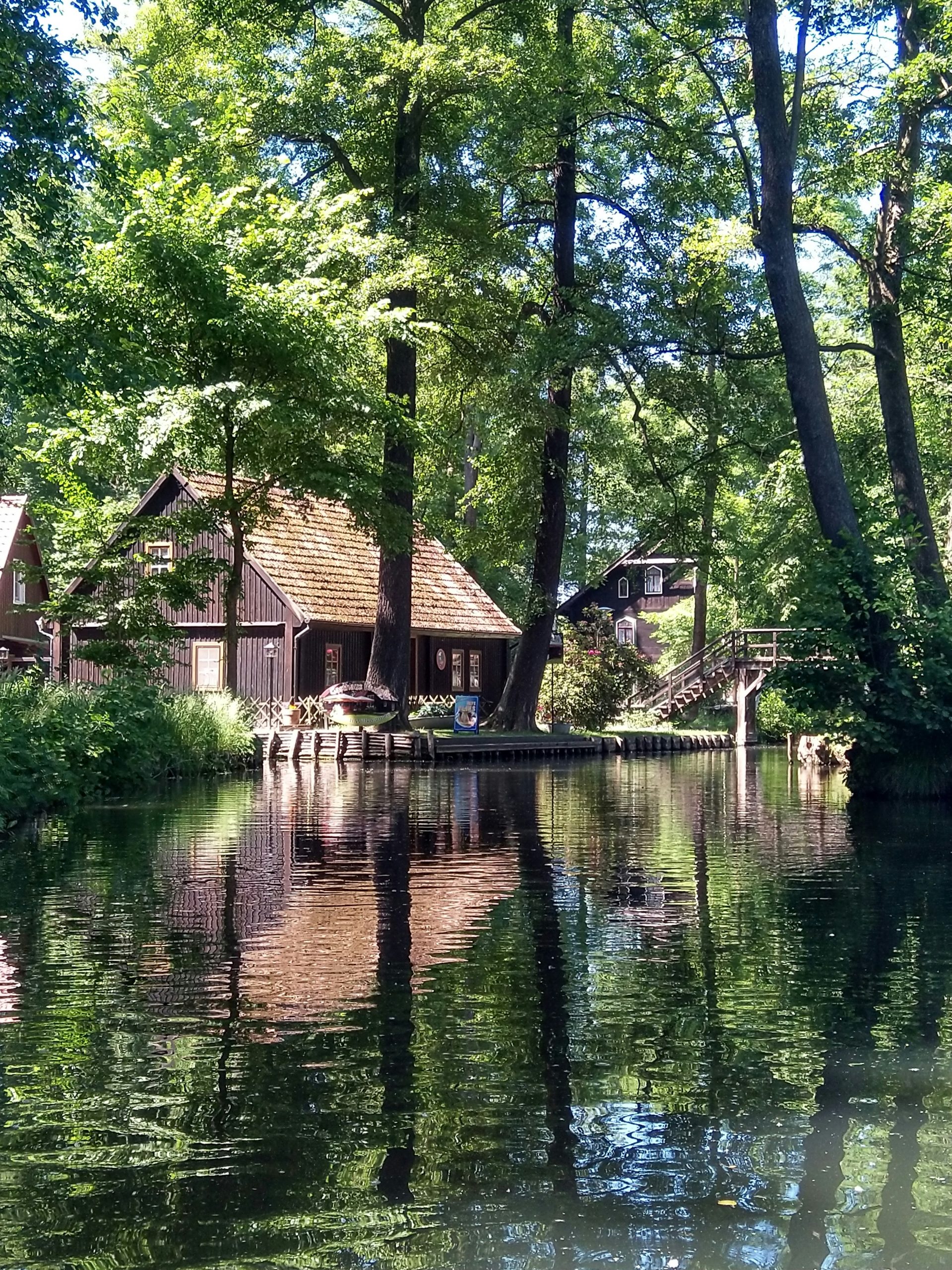
4. Spreewald: Venice of Brandenburg (with Pickles!)
Looking for something a bit different? The Spreewald is a unique biosphere reserve with thousands of small waterways, earning it the nickname “Venice of Brandenburg.” It’s a fantastic nature escape and a way to experience another side of Germany—as well as sample their famous pickles!
Why it’s great: Picture gliding through calm canals on a traditional boat, surrounded by lush greenery and quaint villages. It’s serene and feels worlds away from the city. Plus, local Spreewald pickles are delicious!
Getting there: Take a regional train from Berlin Hauptbahnhof or Ostkreuz to Lübbenau (Spreewald). The trip takes about an hour. From Lübbenau station, it’s a short walk to the harbor where boat tours leave.
What to do:
- Kahnfahrt (Punt Tour): This is the quintessential Spreewald experience. Local guides pole you through narrow waterways, often stopping at small villages or traditional inns.
- Cycling & Kayaking: If you’re feeling adventurous, rent a bike or kayak and explore the paths and waterways at your own pace.
- Try Spreewald Pickles: You’ll find pickle stands everywhere! Sample different types—gherkins, dill, mustard, and more.
- Visit Lehde: A charming open-air museum village accessible by boat, showcasing traditional Spreewald houses and culture.
Budget tip: Renting a bike or kayak can be cheaper than a boat tour, especially if you’re alone or with a small group. Bring your own snacks and drinks to enjoy by the water.

5. Saxon Switzerland National Park: Hiking & Fairytale Bridges
If you love nature and hiking, Saxon Switzerland National Park is for you. This beautiful area features stunning sandstone formations, deep gorges, and lush forests that look like a fairytale. The famous Bastei Bridge is a must-see.
Why it’s great: The views are fantastic, especially from the Bastei Bridge, which sits high above the Elbe River. It’s a photographer’s paradise and a great place to enjoy fresh air and stretch your legs.
Getting there: This trip takes a bit longer, but it’s worth it. Take a train from Berlin Hauptbahnhof to Bad Schandau (about 2 hours 30 minutes). From there, you can take a local bus or ferry to various trails. To get to the Bastei Bridge, you typically take a bus from Rathen, which is accessible by ferry from Kurort Rathen train station. Reaching the famous Rakotzbrücke (Devil’s Bridge) in Kromlau is trickier and often requires a car or a dedicated tour, as it’s farther east. Focus on the Bastei area for your day trip.
What to do:
- Bastei Bridge: Walk across this incredible sandstone bridge connecting various rock formations with stunning views of the Elbe Sandstone Mountains.
- Hiking: There are trails for all skill levels, from easy walks to challenging climbs.
- Königstein Fortress: A large hilltop fortress with a rich history offering panoramic views.
- Explore the Elbe River: Consider a boat trip on the Elbe for a different view of the landscape.
Budget tip: Hiking is free! Bring plenty of water and snacks. Public transport will be your main cost, but the views are priceless.
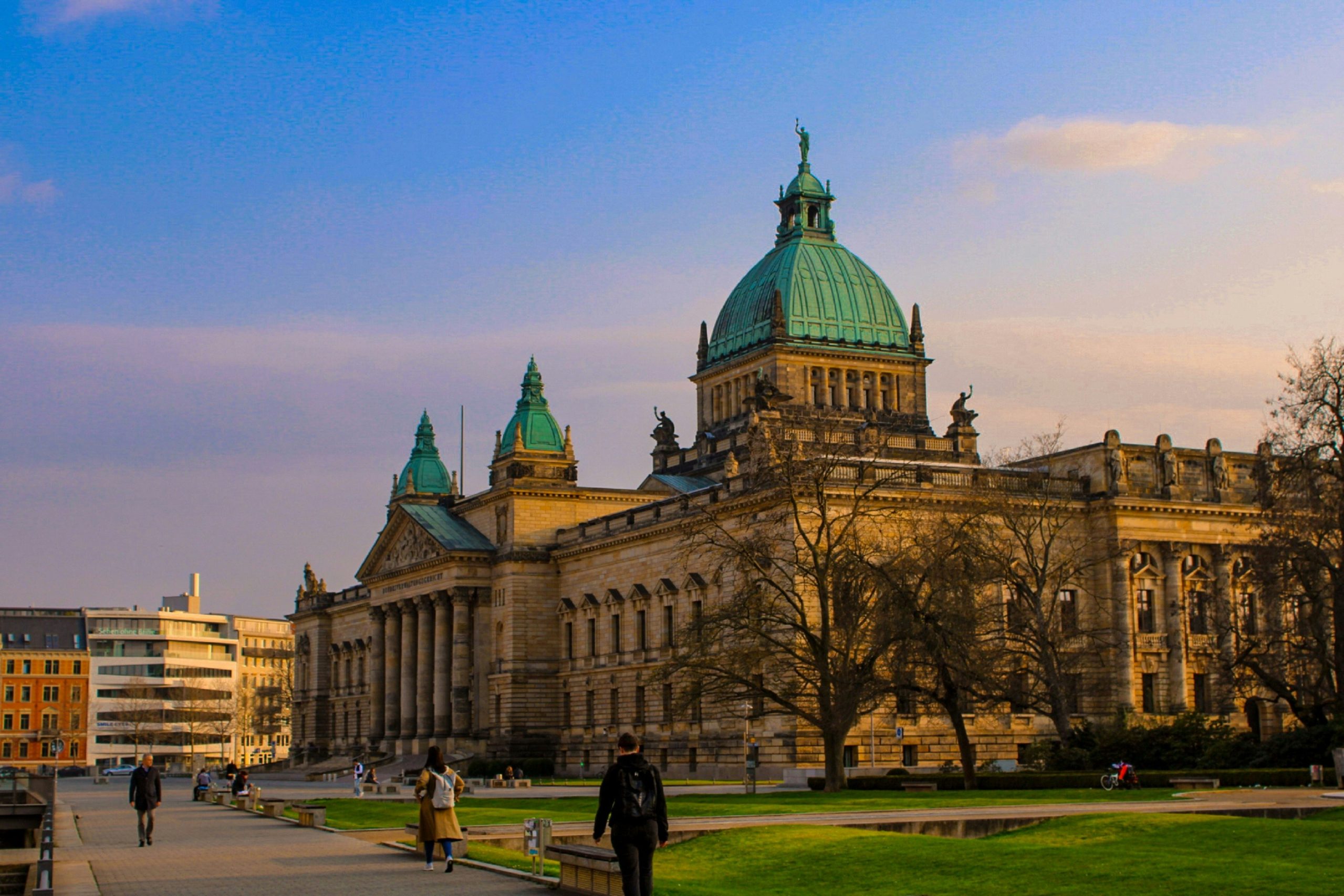
6. Leipzig: Music, History & Cool City Vibes
Leipzig is a lively city with a rich musical history (Bach, Mendelssohn, and Wagner lived and worked here!). It has a youthful energy, a thriving arts scene, and a beautiful historic city center. It’s a great option for a different city experience close to Berlin.
Why it’s great: Leipzig combines historical grandeur with a modern, creative vibe. You can explore ancient churches, wander through charming passageways, and discover independent shops and cafes. It’s also known for its role in the peaceful revolution that led to the fall of the Berlin Wall.
Getting there: Very easy by train! A fast train from Berlin Hauptbahnhof to Leipzig Hauptbahnhof takes about 1 hour 15 minutes. The station itself is impressive, one of the largest in Europe.
What to do:
- Thomas Church (Thomaskirche): Famous as the workplace of Johann Sebastian Bach, who is buried here. You might even catch a performance by the St. Thomas Boys Choir.
- Nicholas Church (Nikolaikirche): A key site of the Peaceful Revolution in 1989. Its columns resemble palm trees, giving it a unique appearance.
- Old Town & Market Square: Explore the historic center, admire the Old City Hall, and soak in the atmosphere.
- Mädler Passage: A beautiful historic shopping arcade, home to Auerbachs Keller, a famous restaurant mentioned in Goethe’s “Faust.”
- Spinnerei: A former cotton mill turned into a huge complex of art galleries, studios, and workshops. It’s a must for art enthusiasts.
Budget tip: Many of the historical sites are free to enter (though donations are welcome). Explore the city on foot and grab a cheap bite from a local bakery or a beer garden.
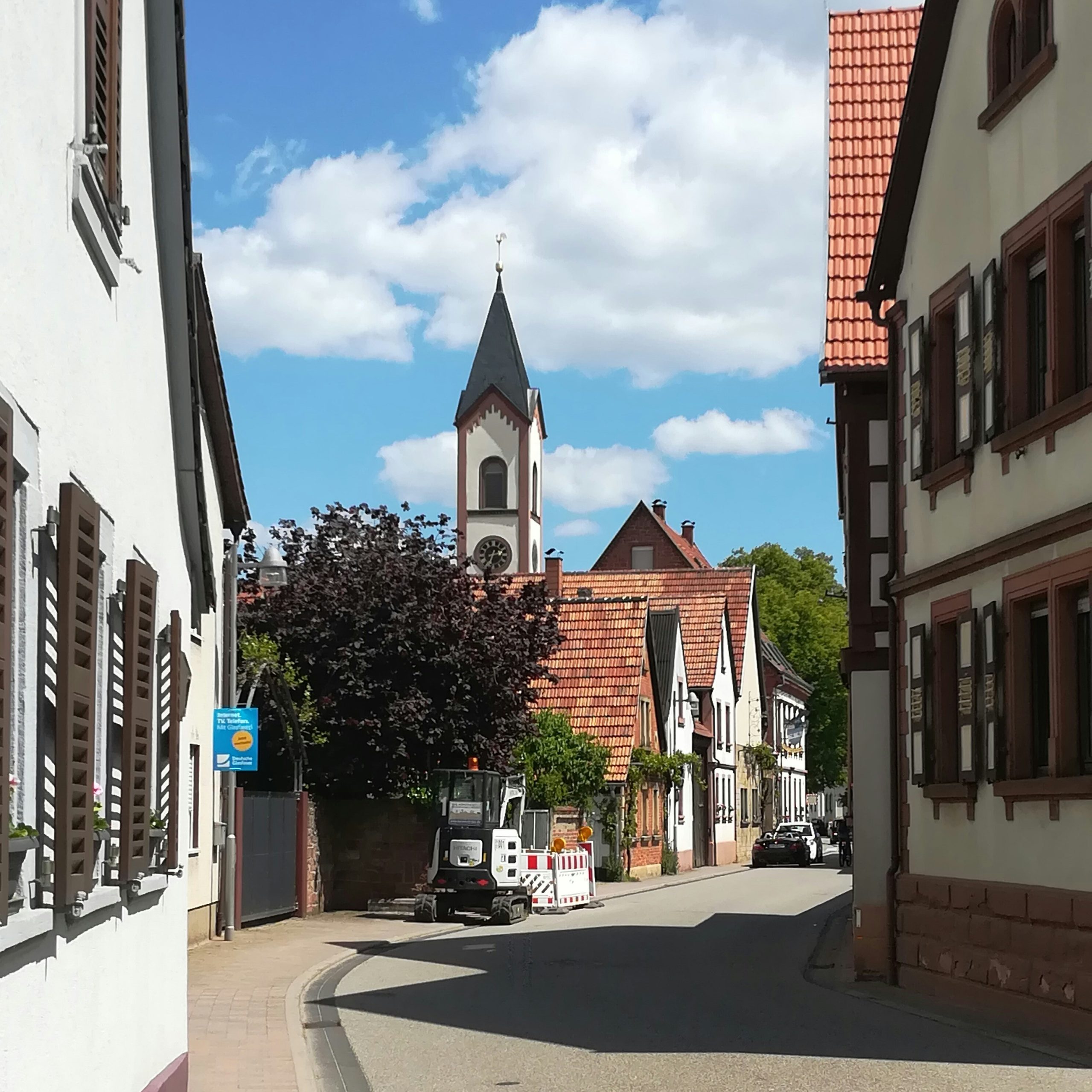
7. Wittenberg (Lutherstadt): Reformation History
If you enjoy history, especially religious history, Lutherstadt Wittenberg is a captivating day trip. This is the place where Martin Luther famously nailed his 95 Theses to the door of the Castle Church in 1517, which sparked the Reformation. It is a UNESCO World Heritage site and an important location in European history.
Why it’s great: Walking around Wittenberg feels like stepping back in time. The city has well-preserved buildings from Luther’s time, allowing you to really sense the weight of history. It’s a quieter, more thoughtful day out.
Getting there: Take a regional train (RE3 or RE5) from Berlin Hauptbahnhof or Südkreuz to Lutherstadt Wittenberg. The trip takes about 45 minutes to 1 hour.
What to do:
- Castle Church (Schlosskirche): The famous door where Luther posted his theses (it’s now a bronze door, but still iconic). You can also climb the tower for a view.
- Luther House (Lutherhaus): The former monastery where Martin Luther lived with his family. It is now a museum dedicated to his life and work.
- Melanchthon House: The home of Philip Melanchthon, Luther’s close collaborator.
- Market Square: Admire the historic town hall and the statues of Luther and Melanchthon.
Budget tip: Many of the key sites are free to view from the outside. If you want to go inside the museums, consider a combined ticket if available.
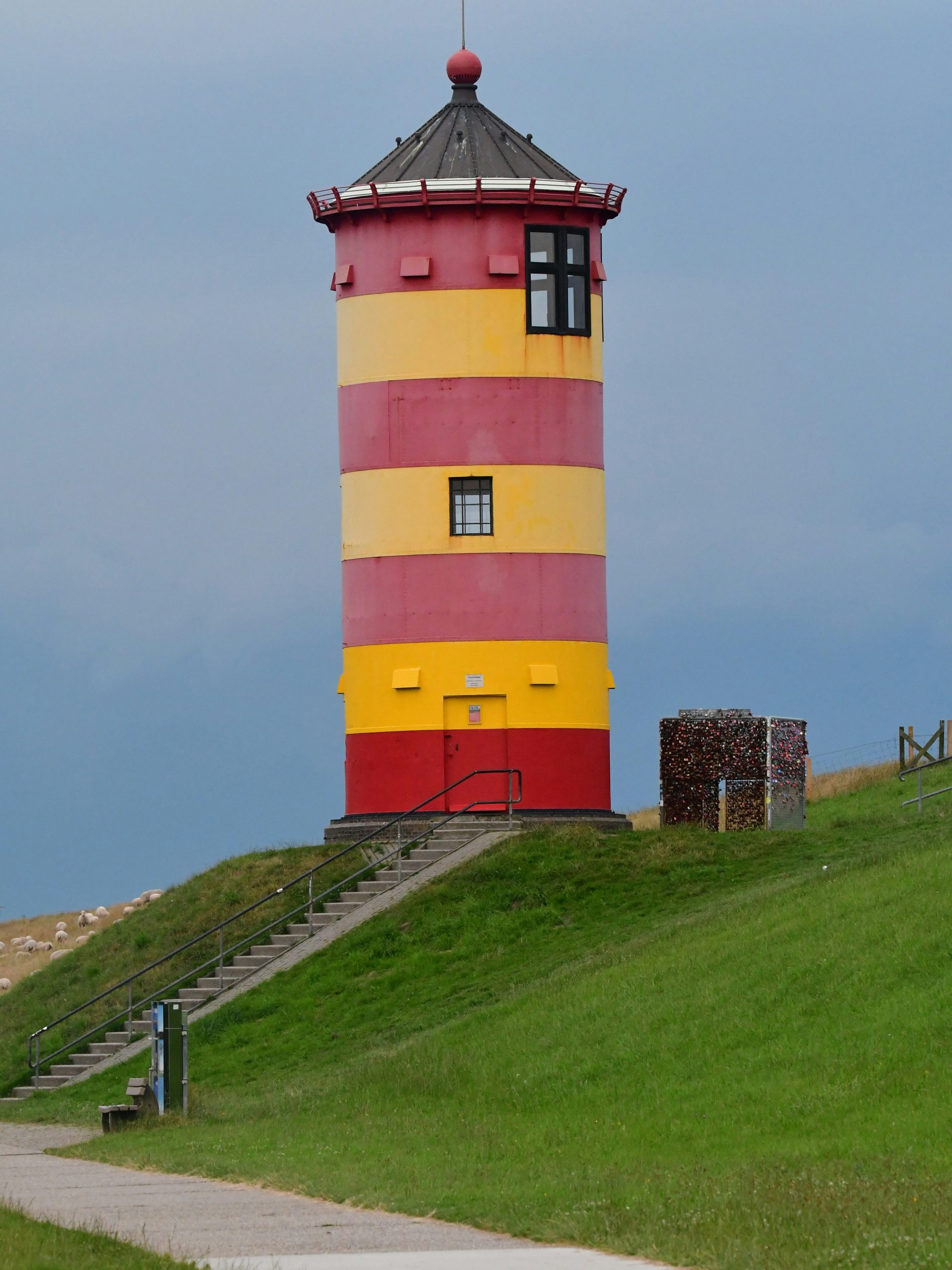
8. Pfaueninsel (Peacock Island): Island Escape
For a truly unique and relaxing day trip, head to Pfaueninsel, or Peacock Island. This small, charming island in the Havel River is a designated nature reserve and a UNESCO World Heritage site. As the name suggests, peacocks roam freely, adding to the whimsical atmosphere.
Why it’s great: It’s a little slice of paradise, ideal for a relaxing day out. The island feels like a forgotten fairytale, with its whimsical white castle, lush gardens, and, of course, the majestic peacocks strutting around. It’s a great spot for a leisurely walk and some quiet reflection.
Getting there: Take the S-Bahn (S7) to Wannsee station. From there, take bus 218 to the Pfaueninsel ferry terminal. The ferry ride across to the island is short (just a few minutes) and runs frequently. The entire journey from central Berlin takes about 1 hour.
What to do:
- Spot Peacocks: Keep an eye out for the island’s resident peacocks, who are quite comfortable around visitors.
- Explore the Castle: The charming white castle, designed to resemble a ruined Roman country house, is a picturesque highlight.
- Wander the Gardens: Enjoy the landscaped gardens, ancient trees, and various follies.
- Picnic: Find a quiet spot by the water or in a meadow and enjoy a packed lunch.
Budget tip: The main cost is the ferry ticket (it’s a small fee). Otherwise, it’s a free nature escape. Bring your own food and drinks.
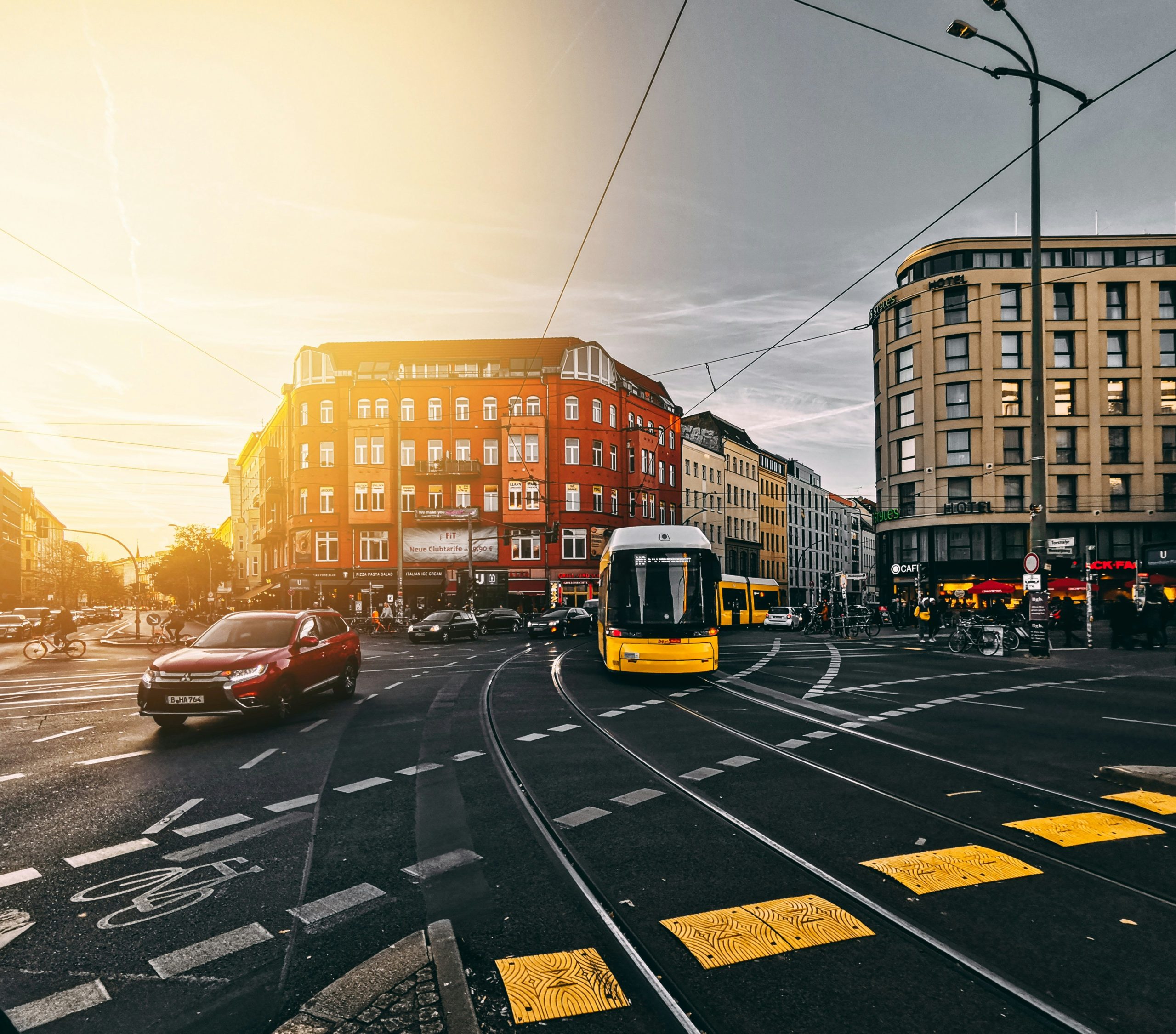
Practical Tips for Your Berlin Day Trips
Now that you have your list of great day trips, here are some practical tips to make your adventures smooth and stress-free, especially for solo and budget travelers:
Getting Around:
- Deutsche Bahn (DB): This is Germany’s national railway. Use their website or app (DB Navigator) to check train times and book tickets.
- Regional Tickets: For trips within Brandenburg (like Potsdam, Spreewald, Wittenberg, Oranienburg/Sachsenhausen), look into the Brandenburg-Berlin Ticket. It offers great value if you’re traveling with others (up to 5 people can use one ticket for unlimited travel on regional trains and local transport for a day), but even if you go alone, it can be cheaper than a standard return fare.
- S-Bahn: For closer spots like Potsdam or Pfaueninsel, the S-Bahn (Berlin’s suburban train system) is your friend. Your regular Berlin public transport ticket might even cover the trip if it extends to the relevant zone (e.g., ABC ticket for Potsdam).
Food & Drink:
- Pack Snacks/Lunch: This is the ultimate budget tip. Grab some bread, cheese, fruit, and water from a supermarket in Berlin before you leave.
- Local Bakeries (Bäckerei): Germany has amazing bakeries. Grab a cheap, fresh pastry or sandwich for breakfast or lunch.
- Imbisses: These are small snack stands, often serving Currywurst or Döner Kebab – quick, cheap, and tasty.
- Beer Gardens: If you want a local brew, many towns have lovely beer gardens where you can relax.
What to Pack:
- Comfy Shoes: You’ll be doing a lot of walking, especially in places like Potsdam or Sachsenhausen.
- Water Bottle: Stay hydrated! Refill stations are becoming more common.
- Power Bank: Keep your phone charged for maps, photos, and train tickets.
- Rain Jacket/Small Umbrella: German weather can be unpredictable, even in summer. Better safe than soggy!
- Small Backpack: Easy to carry your essentials.
- Solo Travel: Germany is very safe for solo travelers. Embrace the freedom to explore at your own pace, linger where you want, and discover hidden gems. Don’t hesitate to ask locals for directions – most people are friendly and helpful.
- Timing is Key: Start your day trips early, especially if you’re heading to a popular spot like Potsdam or Dresden. This gives you more time to explore and avoid the crowds. Always check opening hours for attractions before you go.
So there you have it! Berlin is an incredible base for exploring more of Germany. Whether you’re into history, nature, or just want to see a different city, there’s a day trip from Berlin with your name on it. Grab your backpack, charge your phone, and get ready for some epic adventures!
Download the Hostelworld app to start booking now


FAQ: Day Trips from Berlin
⚖️ Is Sachsenhausen Concentration Camp worth visiting?
Yes. Sachsenhausen in Oranienburg is a powerful and sobering memorial, just 45 minutes from Berlin. It’s not a light day trip, but it’s essential for understanding Germany’s history. Plan at least half a day for reflection and exploration.
🎨 Is Dresden a good day trip from Berlin?
Absolutely. Dresden is about 2 hours away by train and offers Baroque architecture, the Frauenkirche, Zwinger Palace, and riverside walks along the Elbe. It’s ideal for culture, art, and history lovers.
🚣 What can I do in the Spreewald?
The Spreewald is known for its maze of waterways. You can take a traditional punt boat tour (Kahnfahrt), kayak, or cycle through the biosphere reserve. Don’t forget to try the region’s famous Spreewald pickles!
🌉 Can I hike in Saxon Switzerland National Park on a day trip from Berlin?
Yes, though it makes for a long day (around 2.5 hours by train). The Bastei Bridge is the highlight, with stunning views over the Elbe Sandstone Mountains. Hiking trails are free, and it’s one of Germany’s most beautiful nature escapes.
🎶 What makes Leipzig worth visiting from Berlin?
Leipzig is just 1 hour 15 minutes by fast train and blends music history (Bach, Mendelssohn, Wagner) with modern art, culture, and nightlife. It’s a great option if you want a younger, creative vibe compared to Berlin.
✝️ What is special about Wittenberg?
Wittenberg is where Martin Luther sparked the Protestant Reformation in 1517. You can visit the Castle Church, Luther House, and Melanchthon House. It’s 45–60 minutes from Berlin and perfect for history buffs.
🦚 What is Pfaueninsel (Peacock Island)?
Pfaueninsel is a UNESCO-listed island retreat on the Havel River, about an hour from Berlin. It’s famous for roaming peacocks, a whimsical white castle, and peaceful gardens. A great low-cost nature escape.
🚆 Do I need a train pass for Berlin day trips?
Not always. For close trips (Potsdam, Sachsenhausen, Pfaueninsel), an ABC Berlin public transport ticket may cover it. For longer trips (Dresden, Leipzig, Spreewald, Saxon Switzerland), check regional day tickets or group tickets on the DB Navigator app.
🧳 Where can I book budget hostels in Berlin?
The best place to find hostels in Berlin is Hostelworld. Just enter your travel dates, choose Berlin as your city, and browse the best options with real reviews, photos, and prices. It’s perfect for solo travelers and backpackers looking to stay central without breaking the bank.
🌤️ What’s the best season for Berlin day trips?
Spring and summer are ideal for nature escapes like Spreewald or Saxon Switzerland. Autumn adds gorgeous colors to Potsdam and Wittenberg. Winter is great for city-based trips like Leipzig and Dresden, which have famous Christmas markets.
⏱️ How much time do I need for a day trip from Berlin?
Nearby spots like Potsdam or Sachsenhausen take 4–6 hours. Longer trips such as Dresden, Leipzig, or Saxon Switzerland require a full day (8–10 hours). Start early to make the most of your time.


 Get the App.