Belgium
Belgium country guide

Things To Do In Belgium

Three languages, 1,500 beers and a train network that crosses the country in ninety minutes. Small enough that you can base yourself anywhere and see all of it.

€24
Dorm bed, from
1,500+
Beers brewed here
1h
Brussels to Bruges by train
€20.90
The most a single train journey costs

Small, divided, and denser than it looks

Belgium is two countries that share a state: Dutch-speaking Flanders in the north, French-speaking Wallonia in the south, and officially bilingual Brussels in the middle. The division shapes politics, signage and sometimes dinner, and it is worth knowing before you ask a question in the wrong language.

For travellers it is unusually convenient. Nothing is more than ninety minutes from anything else by train, which means you can stay in one city and day trip to the rest, and Brussels is a two-hour Eurostar from London and under an hour and a half from Paris.

Bruges is the postcard and it deserves it, if you stay overnight and see it after the coach parties leave. Ghent is what Bruges would be with a student population. Antwerp is the biggest and most modern. Brussels is the least pretty and the most interesting to eat and drink in.

Where to go

Trains link everything, and the whole country is less than three hours across.

Brussels

Brussels

30 hostels · dorms from €22

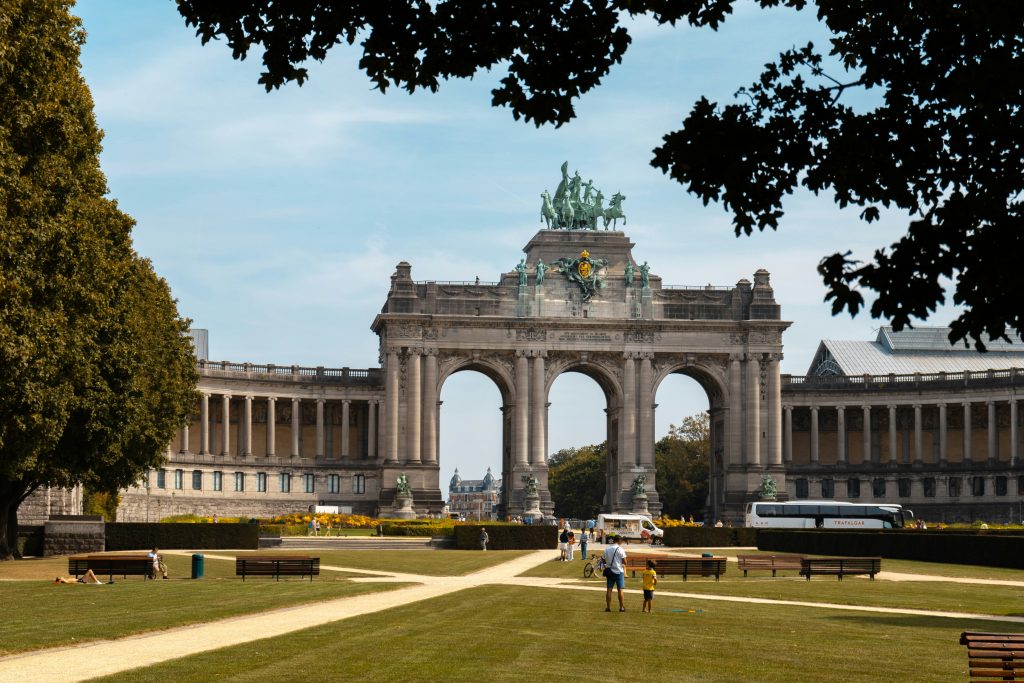
The capital: Art Nouveau, the EU quarter, and the best bars and food in the country.

Loads to see and do, me and my friend used the hire bikes to get around the city which was a very good way of seeing everything. Well priced food and beers.

A traveller, on Hostelworld
The Brussels guide
Bruges

Bruges

11 hostels · dorms from €21

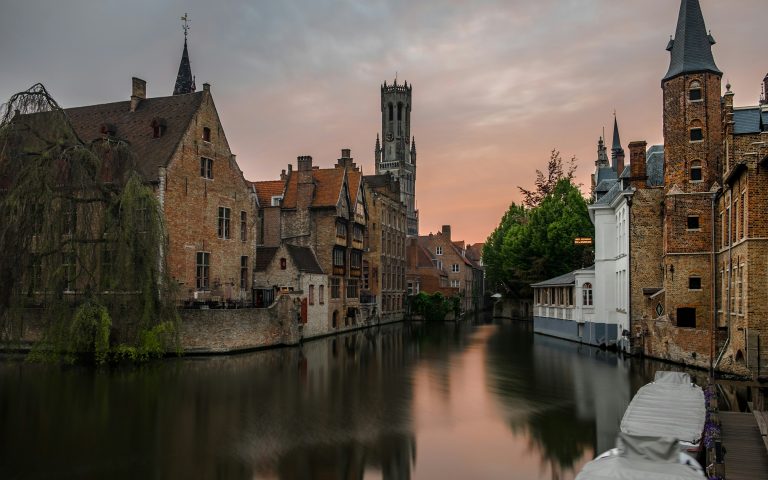
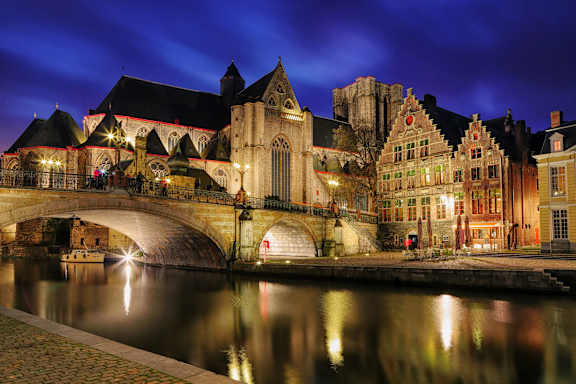
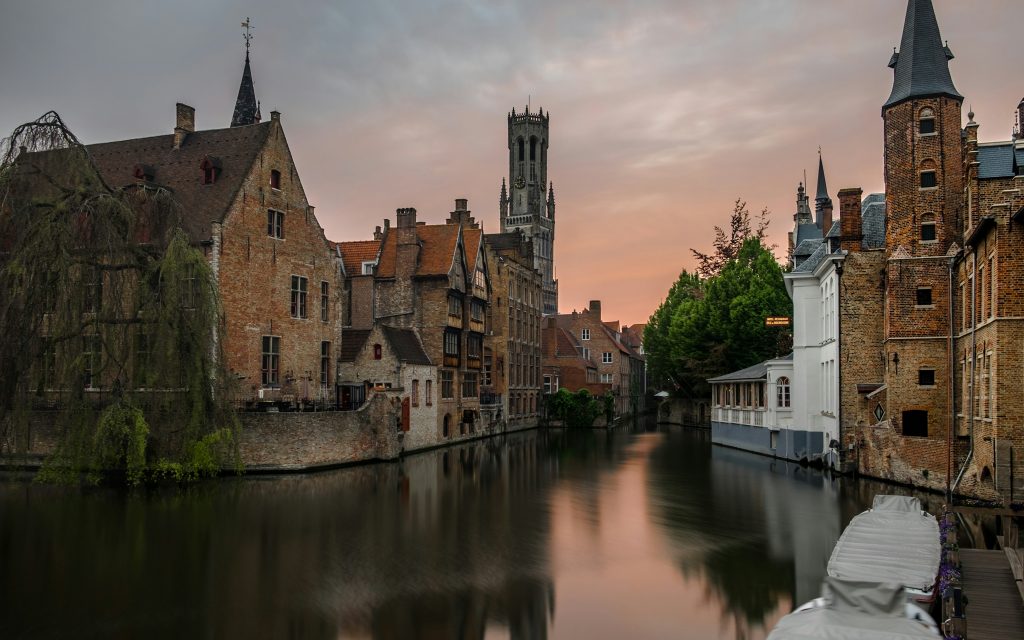
Medieval canals and cobbles, overwhelmed by day and lovely at night. Stay over.

Bruges is a very clean beautiful city. One of the best.

A traveller, on Hostelworld
The Bruges guide
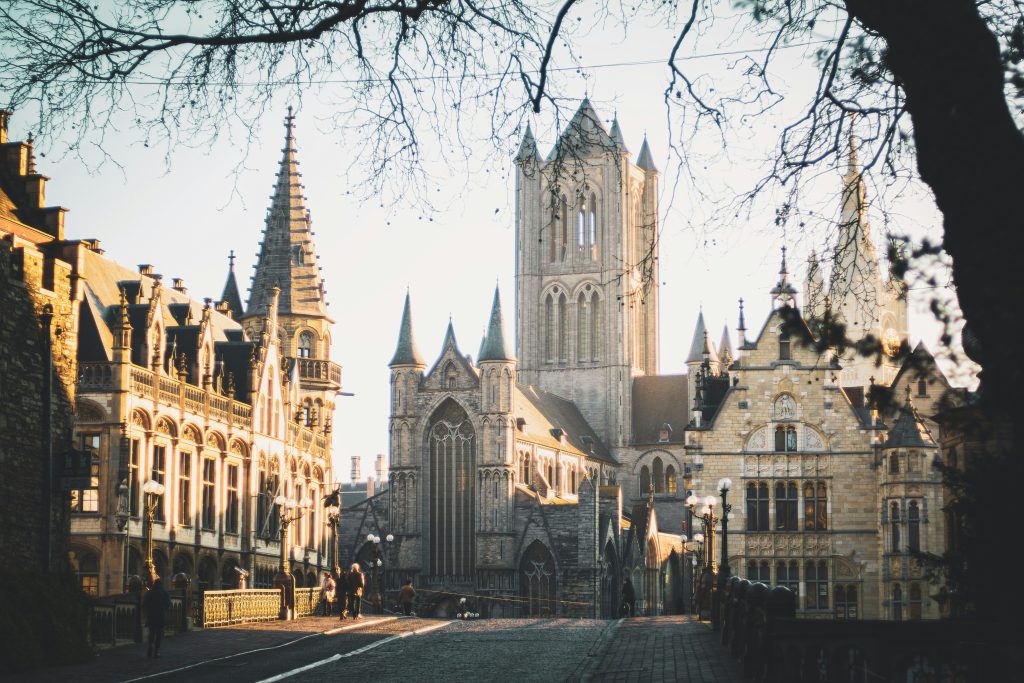
Ghent

Ghent

6 hostels · dorms from €24

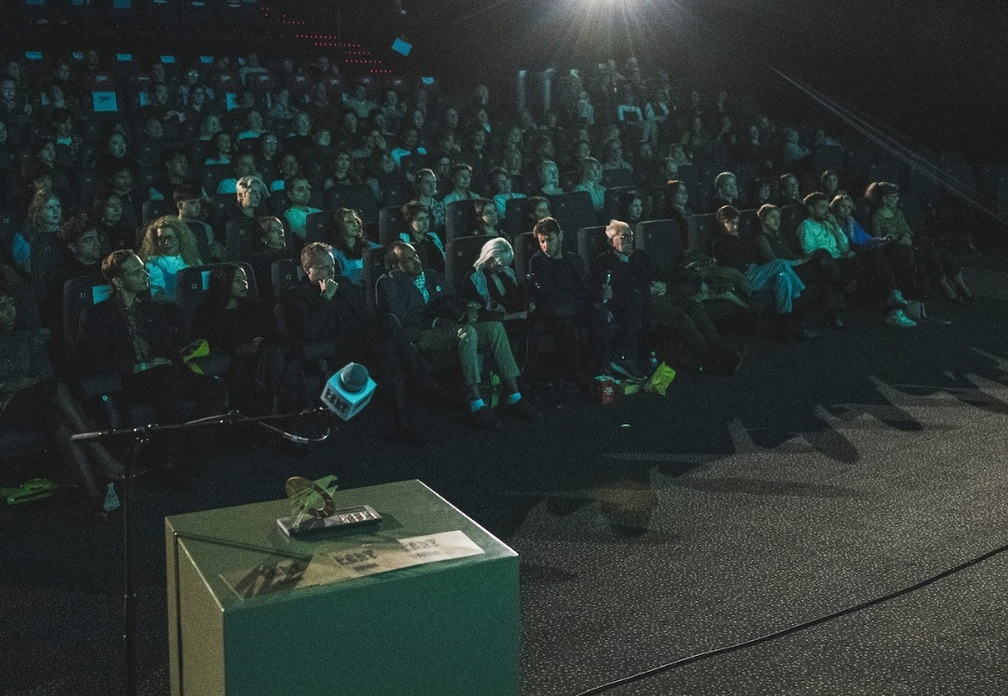
Bruges with 70,000 students: same canals, better nightlife, half the tour groups.

Ghent was a great place to explore for my 5 day trip! Plenty to see and do very walkable which makes exploring very easy!

A traveller, on Hostelworld
The Ghent guide
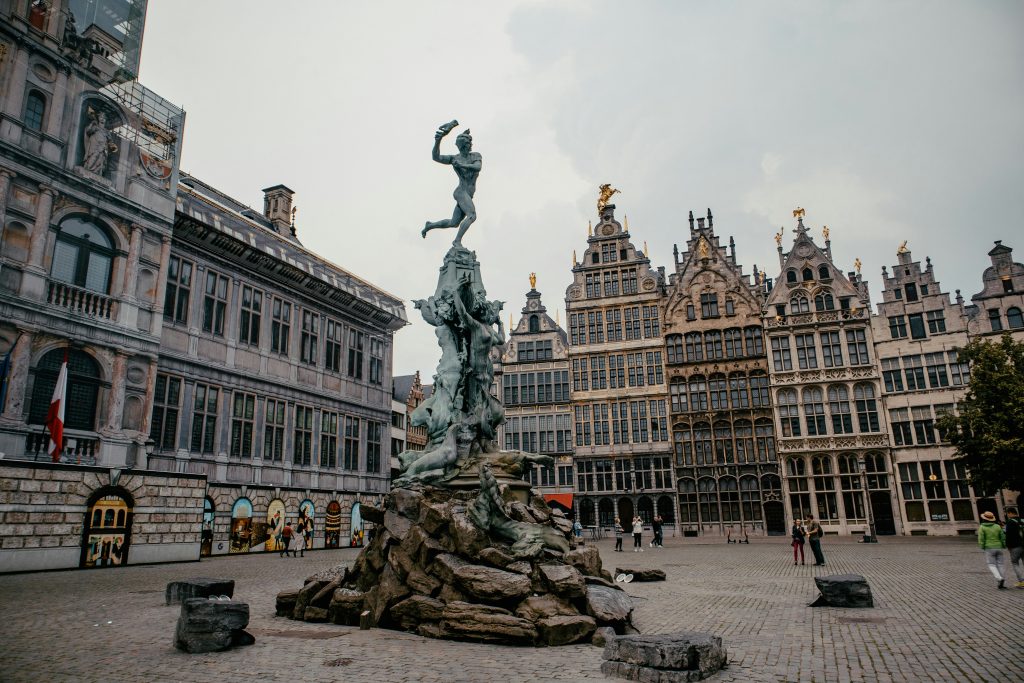
Antwerp

Antwerp

6 hostels · dorms from €23

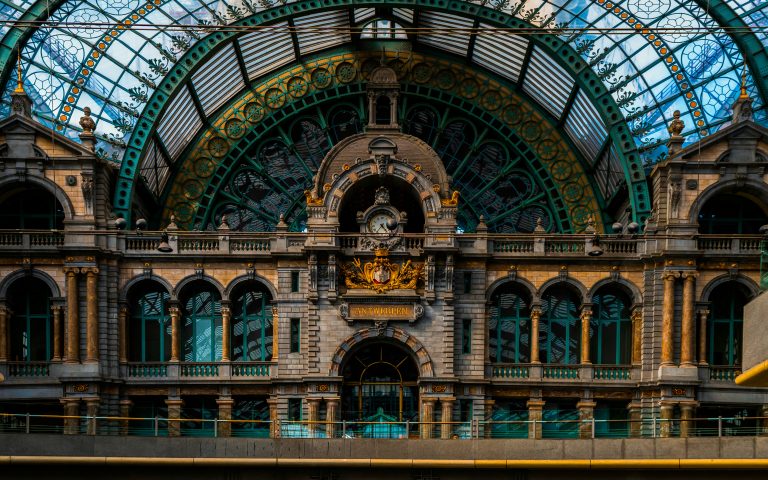
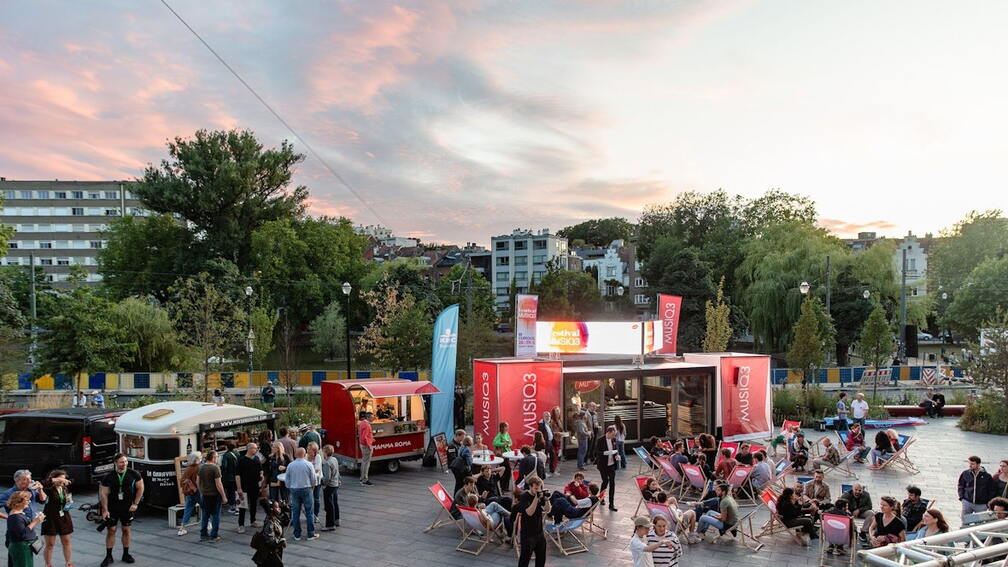
Diamonds, fashion, a cathedral with Rubens in it, and the biggest nightlife in Flanders.

We went in the July scorching weather, highlight was the MAS museaum where you can enjoy panoramic rooftop views and an interesting exhibition, followed by a supervised dip in the harbour all for free. The historic centre is beautiful and easily accessible by bike and foot. We only had a short stay of one night on our cycling tour but would love to return and enjoy all this lively city has to offer.

A traveller, on Hostelworld
The Antwerp guide
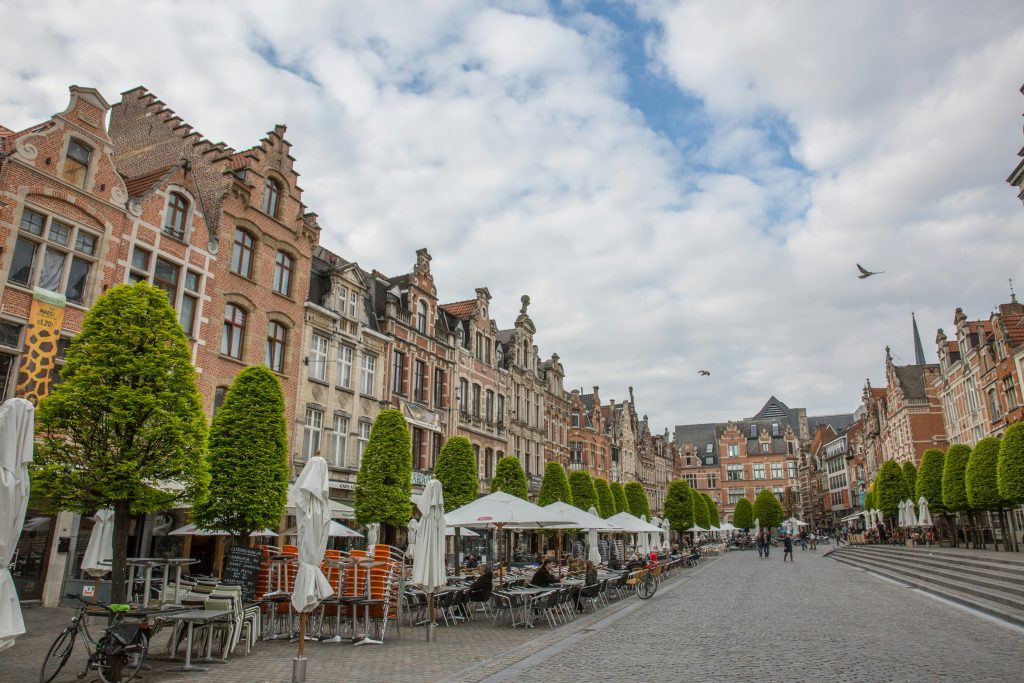
Leuven

Leuven

2 hostels

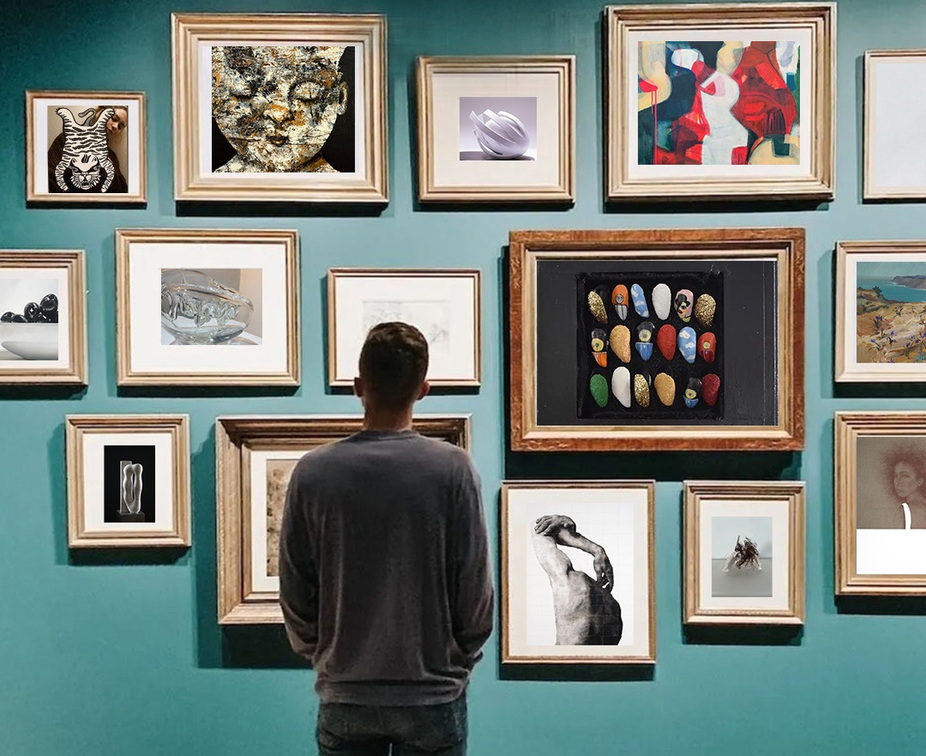
A university town with the longest bar in Europe and the world's biggest brewer.

It's beautiful and it also has a lot of history. The pubs are great and there's a lot of students everywhere because KUL is everywhere, which makes the city way prettier.

A traveller, on Hostelworld
The Leuven guide
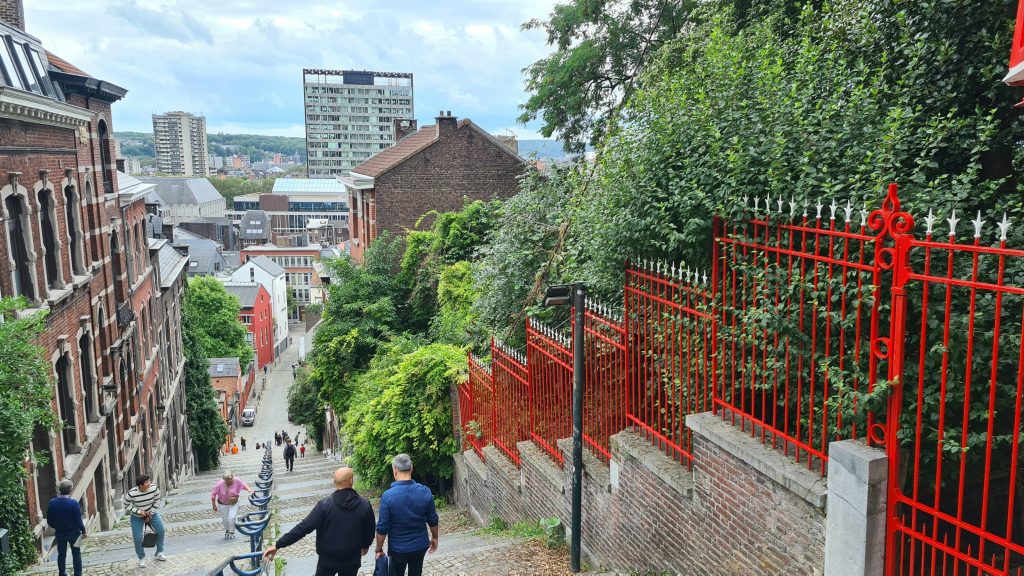
Liège

Liège

3 hostels

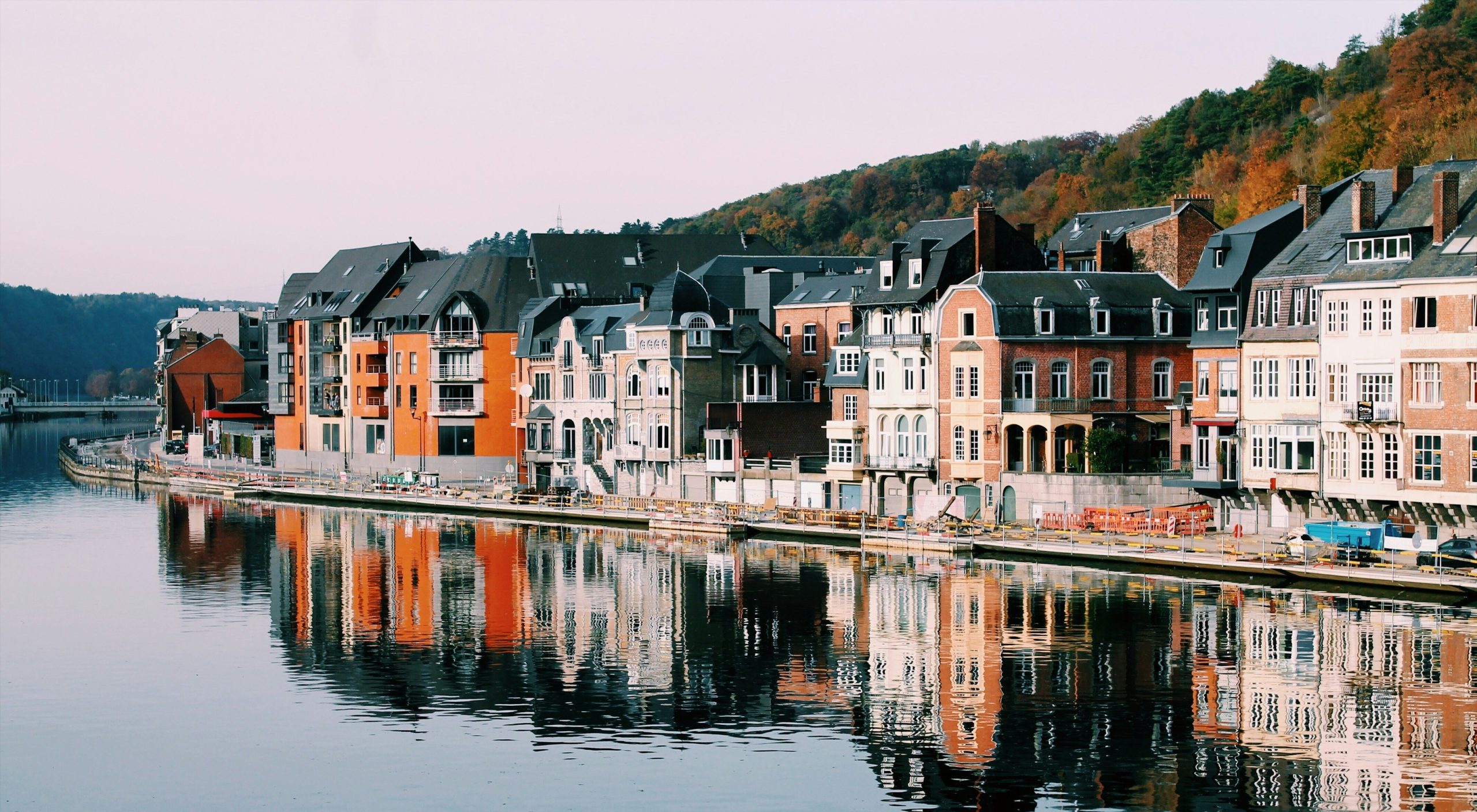
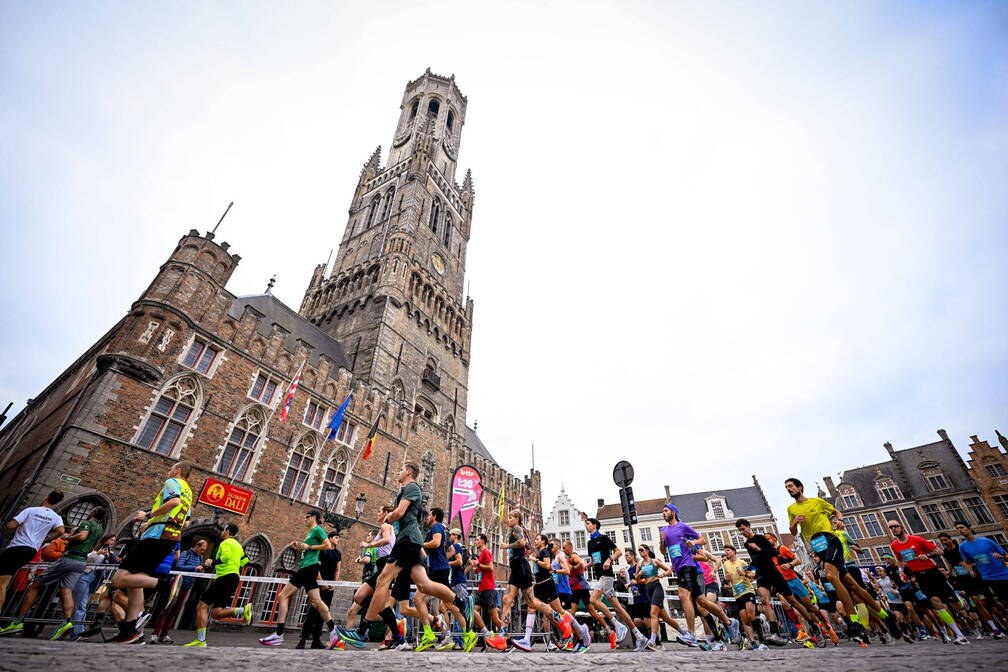
Wallonia's heart: a Sunday market along the river, steep stairs, and a different country in feel.

Really historic area and great ambience to the city. A lot of renovation works to improve the look of the area. Recent investment in the infrastructure with a new tram. Very French feel to the area. Musée de la Vie Wallonne a way to start understanding the Walloon Culture. In French but with QR codes to translate into English. D'outremeuse District great with plenty wee cafes for Belgian Beer. Belgian people are very friendly and Liege in particular.

A traveller, on Hostelworld
The Liège guide

What kind of trip is this?

Belgium does short trips extremely well, and beer better than anywhere.

City break in Belgium

Three or four days, two or three cities, all by train.

What to do

  • Grand Place at night
  • Bruges after the day trippers leave
  • Ghent's castle in the middle of town

Spots to visit

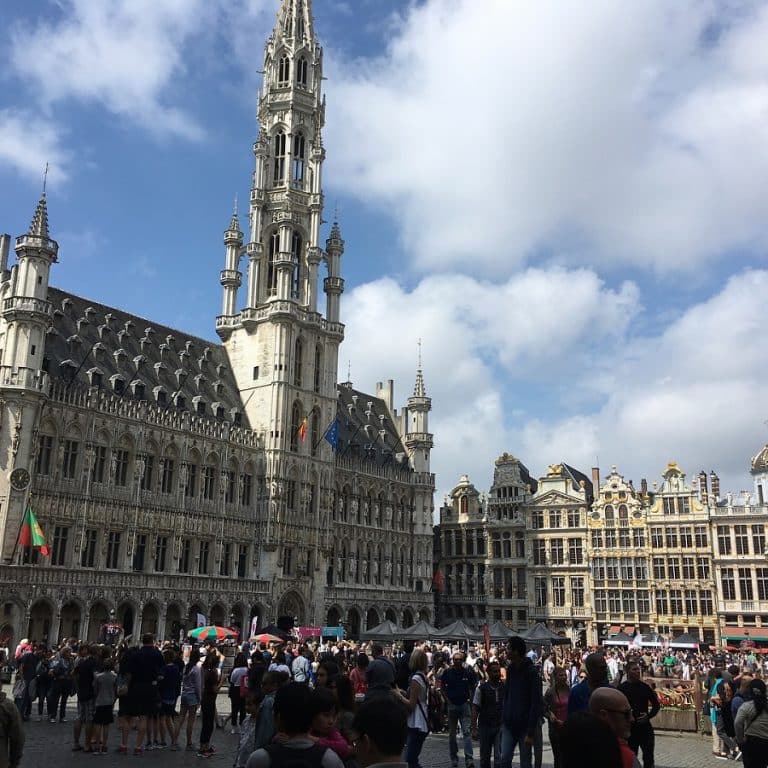
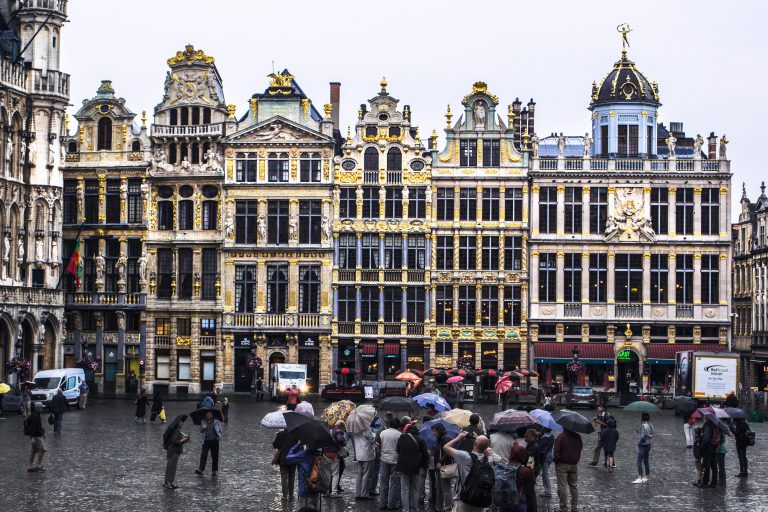
  • Grand Place
  • Bruges old town
  • Patershol, Ghent

Best cities for it

Things to do

Things to do in Belgium

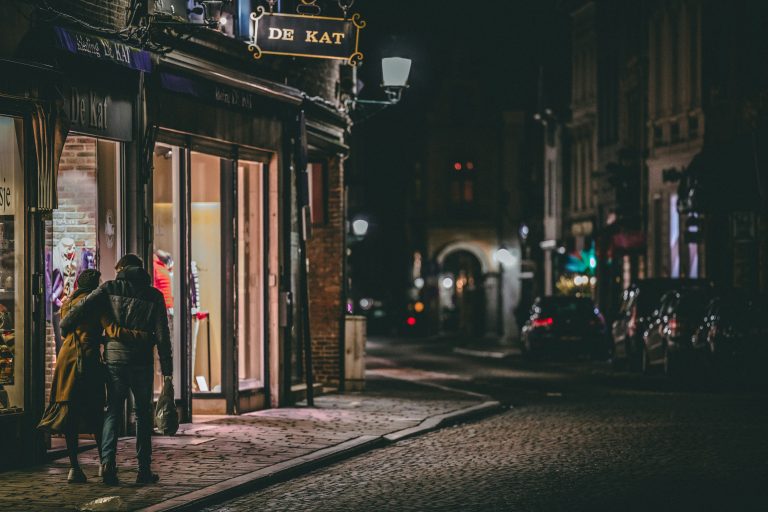
Bruges is the headline and the advice is simple: stay the night. Between about eleven and five it holds enormous numbers of day visitors, and in the evening and early morning it is one of the most atmospheric towns in Europe with almost nobody in it.

Ghent is the better base for most people — the same canals and medieval architecture, a castle in the city centre, and 70,000 students keeping it alive after dark. The Ghent Altarpiece in St Bavo's Cathedral is one of the most important paintings in European art and has been stolen thirteen times.

Brussels rewards wandering: Art Nouveau houses by Horta, the comic strip murals, the Grand Place lit at night, and an eating and drinking culture that the EU quarter's reputation does not suggest. Ypres and the Flanders battlefields are a sobering day trip from anywhere in the country.

Food and drink

Eating and drinking in Belgium

Belgian beer is the reason many people come and it deserves the reputation: trappist ales brewed by monks, lambics fermented with wild yeast, and a culture where every beer has its own glass and nobody finds that odd. A café with 200 taps is normal here.

Frites are the national dish and they come from a friterie, twice-fried, in a paper cone with mayonnaise. Not a side, a meal, for €4 to €6. Mussels with them in season — September to April — is the classic dinner.

Waffles come in two kinds and Belgians are firm about it: Brussels waffles are light and rectangular, Liège waffles are dense, caramelised and eaten in the street. Chocolate is everywhere, and the good shops are not the ones on the Grand Place.

Nightlife

Going out in Belgium

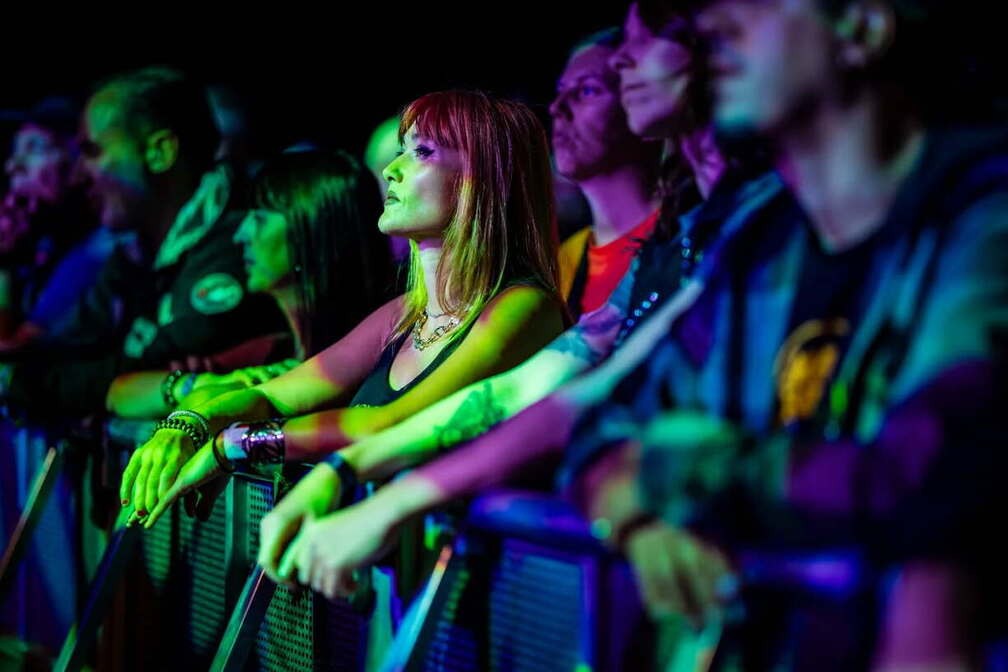
Student cities do it best. Leuven's Oude Markt claims to be the longest bar in Europe — a single square lined entirely with bars — and Ghent's Overpoort is the same idea with a younger crowd. Both are cheap by western European standards.

Brussels has the variety: beer cafés with hundreds of options, jazz bars, and a late scene around Saint-Géry and Flagey. Antwerp is the closest thing to a proper club city, particularly around the Zuid district.

Beer prices are reasonable — €3 to €5 for most things, more for a strong trappist, which is fair since some of them are ten per cent and will end your evening earlier than planned.

Getting around

Getting around Belgium

SNCB trains connect everything and the distances are tiny: Brussels to Bruges or Antwerp in an hour, to Ghent in half that. Fares are calculated by distance and capped at €20.90 for a single journey. Under-26s get 40% off, adults get 30% off at weekends, and a Train+ card (€6 a month) takes a further 40% off off-peak and weekend trips. Since July 2026 tickets can no longer be bought on board, so buy in the SNCB app, at a machine or at the ticket office first.

Cities are walkable and mostly flat, and Flanders is excellent cycling country — the coast tram runs 68km along the North Sea and is the longest tram line in the world.

Brussels is the international hub: Eurostar to London in two hours, Eurostar, which absorbed Thalys, to Paris in under ninety minutes, and Amsterdam and Cologne both under two hours. It makes a good hinge in any northern European route.

Costs

What Belgium costs

Belgium is cheaper than the Netherlands and roughly level with France outside Paris. Dorms start around €24, a beer is €3 to €5, and frites with mayonnaise will feed you for €5.

Brussels is the most expensive for beds but has the widest range; Ghent, Leuven and Liège are noticeably cheaper. Bruges charges a premium for the setting, particularly in summer.

Trains are the pleasant surprise: crossing the country costs less than a city taxi in most capitals, and the weekend and under-26 discounts make day-tripping from a single base the cheapest way to see the country.

Safety

Staying safe in Belgium

Belgium is a safe country and the cities are comfortable to walk around. Brussels has the reputation issues of any capital, concentrated around Brussels-Midi station and parts of Molenbeek, where ordinary caution at night is sensible rather than alarm.

Pickpocketing happens around Grand Place, on the Brussels metro and at the main stations, at the usual European level. Bag-snatching at Midi station in particular is common enough to be worth knowing about when you arrive on the Eurostar.

The genuinely underestimated risk is the beer. Belgian ales run to ten or eleven per cent and are served in 330ml glasses, which fools people who order them like pints.

Entry and documents

Entry and documents

Belgium is in the Schengen area. EU citizens need an ID card; UK, US, Canadian and Australian passport holders get 90 days in any 180 across the whole zone, counted across all member states.

Passports need three months' validity beyond departure and to have been issued within the last ten years. ETIAS has been delayed repeatedly — check the official EU site.

If you are arriving from London by Eurostar, note that UK exit and Schengen entry checks happen before you board in London, not on arrival, so allow the time they ask for.

When to go

Belgium has mild, wet weather most of the year and a pleasant summer. Christmas markets and Carnival are the two winter reasons to come.

6°
Jan
Cold, grey, and the cheapest month
7°
Feb
Binche Carnival, a UNESCO-listed tradition
10°
Mar
Quiet and mild. Good for museums
14°
Apr
Spring, and the Ghent Floralies in some years
18°
May
Excellent. Terraces open, days long
21°
Jun
Warm, festivals starting, prices rising
23°
Jul
Peak. Tomorrowland and the Ghent Festival fill the country
23°
Aug
Warm, and the Brussels flower carpet in even years
19°
Sep
The best value month. Mussels come back in season
15°
Oct
Cool and quiet. Beer festival season
10°
Nov
Grey and cheap
7°
Dec
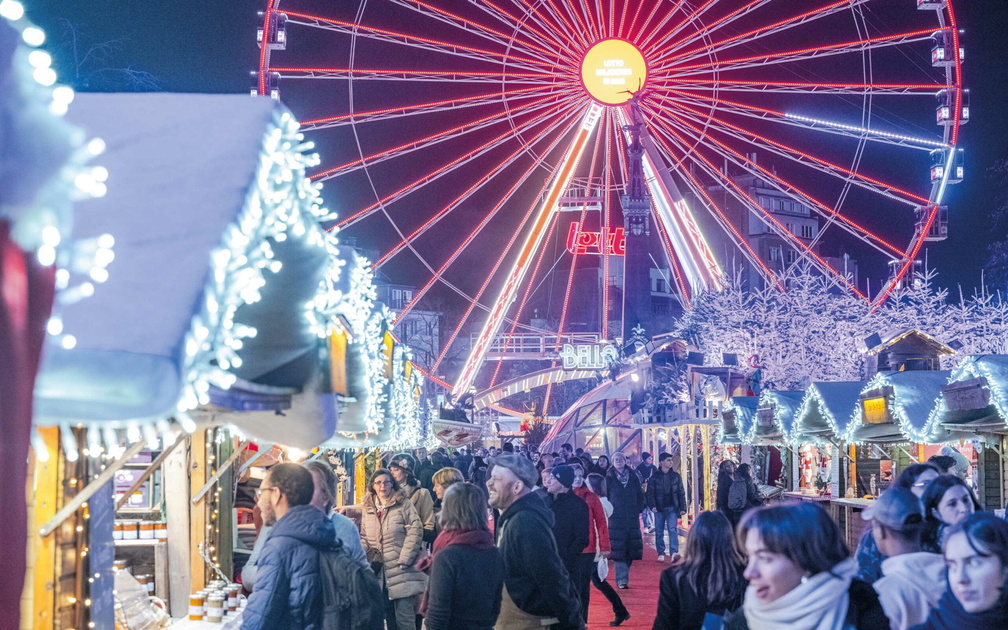
Christmas markets in every city, and Bruges at its best
Bar height is temperature. Colour is how busy it gets: quiet busy peak

Average highs for Brussels. It rains in every month — the difference is temperature rather than dryness.

What your trip will cost

Pick how you travel and how long for. Per night, for one person, including day trips by train.

Trains between cities are €7–15 a leg, less at weekends or for under-26s, so day-tripping from one base is usually cheaper than moving hostels.

—
  • Beds—
  • Food and drink—
  • Getting around—
  • Doing things—
What's on

What is on while you are there

Two of these fill the entire country. Both are worth planning around in either direction.

Belgium travel questions

The ones we get asked most.

How many days do you need in Belgium?
Four days covers Brussels, Bruges and Ghent comfortably, because nothing is more than ninety minutes apart. Staying in one city and day-tripping to the others is usually cheaper than moving hostels.
Bruges or Ghent?
Bruges is prettier and much busier; Ghent has the same canals and architecture with 70,000 students and far fewer coach parties. Stay in Ghent, day trip to Bruges, and if you can, spend one night in Bruges to see it empty after five.
Is Belgium expensive?
Cheaper than the Netherlands and about level with France outside Paris. Dorms from €24, beer €3 to €5, and a cone of frites that will feed you for €5. Trains across the country cost very little.
What language should I speak?
Dutch in Flanders including Bruges, Ghent and Antwerp; French in Wallonia; both in Brussels. English is widely spoken everywhere and is the safe neutral option — opening in the wrong one of the two national languages can land badly.
Which Belgian beer should I try?
A trappist such as Westmalle or Chimay, brewed by monks; a lambic or gueuze, fermented with wild yeast and genuinely sour; and a witbier on a hot day. Most are 8 to 11%, which catches people out.
When should I eat mussels?
September to April, when they are in season. Moules-frites in July is usually frozen or imported, and Belgians will tell you the same.
Is Brussels safe?
Yes, with normal city caution. Brussels-Midi station has a persistent bag-snatching problem, particularly with luggage, and ordinary care applies late at night. The rest of the city is unremarkable.

Say yes to hostels, meet the world

Compare hostels across Belgium — live prices, real reviews and free cancellation on most bookings. Then meet the people already there in the app.

Get the App. QRGet the App.
Get the App. QR  Get the App.
Scroll to Top