Northern Ireland
Back to Europe
Northern Ireland country guide

Things To Do In Northern Ireland

A coast road that beats any in Britain, 40,000 basalt columns at the end of it, and a city that has gone from headlines to weekend breaks in twenty-five years.

£18
Dorm bed, from
40,000
Basalt columns at the Giant's Causeway
2h
Belfast to Dublin by train
1998
The Good Friday Agreement

Small, coastal and recently transformed

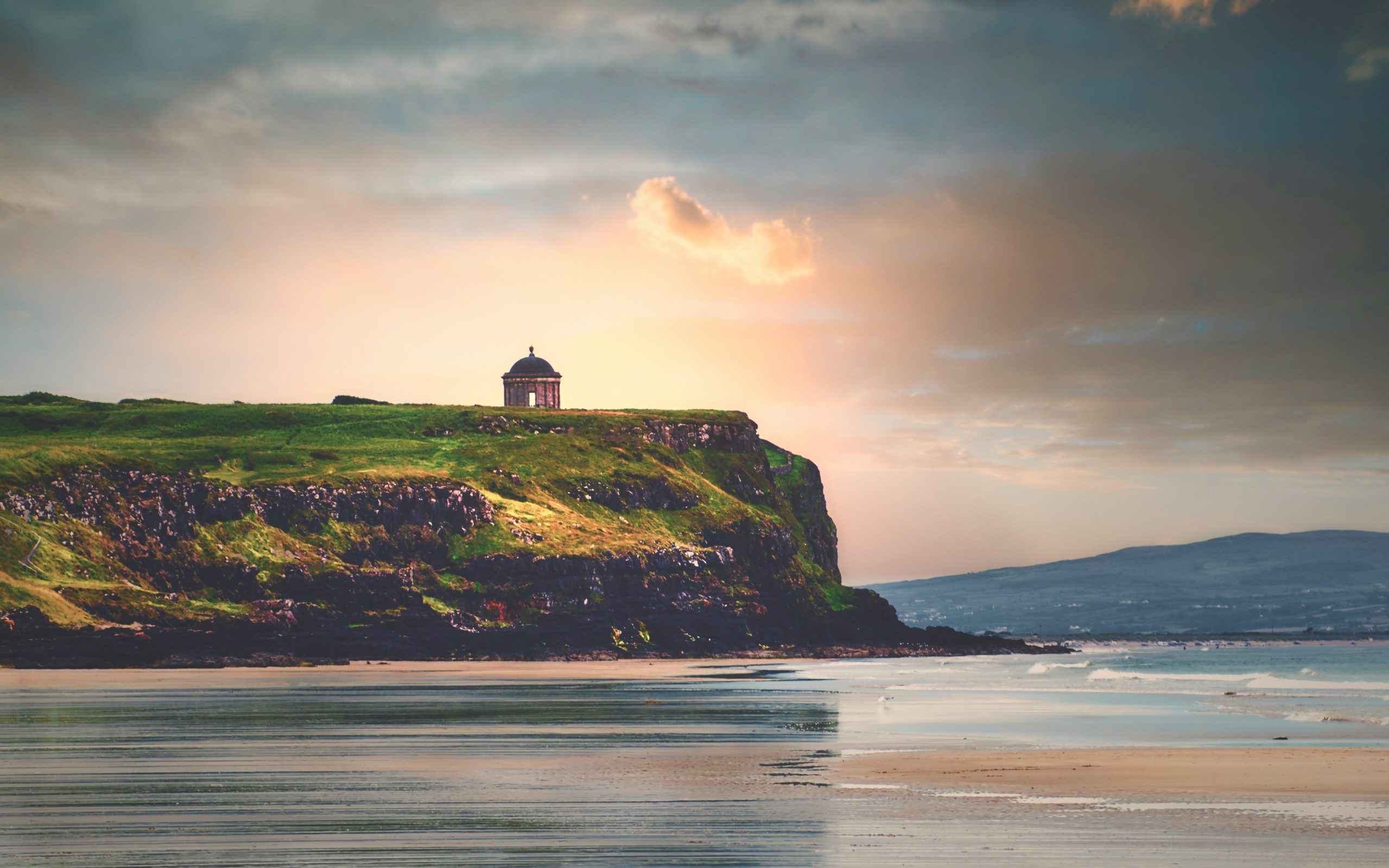
Northern Ireland is the size of Yorkshire and most of what you come for sits along one road. The Causeway Coastal Route runs from Belfast to Derry past Carrickfergus, the Glens of Antrim, a rope bridge, a whiskey distillery and the Giant's Causeway itself — 40,000 hexagonal basalt columns that the myth explains better than the geology does.

Belfast is the other half. Twenty-five years after the Good Friday Agreement it is a weekend-break city with a titanic museum, a covered market and a bar scene, and it is also a place where the recent past is visible on gable walls and behind a peace wall that still stands. Black taxi tours led by people from both communities are the honest way to understand it.

Derry has the only complete city walls in Ireland and a murals district of its own. Everything is within two hours of everything else.

Where to go

Everything is close. Belfast to the Giant's Causeway is about an hour and a half.

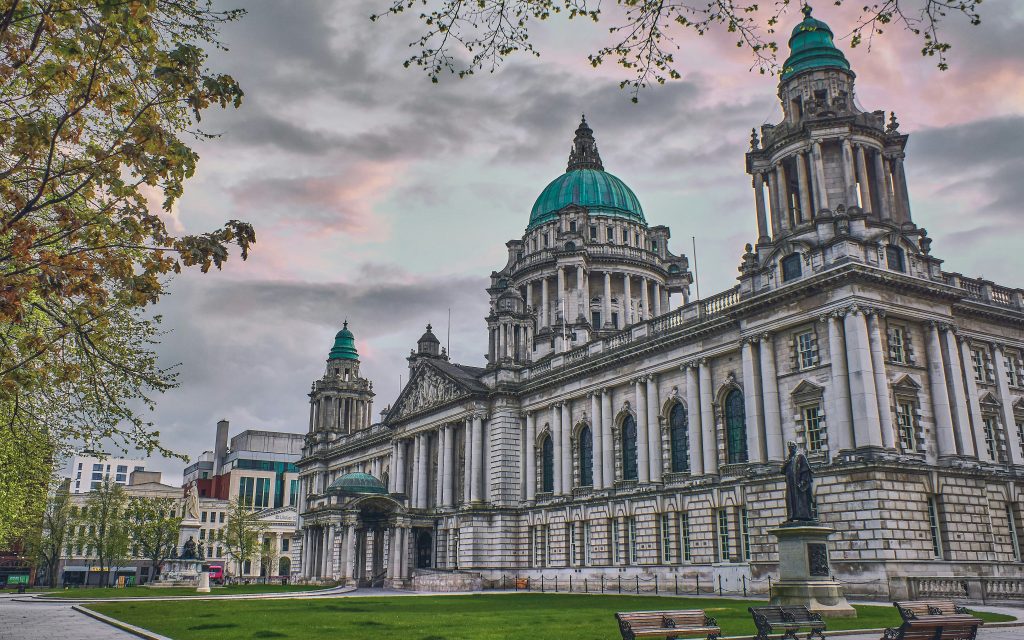
Belfast

Belfast

6 hostels · dorms from £15

Titanic museum, a covered market, black taxi tours and a bar scene that has arrived quickly.

We enjoyed Belfast. There was plenty to do, however we were only there for two days and didn’t get a chance to see everything. There’s a lot of history so make sure to do your research before had to understand lots of the living history!

A traveller, on Hostelworld
The Belfast guide
Derry

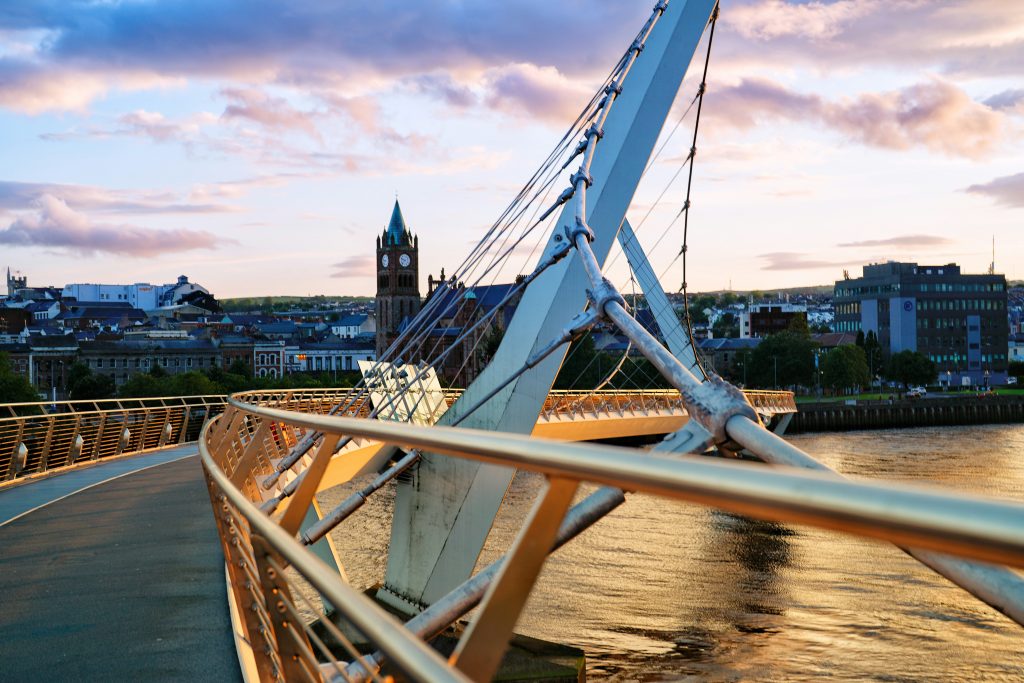
Derry

1 hostel

The only complete city walls in Ireland, a murals district and a bridge built to join two communities.

Doire (Derry) is a place that has endured and thrived in spite of colonization on every level. The language revitalization and art everywhere in the bogside and beyond will bring tears to your eyes that encompass the full range of human emotion. The people are some of the most kind, insightful, welcoming, and dedicated to liberation that I've ever met. Solidarity with Palestine is unmatched anywhere else I've experienced. The Museum of Free Derry is a must to learn about Bloody Sunday.

A traveller, on Hostelworld
The Derry guide
Portrush

Portrush

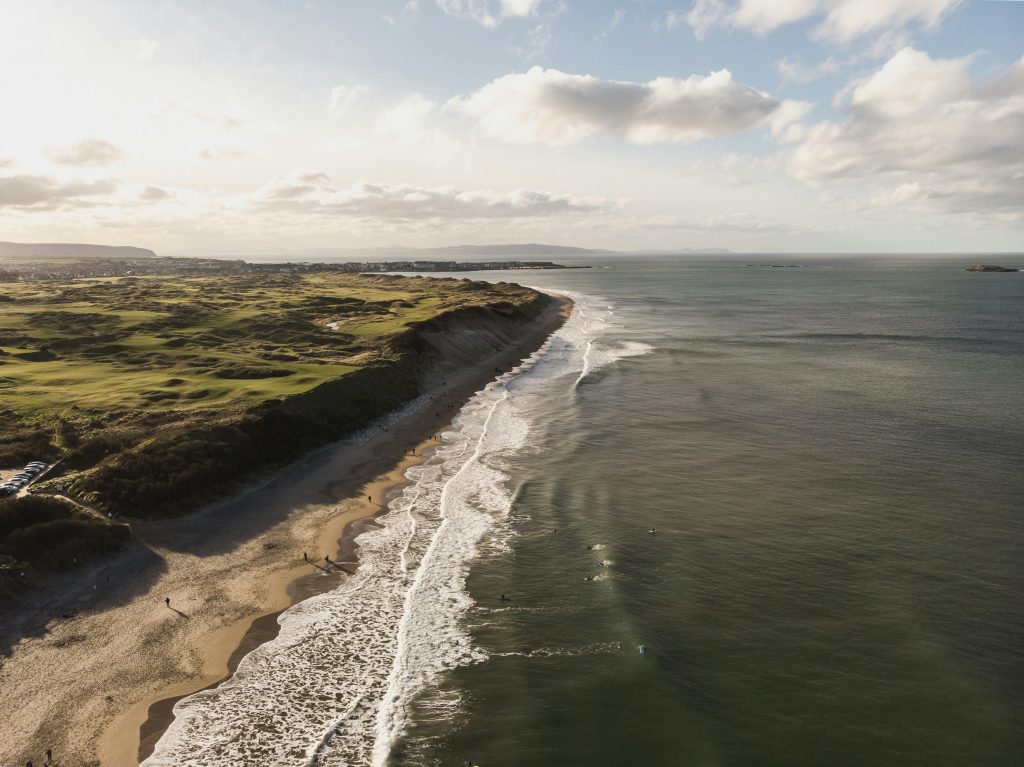
A seaside town on the north coast with beaches, surf and an Open championship golf links.

The Portrush guide

What kind of trip is this?

Northern Ireland is a coast road, a serious city and mountains in the south.

Adventure in Northern Ireland

The Mournes, the coast path and cliff walks.

What to do

  • Walk the Mourne Wall
  • Cross the Carrick-a-Rede rope bridge
  • Cliff path at the Gobbins

Spots to visit

  • Mourne Mountains
  • Causeway coast
  • Glens of Antrim

Best cities for it

Things to do

Things to do in Northern Ireland

The Causeway Coastal Route is the single best thing here and works as a long day from Belfast or, better, two. The Giant's Causeway itself is free to walk to — the visitor centre is what costs money — and the Carrick-a-Rede rope bridge, Dunluce Castle and the Dark Hedges are all on the same road.

In Belfast, the black taxi tours are the thing to do properly. Drivers from both communities take you along the Falls and Shankill roads, past the murals and the peace wall, and answer questions directly. Titanic Belfast, on the slipway where the ship was built, is the other major museum, and the Ulster Museum is free.

Derry's walls are the only complete set in Ireland and can be walked in an hour, with the Bogside murals below them. The Mournes in the south are the walking country, with a 22-mile drystone wall running across the summits.

Food and drink

Eating in Northern Ireland

The Ulster fry is the institution: a full breakfast with soda bread and potato bread on the plate, £8 to £12, and enough to see off a day on the coast.

Belfast's food scene has improved sharply, and St George's Market on Friday, Saturday and Sunday is the best of it — producers, street food and live music in a Victorian covered hall.

Seafood on the north coast is excellent and cheap, particularly around Portrush. Bushmills, the world's oldest licensed distillery, runs tours from about £15, and Belfast has a growing gin and craft beer scene.

Nightlife

Going out in Northern Ireland

Belfast's Cathedral Quarter is the night out: cobbled streets, the Duke of York with its whiskey wall, live trad and a crowd that is friendly to the point of insistence. Pints run £5 to £6, below Dublin and below London.

The Crown Liquor Saloon, a Victorian gin palace owned by the National Trust with snugs and gas lighting, is worth one drink regardless of your plans.

Derry is smaller and very sociable, with live music most nights in the city centre. Pubs across Northern Ireland close earlier than mainland Europe, most by one, so the evening starts early.

Getting around

Getting around Northern Ireland

Translink runs trains and buses, and the Belfast to Derry railway along the coast at Downhill is one of the most scenic rides in these islands. Belfast to Dublin is about two hours by train, crossing an invisible border.

For the Causeway coast, there are buses but a car makes the difference, because the point is stopping at the rope bridge, the castle and the beaches in between. Day tours from Belfast run £30 to £45 and are a reasonable alternative.

In Belfast, the centre is walkable and the Glider bus service links the east and west. Taxis are cheap and plentiful.

Costs

What Northern Ireland costs

Northern Ireland is noticeably cheaper than the Republic and than most of England. Dorms start around £18 in Belfast, a pint is £5 to £6, and a pub meal £10 to £15.

The big attractions split between free and paid: the Giant's Causeway stones, the Mournes, the beaches and the Ulster Museum cost nothing, while Titanic Belfast is around £25 and the rope bridge about £15.

Note the two currencies. Sterling is used here and euro in the Republic an hour south, and shops near the border often take both at their own rate.

Safety

Staying safe in Northern Ireland

Northern Ireland is a safe place to travel and has been for a generation. Crime against visitors is low and Belfast and Derry are comfortable at night in the central areas.

What requires awareness rather than fear is the legacy of the Troubles. Marching season around July, particularly the Twelfth, brings parades and bonfires that are peaceful in most places and tense in a few, and interface areas near peace walls are best avoided late at night. Political symbols — flags, murals, kerb paint — indicate community, and are not decoration.

Otherwise the risks are coastal and mountain: strong currents on north coast beaches, cliff edges without railings, and the Mournes producing rescue callouts in poor visibility.

Entry and documents

Entry and documents

Northern Ireland is part of the United Kingdom, outside the EU and Schengen, so time here does not count against the 90-day Schengen allowance.

Most visitors need an ETA, the Electronic Travel Authorisation, applied for online before travel, and EU citizens need a passport rather than an ID card. Check the official UK government site, because the rules have changed repeatedly.

The land border with the Republic is invisible and unchecked — you will cross it without noticing — but it is a border between two countries with different currencies and different entry rules. If you need a UK visa or ETA, you need it before crossing, even though nobody will stop you.

When to go

Mild, wet and green all year. May to September has the long evenings; July brings marching season, which is worth knowing about either way.

7°
Jan
Dark and wet. Cheapest month
7°
Feb
Still winter, and very quiet
9°
Mar
St Patrick's Day, celebrated differently across communities
12°
Apr
Spring. Coast road quiet and green
15°
May
Excellent. Long evenings and the driest stretch
17°
Jun
The best month. Light until 22:30
19°
Jul
Warmest. The Twelfth brings parades and bonfires
18°
Aug
Peak visitor season on the Causeway coast
16°
Sep
Superb value. Weather holds, crowds gone
13°
Oct
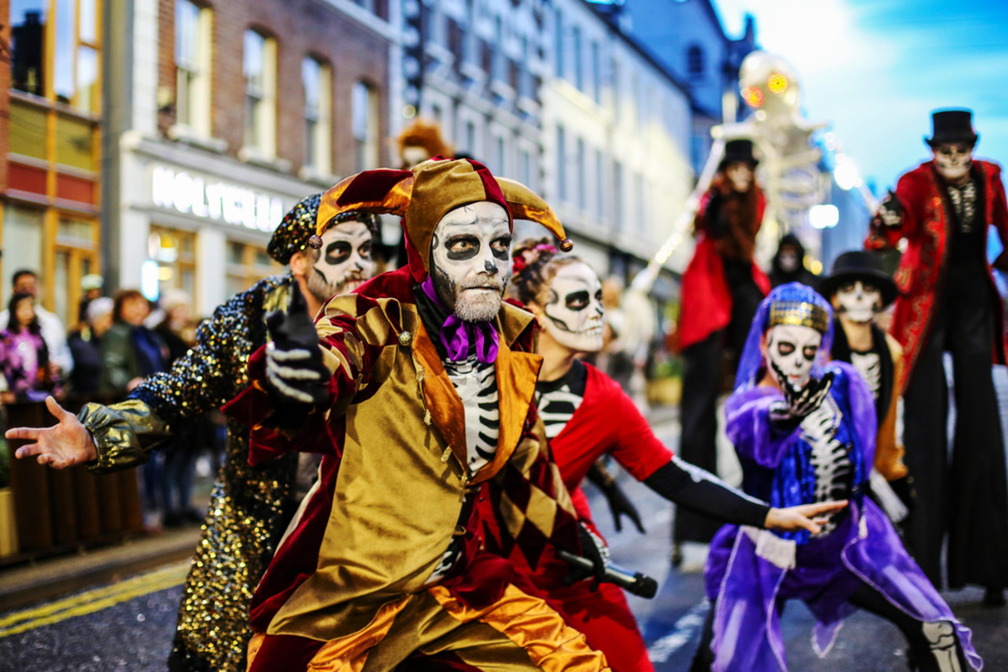
Cooling, and Derry does Europe's biggest Halloween
9°
Nov
Dark and wet. Lowest prices
7°
Dec
Belfast Christmas market at the City Hall
Bar height is temperature. Colour is how busy it gets: quiet busy peak

Average highs for Belfast. It rains in every month and the north coast is windier than the figures suggest.

What your trip will cost

Pick how you travel and how long for. Per night, for one person, in pounds.

The doing column can be zero because the Causeway stones, the Mournes, the beaches and the Ulster Museum are free. A Causeway day tour is £30–45.

—
  • Beds—
  • Food and drink—
  • Getting around—
  • Doing things—
What's on

What is on while you are there

Derry's Halloween is the largest in Europe, and the Twelfth is the date to understand before you travel in July.

Northern Ireland travel questions

The ones we get asked most.

How many days do you need in Northern Ireland?
Four days: two in Belfast and two on the Causeway coast, ideally with a night in Portrush or Bushmills rather than doing it as one long day trip. Adding Derry and the Mournes takes it to a week.
Is Northern Ireland part of Ireland or the UK?
It is part of the United Kingdom, with an invisible and unchecked land border with the Republic of Ireland. Different currency — sterling here, euro there — and different entry rules, so UK requirements apply when you cross.
Is Belfast safe to visit?
Yes, and has been for a generation. The centre is comfortable at night. Awareness rather than worry is needed around marching season in July and near interface areas late at night, and murals and flags indicate community rather than decoration.
Is the Giant's Causeway free?
The stones themselves are, and you can walk down to them. The visitor centre charges, and the National Trust car park is the expensive part — park in the village or arrive by bus if the budget matters.
Should I do a black taxi tour?
Yes. Drivers from both communities take you along the Falls and Shankill roads and answer questions directly, which is a far better way to understand the city than any museum.
Do I need a car?
For the Causeway coast, it helps a great deal, because the point is stopping at the rope bridge, Dunluce Castle and the beaches. Day tours from Belfast at £30 to £45 are the alternative, and trains cover Belfast to Derry scenically.
Does time here count towards Schengen?
No. Northern Ireland is part of the UK, which is outside the EU and Schengen. Most visitors need an ETA applied for online before travel.

Say yes to hostels, meet the world

Compare hostels across Northern Ireland — live prices, real reviews and free cancellation on most bookings. Then meet the people already there in the app.

Get the App. QRGet the App.
Get the App. QR  Get the App.
Scroll to Top