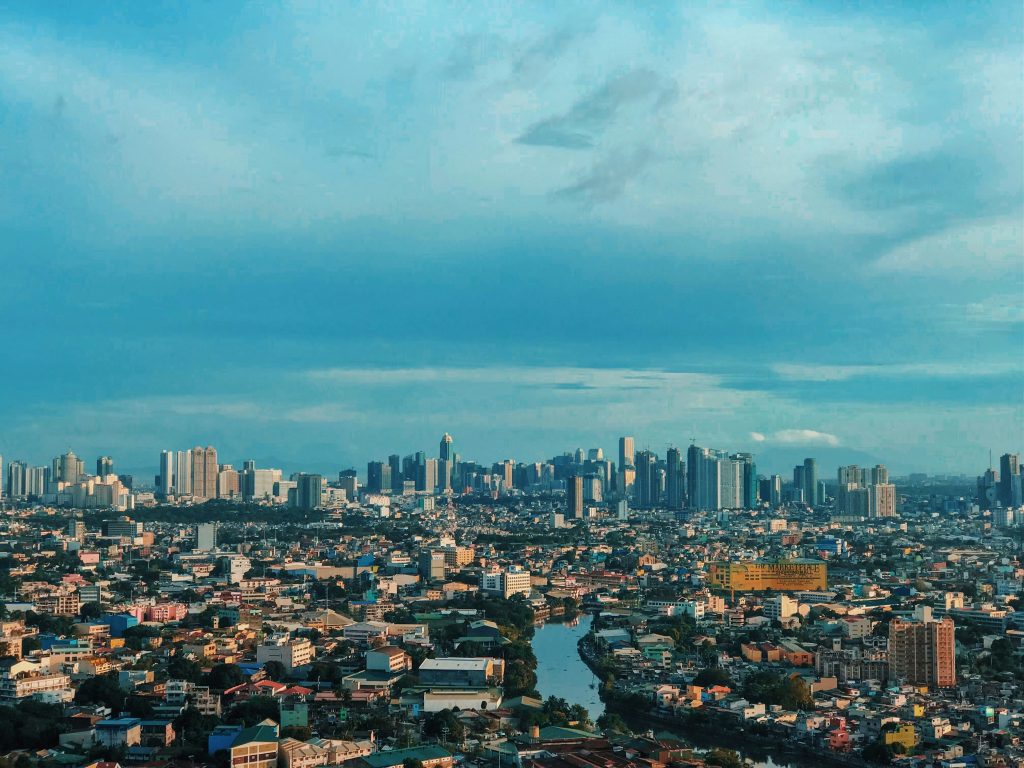
Manila
51 hostels · dorms from €12
The capital and the main flight hub. Chaotic, historic in Intramuros, and usually a transit stop.

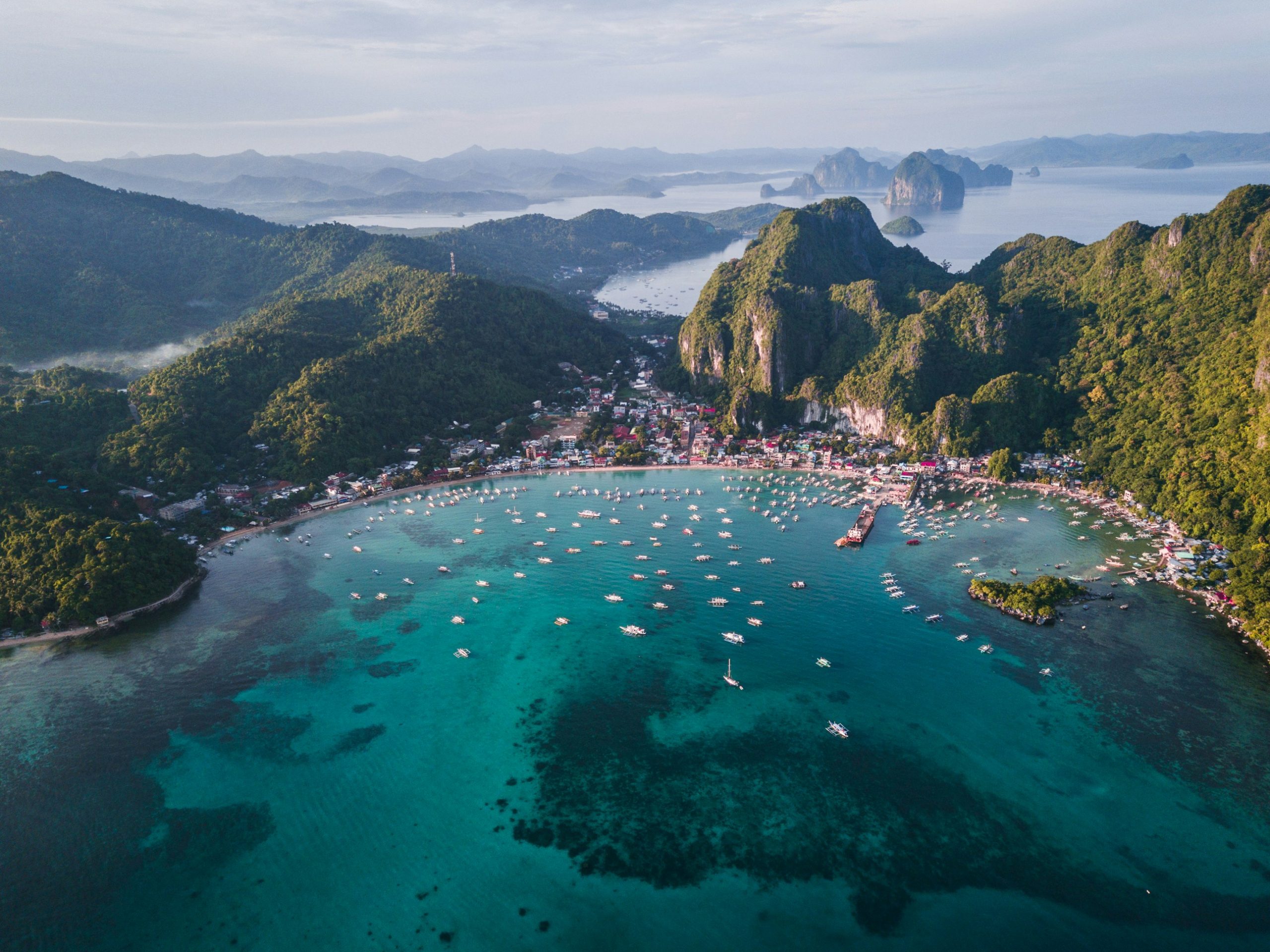
Seven thousand islands, the best island-hopping in Asia, and English spoken almost everywhere. Harder to get around than Thailand, and the payoff is beaches with nobody on them.
The Philippines has more islands than anywhere else in this guide and no efficient way to move between them, which is the whole character of a trip here. Journeys take longer than the map suggests, ferries are weather-dependent, and domestic flights through Manila or Cebu are how most people cover distance.
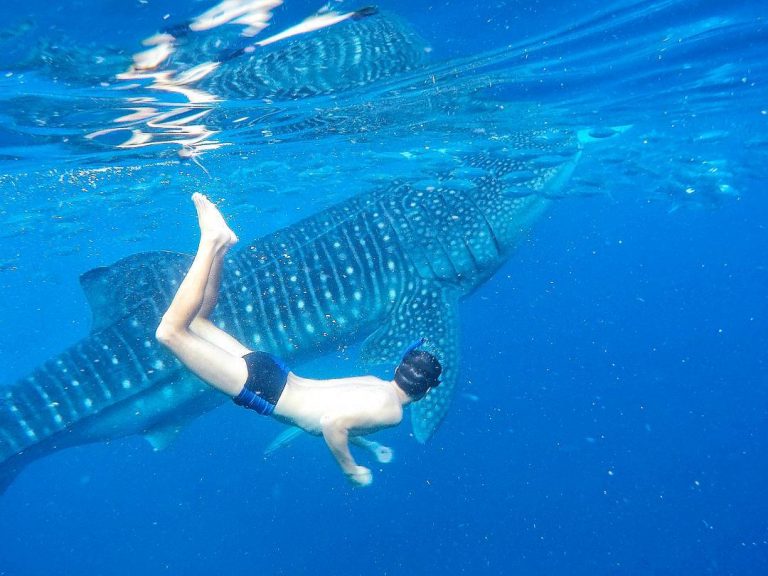
Palawan is the headline: El Nido and Coron have limestone cliffs rising out of impossibly clear water, and island-hopping tours there are among the best day trips anywhere. Siargao has the surf and has become the country's backpacker centre. Cebu and Bohol have waterfalls, whale sharks and diving, and Banaue in northern Luzon has 2,000-year-old rice terraces carved into mountains.
English is an official language and spoken almost universally, which makes the Philippines one of the easiest countries in Asia to travel independently once you accept that everything takes longer than planned.
Domestic flights through Manila or Cebu do the long legs; ferries and vans the rest.
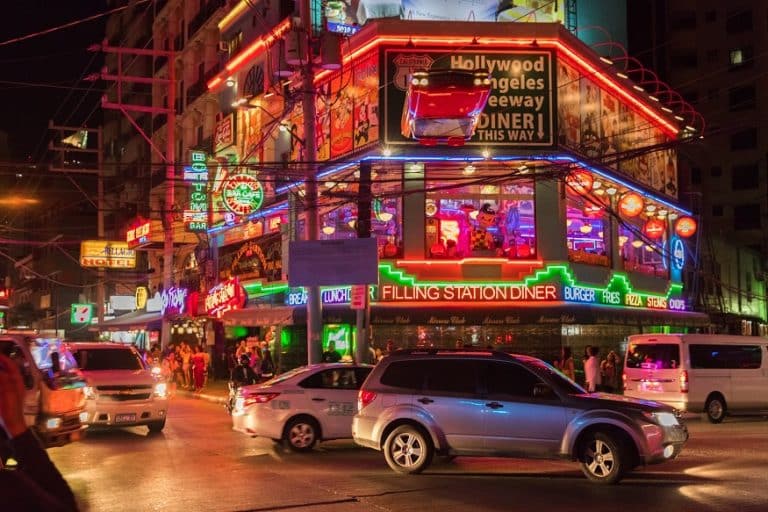
The capital and the main flight hub. Chaotic, historic in Intramuros, and usually a transit stop.
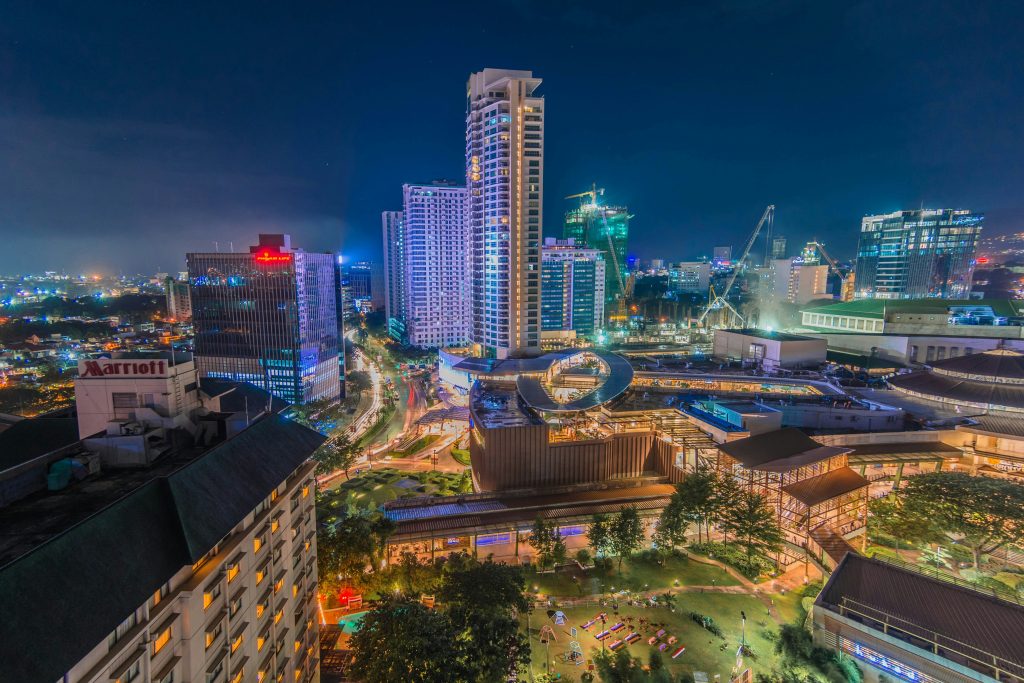
The second city and the other flight hub, with waterfalls, canyoneering and diving nearby.
Great vibe, good taxis, great ART scene, U of P Cebu art and artists incredible, great food, music festivals, raves, cultural events
A traveller, on Hostelworld
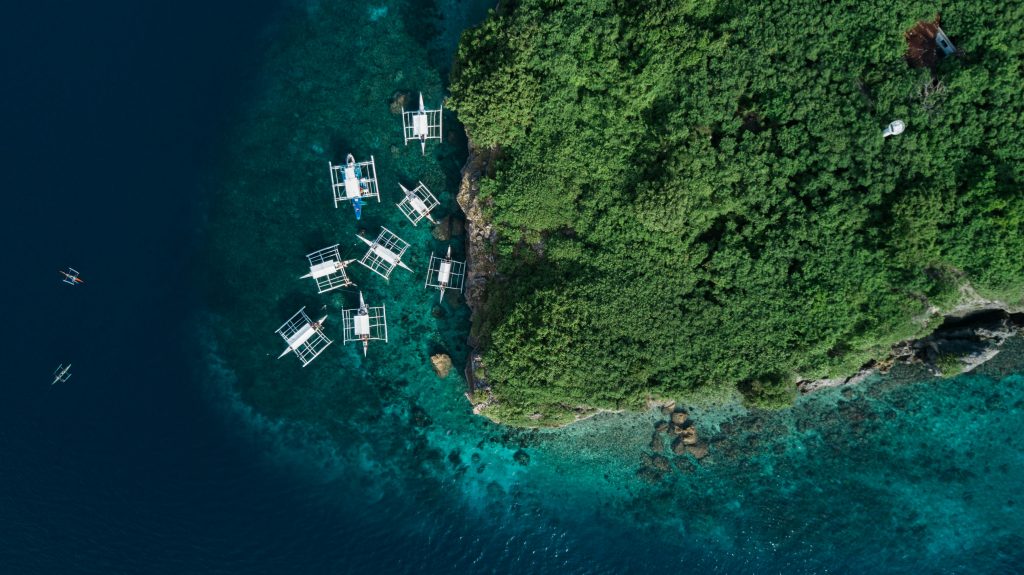
Cebu's west coast: a sardine run you can snorkel from the beach, turtles, and canyoneering at Kawasan falls.
Moalboal is fantastic! There are so so many tourists (especially Brits!) Because of this but honestly where else in the world can you put your head in the sea and see a Sea Turtle just chilling about! The coral reef is amazing and the sardines are so cool! I rented a scooter as well which was super fun and the beaches are nice, all round brilliant.
A traveller, on Hostelworld
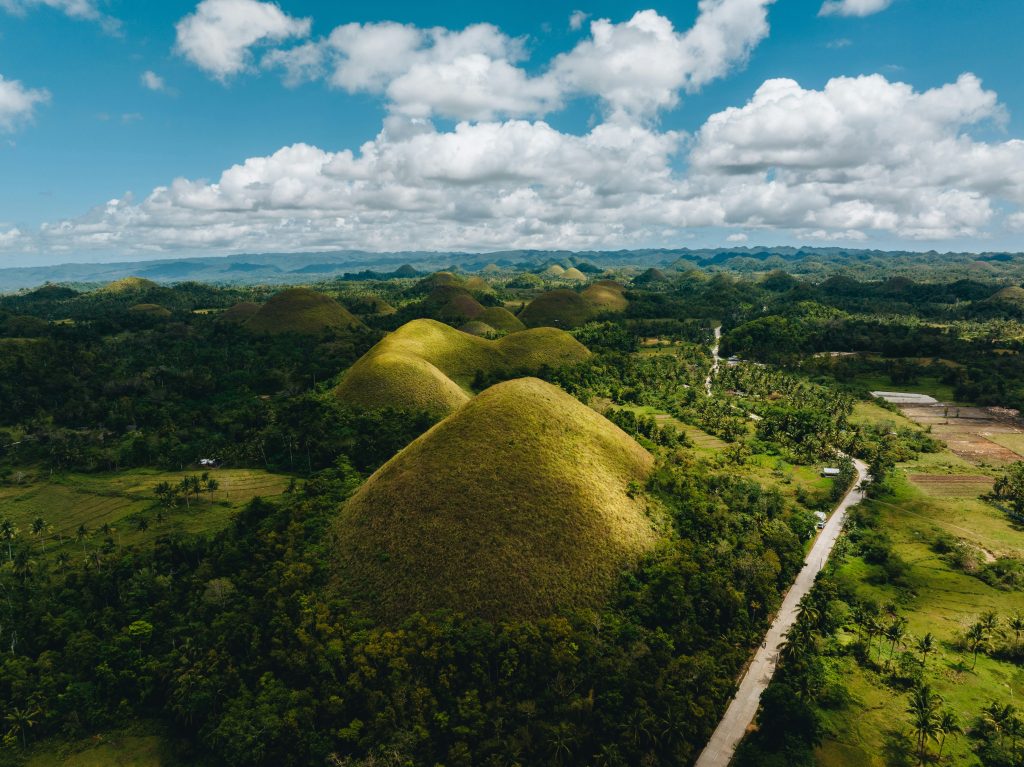
The Chocolate Hills, tarsiers, and beaches on Panglao next door.
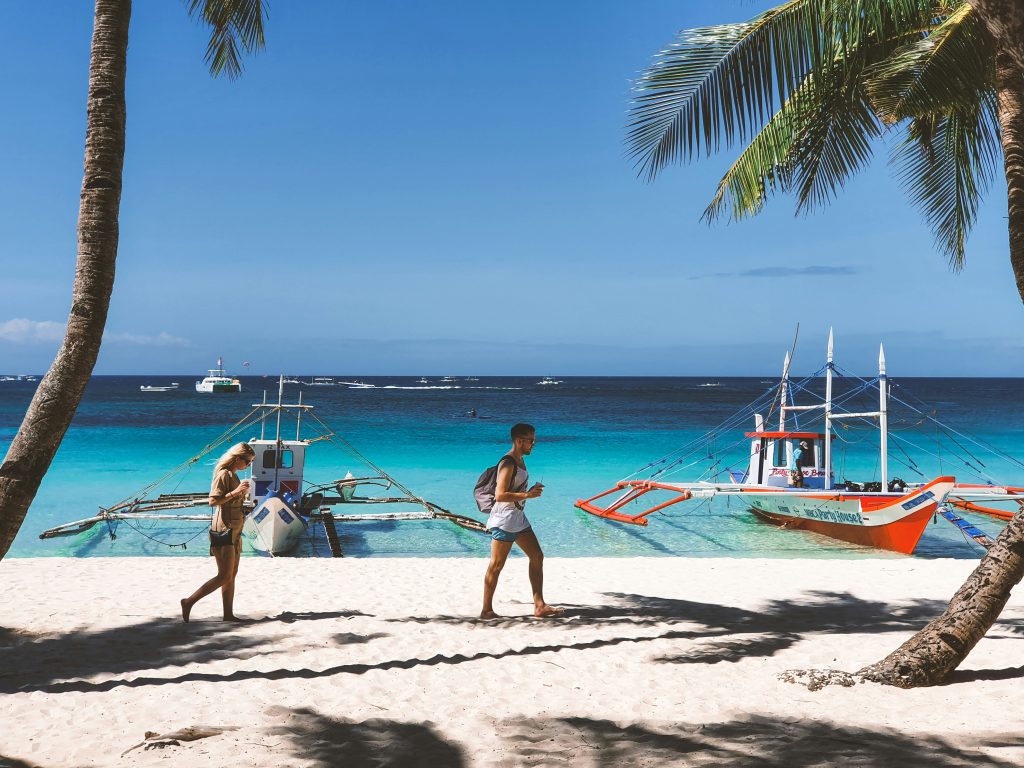
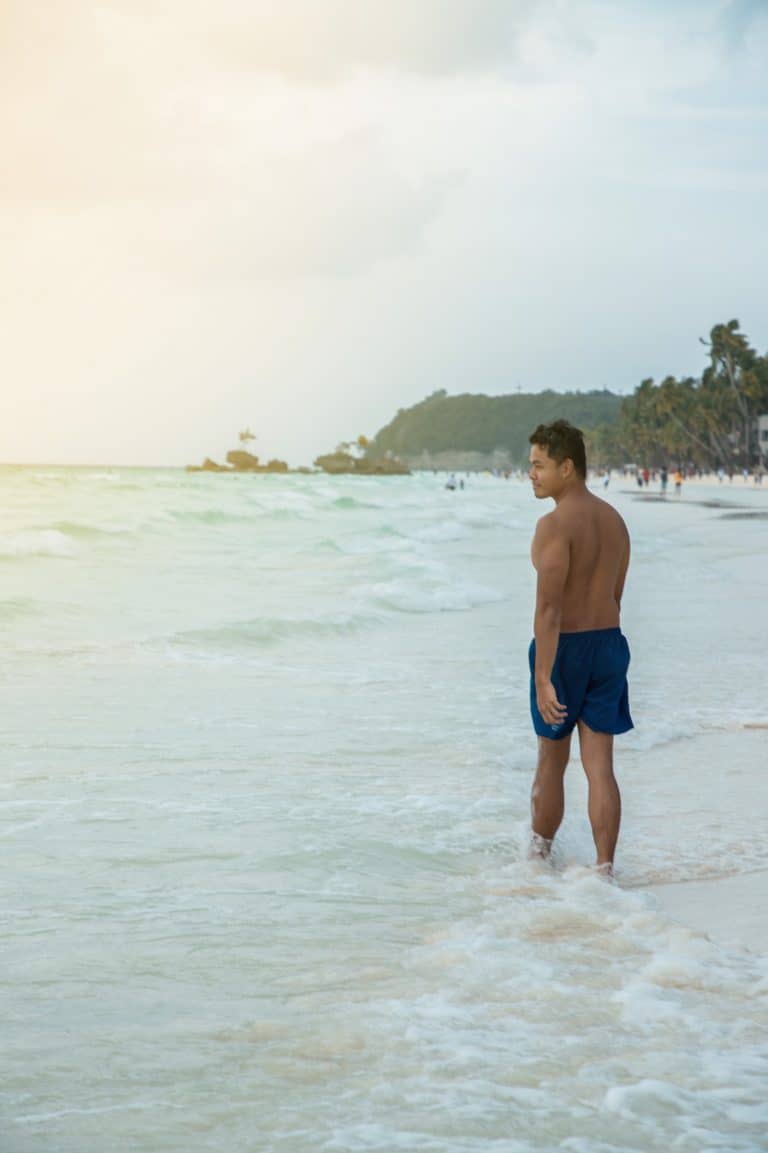
Four kilometres of white sand, closed in 2018 for a clean-up and reopened with rules. Still the best beach in the country.
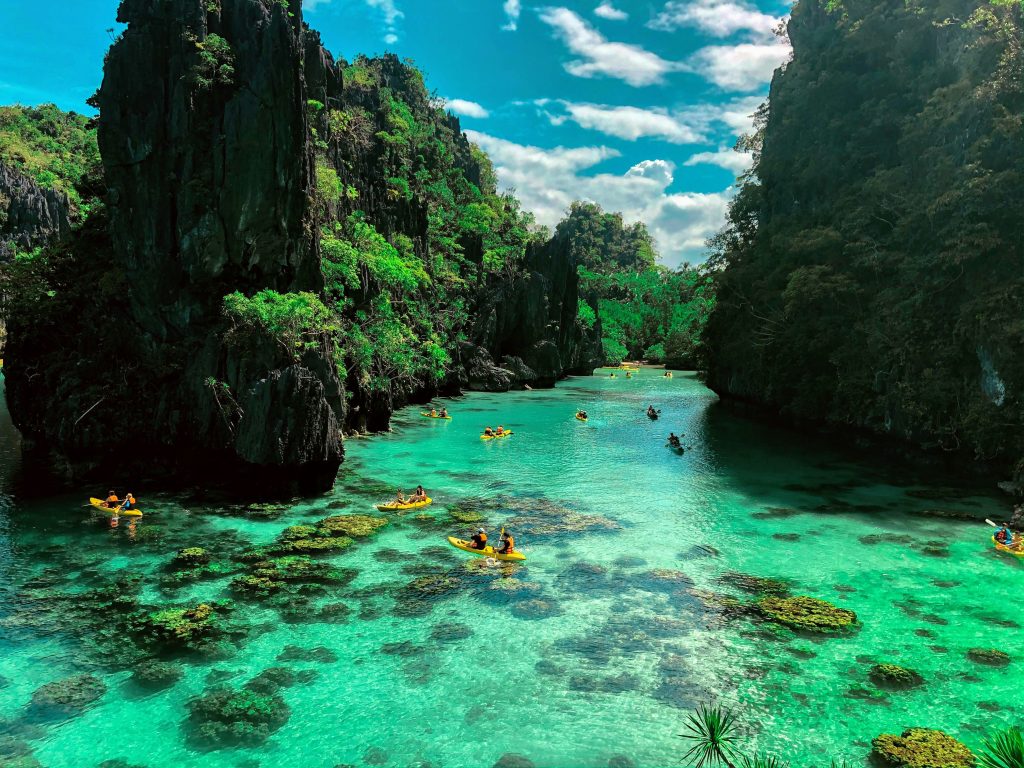
Northern Palawan: limestone cliffs, lagoons and the best island-hopping day trips in Asia.
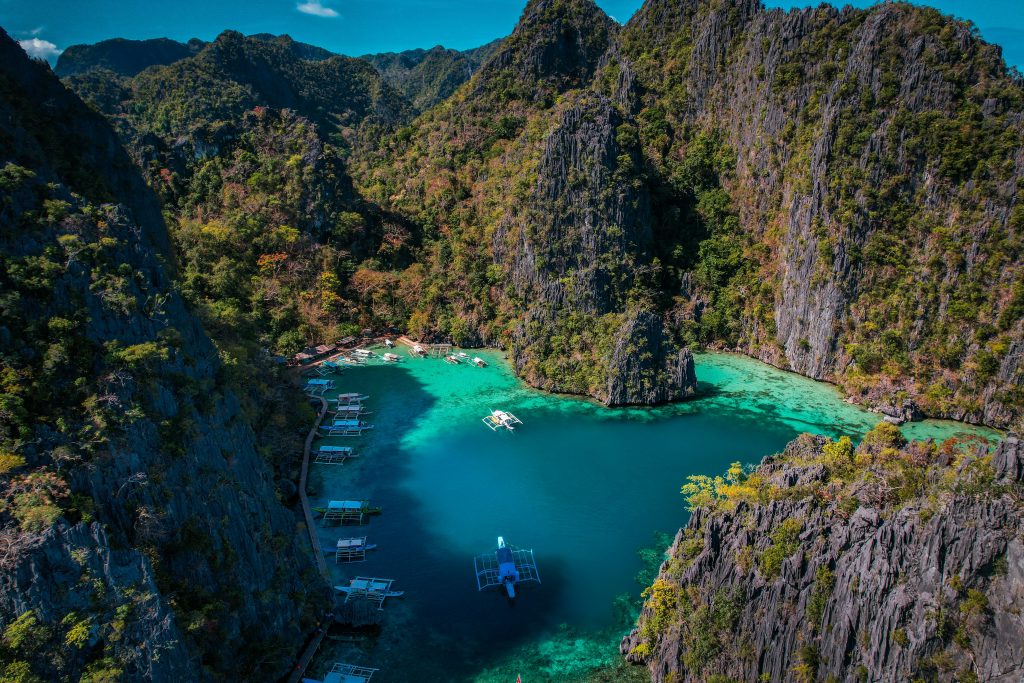
Also Palawan: wreck diving on a sunken Japanese fleet, and lakes inside limestone walls.
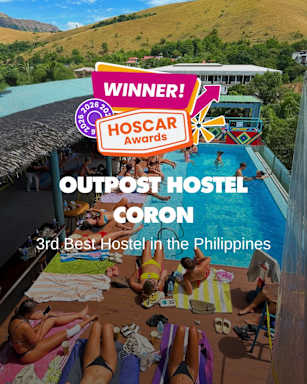
Coron is an amazing destination with breathtaking landscapes, crystal-clear waters, and unforgettable island-hopping tours. The town has a relaxed atmosphere, friendly locals, and plenty of restaurants, cafés, and travel services. Whether you're looking for adventure, nature, or simply beautiful views, Coron has it all. Definitely one of my favorite places in the Philippines!
A traveller, on Hostelworld
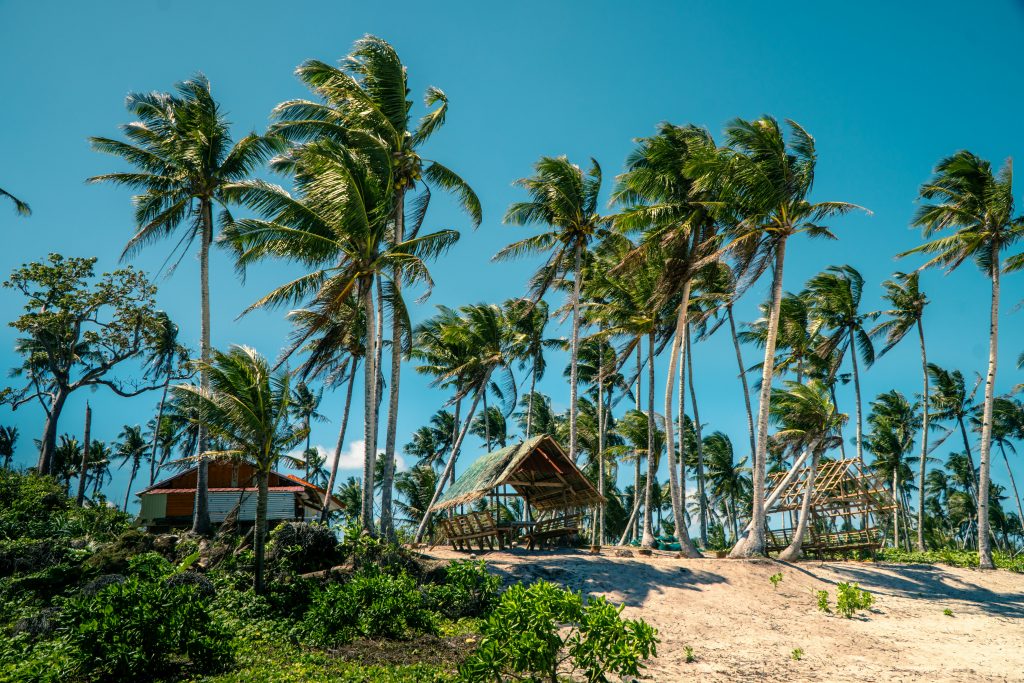
The surf island and the country's backpacker centre, with lagoons and rock pools alongside.
The Philippines is a beach and water country above everything else.
Seven thousand islands, and the best island-hopping in Asia.
Surf, canyoneering, caves and volcanoes.
Carinderias, lechon and a sweet-sour palate all its own.
Cheap once you are still, less so when moving.
Spanish colonial towns and 2,000-year-old rice terraces.
Island bars, karaoke everywhere, and a very social culture.
El Nido's island-hopping tours are the country's signature: four standard routes labelled A to D, around €25 to €35 including lunch, taking you between lagoons, limestone walls and beaches. Tour A is the classic; going early or choosing a private boat avoids the worst of the crowding.
Coron's draw is underwater — a Japanese fleet sunk in 1944 sits in shallow enough water that some wrecks are snorkellable, and the rest are among the best wreck dives in the world.
Siargao is the surf island and now the place people extend their stay. Beyond the waves there are rock pools, mangroves and island trips, and a hostel scene that has grown quickly.
In Luzon, the Banaue and Batad rice terraces were carved into the mountains around two thousand years ago and are best reached on an overnight bus from Manila.
Filipino food is distinct from the rest of southeast Asia — less chilli, more vinegar, soy and citrus. Adobo, meat braised in vinegar and soy, is the national dish, sinigang is a sour tamarind soup, and lechon, whole roast pig, is the centrepiece of every celebration and best in Cebu.
Carinderias are the budget option: small eateries with trays of cooked dishes where you point at two or three and pay €1.50 to €3.
Halo-halo is the dessert — shaved ice, evaporated milk, beans, jelly and purple yam, and better than that description suggests. Street barbecue on skewers costs a few pesos a stick and is everywhere after dark.
Nightlife here is island bars and karaoke rather than clubs. Siargao has the liveliest scene — beach bars, live music and a young international crowd — and El Nido has sunset bars along the beachfront.
Karaoke is a national institution rather than a novelty, sung enthusiastically and seriously in bars, homes and roadside huts, and joining in goes down much better than watching.
Local beer is around €1 to €1.50, rum is cheaper still, and the social culture is warm and inclusive to an unusual degree — being invited to join a table is normal rather than remarkable.
This is the hard part and it shapes every itinerary. There is no rail network to speak of, so movement means domestic flights, ferries and vans, and most flights route through Manila or Cebu even when that means flying backwards.
Cebu Pacific, Philippine Airlines and AirAsia cover the domestic network cheaply, and booking ahead matters. Ferries — 2GO and the fast craft operators — link the bigger islands, and they are cancelled in bad weather, which happens often in typhoon season.
Locally, jeepneys and tricycles do short distances for pennies, and Grab works in Manila and Cebu. Build slack into the plan: a missed ferry or a cancelled flight will happen at some point on a three-week trip.
Being still is cheap; moving is not. Dorms start around €9, a carinderia meal is €1.50 to €3, and a local beer is about a euro.
The costs that add up are transport and tours: domestic flights at €30 to €80, island-hopping tours at €25 to €35 a day, environmental and terminal fees charged separately almost everywhere, and diving at €30 to €45 a dive.
Budget €30 to €45 a day for a moving trip, less if you settle in one place for a while, which the Philippines rewards more than most countries — Siargao and El Nido are full of people who came for four days.
Most of the country is safe for travellers and the welcome is genuinely warm. Ordinary caution applies in Manila, particularly around Ermita and Malate at night, and petty theft happens on ferries and in crowded terminals.
The natural risks are the significant ones. Typhoon season runs roughly June to November, and typhoons cancel flights and ferries and occasionally strand people for days — travel insurance covering disruption is not optional. The country also sits on the Ring of Fire, with active volcanoes and earthquakes.
Government travel advice restricts parts of the far south, notably western Mindanao and the Sulu archipelago, and those restrictions can affect insurance validity. They do not apply to Siargao, Cebu, Bohol or Palawan, which is where almost all travellers go.
Most Western nationalities enter visa-free for 30 days, extendable in country, and the rules have been adjusted several times — check the official Philippine immigration position before booking.
Passports need six months' validity from entry, and proof of onward travel is genuinely enforced here: airlines routinely refuse boarding without an onward ticket, more consistently than in most countries.
There is also an eTravel registration to complete online shortly before arrival, and departure taxes are usually included in ticket prices but occasionally charged separately at smaller airports.
December to May is the dry season and the right answer. Typhoon season runs roughly June to November and affects flights, ferries and whole itineraries.
Average highs for Manila. The archipelago is large enough that weather varies by island — Siargao surfs best in the wet months, while Palawan is at its best from December to May.
Pick how you travel and how long for. Per night, for one person, in euro equivalents of pesos.
Transport runs high because domestic flights and ferries do the work. Island-hopping tours at €25–35 a day sit in the doing column.
Christmas here starts in September and is taken more seriously than anywhere.
 Staff pick
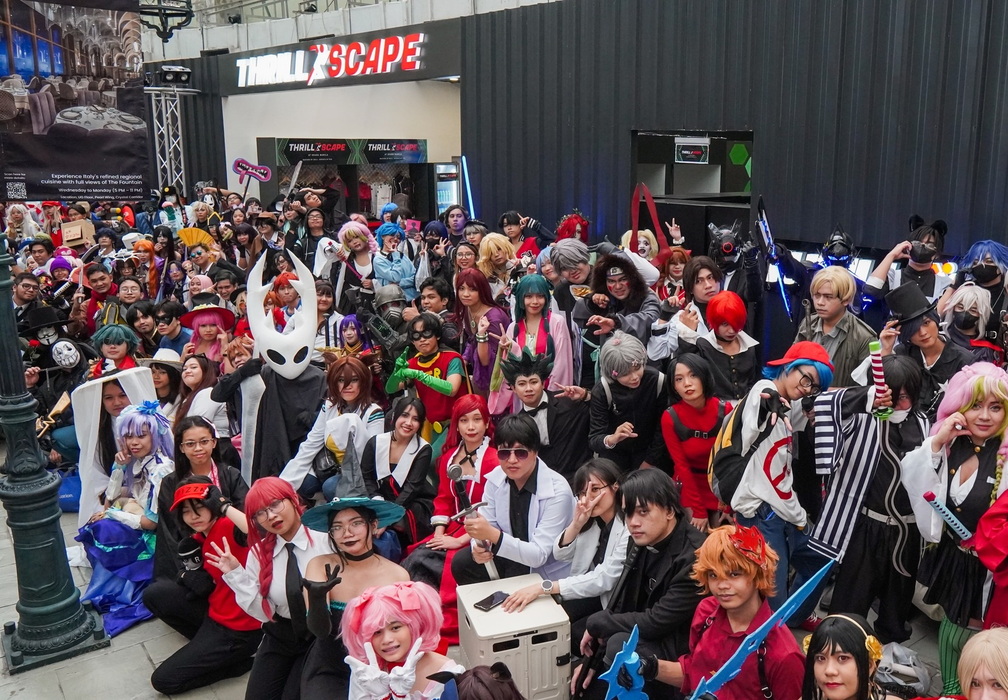
CosMeet is a lively annual gathering in Philippines, uniting fans of anime, J-pop, and pop culture. Attendees can explore over 100 artist and exhibitor…
 Staff pick
The Midnight Run Asia – Cebu by HOKA invites runners to experience Cebu City, Philippines, in a unique nighttime setting, racing through its bustling…
 Staff pick
Rock 'n' Roll Manila brings the excitement of a global running series to the heart of Manila, Philippines, blending the thrill of a marathon…
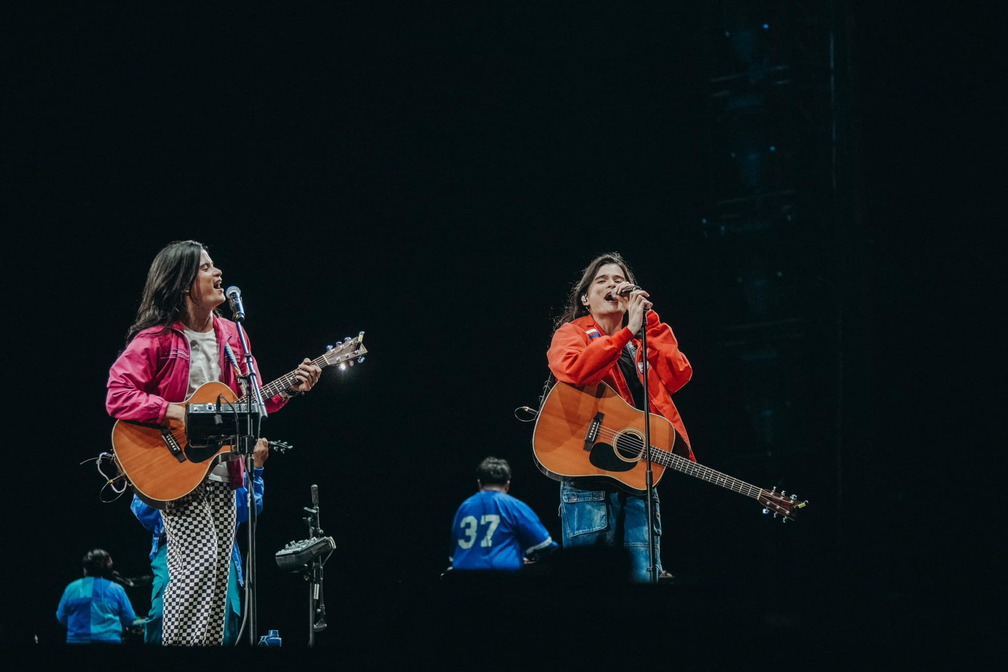
Saranggola: The Concert celebrates Ben&Ben's nine years of music and friendship, featuring songs from their three major eras. You'll hear beloved hits like Saranggola,…

Cosplay Mania 2026 brings Gavis Bettel of HOLOSTARS English -TEMPUS- to Manila for a Meet & Greet that fans won't want to miss. Known…
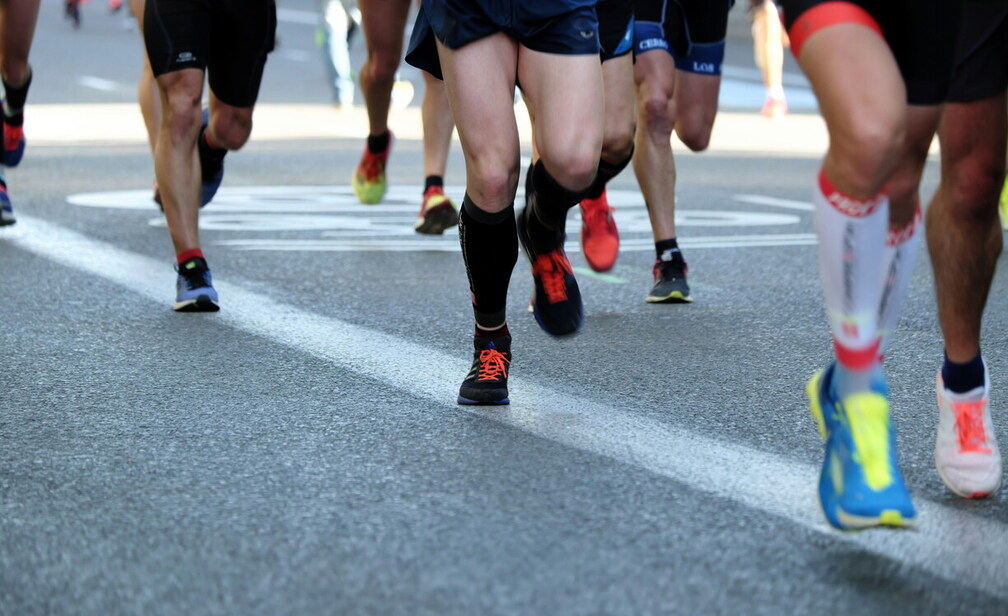
Filipino runners and Pokémon fans gather at SM Mall of Asia for a 5KM fun run celebrating the franchise's 30th anniversary. The course transforms…

Fans of Louis Tomlinson will find a night filled with heartfelt indie-pop and fan favorites from his solo career. The concert highlights songs from…

American pop-rock duo LANY brings their Soft World Tour to Cebu for a two-night run at SM Seaside Cebu Arena. The tour supports their…
The highest-rated hostels in the country, live from Hostelworld. Siargao, El Nido and Coron have the best backpacker scenes; Manila is mostly a transit stop.
The ones we get asked most.

Compare hostels across the Philippines — live prices, real reviews and free cancellation on most bookings. Then meet the people already there in the app.

 Get the App.


 Get the App.