Tashkent
31 hostels · dorms from €11
The capital: a marble metro, Soviet architecture, the country's best food scene and all the transport links.

Silk Road cities of blue-tiled domes and madrasas, a high-speed train linking them, and visa-free entry for most of Europe since 2019. The most accessible country in Central Asia.
Uzbekistan spent most of the twentieth century closed and much of the last decade opening. Visa-free entry for most European, British and many other passports arrived in 2019, and a high-speed rail line now connects the three Silk Road cities, which has turned a difficult trip into a straightforward one.
Samarkand is the headline: the Registan, three madrasas facing a square, tiled in blue and gold and lit at night, is among the great architectural set pieces anywhere. Bukhara is smaller, older-feeling and more intact as a living old town. Khiva is a walled city so complete it can feel like a museum, which is either the appeal or the drawback.
Tashkent, the capital, is Soviet planning with a metro of marble and chandeliers, and it is where most trips start. Ten days covers all four comfortably.
The Afrosiyob high-speed train links Tashkent, Samarkand and Bukhara. Khiva is further west.
The capital: a marble metro, Soviet architecture, the country's best food scene and all the transport links.
The Registan, Shah-i-Zinda's tiled mausoleums, and 2,500 years of history on the Silk Road.
A more intact old town: minarets, trading domes, a working medieval centre rather than a monument.
A completely walled city, preserved end to end, best seen at dawn or after the day groups leave.
The Savitsky Museum, which holds a vast collection of banned Soviet avant-garde art in the desert.
Uzbekistan is a history and architecture trip, with desert and food alongside.
The best Islamic architecture between Istanbul and Delhi.
Plov, bread and melons, and a serious tea culture.
One of the cheapest countries reachable from Europe.
Desert yurt camps and the mountains east of Tashkent.
Tashkent or Samarkand over a long weekend.
Limited outside Tashkent, and that is the norm here.
The Registan in Samarkand is the single image of Central Asia — three madrasas around a square, tiled in blue, best at sunset and again when lit at night. Nearby, Shah-i-Zinda is a narrow corridor of mausoleums covered in tilework that many visitors find more affecting than the Registan itself.
Bukhara is the one people tend to prefer on reflection: a smaller old town where the monuments sit among working shops and houses rather than being separated from them. The Kalyan minaret, the trading domes and the Ark fortress are all within a short walk.
Khiva is a walled city preserved in full. Stay overnight inside the walls, because between about ten and four it belongs to tour groups and at dawn it belongs to you. Further out, the Savitsky Museum in Nukus holds thousands of Soviet avant-garde works that were banned elsewhere and hidden in the desert.
Plov is the national dish and a genuine institution: rice cooked with lamb, carrot and cumin in enormous cauldrons, with each region claiming its own version. Plov centres in Tashkent cook hundreds of portions at a time and sell out by early afternoon. A plate is €2 to €4.
Non, the round tandoor bread, is on every table and is treated with respect — never place it upside down. Shashlik skewers, samsa pastries baked on the tandoor wall, and lagman noodle soup fill out the rest.
Bazaars are the place to eat and shop: Chorsu in Tashkent and Siyob in Samarkand sell melons, dried fruit, nuts and spices, and the melons in particular are a national point of pride.
Nightlife is modest and concentrated in Tashkent, which has bars, restaurants and a growing café scene. Elsewhere, evenings are dinner, tea and a walk around a lit monument, which in Samarkand and Bukhara is genuinely a good way to spend one.
Alcohol is available and inexpensive — this is a secular state with a Muslim-majority population — and local beer and brandy are both cheap. Vodka remains widespread from the Soviet period.
Chaikhanas, traditional teahouses, are the social institution rather than bars, and an evening spent in one with a pot of green tea is closer to how the country actually socialises.
The Afrosiyob high-speed train is the backbone: Tashkent to Samarkand in about two hours and Bukhara in three and a half, for €10 to €20. Tickets sell out days ahead in season and are bought online or at stations with your passport.
Khiva is further and usually reached by a longer train to Urgench, an overnight service, or a domestic flight from Tashkent.
Shared taxis run between all cities, leave when full and cost a little more than the train while being considerably faster on routes the rail does not serve. In Tashkent, the metro is worth riding purely for the stations, which are marble, mosaiced and chandeliered, and Yandex Go handles taxis.
Uzbekistan is very cheap. Dorms start around €8, plov is €2 to €4, the high-speed train is €10 to €20, and museum entries are a couple of euros.
A comfortable day is €20 to €35, which makes it one of the best value destinations reachable from Europe on a direct flight.
The som has a lot of zeros and the largest note is still modest in value, so expect to carry bundles. Card acceptance has improved in cities but cash is king outside them, and changing euros or dollars at a bank gives a fair rate — avoid anyone offering to change money on the street.
Uzbekistan is safe for travellers, with low crime and a strong tradition of hospitality towards guests. Solo travellers, including women, generally report very positive experiences.
The practical points are bureaucratic rather than dangerous. You are required to be registered for each night of your stay, which hotels and hostels do automatically — keep the small slips they give you, as they can be requested on departure, particularly if you have stayed in private accommodation.
Otherwise: summer heat in Samarkand and Bukhara reaches 40°C with no shade among the monuments, tap water should be avoided, and police presence is visible without being a problem for visitors. Photographing metro stations was once banned and is now permitted, but military sites still are not.
Uzbekistan has offered 30-day visa-free entry to most European, British, Australian and many other passports since 2019, and the list has kept expanding. US citizens have been visa-free for 30 days since 1 January 2026. Check the official position for your nationality before booking.
Passports need three to six months' validity depending on nationality.
The registration requirement is the thing that catches people out: you must be registered for each night. Hotels and hostels do this automatically and give you a slip. If you stay with friends or in unregistered accommodation, registration becomes your responsibility.
Spring and autumn, without much argument. Summer in the desert cities reaches 40°C with no shade, and winter is genuinely cold.
Average highs for Samarkand. The desert cities are extreme in both directions, and there is very little shade around the monuments, which makes April, May, September and October the sensible months.
Pick how you travel and how long for. Per night, for one person, in euro equivalents of som.
The Afrosiyob train between cities is €10–20 a leg. Monument entries are a couple of euros each.
Navruz in March is the big one, and it predates every religion currently practised here.
Persian new year, marking spring. Public holiday, street food, music and sumalak cooked overnight.
Craft, music and textile festival in the old town.
An international music festival held in the Registan itself.
Uzbek melons are a national point of pride and the bazaars fill with them.
Concerts and celebrations in the capital.
Public holidays with family gatherings, and quieter streets.
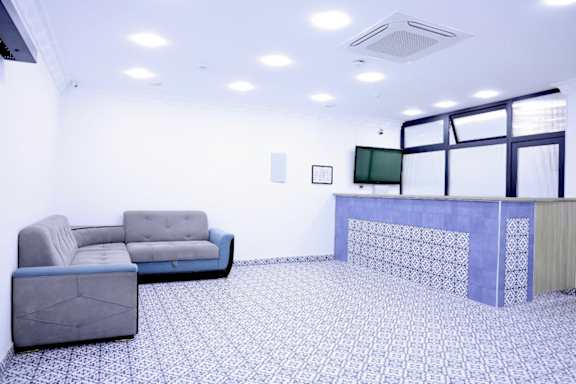
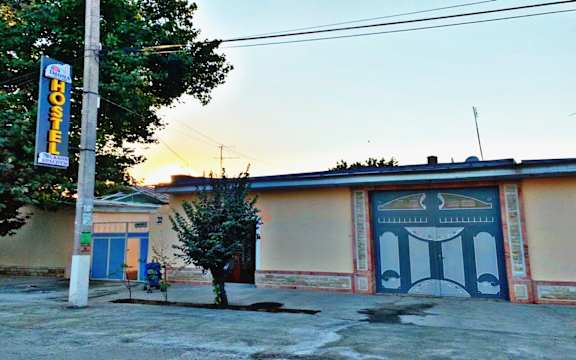
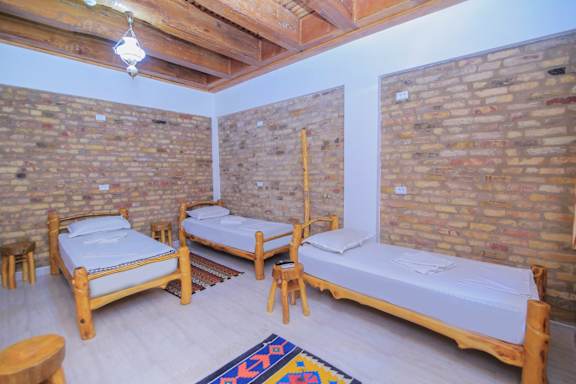
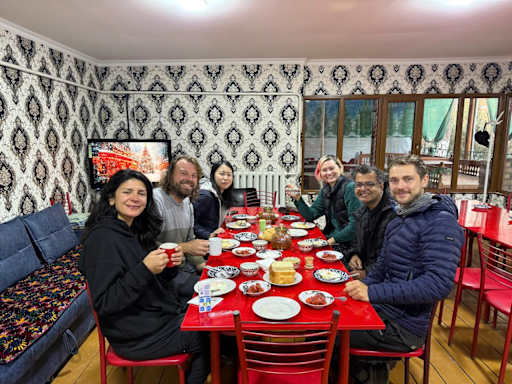
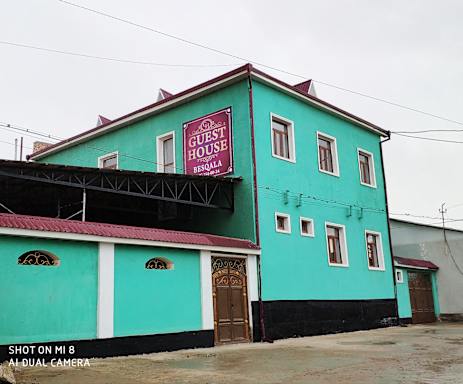
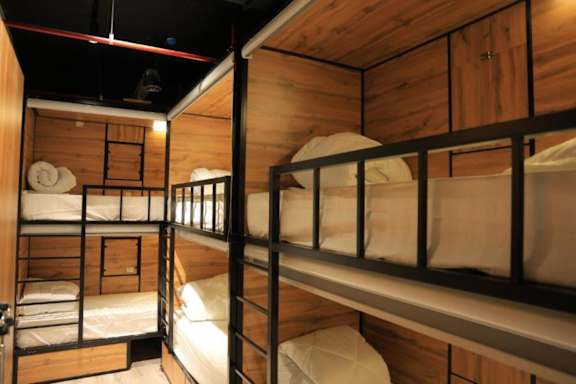
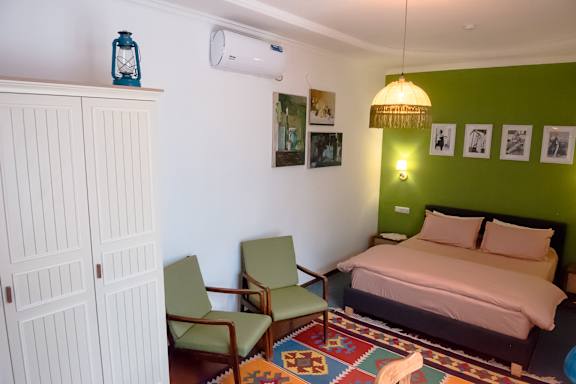
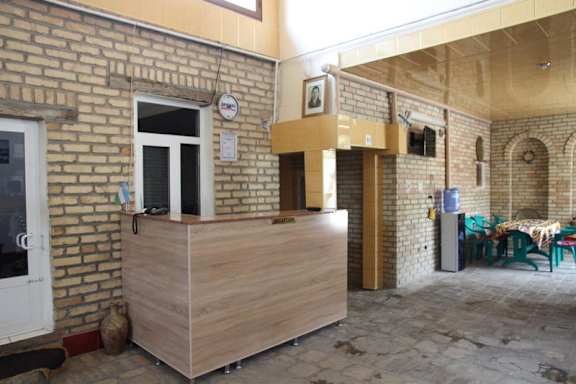
The highest-rated hostels in the country, live from Hostelworld. Tashkent, Samarkand and Bukhara have the most, often in restored merchant houses.
 Sustainable
 Sustainable
 Sustainable
 Sustainable
 Sustainable
 Sustainable
The ones we get asked most.

Compare hostels across Uzbekistan — live prices, real reviews and free cancellation on most bookings. Then meet the people already there in the app.

 Get the App.
 Get the App.