Old town
First-timersGuesthouses in old merchants' houses around Lyabi-Hauz, a short walk from every sight.

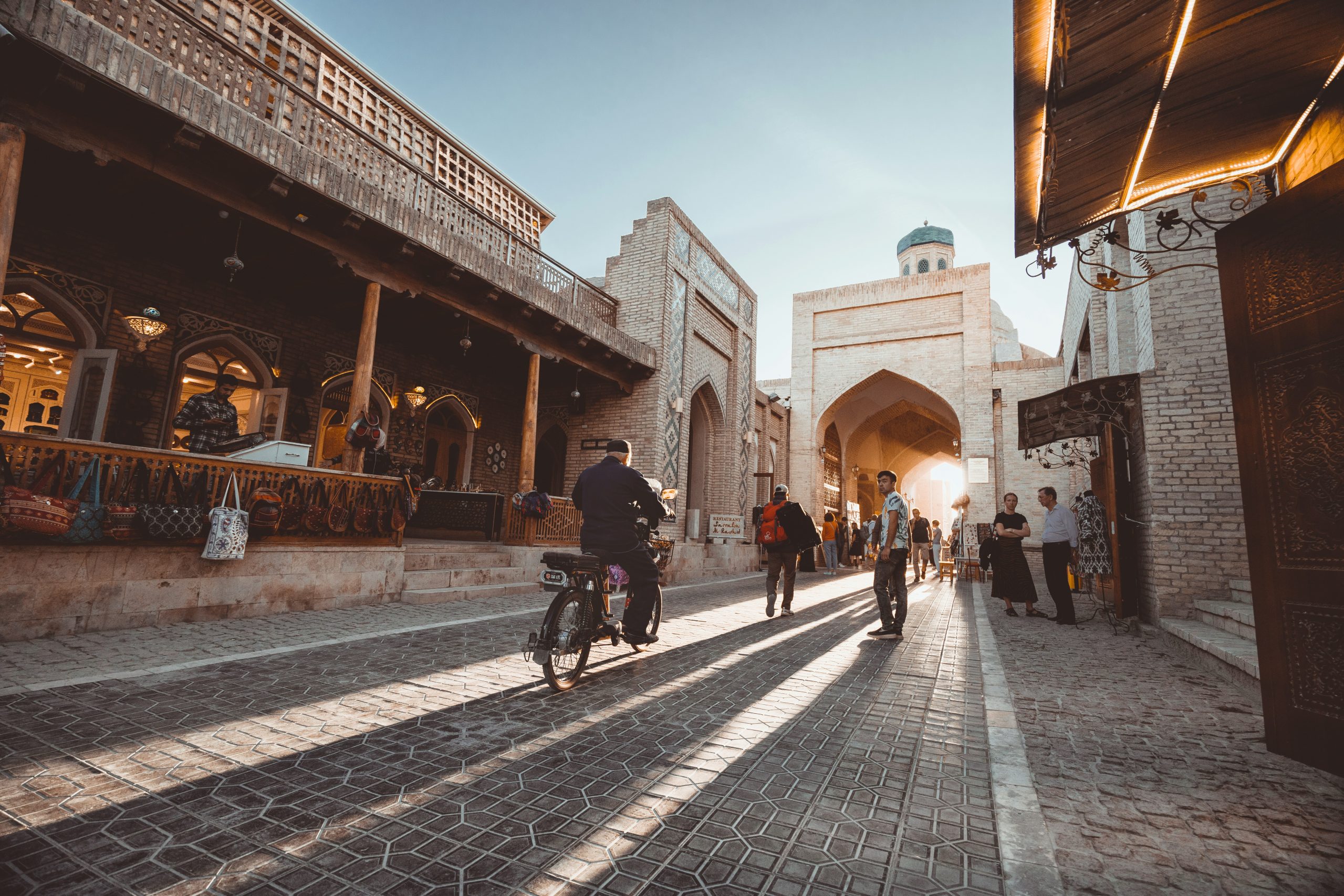
A living medieval city: a minaret that even Genghis Khan spared, a pool shaded by mulberry trees, domed trading bazaars and a ninth-century mausoleum, in an old town you can walk end to end.
Bukhara was one of the great centres of Islamic learning and Silk Road trade for a thousand years, and it has the most complete old town in Central Asia. Unlike Khiva, people still live in it: kids play football outside madrasas and families sit by the pools in the evening. It is a UNESCO World Heritage Site.
The Kalon Minaret, built in 1127, so impressed Genghis Khan that he spared it when he burned the rest of the city. It still towers over the old town.
Bukhara is relaxed, flat and easy to walk, and most of the sights are within 15 minutes of each other. Two or three days is right, with time to slow down in the teahouses.
Stay in the old town, near Lyabi-Hauz.
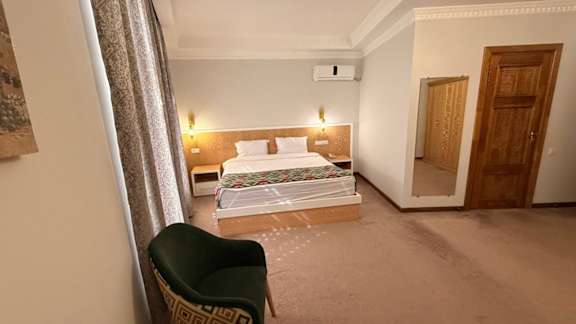
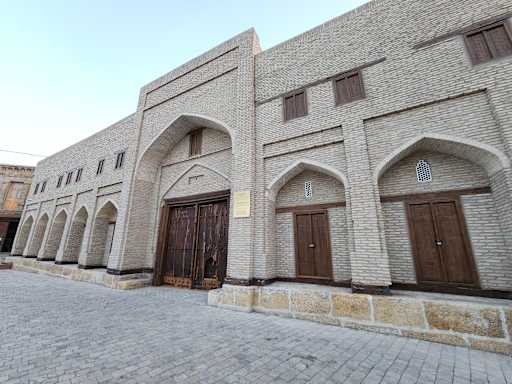
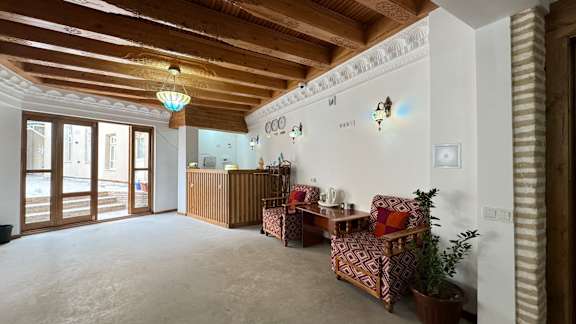
Guesthouses in old merchants' houses around Lyabi-Hauz, a short walk from every sight.
Orange labels are neighbourhoods, dots are the 12 top-rated hostels. Map data from OpenStreetMap contributors.
Start at Lyabi-Hauz, a pool shaded by old mulberry trees and framed by two madrasas and a khanaka. It is the centre of the old town and where Bukhara comes out in the evening.
Walk through the domed trading bazaars (the toki) towards the Poi-Kalyan ensemble: the Kalon Minaret, the Kalon Mosque (20,000 som), whose courtyard holds 10,000 people, and the blue-domed Mir-i-Arab Madrasa opposite, still a working religious school that you see from outside.
Go on to the Ark, the fortress of the emirs, which is open 9am to 8pm for 40,000 som, plus 20,000 for an audio guide. Opposite stands the Bolo Hauz Mosque, with a porch of slender carved wooden columns reflected in its pool.
Further out, the tenth-century Ismail Samani Mausoleum is one of the oldest buildings in Central Asia, its brickwork laid in patterns that change with the light. The four turquoise-capped towers of Chor Minor hide in the backstreets. End the day in a traditional hammam near the trading domes.
Most of Bukhara's magic is outdoors and free. Walking the old town, sitting by Lyabi-Hauz and wandering the domed bazaars cost nothing.
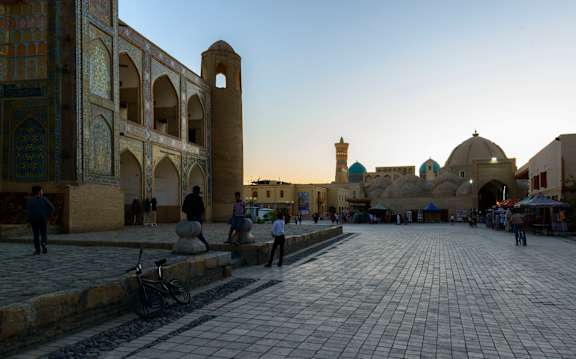
You can see the Kalon Minaret and the Mir-i-Arab Madrasa from the square between them, which is at its best at sunset and again when it is floodlit at night. Chor Minor, the Bolo Hauz porch and the Ismail Samani Mausoleum are all good from the outside too.
On Sunday mornings, from about 3am to 9am, the livestock market on the edge of the city is a slice of rural life few tourists see.
Bukhara plov is a little different from Tashkent's, often cooked with chickpeas and raisins. Eat it at lunchtime, when it is fresh. Shashlik, samsa and lagman are on every corner, and green tea comes with everything.
The teahouses around Lyabi-Hauz are the classic place to eat, outside under the mulberry trees. Restaurants in converted merchants' houses in the old town do more refined Uzbek food.
Many tourist restaurants add a 10% service charge, so check the bill. A meal is €3 to €8 (about 40,000 to 110,000 som).
Bukhara's evenings happen around Lyabi-Hauz, where families and travellers sit at the teahouses until late. The monuments are floodlit, and an after-dinner walk to the Kalon Minaret is the best thing to do at night.
There are no real bars, but restaurants and some hotels serve beer and local wine, at €2 to €4 for a beer.
Bukhara's station is at Kagan, about 20 minutes away. A taxi to the old town costs 20,000 to 25,000 som.
Afrosiyob high-speed trains link Bukhara with Samarkand in about an hour and a half and Tashkent in about four. Since May 2026 the Jaloliddin Manguberdi high-speed train also continues to Khiva, running towards Khiva on Tuesdays, Thursdays and Saturdays. Tickets go on sale 30 to 45 days ahead on the Uzbekistan Railways website or app, and popular trains sell out.
Shared taxis to Khiva take six to seven hours across the desert. In the old town, walk.
Bukhara is cheap. Dorms start around €8 and a careful day costs €20 to €30.
There is no combined ticket, so you pay at each sight. Fees are small: 40,000 som for the Ark, 20,000 for the Kalon Mosque and 30,000 for the Sitorai Mokhi-Khosa palace. Seeing everything over two days adds up to about €15.
The currency is the som (UZS): about 13,700 to the euro, paid in thick bundles of notes. Cards work in bigger hotels and some restaurants; carry cash for tickets, taxis and the bazaars.
Bukhara is very safe. Your accommodation registers you with the authorities; keep the registration slips, as they can be checked when you leave the country.
Cover your shoulders and knees in mosques and madrasas, and women should carry a scarf. In the trading domes, sellers can be persistent but friendly: it is fine to say no.
Emergency: 102 police, 103 ambulance, 101 fire.
A palace on the edge of town, the desert, and Khiva by train.
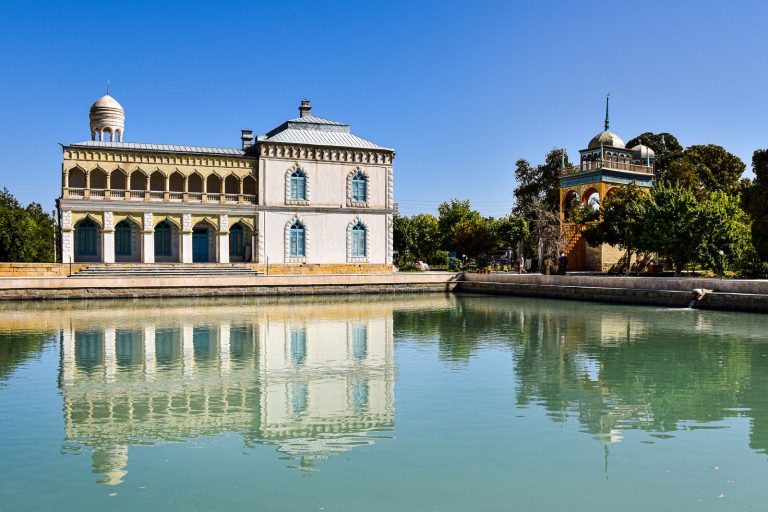
The last emir's summer palace, a mix of Russian and Uzbek styles with mirrored halls and a peacock garden. Entry is 30,000 som.
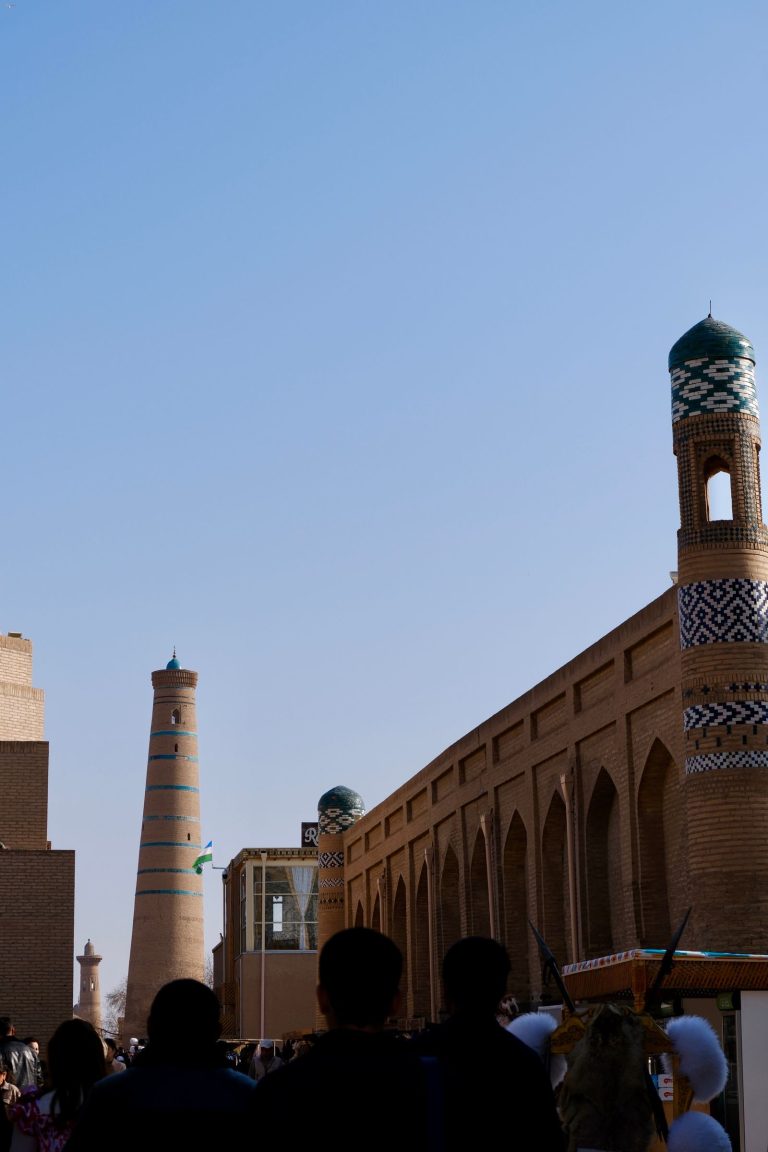
The walled city, best at dawn and after dark. Trains head there on Tuesdays, Thursdays and Saturdays; book ahead.
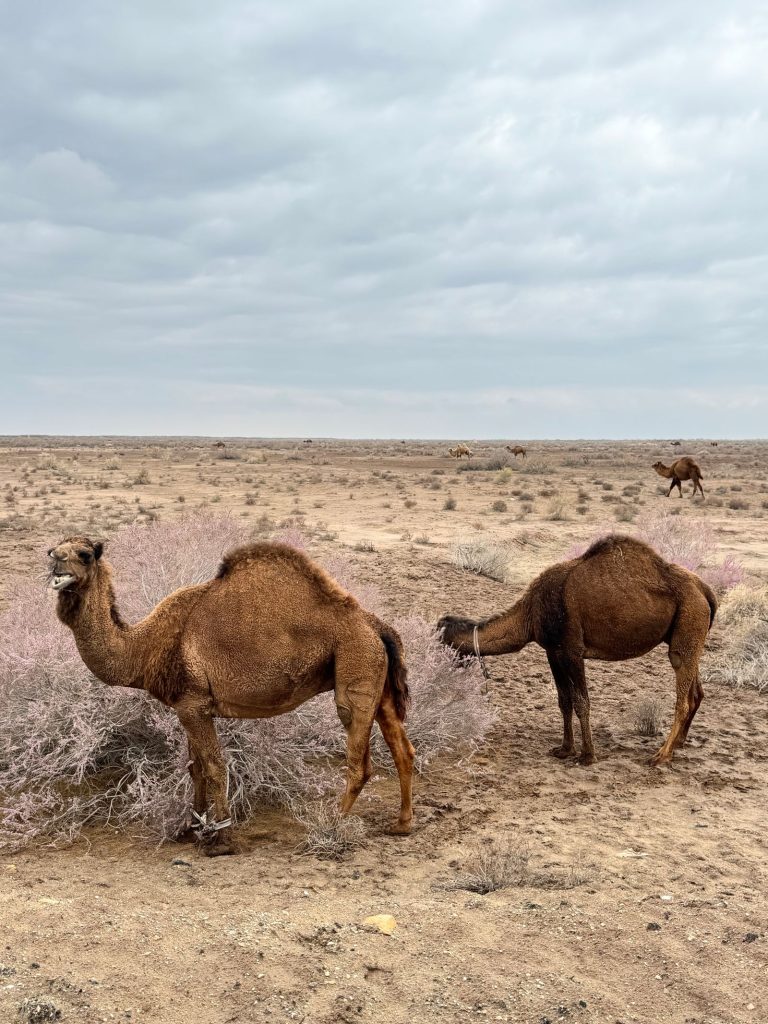
A night in a yurt camp in the Kyzylkum desert, with camel rides, a fire and a sky full of stars.
The Silk and Spices Festival fills the old town in late spring.
Crafts, music and food.
The spring new year.
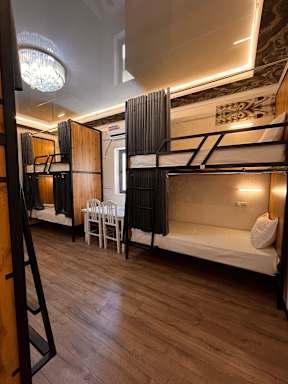
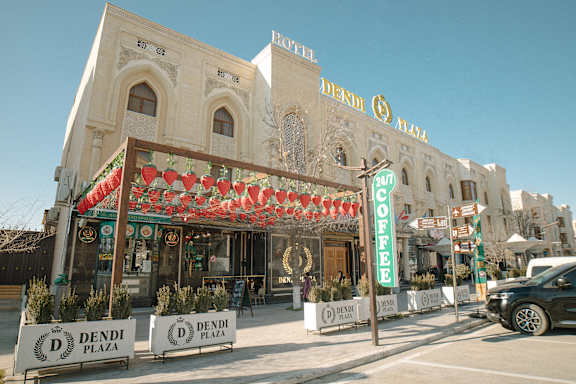
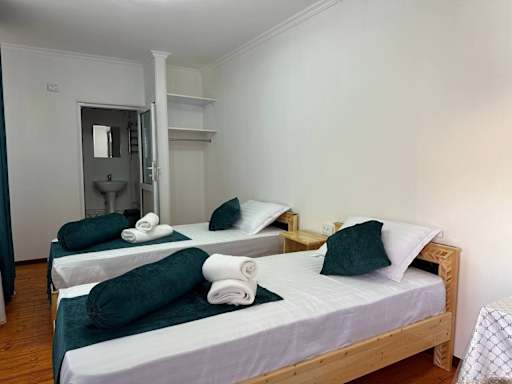
The top-rated places to stay in Bukhara right now, live from Hostelworld.
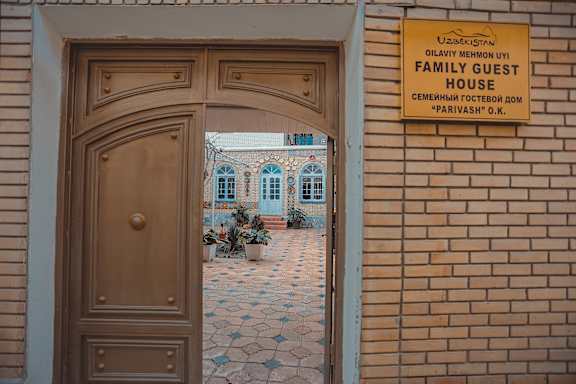 Sustainable
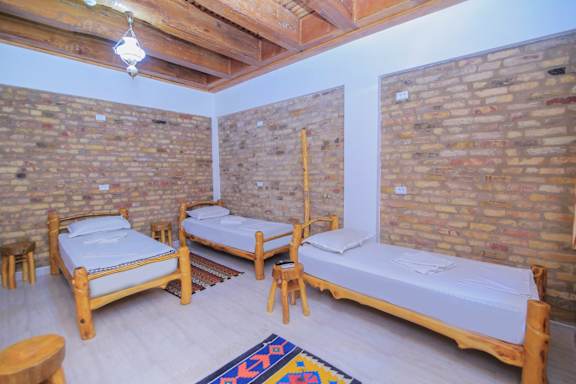 Sustainable
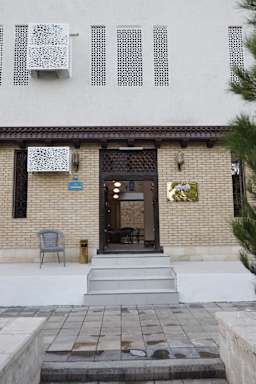 Sustainable
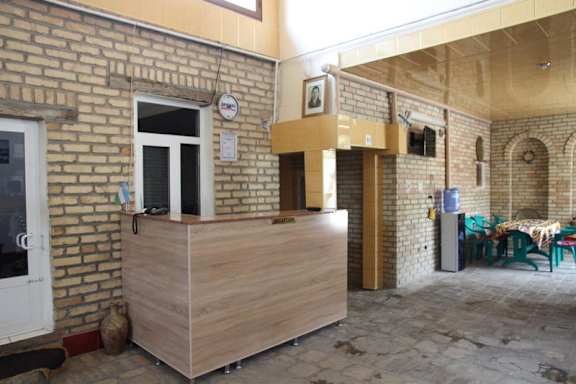
 Sustainable

 Sustainable
 Sustainable
 Sustainable
 Sustainable
Go in April and May or September and October. July and August regularly pass 35°C.
Average highs. Summers are very hot.
Pick how you travel. Per person per night, in euros.
Prices are in som locally; these are euro equivalents.
The ones we get asked most.

Compare Bukhara hostels — live prices, real reviews and free cancellation on most bookings. Then meet the people already there in the app.

 Get the App.
 Get the App.