Kiruna centre
First-timersThe new and old town centres: shops, restaurants, tour pickups and most of the beds.

Sweden's northernmost town, 145 kilometres inside the Arctic Circle: the northern lights, a hotel carved from river ice every winter, and a town being physically moved because the mine beneath it is swallowing the ground.
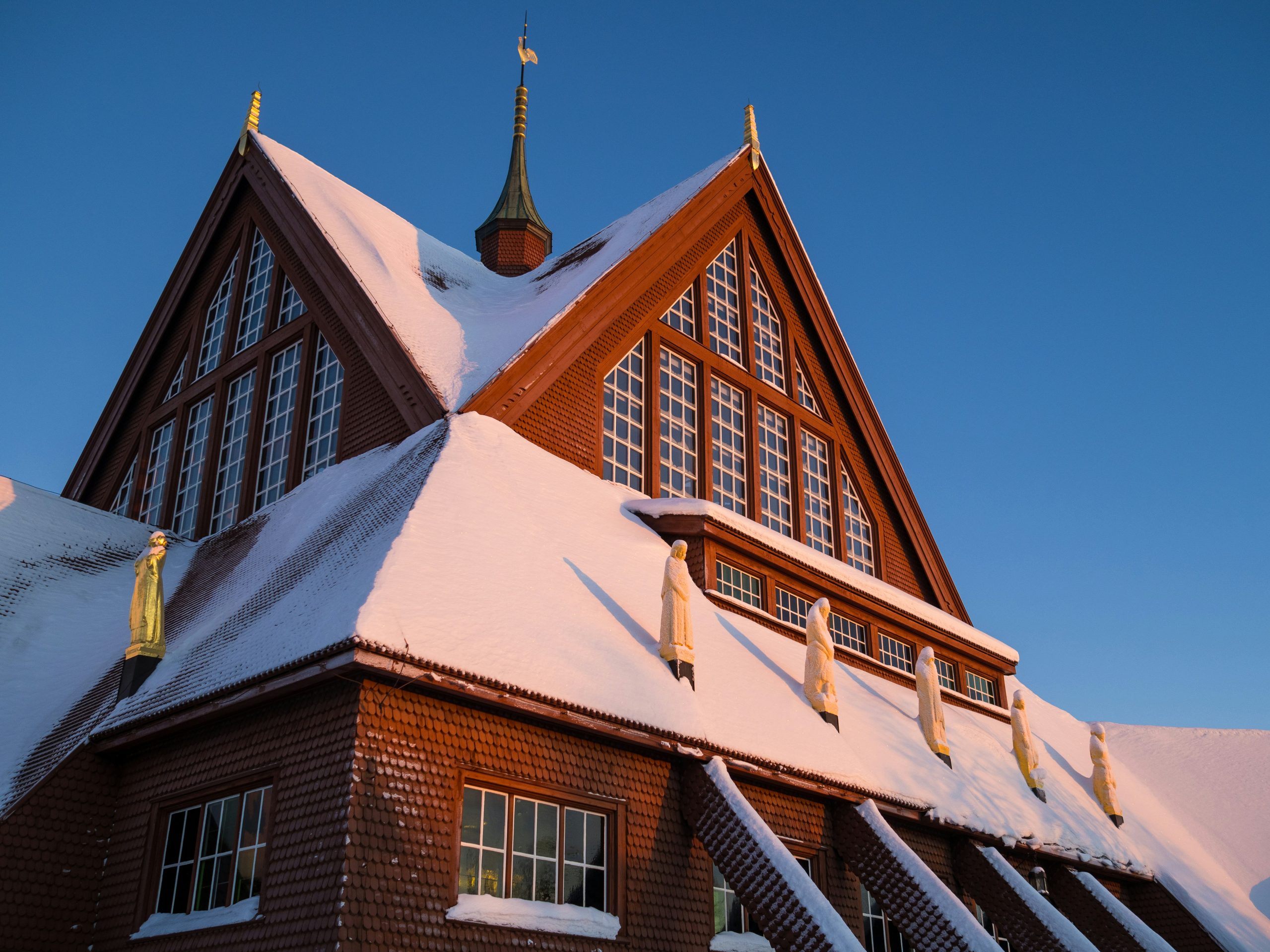
Kiruna exists because of iron ore. The mine beneath it is one of the largest underground iron ore mines in the world, and it has been extending under the town for decades. The ground is subsiding, and so the town is being moved — around three kilometres east, building by building. A new town centre has been built, and in 2025 the wooden church, voted one of Sweden's most beautiful buildings, was lifted and carried along the road to its new site.
It is one of the most unusual civic projects anywhere, and you can see it happening.
For most visitors, though, Kiruna is the gateway to the Arctic. The northern lights are visible from roughly September to March, the midnight sun runs from late May to mid-July, and the Icehotel at Jukkasjärvi, rebuilt every winter from blocks of frozen river, is fifteen minutes away.
Abisko, ninety minutes further west, is known for some of the clearest aurora skies in Europe.
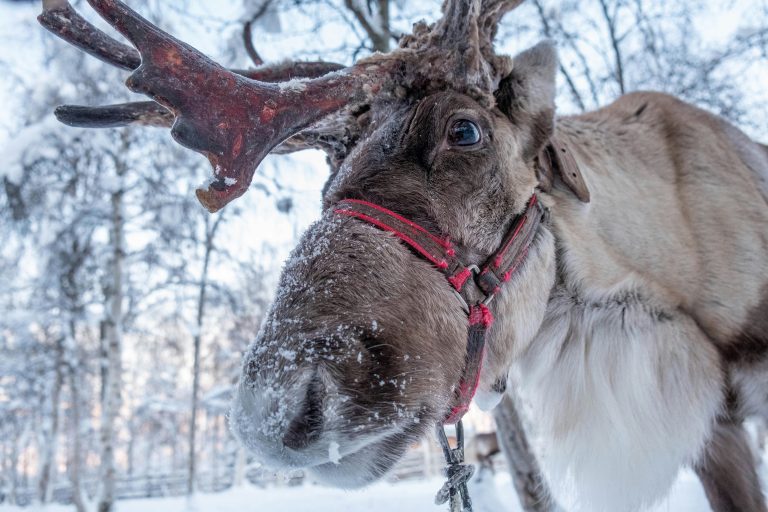
This is Sámi land, and reindeer herding remains a living livelihood here. Three nights minimum.
A mining town being rebuilt a few kilometres east, with the Icehotel down the road.
The new and old town centres: shops, restaurants, tour pickups and most of the beds.
Fifteen minutes east on the Torne river: the Icehotel, cabins and dog sled operators.
Map © MapTiler © OpenStreetMap contributors.
See the northern lights. Between roughly September and March, on a clear dark night, the aurora is often visible. Tours take you away from the town's lights, but a clear night and a walk out of town can be enough. Abisko, ninety minutes west, has a reputation for some of the most reliably clear skies in Europe.
Visit the Icehotel at Jukkasjärvi. It is rebuilt every winter from blocks of ice cut from the Torne river, with rooms and suites carved by artists, and melts back into the river each spring. A year-round section, cooled by solar power, lets you see ice art in summer too. Day visits are possible without staying.
Take the mine tour, run by the mining company when available, which goes deep underground into a working iron ore mine.
Watch the town move. The new town centre and the relocated church are the visible signs of one of the world's most unusual urban projects.
Go dog sledding, or learn about Sámi culture and reindeer herding with a Sámi-run operator.
The northern lights are free — you need a clear dark night and a walk away from the streetlights.
The midnight sun, from late May to mid-July, is free, and hiking under it at two in the morning is one of the stranger pleasures of the north.
The new town centre and the relocated church can be seen for free.
Allemansrätten, the Swedish right of public access, lets you walk and hike through the surrounding wilderness freely.
The Luossavaara hill above the town has walking trails and views.
Expensive, as everything in Arctic Sweden is. A main is 200 to 320 SEK (€18–29).
Reindeer is the local meat, often served as suovas (smoked) or sautéed with lingonberries and mashed potato.
Arctic char and other fish from the lakes and rivers are good.
Cloudberries, a golden Arctic berry, appear in desserts.
Dagens lunch, where available, runs 130 to 160 SEK (€12–15).
A beer is 80 to 110 SEK (€7–10). Strong alcohol is sold only at Systembolaget.
Self-catering from supermarkets is the budget answer.
Small. Kiruna is a mining town of around twenty thousand people and has a handful of bars and pubs.
A beer is 80 to 110 SEK (€7–10).
In winter, the evening is often spent outdoors looking for the aurora rather than in a bar.
In summer, under the midnight sun, time loses meaning, and a late walk can easily run into the early hours.
The town is small, but everything else — the Icehotel, Abisko, the wilderness — needs a bus, a tour or a car.
The night train from Stockholm takes about seventeen hours and continues to Abisko and Narvik in Norway. It is a spectacular journey and a sensible way to arrive.
Flights from Stockholm take about an hour and a half.
Buses run to Jukkasjärvi and Abisko.
Driving in winter requires experience with snow and ice, winter tyres are compulsory in season, and reindeer on the roads are a real hazard.
Expensive, and activities are the main cost. Beds are 350 to 800 SEK (€32–73), a main 200 to 320 SEK (€18–29), and a beer 80 to 110 SEK (€7–10).
A day is €75 to €130 before activities.
Activities set the budget: an aurora tour around 1,200 to 2,000 SEK (€110–180), dog sledding more, and a night at the Icehotel several times that.
The aurora and the midnight sun are free, and a clear night away from the lights can be enough without a tour.
Card only, almost everywhere.
Kiruna is safe in terms of crime. The risks here are cold and wilderness.
Winter temperatures regularly reach -20°C to -30°C, and frostbite on exposed skin can happen in minutes. Dress in layers, cover your face and hands, and take the thermal clothing activity operators provide.
If you walk out of town to look for the aurora, tell someone where you are going, carry a light, and do not go far onto frozen lakes or rivers — ice thickness varies.
Reindeer on the roads cause accidents. Drive slowly, especially at dusk.
In summer, mosquitoes in the wilderness are fierce from late June to August; repellent is essential.
Emergency number is 112.
An ice hotel, clear aurora skies and the start of Sweden's great trail.
A hotel carved from river ice, rebuilt every winter. Day visits possible.
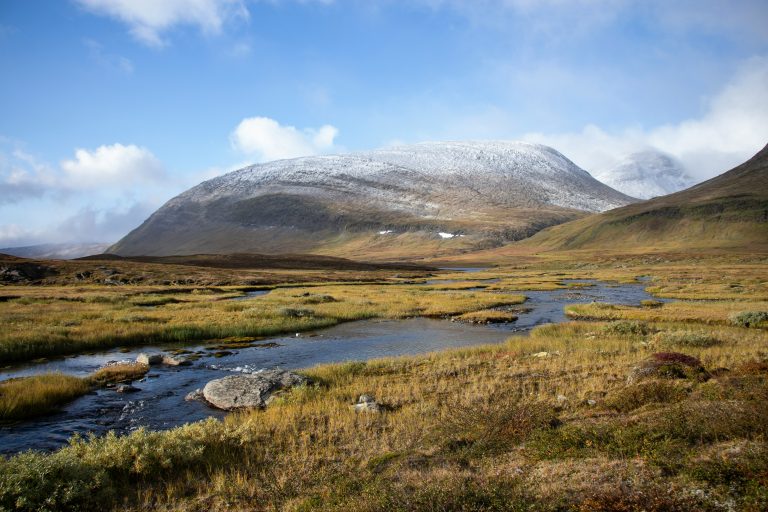
Known for some of the clearest aurora skies in Europe, with the Aurora Sky Station on the mountain.
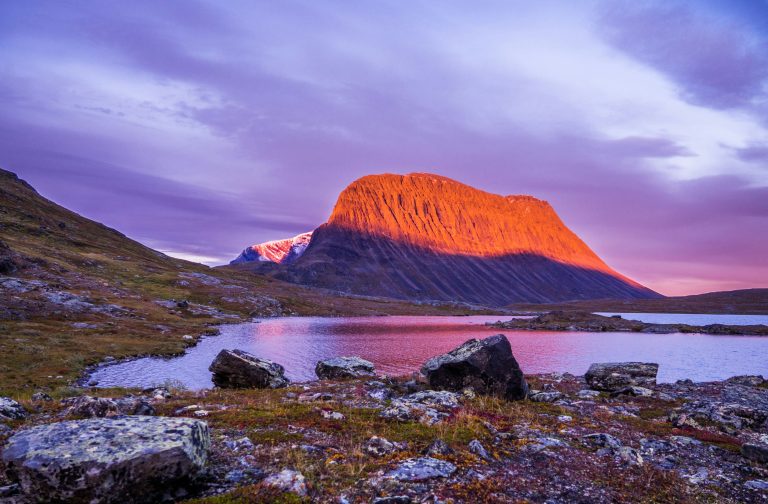
The King's Trail, Sweden's famous long-distance hiking route, starting at Abisko.
Across the border to the Norwegian fjords, on one of Europe's most scenic rail lines.
A hotel built of ice, and a town that is moving.
When the winter hotel, carved from river ice, is open.
When the nights are dark enough for the northern lights.
Snow sculpture and reindeer racing, among Sweden's biggest winter events.
When the sun does not set.
The move of the town centre east, visible as new buildings rise and old ones are removed.
September to March for the aurora, late May to July for the midnight sun.
Average highs. In December the sun barely rises, and from late May to mid-July it does not set at all. March is often the best balance of aurora, snow and daylight.
Pick how you travel. Per person per night, in euros — you will pay in kronor, at roughly 11 to the euro, and mostly by card.
Shown in euros for comparison; you pay in kronor. Activities set the budget — an aurora tour is €110 to €180 alone, and a night at the Icehotel sits far outside these figures.
The ones we get asked most.

Compare Kiruna hostels — live prices, real reviews and free cancellation on most bookings. Then meet the people already there in the app.

 Get the App.
 Get the App.