Centro
First-timersAround Piazza Maggiore and the Quadrilatero. Everything close.

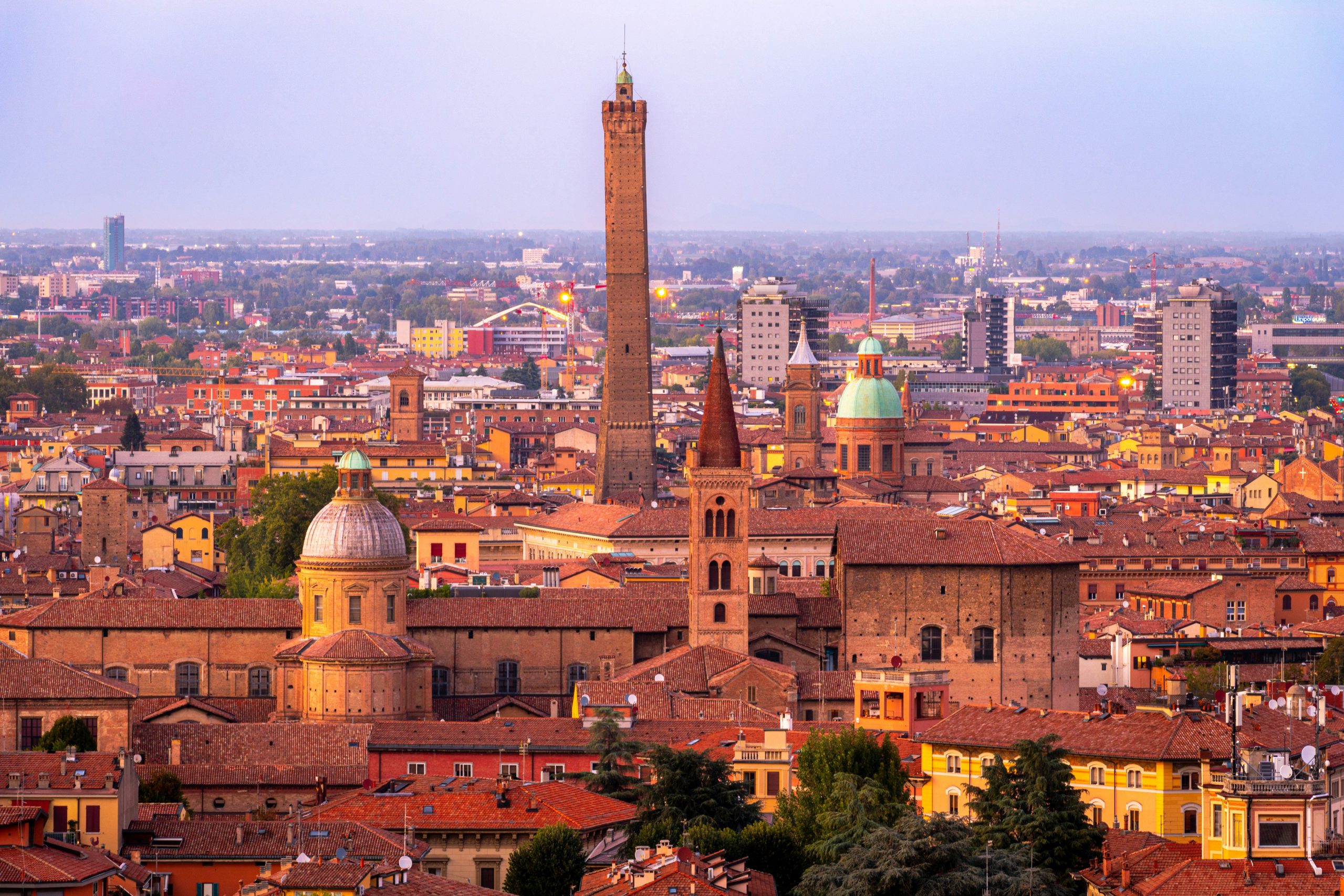
Red brick, forty kilometres of porticoes, the oldest university in the Western world and the best food in a country obsessed with it. Cheap, lively and almost free of queues.
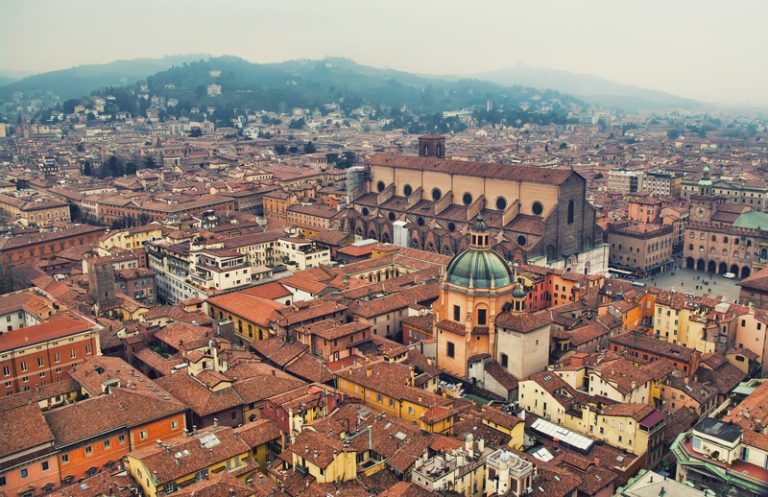
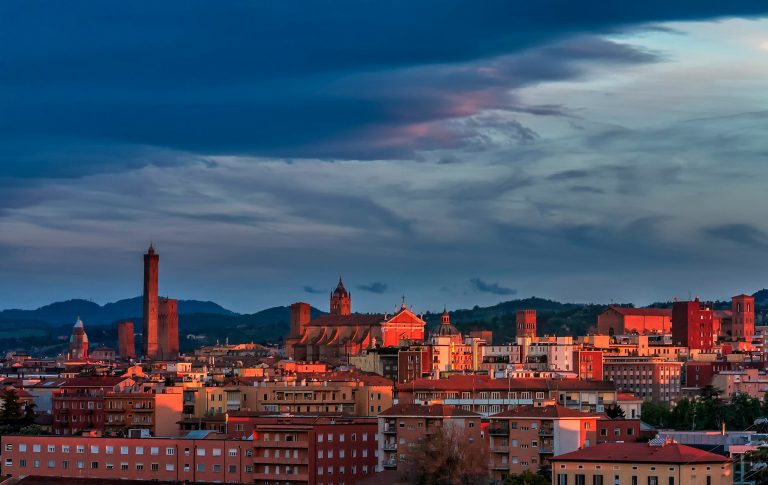
Bologna has three nicknames and has earned all of them. La dotta, the learned, for its university, founded in 1088 and the oldest in the Western world. La grassa, the fat, for its food: this is the home of tagliatelle al ragù, tortellini and mortadella. La rossa, the red, for its terracotta rooftops and, for most of the last century, its left-wing politics.
The centre is a medieval city of arcaded streets, almost all of it under the porticoes that are now a UNESCO World Heritage Site, so you can walk it in the rain or the midday sun without leaving the shade. Tens of thousands of students keep it young, busy and cheap.
Bologna is on the main rail line between Florence, Milan and Venice, and too many people pass through it. Two or three days is right, with Modena, Parma and Ravenna as day trips.
The centre is compact and flat. Stay anywhere inside the ring road and walk.
Around Piazza Maggiore and the Quadrilatero. Everything close.
Via Zamboni and Piazza Verdi. Cheap, loud and lively.
The quiet, elegant south-east of the centre, around the seven churches.
A street of bars and osterias on the western side.
North of the centre, near Bologna Centrale. Convenient.
Orange labels are neighbourhoods, dots are the 10 top-rated hostels. Map © MapTiler © OpenStreetMap contributors.
The routes we would take, in the order we would take them.
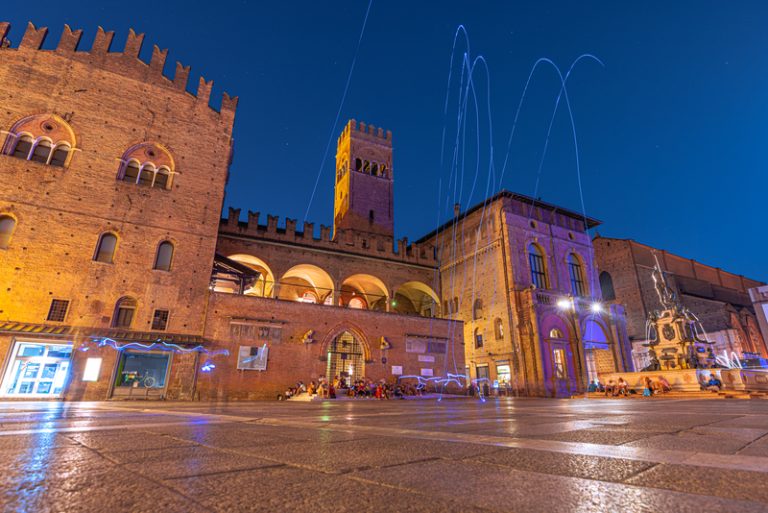
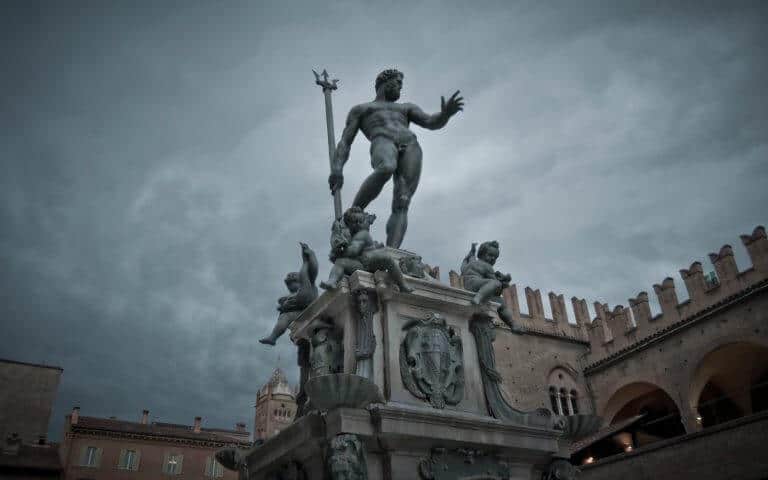
Start in Piazza Maggiore, with the unfinished Basilica of San Petronio on one side and the Neptune fountain around the corner. Under the arches of the Palazzo del Podestà, stand in opposite corners and whisper to each other; the vault carries the sound.
The Archiginnasio, the university's old home, has walls covered in the coats of arms of students and a wooden anatomical theatre where dissections were watched. Santo Stefano, a cluster of seven churches built into each other, is the most atmospheric corner of the city.
The Two Towers, the city's symbol, have been closed since October 2023, while the leaning Garisenda is stabilised; the work is expected to run for several years. For the view, climb the Torre dell'Orologio on Piazza Maggiore instead.
The best walk is the portico to San Luca, nearly four kilometres of continuous arches climbing up a hill from the city to a sanctuary with views over the Apennines. Allow an hour up.
The porticoes are free and they are the city: nearly forty kilometres of covered streets. The walk up the San Luca portico is free and the best in Bologna.
Piazza Maggiore, the Neptune fountain and the whispering corners under the Palazzo del Podestà cost nothing. Santo Stefano and San Petronio are free to enter.
On Via Piella, a small window in a wall opens onto one of the city's hidden canals, a reminder that Bologna once had a network of them.
In summer, the city shows free films on a giant screen in Piazza Maggiore every evening.
Bologna is where many Italians say the country eats best. Tagliatelle al ragù is the real version of what the rest of the world calls spaghetti bolognese, which you will not find here. Tortellini are served in broth, lasagne is green, and mortadella is sliced thin or served in cubes with the aperitivo.
The Quadrilatero, the old market streets behind Piazza Maggiore, is full of delis, market stalls and small places to eat. The Mercato delle Erbe is the covered market, with cheap food stalls inside.
Osterias and trattorias serve pasta for €10 to €14. Crescentine and tigelle, fried or griddled breads with cured meats and cheese, are the cheapest good meal in the city. At the Osteria del Sole, one of the oldest bars in Italy, you bring your own food and buy the wine.
Bologna has the cheapest and liveliest night out of any major Italian city, thanks to its students. The university quarter around Via Zamboni and Piazza Verdi is packed every night in term time, with cheap drinks and crowds on the street.
Via del Pratello, to the west, is a street of bars and osterias with a slightly older crowd. The Quadrilatero fills at aperitivo time.
A spritz is €4 to €6, often with snacks, and a beer less. The night goes on late.
Bologna is a walking city, and the porticoes make it pleasant in any weather. Buses cover the rest; a ticket costs €2.30, and you can tap a contactless card on board.
From the airport, the Marconi Express monorail runs to the central station in about seven minutes for €12.80. The bus is much cheaper and slower.
Bologna Centrale is one of the busiest rail hubs in Italy. High-speed trains reach Florence in about 35 minutes, Milan in about an hour, Venice in about an hour and a half and Rome in about two hours. Regional trains to Modena, Parma, Ferrara and Ravenna are cheap and frequent.
The centre is a ZTL zone. Do not drive in.
Bologna is good value. Dorms start around €18 to €20, a plate of pasta in an osteria is €10 to €14, and street food and market stalls keep lunch cheap. A careful day is €50 to €65.
The exception is trade-fair weeks. Bologna hosts big international fairs, and during them beds sell out and prices jump. Check the fair calendar before booking.
Most of the city's sights are free or cheap, and the aperitivo spreads in student bars can replace dinner.
Bologna is safe. There is some petty crime and drug dealing around the station and the university quarter late at night, and bicycles are stolen constantly.
The area around Piazza Verdi can be rowdy after midnight. Keep your bag closed in busy bars.
Bologna Centrale station has a memorial to the 1980 bombing, the deadliest terrorist attack in post-war Italy.
Emergency number is 112.
Emilia-Romagna's food towns and Byzantine mosaics are all within an hour by train.
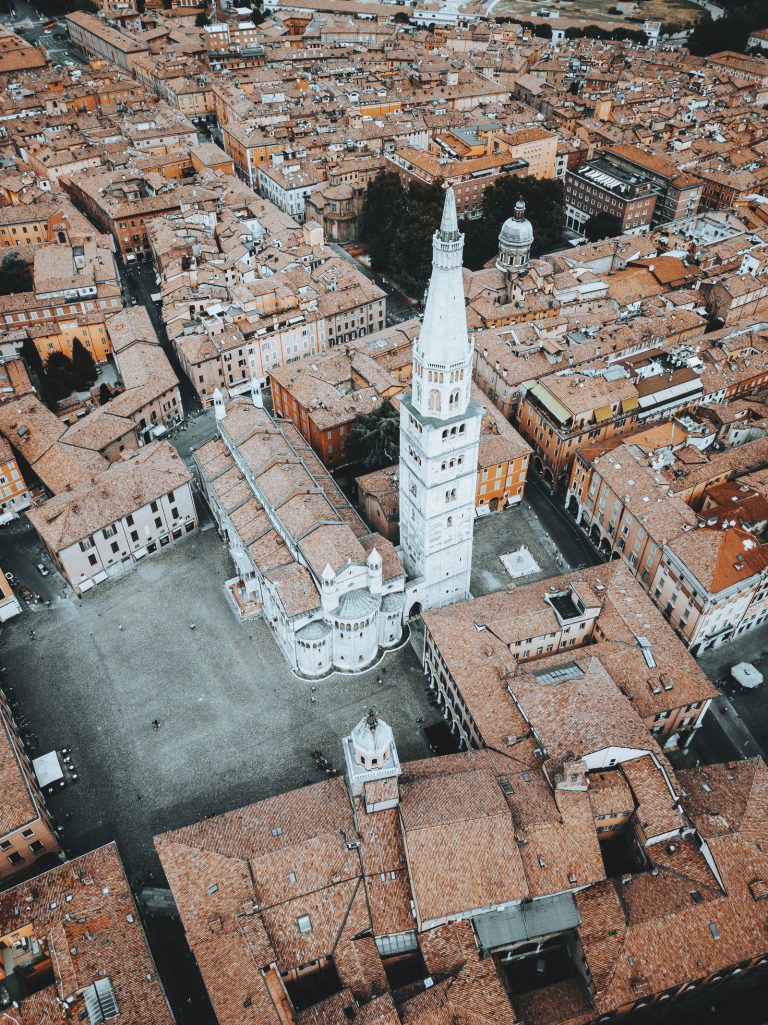
Balsamic vinegar, a Romanesque cathedral and the Ferrari museums nearby.
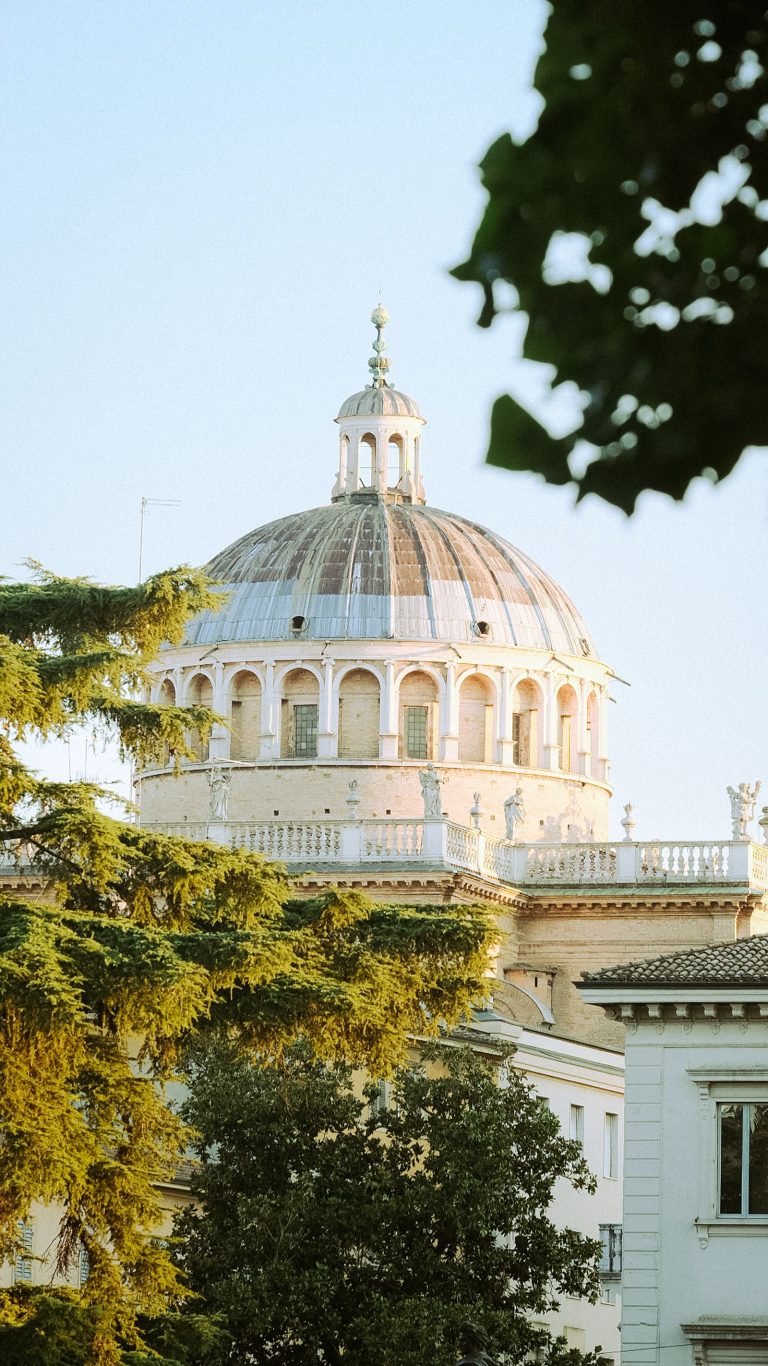
Prosciutto, Parmigiano and a painted cathedral dome.
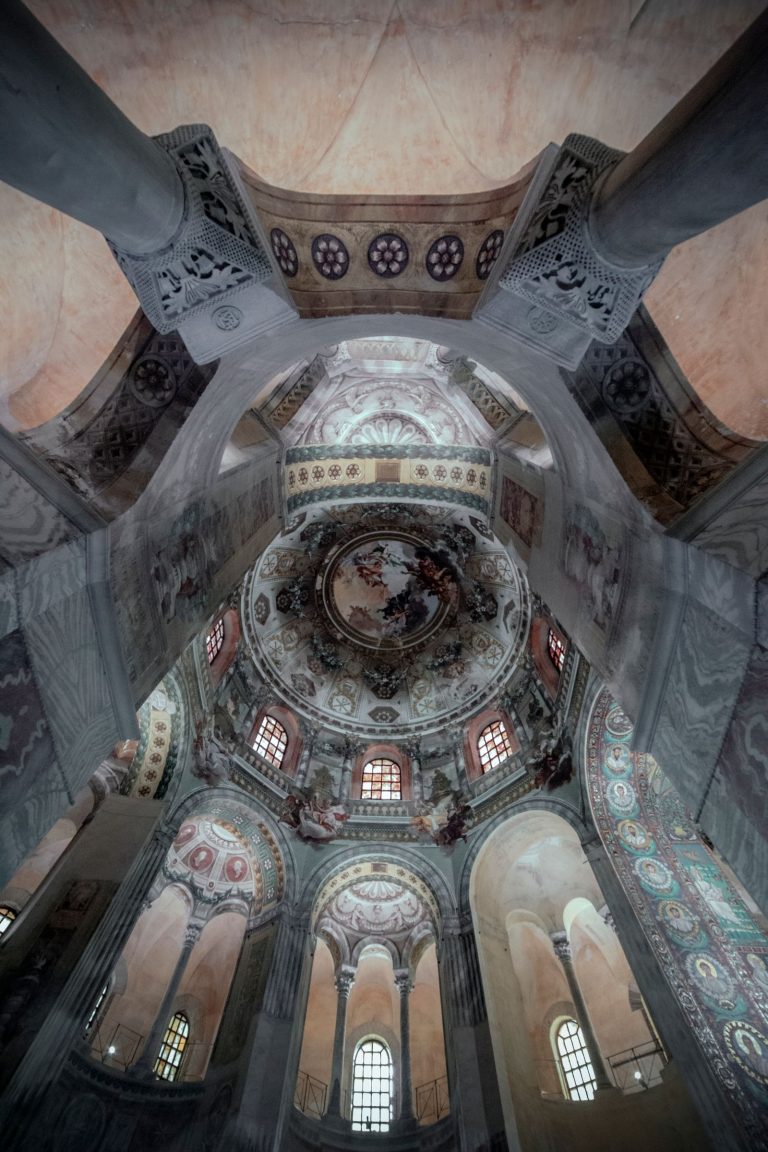
The best Byzantine mosaics in the world, in eight UNESCO-listed buildings.
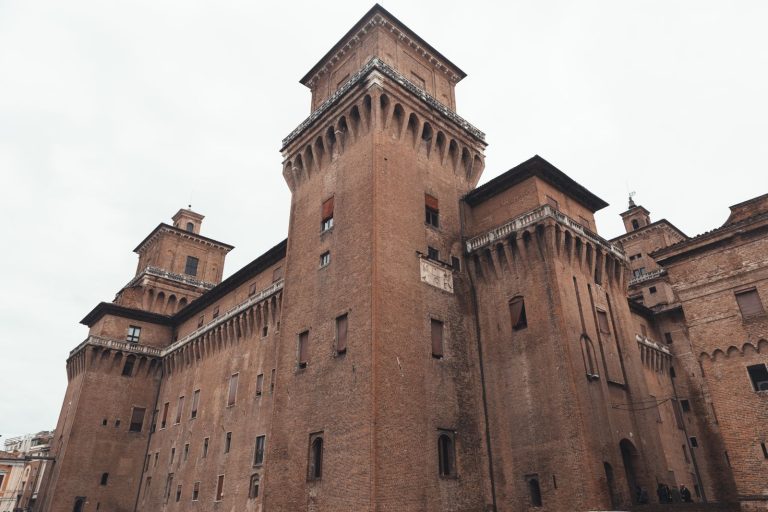
A Renaissance city with a moated castle and nine kilometres of walls to cycle.
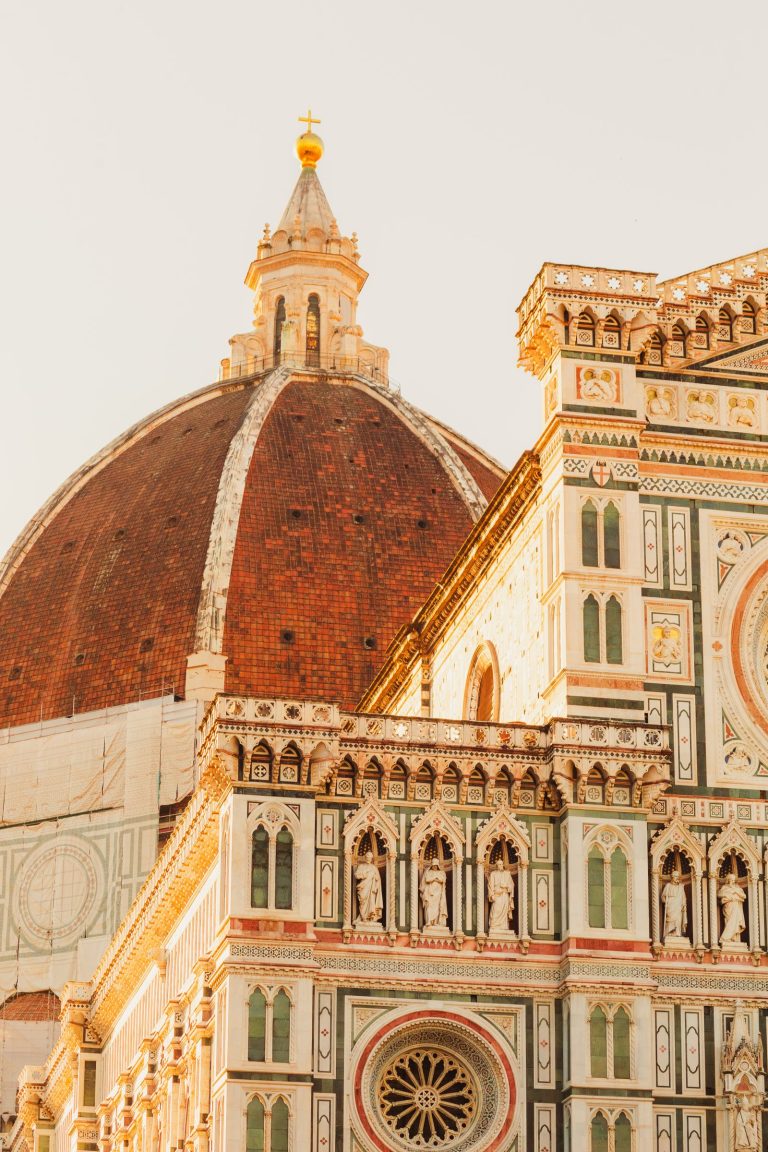
The Renaissance, a day away.
The summer film nights in Piazza Maggiore are the city at its best.
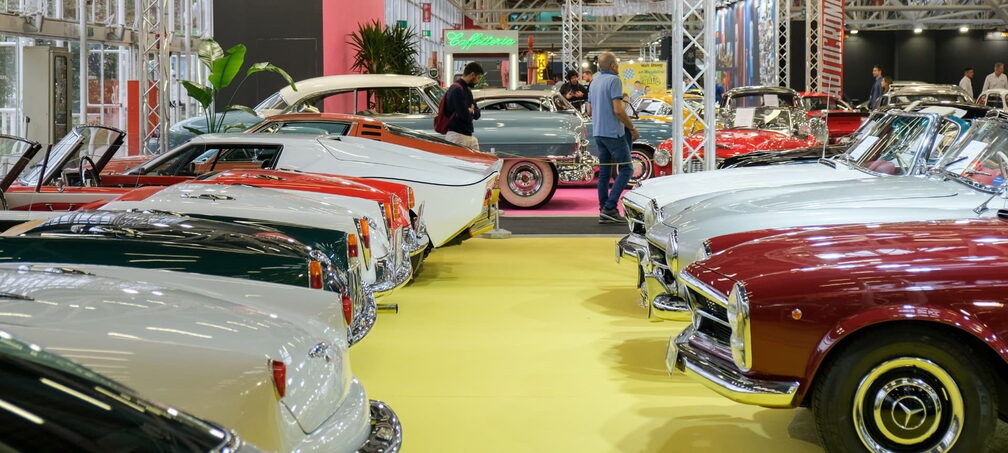 Staff pick
Auto e Moto d’Epoca is a celebration of motoring passion, bringing together history, design, and technology for an unforgettable experience. Guests can explore thousands…
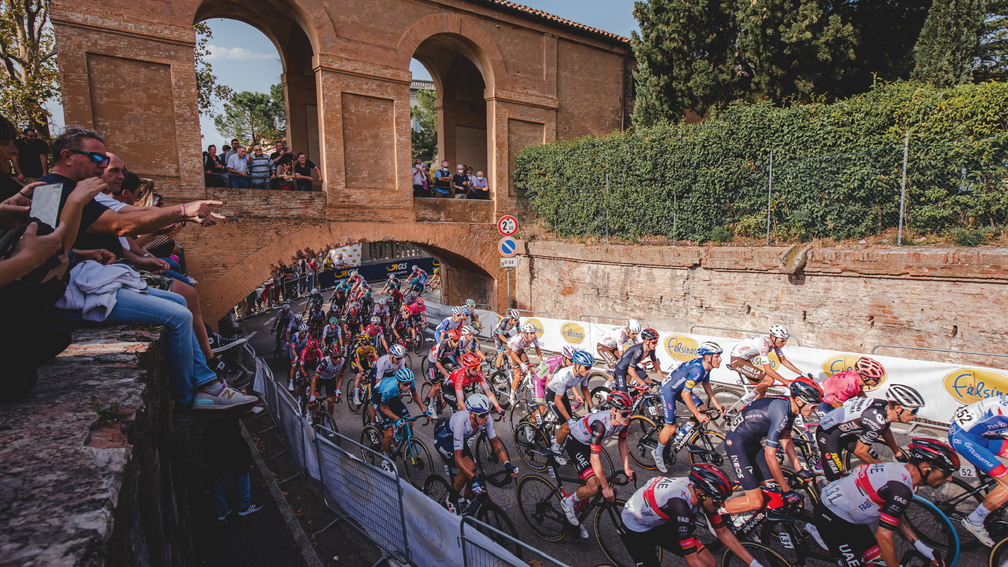
The Giro dell Emilia is a major cycling race that returns to Bologna, showcasing top male and female cyclists. The 109th edition for men…
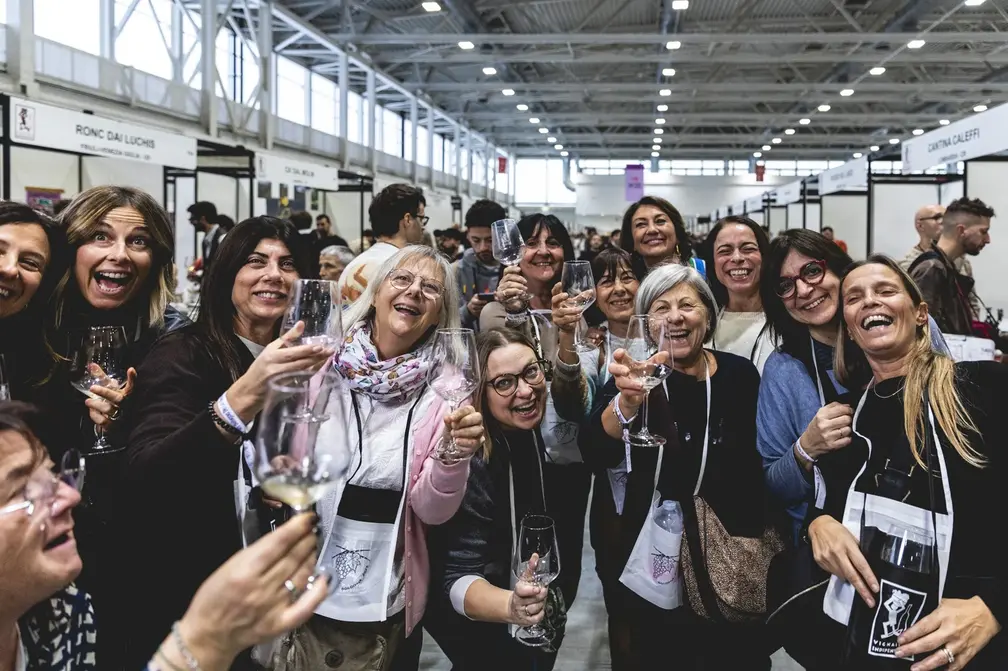
The Independent Winemakers Wine Market returns to BolognaFiere from November 21 to 23, 2026. You can taste and purchase wines directly from independent producers…
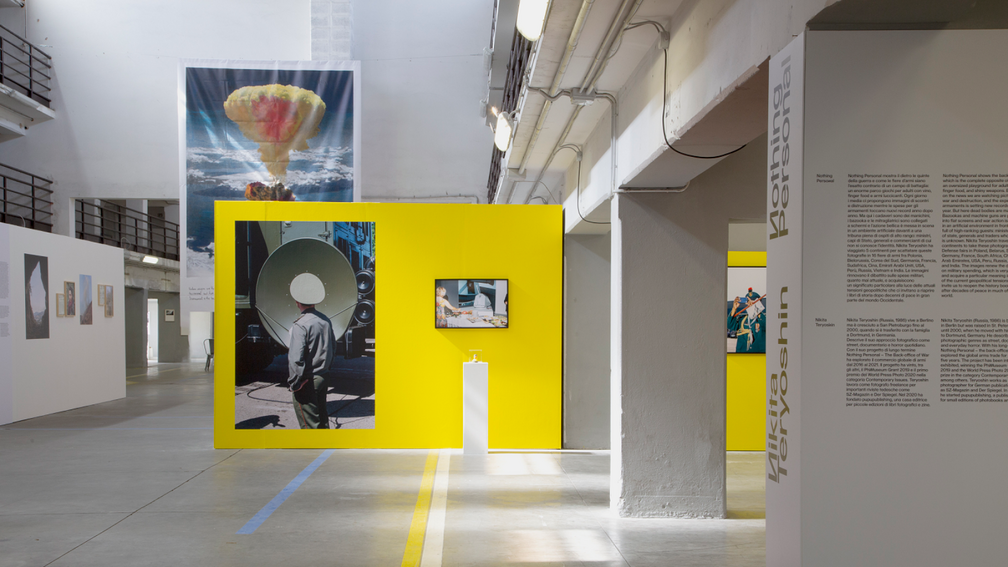
PhMuseum Days 2026 takes place in Bologna from October 1 to 4, exploring contemporary photography through exhibitions, workshops, and cultural discussions. The festival centers…
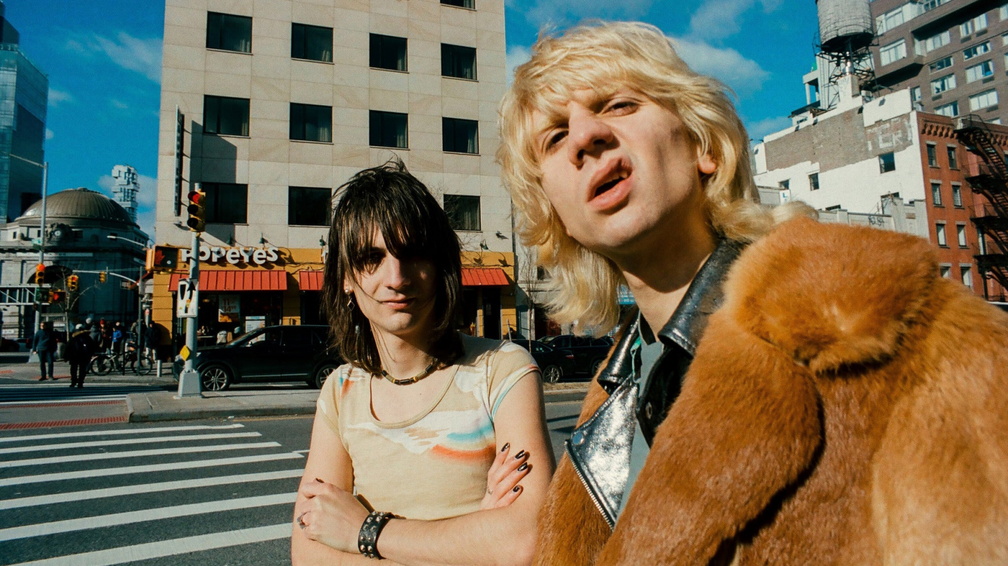
The Lemon Twigs is a rock band from Long Island, New York who has been performing since 2014. Consisting of the brothers, Brian and…
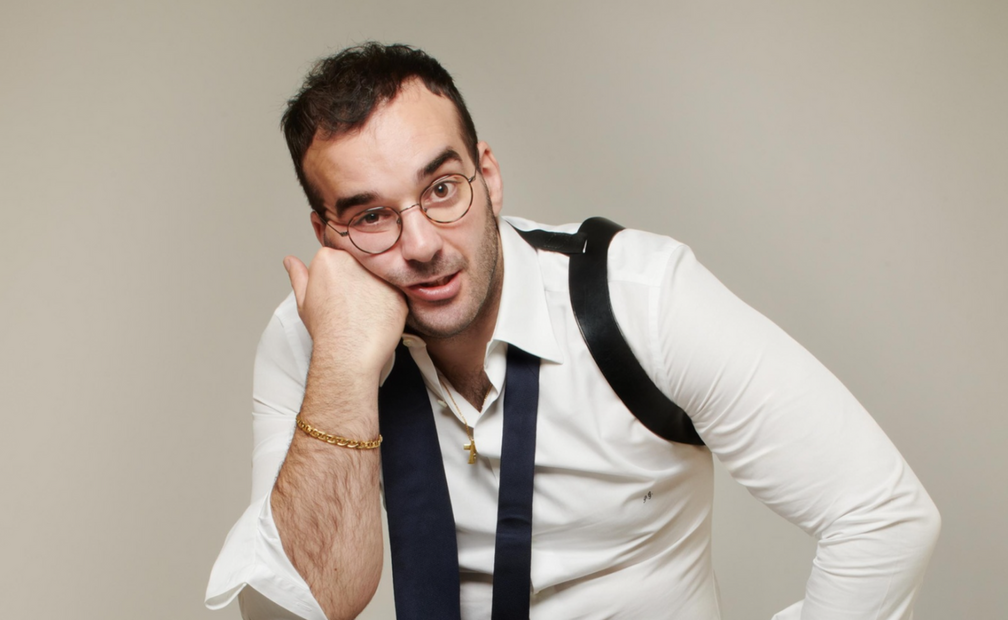
Turbopaolo brings his new theater tour Il Poliziotto del Formaggio starting in September 2026. The tour includes stops in five European cities and the…
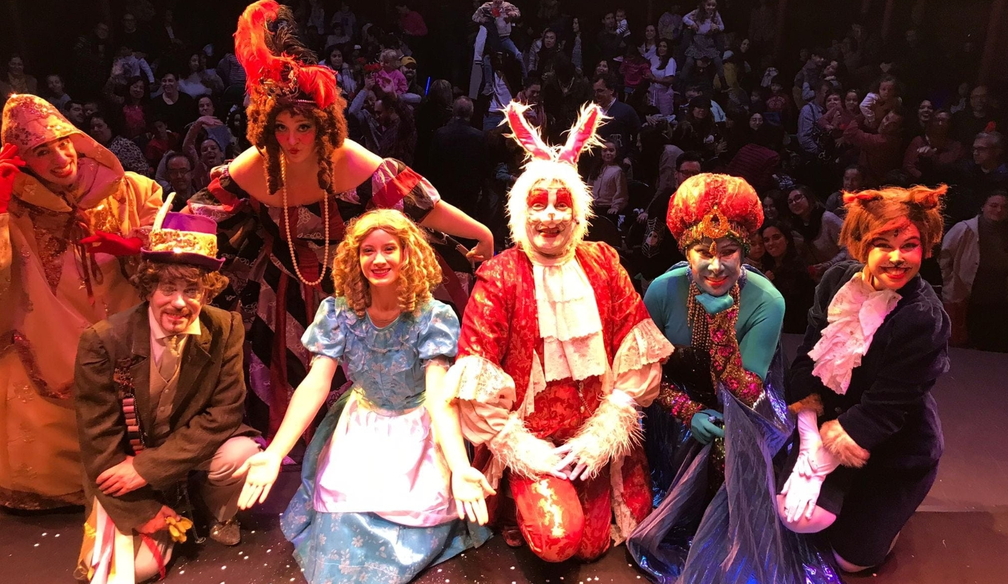
Alice in Wonderland The Musical is a theatrical adaptation of the classic literary tale featuring a cast of 15 performers. The show brings to…
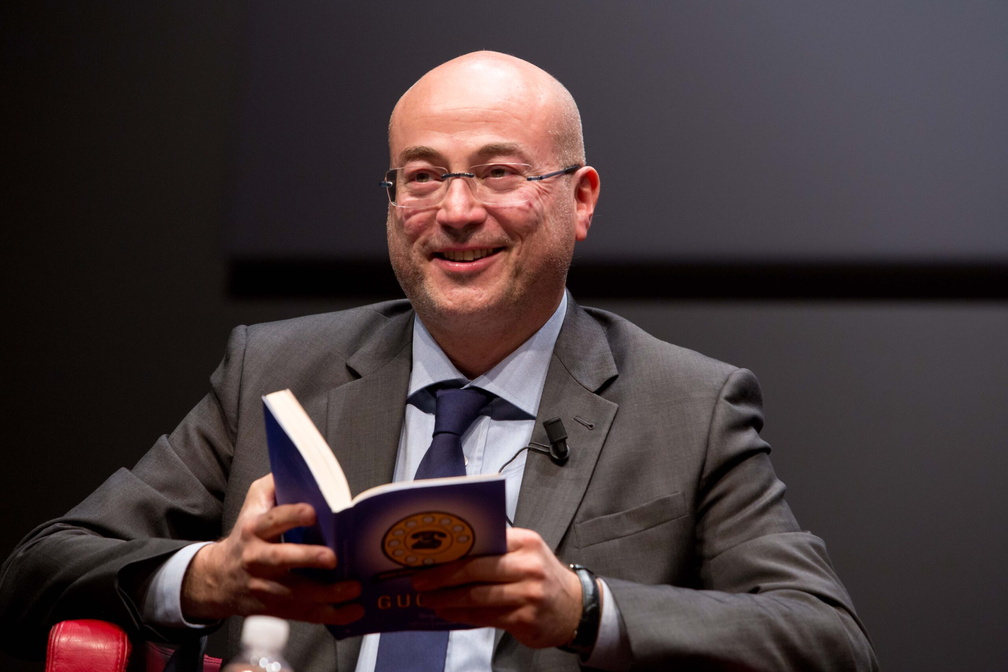
The event commemorates Saint Francis of Assisi, Italy's patron saint, on the 800th anniversary of his death. Aldo Cazzullo and Angelo Branduardi narrate the…
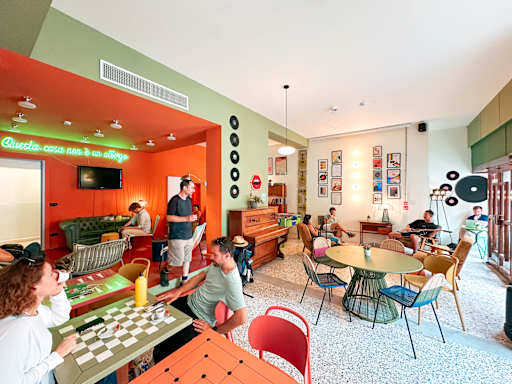
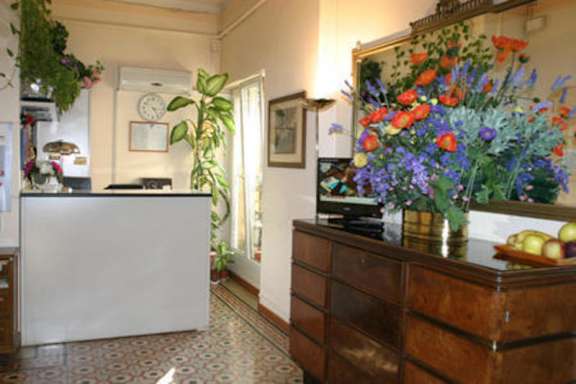
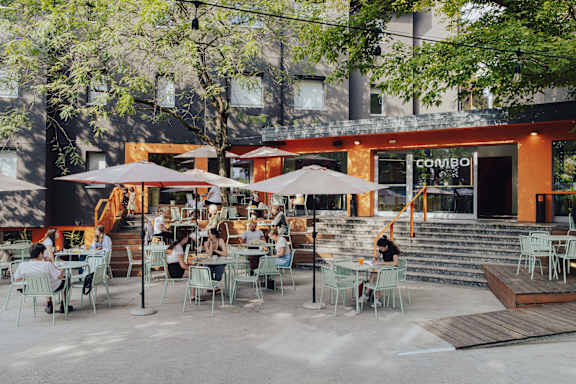
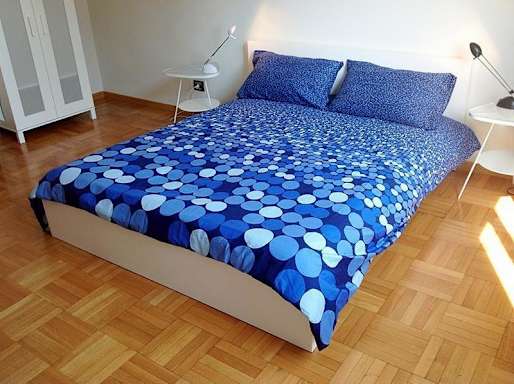
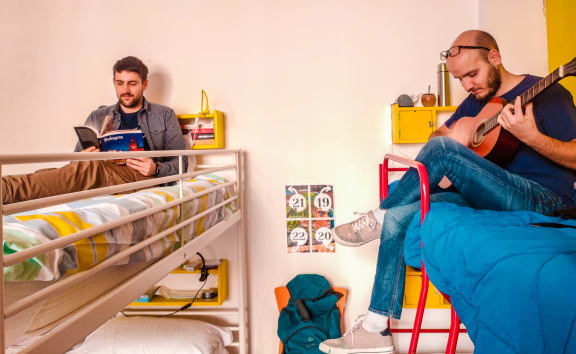
Bologna has a small number of hostels in and around the centre. Book early during trade fairs. These are the top-rated right now, live from Hostelworld.

April, May, September and October are ideal. Summer is hot and humid, and winter is cold and foggy.
Average highs. The Po valley is very hot and humid in summer, and foggy in winter.
Pick how you travel. Per person per night, in euros.
Transport assumes walking and the odd bus. Beds cost much more during trade fairs.
The ones we get asked most.
Compare Bologna hostels — live prices, real reviews and free cancellation on most bookings. Then meet the people already there in the app.

 Get the App.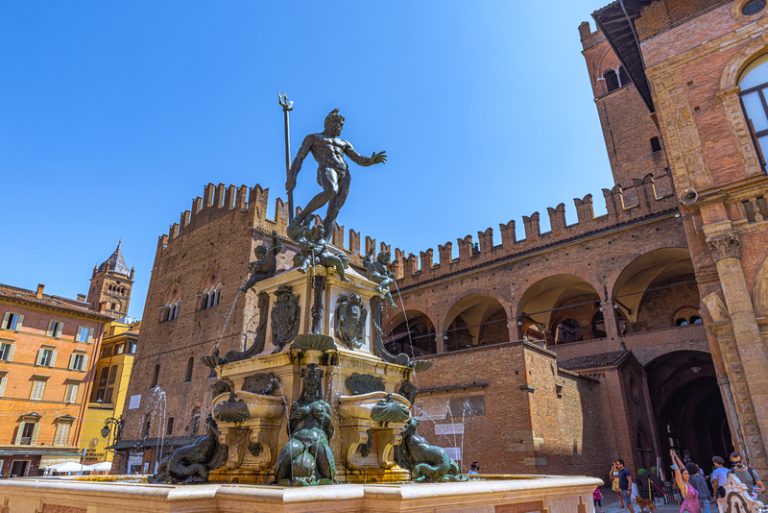
 Get the App.