Malbun village
Slopes and trailheadsThe bowl at 1,600 metres: the lifts, the hotels and the start of every walk.

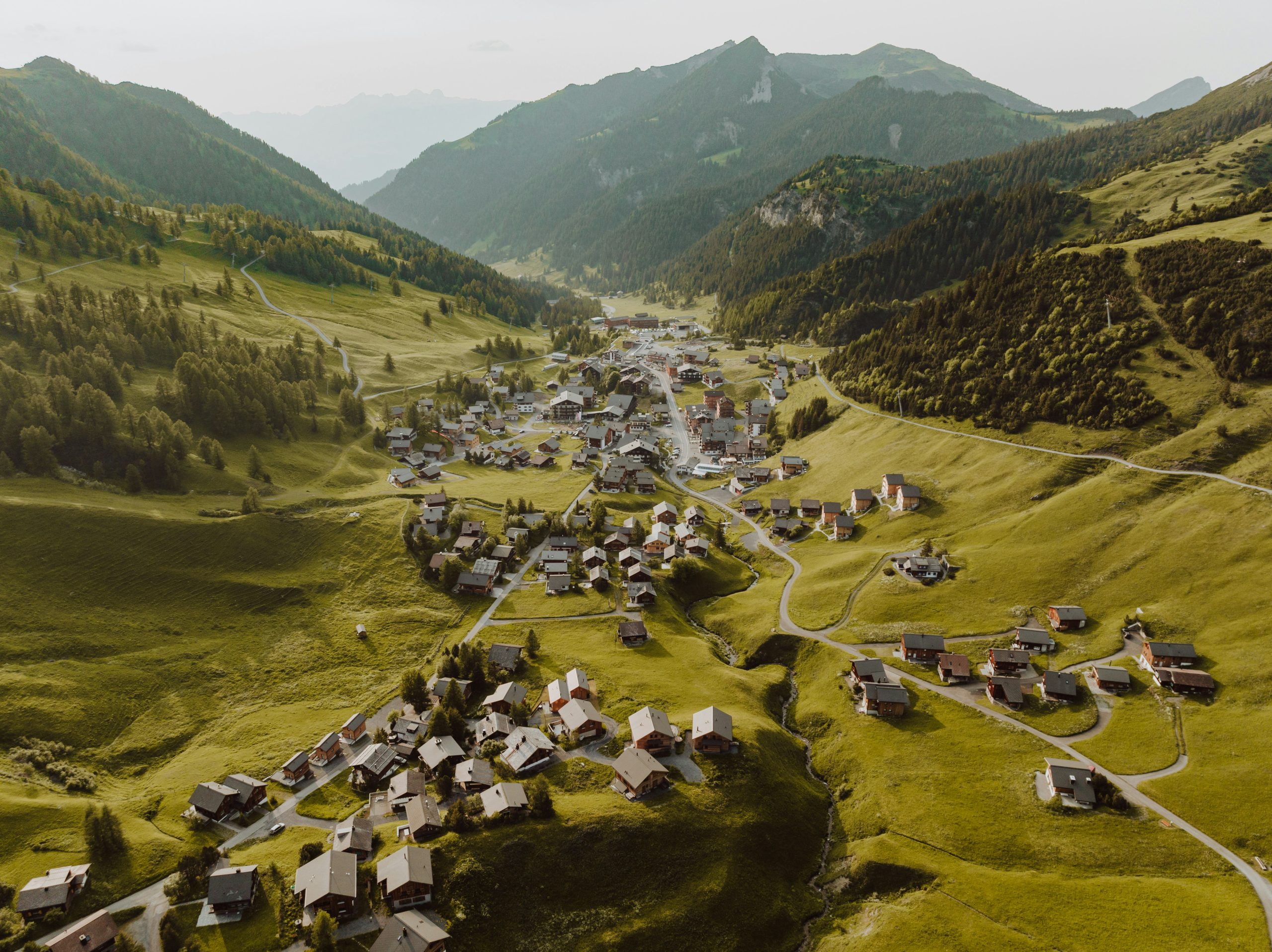
Liechtenstein's only mountain village, at 1,600 metres: a small ski area in winter, the best hiking base in the country in summer, and almost nothing at all in between.
Malbun sits in a bowl at 1,600 metres at the end of the only road that climbs out of the Rhine valley, about thirty minutes by bus from Vaduz. It is part of the municipality of Triesenberg and it is the whole of Liechtenstein's mountain tourism.
In winter it is a small, genuinely family-oriented ski area — around twenty-three kilometres of piste, short lift queues, and a reputation as somewhere to learn rather than somewhere to be impressed.
In summer it is the trailhead for everything worth walking in the country. The Sareis chairlift takes you to two thousand metres, and from there ridge paths run along the Austrian border with the Rhine valley on one side and the Alps on the other.
The famous walk is the Fuerstensteig, a route cut into a cliff face with cable handholds and long vertical drops. It is spectacular and it is not a stroll — it needs a head for heights and proper boots.
The village closes substantially in April and November, between seasons. Two nights.
One small village in a bowl, plus the valley below if Malbun is full.
The bowl at 1,600 metres: the lifts, the hotels and the start of every walk.
Halfway down the mountain road: a Walser village with cheaper rooms and the valley below.
Map © MapTiler © OpenStreetMap contributors.
In summer, walk. The Sareis chairlift climbs to two thousand metres for around CHF 15 return, and from the top a ridge path runs along the Austrian frontier with views into both countries. It is the easiest high walk here and the best value.
The Fuerstensteig is the serious one: a path cut into the rock face of the Drei Schwestern range, with fixed cables, narrow ledges and sustained exposure. It is a walk rather than a climb, but it is genuinely exposed and people with no head for heights should not start it. Boots, a clear forecast and no rush.
The Liechtenstein Trail, a 75-kilometre waymarked route linking all eleven municipalities, passes through, and Malbun makes a natural high point on it.
In winter, ski. Twenty-three kilometres of piste, a day pass around CHF 50, and a gentle, uncrowded area that is ideal for learning and modest for anyone strong.
There is also a small ropes course and a marmot trail aimed at families, which tells you the register the village operates in.
The hiking is free once you are here, and it is the point of the place — dozens of waymarked routes radiate from the village, from valley-floor walks to ridge traverses.
The Fuerstensteig and the other cabled routes cost nothing beyond the effort and the right footwear.
The Liechtenstein Trail is free and waymarked through the village.
Walking up towards the Austrian border, which runs along the ridge above, is free and you can stand with a foot in each country without a checkpoint in sight.
In winter, the valley is free to walk on prepared winter paths, and watching a ski area this small operate is a pleasant change from the industrial resorts elsewhere in the Alps.
Hotel restaurants and mountain huts, and that is the whole of it. The village has a handful of places and they close between seasons.
A main is CHF 25 to CHF 45, about €26 to €48, which is Swiss alpine pricing.
Kaesknoepfle, the cheese dumplings with fried onions and apple sauce, is the dish to order and suits the altitude and the weather.
Mountain huts on the trails serve soup, Roesti and cold plates at CHF 15 to CHF 25, and a hut lunch is the cheapest hot meal up here.
A beer is CHF 6 to CHF 9.
There is no supermarket in Malbun. If you are self-catering, buy in Vaduz or Schaan before you come up — this catches people out.
There is none. Malbun is a mountain village of a few hundred beds and the evening is dinner in your hotel.
In ski season a couple of the hotel bars have something resembling an après crowd, which peaks at about nine o'clock.
A beer is CHF 6 to CHF 9.
In summer the pattern is a hut lunch, a long walk, a shower and an early night, because the good walking starts early and the afternoon weather in the Alps is unreliable.
If you want an evening, it is thirty minutes down the mountain to Vaduz, which has only slightly more, or an hour to Feldkirch in Austria, which has considerably more.
Bus 21 climbs from Vaduz in about thirty minutes on a LIEmobil day ticket of around CHF 8, which covers the whole country. The road is steep, switchbacked and cleared through winter.
The village itself is a few hundred metres end to end and needs no transport.
The Sareis chairlift runs in both seasons, around CHF 15 return, and is the way to gain height without walking.
In winter the road can require chains or close briefly in heavy snow. Check before driving, and take the bus instead, which is easier and runs regardless in most conditions.
There is no fuel station, no supermarket and no cash machine of note in Malbun. Sort all of that in the valley.
Expensive, at Swiss alpine levels. Beds are CHF 60 to CHF 140, roughly €64 to €148, and there are very few of them. A main is CHF 25 to CHF 45 and a beer CHF 6 to CHF 9.
A day is CHF 110 to CHF 200, about €117 to €212, before lift passes.
The hiking is free, which is the saving that matters — a week of walking here costs only beds and food.
A ski day pass is around CHF 50, which is cheap by Alpine standards for a small area.
Book accommodation well ahead. There are a few hundred beds in the entire village and no overflow, so arriving without a reservation in season is a poor plan.
Crime is effectively nil. The risk here is the mountains, and it is real.
The Fuerstensteig and the other cabled routes on the Drei Schwestern are exposed paths cut into cliff faces, with fixed cables, narrow ledges and long vertical drops. They are not technical climbs, but a slip in the wrong place is fatal and accidents have happened. Wear proper boots, go in dry conditions, do not attempt them with vertigo, and turn back if the weather changes.
Alpine weather turns quickly. Afternoon thunderstorms are common in summer and being on an exposed ridge in one is dangerous. Start early, check the forecast, and carry layers whatever the morning looks like.
In winter, stay on marked pistes unless you know the avalanche situation and have the equipment.
Phone coverage is patchy on the trails. Tell your accommodation where you are going. Emergency number is 112.
Ridges, a Walser village and the capital half an hour below.
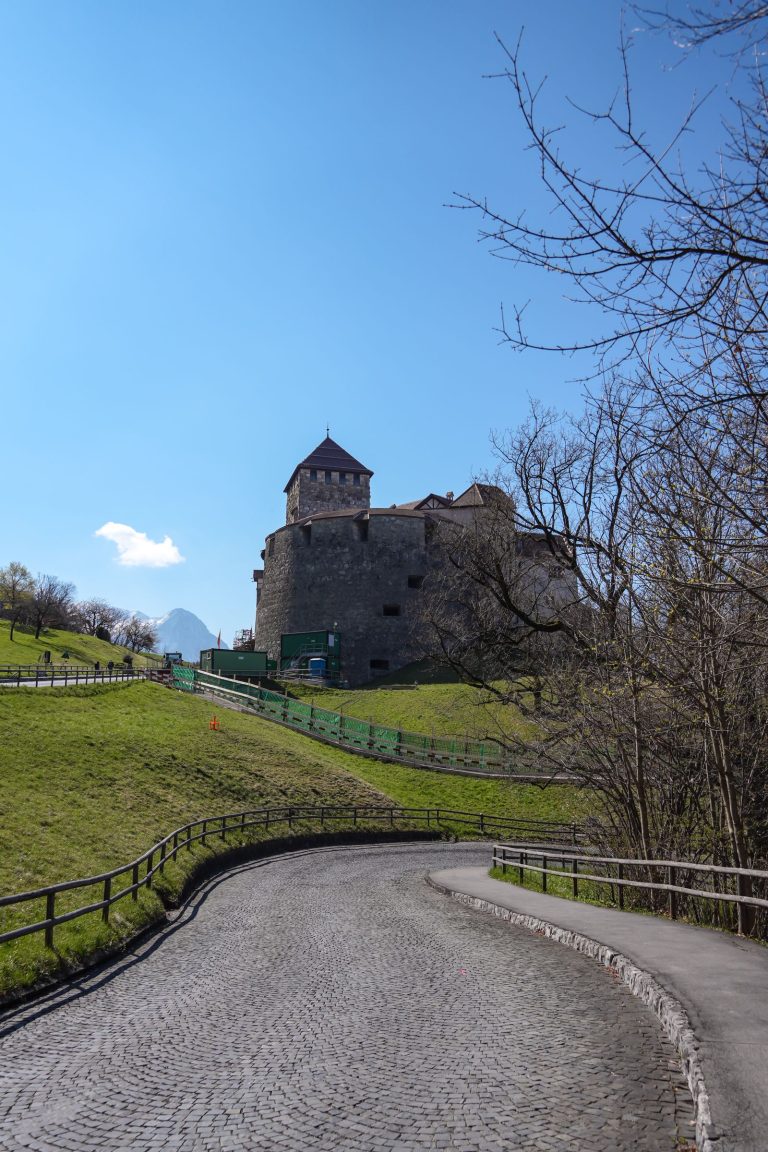
The capital: the art museum, the castle walk and the passport stamp.
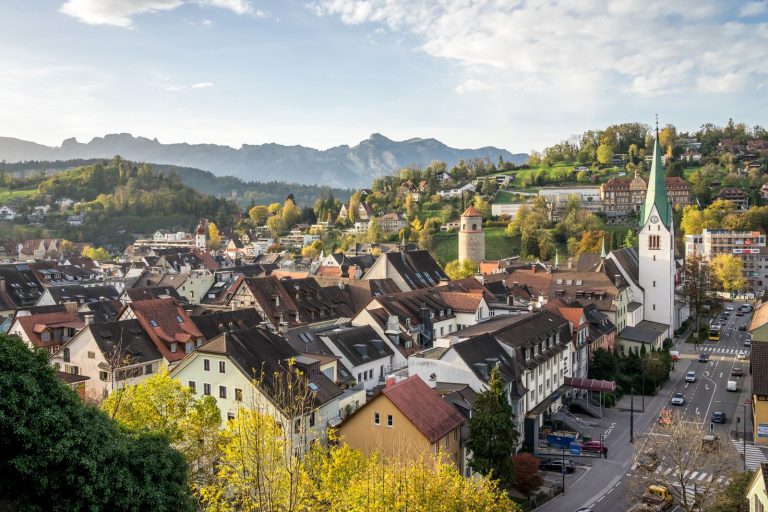
A walled medieval town over the border, with considerably more going on in the evening.
A ski season, a hiking season, and two months of nothing.
Around 23 km of piste, a day pass about CHF 50, and short lift queues.
When the high routes including the Fuerstensteig are clear and the huts are open.
The national day, when the princely family opens the castle gardens and the capital holds a street party.
Lifts stop, most hotels shut, and the village largely closes between seasons.
When the mountain huts serve lunch and the cheapest hot food up here is available.
June to October for walking, December to March for skiing. April and November it is shut.
Average highs at 1,600 metres, well below the valley. April and November are genuinely dead months when lifts stop, hotels close and there is very little reason to come.
Pick how you travel. Per person per night, in Swiss francs — roughly €1.06 to the franc.
Shown in Swiss francs because that is what you pay; multiply by roughly 1.06 for euros. The shoestring doing line is zero because the walking is free. Ski passes at about CHF 50 sit outside these figures.
The ones we get asked most.

Compare accommodation in Liechtenstein — live prices, real reviews and free cancellation on most bookings. Then meet the people already there in the app.

 Get the App.
 Get the App.