Latin Quarter
Music and atmosphereShop Street, Quay Street and the Spanish Arch. Buskers by day, sessions by night.

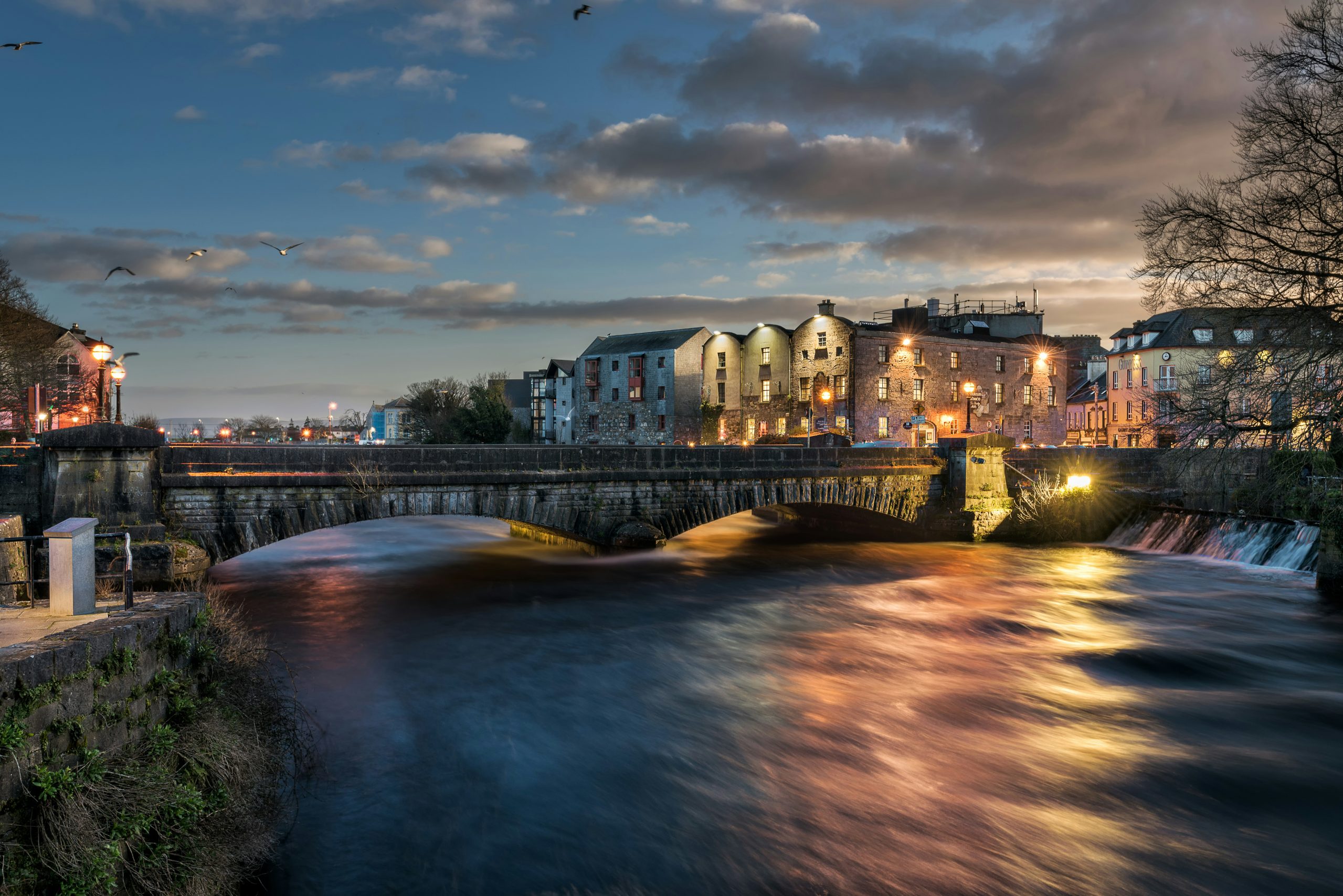
Buskers on Shop Street, trad sessions in every pub, students everywhere and the Atlantic at the end of the prom. The best small city in Ireland, and the base for the west.
Galway sits where the River Corrib runs into Galway Bay, on the edge of the Irish-speaking Gaeltacht of Connemara. It was a medieval merchant city run by fourteen families, the Tribes of Galway, and the name stuck: it is still the City of the Tribes.
The centre is tiny. The Latin Quarter, from Eyre Square down Shop Street and Quay Street to the Spanish Arch, is a ten-minute walk, and it is full of buskers by day and music by night. The university and a young population keep it busy all year, and festivals keep it busier in summer.
Galway is also the gateway to the west. The Cliffs of Moher and the Burren, the Aran Islands and Connemara are all day trips. Two days in the city, and two or three more for the coast, is the right shape.
Stay central. The Latin Quarter and Eyre Square are where the hostels are, and everything is walkable.
Shop Street, Quay Street and the Spanish Arch. Buskers by day, sessions by night.
The main square, next to the bus and train stations. Most hostels are within a few minutes.
Across the river, with bars, cafés and restaurants full of students and locals.
The seaside suburb at the end of the prom. Quieter, a 30-minute walk from the centre.
Orange labels are neighbourhoods, dots are the 7 top-rated hostels. Map © MapTiler © OpenStreetMap contributors.
Walk the Latin Quarter first: Eyre Square, Shop Street with its buskers, Quay Street and down to the Spanish Arch, a fragment of the old city walls where the river meets the bay. Galway City Museum, beside it, is free and tells the city's story well.
Cross the river to the Claddagh, the old fishing village that gave its name to the ring, and walk along the water to Salthill. The promenade runs about two kilometres, and tradition says you kick the wall at the far end before turning back.
Galway Cathedral, finished in 1965, is the last great stone cathedral built in Europe. St Nicholas' Collegiate Church, in the centre, is medieval and still in use, and the Saturday market fills the lanes around it.
The music is the reason many people come. Trad sessions happen in pubs across the centre every night of the year; the Crane Bar and Tig Cóilí are two of the best-known.
Galway is a good city for free things. Galway City Museum at the Spanish Arch is free, and so is walking the Latin Quarter with its buskers, who are some of the best street performers in Ireland.
The Salthill prom, the Claddagh and the walk along the river to the cathedral cost nothing.
The Saturday market around St Nicholas' Church is free to browse, and the food stalls are cheap.
Trad sessions are free, every night, in pubs across the centre. You are expected to buy a drink, not to pay to listen.
Galway eats well, and seafood is the thing. Galway Bay oysters, mussels and seafood chowder with brown bread are on menus everywhere; a bowl of chowder is €8 to €12 and a meal in itself.
The Saturday market around St Nicholas' Church has crêpes, curries and oysters from stalls, and is the cheapest lunch in town. Fish and chips by the Spanish Arch is the other Galway institution.
Pub food and carvery lunches are the everyday option. The Latin Quarter restaurants are good but priced for visitors; the West End, across the river, is cheaper and more local.
Galway has music every night of the year. Quay Street and the Latin Quarter are the centre of it, with trad sessions from around nine in pubs like the Crane Bar and Tig Cóilí, and the West End across the river has bars full of students and locals.
The city goes out early and it goes out often. Pubs close around 23:30 during the week and 00:30 at weekends, and a few late bars and clubs stay open until about 02:30.
A pint is €5.50 to €6.50, cheaper than Dublin. The Galway Races and the Arts Festival in July make the city its busiest and loudest.
The centre is small and flat, and you will walk everywhere.
Buses from Dublin to Galway cost around €15 and take about two and a half to three hours, leaving hourly. Dublin Airport has direct coaches. Trains from Dublin Heuston take about two and a half hours.
For the west, Bus Éireann and the private coach companies run to Clifden, Westport, Doolin and the Cliffs of Moher. The Aran Islands ferry leaves from Rossaveal, an hour west, with a shuttle bus from the city; ferries also run from Doolin.
Day tours from Galway to the Cliffs of Moher and the Burren, or to Connemara, cost €30 to €45 and are the easy option if you are not driving.
Galway is cheaper than Dublin but not cheap. Dorms run €20 to €28, higher during the Races and the Arts Festival, when the city fills.
A pint is €5.50 to €6.50. A careful day is €55 to €70.
The savings are simple: the music is free, the museum is free, the market does cheap lunches, and the hostel kitchens are there to be used. Day tours are good value compared with renting a car alone.
Galway is safe and friendly, and crime against visitors is rare. The Latin Quarter is busy and well lit late at night.
The risk is the water. The Corrib runs fast through the city, and the quays and the Salthill prom are exposed in storms. Stay back from the edge at night and after drinking.
On day trips, the Cliffs of Moher and the Aran Islands cliffs have no railings in most places, and the wind can be strong enough to knock you over. Stay well back.
Emergency numbers are 112 or 999.
The west of Ireland is on the doorstep. Every one of these is a full day.
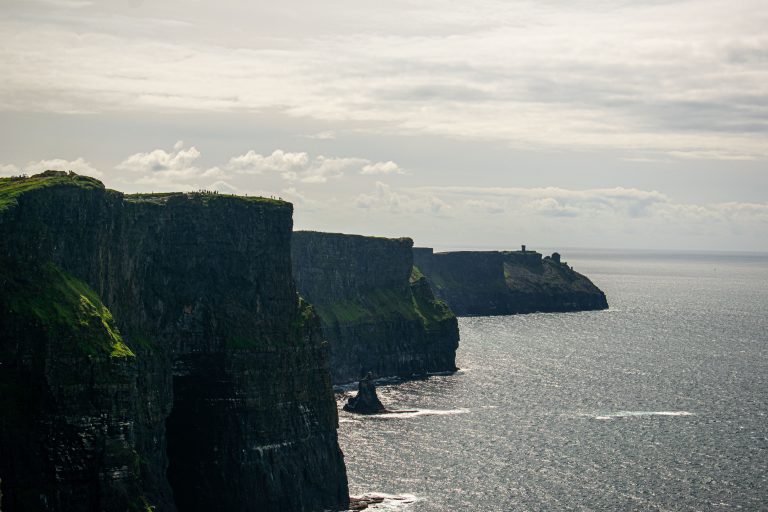
The 214-metre cliffs over the Atlantic and the limestone plateau of the Burren behind them. Visitor centre entry is €8–12 online.
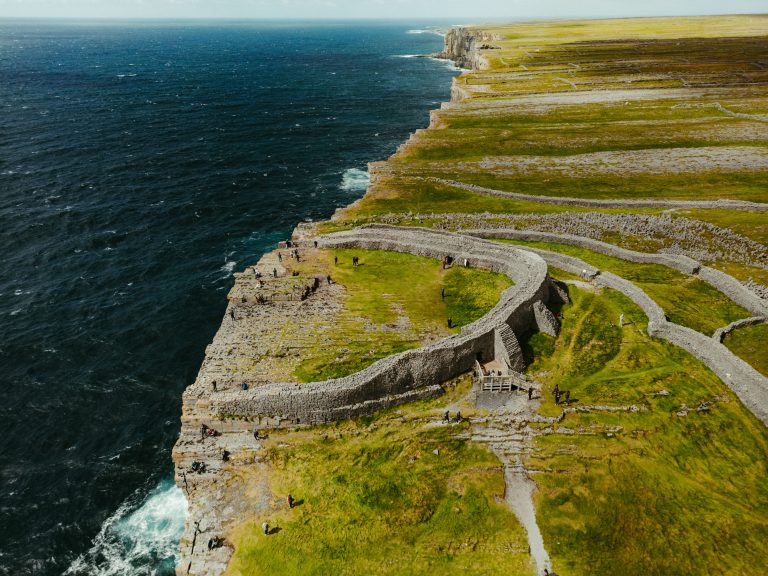
Inis Mór, with the clifftop fort of Dún Aonghasa. Hire a bike at the pier. Return ferries from about €17 to €34.
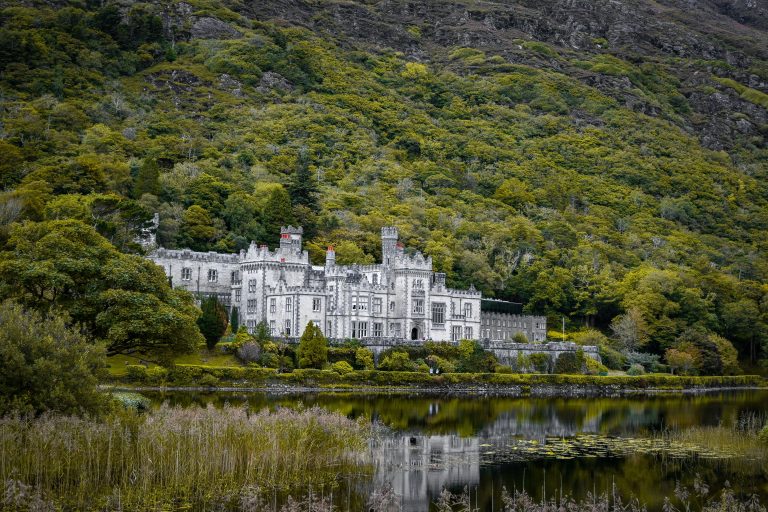
Bog, mountains and lakes, Kylemore Abbey on its lough, and the Irish-speaking coast.
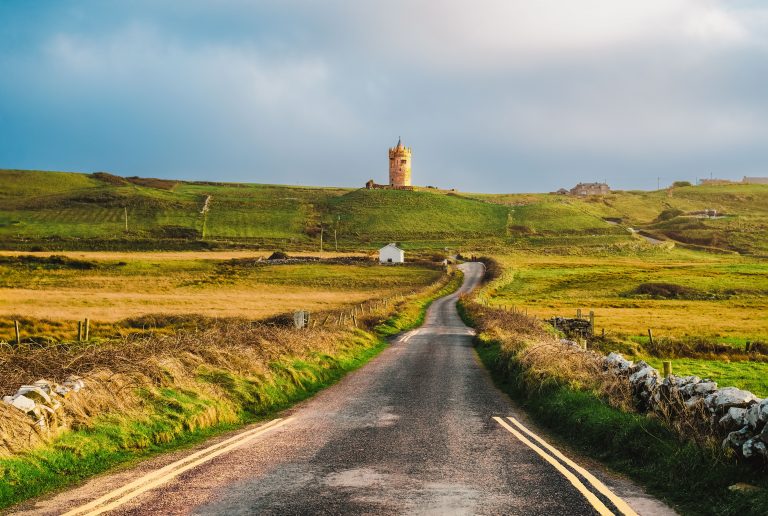
A village of trad pubs near the Cliffs of Moher, with the coastal walk to the cliffs.
July is Galway's month. Two festivals and a race week, one after the other.

Galway Cartoon Festival celebrates the art of funny drawings through exhibitions, workshops, talks, and even games for all ages. Founded by two local cartoonists…

Run Galway Bay takes runners along a flat, scenic loop that hugs the coastline from The Claddagh out to Salthill and Blackrock before circling…
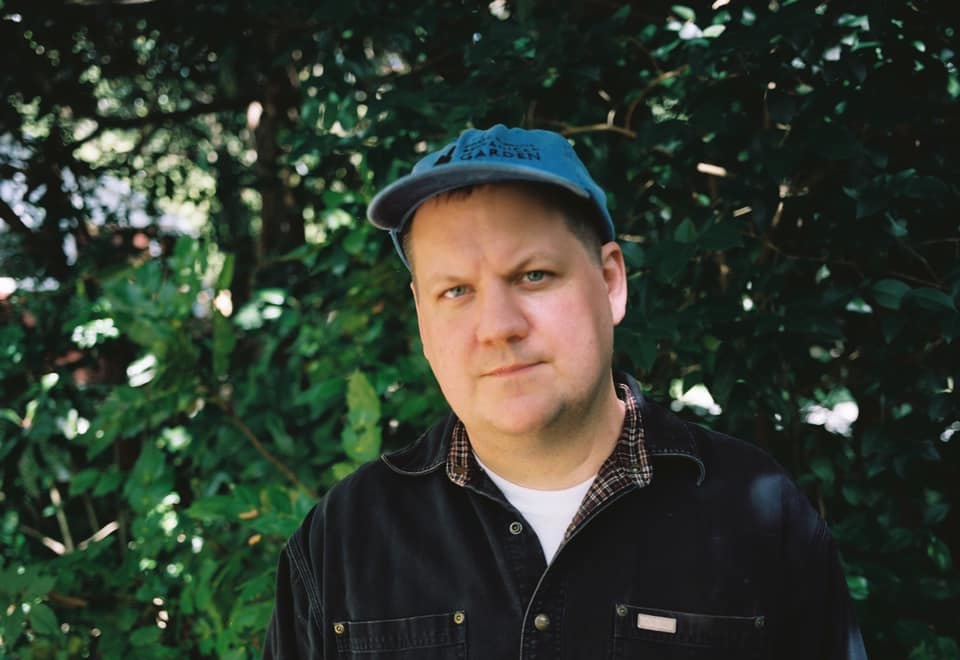
Jake Xerxes Fussell is an American singer, guitarist, and songwriter known for his skillful blend of folk, blues, and traditional American music. His distinctive…
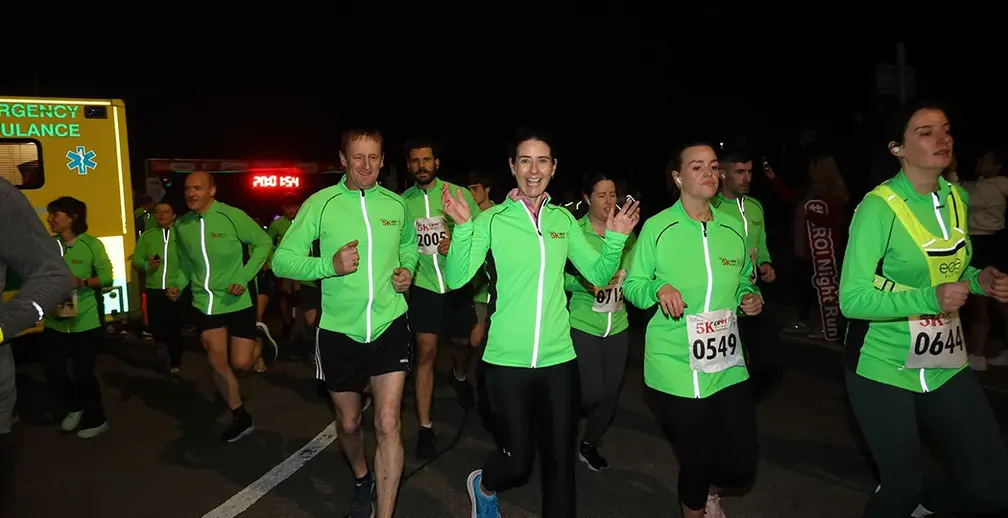
The Croí Charity Night Run brings people together along Salthill Prom to raise funds for heart disease and stroke support services. Starting at 8…
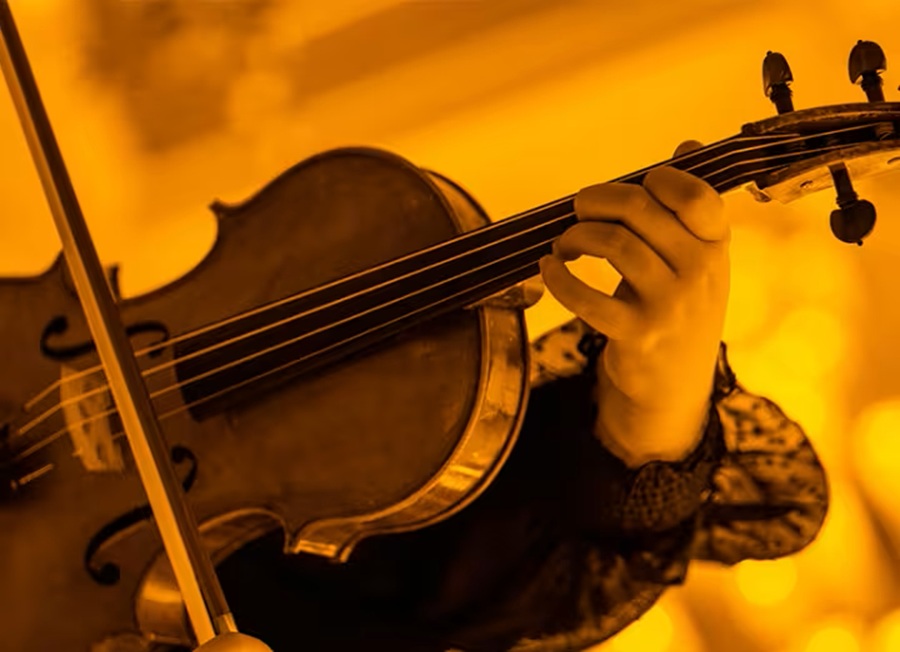
Candlelight concerts create a unique atmosphere by combining live music with the warm glow of candlelight in stunning venues. Experience the timeless songs of…
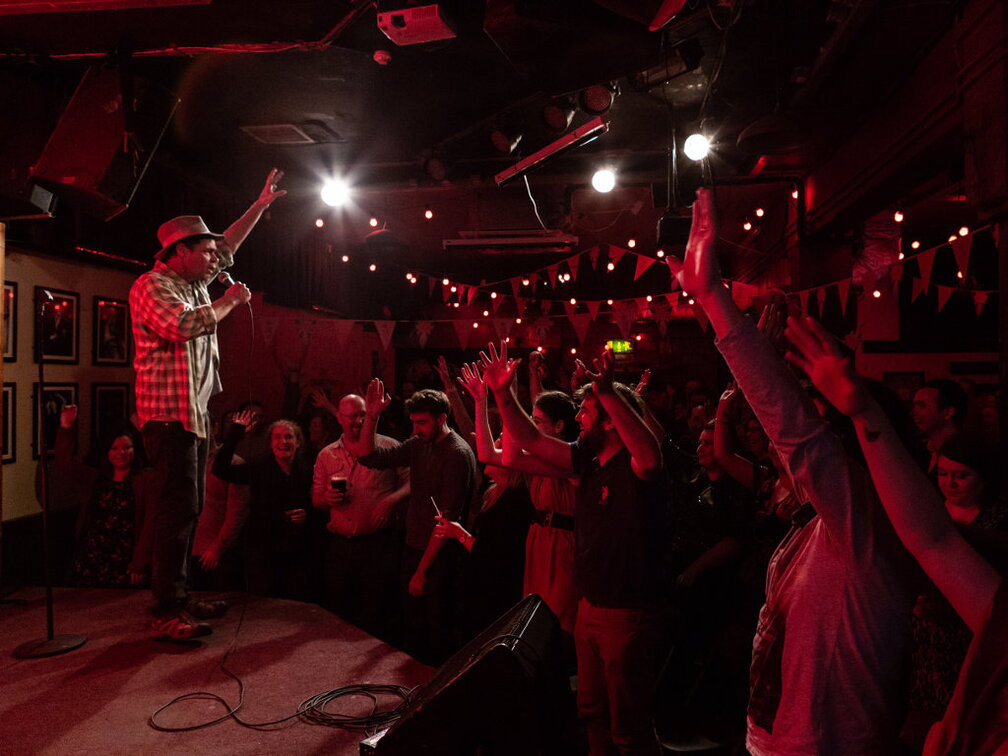
Galway Comedy Festival returns in October 2026 with a lineup of leading Irish and international comedians, improv, theatre, and more. The festival runs from…
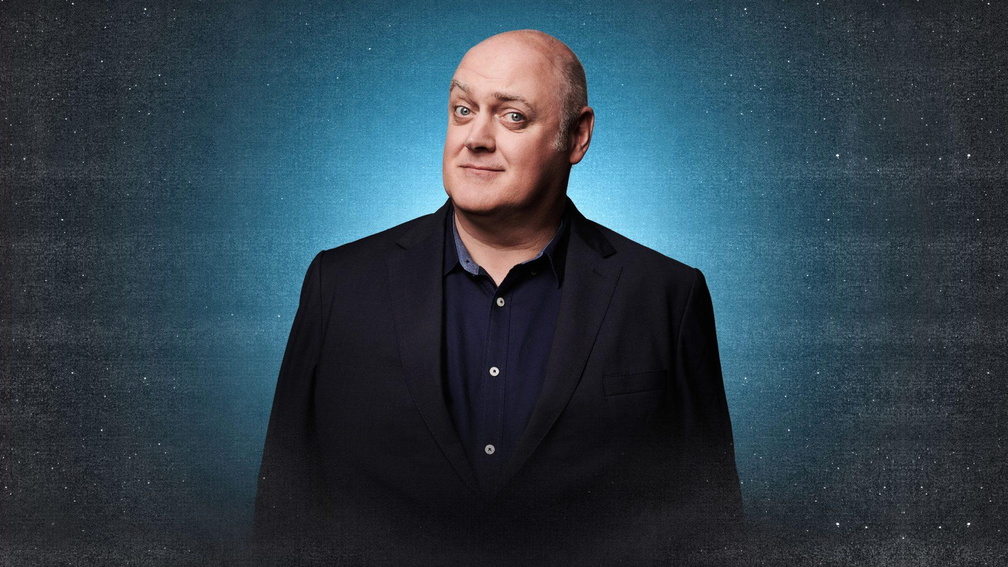
Dara Ó Briain returns to Galway with his latest live show, following the huge success of his previous tour. Expect a night filled with…
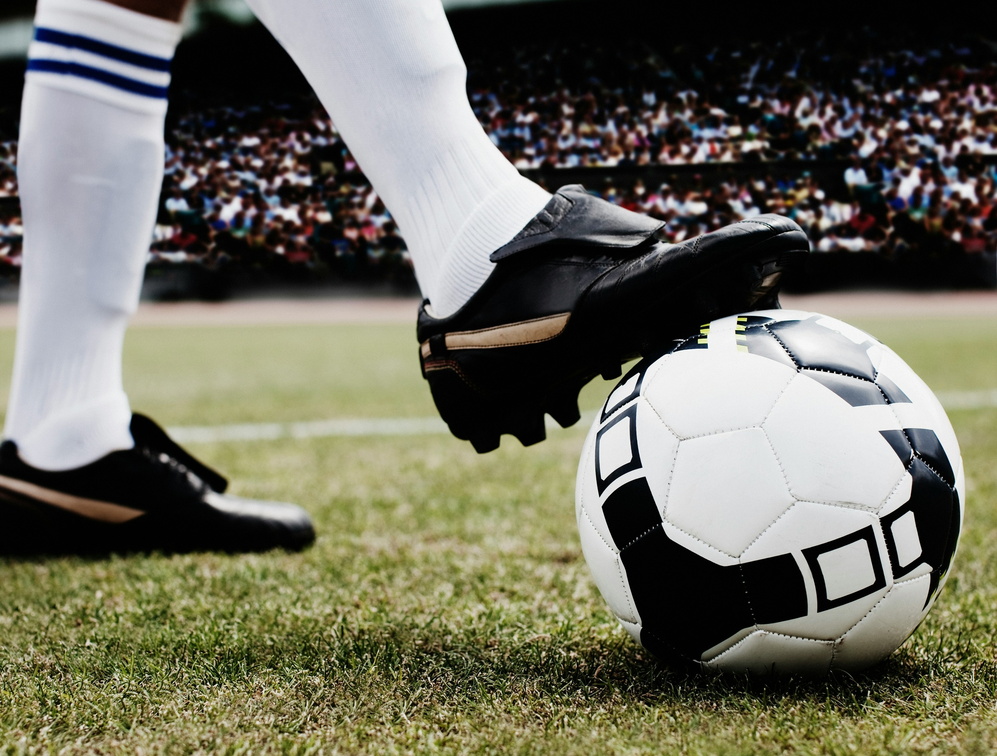
Galway United takes on Shelbourne FC in this SSE Airtricity Women's Premier Division clash at Eamonn Deacy Park. The match offers affordable entry with…
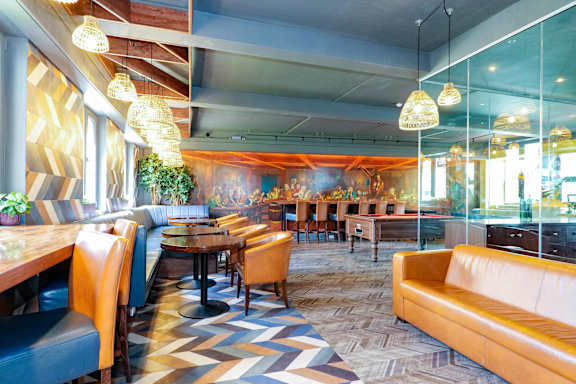
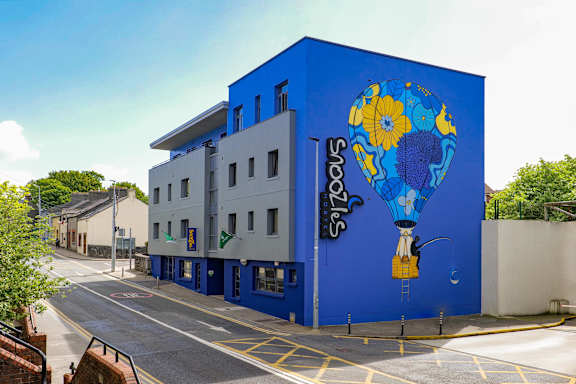
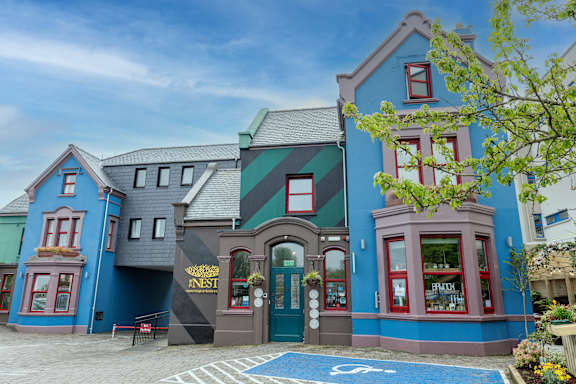
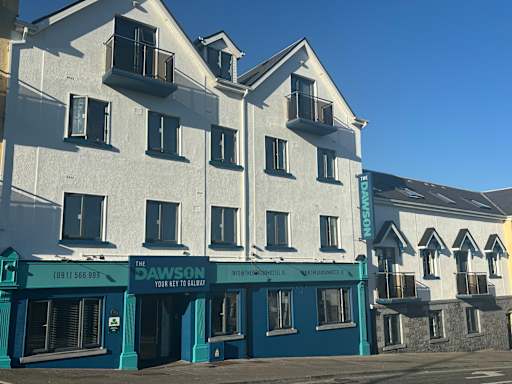
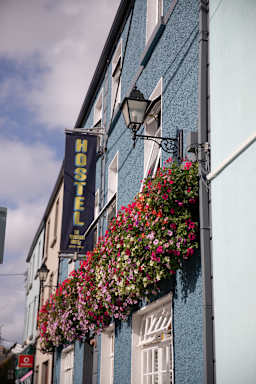
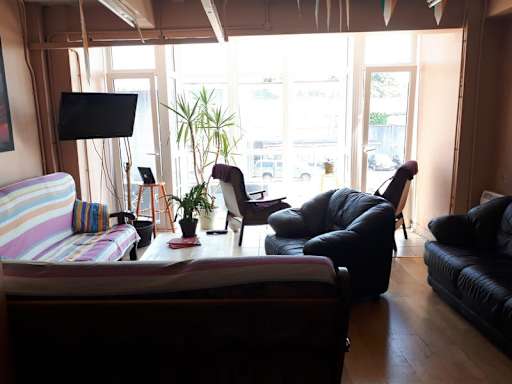
Galway has some of the best-value hostels in Ireland, most in the Latin Quarter and around Eyre Square. These are the top-rated right now, live from Hostelworld.
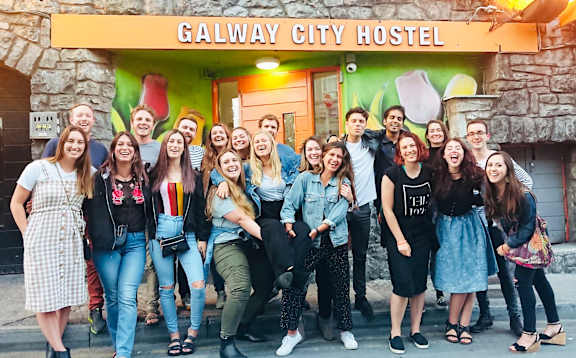
Galway is at its best from May to September, and at its busiest in July. Winter is wet and quiet, and the pubs are at their best.
Average highs. The west gets more rain than the east, and the weather changes several times a day. Bring a waterproof.
Pick how you travel. Per person per night, in euros.
Transport assumes walking. Day tours to the Cliffs of Moher or Connemara are €30–45.
The ones we get asked most.

Compare Galway hostels — live prices, real reviews and free cancellation on most bookings. Then meet the people already there in the app.

 Get the App.
 Get the App.