Chora
EverythingThe main town: lanes, bars, restaurants and the windmills. Loud until dawn in summer.

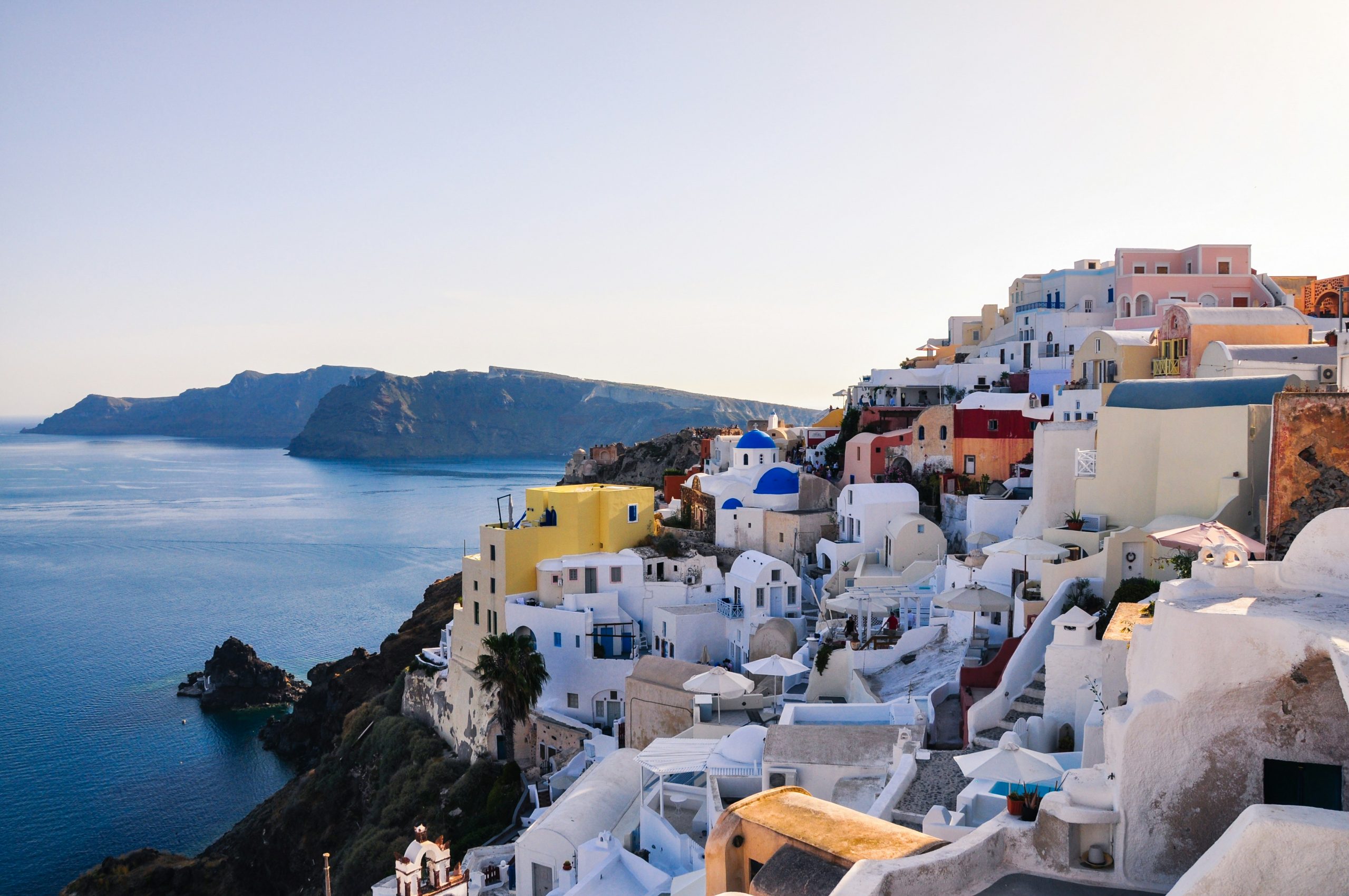
Whitewashed lanes built to confuse pirates, windmills on the ridge, a serious club scene and Delos, an entire sacred island, half an hour offshore. The expensive one, and it knows it.
Mykonos is small, dry and windy, and for most of its history it was poorer than its neighbours. It became famous in the second half of the twentieth century as a hideaway for artists and the international jet set, and later as one of the first openly gay-friendly destinations in Europe. The reputation stuck, and so did the prices.
Chora, the main town, is a maze of whitewashed lanes deliberately built to disorient raiders, with the windmills on the ridge above and the balconies of Little Venice hanging over the sea. The beaches along the south coast range from quiet coves to all-day club parties.
The island's real treasure is not on it. Delos, a short boat ride away, was the birthplace of Apollo in myth and one of the most important religious centres of the ancient world. Two or three days is enough for most people, and the budget will decide the rest.
Chora is the centre of everything. The beach villages along the south coast are linked to it by bus and sea taxi.
The main town: lanes, bars, restaurants and the windmills. Loud until dawn in summer.
A sheltered bay south of town with a sandy beach and sea taxis to the south coast.
A busy south-coast beach with sea taxis to Paradise and beyond.
The beach club strip. Party all afternoon, loud all night.
The only inland village, with the monastery and cheaper tavernas.
Orange labels are neighbourhoods, dots are the 6 top-rated hostels. Map © MapTiler © OpenStreetMap contributors.
Get lost in Chora in the morning, before the cruise passengers arrive. The lanes were built narrow and winding to confuse pirates, and they still work. Paraportiani, a church made of five chapels fused together into one white shape, is the most photographed building on the island.
Walk along the waterfront to Little Venice, where the old captains' houses have balconies over the water, and up to the Kato Mili windmills on the ridge behind. Sunset from there, with the town below, is the island's ritual.
Then go to Delos. Boats leave from the old port in the morning, the crossing takes about half an hour, and the site — temples, the Terrace of the Lions, a whole ancient city with mosaic floors — needs at least three hours. Entry is €20, with the boat around €25 to €30 return on top. Nobody lives on Delos apart from site staff, and visitors cannot stay overnight.
For the beaches, Paradise and Super Paradise are the party ones; Agios Sostis, on the north coast, has no facilities and is the quietest. Ano Mera, the only inland village, has the Panagia Tourliani monastery and a square of tavernas.
Chora is free, and its lanes, churches and the windmills are the main event. Little Venice at sunset costs nothing if you watch from the rocks rather than the bars.
The beaches are free if you skip the sunbeds, which is not always possible on the organised ones. Agios Sostis, Fokos and the north coast have no sunbeds at all.
The Armenistis lighthouse, in the north-west, has one of the best sunset views on the island and almost nobody there.
State museums and sites, including Delos, are free on the first Sunday of the month from November to March, though the boats run far less in winter.
Mykonos is expensive to eat on, and some restaurants have been caught overcharging tourists badly. Always check prices before ordering, especially for fish and seafood sold by the kilo.
The budget answer is gyros and souvlaki in Chora, from around €5, and the bakeries for pies. Kopanisti, a sharp, peppery local cheese, and louza, cured pork, are the island specialities.
Ano Mera's tavernas are cheaper and more local than anywhere in town. A taverna meal in Chora is €25 to €40 with wine; a beach-club lunch much more.
Mykonos has one of the most famous nightlife scenes in Europe, and it runs almost all day in July and August. The beach clubs at Paradise and Super Paradise start in the afternoon and go until late; the clubs and bars in Chora take over after midnight.
Little Venice is the sunset-drinks spot. The lanes of Chora have gay and mixed bars that have been part of the island's identity for decades.
It is expensive. A cocktail is €15 to €20 in town, more at the beach clubs, where a sunbed can cost more than a dorm bed.
Chora is walkable. Buses run from two stations: Fabrika, at the south of town, for the south-coast beaches, and the old port, for the north and Ano Mera. Fares are a couple of euros, higher at night.
Sea taxis run from Platis Gialos and Ornos along the south coast to Paradise, Super Paradise and Elia, and from the old port to Delos.
Ferries dock at the new port, about two kilometres north of town, with a bus and the SeaBus into Chora. The airport is close to town. Taxis are famously few, and queues in August can be very long; book transfers ahead.
Ferries from Piraeus and Rafina take two to five hours. Paros and Naxos are an hour or so away.
Mykonos is the most expensive island in Greece. Dorms, where you can find them, run from about €30 in spring to €60 or more in August. A beach-club day can cost more than three days on Naxos.
A careful day is €70 to €100 in summer. The costs that add up are beds, sunbeds, drinks and taxis.
The savings: eat gyros in Chora, go to the free beaches without sunbeds, take the bus instead of taxis, and come in May, June or late September. Or stay on Paros or Naxos and visit for a day.
Mykonos is safe, with low violent crime. Pickpocketing happens in the Chora crowds when cruise ships are in.
The common problems are money ones: restaurants overcharging for fish and seafood by the kilo, and bills with extras added. Ask prices first and check the bill.
At the beach clubs and in town late at night, keep an eye on your drink and your friends. ATVs and scooters cause many accidents on the island's narrow roads.
The Meltemi wind blows hard in summer and can cancel the Delos boats. Emergency number is 112.
Delos is the reason to come to Mykonos if you are not here for the parties.
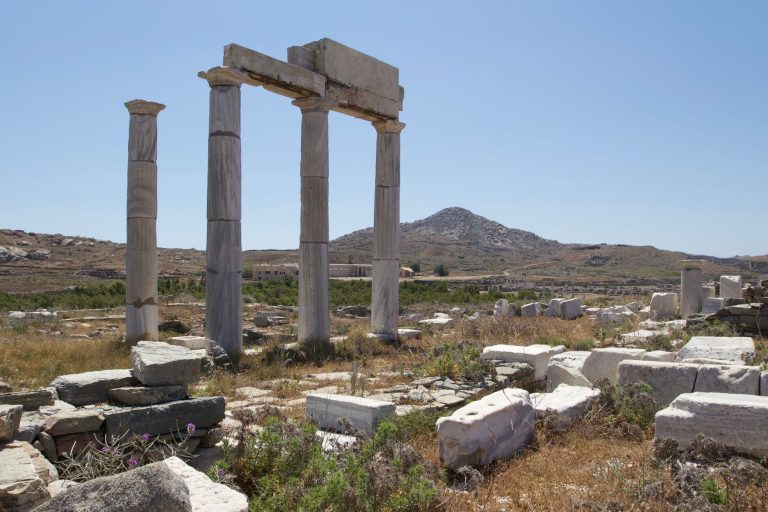
The mythical birthplace of Apollo and a whole ancient city of temples, houses and mosaics. €20 entry, boat extra.
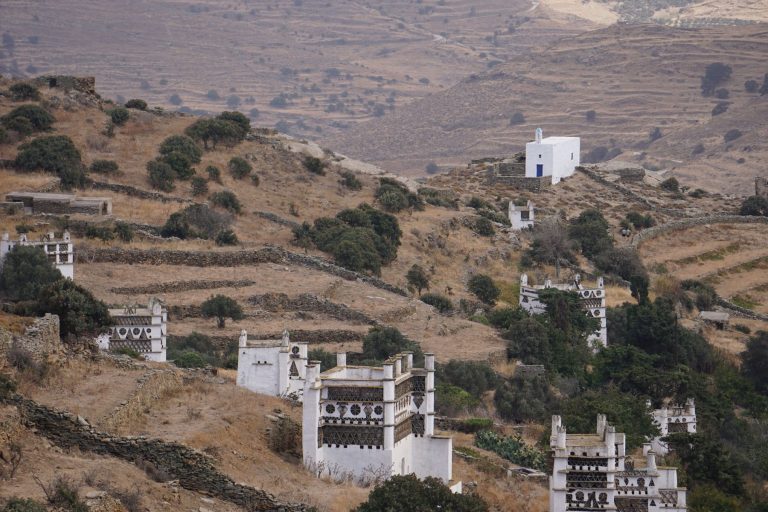
A pilgrimage island with a great church, marble villages and almost no party scene.
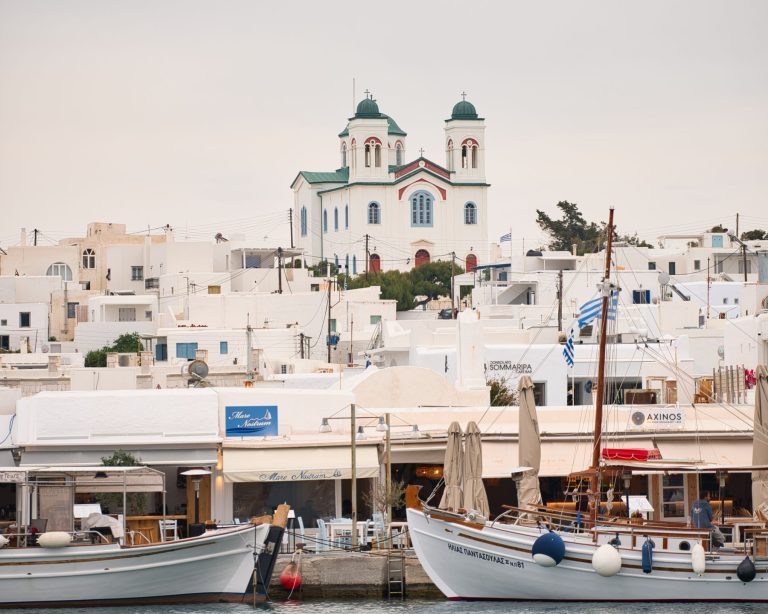
Cheaper beds, two good towns and a lively night out.
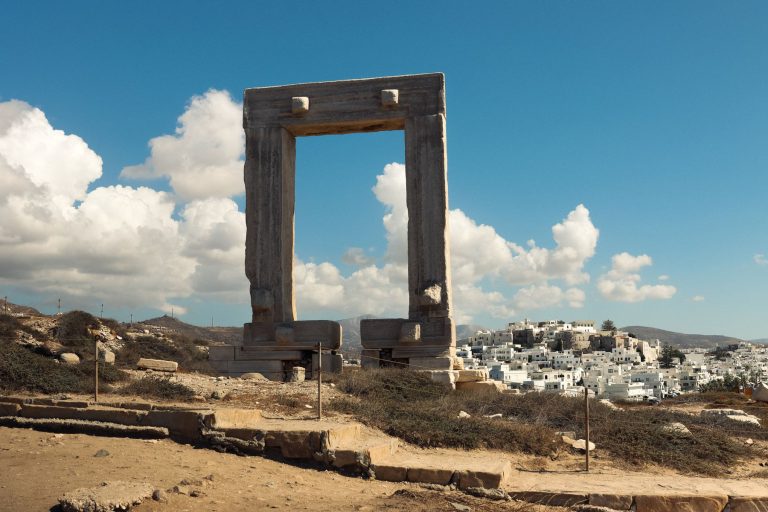
The biggest of the Cyclades, with better beaches and far lower prices.
The island's calendar is its season: it opens around Easter and closes in October.
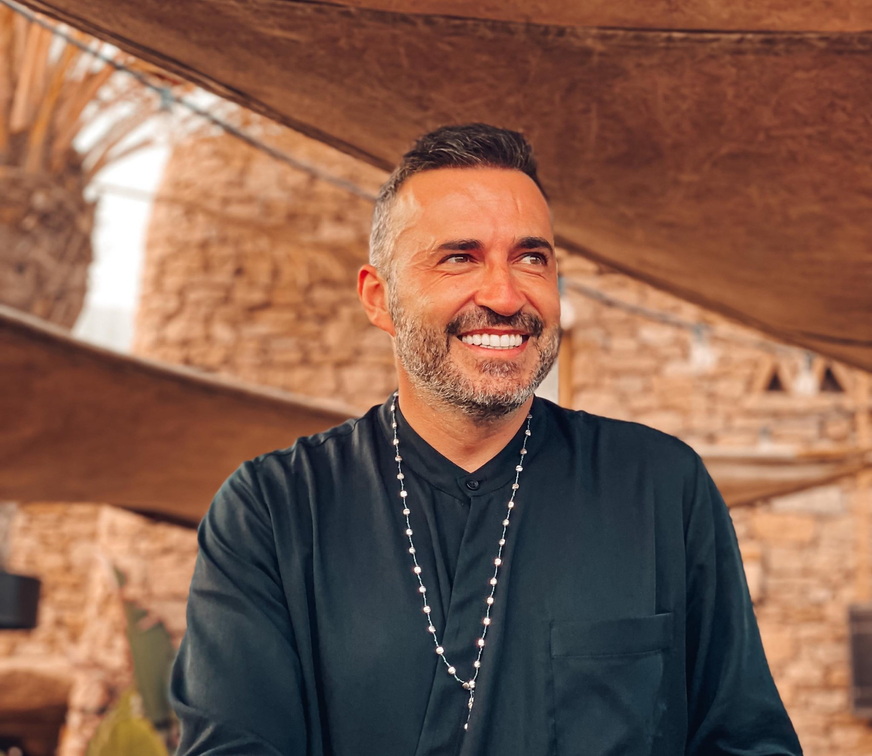
Valeron brings his band back to Scorpios for a live set that weaves traditional melodies into something built for dancing. Expect virtuoso instrumentation layered…
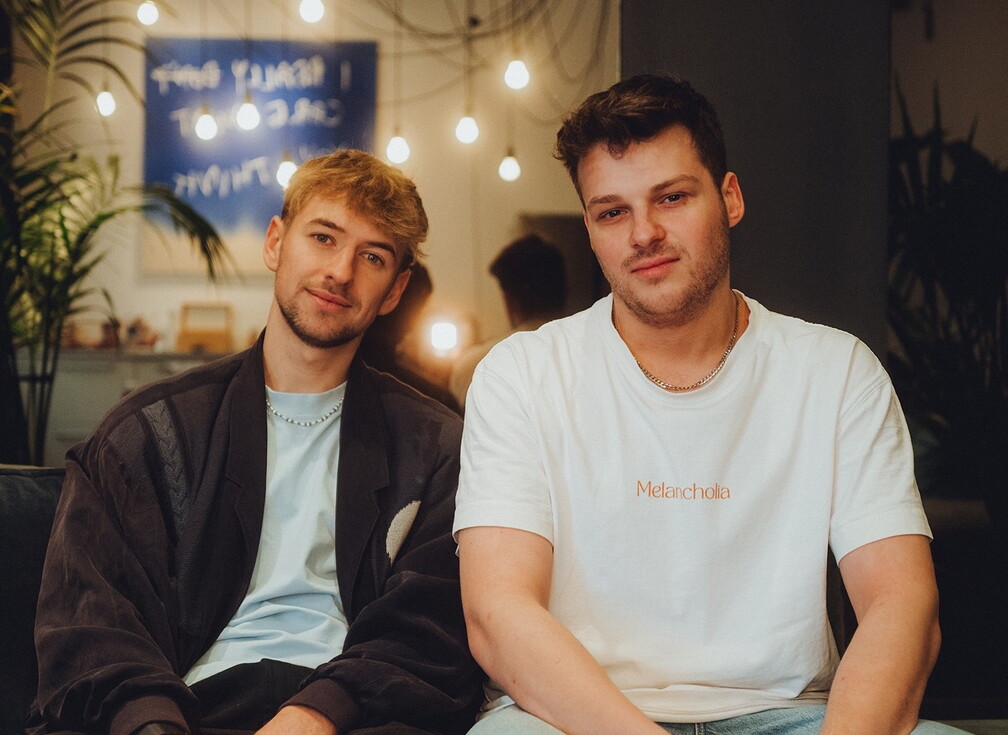
Lannka brings Lynnic and ItsArius to Scorpios for a set that moves between deep house and melodic techno with real emotional pull. Their sound…
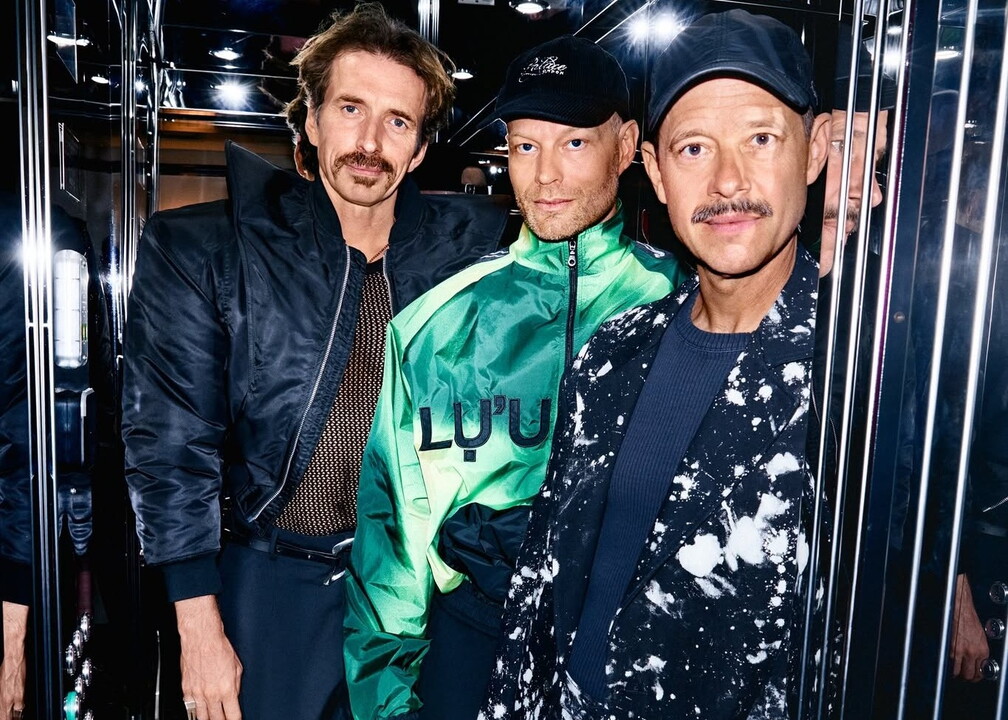
WhoMadeWho headlines this end-of-season celebration alongside Lannka, Jean Claude Ades, and Little D at Scorpios. The lineup brings together artists known for crafting euphoric,…
Mykonos has very few hostels, and they fill up early. These are the top-rated right now, live from Hostelworld.
June and September are the best balance. July and August are packed and expensive, and most of the island closes in winter.
Average highs. Mykonos is one of the windiest islands in the Aegean, and the Meltemi blows hard in July and August.
Pick how you travel. Per person per night, in euros.
Transport assumes buses. A Delos trip adds about €45 to €50, boat and entry together.
The ones we get asked most.
Compare Mykonos hostels — live prices, real reviews and free cancellation on most bookings. Then meet the people already there in the app.

 Get the App.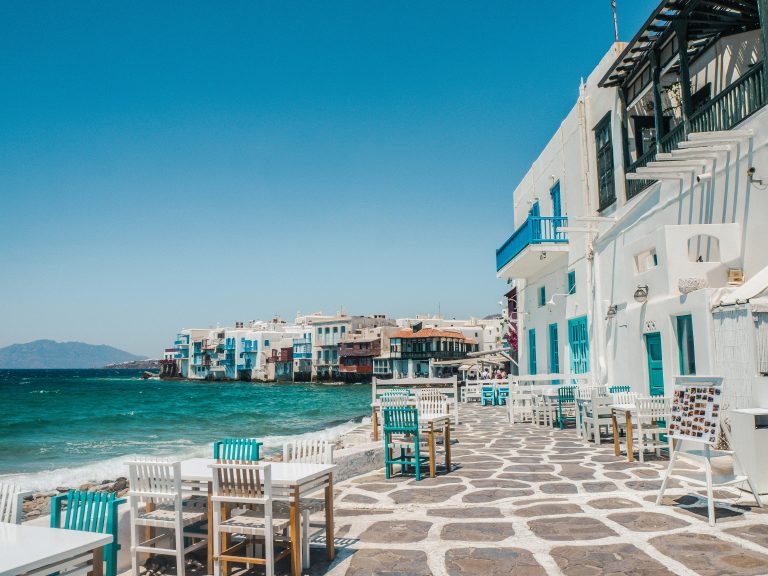
 Get the App.