Altstadt
First-timersThe medieval centre: the Golden Roof, arcaded streets, the funicular station and the highest prices.

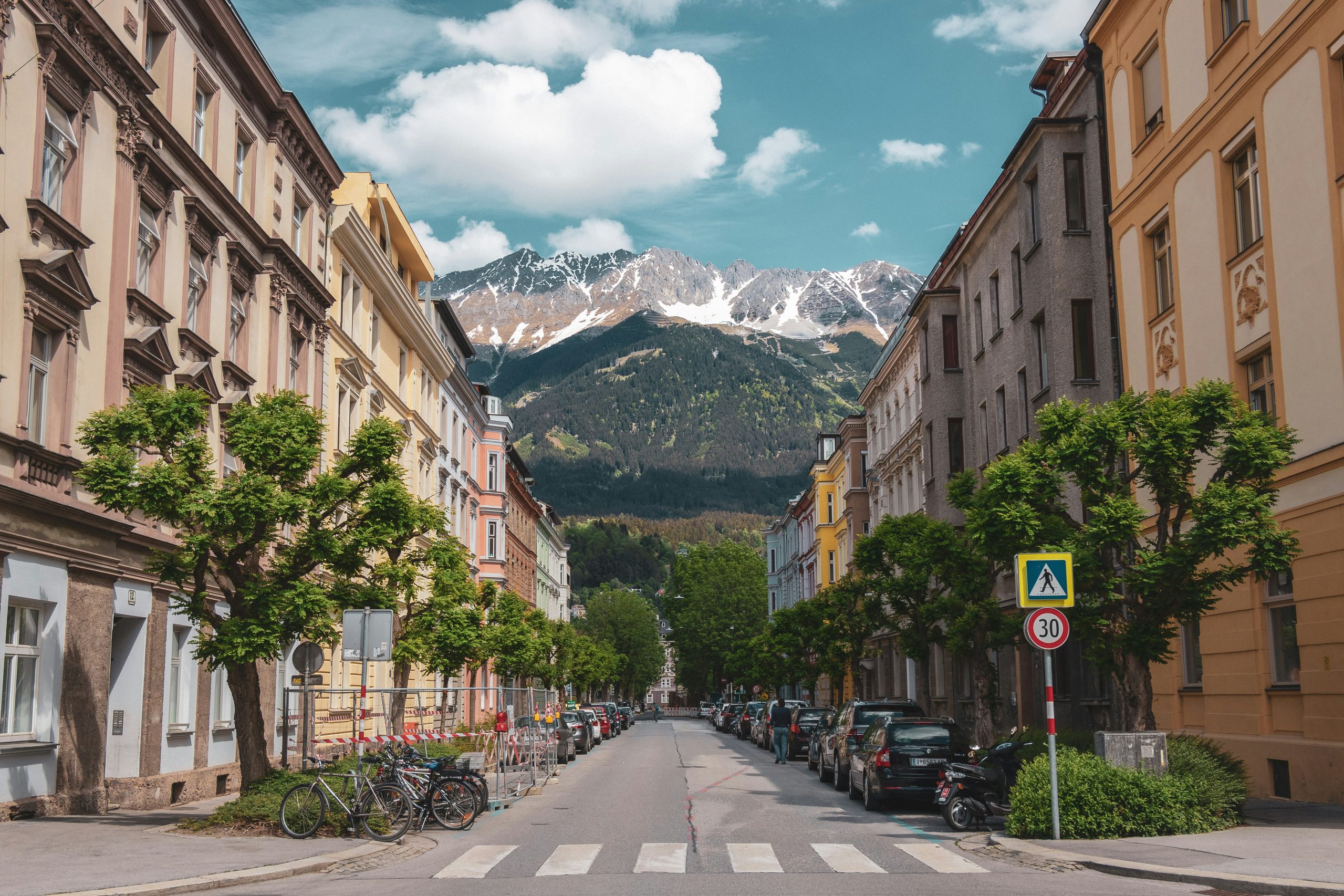
A city with 2,000-metre peaks at the end of the tram line, a Zaha Hadid funicular from the centre to the snow, and a gold roof built to watch tournaments from.
Innsbruck sits in the Inn valley with the Nordkette range rising 2,000 metres directly behind the old town, which means you can be on a summit twenty-five minutes after leaving a café.
The Nordkettenbahnen do it in three stages: a funicular designed by Zaha Hadid from the centre, then two cable cars to Hafelekar at 2,256 metres. Nowhere else in Europe connects a city centre to high alpine terrain that quickly.
The city itself is Habsburg — the Golden Roof, built in 1500 with 2,657 gilded tiles so Maximilian I could watch tournaments in the square below, and the Hofburg and Hofkirche around it.
Two Winter Olympics left ski jumps and infrastructure, and the university keeps prices and nightlife reasonable. Two or three days, or a base for a week of mountains.
Small city, big mountains. Everything central is within fifteen minutes on foot.
The medieval centre: the Golden Roof, arcaded streets, the funicular station and the highest prices.
South of the centre: student bars, cheaper restaurants and the Bergisel ski jump above.
The north bank under the Nordkette, with the painted houses along the Inn and quick access to the lifts.
A village at 900m above the city, twenty minutes by tram, with its own lifts and a different climate.
Orange labels are neighbourhoods, dots are the 4 top-rated hostels. Map © MapTiler © OpenStreetMap contributors.
Take the Nordkettenbahnen up. The Hungerburgbahn funicular leaves from beside the old town in Zaha Hadid's glacier-shaped stations, then two cable cars carry you to Hafelekar at 2,256 metres. The whole thing takes 25 minutes and costs about €44 return, and in winter you can ski down terrain that is genuinely steep.
The Golden Roof is the postcard: 2,657 gilded copper tiles over a balcony built in 1500 for Maximilian I to watch tournaments in the square.
The Hofkirche holds Maximilian's cenotaph surrounded by 28 enormous bronze figures of his real and imagined ancestors, which is one of the strangest and best things in Austria.
Bergisel, the ski jump above the city, was rebuilt by Hadid as well, and you can go up the tower for the view down the in-run and over the valley.
Walking the Altstadt costs nothing — the Golden Roof is seen from the street, and the arcaded lanes take an hour.
The Inn riverbank and the painted houses of Mariahilf across the water are free, and the view back at the city with the Nordkette behind it is the shot everyone takes.
The Hofgarten is a public park, and the Alpine Zoo is not free but the walking paths through the forest above Hungerburg are.
Mountain trails start from the top stations and from the edge of the city: the Zirbenweg from Patscherkofel is an easy high path with the whole valley below.
Tyrolean food is built for people who have been outside. Tiroler Gröstl is fried potato, onion and pork with an egg on top; Kaspressknödel are cheese dumplings in broth; and Speck, the local cured ham, appears on everything.
A hearty main is €14 to €22, and mountain huts do the same food for less with a better view.
The Markthalle by the river is the best lunch in town — stalls, a Speck counter, and people eating standing up.
Local beers are Zillertal and Starkenberger, a half is €4 to €5, and Schnaps made from stone pine or gentian will be offered and is not a soft option.
The university keeps this lively for a city of 130,000. The bars around Wilten and the Viaduktbögen — arches under the railway viaduct, converted into a strip of bars and clubs — are where the students go.
The old town has more tourist-facing places and a couple of good ones tucked into the arcades.
A beer is €4 to €5 and things run to two or three at weekends in term time.
In ski season the après crowd comes down from the resorts and the tone changes; in summer everyone is outside, and the riverbank fills on warm evenings.
The centre is walkable and the trams and buses cover the rest — a single is €2.90 and 24 hours about €5.80.
Ask your accommodation for the Welcome Card: most places give one free, and it includes local buses and discounts on lifts, which is worth more than most city cards.
The Nordkettenbahnen start in the middle of town. Ski buses to the surrounding resorts are free with a lift pass or guest card in season.
Trains reach Munich in two hours, Zurich in three and a half and Vienna in four and a half, which makes Innsbruck a useful hinge between Germany, Switzerland and Austria.
Mid-range for Austria and cheaper than Salzburg. Dorms are €22 to €38, a main is €14 to €22, and a beer €4 to €5.
A day is €55 to €90.
The mountain is the expense: the Nordkette return is about €44, and a ski day pass in the surrounding resorts €55 to €65. The Innsbruck Card at €59 for 24 hours includes the Nordkette and every museum, which makes it worth it on a busy day.
Ask about the Welcome Card first — it is free with most accommodation and covers the buses.
The city is very safe. The mountains above it are not automatically so, and the ease of access is the problem — you can be at 2,256 metres in city clothes twenty-five minutes after leaving a café, and people do.
Take layers, water and proper shoes for anything above the top station. Weather at Hafelekar can be twenty degrees colder than the valley, and cloud arrives fast.
In winter, off-piste terrain here is serious and avalanche bulletins are published daily. The Nordkette's Hafelekarrinne is one of the steepest patrolled runs in Europe and is not a place to find yourself by accident.
Emergency number is 112, and 140 for mountain rescue. Check your insurance covers it.
Valleys, glaciers and a castle, all within an hour or so.
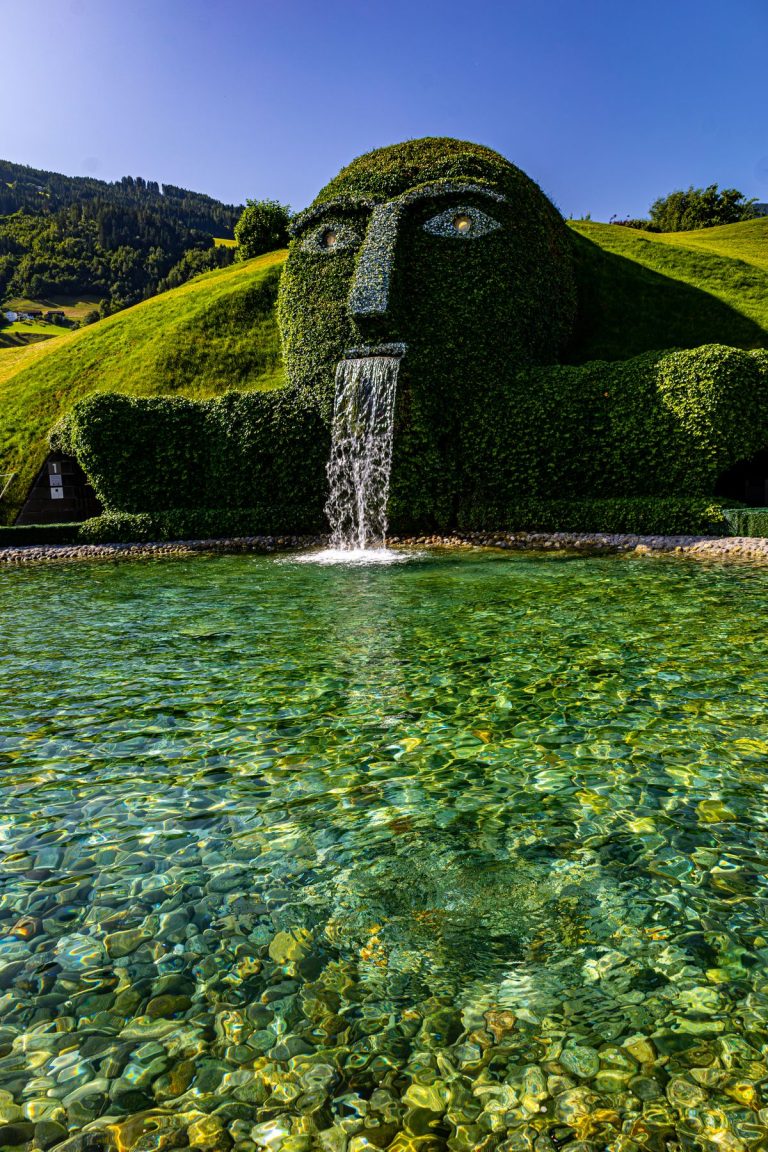
A crystal museum in Wattens built inside a giant's head. Strange, commercial and oddly compelling.
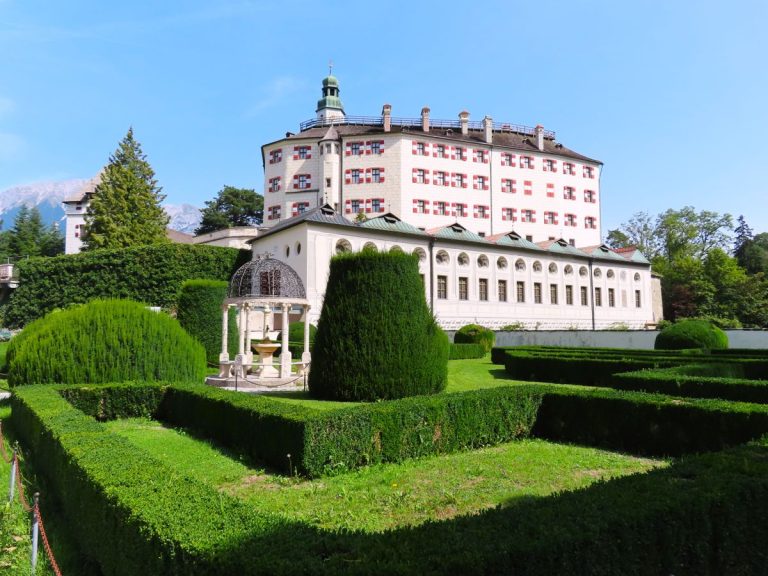
A Renaissance castle with an armoury and a cabinet of curiosities assembled in the sixteenth century.
Ski jumping in January, and markets in December.
 Staff pick
13_13 – The 24-hour Running Event in Innsbruck invites participants to experience a unique blend of personal reflection and community spirit at Baggersee Innsbruck.…
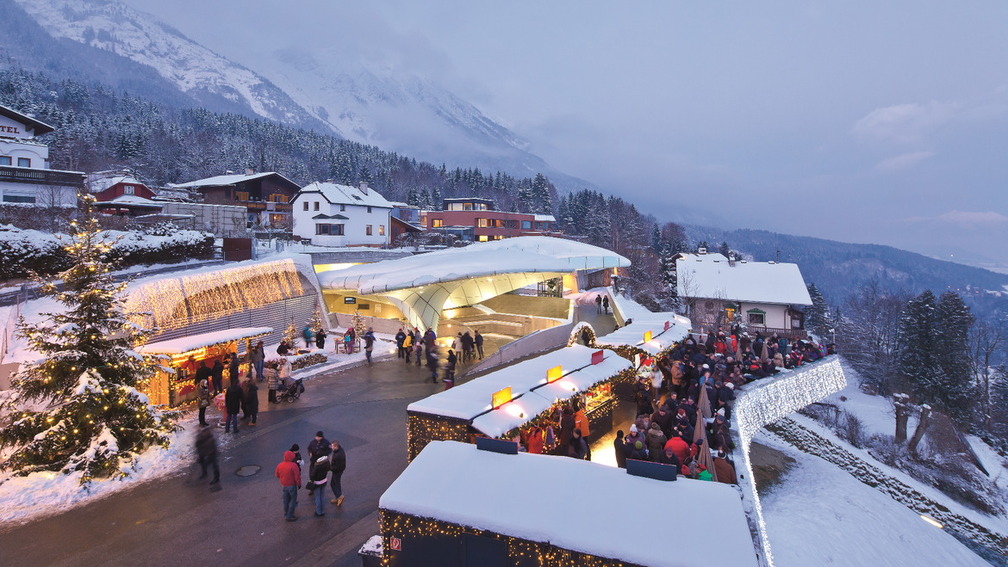
The Panorama Christmas Market Hungerburg is the highest Christmas market in Innsbruck, reachable in just 8 minutes from the city center by the Hungerburgbahn.…
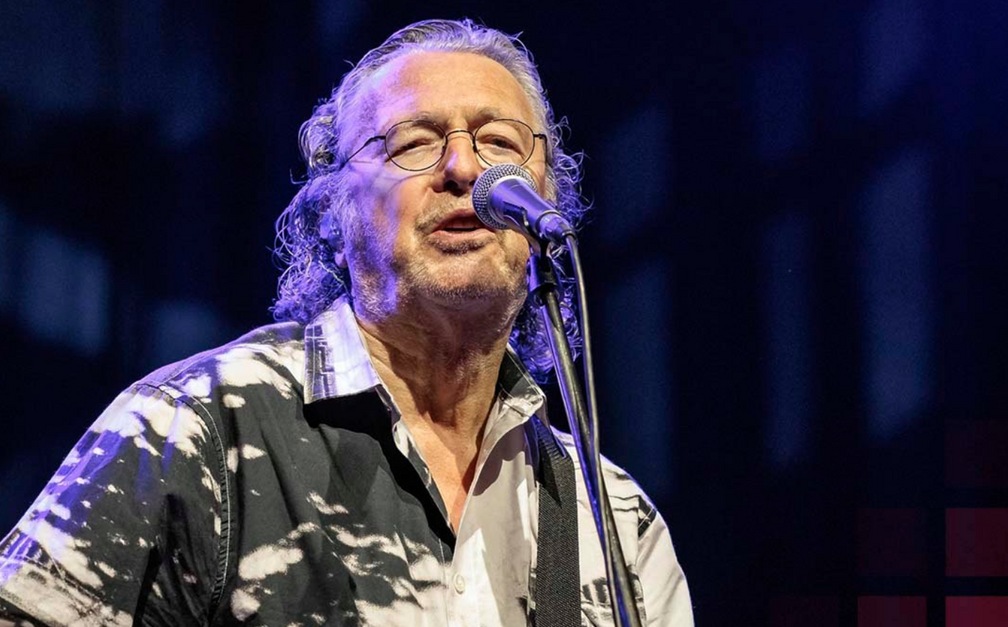
Peter Cornelius brings his!ZEiTLOS! Tour to Congress Innsbruck, performing the signature songs that have defined his decades-long career in Austrian music. The evening promises…
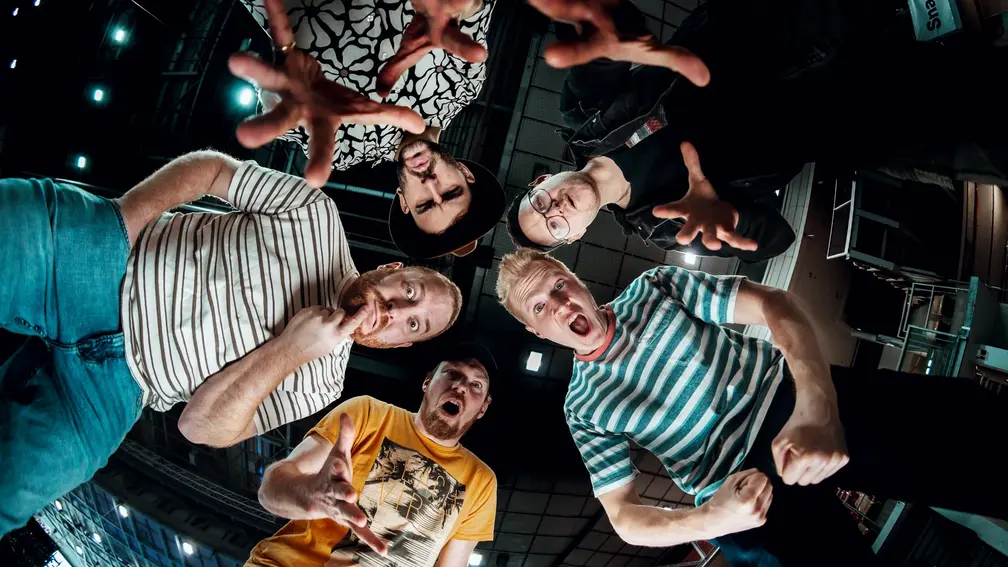
Fäaschtbänkler is a Swiss band known for their energetic blend of pop, brass music, electro, techno, and Oberkrainer sounds. Their live shows are lively…
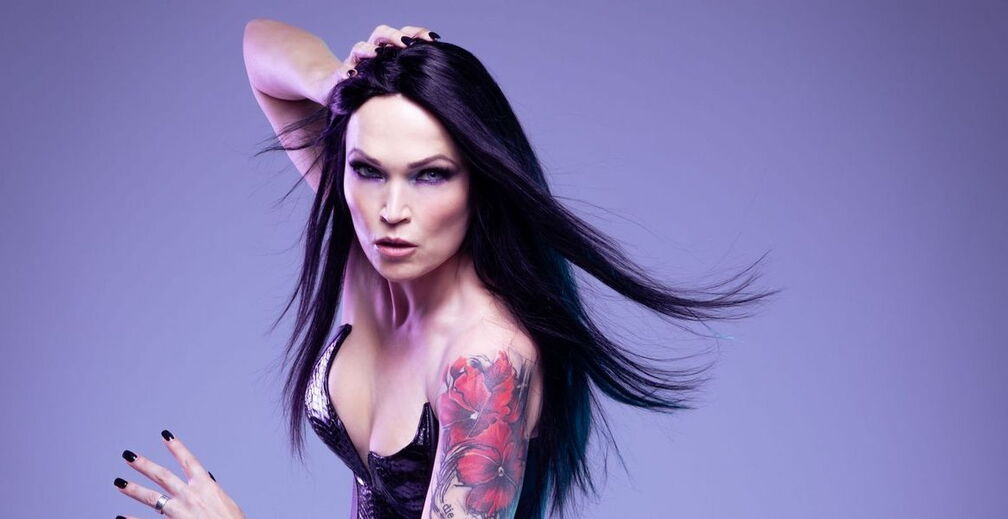
Tarja returns to the heavy stage with full force in 2026, marking a new artistic chapter with her Frisson Live 2026 tour. Expect a…
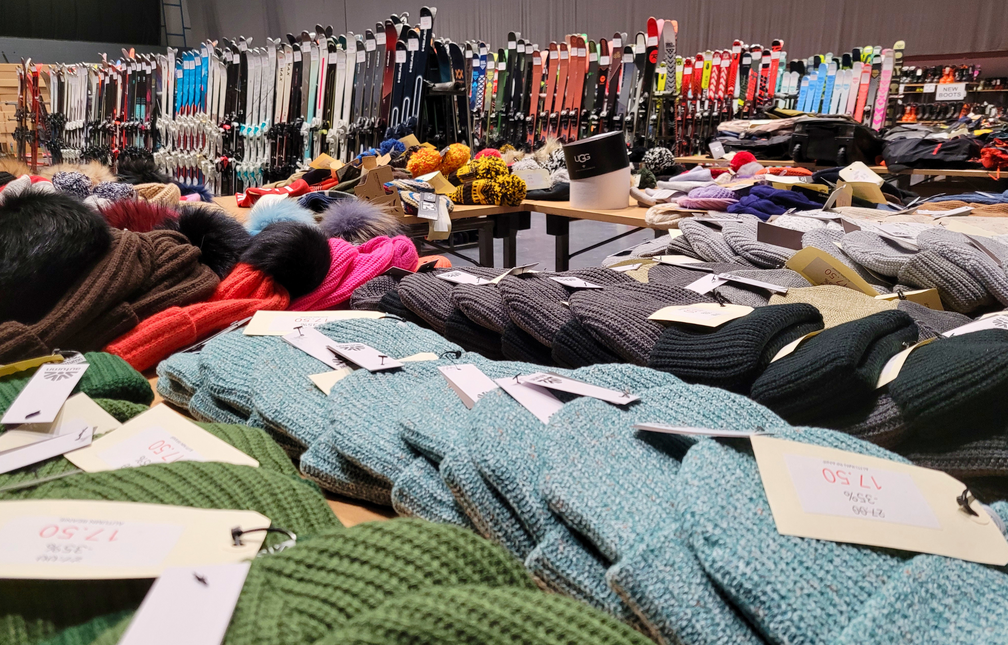
The Skiborse Innsbruck 2026 is the place to find winter gear for every budget, from new to carefully checked second-hand equipment. You will find…
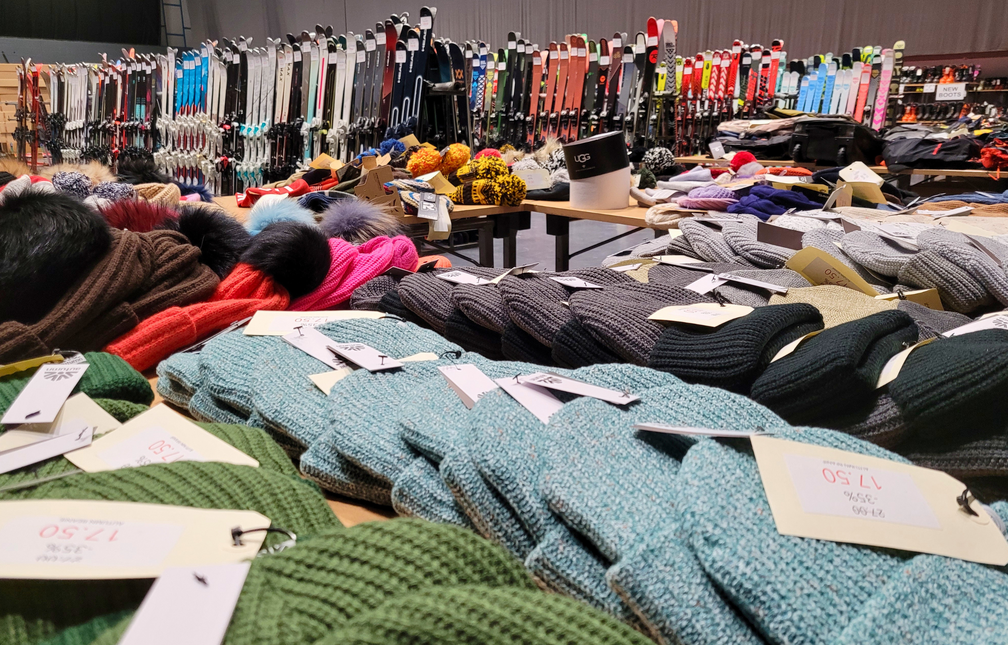
Skiborse Innsbruck 2026 is the place to find winter gear for every budget, offering a wide selection of new and used skis, snowboards, and…
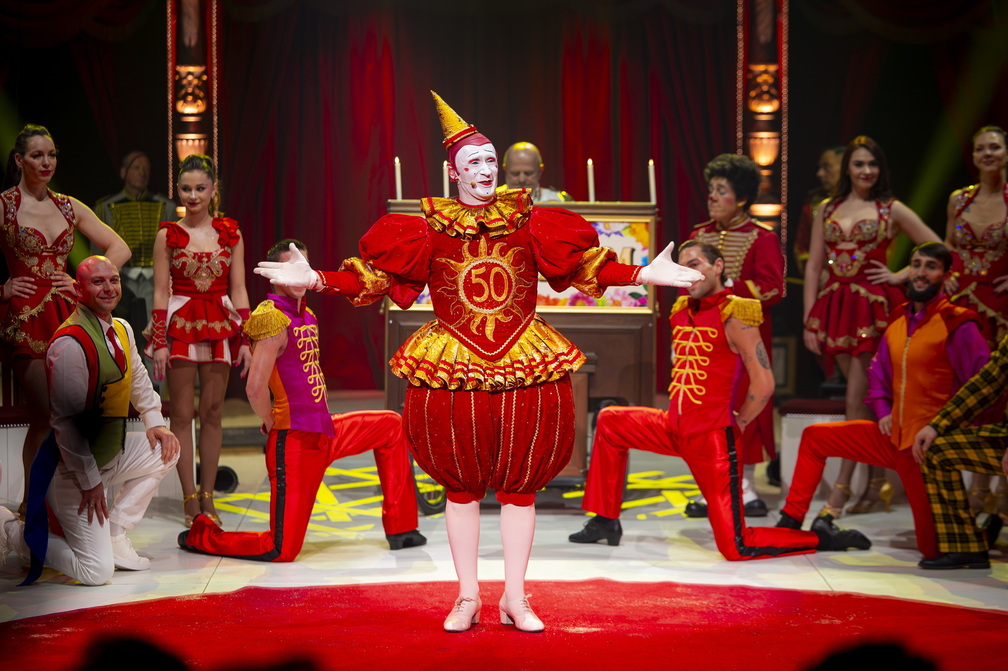
Circus Roncalli celebrates 50 years with a nostalgic yet modern program blending top artistry and humor. The show tours with new surprises and features…
A solid scene for a city this size, spread between the centre, Wilten and the river. Live from Hostelworld.
Two seasons, both good. December to March for snow, June to September for the mountains.
Average highs in the valley at 574m. The top station at 2,256m runs roughly fifteen degrees colder, and the difference catches people out in July as much as January.
Pick how you travel. Per person per night, in euros.
The doing line assumes the Nordkette or a ski pass. Walking from the city edge costs nothing at all.
The ones we get asked most.

Compare Innsbruck hostels — live prices, real reviews and free cancellation on most bookings. Then meet the people already there in the app.

 Get the App.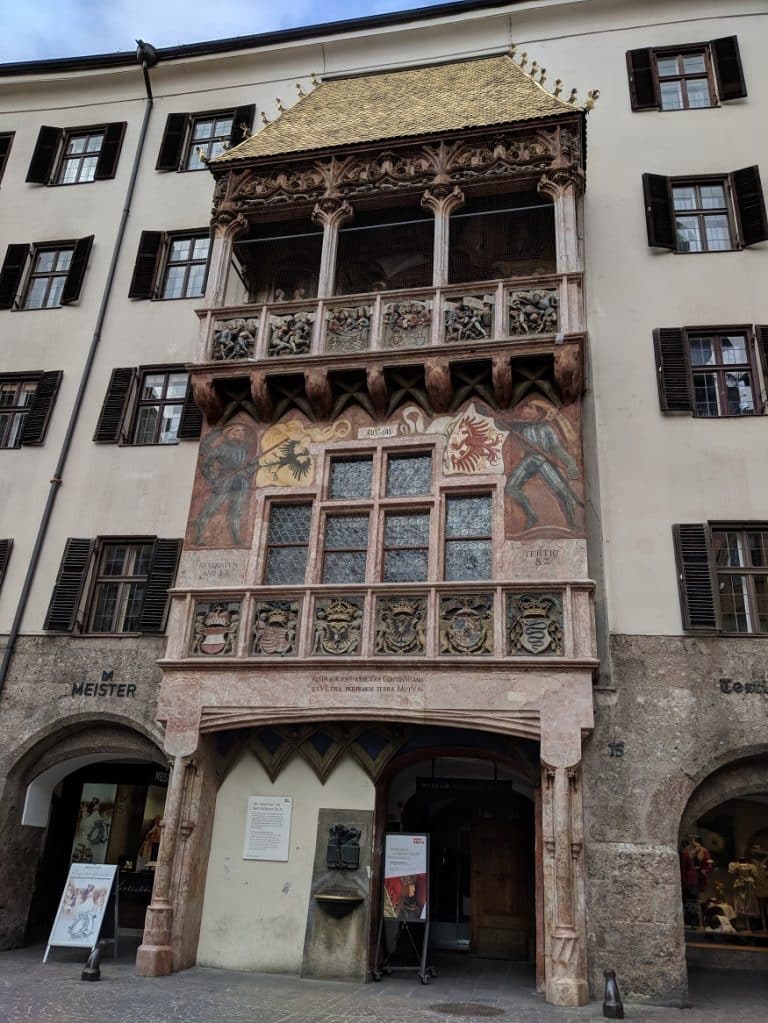
 Get the App.