St Pauli and Reeperbahn
NightlifeWest: the music venues, the red-light district, cheap food and most of the hostels. Loud all night.

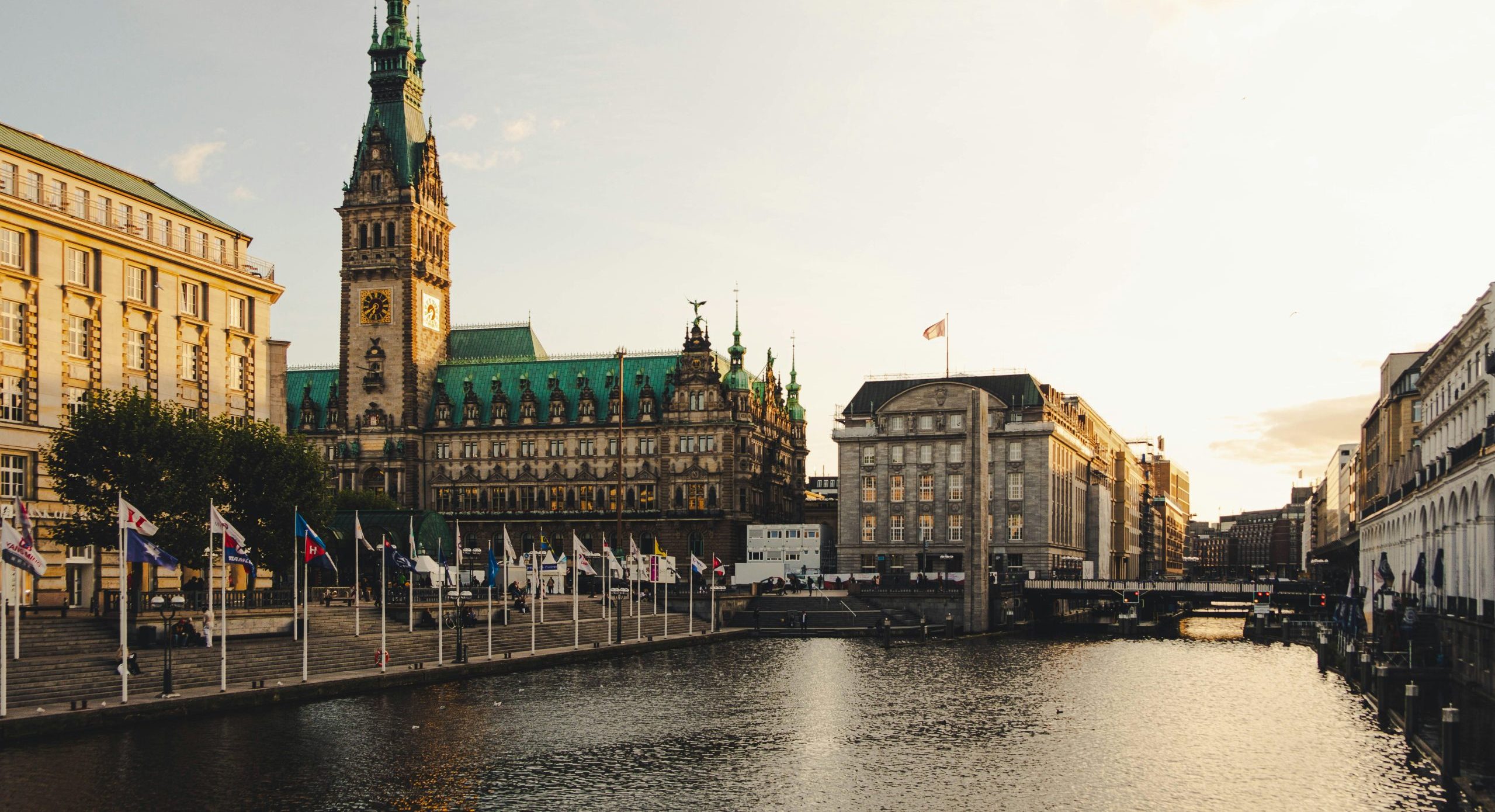
More bridges than Venice and Amsterdam combined, Germany's biggest port, a red-light district that shaped the Beatles, and a fish market that opens at five on Sunday morning.
Hamburg is a Free and Hanseatic City, a formal title it still uses, and it has been a trading port since the Middle Ages. The container terminals are enormous and visible from the city centre, and the whole place is oriented around water — the Elbe, the Alster lakes, and canals threading the warehouse districts.
The Speicherstadt, the world's largest warehouse district built on timber piles, is UNESCO-listed and looks like nothing else: red brick gothic warehouses over canals, best seen at night when they are lit.
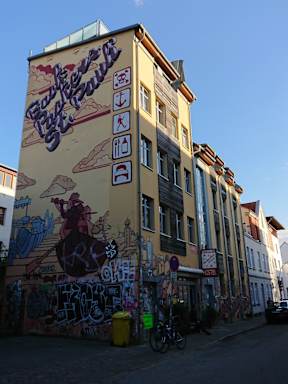
The Reeperbahn in St Pauli is the famous red-light district, and it is also where the Beatles played for two years before anyone knew who they were. It is now equal parts sex trade, music venues and stag parties.
The Sunday fish market opens at five in the morning, which the city's drinkers treat as the end of the night rather than the start of the day.
Two or three days.
A city between a river and two lakes, with distinct districts on the U-Bahn.
West: the music venues, the red-light district, cheap food and most of the hostels. Loud all night.
The centre and the new waterfront: the Speicherstadt, the Elbphilharmonie and the town hall.
North of St Pauli: alternative bars, street art, good food and a short walk to everything.
Further west: a residential district with markets, restaurants and the Elbe beach path.
Orange labels are neighbourhoods, dots are the 12 top-rated hostels. Map © MapTiler © OpenStreetMap contributors.
Take the harbour ferry. Line 62 from Landungsbrücken to Finkenwerder is ordinary public transport covered by a normal HVV ticket, and it runs past the container terminals and the shipyards. It gives you the harbour tour for the price of a bus fare, and the tourist boats charge €20 for less.
Walk the Speicherstadt at night, when the brick warehouses are lit and reflected in the canals. Free.
The Elbphilharmonie's Plaza, a public viewing level at 37 metres, is free with a ticket you collect at the entrance, and gives the harbour from above without paying for a concert.
Miniatur Wunderland, about €20, is the largest model railway in the world and considerably more entertaining than that sounds — book ahead, because it sells out.
And do the Sunday fish market. It opens at five in the morning, sells fish, plants, fruit and a great deal of shouting, and the crowd is half early risers and half people who have not been to bed.
The Elbphilharmonie Plaza is free — collect a timed ticket at the entrance and take the long curved escalator up to the public terrace at 37 metres.
The Speicherstadt is free to walk, day or night, and is best after dark.
The Alster lakes in the middle of the city have a free path around the outer one, about seven kilometres, which is where Hamburg runs and walks.
Planten un Blomen is a large free park with a water light concert on summer evenings.
The Elbe beach path west from Altona towards Blankenese is free, with sand, container ships passing close inshore, and beach bars in summer. It is the most surprising thing in the city.
Fish, unsurprisingly. A Fischbrötchen — pickled herring, or fried fish, in a bread roll — is €4 to €6 and is the standard harbour lunch.
Labskaus is the traditional sailor's dish: corned beef, potato and beetroot mashed together, served with a fried egg, pickle and herring. It looks alarming and tastes considerably better than it looks.
Franzbrötchen, a cinnamon pastry flattened and caramelised, is the local bakery item and unique to the city.
Sternschanze and Altona have the best cheap eating at €9 to €15, and the Portuguese quarter near the harbour does good grilled fish.
A restaurant main is €14 to €22, a beer €4 to €6, and Astra is the St Pauli beer people drink out of local loyalty rather than quality.
St Pauli is the centre of it and one of the best night districts in Germany. The Reeperbahn is the main strip, with the Große Freiheit running off it — where the Beatles played the Star-Club and Kaiserkeller between 1960 and 1962.
It is a working red-light district as well as a nightlife area. Herbertstraße, a short gated street of window brothels, is closed to women and to men under 18, and the rule is enforced by the people living there rather than politely suggested.
Sternschanze has the alternative bars and a less commercial crowd.
A beer is €4 to €6, cocktails €10 to €14, and club entry €10 to €20.
The night traditionally ends at the fish market at five on Sunday morning, which is a real tradition and not a line for visitors.
The HVV system covers U-Bahn, S-Bahn, buses and the harbour ferries on one ticket, with a day ticket around €8.80.
The harbour ferries being ordinary public transport is the single most useful thing to know here — line 62 gives you the working port for the price of a normal fare.
Validate or buy before boarding; plainclothes inspectors operate and the fine is €60.
The airport is 25 minutes on the S1 for about €3.80.
ICE trains reach Berlin in under two hours and Copenhagen in about five. Hamburg is the main gateway between Germany and Scandinavia.
Cycling is good and flat, with StadtRAD hire cheap and widespread.
Mid-to-upper range for Germany. Dorms are €22 to €42, a main €14 to €22, and a beer €4 to €6.
A day is €50 to €95.
The best things here are cheap or free: the ferry on a normal ticket, the Elbphilharmonie Plaza, the Speicherstadt, the Elbe beach and the fish market.
Miniatur Wunderland at about €20 is the main paid attraction and is worth booking ahead.
Skip the commercial harbour tours at €20 or more — ferry 62 does the same route as public transport.
Hamburg is a safe city and the crime affecting visitors is concentrated around the Reeperbahn at night.
It is a working red-light district with a large stag-party trade, and the usual pattern applies: inflated bills in certain bars, aggressive touting and pickpocketing in the crowds. Stay on the main strip, agree prices before ordering in any venue that does not display them, and walk away from anyone pressing you to come inside.
Herbertstraße is closed to women and to men under 18. This is enforced by the sex workers and residents themselves, and ignoring it gets a hostile response rather than a polite reminder.
Do not photograph sex workers anywhere in the district. It is the fastest way to have a serious problem.
The harbour has open quay edges and the Elbe is tidal and fast. Emergency number is 112.
A brick gothic Hanseatic town, the North Sea, and Denmark within reach.
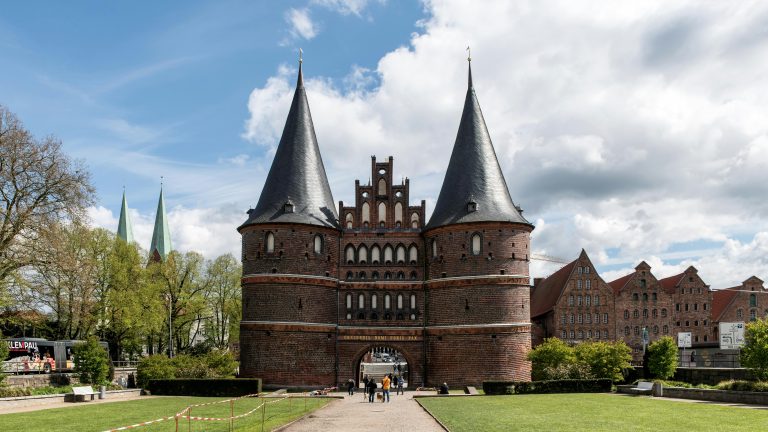
The former Hanseatic capital, UNESCO-listed, with a brick gothic old town and marzipan it is famous for.
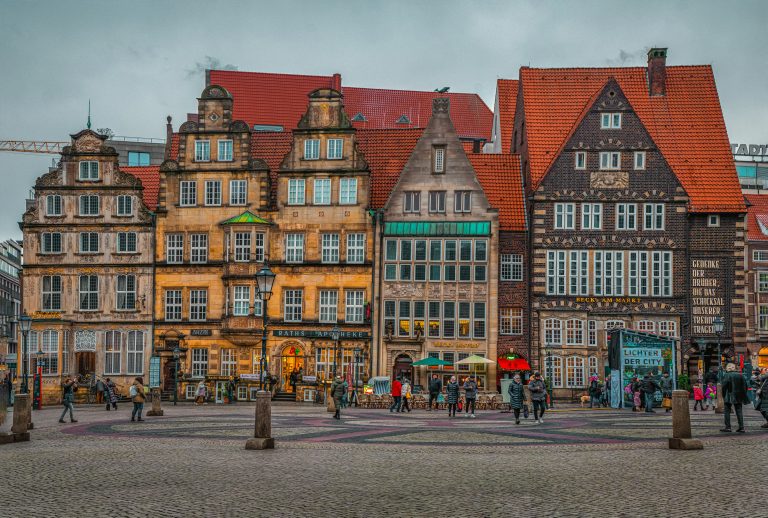
A market square with a Roland statue and the Schnoor quarter of tiny medieval lanes.
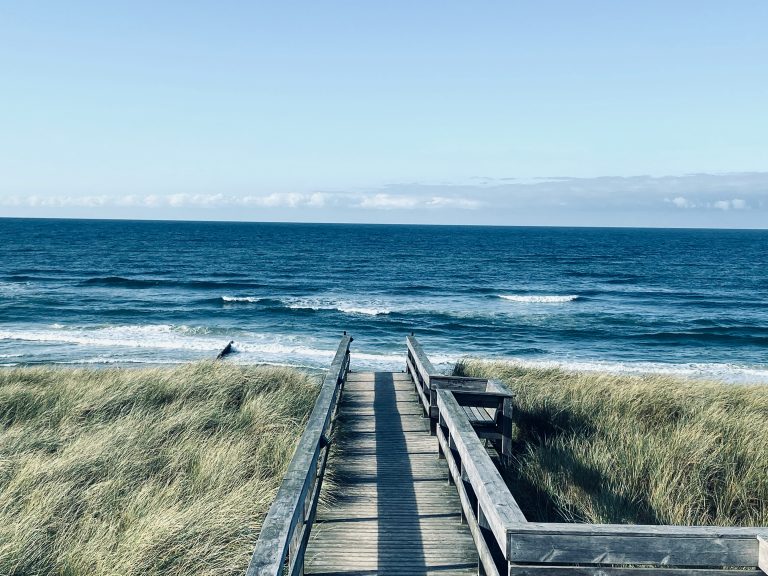
A North Sea island of dunes and beaches reached by a causeway train, and Germany's most fashionable coast.
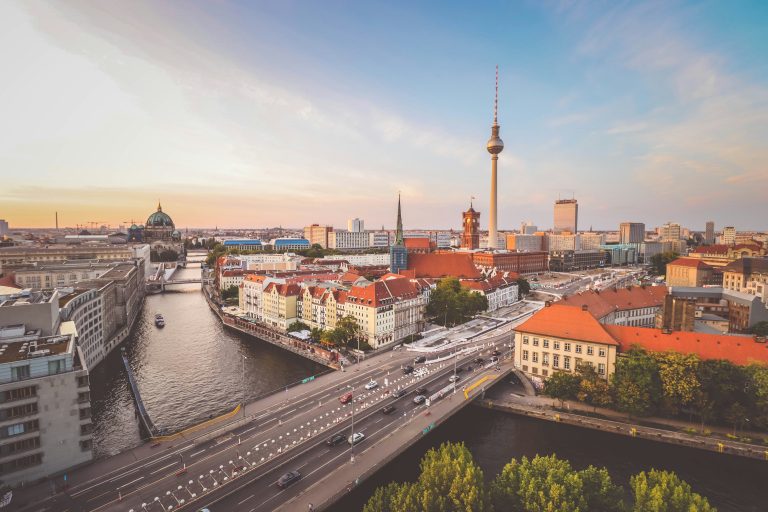
The capital, and easy in either direction.
A harbour birthday in May and a music festival in September.
 Staff pick
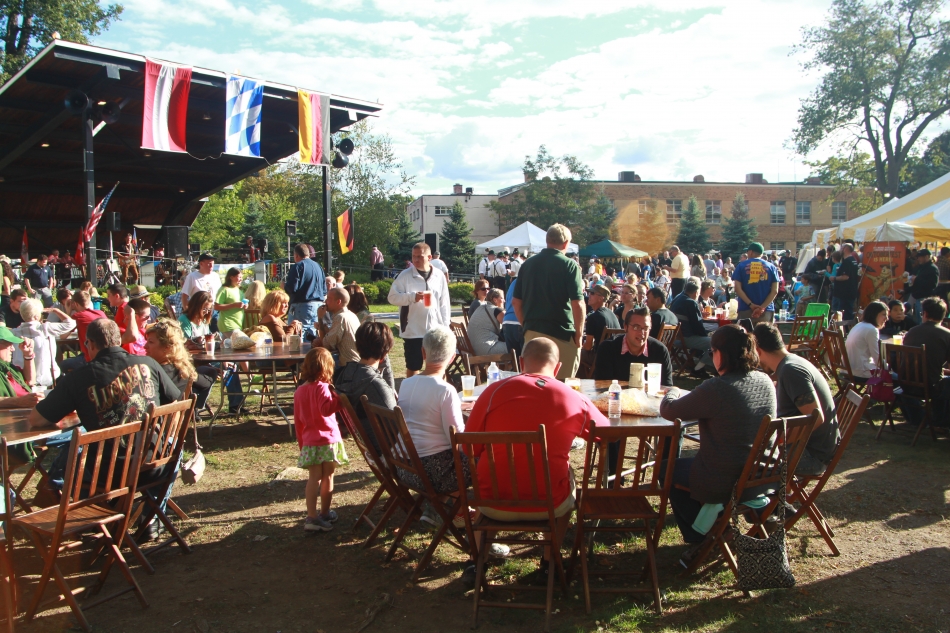
Wandsbek Oktoberfest brings a taste of Bavaria to Hamburg with northern Germany’s largest Oktoberfest celebration. Visitors can enjoy traditional food like pretzels and pork…
 Staff pick
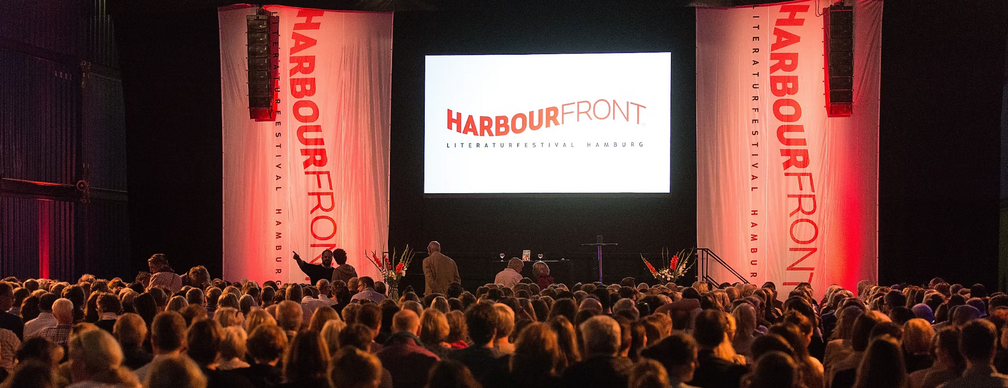
The Harbour Front Literature Festival in Hamburg, Germany, has been a cornerstone of the city’s cultural scene since its founding in 2009. Drawing over…
 Staff pick
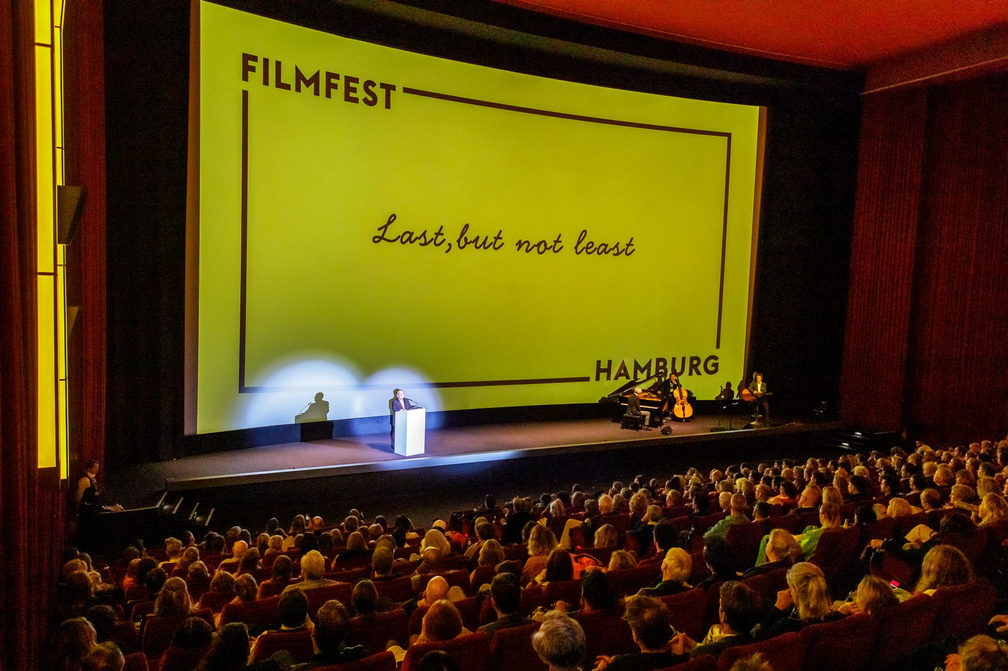
FilmFest Hamburg is a vibrant annual celebration of cinema, drawing film enthusiasts to the city each fall for ten days of screenings across multiple…
 Staff pick
Niall Horan is an Irish singer-songwriter renowned for his distinctively emotive vocal stylings. Having achieved worldwide acclaim as a member of the British-Irish boyband…
 Staff pick
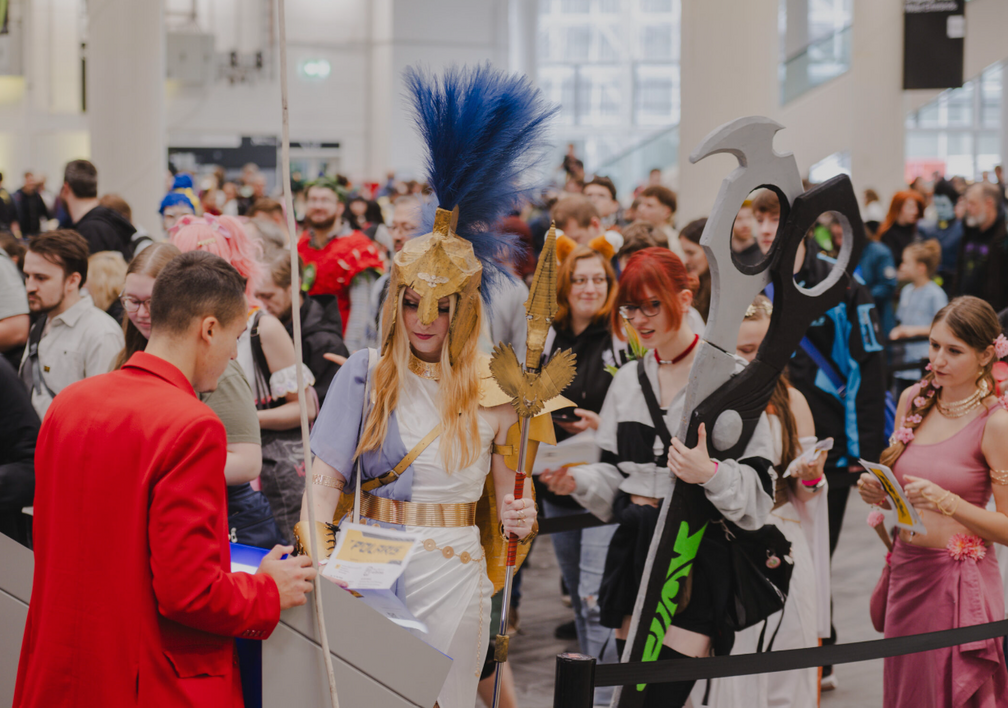
Polaris Convention in Hamburg, Germany, is a dynamic celebration of gaming, anime, cosplay, and creative fandom, bringing together fans, creators, and top brands under…
 Staff pick
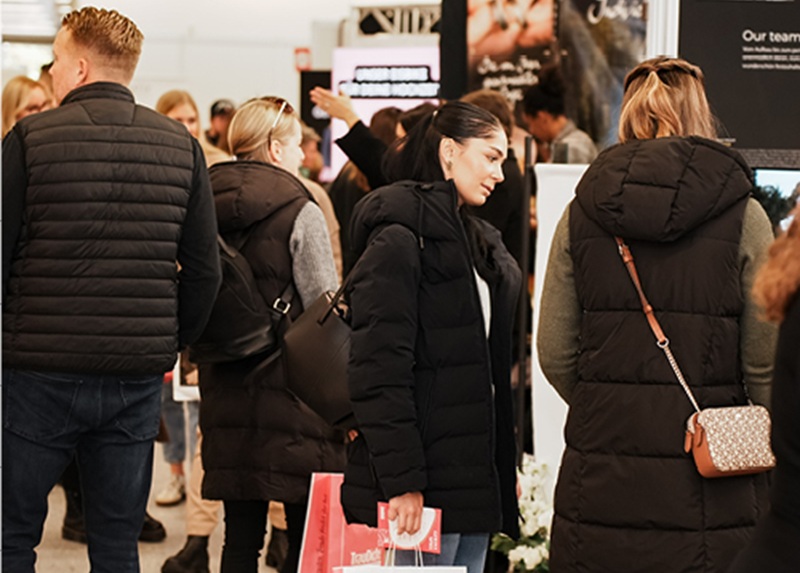
TrauDich! Hamburg is a leading wedding fair held at Messe Schnelsen, bringing together couples and wedding professionals from across the region. Attendees can explore…
 Staff pick
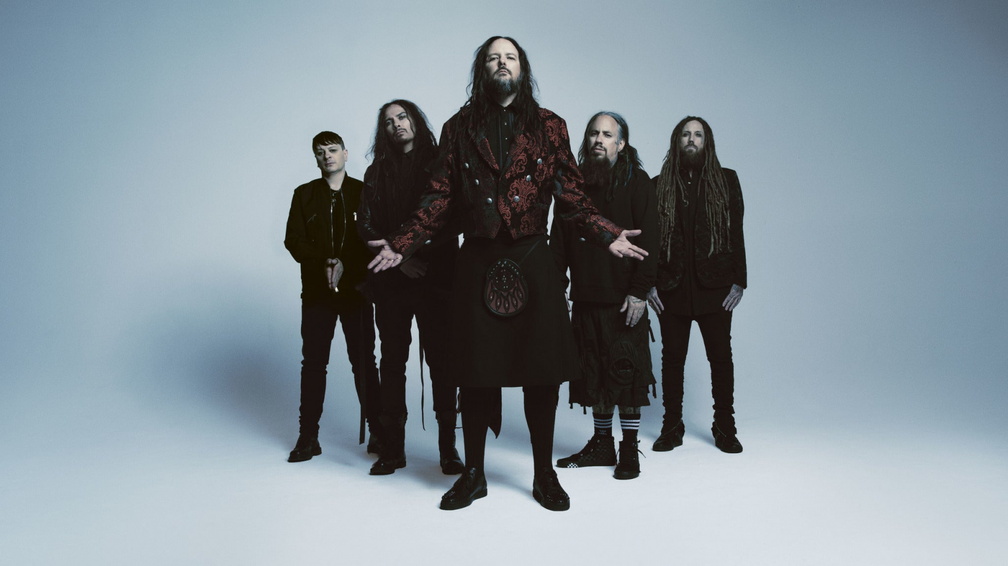
Korn is a nu metal band from California known for their Billboard 200 #1 albums like Follow the Leader and Issues. They have sold…
 Staff pick
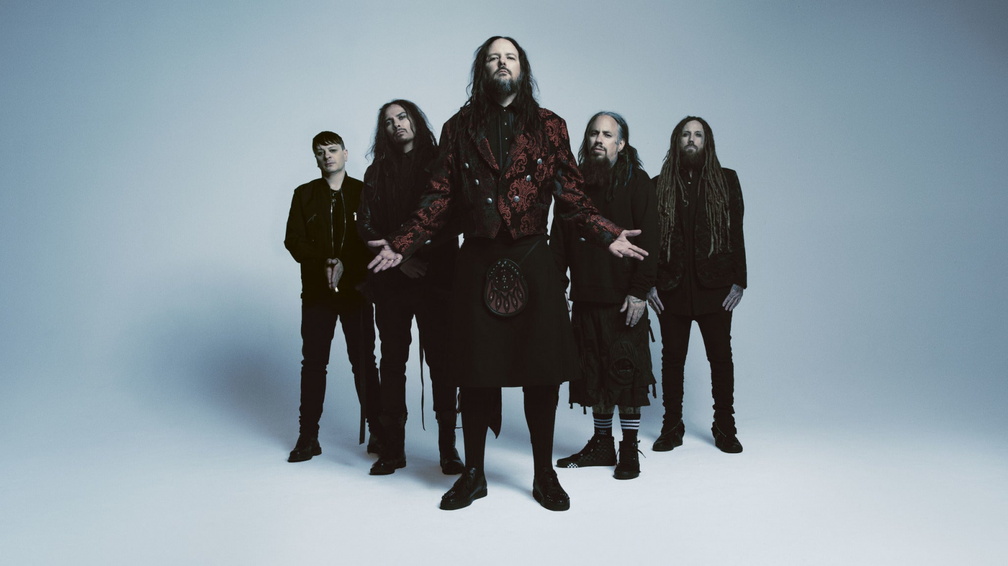
Korn is a nu metal band from California known for their Billboard 200 #1 albums like Follow the Leader and Issues. They have sold…
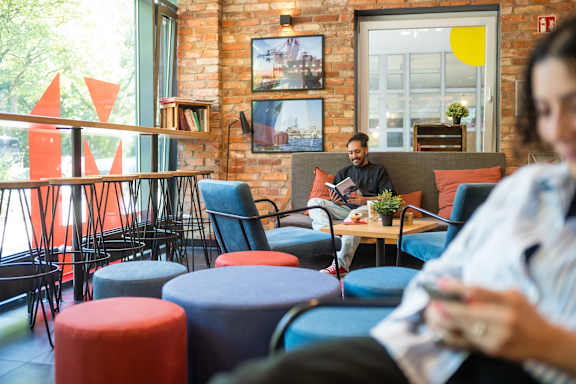
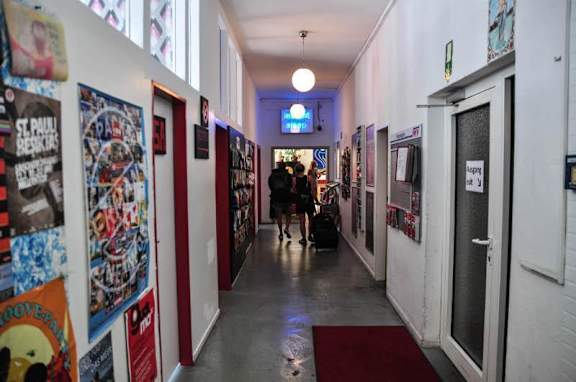
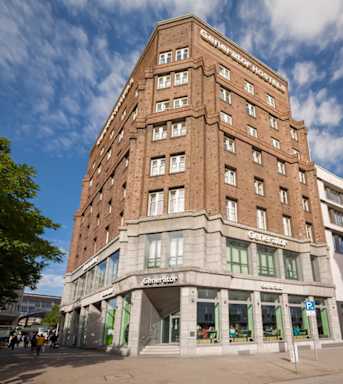
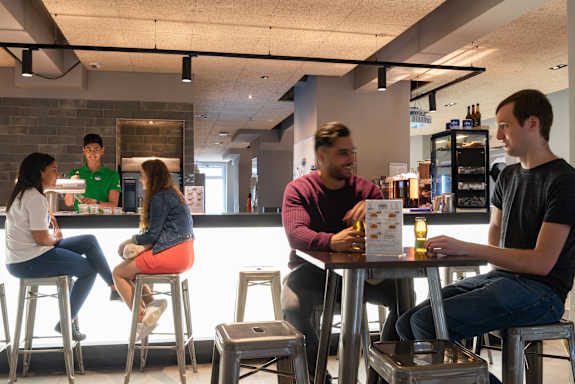
A good scene concentrated around St Pauli and the station, loud but well placed. Live from Hostelworld.
 Sustainable
 Sustainable
May to September. It rains in every month, so pack for it rather than around it.
Average highs. Hamburg is a North Sea port — it rains on roughly half the days of the year spread evenly, and the wind off the water makes it feel colder than the numbers.
Pick how you travel. Per person per night, in euros.
The transport line assumes a day ticket, which also covers the harbour ferries — the best value in the city.
The ones we get asked most.
Compare Hamburg hostels — live prices, real reviews and free cancellation on most bookings. Then meet the people already there in the app.

 Get the App.
 Get the App.