Town centre
First-timersAround the square: guesthouses, restaurants, wine shops and the walk to the wall.

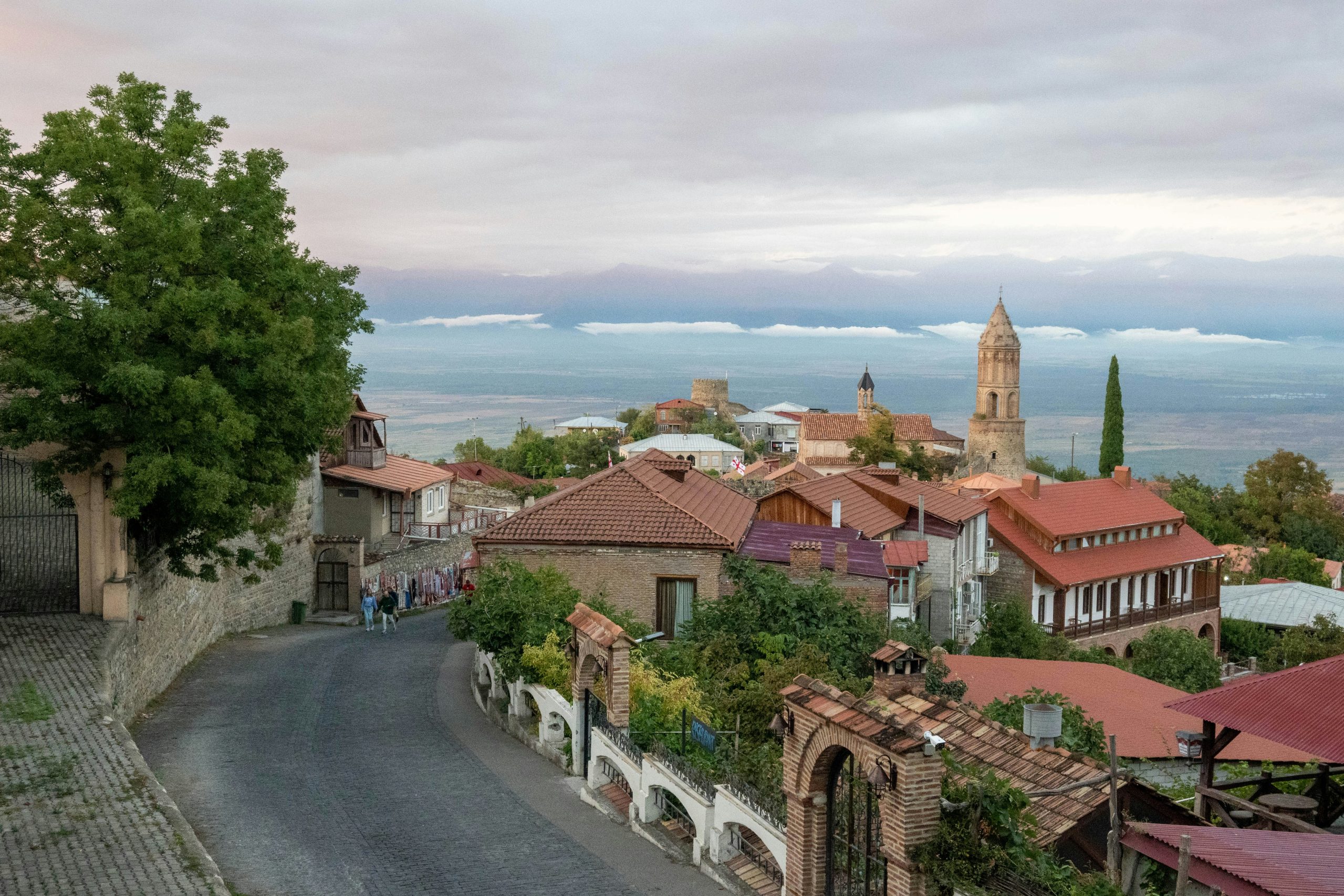
The walled wine town in Kakheti: an eighteenth-century rampart, the Alazani valley below, the Caucasus opposite, and qvevri cellars in every direction.
Sighnaghi sits on a hillside in Kakheti, eastern Georgia, behind four and a half kilometres of eighteenth-century wall built by King Erekle II with twenty-three towers along it. You can walk long stretches of the rampart and climb several towers, free.
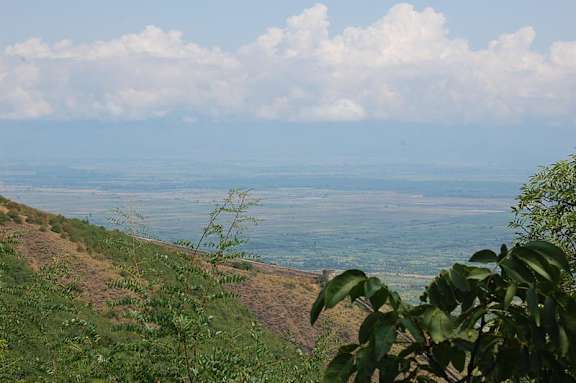
Below it spreads the Alazani valley, flat and green and full of vines, with the Greater Caucasus rising on the far side. On a clear day the view from the town wall is one of the best in the country.
The town itself was restored heavily in the 2000s and is prettier than it is authentic — pastel buildings, carved balconies, a neat central square. Some people find it a little staged. It is still a good place to spend two days.
The wine is the real reason to come. Georgia has been making wine for about eight thousand years in qvevri, clay vessels buried in the ground, and the method is on UNESCO's intangible heritage list. Cellars around the town will pour you a lot of it.
Two nights, and do not drive.
A hill town small enough to cross in fifteen minutes, with vineyards below.
Around the square: guesthouses, restaurants, wine shops and the walk to the wall.
The eastern edge: guesthouses with balconies over the Alazani valley and the Caucasus beyond.
Orange labels are neighbourhoods, dots are the 2 top-rated hostels. Map © MapTiler © OpenStreetMap contributors.
Walk the wall. Four and a half kilometres of eighteenth-century rampart with twenty-three towers, much of it accessible and free, and several towers open to climb. The stretch on the eastern side gives the valley and the mountains together.
Drink wine properly. Qvevri wine is made in clay vessels buried underground, skins and stems included, which gives the amber whites their colour and tannin — it tastes unlike European wine and that is the point. Tastings at cellars around the town run 20 to 60 GEL and usually include bread, cheese and a long conversation.
Bodbe monastery, two kilometres out and free, holds the grave of Saint Nino, who brought Christianity to Georgia in the fourth century. The cypress avenue and the valley view from the terrace are the draw.
The Sighnaghi Museum, about 15 GEL, has Pirosmani paintings — the self-taught Georgian painter who died penniless and is now the national artist.
Then sit somewhere with the view and do nothing, which is what the town is for.
The wall is free, all four and a half kilometres, with towers open to climb and the Alazani valley below.
Bodbe monastery is free, including the cypress avenue and the terrace view, with a spring in the valley below it reached by a steep path.
The town square, the streets and the balconied houses cost nothing.
Watching the Caucasus from anywhere on the eastern side of the town is free and is the main activity here. The mountains are clearest in the morning.
During rtveli, the September and October harvest, families press grapes across the valley and visitors who show interest are frequently invited to help — which costs nothing and is the best thing that can happen to you in Georgia.
Kakhetian food is the heartland version of Georgian cooking: mtsvadi, pork grilled over vine cuttings, is the regional dish at 25 to 40 GEL and is done properly here.
Churchkhela, walnut strings dipped in grape must, is made all over the valley and sold everywhere in autumn.
A full meal with wine is 30 to 60 GEL, and guesthouse dinners are usually better than the restaurants.
The wine is the point. Saperavi is the main red, dark and firm; rkatsiteli and kisi make the amber whites that qvevri fermentation produces. A glass is 5 to 12 GEL and a tasting 20 to 60.
Homemade wine is everywhere and often free at a guesthouse table. It is also unregulated in strength and quantity, and the pouring is generous.
There is no nightlife and the town does not pretend otherwise.
The evening is dinner with wine, either at a guesthouse table or one of the restaurants on the square, and it tends to go on for hours.
A few bars serve beer at 6 to 12 GEL.
Sighnaghi is known locally as the town of love and runs a twenty-four-hour wedding house, which produces the occasional celebration spilling into the square but is not a nightlife scene.
If a supra starts at your guesthouse, the evening has been decided for you — there will be a tamada, a long sequence of toasts, and considerably more wine than you planned on.
The town is tiny — fifteen minutes across on foot, and steep in places.
Marshrutkas run from Tbilisi's Samgori and Isani stations in about two hours for around 10 GEL, several times a day.
Bodbe monastery is a two-kilometre walk or a 10 to 15 GEL taxi.
For the cellars spread around Kakheti — Telavi, Kvareli, the Tsinandali estate — you need a taxi or a tour. A driver for the day runs 120 to 200 GEL, which split between a group is little, and it is the only sensible option when the day involves tasting.
Do not hire a car to visit wineries. Georgia's drink-driving limit is very low and strictly enforced, and the roads are difficult enough sober.
Cheap, with wine as the variable. Guesthouse beds are 30 to 70 GEL, roughly €10 to €25, usually with breakfast.
A meal with wine is 30 to 60 GEL and a tasting 20 to 60.
A day is €20 to €45.
The wall, Bodbe and the views are free, which covers the town itself. The spends are tastings and a driver for the wider region.
Sharing a driver at 120 to 200 GEL between three or four makes a full day of Kakheti cellars genuinely cheap.
Bring cash. The smaller family cellars take nothing else, and they are the ones worth visiting.
Sighnaghi is a very safe small town and crime against visitors is close to non-existent.
The real risk is the wine. Tastings are generous, qvevri wines run 12 to 14 per cent, homemade wine is of unknown strength, and chacha at 40 to 65 per cent appears at the end of most meals. A supra is a sustained drinking event with social pressure built into it, and pacing yourself is a skill worth having before you arrive.
Never drive after tasting. Georgia's drink-driving limit is very low and the enforcement is real.
The wall has unfenced sections, uneven steps and long drops, and it is not lit. Do not walk it after dark or after drinking.
The streets are steep and cobbled, and the town is quiet enough at night that a fall might not be found quickly. Emergency number is 112.
Cellars, monasteries and a valley full of vines.
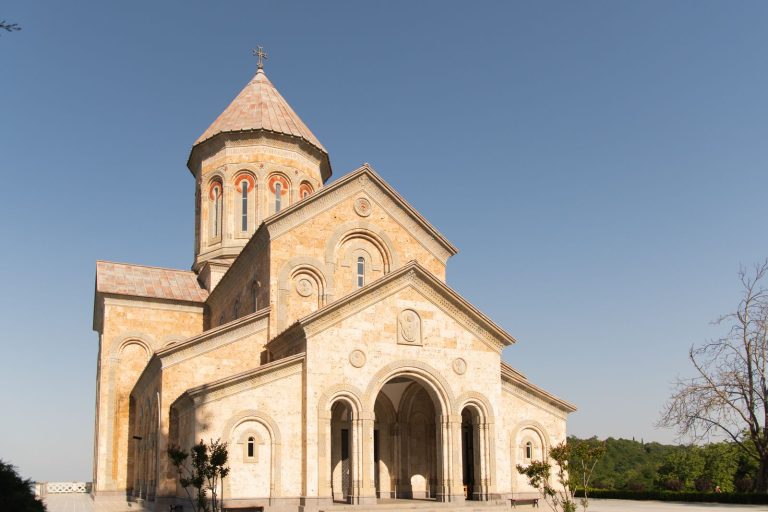
Saint Nino's grave, a cypress avenue and a terrace over the Alazani valley. Free.
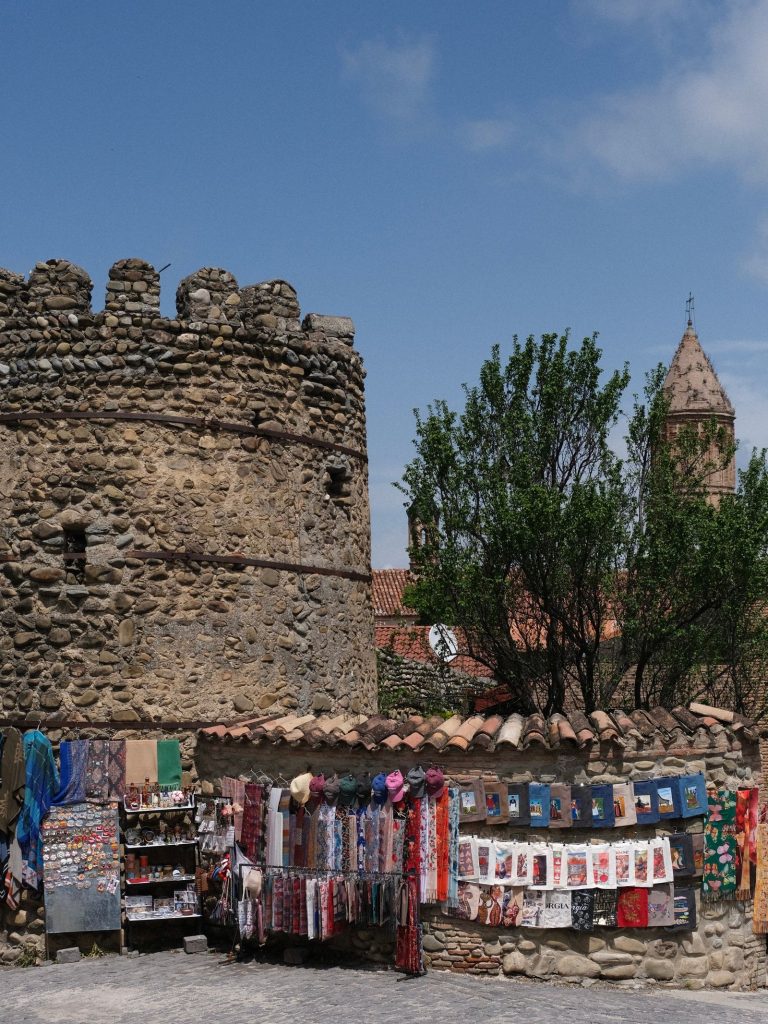
The main Kakheti town, with a fortress, a 900-year-old plane tree and cellars around it.
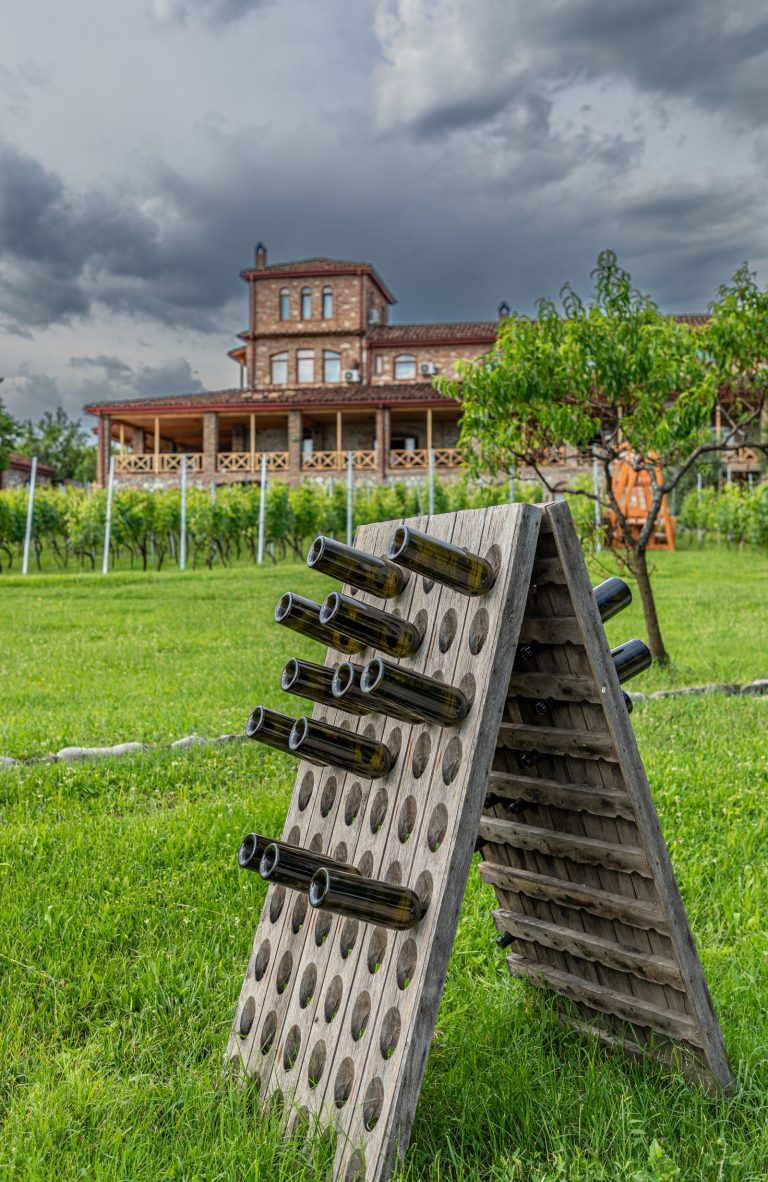
A nineteenth-century aristocratic house and garden with a working winery and a historic cellar.
A harvest that runs across the whole valley in autumn.
The grape harvest. Families press grapes and fill qvevri across the valley, and visitors who show interest are frequently invited to join in.
The town's own festival, with wine, food and music around the square.
The main Georgian holiday, when guesthouses fill with families and supras run for days.
Midnight services, with Bodbe monastery particularly worth attending.
When the wall has no shade and the walking is best done early or late.
Family guesthouses rather than hostels, many with balconies over the valley. Live from Hostelworld.
September and October for the harvest. May and June are the other good window.
Average highs. September and October are rtveli, the grape harvest, when the whole valley is working and visitors are routinely pulled into it — it is the best time to be here by a wide margin.
Pick how you travel. Per person per night, in euros.
Prices are shown in euros for comparison, but you will pay in lari and should bring cash for the smaller cellars. The doing line is tastings.
The ones we get asked most.

Compare Sighnaghi guesthouses and hostels — live prices, real reviews and free cancellation on most bookings. Then meet the people already there in the app.

 Get the App.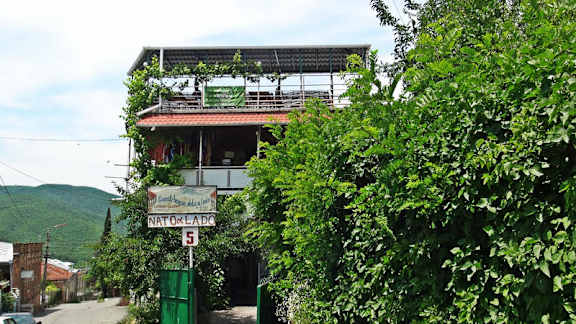
 Get the App.