Le Marais and Bastille
First-timersThe 3rd and 4th: medieval streets, museums, the best bars and a walk to Notre-Dame. Central and pricey.
5 hostels · from €18
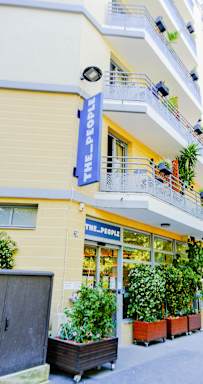
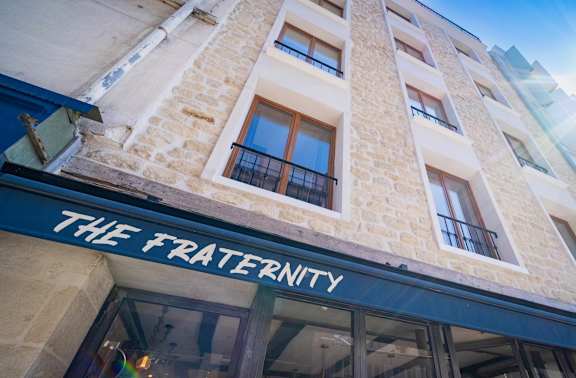
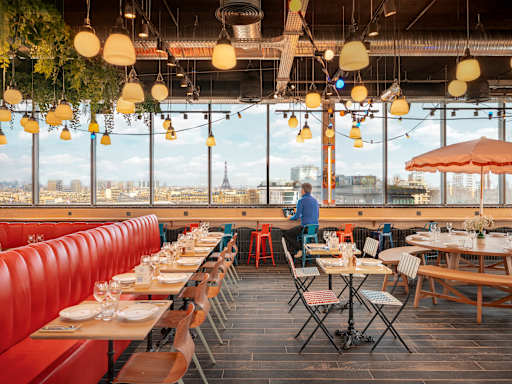
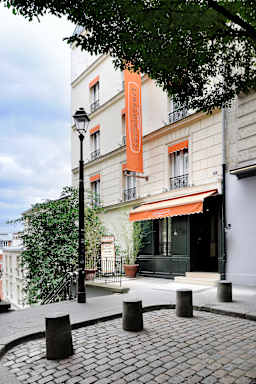
Hostels here

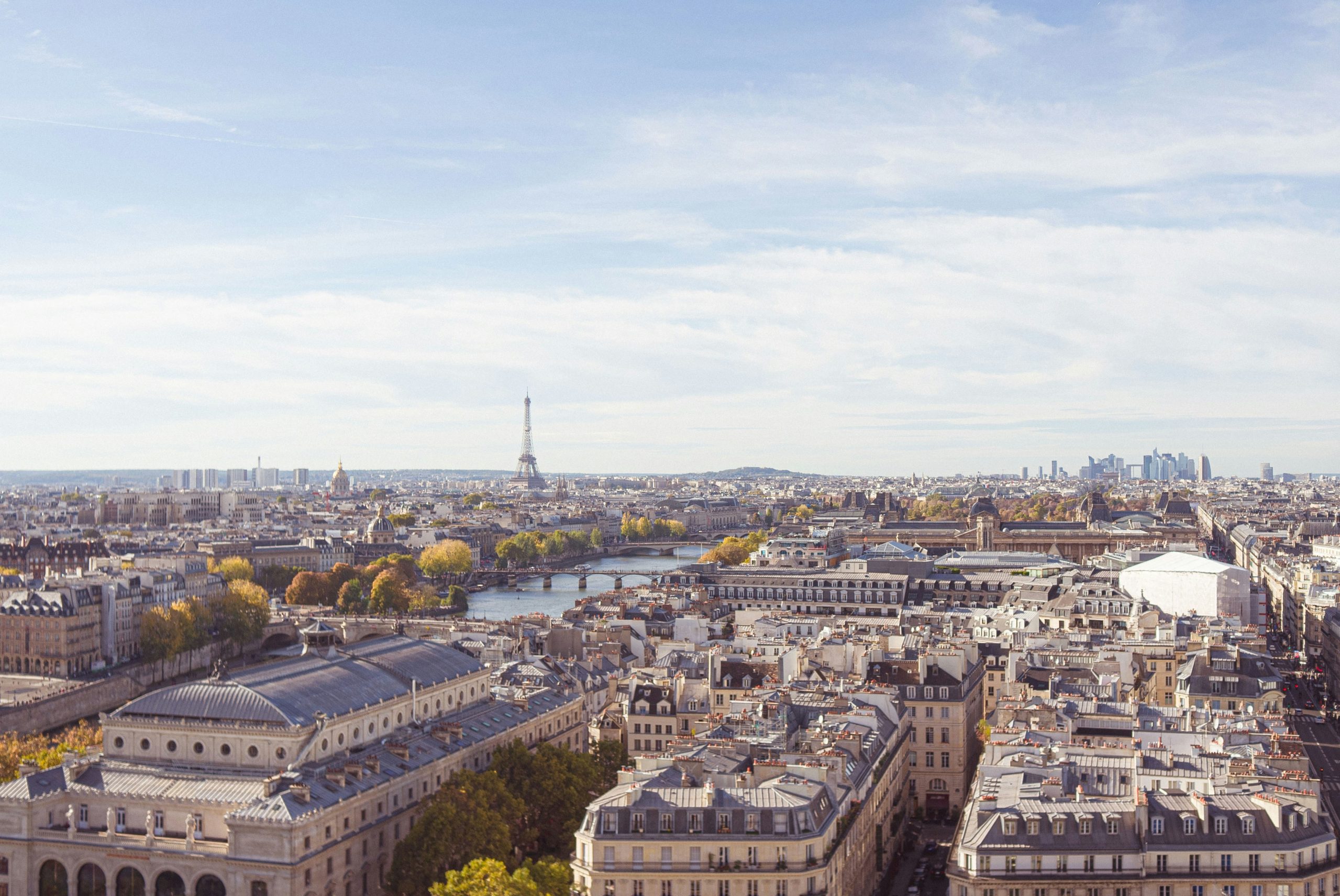
Worth the cliché, and worth more than the three days most people give it. Expensive, walkable, and far better once you stop trying to see all of it.
Paris is twenty arrondissements spiralling clockwise from the Louvre, and the single most useful decision you can make is to pick three or four of them and walk, rather than crossing the city between monuments.
The famous things are famous for reasons. The Louvre is genuinely overwhelming and should be attacked with a plan; Notre-Dame reopened in December 2024 after the 2019 fire and is free to enter; the Musée d'Orsay in a converted railway station is the better museum for most people.
What makes the city work is smaller: the market streets, the covered passages, the canal in the tenth, the parks where Parisians sit for entire afternoons.
It is expensive but less so than its reputation if you eat at lunch rather than dinner and stand at the bar rather than sitting on the terrace, where the same coffee costs more.
Four days minimum. A week is not too long.
Pick an arrondissement and walk it. Anywhere inside the Périphérique is twenty minutes from the middle.
The 3rd and 4th: medieval streets, museums, the best bars and a walk to Notre-Dame. Central and pricey.
The 5th: the Panthéon, bookshops, cheap student restaurants and the Jardin des Plantes.
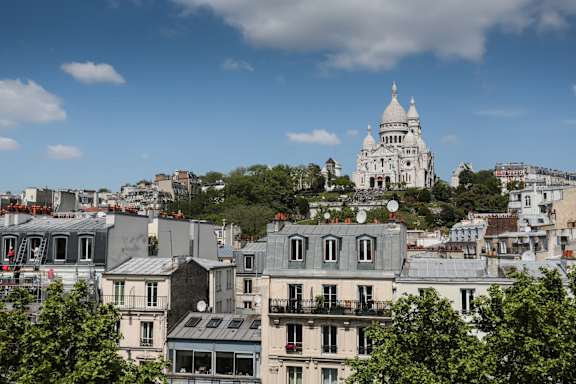
The 18th: the hill, Sacré-Cœur, steep lanes and a village feel above the rest of the city.
The 10th: canal-side bars, young crowds, Eurostar and trains north.
The 14th: cafés with a literary past, a cemetery worth walking, and fast metro to everywhere.
Wide boulevards, the Champ de Mars, Les Invalides and the tower at the end of the street.
Orange labels are neighbourhoods, dots are the 12 top-rated hostels. Map © MapTiler © OpenStreetMap contributors.
Do the Louvre with a plan and a booked slot: about €22 for EU residents and, since January 2026, €32 for visitors from outside the European Economic Area. It is the largest art museum in the world and trying to see it all is how people end up miserable — pick two wings, take three hours, leave.
The Musée d'Orsay, about €16, in a converted Beaux-Arts railway station, holds the Impressionists and is the museum most people enjoy more.
Notre-Dame reopened in December 2024 after the fire and is free to enter, though queues are long and a time slot booked in advance saves an hour.
Climb something for the view. Sacré-Cœur's dome and the Arc de Triomphe both work; the Montparnasse tower at about €20 has the advantage of a view with the Eiffel Tower in it, which the Eiffel Tower itself does not.
Then walk. Père-Lachaise cemetery, the covered passages of the 2nd, the Canal Saint-Martin and the market street of Rue Mouffetard are all free and are the Paris people remember.
Many national museums are free on the first Sunday of the month — the Louvre, Orsay and others — and busy accordingly. EU residents under twenty-six get in free year-round at national museums, which is the single largest saving available to anyone who qualifies.
Notre-Dame is free to enter, as are all the city's churches: Sainte-Chapelle charges, but Saint-Eustache, Saint-Sulpice and Saint-Germain-des-Prés do not.
Père-Lachaise cemetery is free and enormous, with Wilde, Chopin and Morrison among its residents.
The parks cost nothing: the Luxembourg gardens, the Tuileries, Buttes-Chaumont in the 19th, and the Promenade Plantée, an elevated park on a disused railway viaduct that predates New York's High Line.
The covered passages of the 2nd arrondissement — nineteenth-century glass-roofed arcades — are free and largely missed.
Eat your main meal at lunch. The formule — two or three courses at a set price — runs €15 to €22 at midday in places charging €40 in the evening, and it is the single biggest saving in the city.
Boulangeries do lunch for €5 to €8: a sandwich jambon-beurre, a quiche, a slice of something. The baguette de tradition is the one to ask for.
Market streets are where to eat well cheaply — Rue Mouffetard in the 5th, Rue des Martyrs in the 9th, the Marché d'Aligre in the 12th.
Coffee standing at the bar costs roughly half what it costs at a terrace table, and both prices are posted by law.
A glass of wine is €4 to €7, a beer €5 to €8. Service is included on every bill; rounding up is plenty.
Neighbourhood-led rather than club-led. Oberkampf and Ménilmontant in the 11th, the Canal Saint-Martin in the 10th, and Bastille are where most nights happen; the Marais has the gay scene and the busiest bars.
Belleville and Pigalle have the late venues, and Pigalle has shed most of its old reputation without losing the neon.
A beer is €5 to €8 and cocktails €10 to €15, cheaper in the 11th and 20th than the centre.
The metro runs until about 1am on weekdays and 2am at weekends, after which it is night buses or a walk — plan the last leg before you need it.
Apéro is the fixed point of the evening: a drink from six, often with something to eat, and it is how most Parisian nights actually start.
The metro is dense, fast and the default — a single ticket is €2.50, and a carnet of ten loaded onto a Navigo Easy card brings the per-trip cost down. Buy before you travel rather than queueing at every station.
Walk more than you plan to. Paris is small for a capital and adjacent arrondissements are usually fifteen minutes apart on foot, often faster than changing lines twice.
From CDG, the RER B takes about 35 minutes on the €13 airport ticket. Metro line 14 now runs straight to Orly in about 25 minutes on the same €13 ticket.
Vélib bike hire is widespread and the city has built a serious cycle network in recent years, including along the Rue de Rivoli.
Strikes affect transport periodically and are announced in advance — worth checking the day before if you have a train to catch.
Expensive, though less so than the reputation if you use the city's own habits. Dorms are €30 to €55, a lunch formule €15 to €22, and a beer €5 to €8.
A day is €65 to €120.
The savings that actually work: eat the main meal at lunch, stand at the bar, buy metro tickets in a carnet, use the first-Sunday free museum days, and stay in the 10th, 11th, 18th or 20th rather than the first six arrondissements.
If you are an EU resident under twenty-six, national museums are free year-round and that changes the budget entirely.
TGV fares to the rest of France drop sharply when booked weeks ahead.
Paris is safe for a city its size, and the crime that affects visitors is almost entirely theft rather than violence.
Pickpocketing is organised and persistent on the metro line 1, at Châtelet, around the Eiffel Tower, Sacré-Cœur and the Louvre. Keep bags closed and in front of you on crowded platforms.
The standard scams are worth recognising: the friendship bracelet at the foot of the Montmartre steps, the gold ring picked up off the pavement, the clipboard petition, and the shell game near the tower. All of them open with a stranger addressing you in English.
Gare du Nord and parts of the 18th and 19th are rougher late at night, though rarely more than that.
Do not buy tickets from anyone outside a station. Emergency number is 112.
A palace, a cathedral and champagne, all under ninety minutes.
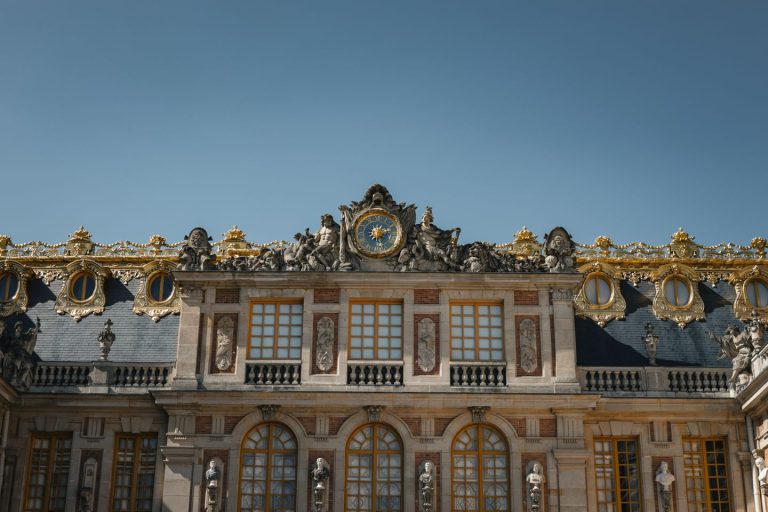
The palace and its gardens. Book a slot, go early, and give the gardens as long as the building.
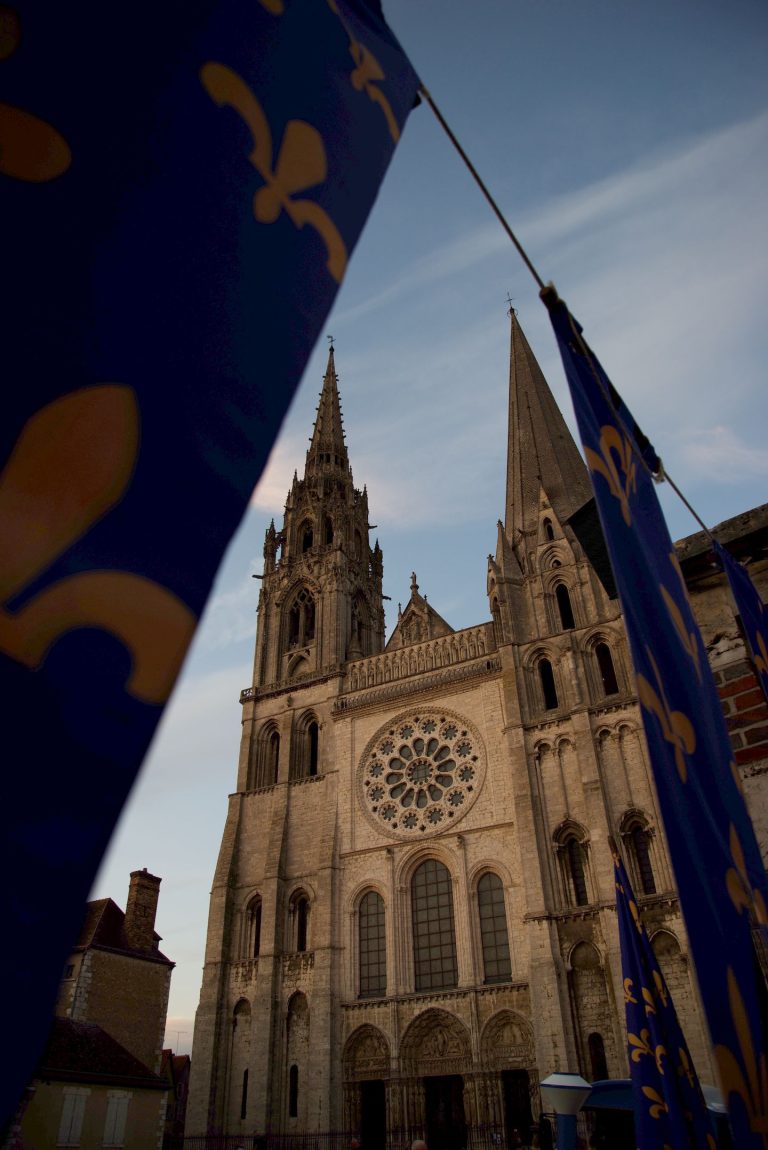
A Gothic cathedral with the best-preserved medieval stained glass in France, in a small town.
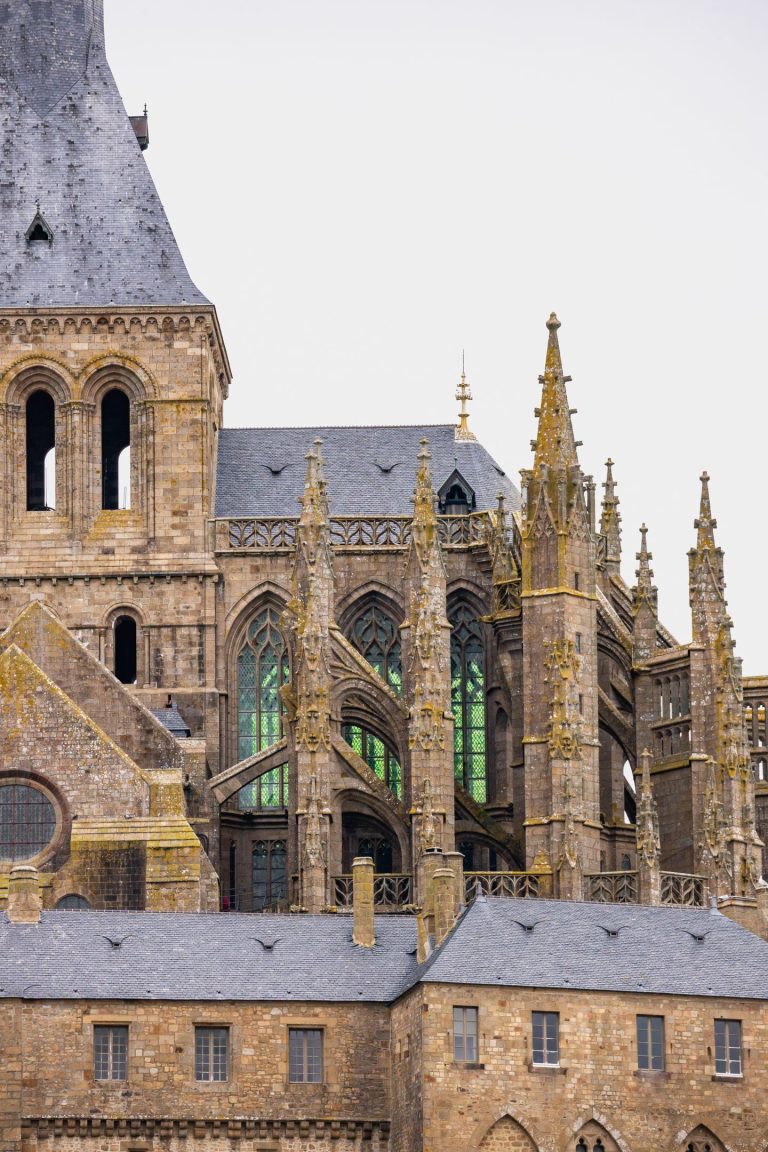
Champagne cellars and a coronation cathedral, close enough to do easily in a day.
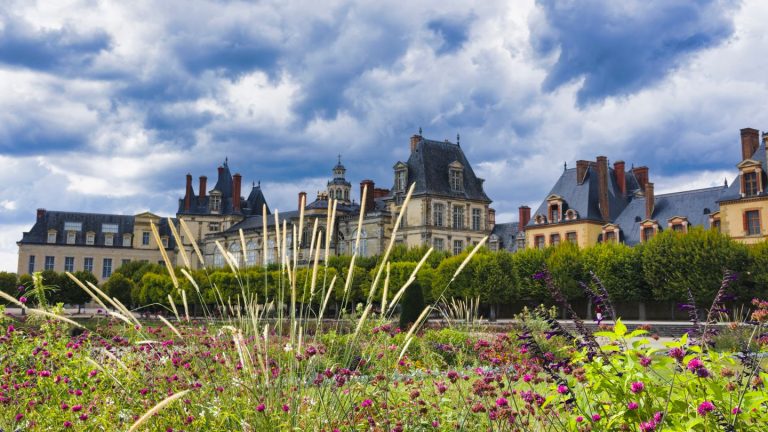
A royal château with fewer crowds than Versailles, and a forest of climbing boulders around it.
Free music on every street on 21 June, and a military parade on 14 July.
 Staff pick
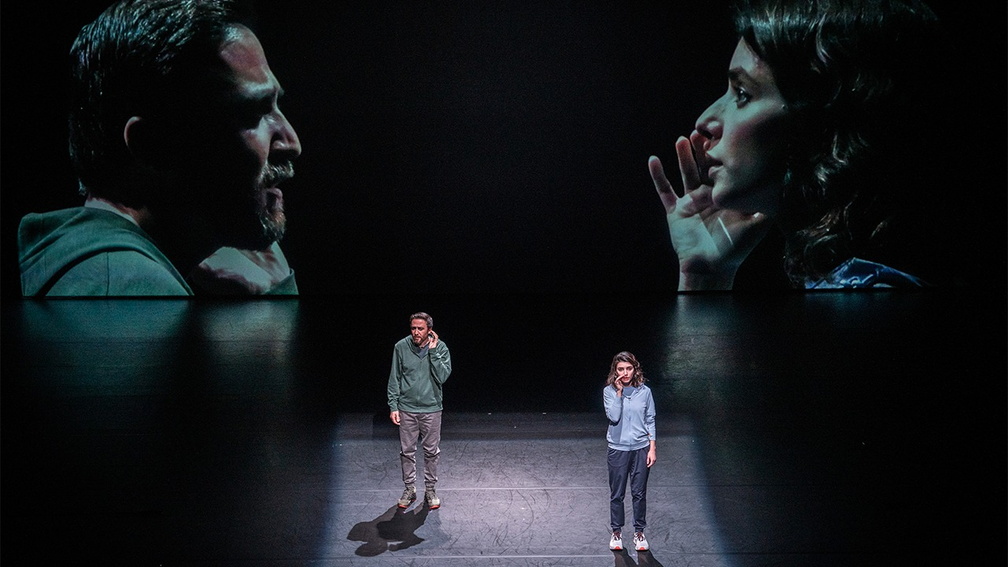
Experience the cultural extravaganza of the Paris Autumn Festival, a prestigious annual event showcasing a diverse range of artistic performances across the city. From…
 Staff pick
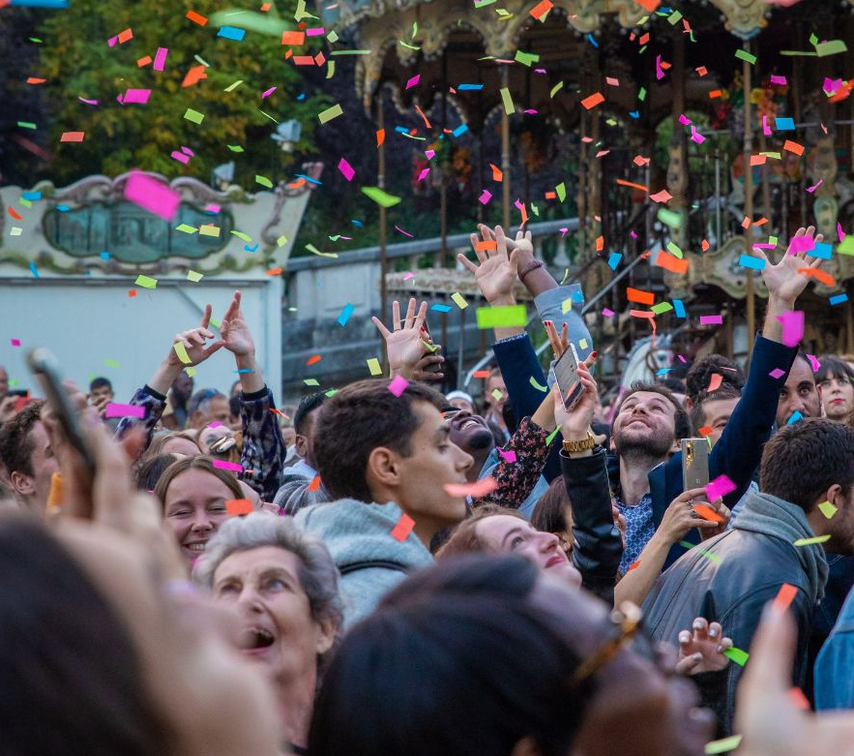
The Fête des Vendanges de Montmartre is a lively celebration of wine, art, and culture in the heart of Paris. With an anticipated attendance…
 Staff pick
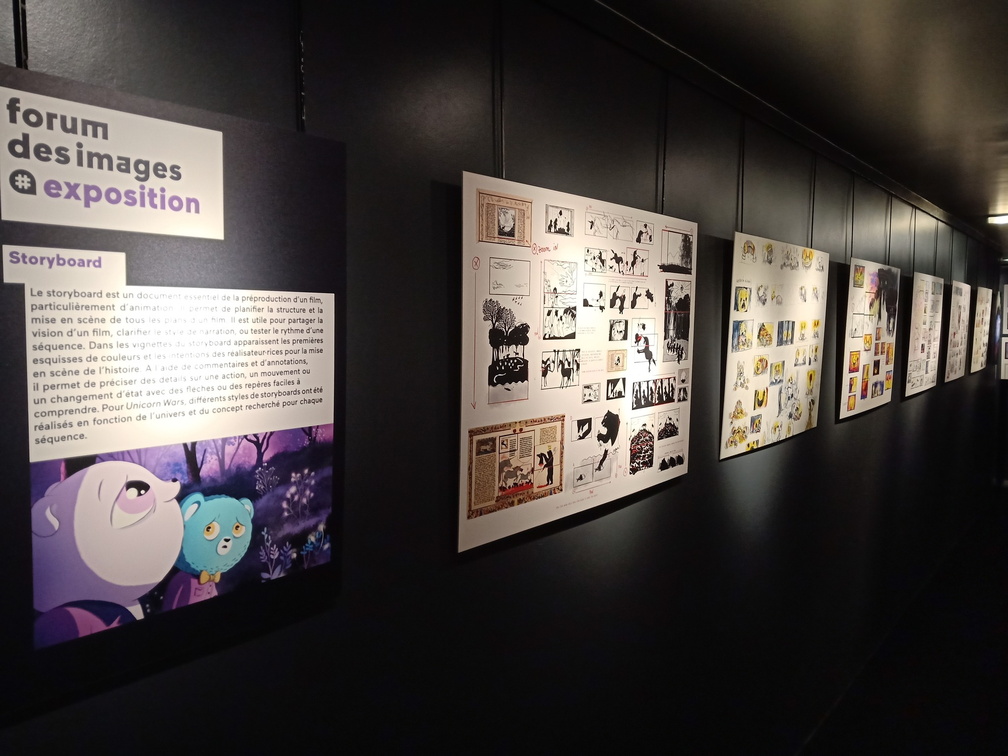
Fête du cinéma d'animation in Paris, France, is a celebrated event dedicated to showcasing the richness of animated cinema from France and around the…
 Staff pick
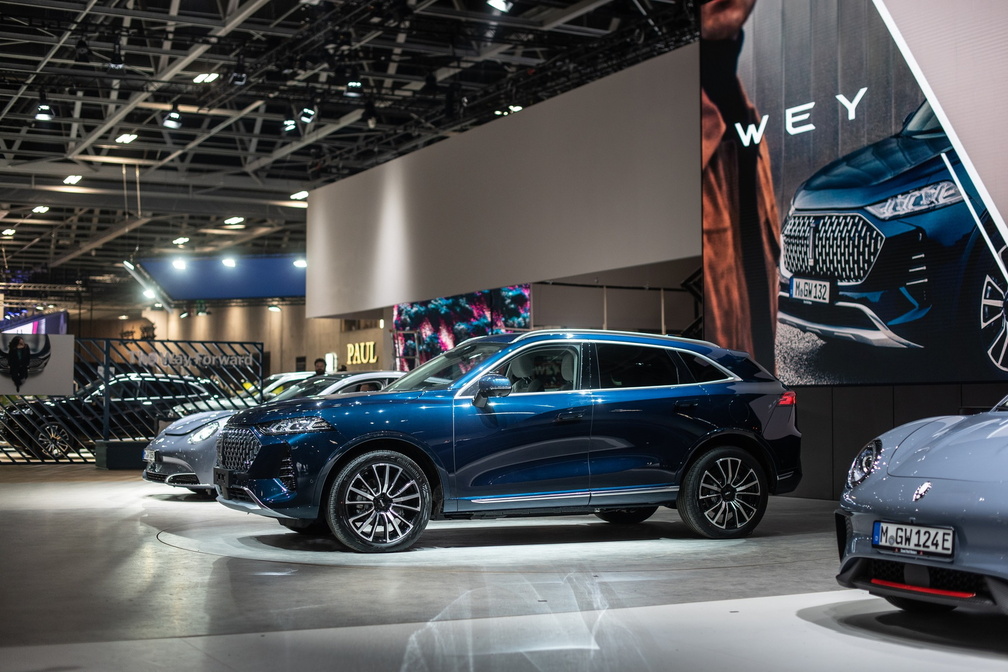
Step into the world of automotive marvels at Mondial de l'Auto, an innovative motor show where cutting-edge technology and design converge to redefine the…
 Staff pick
Witness the spectacle of Paris Games Week, a celebration of all things gaming. Explore an array of activities, from networking to competitive tournaments, that…
 Staff pick
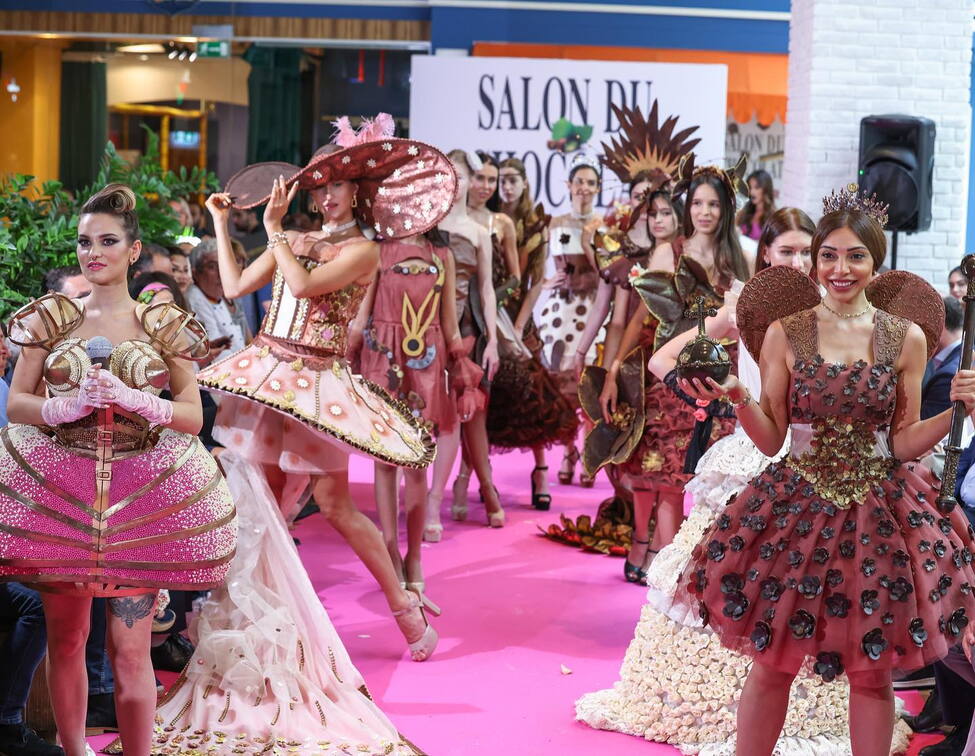
The Salon du Chocolat Paris is the world’s premier chocolate event, showcasing creations from top chocolatiers and pastry chefs. From live demonstrations and tastings…
 Staff pick
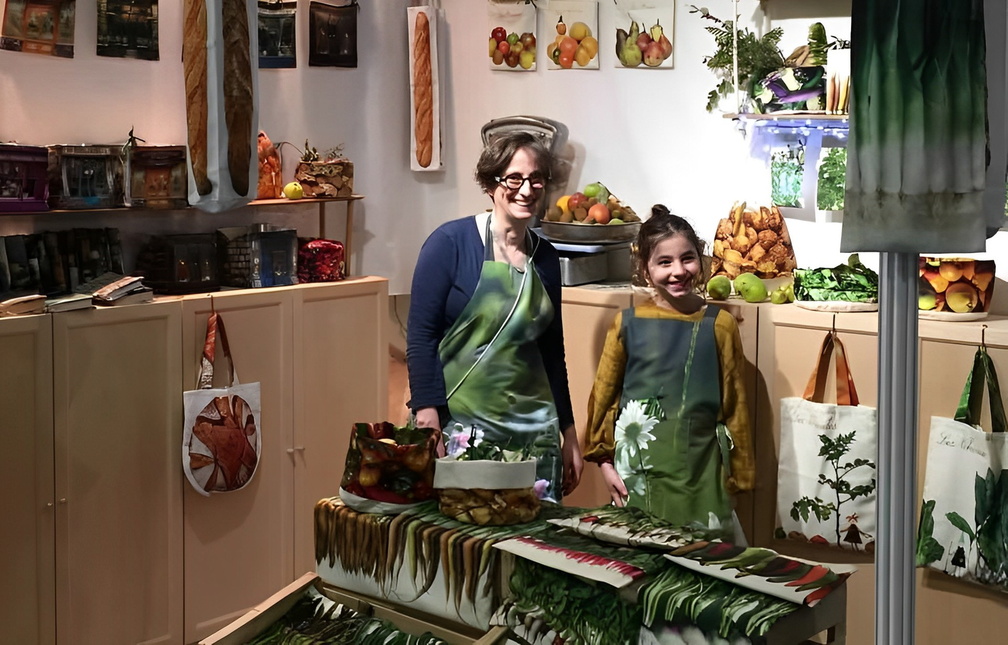
MIF Expo, the premier event celebrating French manufacturing, showcases the expertise and creativity of hundreds of exhibitors across diverse industries. Visitors can explore and…
 Staff pick
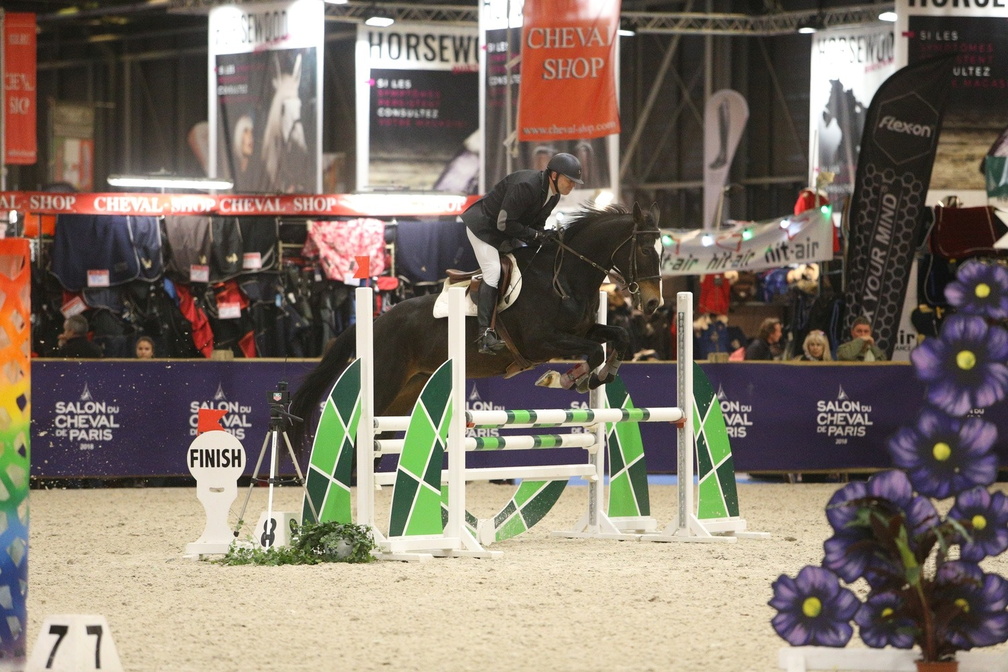
The Salon du cheval de Paris is a prestigious event that gathers equestrian enthusiasts and professionals from around the world. Attendees can enjoy breathtaking…
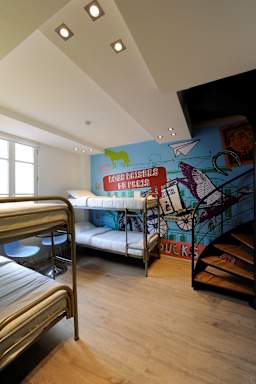
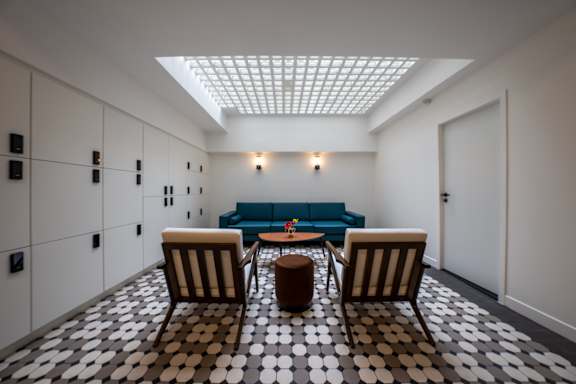
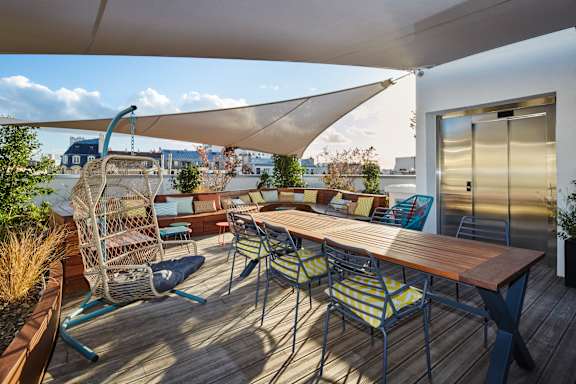
The largest hostel scene in France, concentrated in the 10th, 11th, 18th and 20th. Live from Hostelworld.
 Sustainable
May, June, September and October. August empties of Parisians and fills with everyone else.
Average highs. The August emptying is real — a lot of independent restaurants and shops close for two or three weeks, so check before building a trip around a specific place.
Pick how you travel. Per person per night, in euros.
The food line assumes a lunch formule and a light dinner. Free first Sundays and the under-26 EU exemption can cut the doing line to almost nothing.
The ones we get asked most.

Compare Paris hostels — live prices, real reviews and free cancellation on most bookings. Then meet the people already there in the app.

 Get the App.
 Get the App.