Baixa
First-timersThe rebuilt grid between the two big squares: flat, central, and surrounded by everything. Busy and priced for it.
21 hostels · from €13
Hostels here

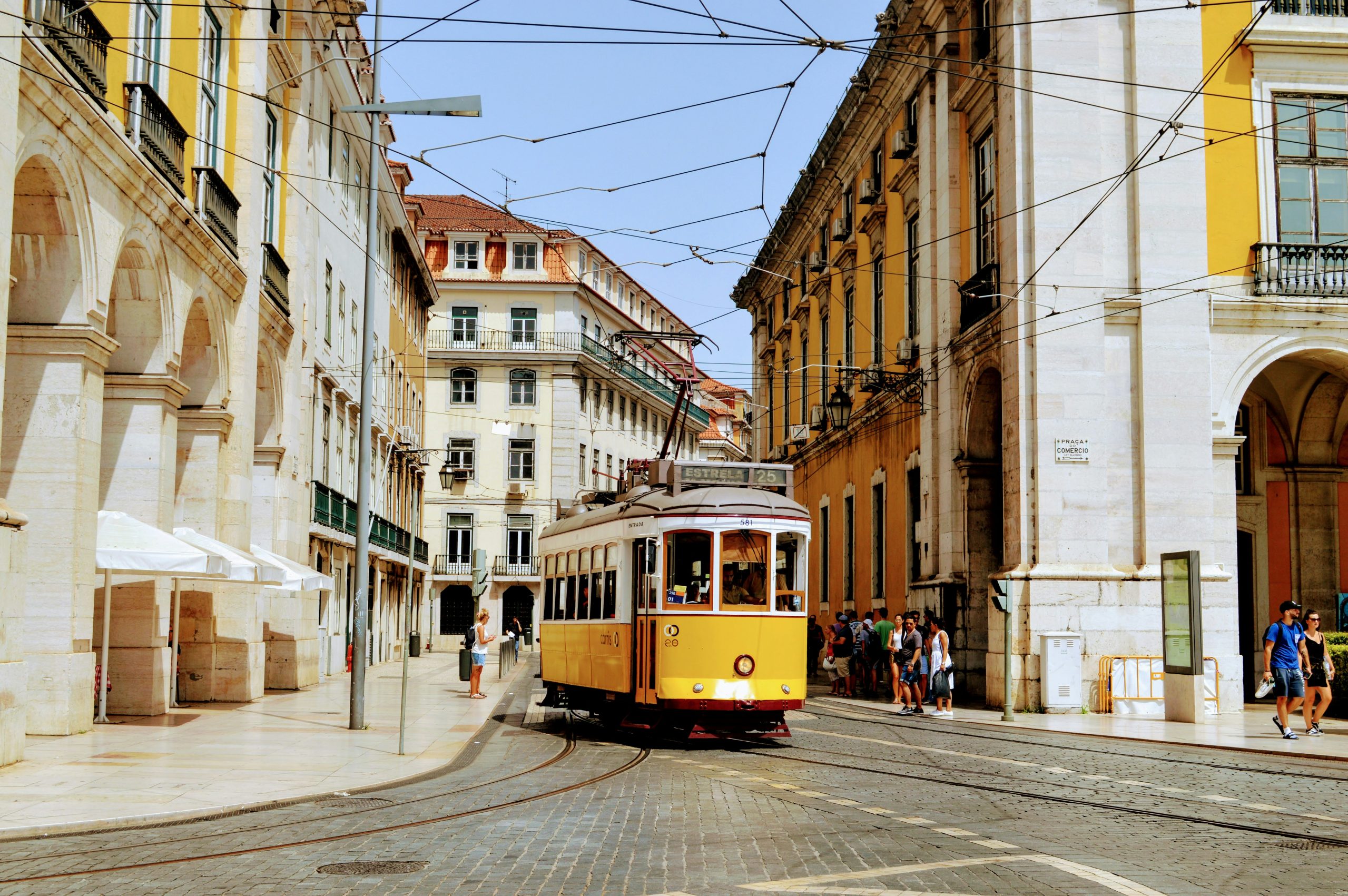
Seven hills, yellow trams, tiled facades and the cheapest capital in western Europe. Also the hostel capital of the continent, and it knows it.
Lisbon sits on a wide estuary where the Tagus meets the Atlantic, built across hills steep enough that the city installed funiculars rather than expect anyone to walk them. The 1755 earthquake flattened the centre, and what replaced it — the grid of Baixa, rebuilt in five years — is the reason the middle of the city looks nothing like the medieval streets of Alfama above it.
It has been the busiest hostel city in Europe for a decade, and that has changed prices and the centre. Rents have risen sharply, short-term lets have hollowed out parts of the old town, and locals will tell you so if you ask.
Three or four days covers the city itself. Add a day for Sintra and another for the beaches, both of which are a short train ride away and both of which people wish they had given longer.
The centre is walkable but vertical. Where you sleep decides how many hills you climb at 2am.
The rebuilt grid between the two big squares: flat, central, and surrounded by everything. Busy and priced for it.
The oldest quarter, which survived the earthquake: stepped lanes, fado houses and washing over the street.
Quiet until eleven, then the whole street becomes the bar. Loud until dawn and not for light sleepers.
The river end: Time Out Market, Pink Street, and a ten-minute walk home from most of the nightlife.
Uphill from Bairro Alto: gardens, independent shops, good restaurants and the centre of gay Lisbon.
Above Alfama, with the best miradouros in the city and prices that drop the further you climb.
Orange labels are neighbourhoods, dots are the 12 top-rated hostels. Map © MapTiler © OpenStreetMap contributors.
Start high and walk down. The miradouros — Senhora do Monte, Graça, Santa Luzia — are free, and the walk between them through Alfama is the single best few hours in the city.
Tram 28 is the famous one and it is a working tram, so it is packed by nine in the morning and a pickpocket's office by ten. Ride it early from Martim Moniz or skip it and take the 12 instead.
In Belém, six kilometres west, the Jerónimos Monastery and the Torre de Belém are the two UNESCO sites, and the queue for the original pastéis de Belém moves faster than it looks.
The 1755 earthquake is the thread running through everything: what stands, what does not, and why the middle of the city is a grid.
Lisbon is generous if you are broke. Every miradouro is free, and there are a dozen of them. The Feira da Ladra flea market runs Tuesdays and Saturdays behind the Panteão. Fado spills out of bars in Alfama most evenings without a cover charge, and the ones with no sign are usually the real ones.
The Gulbenkian gardens are free to walk, and the museum is free on Sundays after two. The Museu do Aljube, on the resistance to the dictatorship, is free on the first Sunday of the month, as are most municipal museums.
Walking the whole riverfront from Cais do Sodré to Belém takes about ninety minutes and costs nothing.
The tourist menus around Rua Augusta are the worst food in the city. Walk ten minutes in any direction and you are in tascas serving a prato do dia for €8 to €12, which is what people actually eat at lunch.
Bacalhau appears in hundreds of forms and the Portuguese will tell you there are 365. Grilled sardines are a June thing rather than a year-round one. Bifana — a pork sandwich in a soft roll — is the €3.50 standby, and the best ones come from places with no menu.
Pastéis de nata are everywhere. The original recipe is at Pastéis de Belém, where they are called pastéis de Belém and nothing else; Manteigaria in the centre is the best of the rest and you watch them come out of the oven.
The Time Out Market is good and expensive, and it is not where locals eat.
Bairro Alto is the starting point and it works differently from most nightlife districts: the bars are tiny, everyone drinks in the street, and the whole neighbourhood is the venue. It runs from about eleven until three, when it moves down the hill.
Pink Street in Cais do Sodré is the second act, with bigger bars and clubs, and Lux Frágil on the riverfront is the club that made Lisbon's reputation — door policy included.
Fado is the other night out entirely. The tourist houses in Alfama charge €40 to €60 with dinner; the small bars where someone stands up and sings between drinks cost the price of a glass of wine and are better.
Ginjinha, sour cherry liqueur, is a €1.50 shot from hole-in-the-wall bars near Rossio.
Get a Viva Viagem card at any metro station: it costs €0.50 once, and a day of unlimited metro, tram, bus and funicular is €6.80. Loading single journeys at €1.80 works out worse than the day pass if you make four.
The metro is quick and reaches the airport, but Lisbon is a walking city and a hilly one. The funiculars and the Santa Justa lift are public transport, not attractions, and the day pass covers them.
Ferries across the Tagus to Cacilhas cost about €1.55 and give you the best view back at the city, plus seafood restaurants on the other side.
Uber and Bolt both work and are cheap. Taxis from the airport occasionally take the long way; agree on the meter.
Lisbon is the cheapest capital in western Europe and no longer cheap. Dorms run €18 to €35 and climb steeply from June to September, a prato do dia is €8 to €12, and a beer is €2 to €4 in a tasca and double that on a terrace with a view.
A careful day is €45 to €65. The things that add up are rooftop bars, tourist restaurants in Baixa, and the €40 fado dinners.
The savings are structural: eat lunch as the main meal, buy the day transport pass, use the free miradouros instead of paid viewpoints, and take the €1.55 ferry rather than a river cruise.
Lisbon is a safe city with very little violent crime, and a serious pickpocketing problem in specific places: tram 28, the 15 to Belém, Rossio, and the crowd outside any viewpoint at sunset. Keep your phone out of your back pocket and your bag in front of you on trams.
The other thing everyone meets is drug dealing on Rua Augusta and around Baixa — persistent offers of hashish that is usually not hashish at all. A firm no and walking on is all it takes.
The pavement is the underrated hazard. Calçada portuguesa is beautiful, polished, and lethal in the rain, and the hills are steeper than they look.
Emergency number is 112, free from any phone.
Two of these are better than most of the city, and both are a train ride away.
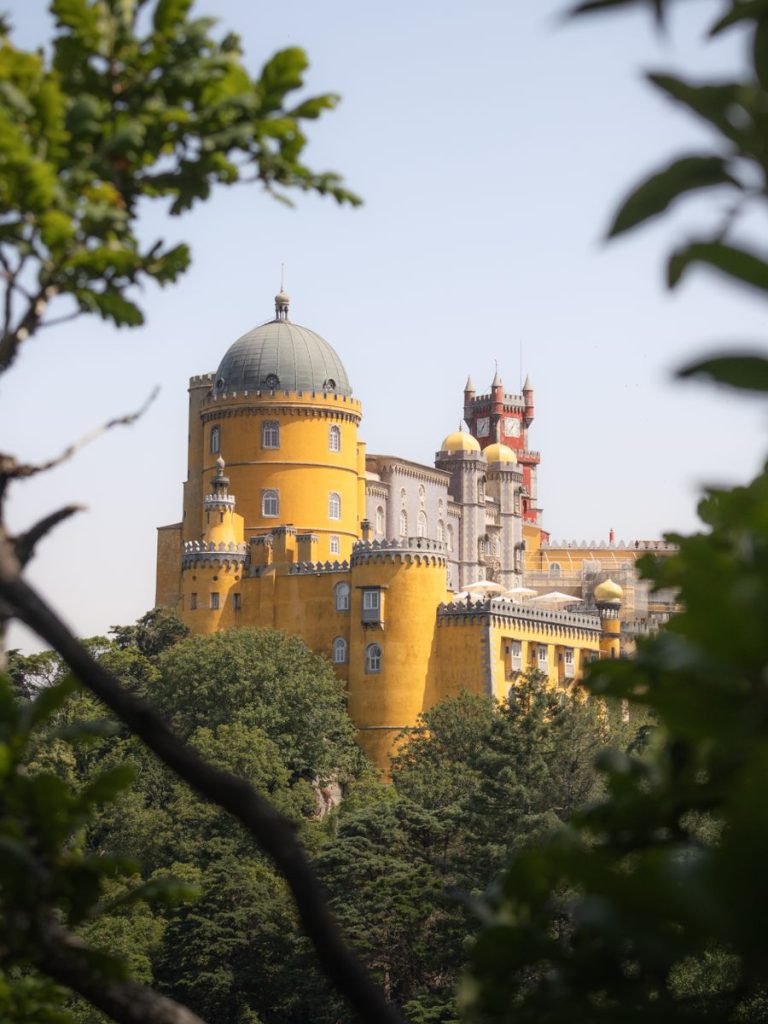
Palaces in the hills above the coast, including the Pena Palace on a crag. Go early: it is the busiest day trip in Portugal and timed tickets sell out.
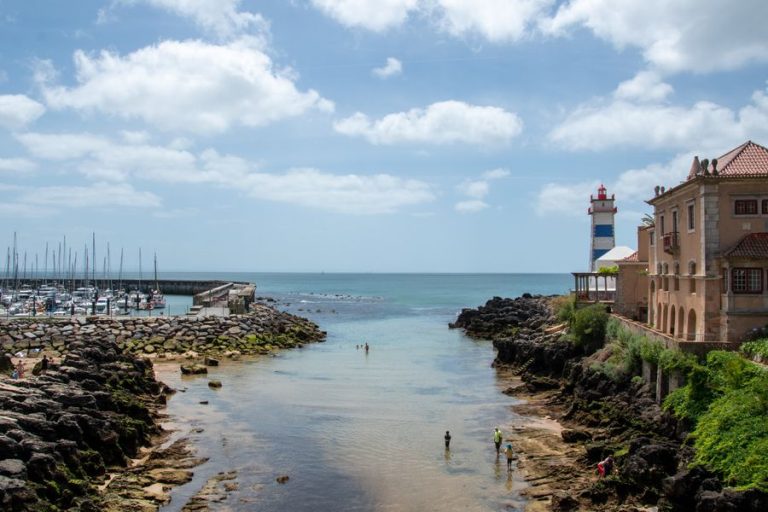
A seaside town at the end of the line, with beaches along the way and a coast road to Guincho behind it.
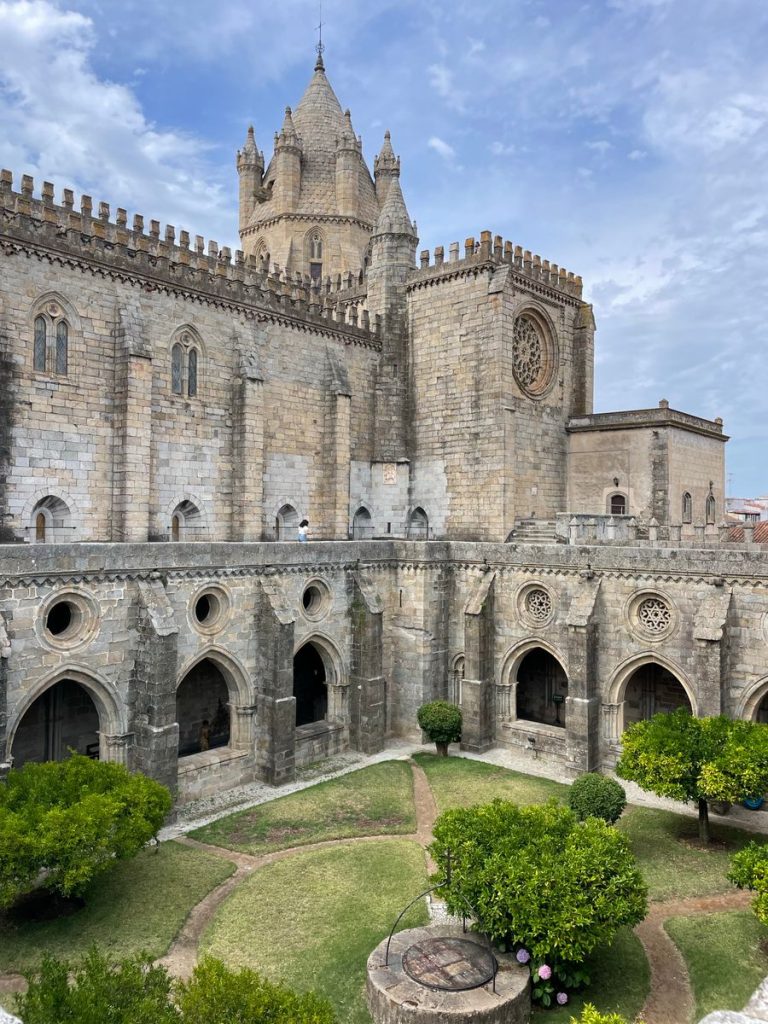
A walled Alentejo town with a Roman temple and a chapel lined with bones. A long but easy day.
One of these takes over the entire city for two nights.
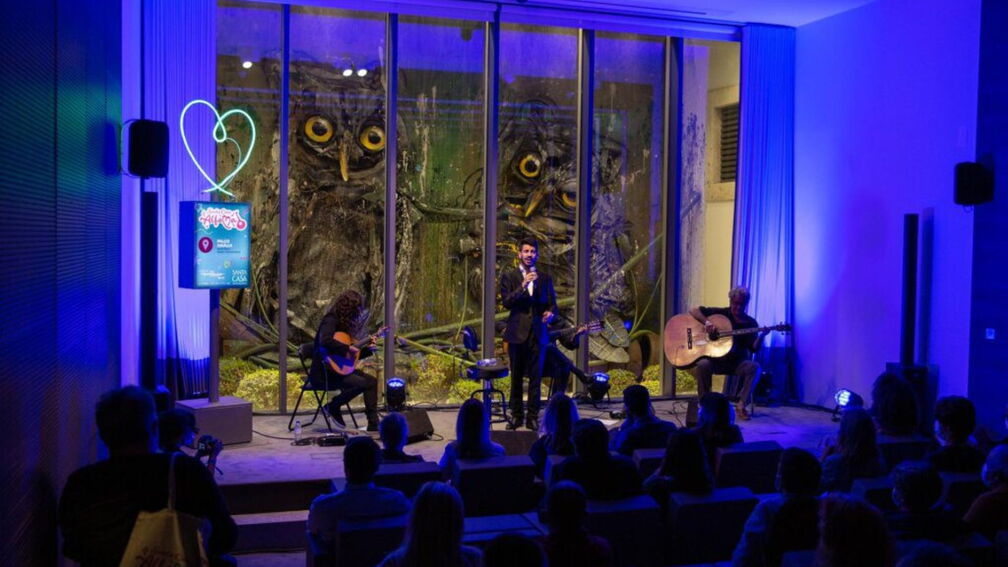 Staff pick
Festival Santa Casa Alfama transforms Lisbon’s historic Alfama neighborhood into a living stage for fado, Portugal’s most iconic musical tradition. Visitors wander through narrow…
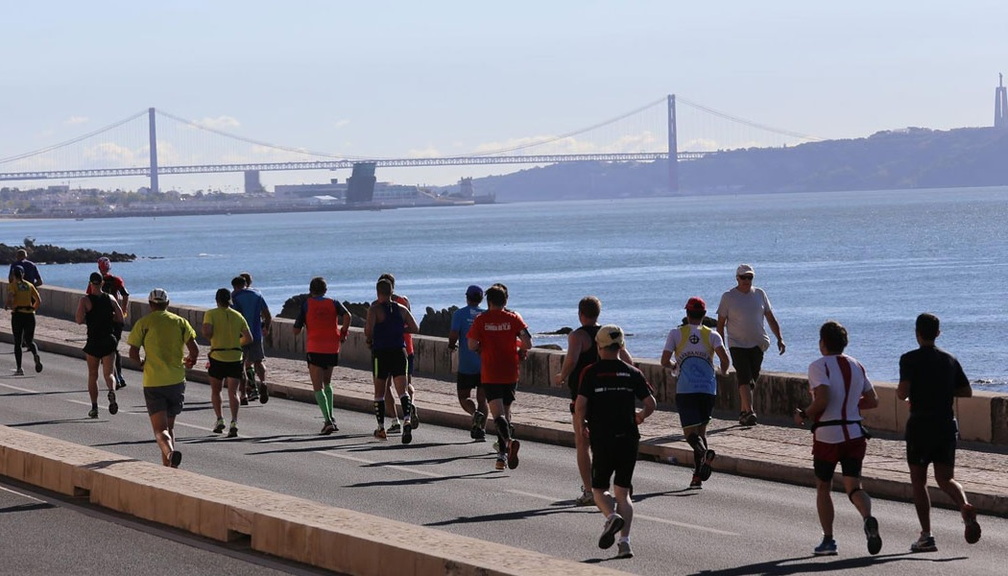 Staff pick
The EDP Lisbon Marathon invites runners to experience Portugal’s largest marathon, starting in Carcavelos and following a breathtaking coastal route through Cascais, Oeiras, and…
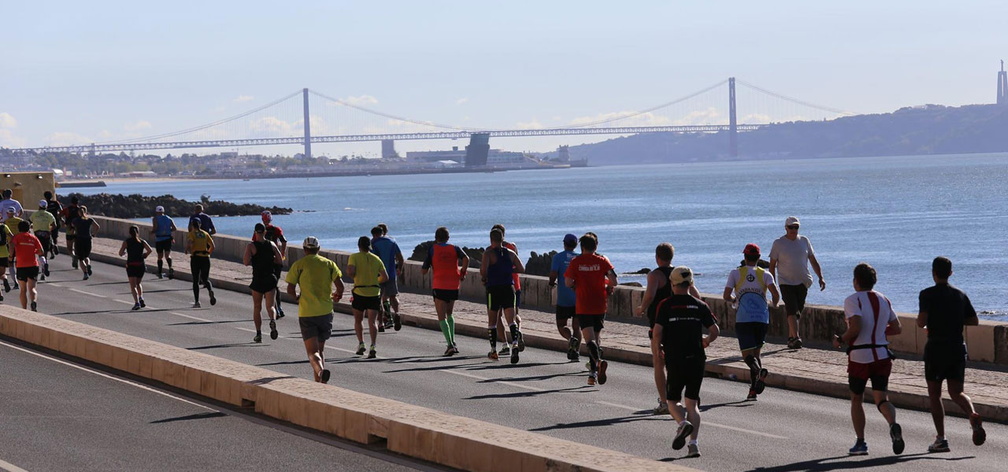 Staff pick
Get ready to conquer the largest marathon in Portugal as you race through the historic streets and scenic coastline of Lisbon at the iconic…
 Staff pick
Lisboa Games Week is Portugal's largest video game, e-sports, and pop culture event, bringing together gaming enthusiasts from around the world at Lisbon's FIL…
 Staff pick
Experience the magic of world cinema at LEFFEST – Lisboa Film Festival, one of Portugal's most prestigious cultural events. Held annually in Lisbon, this…
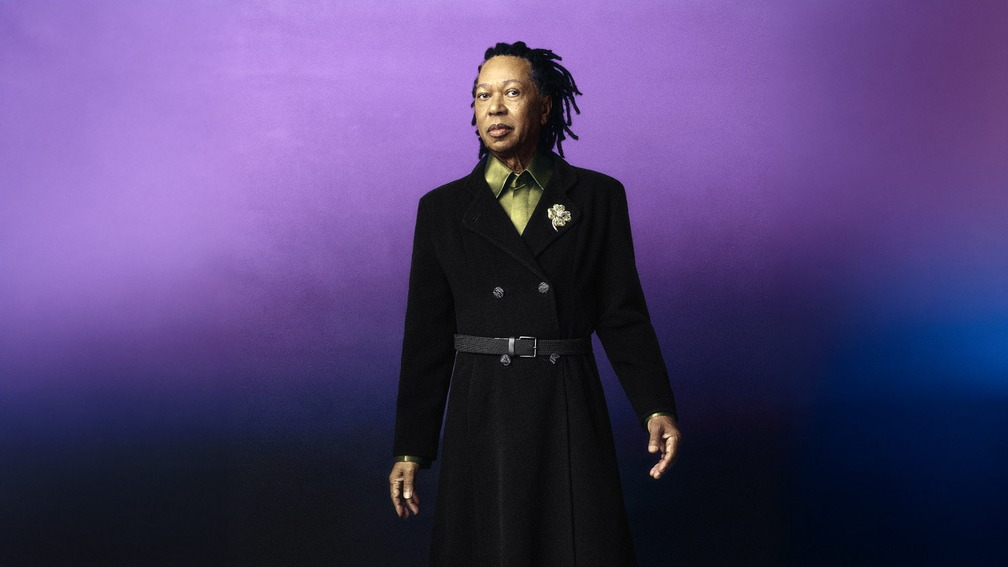
Djavan returns to Portugal in 2026 to celebrate fifty years of his career with the international tour "Djavanear 50 Years: Only Hits." The concert…

Laura Pausini will perform at MEO Arena on October 22, 2026, as part of her Io Canto World Tour. The tour started on March…
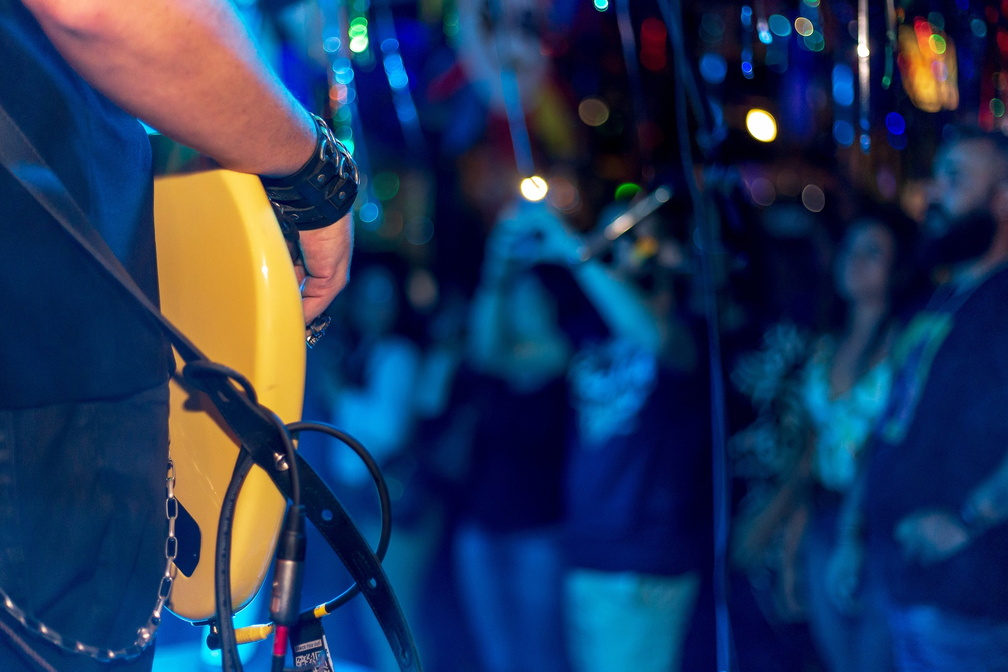
Jungle is a music group formed in London in 2013 by Tom McFarland and J Lloyd, joined by Lydia Kitto in 2024. They are…
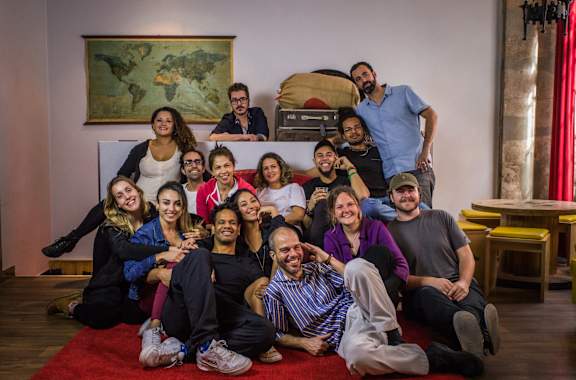
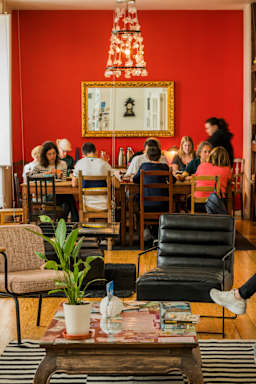
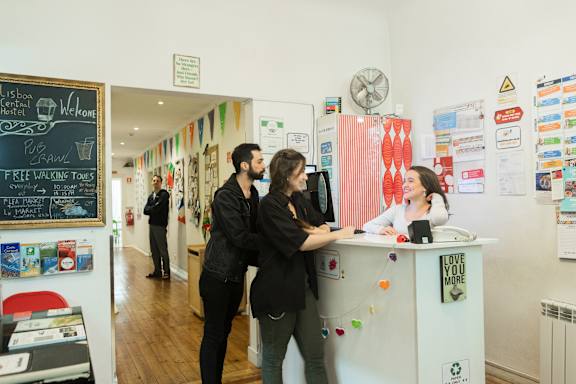
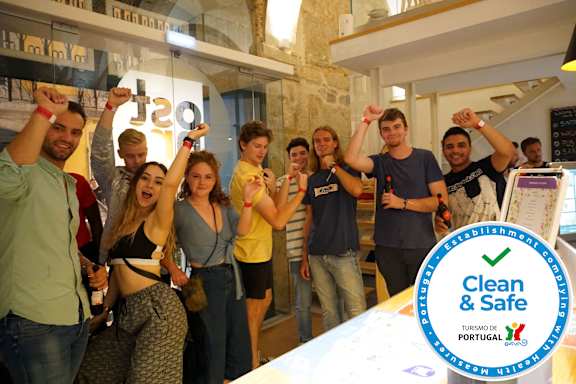
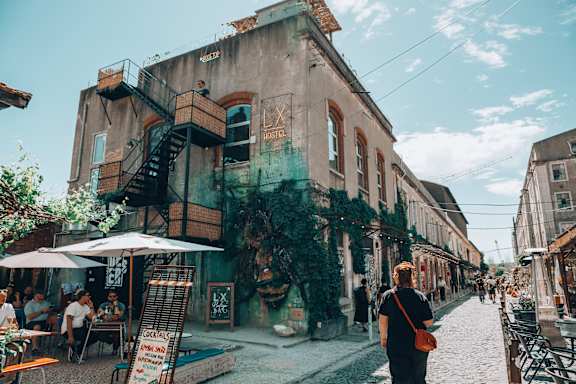
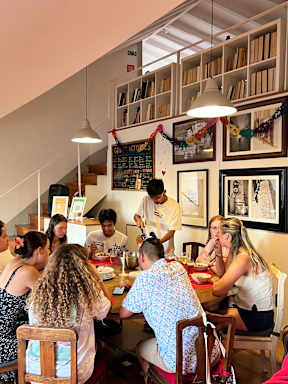
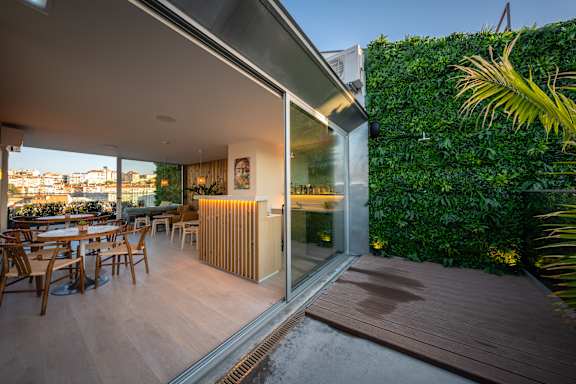
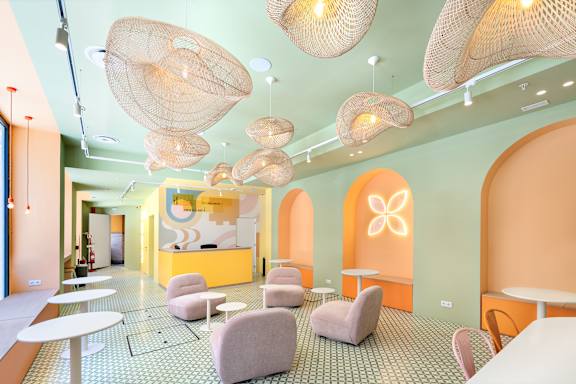
Lisbon has won more hostel awards than any city in Europe, and the standard is genuinely high. These are the top-rated right now, live from Hostelworld.
Lisbon has a long shoulder season and a genuinely mild winter. July and August are hot, full and expensive.
Average highs. Lisbon rarely freezes and rarely passes 35°C, but the hills make August feel hotter than the number suggests.
Pick how you travel. Per person per night, in euros.
Transport assumes the €6.80 day pass. Day trips to Sintra or Cascais add about €5 in train fares plus entry.
The ones we get asked most.

Compare Lisbon hostels — live prices, real reviews and free cancellation on most bookings. Then meet the people already there in the app.

 Get the App.
 Get the App.