Cidade Velha
AtmosphereInside the walls: the cathedral, cobbled lanes, the bone chapel and almost no traffic.

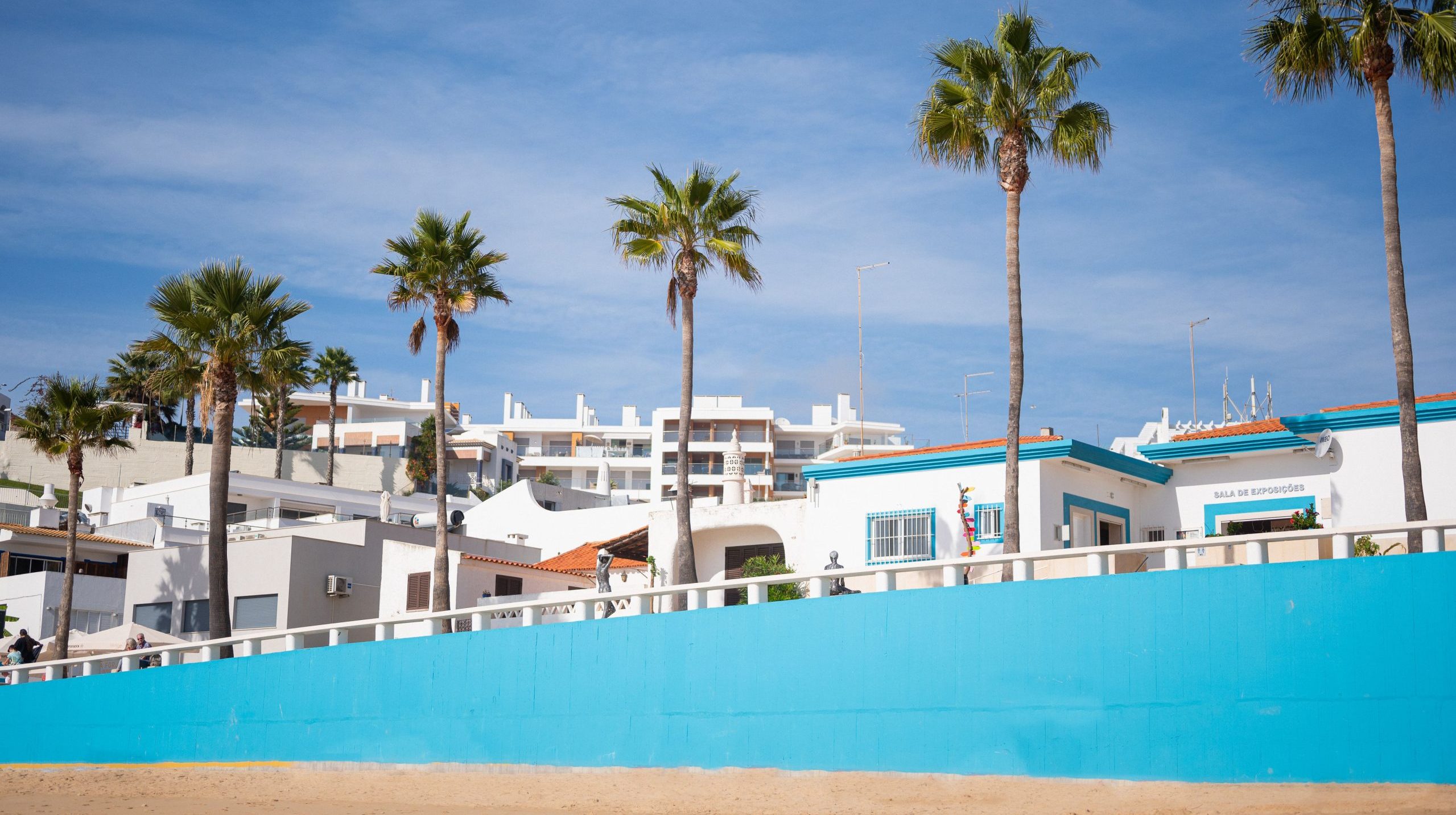
The Algarve city everyone flies into and nobody stays in. A walled old town, a lagoon of sandbar islands, and prices a third of what Lagos charges.
Almost everyone who visits the Algarve lands at Faro and leaves within an hour. The ones who stay find a small walled old town, a cathedral you can climb, storks nesting on every rooftop, and a lagoon full of sandbar islands with beaches better than most of the resort coast.
The Ria Formosa is the point: sixty kilometres of protected lagoon, tidal flats and barrier islands, with ferries running out to Culatra, Farol and Deserta from the town quay for a couple of euros.
Two days is enough, and Faro works better as a base than people expect — Tavira, Olhão and the Spanish border are all short train rides, and the beds cost a third of what Lagos charges in August.
Faro is small. Almost everything is within ten minutes of the marina.
Inside the walls: the cathedral, cobbled lanes, the bone chapel and almost no traffic.
The pedestrian streets and the waterfront, where the ferries, restaurants and most hostels are.
On the sandbar at the end of the airport road: a long beach, a few bars and the lagoon behind it.
Orange labels are neighbourhoods, dots are the 11 top-rated hostels. Map © MapTiler © OpenStreetMap contributors.
Take a boat into the Ria Formosa. Ferries from the quay reach Culatra and Farol in about 45 minutes for a couple of euros each way, and both are sandbar islands with almost nothing on them but a beach, a few houses and a fish restaurant. Small tour boats do the lagoon and its birdlife for €25 to €35.
The old town takes an hour: a walled quarter entered through the Arco da Vila, a cathedral with a roof terrace you can climb for the lagoon view, and the Capela dos Ossos, a chapel lined with the bones of a thousand monks.
The municipal museum in a former convent is quiet and good. And the airport road runs out to Praia de Faro, a long sandbar beach ten minutes by bus.
The old town costs nothing to walk and takes an hour, including the walls, the Arco da Vila and the storks nesting on every tower.
The marina and the boardwalk along the lagoon are free, and the sunset from the quay is the best thing in town on a clear evening.
Praia de Faro is a free beach at the end of a €2.50 bus, and the salt pans east of town are a birdwatching site where flamingos turn up between November and March.
Faro eats better than the resorts because it feeds people who live here. A prato do dia runs €7 to €10 in the streets behind the marina, and the fish is landed at Olhão twenty minutes away.
Clams — amêijoas à Bulhão Pato, cooked with garlic, white wine and coriander — are the regional dish and cost €10 to €14.
The islands do the best fish lunch in the Algarve: a handful of restaurants on Culatra and Farol grilling whatever came in that morning, eaten in a plastic chair with sand underfoot.
The town has a small bar scene around Rua do Prior, aimed at students from the university rather than visitors.
Faro has a university, and the nightlife reflects that rather than tourism. The bars around Rua do Prior and Rua Conselheiro Bívar fill with students from Thursday, and prices are local.
It is small — a handful of bars and two or three clubs — and it is nothing like Lagos or Albufeira, which is either the appeal or the problem.
Beer is €1.50 to €3, and the marina terraces charge more for the view.
In summer, the beach bars at Praia de Faro run until late and the last bus back is the thing to check before you settle in.
Everything in town is walkable. Bus 16 runs from the airport to the bus station in 20 minutes for about €2.50, and the same line continues to Praia de Faro.
Ferries leave the quay below the old town for Culatra, Farol and Deserta several times a day, more often in summer, for €2 to €5 each way. Check the last return before you go.
The train station is five minutes from the centre, with the Algarve line running west to Lagos in an hour and three quarters and east to Tavira in 40 minutes and the Spanish border beyond it.
Buses reach Seville in about three hours, which makes Faro a useful hop into Andalusia.
Faro is the cheapest place to stay on the Algarve in summer, because it is a working city rather than a resort. Dorms run €14 to €24 even in August, when Lagos is asking €35.
A day is €35 to €50.
Ferries to the islands cost a few euros, the beaches are free, and the town's restaurants are priced for residents. The one real expense is a lagoon boat tour at €25 to €35, which is worth it.
Faro is a quiet, safe city with very little crime aimed at visitors, and the centre is comfortable at night.
The lagoon is the thing to respect. Tides move fast across the sandbars, channels are deeper than they look, and people get caught out walking between islands at low water. Check the ferry times and the tide before going anywhere on foot.
Praia de Faro is Atlantic, with rips and no lifeguard outside the main season. Swim between the flags when they are up.
Emergency number is 112.
The eastern Algarve is quieter than the west, and Seville is closer than Lisbon.
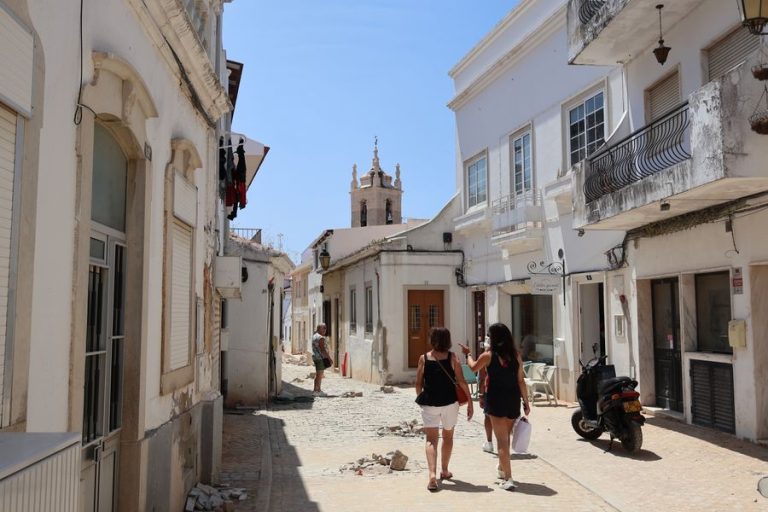
A Roman bridge, tiled churches and an island beach reached by ferry. The prettiest town on the Algarve and much calmer than the west.
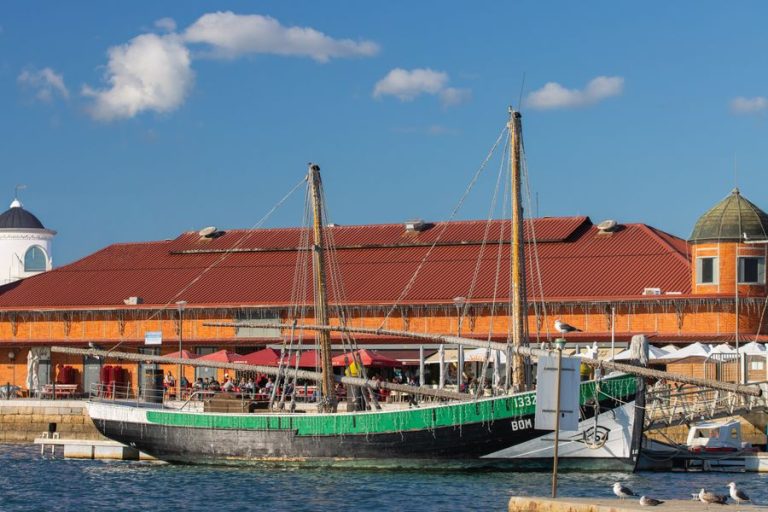
The coast's best fish market in two brick halls on the waterfront, and ferries to Armona and Culatra.
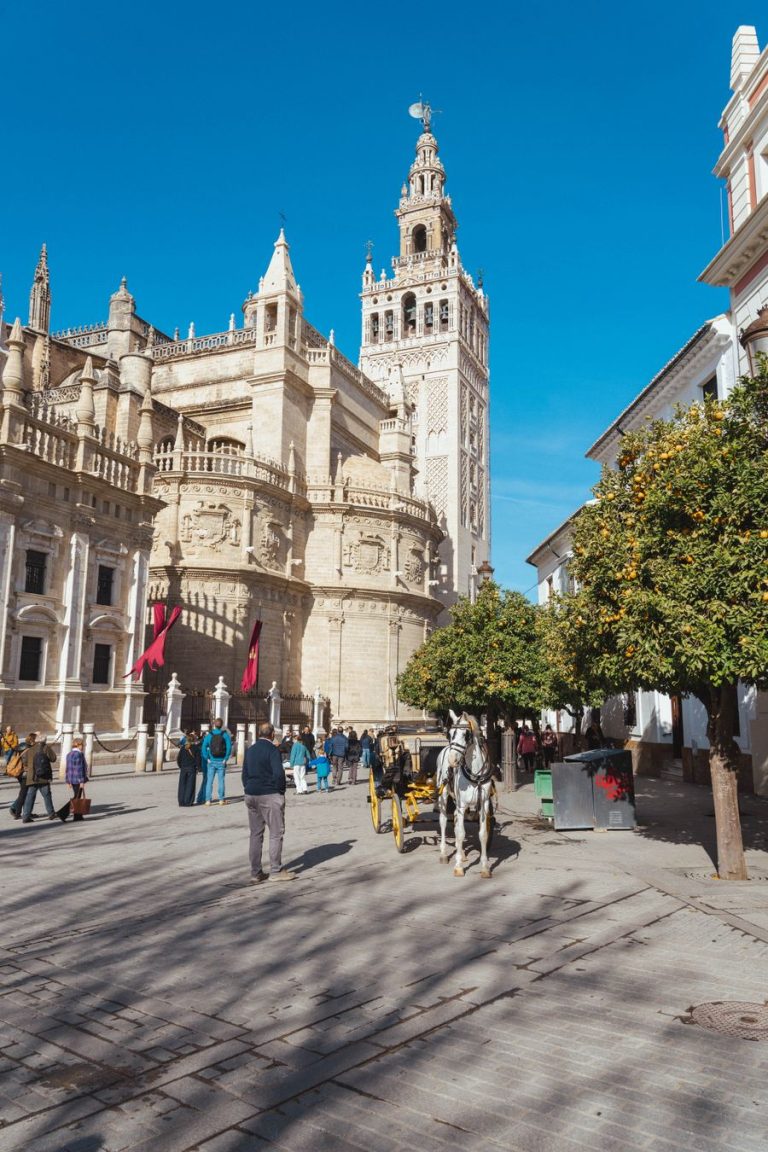
A different country for the day, and close enough to make an overnight worth considering instead.
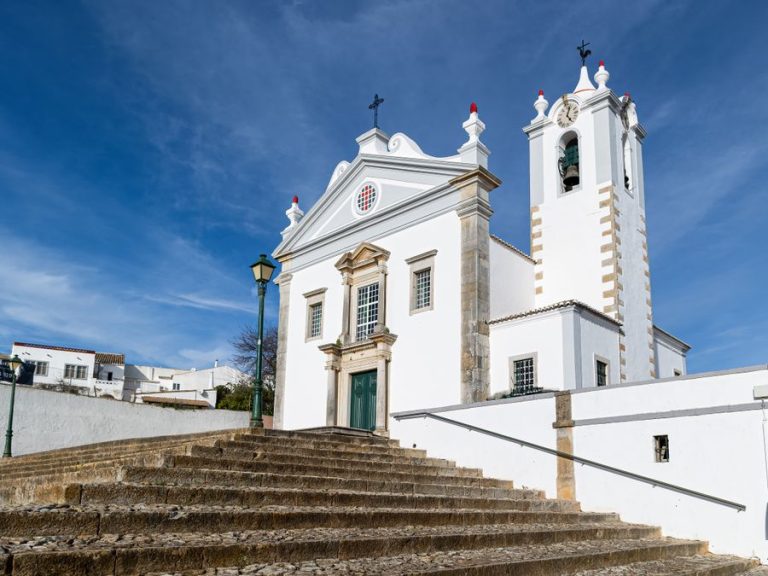
A rococo palace and the Roman ruins at Milreu, in the hills just inland.
A small calendar, and one enormous motorbike rally.
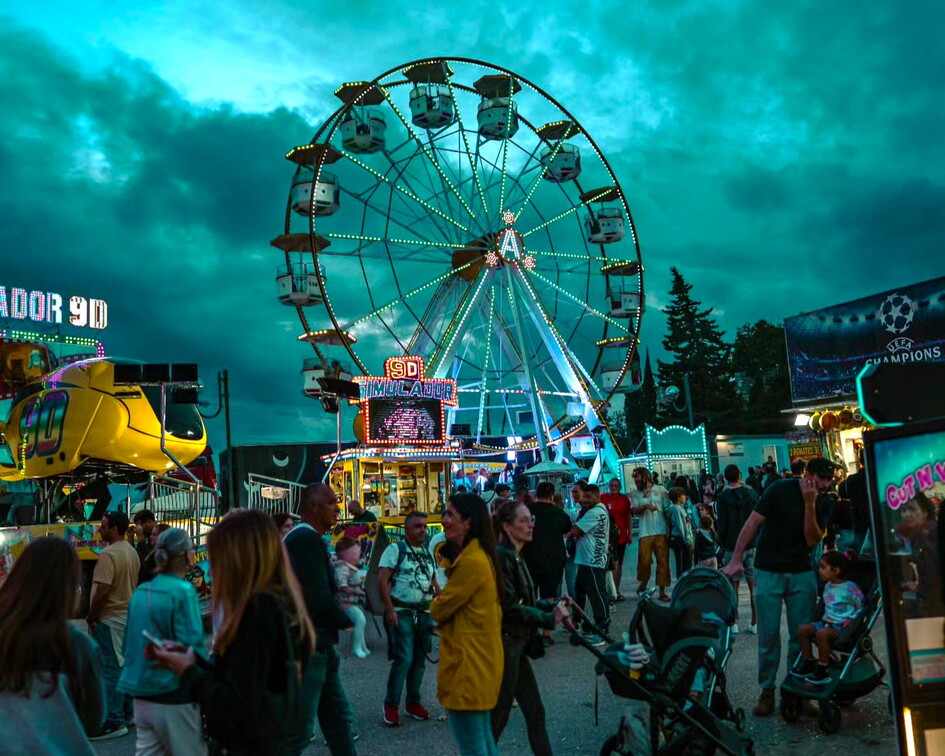
Feira de Santa Iria is one of the oldest and largest fairs in the Algarve, held annually in October at Largo de São Francisco.…
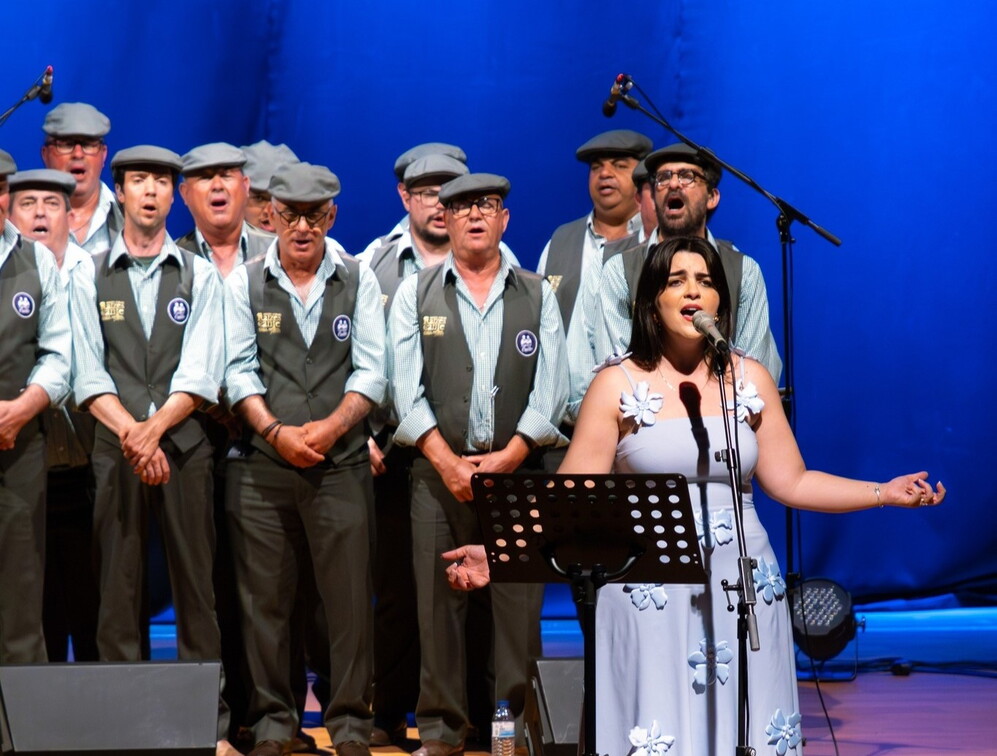
Recante presents an event scheduled for November 14, 2026, in Faro, Portugal. The gathering will take place at 58 Rua de São Luís, offering…

Rui Massena marks a decade of his compositions with a special solo piano concert at Teatro das Figuras. The performance features his new album…
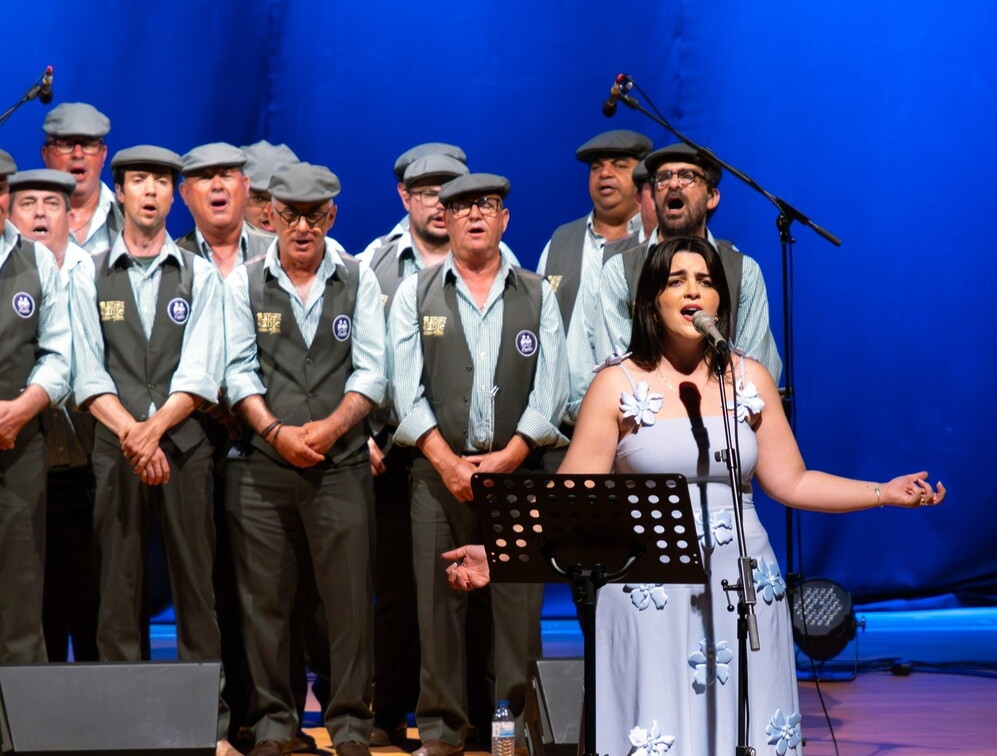
Recante presents an event scheduled for October 11, 2026, in Faro, Portugal. The event will take place at 58 Rua de São Luís and…
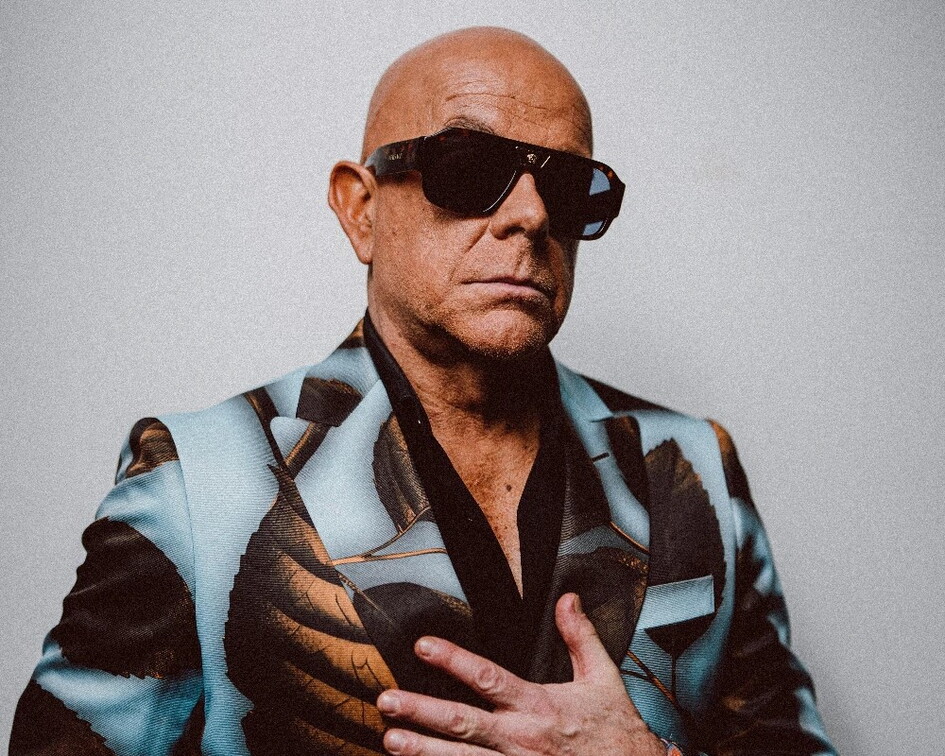
Pedro Abrunhosa brings his Inverbo Tour to some of Portugal's most iconic venues, sharing the deep atmosphere of his latest album. The tour highlights…

Pedro Abrunhosa brings his 'INVERBO' Tour to Teatro das Figuras, showcasing the deep, word-centered atmosphere of his latest album alongside career-spanning classics. The Portuguese…
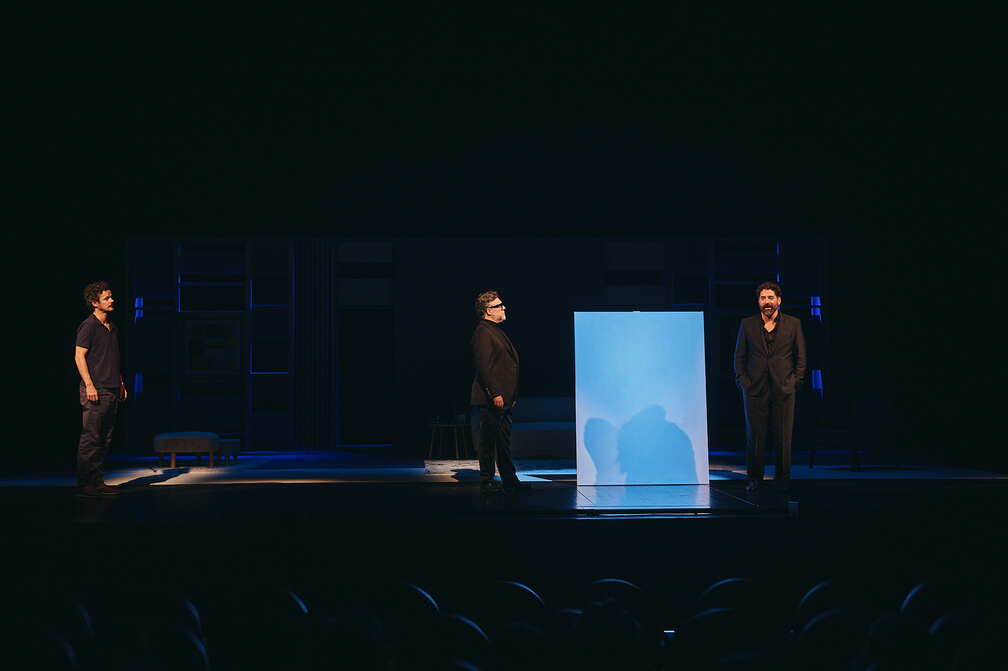
Three friends find themselves in an unexpected conflict over a white painting, revealing the unpredictable sides of friendship. The play explores adult friendships, ego,…

Dário Guerreiro is a stand-up comedy show by the Algarve native Dário Guerreiro. The performance explores his childhood and the experiences that shaped who…
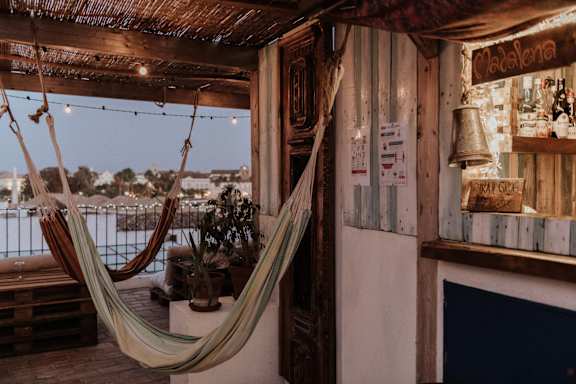
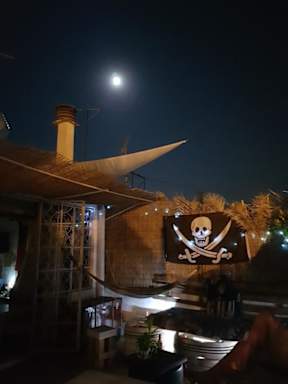
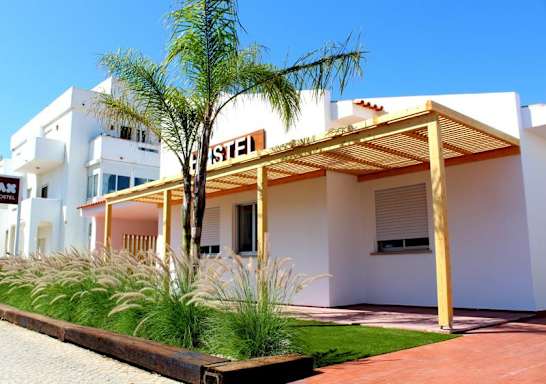
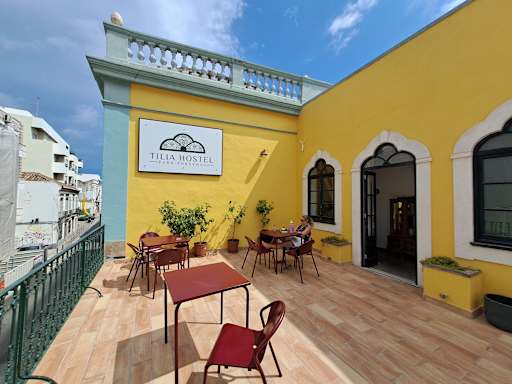
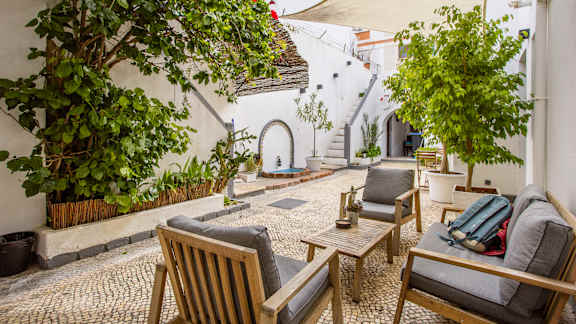
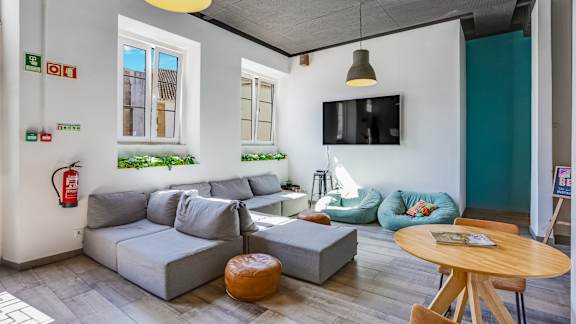
A small scene, mostly in and around the old town and the marina, and the cheapest beds on the Algarve in August. Live from Hostelworld.
 Sustainable
 Sustainable
Faro is mild all year and never as full as the resort coast. April to June and September to October are best.
Average highs. The eastern Algarve is slightly warmer and drier than the west, and the lagoon water is warmer than the open Atlantic.
Pick how you travel. Per person per night, in euros.
Faro barely has a high-season premium compared with the resort towns, which is the main argument for basing here.
The ones we get asked most.

Compare Faro hostels — live prices, real reviews and free cancellation on most bookings. Then meet the people already there in the app.

 Get the App.
 Get the App.