Centro
Budget, transportNear the urban bus terminal, with buses to the park and Argentina, and most hostels.


The Brazilian base for the Iguaçu Falls, one of the natural wonders of the world: 275 waterfalls thundering into a gorge of rainforest on the border with Argentina.
Foz do Iguaçu is a city of around a quarter of a million people at the triple frontier, where Brazil, Argentina and Paraguay meet at the junction of the Iguaçu and Paraná rivers. It would be an ordinary border town if it were not for the falls a few kilometres away: around 275 separate waterfalls along almost three kilometres of the Iguaçu river, plunging into a horseshoe-shaped gorge.
The falls are shared between two national parks, both UNESCO World Heritage Sites. The Brazilian side gives you the panorama: a walkway along the gorge with views across most of the falls, ending on a platform near the Devil's Throat, the largest. The Argentine side, across the border in Puerto Iguazú, gets you up close, with trails above and below the falls.
See both. Two full days for the falls, plus a third for the Parque das Aves bird park, the Itaipu dam or a trip into Paraguay, is ideal. Foz is a convenient base, with plenty of hostels and good transport to the park.
Most hostels are in the city centre, near the urban bus terminal, with buses to the park. Some are on the road towards the falls.
Near the urban bus terminal, with buses to the park and Argentina, and most hostels.
Hostels and hotels along Avenida das Cataratas, closer to the park and airport.
The small town across the border, closer to the Argentine park.
Orange labels are neighbourhoods, dots are the 7 top-rated hostels. Map data from OpenStreetMap contributors.
The Brazilian side of the falls comes first for most people. A shuttle bus inside the national park takes you to the start of a trail of around 1.2km along the gorge, with views opening up at every turn, and ends at a walkway over the river near the Devil's Throat, where you will get soaked by the spray. Arrive early to beat the crowds. Boat trips run right into the spray at the base of the falls.
The Argentine side is a full day. Trails run above and below the falls, a small train takes you to the walkway over the Devil's Throat, and boats leave from the lower trail. Cross the border by bus from Foz, and bring your passport.
Across the road from the Brazilian park entrance, the Parque das Aves is a bird park of large walk-through aviaries with toucans, macaws and other species, many of them rescued. The Itaipu dam, one of the largest hydroelectric plants in the world, runs tours, and the Marco das Três Fronteiras is a viewpoint where you can see all three countries.
Most of Foz's attractions charge, but there are free moments. The city's riverside parks are free and look across the water to Argentina and Paraguay.
The Mesquita Omar Ibn Al-Khattab, one of the largest mosques in Latin America, and the Buddhist temple show the city's diverse communities, and both can be visited.
The best free experience is the soundtrack of the falls: stand on the walkways, close your eyes and listen.
Foz has a mix of Brazilian, Argentine, Arab and Asian food thanks to its border location and immigrant communities. Churrascarias serve all-you-can-eat grilled meat, and the Lebanese community brings excellent esfihas and kibbeh.
River fish, especially surubim, is the local speciality. Por quilo restaurants in the centre are the budget option, and the Argentine side has its own steakhouses and empanadas.
Food inside the national parks is expensive, so pack a lunch and water for long days at the falls.
Foz's nightlife is low-key, with bars on Avenida Jorge Schimmelpfeng in the centre being the main spot, busiest at weekends.
Hostels have their own bars and social nights, and most travellers keep evenings relaxed after a long day on the trails.
The Argentine side, in Puerto Iguazú, has a small strip of bars and restaurants that is good for a night out if you stay there.
Local bus 120 runs from the urban bus terminal in the centre to the airport and the entrance of the Brazilian park, taking around 45 minutes. Uber and taxis are easy and cheap.
To reach the Argentine side, take the international bus from the urban terminal to Puerto Iguazú and change for the park, or take a taxi or tour. Bring your passport, and allow time at the border, where queues can be long at busy times.
Foz do Iguaçu airport, close to the park, has flights from Rio, São Paulo and other cities. Long-distance buses connect to Curitiba, Florianópolis and São Paulo.
Foz is reasonable for accommodation, with dorm beds from around €12 to €22. The parks are the big costs: the Brazilian side has a ticket that includes the shuttle bus, and the Argentine side's entry rose in June 2026 to ARS 60,000 for foreigners, paid in pesos or by card.
Boat trips at the falls cost extra and are worth it if you want to get soaked. The Parque das Aves and Itaipu tours have their own tickets.
Cards are accepted on the Brazilian side. On the Argentine side, carry some pesos or a card.
Foz do Iguaçu is generally safe for travellers. Take normal care with belongings in the centre and at the bus terminals, and use apps or taxis at night.
In the parks, stay on the walkways and follow the rules. Coatis, the raccoon-like animals around the trails, look cute but bite and scratch, and steal food; do not feed them.
Bring a waterproof bag or poncho for your phone and camera, as the spray soaks everything near the Devil's Throat. In an emergency, call 190 for police or 192 for an ambulance.
Two countries' worth of falls, a dam and a bird park.

Trails above and below the falls and the walkway over the Devil's Throat.
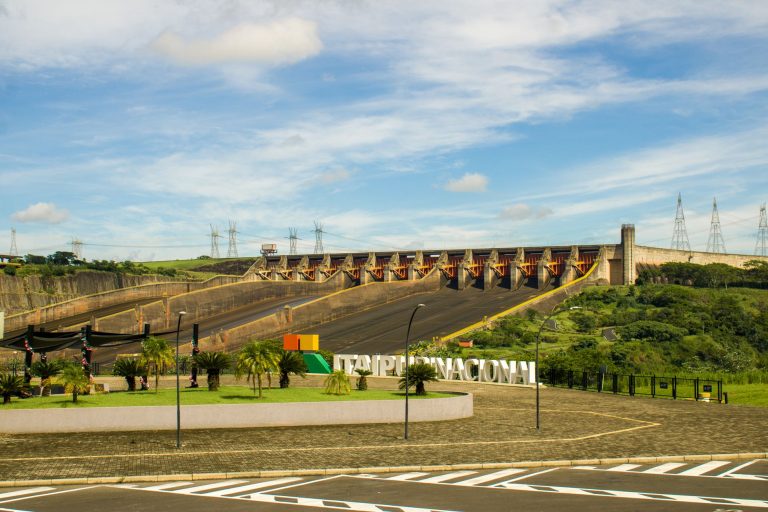
One of the largest hydroelectric dams in the world.
A border city with a mix of cultures and events.

Foz do Iguaçu's ABC Stadium becomes the stage for Henrique & Juliano, one of Brazil's most beloved sertanejo duos, on October 24. The show…

TorresmoFest brings its self-proclaimed "tastiest festival in Brazil" to Foz do Iguaçu with a Legends of Rock edition featuring more than 12 cover bands…
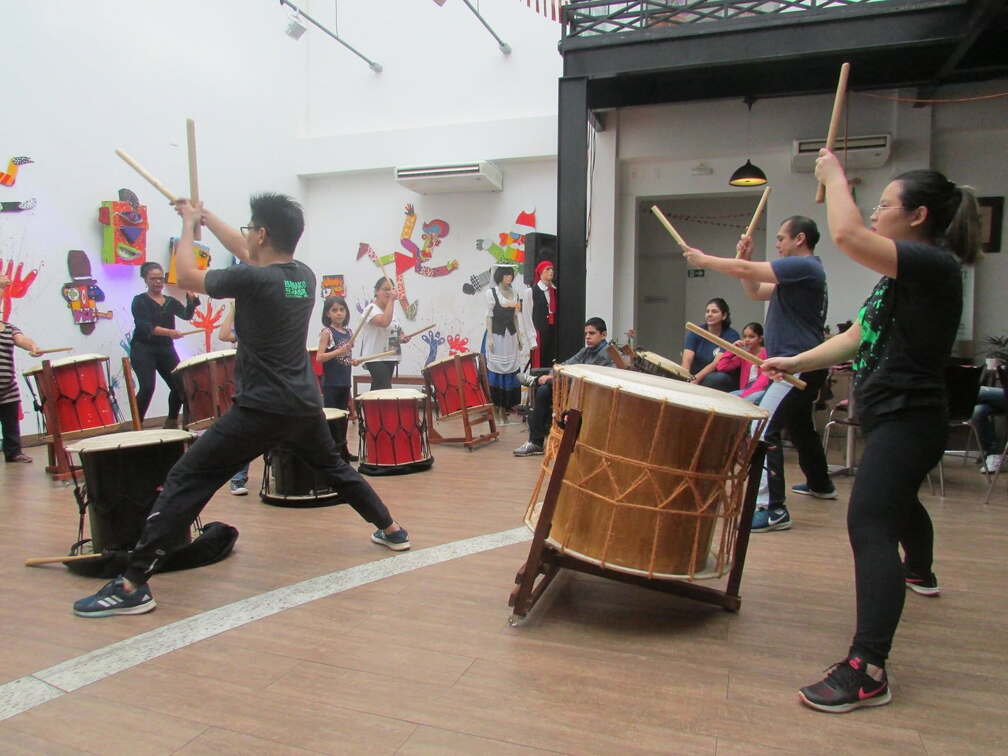
The Festival Cultural de Etnias celebrates the rich cultural heritage of various ethnic groups in Paraná. You will find a diverse program including folk…

Oktoberfest comes to Foz do Iguaçu on October 10 and 11, 2026, bringing a German Village atmosphere to the Cataratas Park Hotel. Expect live…

Rafael Portugal brings his award-winning comedy to the stage with "Tô Só Desabafando," a show packed with stories from his life growing up in…

Kids ages 3 to 13 get their own racing moment at this energetic mini-marathon, with distances scaled by age group from 100 to 700…

Angélica Mello, better known as Ivangélica, takes the stage with her show "Ela tem o tino" (She's Got the Knack), blending irreverent humor with…

A book launch celebrating stories of healing, faith, and personal transformation, this evening brings together the voices of women who have walked through difficult…
The highest-rated hostels in Foz do Iguaçu, straight from Hostelworld. Prices and availability are live on each property page.




The falls are spectacular all year. December to February is hot, humid and busy, with the most water; June to August is cooler and quieter.
Average highs, rounded. Water volume depends on rainfall upstream and varies year to year.
Per night, for one person, based on Foz prices. Doing things includes a share of the park tickets.
Treat these as a guide. Boat trips and tours cost extra.
The ones we get asked most.

Compare hostels in Foz do Iguaçu: live prices, real reviews and free cancellation on most bookings. Then meet the people already there in the app.

 Get the App.



 Get the App.