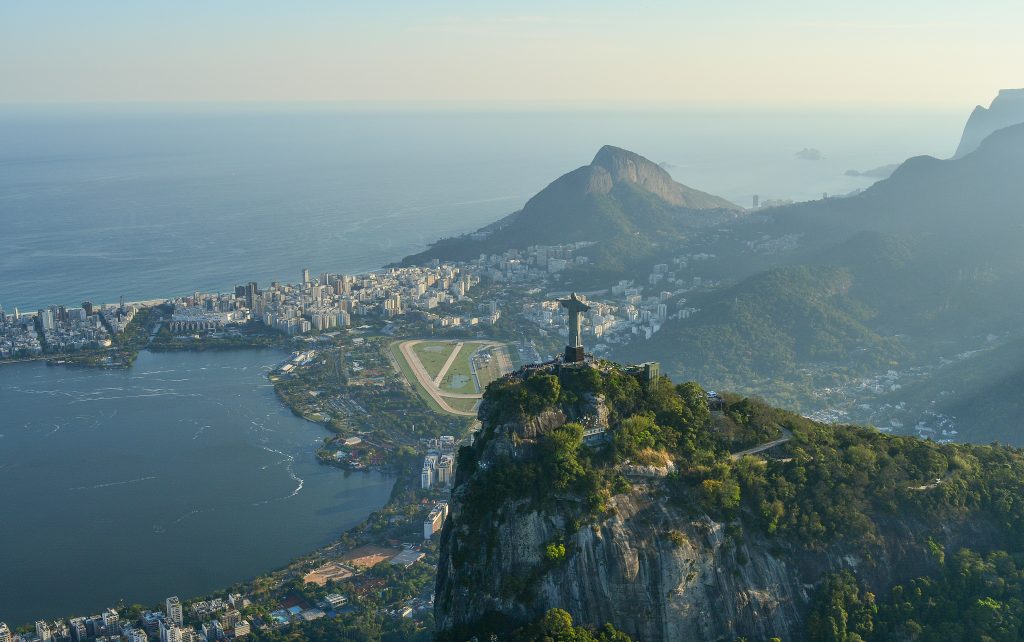
Rio de Janeiro
77 hostels · dorms from €21
Beaches, mountains and favelas in one city. Christ the Redeemer, Sugarloaf and Carnival.
Rio is great! Unforgettable!
A traveller, on Hostelworld

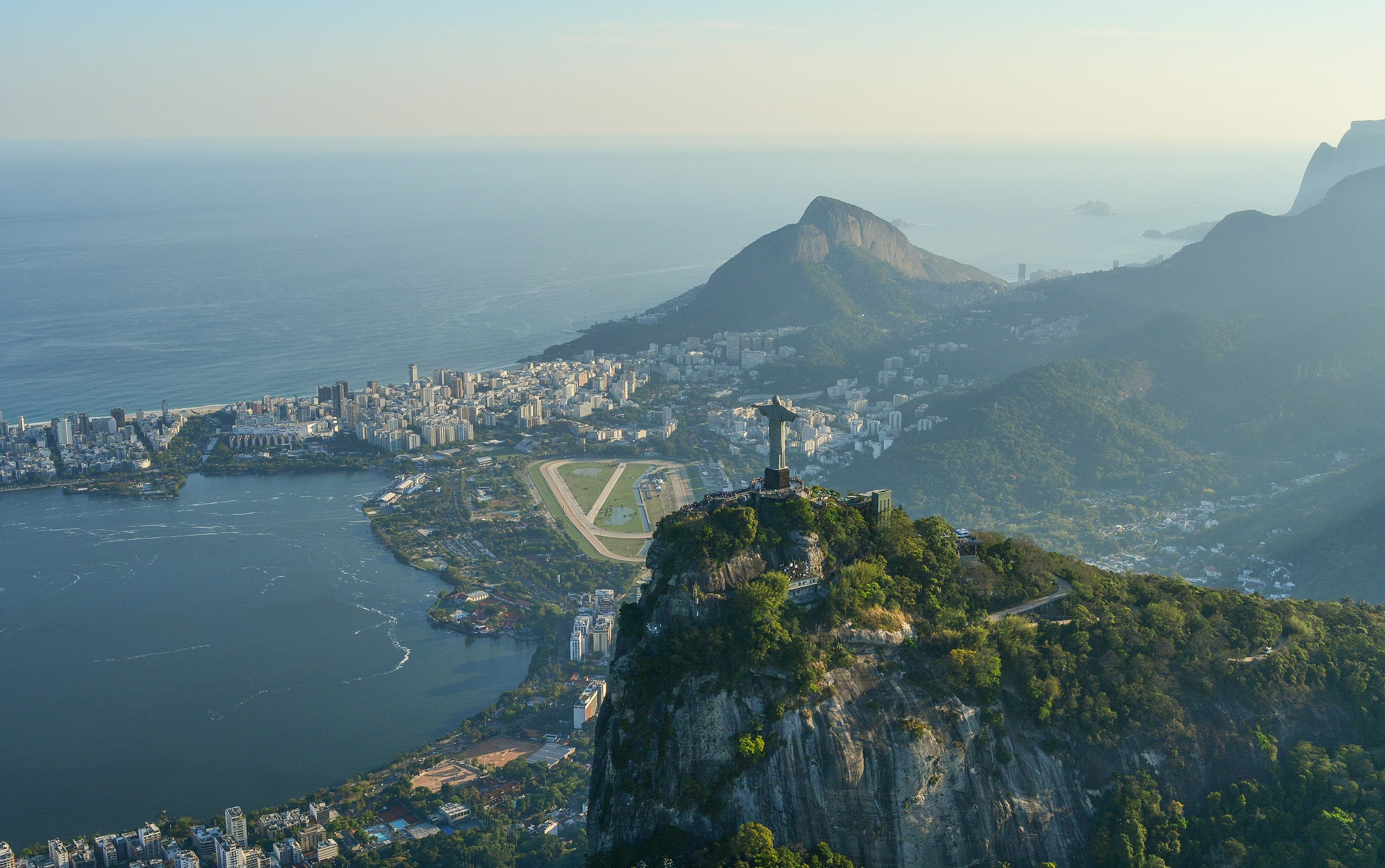
Half a continent, 7,400km of coast, the Amazon, and a carnival that stops the country for five days. Too big to see in one trip, which is the only real planning rule.
Brazil is larger than the contiguous United States and trying to cover it in a fortnight is the mistake everyone makes. Rio to Manaus is a four-hour flight; Rio to Iguaçu is two. Pick a region.
The southeast is the standard first trip: Rio de Janeiro, with beaches inside a city of mountains, and São Paulo, which is not beautiful and has the best food, art and nightlife in South America. Paraty and Ilha Grande sit between them on a green coast.
The northeast is beaches, capoeira and the strongest Afro-Brazilian culture, centred on Salvador. The south has Florianópolis and the Iguaçu falls. The Amazon and the Pantanal wetlands are their own expeditions entirely.
Three weeks does one region well. The language matters more here than elsewhere on the continent — Brazil speaks Portuguese, and Spanish gets you less far than people assume.
Domestic flights on Gol, Latam and Azul do the distances. Buses are excellent but very long.
Beaches, mountains and favelas in one city. Christ the Redeemer, Sugarloaf and Carnival.
Rio is great! Unforgettable!
A traveller, on Hostelworld
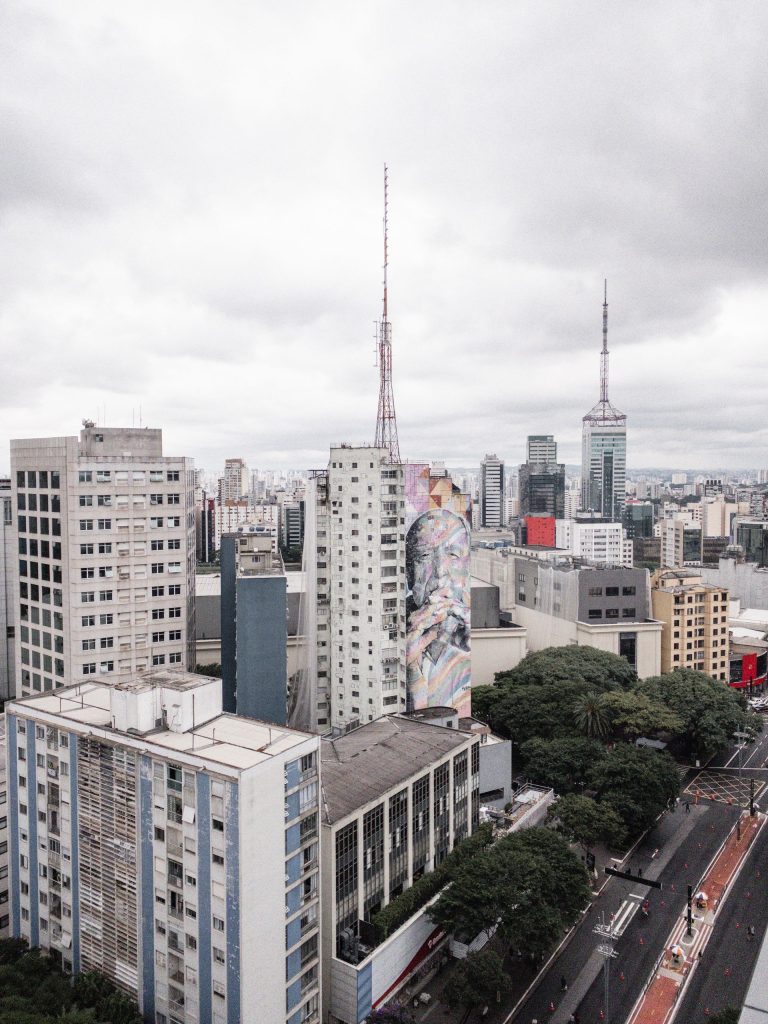
Twelve million people, the best food and nightlife on the continent, and not remotely pretty.
Sao Paulo is an enormous city but all you really need to see is the old town, Villa Madalena and Pinheiros. It’s really vibey when football matches are on so go out to a bar to watch one with the locals! The free walking tours are definitely worth doing, as well as the big Park.
A traveller, on Hostelworld
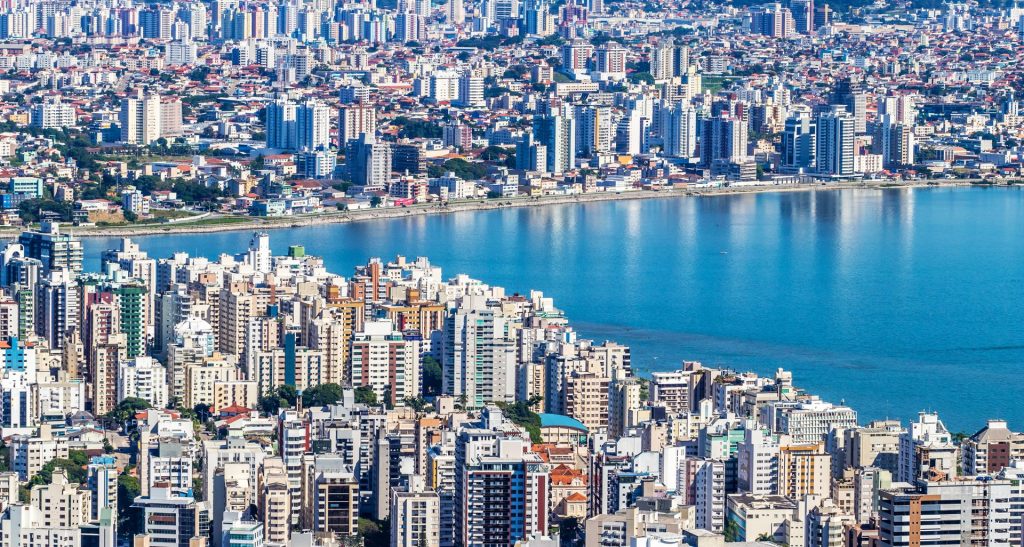
An island in the south with forty-two beaches, surf and a summer party season.
Florianopolis and the surrounding island is a perfect and safe place to enjoy seaside activities.
A traveller, on Hostelworld
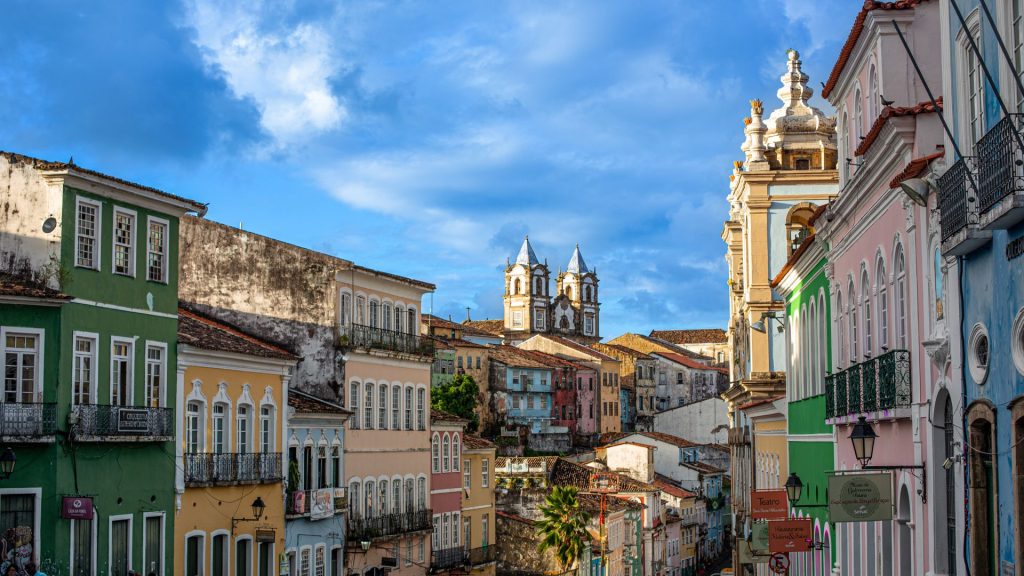
The heart of Afro-Brazilian culture: Pelourinho's colonial streets, capoeira and drumming.
Salvador is a cultural epicentre, where the celebration of Afro-Brazilian culture is seeping out of every part of the city. The walking tour was fabulous, the city is gorgeous, the people are so kind, welcoming, and hospitable, and my only regret is not staying longer.
A traveller, on Hostelworld
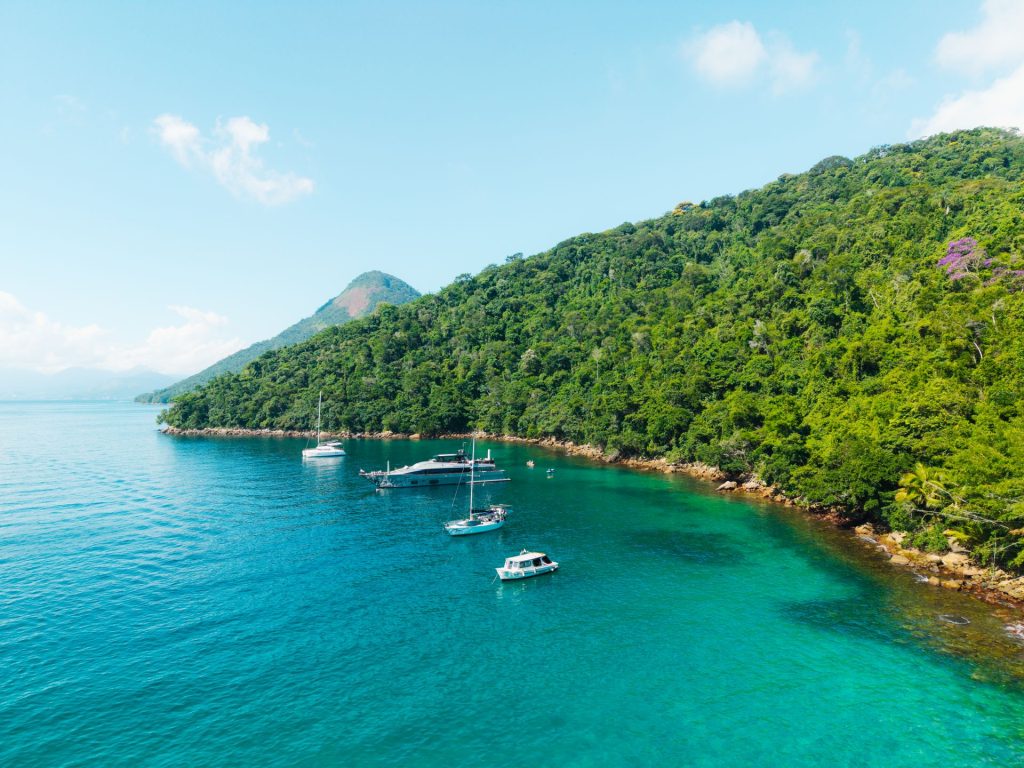
A car-free island of jungle and beaches, four hours from Rio.
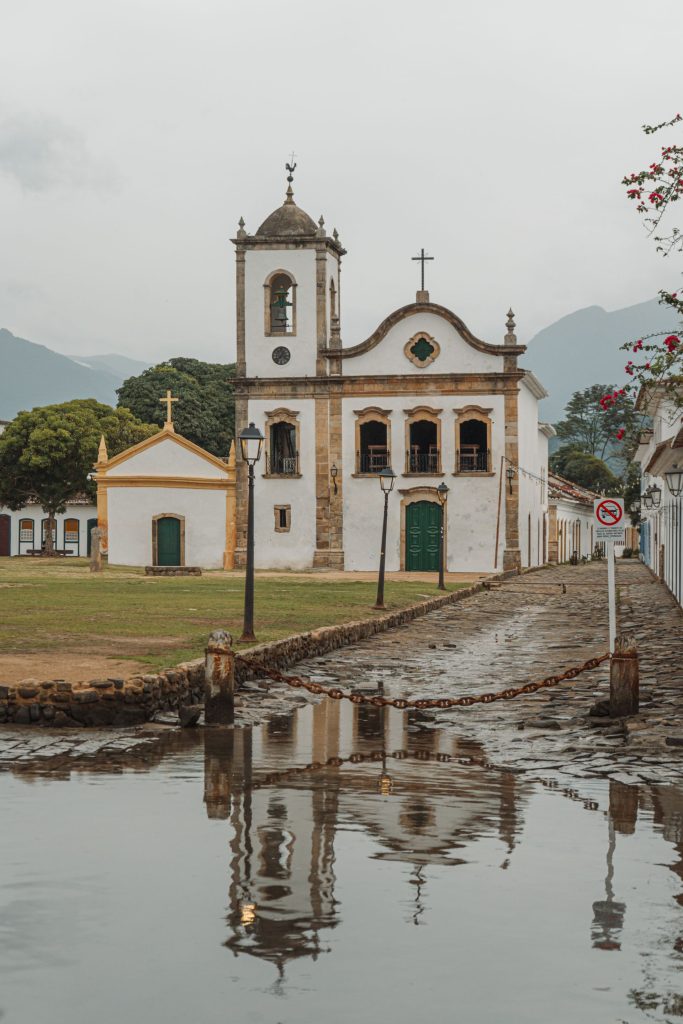
A colonial port between Rio and São Paulo, with waterfalls and boat trips.
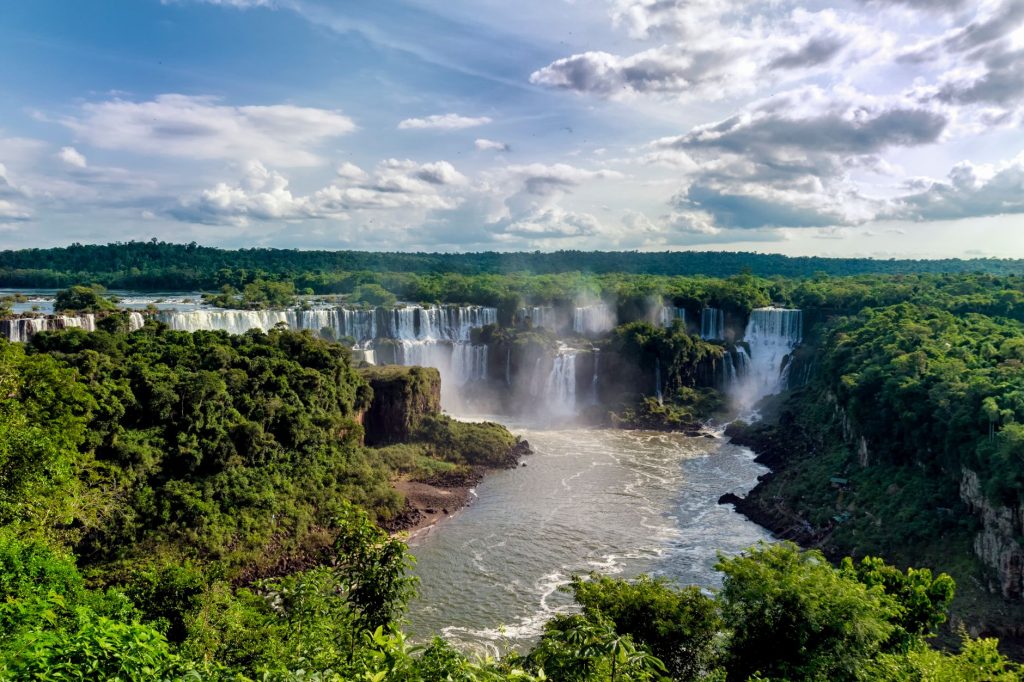
The Brazilian base for the Iguaçu Falls, 275 waterfalls on the border with Argentina.
We stayed 2days and visited waterfalls as well as the Bird park. At night we went out. People were extremelly friendly.
A traveller, on Hostelworld
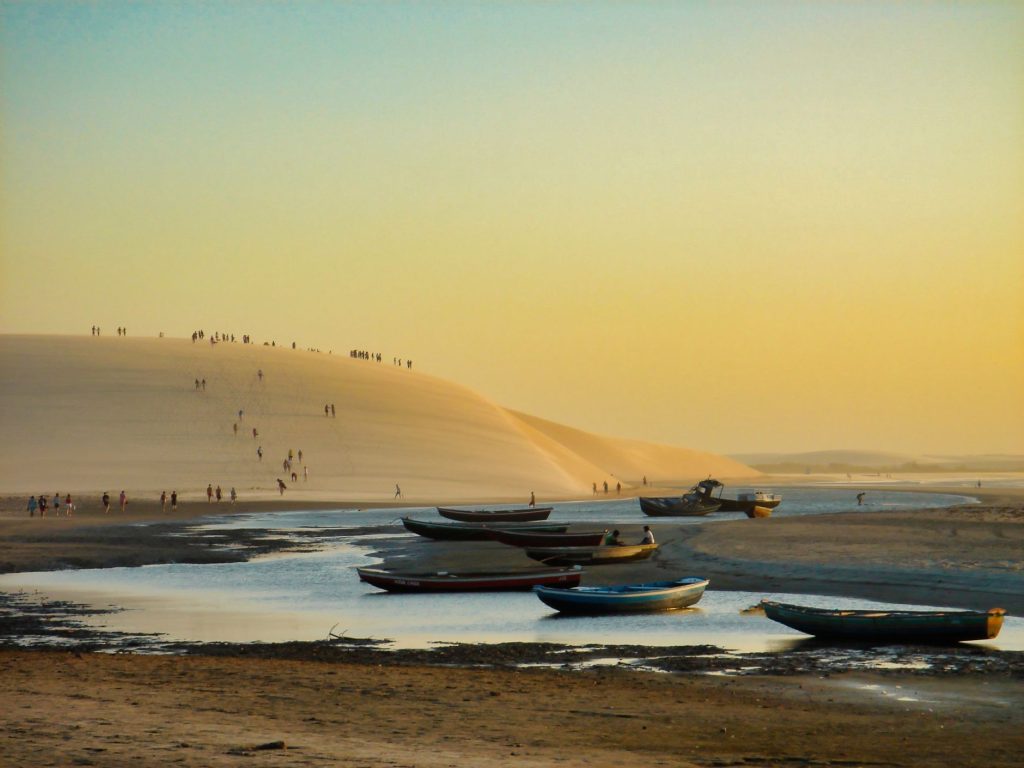
A village of sand streets in the dunes, with kitesurfing, lagoons and a sunset everyone climbs a dune for.
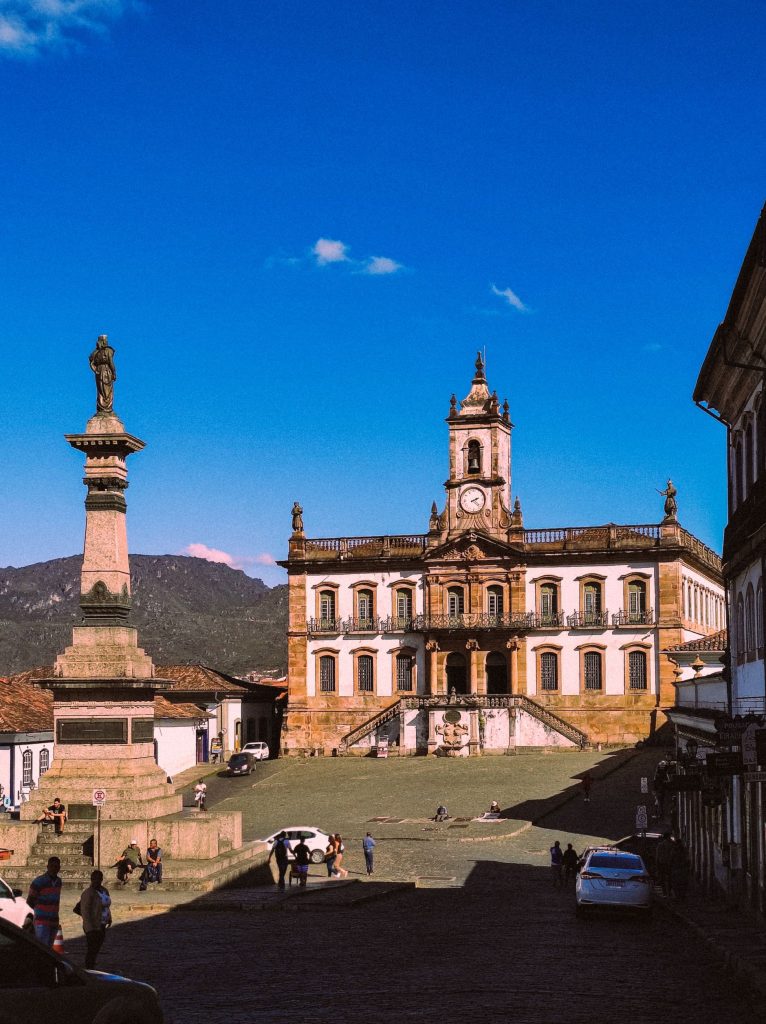
A baroque gold-rush town of steep cobbled streets and golden churches in Minas Gerais.
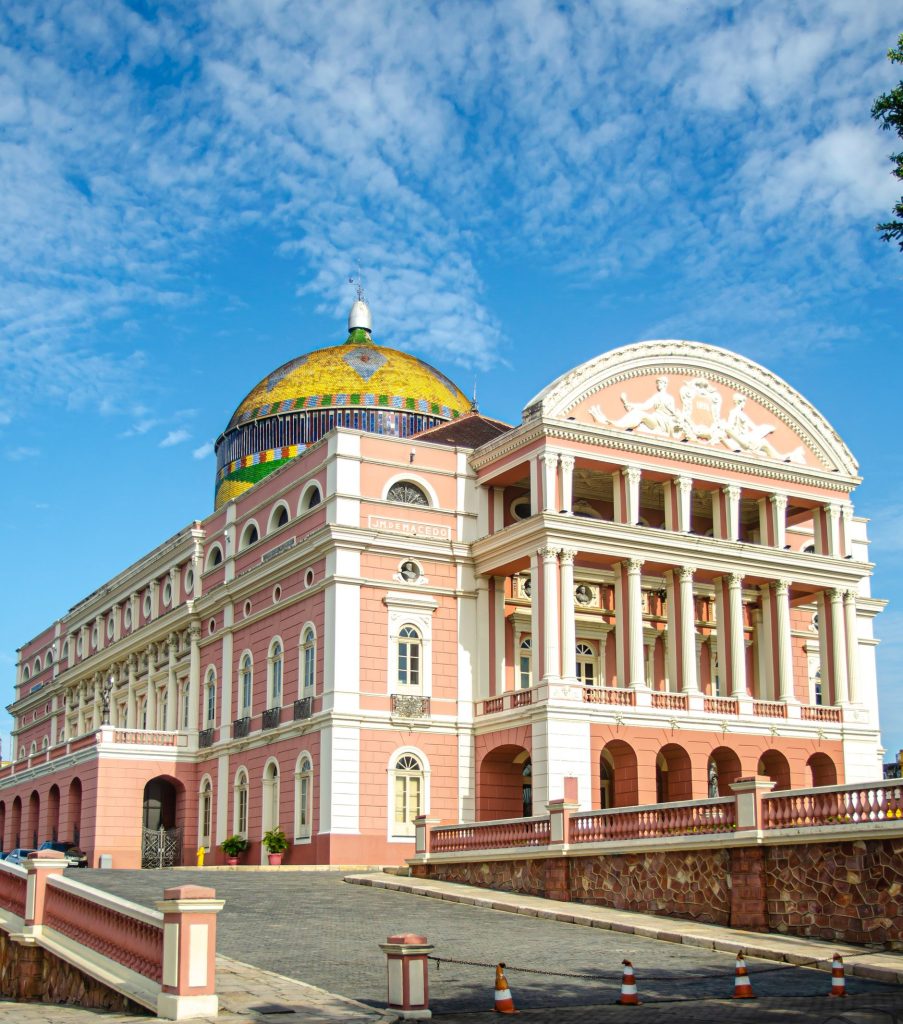
A city in the middle of the rainforest, with a rubber-boom opera house and jungle lodges up the rivers.
Make sure you spend at least a day or two in Manaus itself. You could easily spend 3-4 too though if you want a very non-touristy experience.
A traveller, on Hostelworld
Brazil does beaches and nightlife better than almost anywhere, and the nature is on a different scale.
Seven thousand kilometres of it, and the culture is built around it.
Samba, forró and a country that treats going out as a birthright.
Amazon, Pantanal, waterfalls and jungle islands.
Afro-Brazilian traditions, colonial towns and modernist architecture.
Feijoada, churrasco and the best restaurant city in South America.
Rio over five days, and it will not be enough.
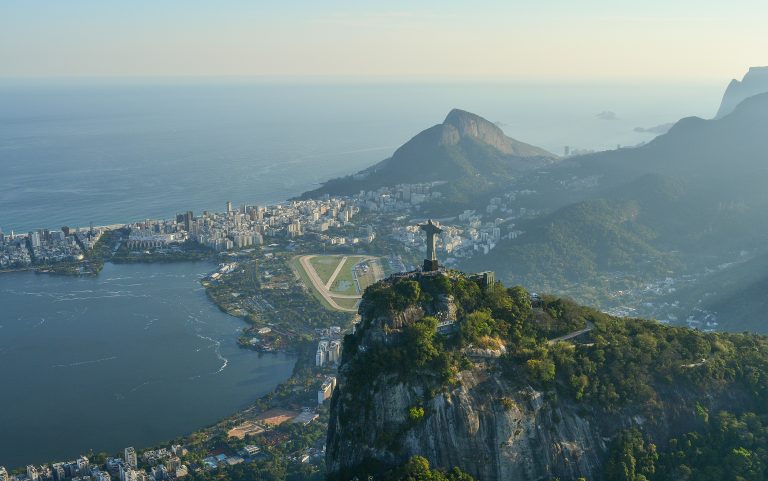
Rio is the one city that deserves its reputation on sight. Christ the Redeemer and Sugarloaf are the obvious pair, and both are better at sunset; the beaches are genuinely the social centre of the city rather than a tourist strip; and Santa Teresa's hillside streets and the Sunday closure of the beachfront road are the local version.
Favela tours require care. Go with an operator working with residents and community projects rather than a bus that drives through — the difference is obvious and it matters.
Beyond Rio, Iguaçu falls are best seen from both the Brazilian and Argentine sides over two days. The Pantanal beats the Amazon for wildlife because the terrain is open. Salvador is the cultural heart of Afro-Brazilian Brazil, and Florianópolis is where the country goes to surf and party in January.


The prato feito or por quilo buffet is the everyday meal: rice, beans, salad, meat and farofa for €4 to €8, either as a set plate or charged by weight. Por quilo places are everywhere at lunch and are the best value in the country.
Feijoada, the black bean and pork stew, is a Saturday institution and enormous. Churrasco is the all-you-can-eat grilled meat format, and pão de queijo is the cheese bread you will end up eating daily.
Açaí in Brazil is served as a thick frozen bowl, often unsweetened, and bears little resemblance to the export version. São Paulo has the best restaurant scene on the continent, with Japanese-Brazilian food that exists nowhere else thanks to the largest Japanese diaspora outside Japan.
Brazil takes going out seriously and it starts late — midnight is early. Rio's Lapa has samba under the arches on Friday and Saturday, with street crowds spilling between venues, and Santa Teresa above it is the smaller, artier version.
São Paulo has the best nightlife in South America by a wide margin: Vila Madalena, Baixo Augusta and a club scene that runs to breakfast, with more variety than Rio in every direction.
Beach towns run their own version — Floripa in January is a party island, and Salvador's street carnival is the largest in the world by participation. Beer is €1.50 to €3 and caipirinhas €3 to €6, made with cachaça rather than rum.
Fly. Gol, Latam and Azul connect everything, fares are often €40 to €100 booked ahead, and the alternative is a bus journey measured in days — Rio to Salvador is 28 hours by road and two by air.
Buses are genuinely comfortable for shorter legs, with leito services offering near-flat seats, and they are the sensible choice for Rio to Paraty or São Paulo.
In cities, use Uber or 99 rather than street taxis — both are cheap, widespread and the standard advice for safety as well as price. Rio's metro covers the main beach areas and the centre.
Brazil is mid-priced for the continent and better value than it was, because the real has been weak against the euro. Dorms start around €10, a por quilo lunch is €4 to €8, and a beer is €1.50 to €3.
A comfortable day is €30 to €50. Rio and São Paulo run higher than the northeast, and Carnival week roughly triples accommodation in Rio and Salvador — it needs booking six months ahead or avoiding deliberately.
Domestic flights are the structural cost of a Brazilian trip. Budget €40 to €100 per leg and accept that you cannot see the country without them.
Brazil requires more street awareness than most of this guide, and the honest framing is that robbery is common in the big cities while violence against tourists who hand things over is not.
The practical rules: carry little, keep phones out of sight in the street, use Uber or 99 rather than walking at night, do not wear jewellery or a watch on the beach, and take only what you need to the sand. Many locals carry a cheap second phone for exactly this reason.
If robbed, hand everything over immediately and do not resist. Avoid favelas except with a reputable community-based operator, and do not wander into them independently regardless of what a map suggests.
Beyond crime, the sea is the underestimated risk: Brazilian beaches have strong rip currents and drownings are common, and Rio's waves are heavier than they look.
Brazil's visa position for US, Canadian and Australian citizens has changed more than once in recent years — an e-visa requirement was reinstated and then delayed repeatedly. EU and UK citizens generally enter visa-free for 90 days.
Check the official Brazilian government position for your nationality before booking, because this is one of the more changeable entry situations in this guide.
Passports need six months' validity. A yellow fever certificate is required if arriving from certain countries, and vaccination is recommended for the Amazon and Pantanal regardless.

Seasons are southern hemisphere and the country spans enough latitude that they mean different things. December to March is summer, hot and the peak.
Average highs for Rio. The northeast around Salvador is hot year-round, the south around Florianópolis has a genuine winter, and the Amazon and Pantanal run on wet and dry seasons rather than temperature.
Pick how you travel and how long for. Per night, for one person, in euro equivalents of reais.
Domestic flights at €40–100 a leg sit outside these figures and are unavoidable. Carnival week in Rio roughly triples the bed line.
Carnival is the largest party on earth and it shapes the entire Brazilian calendar.
 Staff pick
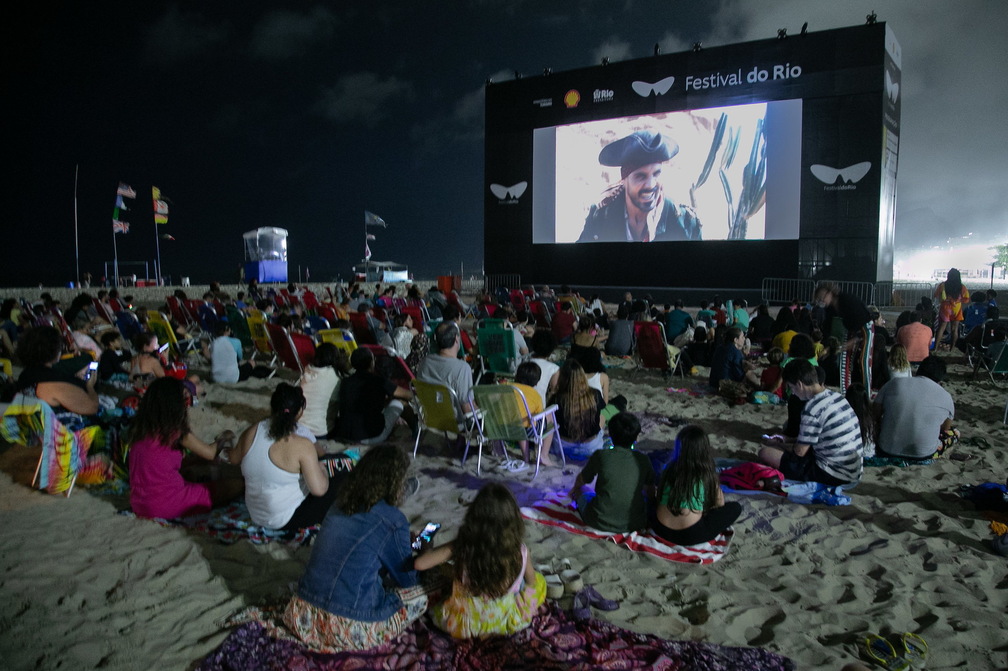
The Rio de Janeiro International Film Festival is a cinematic extravaganza that attracts film enthusiasts from around the world. With a diverse selection of…
 Staff pick
The F1® Brazilian Grand Prix at São Paulo’s Autódromo José Carlos Pace, often called Interlagos, is a thrilling race known for its dramatic overtakes…
 Staff pick
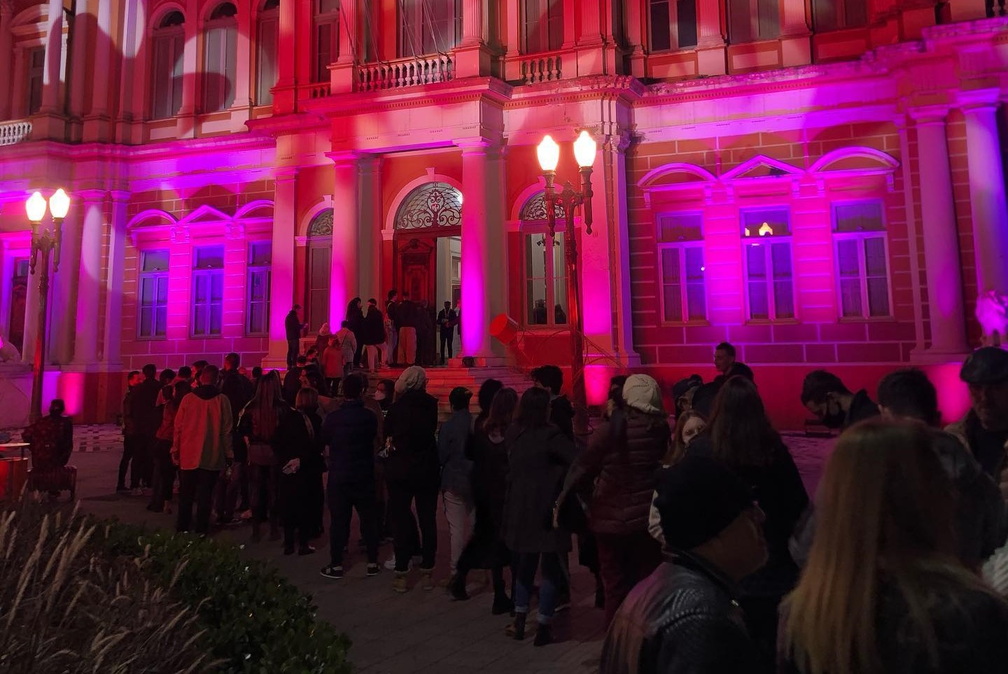
Noite dos Museus in Porto Alegre, RS, Brazil, invites the public to explore the city’s museums and cultural spaces after dark, all with free…
 Staff pick
Primavera Sound Brazil is a vibrant music festival that brings together world-renowned artists and passionate fans in the heart of São Paulo. Guests can…
 Staff pick
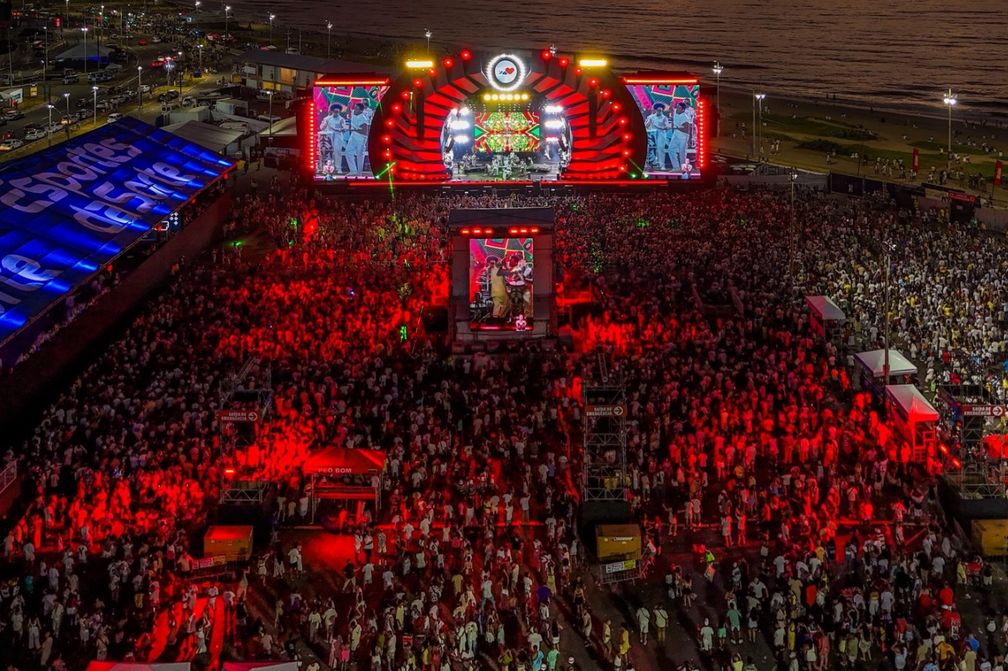
Festival Virada Salvador is a renowned multi-day New Year's Eve celebration in Salvador, Brazil, drawing massive crowds to Arena Canto da Cidade for an…
 Staff pick
Festival Moto Brasil in Rio de Janeiro is a major gathering for motorcycle enthusiasts, bringing together fans, riders, and industry leaders from across Brazil.…
 Staff pick
Anime Festival is a major gathering for anime and manga fans, drawing over 20,000 attendees in a single edition. Hosted at BeFly Minascentro, the…
 Staff pick
RootsSul (DeLáPraCá) is a lively festival in Curitiba, Brazil, celebrating the rich traditions of forró pé de serra with performances by renowned bands, trios,…
The highest-rated hostels in the country, live from Hostelworld. Rio, São Paulo and Florianópolis have the most, and Carnival requires booking months ahead.

The ones we get asked most.

Compare hostels across Brazil — live prices, real reviews and free cancellation on most bookings. Then meet the people already there in the app.

 Get the App.





 Get the App.