Village centre
Restaurants, nightlifeThe main sand streets around the square, with bars, restaurants and most hostels.

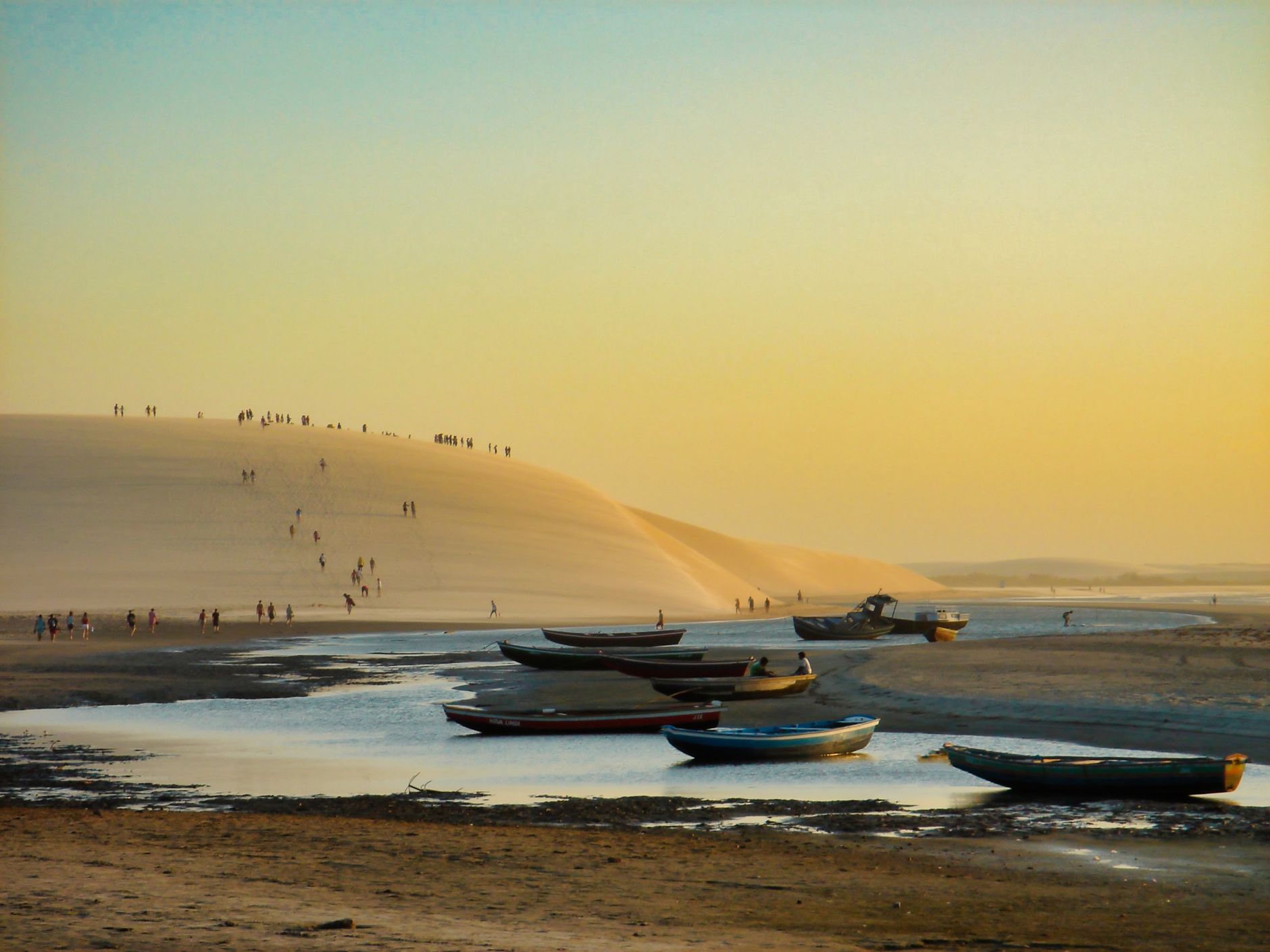
A village of sand streets in the dunes of Brazil's north-east coast, with kitesurfing, freshwater lagoons and a sunset that everyone climbs a dune to watch.
Jericoacoara, Jeri for short, sits inside a national park on the coast of Ceará, around 300km west of Fortaleza. Not long ago it was a remote fishing village reached only across the dunes; today it is one of Brazil's most loved beach destinations, but it has kept its sand streets, low buildings and laid-back pace.
The wind is constant from around July to January, which makes Jeri one of the best places in the world for kitesurfing and windsurfing. Even if you do not ride, the scenery is the draw: huge sand dunes, the Pedra Furada rock arch on the beach, and freshwater lagoons with hammocks strung over the water a short buggy ride away.
Every evening, the whole village climbs the Duna do Pôr do Sol to watch the sun set over the sea, then heads back for capoeira on the beach and forró late into the night. Plan on four or five days to slow down properly.
The village is small and walkable on sand. Stay near the main streets for restaurants and nightlife, or towards the edges for quiet.
The main sand streets around the square, with bars, restaurants and most hostels.
Close to the beach and the sunset dune.
Further from the centre, calmer and often cheaper.
Orange labels are neighbourhoods, dots are the 4 top-rated hostels. Map data from OpenStreetMap contributors.
Walk along the beach to the Pedra Furada, the rock arch east of the village, timing it for low tide, when you can walk right through it. In June and July, the sun sets through the arch. Every evening, join everyone on the Duna do Pôr do Sol for sunset.
Take a buggy tour to the lagoons. The Lagoa do Paraíso and Lagoa Azul, near Jijoca, have turquoise fresh water and hammocks over the shallows, and tours to the east and west stop at dunes, mangroves and the seahorses of Tatajuba.
Kitesurfing is the big activity, with schools offering lessons for beginners and rentals for experienced riders, especially from July to January. Windsurfing, sandboarding and horse riding along the beach are other options.
Sunset on the dune is free and the best thing to do in Jeri. So is the walk to the Pedra Furada along the beach, and the beach itself, with its warm water and endless sand.
In the evening, capoeira groups play on the beach, and forró nights fill the streets with dancing. Watching the kitesurfers from the beach is a free show too.
Note that visitors staying in the village pay a sustainable tourism fee, so budget for that.
Jeri has a surprisingly good food scene for a village, with restaurants serving fresh seafood, northeastern dishes and international food. Try peixe grelhado, grilled fish with rice and salad, and tapioca, a crepe made from cassava starch, filled with anything from cheese to coconut.
On the beach and in the main square, stalls sell caipirinhas made with fresh fruit, and street food carts sell crepes and grilled snacks after sunset.
Prices are higher than in Fortaleza, as everything comes across the dunes. Por quilo lunches are the budget option.
Jeri's nights start after sunset, with caipirinha stalls and capoeira on the beach, then move to the bars and restaurants of the main streets.
Forró, the northeastern dance, is the soundtrack, with forró nights several times a week where locals and travellers dance until late. Hostels run parties and social nights.
The sand streets have no street lights in places, so carry a torch on your phone.
The village is walkable, on sand, so bring sandals. Buggies and 4x4s run tours to the lagoons and further afield.
Getting to Jeri takes some planning. From Fortaleza, buses and transfers take around five to six hours to Jijoca, where you switch to a 4x4 (jardineira) across the dunes for the last stretch. The Jericoacoara regional airport, near Cruz, has flights from São Paulo and other cities, with transfers to the village.
Visitors staying in the village pay a sustainable tourism fee, which can be paid online in advance or at the entrance.
Jeri is one of the pricier beach villages in the north-east, with prices that rise with demand. Dorm beds run from around €15 to €35, highest at New Year, Carnival and July.
The sustainable tourism fee for stays of up to 10 days was R$41.50 in 2026, around €7, with a small daily charge for longer stays. Buggy tours, kitesurfing lessons and transfers are the main extras.
Cards and Pix are widely accepted. There are ATMs in the village, but bring some cash as a backup.
Jeri is safe and relaxed. Take normal care with belongings on the beach and at parties.
The sun is fierce and the wind hides how strong it is: use high-factor sun cream, a hat and plenty of water. On the water, take lessons before kitesurfing, and stay within your level.
At night, some sand streets are dark, so carry a torch. In an emergency, call 190 for police or 192 for an ambulance.
Lagoons, dunes and coastal villages by buggy.
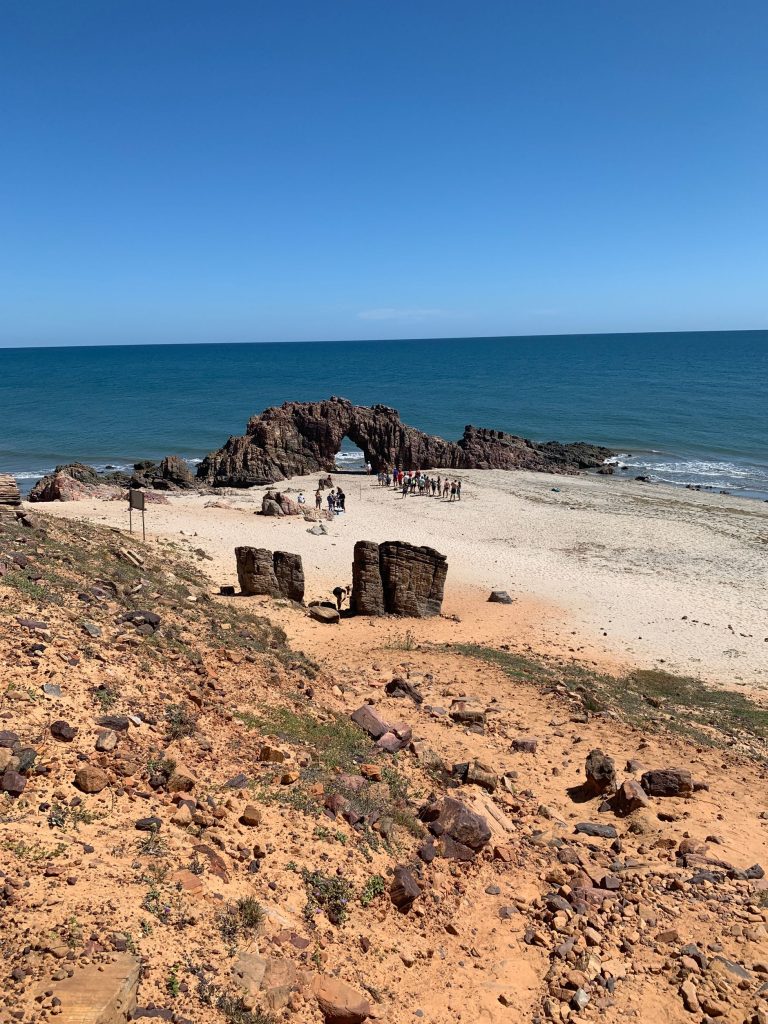
A rock arch, best at low tide.
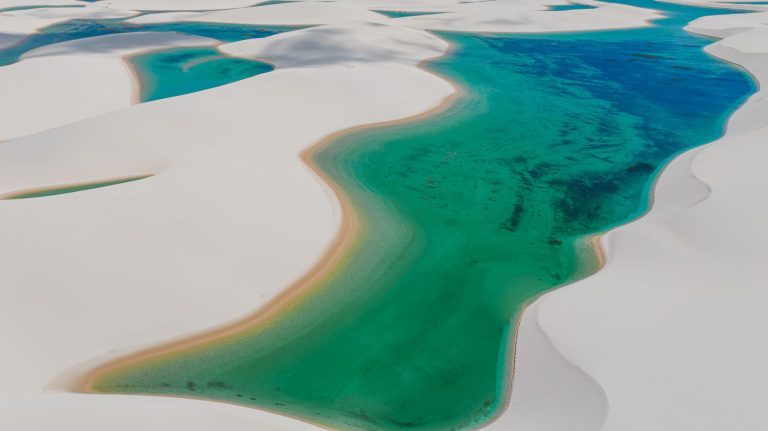
White dunes and rain-filled lagoons, best from around June to August.
Wind season and the big Brazilian holidays shape the calendar.
The best months for kitesurfing and windsurfing.
Beach parties. Book well ahead.
The highest-rated hostels in Jericoacoara, straight from Hostelworld. Prices and availability are live on each property page.
July to January is the windy, dry season, best for kitesurfing and sunshine. February to June is the rainy season, when the lagoons are fullest.
Average highs, rounded. It is hot all year.
Per night, for one person, based on Jeri prices outside the peaks.
Treat these as a guide. New Year, Carnival and July cost more, and kitesurfing is extra.
The ones we get asked most.

Compare hostels in Jericoacoara: live prices, real reviews and free cancellation on most bookings. Then meet the people already there in the app.

 Get the App.




 Get the App.