Historic centre
Everything on footAround Plaza 10 de Noviembre, with the Casa de Moneda, churches, hostels and tour offices.

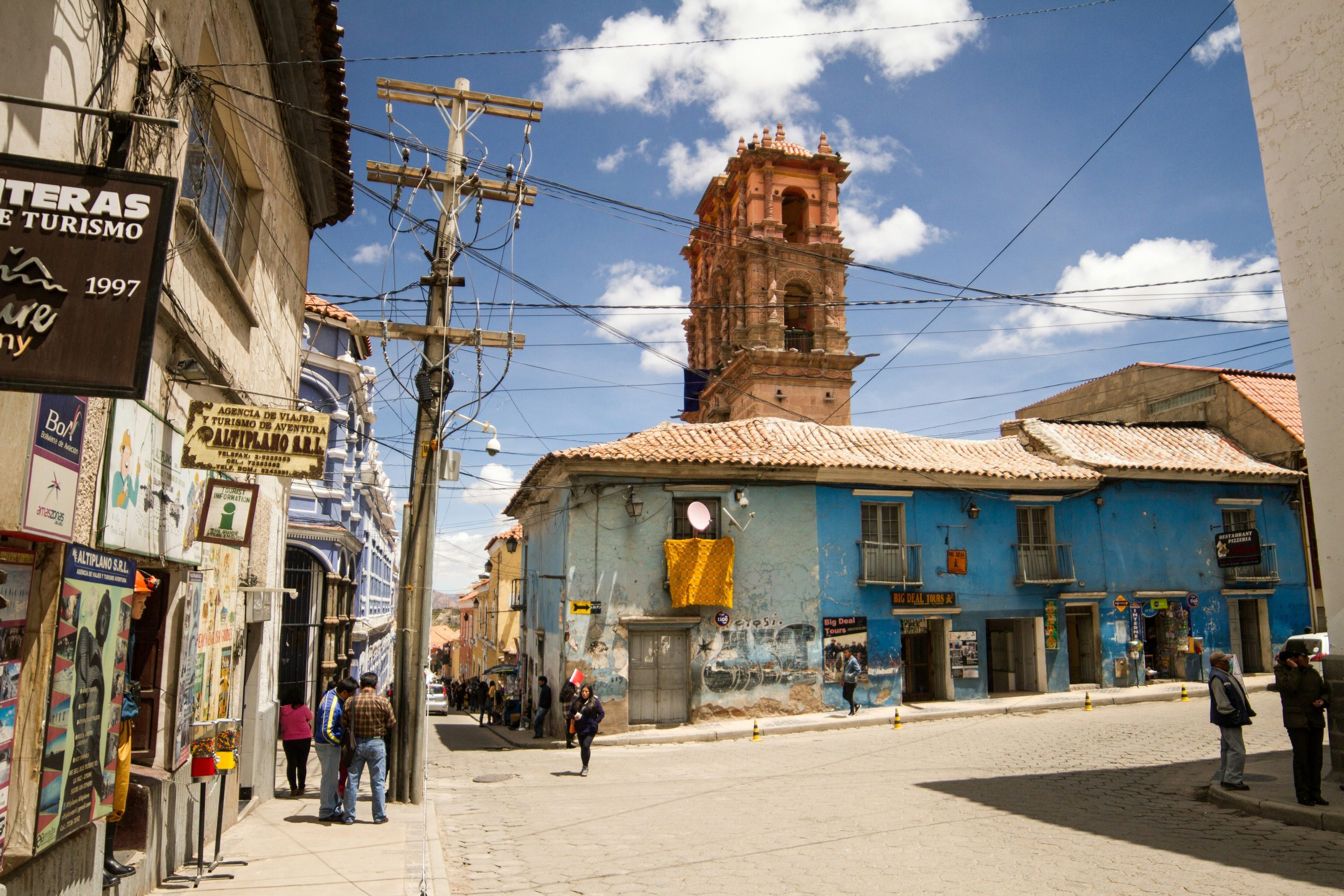
Built at around 4,000 metres beneath Cerro Rico, the mountain of silver that funded the Spanish empire. A colonial city of grand churches with a hard, fascinating history that is still being mined today.
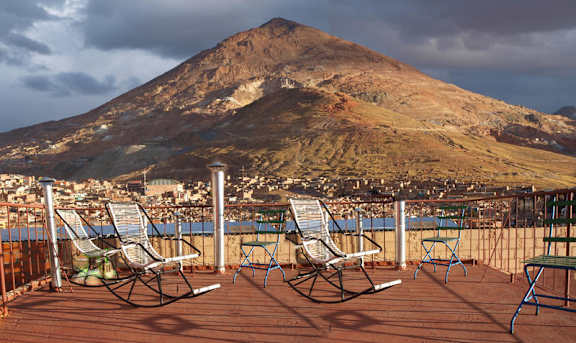
Potosí is one of the highest cities in the world, and in the 17th century it was one of the largest and richest. Silver from Cerro Rico, the cone-shaped mountain that towers over town, flowed to Spain for centuries, and the city's churches, mansions and royal mint are the legacy. The phrase 'vale un Potosí', worth a Potosí, still means a fortune in Spanish.
The cost was immense. Millions of Indigenous and African labourers worked and died in the mines, and Cerro Rico is still being mined today by cooperatives of miners working in tough conditions. A visit to the mines is one of the most memorable, and challenging, experiences in South America.
The centre is a UNESCO World Heritage Site, with colonial streets, a beautiful convent museum and the Casa Nacional de Moneda, one of the finest museums in the country. Two days is enough for most travellers. Arrive acclimatised, as the altitude here is no joke.
Stay in the historic centre around Plaza 10 de Noviembre, where the sights, restaurants and tour offices are all within a few steep blocks.
Around Plaza 10 de Noviembre, with the Casa de Moneda, churches, hostels and tour offices.
One of the best-preserved colonial streets, just north of the square, with balconies and old doorways.
On the northern edge of the city. Convenient for buses, but far from the sights.
Orange labels are neighbourhoods, dots are the 5 top-rated hostels. Map data from OpenStreetMap contributors.
The Casa Nacional de Moneda, the old royal mint, is the essential visit: a vast stone building where silver was turned into coins, with the original wooden machinery, colonial art and the story of the city. Guided tours run several times a day. The Convento de Santa Teresa, a working convent turned museum, gives a rare look at the lives of the nuns who lived behind its walls.
The mine tours are the other reason people come. Run by former miners, they take you into the working cooperative tunnels of Cerro Rico, through narrow, dusty passages at altitude, to meet miners at work. Many tours stop first at the miners' market to buy gifts of coca leaves, drinks or tools. It is uncomfortable, and that is the point; choose an operator run by former miners that is clear about safety.
For something gentler, the church rooftops of San Francisco and San Lorenzo give views over the city and the mountain, and the Ojo del Inca, a warm crater lake near Tarapaya, is a short trip out of town.
The historic centre is the free attraction. Walk the streets around Plaza 10 de Noviembre and Calle Quijarro for colonial balconies, carved stone doorways and church façades, especially the intricate Baroque front of San Lorenzo de Carangas.
The main square is the city's living room, busy with families and students in the evenings. The markets nearby, including the miners' market at Calvario, are a fascinating window into how the city still works.
For views of Cerro Rico, walk up any of the streets on the south side of town, slowly, given the altitude.
Potosí's signature dish is k'alapurka, a thick corn soup served bubbling hot with a stone straight from the fire dropped into the bowl. Look for it at lunchtime in local restaurants and the market.
As elsewhere in the highlands, food is hearty and warming: soups, potatoes in many forms, llama and plenty of chilli sauce on the side. Salteñas and tucumanas, fried pastries filled with stew, are the mid-morning snack, and the Mercado Central is the place for a cheap almuerzo.
Coca tea helps with the altitude, and you will see miners chewing coca leaves throughout the day. Go easy on alcohol at 4,000 metres.
Potosí is not a party town. Evenings are cold at this altitude, and most travellers are recovering from a mine tour or preparing for a bus to Uyuni or Sucre.
A few bars and cafés around the main square stay open into the night, with live music at weekends, and hostels are good places to find company for dinner.
The altitude makes alcohol hit much harder, so take it slowly, and wrap up warm when you go out.
The centre is compact but steep, and at this altitude walking up hills is slow work. Taxis and micros are cheap for anything further, including the bus terminals.
The main bus terminal is on the northern edge of the city, with buses to Uyuni (around four hours), Sucre (about three hours), La Paz and Tupiza. Shared taxis to Sucre are a faster option and leave when full.
Flights to Potosí itself are limited, so most travellers fly into Sucre and continue by road. Check for blockades before long journeys.
Potosí is cheap. Dorm beds run from around €6 to €10, and an almuerzo costs a few euros. The Casa de Moneda tour and a mine tour are the main costs, both affordable by European standards.
Mine tour prices vary by operator and group size, and usually include protective gear and transport; gifts for the miners are bought separately. Choose on reputation and safety rather than price.
Carry cash in small notes, as cards are rarely accepted outside a few hotels. Check current exchange advice before you travel, as the situation has changed a lot since 2024.
Altitude is the main risk. At around 4,000 metres, Potosí is higher than La Paz, and the mine tours add exertion, dust and narrow spaces. Arrive acclimatised, rest on your first day, and skip the mine tour if you have breathing problems, heart conditions or claustrophobia.
Inside the mines, follow your guide closely, wear the helmet, lamp and protective clothing provided, and turn back if you feel unwell. Cooperative mines are working mines, and conditions are not regulated like a museum.
The city itself is generally safe. Take normal care with belongings at bus terminals and markets, and use registered taxis at night. In an emergency, call 110 for police or 118 for an ambulance.
Potosí sits on the main route between Sucre and Uyuni.
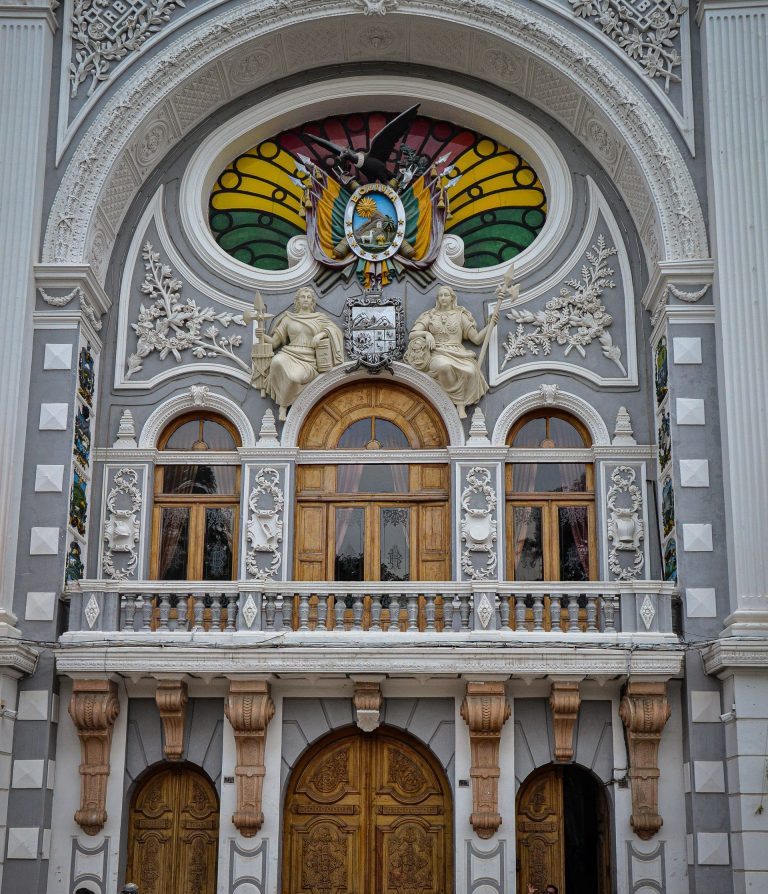
The white colonial capital, lower and warmer.
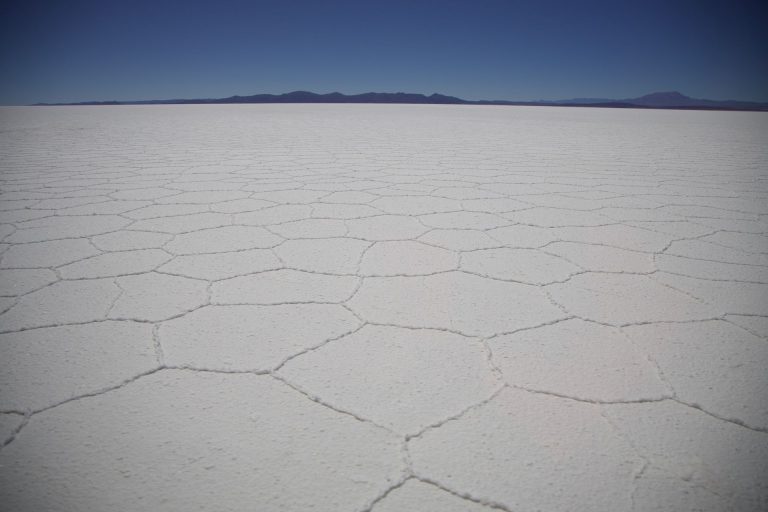
The start of the salt flat tours.
Mining traditions and the Ch'utillos festival shape the calendar.
A festival of folkloric dance and parades, mixing Catholic and Andean traditions.
Carnival with mining traditions, including offerings to the Tío, the god of the mines.
The highest-rated hostels in Potosí, straight from Hostelworld. Prices and availability are live on each property page.
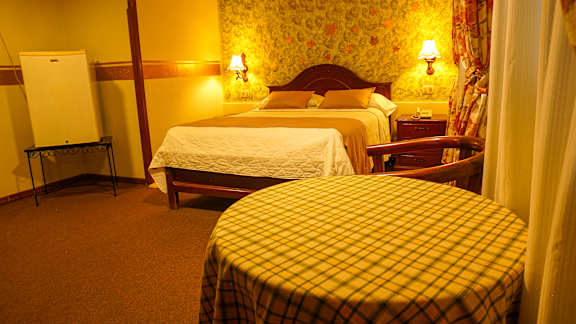
Potosí is cold all year. May to October is dry and sunny with freezing nights; November to March brings afternoon rain.
Average highs, rounded. Nights are below freezing for much of the dry season.
Per night, for one person, based on Potosí prices.
Treat these as a guide, as prices and exchange rates have moved a lot.
The ones we get asked most.

Compare hostels in Potosí: live prices, real reviews and free cancellation on most bookings. Then meet the people heading your way in the app.

 Get the App.



 Get the App.