La Paz
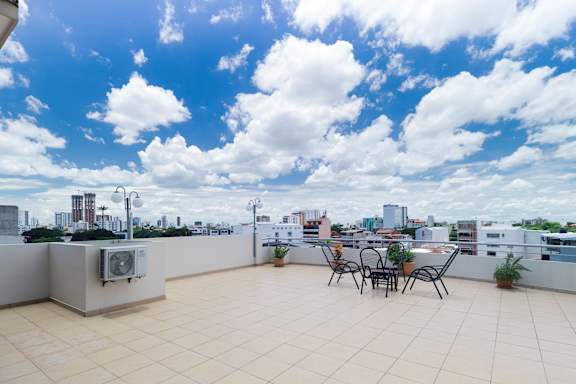
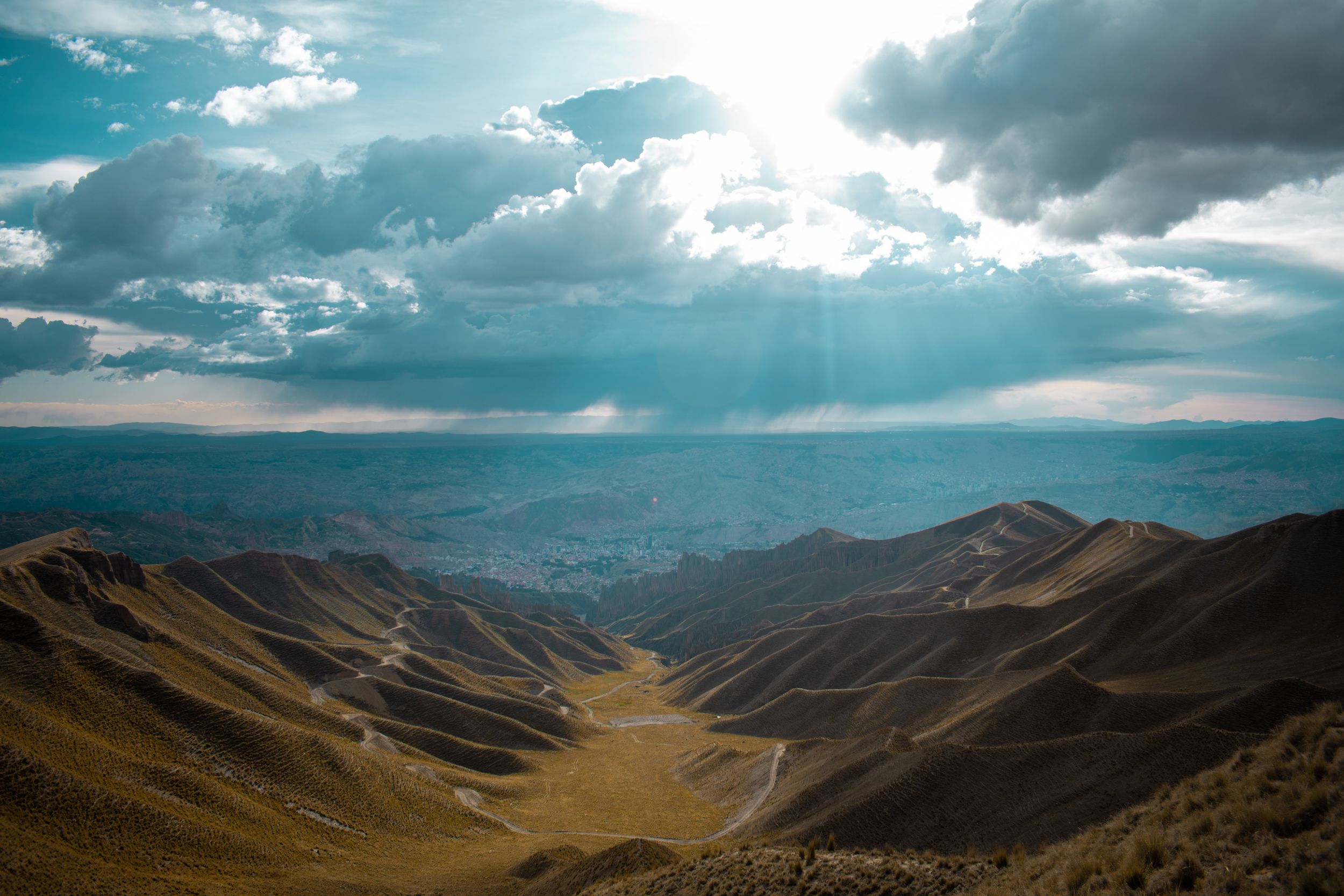
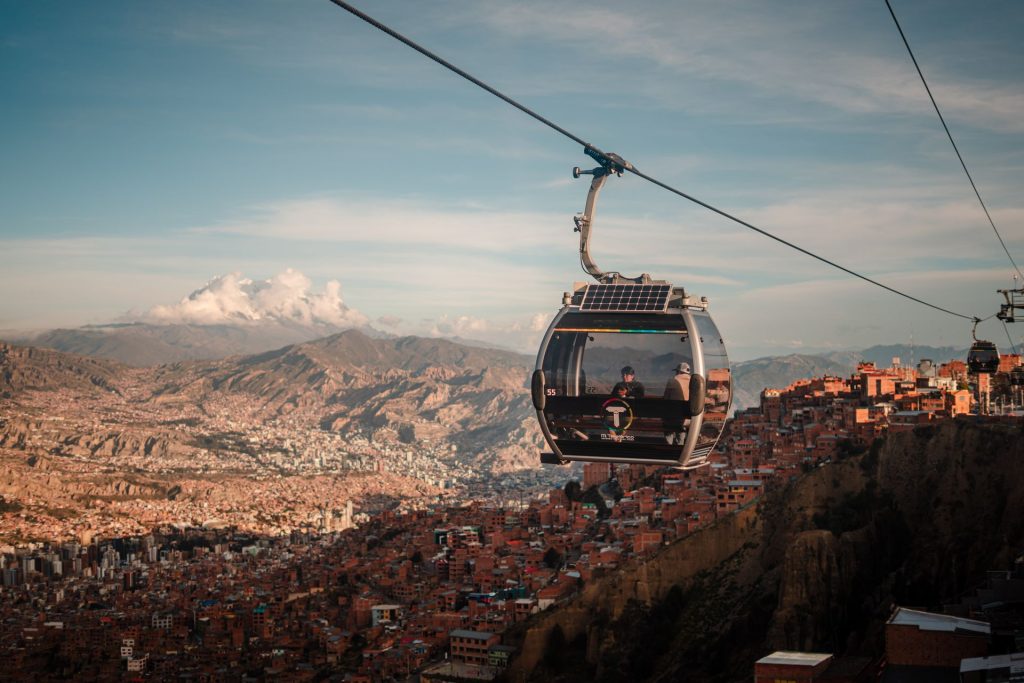
A city in a canyon at 3,640 metres, with cable cars as public transport and Death Road below.
A lot to do, wrestling was brilliant and the witches market is great.
A traveller, on Hostelworld
The highest capital in the world, the largest salt flat on earth, and the cheapest travel on the continent. Hard on the body and worth every difficult day.
Bolivia is the cheapest country in South America and the most physically demanding. La Paz sits at 3,640 metres, Potosí at 4,000, and the altiplano routes cross passes higher still — altitude shapes everything from how you sleep to how quickly you can walk up a flight of stairs.
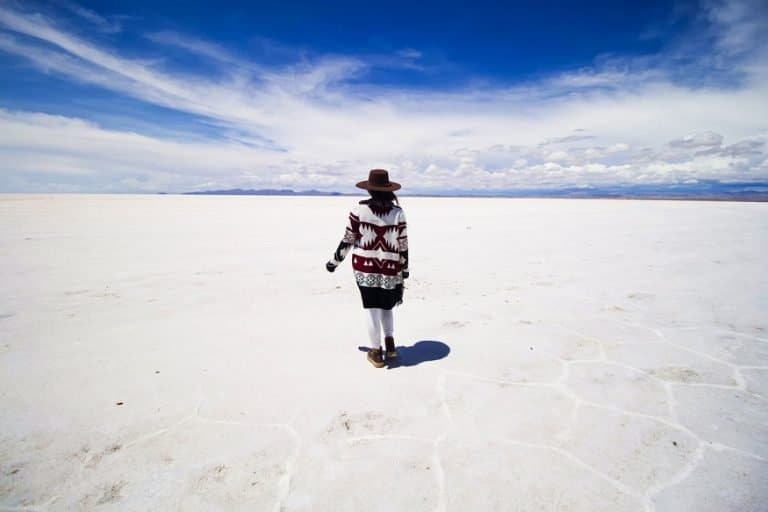
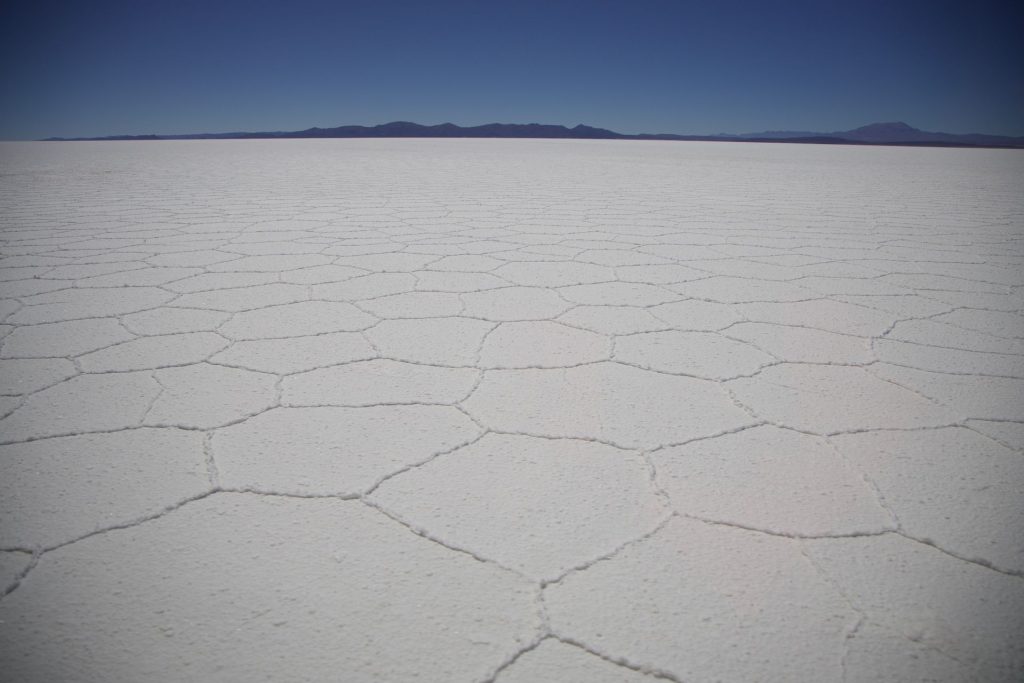
Uyuni is the reason most people come. The world's largest salt flat covers 10,500 square kilometres, turns into a mirror after rain between roughly December and April, and is done as a three-day 4x4 tour that continues through coloured lagoons and geysers to the Chilean border.
La Paz is extraordinary: a city in a canyon with cable cars as public transport, a witches' market, and the Death Road downhill ride. Sucre is the white colonial capital and the best place to learn Spanish, Potosí has the silver mines that funded an empire, and Copacabana sits on Lake Titicaca.
Two to three weeks covers it.
Buses are cheap and long, and the roads are mountainous. Flights save serious time on the big legs.
A city in a canyon at 3,640 metres, with cable cars as public transport and Death Road below.
A lot to do, wrestling was brilliant and the witches market is great.
A traveller, on Hostelworld
The town at the edge of the salt flat, and where every 4x4 tour starts.
We came to town for a three day tour, we spent three nights total in Uyuni. We enjoyed the walkable distance to most things. Toured some shops and ate at restaurants. Costs of most things were very respectable. We enjoyed our time.
A traveller, on Hostelworld

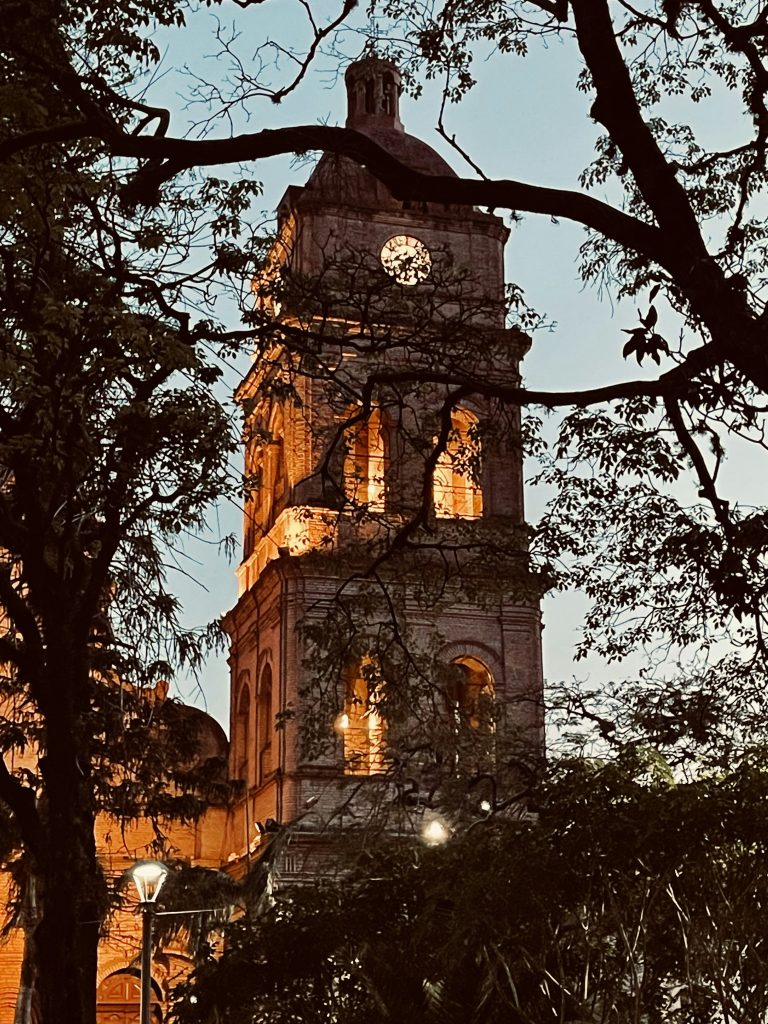
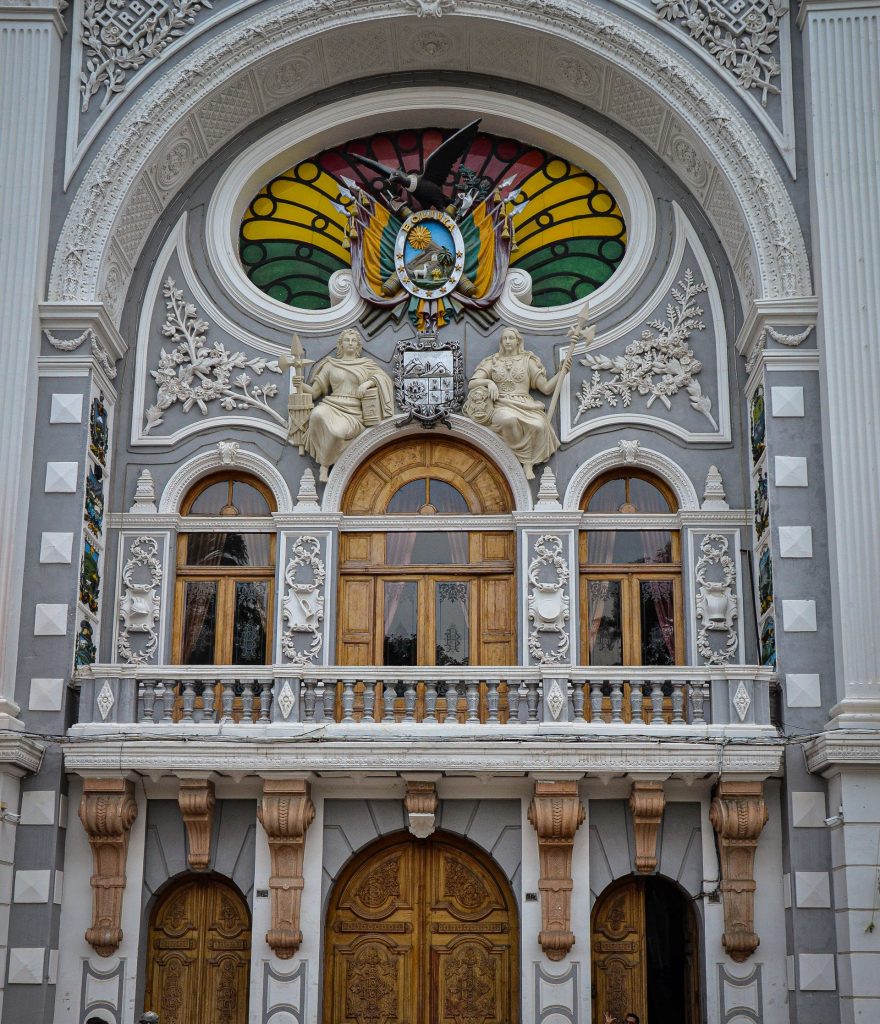
The white colonial capital: the prettiest city in Bolivia and the best place to learn Spanish.
We LOVED sucre! Definitely the best city in Bolivia for travelers. Felt very safe. Everything was clean and beautiful. Would recommend specially the cathedral in Plaza 15 de Mayo , AMAZING, best view in town.
A traveller, on Hostelworld

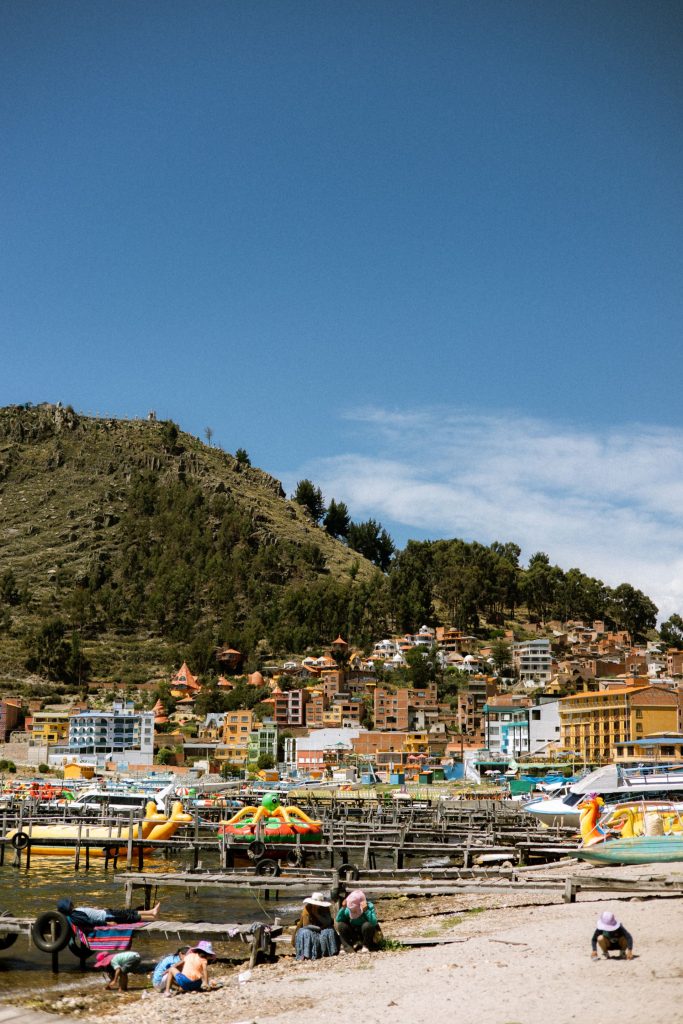
On Lake Titicaca at 3,800 metres, with Isla del Sol a boat ride offshore.
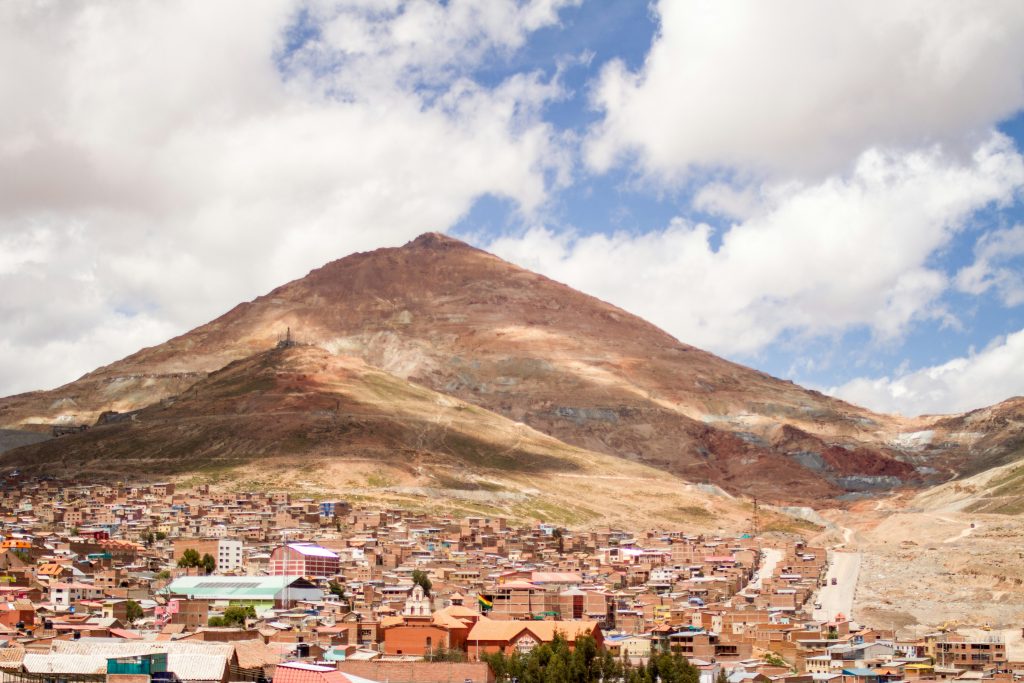
At 4,000 metres, built on the silver mountain that funded the Spanish empire.
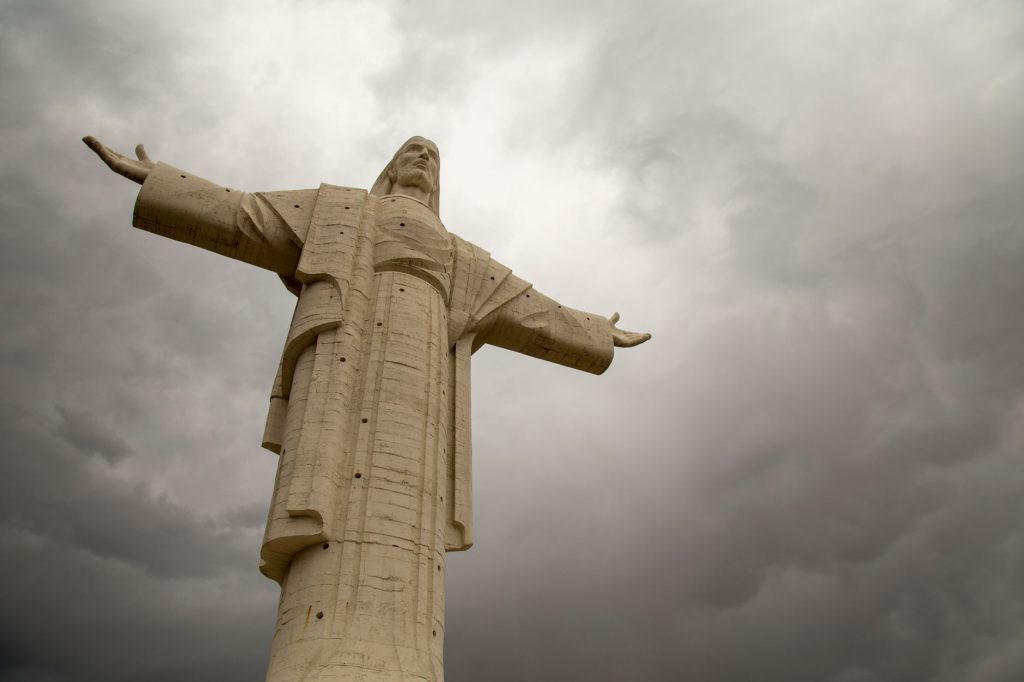
The lowland city: hot, flat and nothing like the rest of the country.
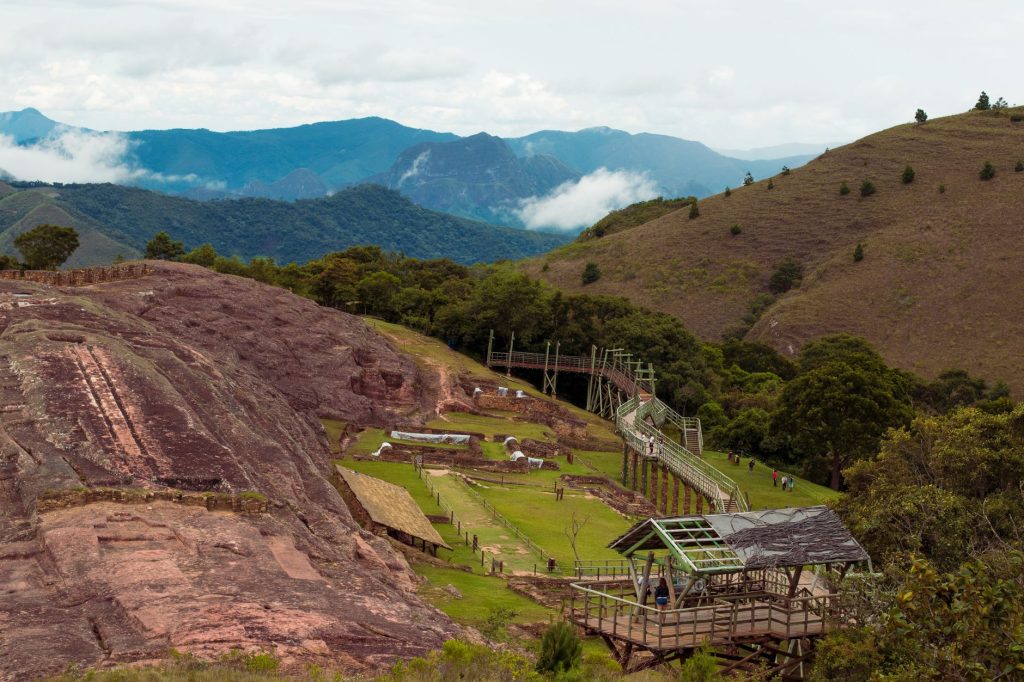
A relaxed village in green hills, between the UNESCO-listed El Fuerte ruins and the cloud forests of Amboró.
The city of eternal spring and Bolivia's food capital, and the base for the dinosaur tracks of Torotoro.
Bolivia is an altiplano trip, and the salt flat is what most itineraries are built around.
Salt flats, Death Road and mountains above 6,000 metres.
The cheapest country on the continent, by a distance.
Indigenous culture that is the majority rather than a remnant.
La Paz and Sucre, at very different altitudes.
Cheap, filling and built for altitude.
No coast since 1879, but Lake Titicaca stands in.
The Uyuni tour is the centrepiece: three days in a 4x4 across the salt flat, past the train cemetery, an island of cactus, coloured lagoons full of flamingos, geysers at 5,000 metres and hot springs, usually finishing at the Chilean border near San Pedro de Atacama. Operators vary enormously in safety and quality — choose on reviews rather than price, because the cheapest have a poor record.
In La Paz, Mi Teleférico is the world's largest urban cable car network and functions as public transport, which makes it the cheapest sightseeing anywhere. Death Road, a 64km descent from 4,650 metres to jungle, is done with guided operators and is the other thing people come for.
Sucre is where travellers stop moving — cheap Spanish schools, a pleasant climate at 2,800 metres and a walkable white centre. Potosí's mine tours go into working cooperative mines and are genuinely uncomfortable, which is the point of them.
The almuerzo is the everyday meal — soup, a main and a drink for €2 to €3.50 at lunch — and it is the cheapest set meal on the continent.
Salteñas are the mid-morning institution: baked pastries filled with soupy stew, eaten standing, and messier than they look. Api, a hot purple corn drink, is the breakfast alongside them.
In the highlands, the food is potatoes, quinoa, llama and soup, built for cold and altitude. Santa Cruz in the lowlands eats completely differently, with more meat and tropical fruit. Singani, the grape spirit, is the national drink and appears in a chuflay with ginger ale. Coca tea and coca leaves are legal, everywhere, and genuinely help with altitude.
La Paz has the nightlife, concentrated in Sopocachi and around the backpacker hostels, and altitude makes it a different experience — alcohol hits considerably harder at 3,640 metres and the hangovers are worse.
Sucre is the other option, with a student population and cheap bars around the main square.
Prices are very low: a beer is €1 to €2, cocktails €3 to €5. Cholitas wrestling in El Alto is the other evening entertainment — staged lucha libre with women in traditional dress, touristy and genuinely entertaining. Bolivia also has dry days around elections when alcohol sales stop nationwide.
Buses are the network and they are very cheap — La Paz to Sucre is around twelve hours for €10 to €20, usually overnight. Standards vary; the cama services on main routes are comfortable and the cheapest local buses are not.
Roads are mountainous and journey times unreliable. Blockades are a genuine feature of Bolivian political life and can close major routes for days at short notice, so build in buffer time and ask locally before long journeys.
Domestic flights on BoA save enormous amounts of time — La Paz to Sucre is 45 minutes for €40 to €80 — and are worth it on the long legs. In La Paz, the cable car network is the best way around, and it costs a few cents a ride.
Bolivia is the cheapest country in South America. Dorms start around €6, an almuerzo is €2 to €3.50, a beer is €1 to €2, and an overnight bus across the country costs €10 to €20.
A comfortable day is €18 to €30, which is roughly half what neighbouring Chile costs.
The Uyuni tour is the main one-off at €120 to €200 for three days including everything, and Death Road is €60 to €100. Bolivia is a cash country: ATMs exist in cities but are unreliable elsewhere, card acceptance is limited, and dollars are useful as a backup. Bring small notes — nobody has change.
Altitude is the first and biggest risk. La Paz at 3,640 metres and Potosí at 4,000 affect nearly everyone, and Uyuni tours cross 5,000-metre passes. Arrive and do nothing for two days, drink coca tea, avoid alcohol at first, and descend if symptoms worsen. Medical facilities outside La Paz and Santa Cruz are limited.
Tour safety is the second. Uyuni 4x4 tours have had fatal accidents involving drunk driving, exhaustion and poorly maintained vehicles, and Death Road has killed cyclists. Choose operators on their safety record and reviews, never on price, and walk away from anything that feels rushed.
Crime is mostly opportunistic — bag theft and the fake police scam in La Paz, where someone in uniform asks to check your documents or bags. Real police do not do this in the street. Blockades and protests are frequent, disruptive rather than dangerous, and should be avoided rather than photographed.
Most European and UK citizens enter visa-free for 90 days per year. US and some other nationalities require a visa, obtainable in advance or on arrival, with a fee and paperwork including proof of accommodation, onward travel and sometimes a yellow fever certificate.
Check the official position for your nationality, because Bolivia's requirements differ more by passport than most countries on the continent.
Yellow fever vaccination is required for entry to some lowland areas and recommended for the Amazon regions. Passports need six months' validity.
May to October is the dry season and the easiest time to travel. The salt flat mirror needs rain, which means the wet season — so the two best things here happen at opposite times.
Average highs for La Paz, where the real story is nights near freezing year-round at 3,640m. The Uyuni mirror effect needs standing water and generally appears between December and April; the dry season gives you the classic white crust and easier roads.
Pick how you travel and how long for. Per night, for one person, in euro equivalents of bolivianos.
The Uyuni tour at €120–200 for three days and Death Road at €60–100 sit outside these figures.
Oruro Carnival is UNESCO-listed and one of the great festivals of South America.
Reggaeton stars Blessd and Wisin are sharing the stage in La Paz for Pura Vibra Festival at Hernando Siles Stadium, Bolivia's largest stadium with…
Camila brings their beloved Latin pop sound to La Paz's open-air theater for a November concert. The Mexican trio, known for romantic ballads that…
Carlos Ballarta presents Naco Ladino, a show packed with intelligent and irreverent humor. The performance delivers sharp truths told in a unique style only…
The KEN-Y Enamorado concert has been rescheduled to October 17, 2026, due to the country's situation. Tickets purchased for the original date remain valid…
Los Prisioneros, one of Latin rock's most influential bands, headlines this major rock gathering in La Paz. The Chilean legends will bring their generation-defining…
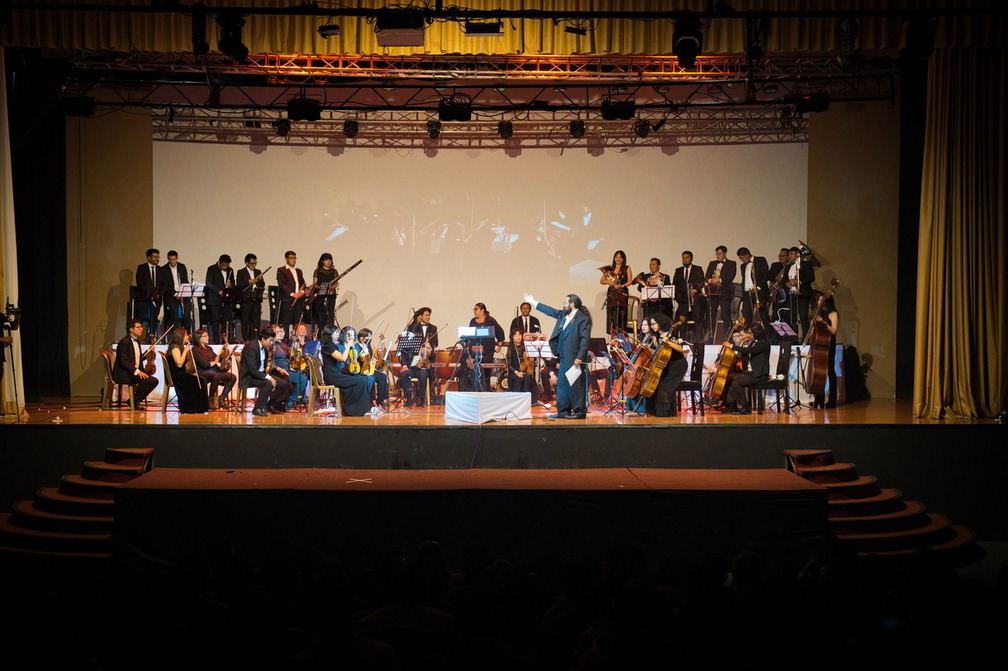
Experience a special Halloween-themed symphonic concert with Sinfónica Chuquiago. The event takes place at Campo Ferial Chuquiago Marka, offering a variety of seating options…
Ricardo Montaner brings his beloved romantic ballads to La Paz, and demand for this concert is already running high. The Venezuelan-Argentine singer has built…
Chukuta Challenge 2026 invites you to experience the spirit of La Paz through a unique running event. The race offers 5km and 10km distances,…
The highest-rated hostels in the country, live from Hostelworld. La Paz and Sucre have the most, and Uyuni fills around the tour schedules.
Sustainable
The ones we get asked most.
Compare hostels across Bolivia — live prices, real reviews and free cancellation on most bookings. Then meet the people already there in the app.