Centro
Sightseeing, budgetAround Plaza 24 de Septiembre, with arcaded streets, the cathedral and most budget hostels.

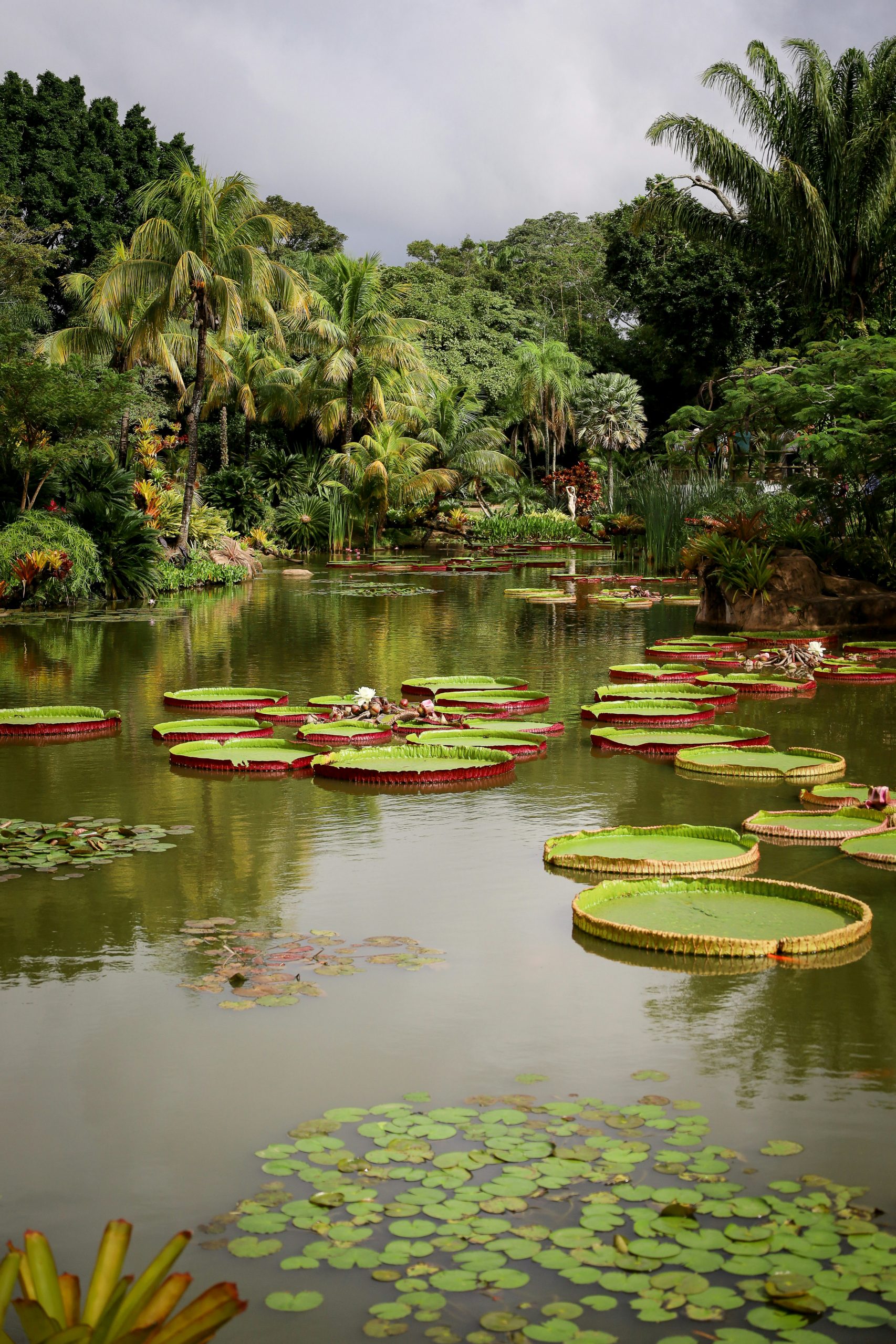
Bolivia's biggest city sits in the tropical lowlands, hot, flat and full of energy. Not much like the rest of the country, and the gateway to cloud forests, Jesuit missions and sand dunes.
Santa Cruz is Bolivia's largest and fastest-growing city, and it feels like a different country from the altiplano. At around 400 metres above sea level, the air is warm and humid, the people are known as cambas, and life moves to a tropical rhythm of long lunches, siestas and late nights.
The city is laid out in rings around Plaza 24 de Septiembre, the leafy main square with the cathedral and benches packed with people in the evening. Further out, the rings are lined with shopping centres, restaurants and the bars of Equipetrol, the city's nightlife district.
For travellers, Santa Cruz is above all a gateway. It has Bolivia's main international airport, Viru Viru, and is the base for Samaipata and Amboró National Park, the UNESCO-listed Jesuit missions of Chiquitos and the lowland wilderness further east. Two or three days is enough for the city itself, with time for a sand dune afternoon or a butterfly park.
Stay near Plaza 24 de Septiembre for walkable sightseeing and cheaper hostels, or in Equipetrol for nightlife and restaurants.
Around Plaza 24 de Septiembre, with arcaded streets, the cathedral and most budget hostels.
The city's nightlife and dining district, north-west of the centre. Modern, lively and pricier.
Between the first and second rings, lined with cafés and ice cream shops. Easy walking distance from the centre.
Close to the long-distance terminal east of the centre. Handy for departures, quiet otherwise.
Orange labels are neighbourhoods, dots are the 6 top-rated hostels. Map data from OpenStreetMap contributors.
Start at Plaza 24 de Septiembre, the heart of the city, and climb the cathedral bell tower for a view over the red roofs. The streets around the square have colonial arcades that shade you from the sun, and the Casa de la Cultura hosts free exhibitions.
On the edge of the city, Biocentro Güembé is a nature park with a huge butterfly dome, an orchid garden and swimming pools, ideal on a hot day. Lomas de Arena, a regional park of sand dunes and lagoons south of the city, is good for sandboarding and swimming, best reached by 4x4 or tour.
Santa Cruz is also the jumping-off point for bigger trips. Samaipata, three hours west, has the UNESCO-listed El Fuerte ruins and Amboró's cloud forests. The Jesuit missions of Chiquitos, a circuit of beautifully restored churches in the eastern lowlands, are a multi-day trip by road.
The main square is free and full of life, especially in the evening when families, couples and street vendors fill the benches.
The Casa de la Cultura on the square often has free exhibitions, and the arcaded streets around it are good for a shaded walk. The Mercado Los Pozos is a lively market for tropical fruit and cheap eats, and fun to explore even without buying.
On Sundays, some streets become car-free for cyclists and runners, and the city's parks fill with families.
Lowland food is a world away from highland soups. Majadito, rice cooked with dried beef, egg and fried plantain, is the signature dish, and sonso, a grilled cassava and cheese snack, and cuñapé, chewy cheese bread, are everywhere.
Meat is big in Santa Cruz, with churrasquerías serving grilled beef in generous portions, and the tropical fruit is superb: try juices of guapurú, achachairú and passion fruit at the markets. Breakfast is often a cuñapé with coffee or a glass of mocochinchi, a drink made with dried peach.
The city also has the country's most varied restaurant scene, especially in Equipetrol, with everything from sushi to vegan cafés. Prices are a little higher than in the highlands but still cheap by European standards.
Santa Cruz has Bolivia's liveliest nightlife after La Paz, and many would say the best. Equipetrol is the centre of it, with bars, clubs and terraces along its avenues, busiest from Thursday to Saturday.
The warm evenings make outdoor drinking easy, and nights start late and go on until morning. Around the main square, bars are smaller and more relaxed.
At around 400 metres above sea level, the altitude is no longer a factor, but the heat is, so drink water between rounds. Take a radio taxi or ride-hailing app home.
The city is big and spread out in rings, so you will use micros (minibuses), taxis or ride-hailing apps beyond the centre. Micros are very cheap but confusing at first; apps are easier and safer at night.
Viru Viru International Airport is about 15km north of the centre, with flights across Bolivia and to other South American cities, plus some long-haul routes. Taxis and buses connect it to town.
The Bimodal terminal, east of the centre, handles long-distance buses and trains, including services to Samaipata, Cochabamba, Sucre and towards Brazil. Shared taxis to Samaipata leave from the south-west of the city.
Santa Cruz is slightly more expensive than highland Bolivia but still very good value. Dorm beds run from around €6 to €12, a plate of majadito or an almuerzo costs a few euros, and juices at the market even less.
The extras are the parks and day trips: Biocentro Güembé has an entry fee, and tours to Lomas de Arena or Samaipata are affordable, especially in a group.
Card payment is more common here than elsewhere in Bolivia, but carry cash for markets and micros. The exchange situation has changed a lot since 2024, so check current advice before you travel.
Santa Cruz is generally safe in the centre and in Equipetrol, but it is a big city, so take normal precautions. Petty theft happens in markets, on micros and around the bus terminal, and phone snatching is the most common problem.
Use radio taxis or ride-hailing apps at night rather than hailing cars in the street, and avoid walking alone in quiet areas after dark.
The heat and sun are the other risks. Drink plenty of water, use sun cream and, in the wet season, mosquito repellent. In an emergency, call 110 for police or 118 for an ambulance.
Santa Cruz is the base for the lowlands and the eastern Andes.
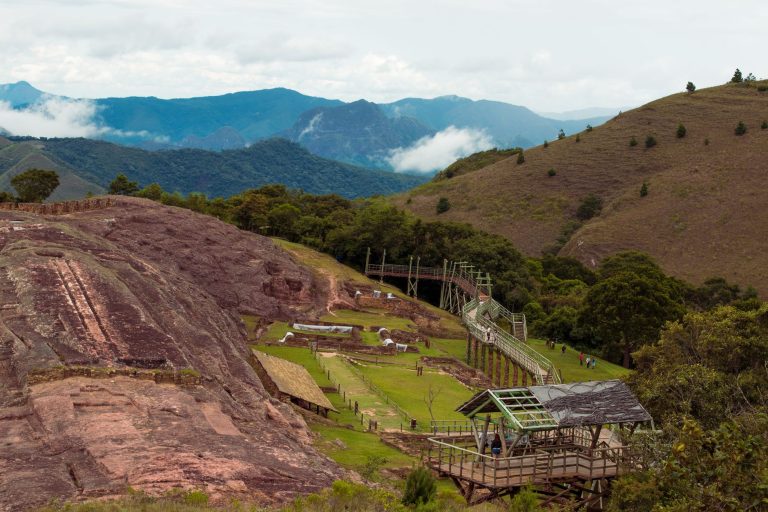
A laid-back village near El Fuerte and Amboró's cloud forests. Stay a few nights.
Carnival is the city's biggest party, and one of the biggest in Bolivia.
Parades, water fights and comparsas, one of Bolivia's biggest carnivals.
The city celebrates the anniversary of its 1810 independence uprising.
Baroque concerts in the mission churches of Chiquitos.
The highest-rated hostels in Santa Cruz, straight from Hostelworld. Prices and availability are live on each property page.
 Sustainable
Santa Cruz is hot all year. May to September is drier and slightly cooler, the best time for trips into the countryside; November to March is hot, humid and rainy.
Average highs, rounded. Cold southern winds, called surazos, can bring sudden cool spells between May and August.
Per night, for one person, based on Santa Cruz prices.
Treat these as a guide, as prices and exchange rates have moved a lot.
The ones we get asked most.

Compare hostels in Santa Cruz: live prices, real reviews and free cancellation on most bookings. Then meet the people already there in the app.

 Get the App.



 Get the App.